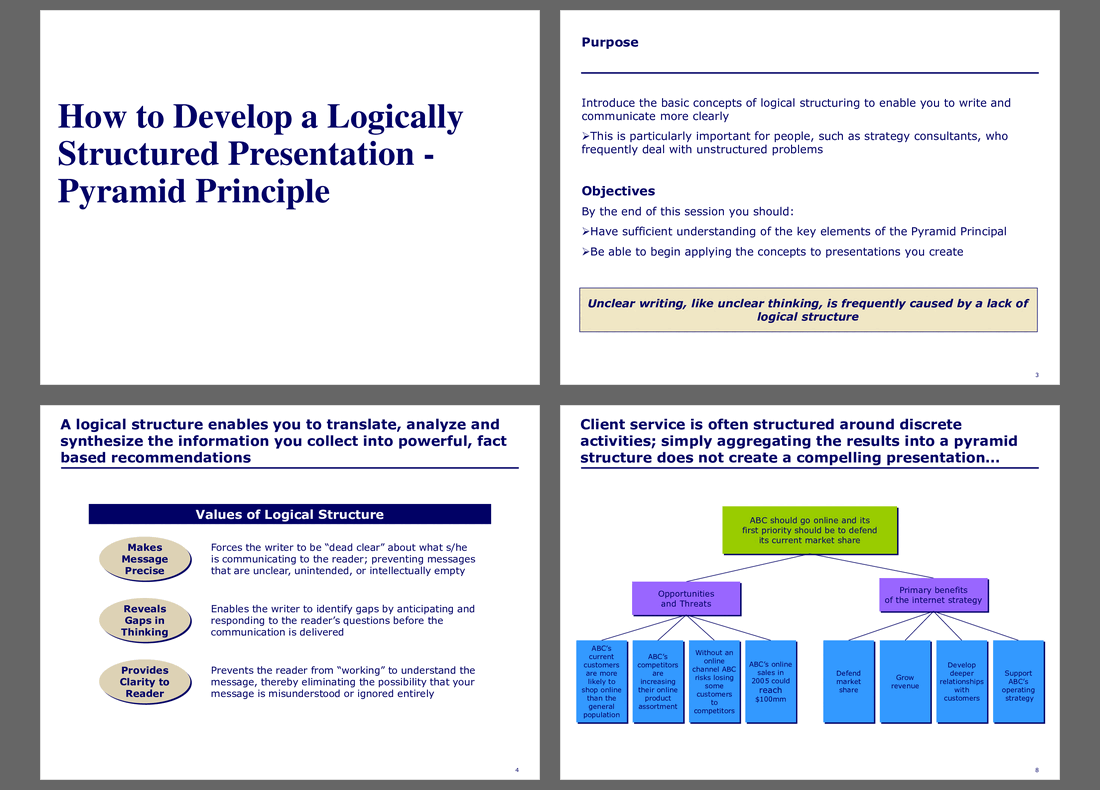
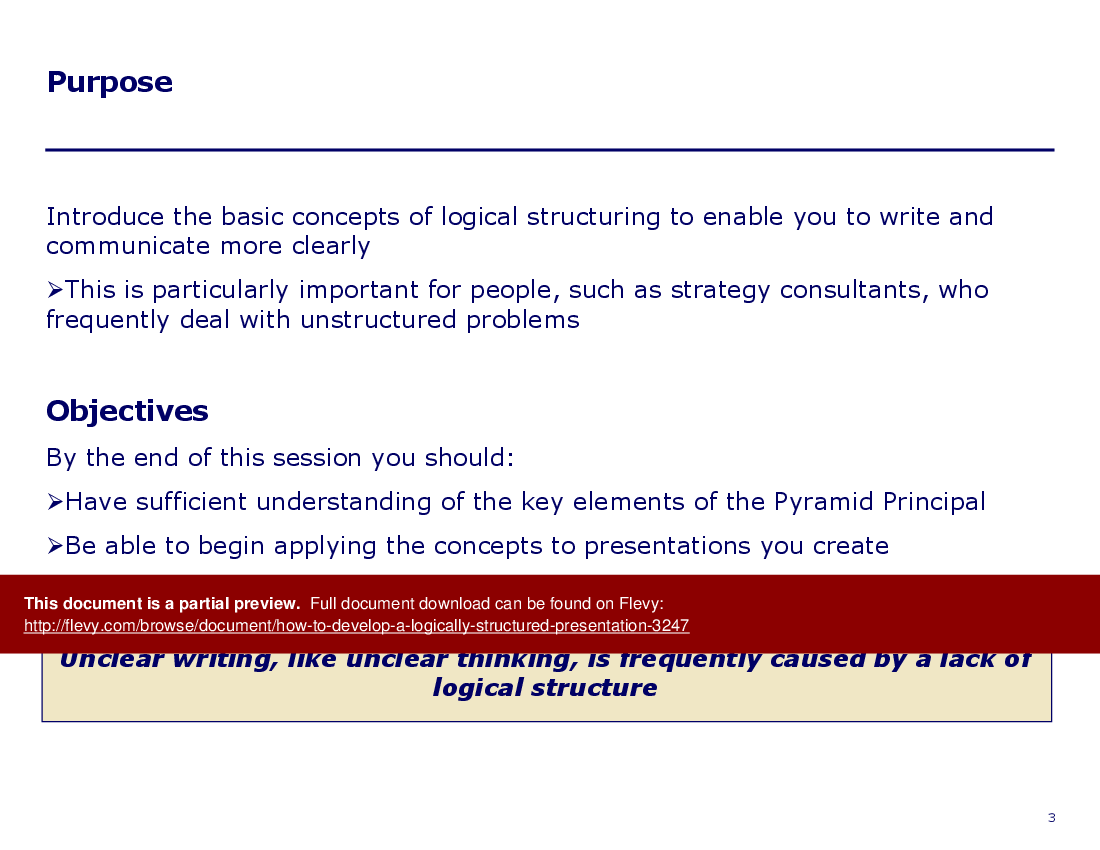

This deck introduce the basic concepts of logical structuring to enable you to write and communicate more clearly. This is particularly important for people, such as strategy consultants, who frequently deal with unstructured problems.
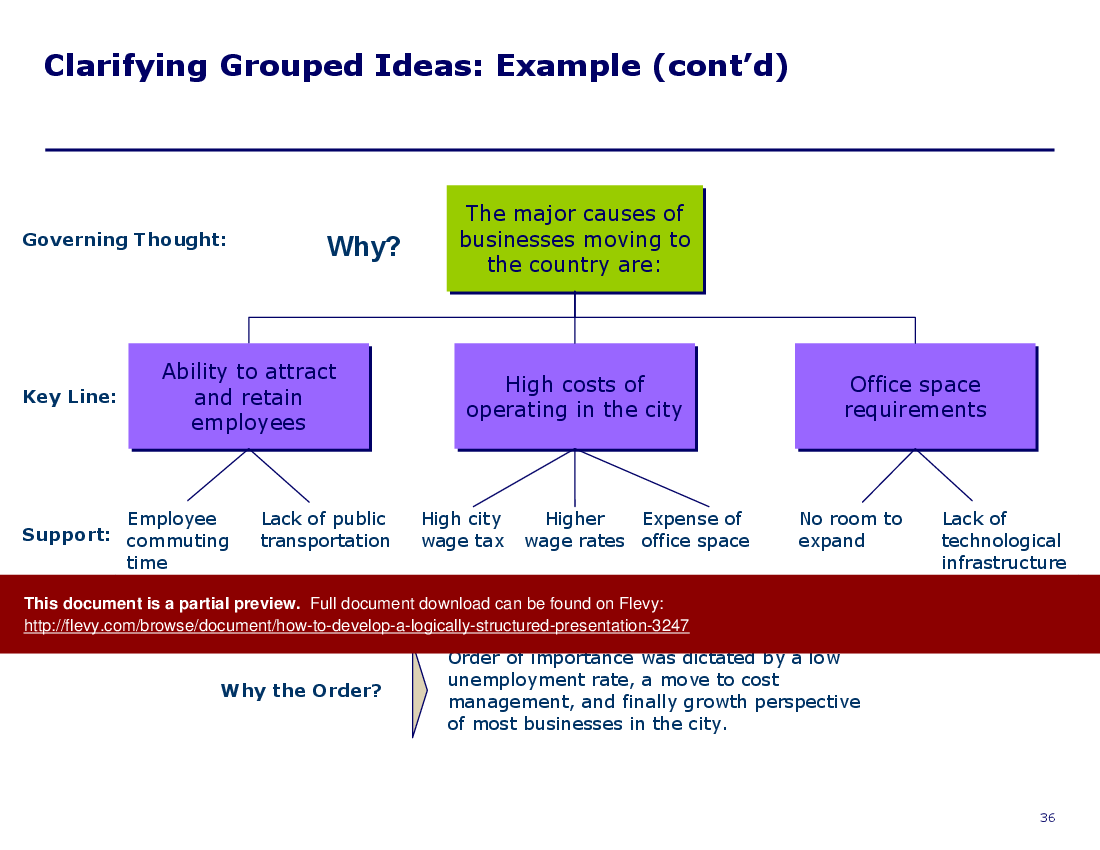
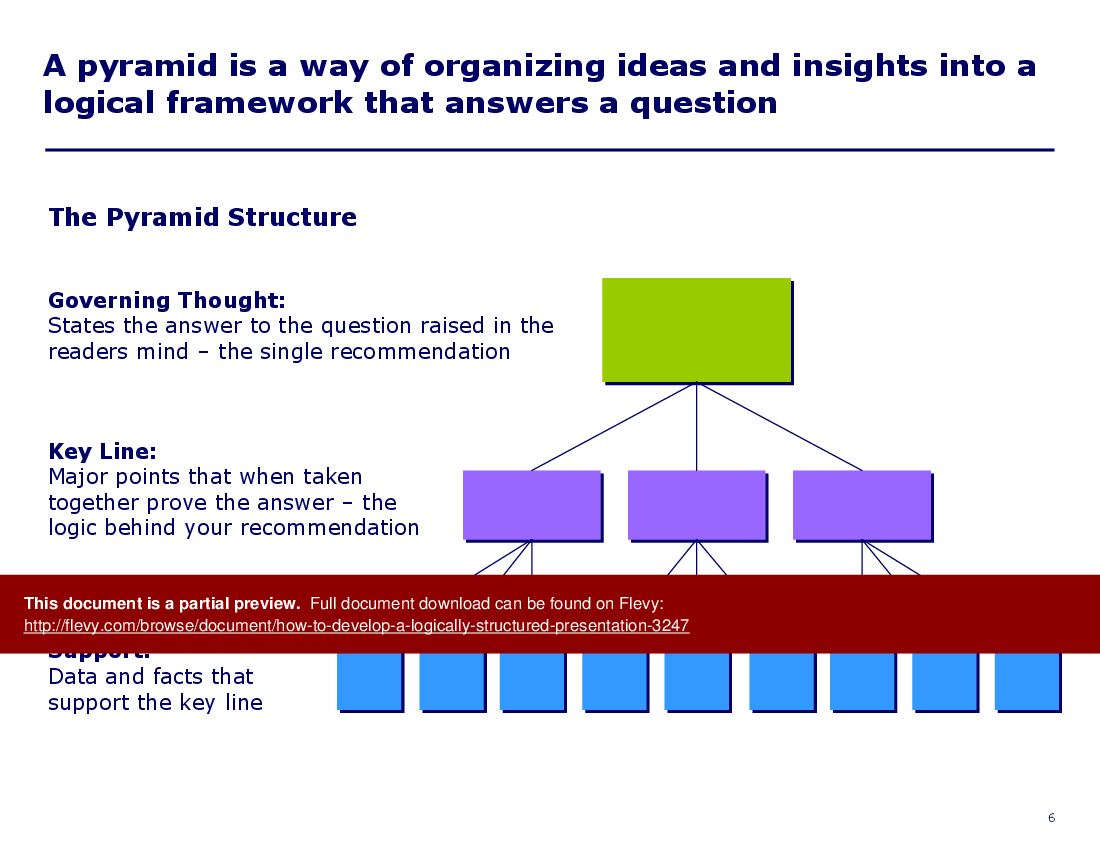
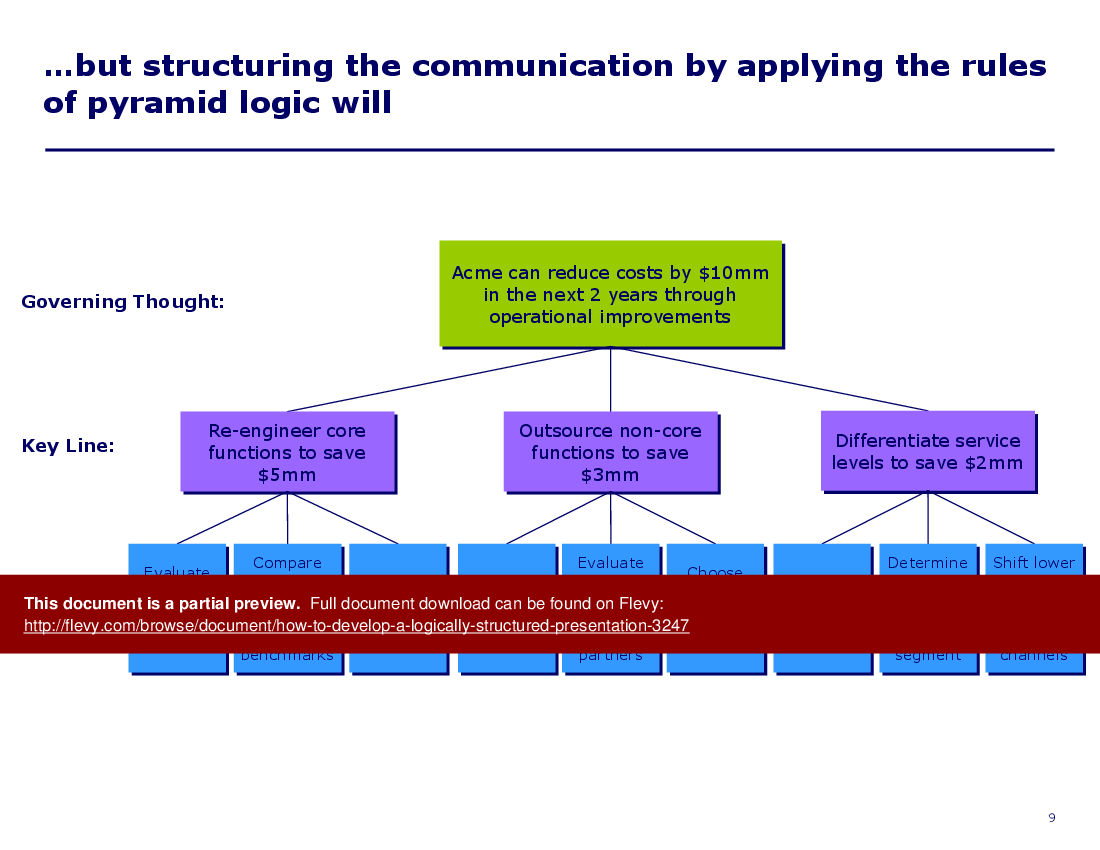
This presentation delves into the Pyramid Principle, a method for organizing ideas into a logical framework that answers a question. The Pyramid Structure is broken down into three key components: the Governing Thought, which states the main recommendation; the Key Line, which includes major points supporting the recommendation; and the Support, which consists of data and facts backing the key points. This structured approach ensures clarity and coherence in your communication.
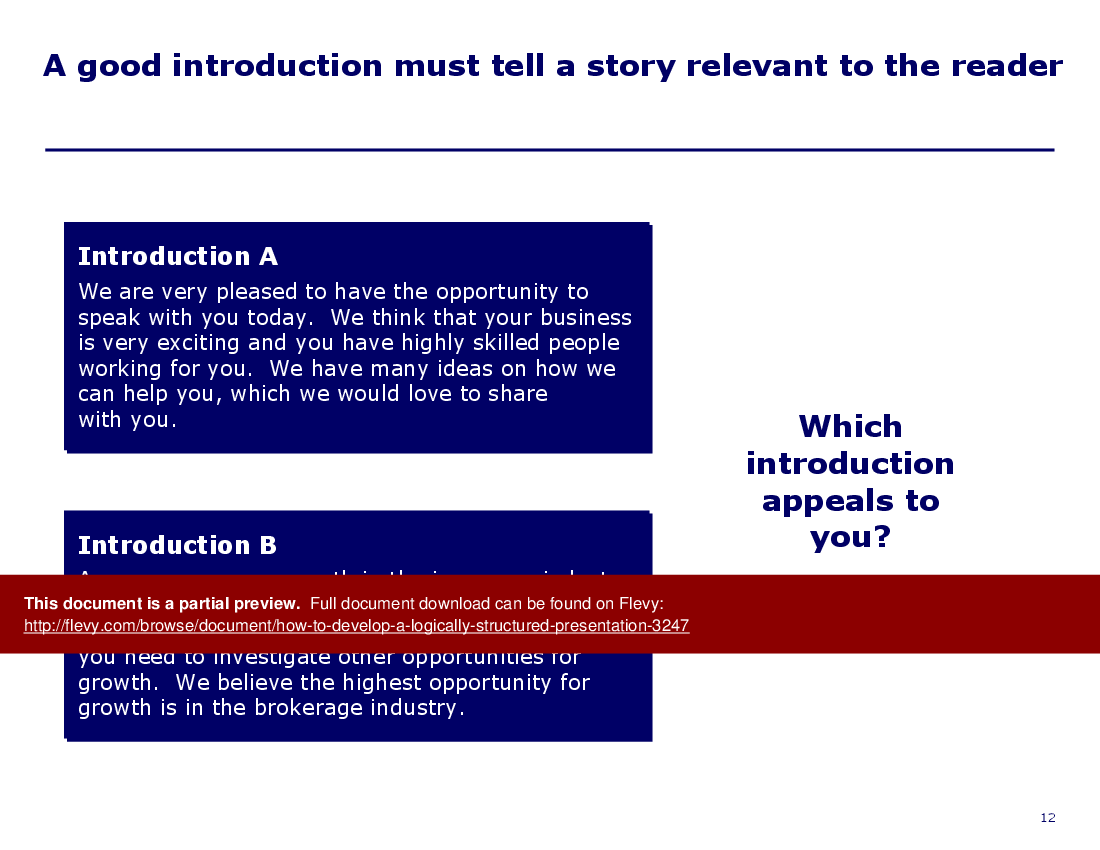
You'll also learn how to create compelling introductions that resonate with your audience. The presentation contrasts two types of introductions to illustrate how a well-crafted opening can engage your audience and set the stage for your message. This is crucial for capturing attention and establishing relevance from the outset.
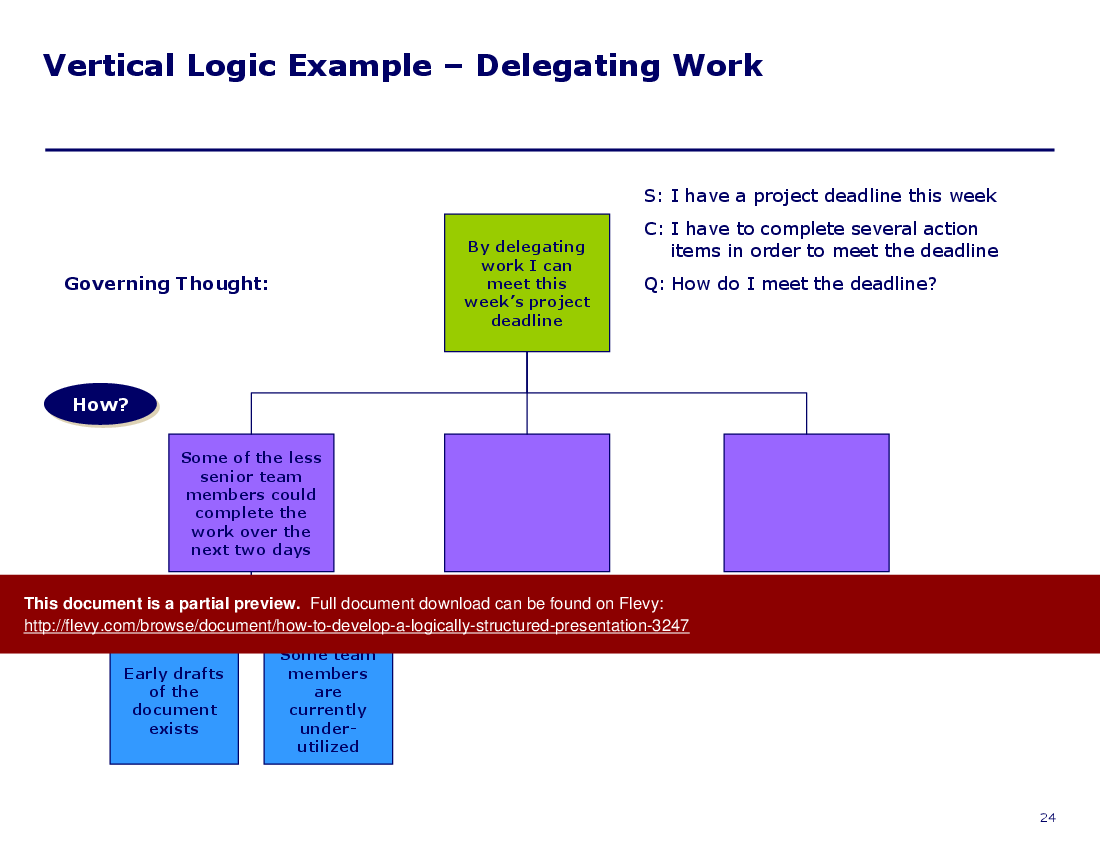
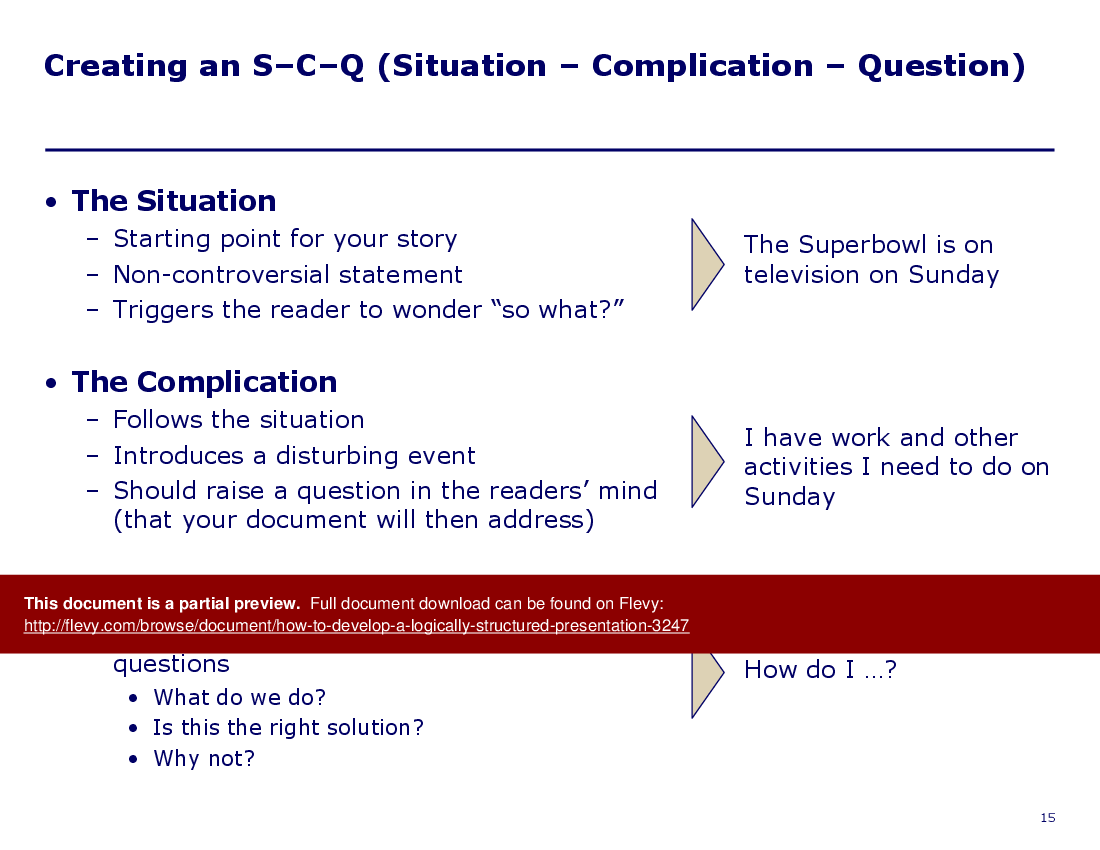
The document further explores the S-C-Q (Situation-Complication-Question) framework, a powerful tool for structuring your narrative. By presenting a situation, introducing a complication, and posing a question, you can guide your audience through a logical progression that keeps them engaged and focused on the key issues.
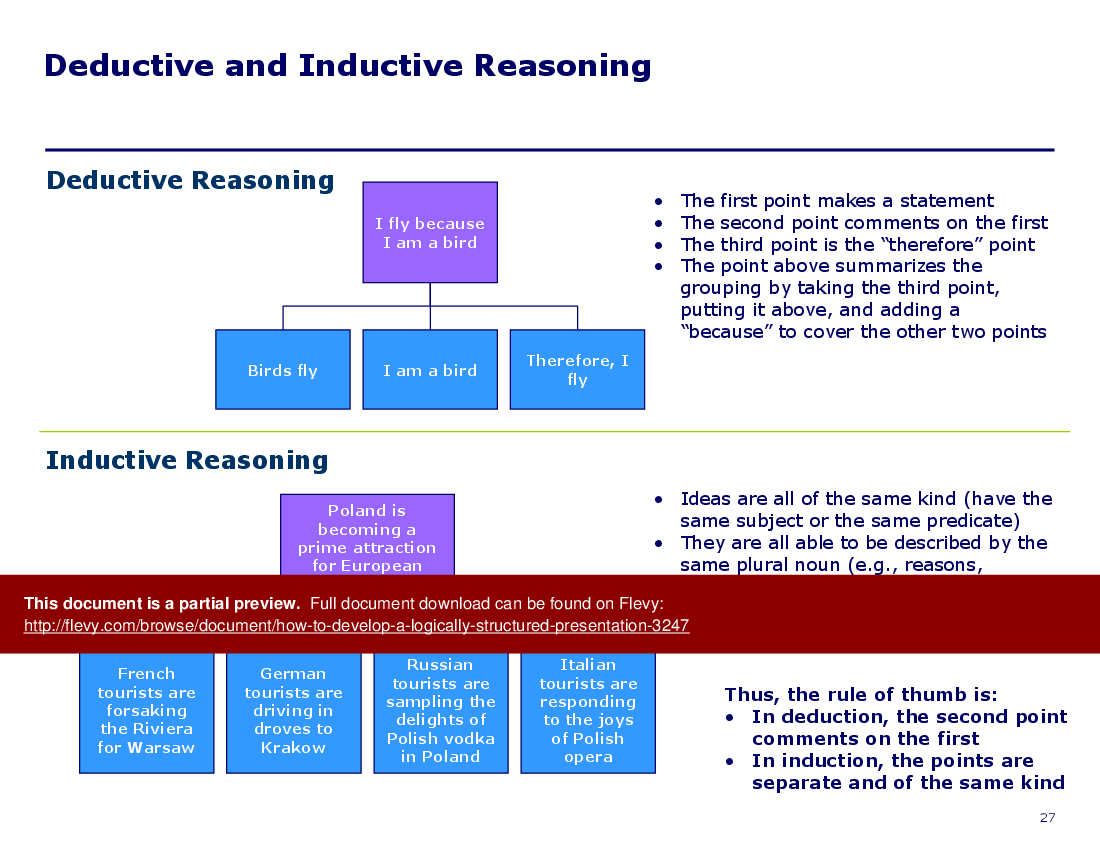
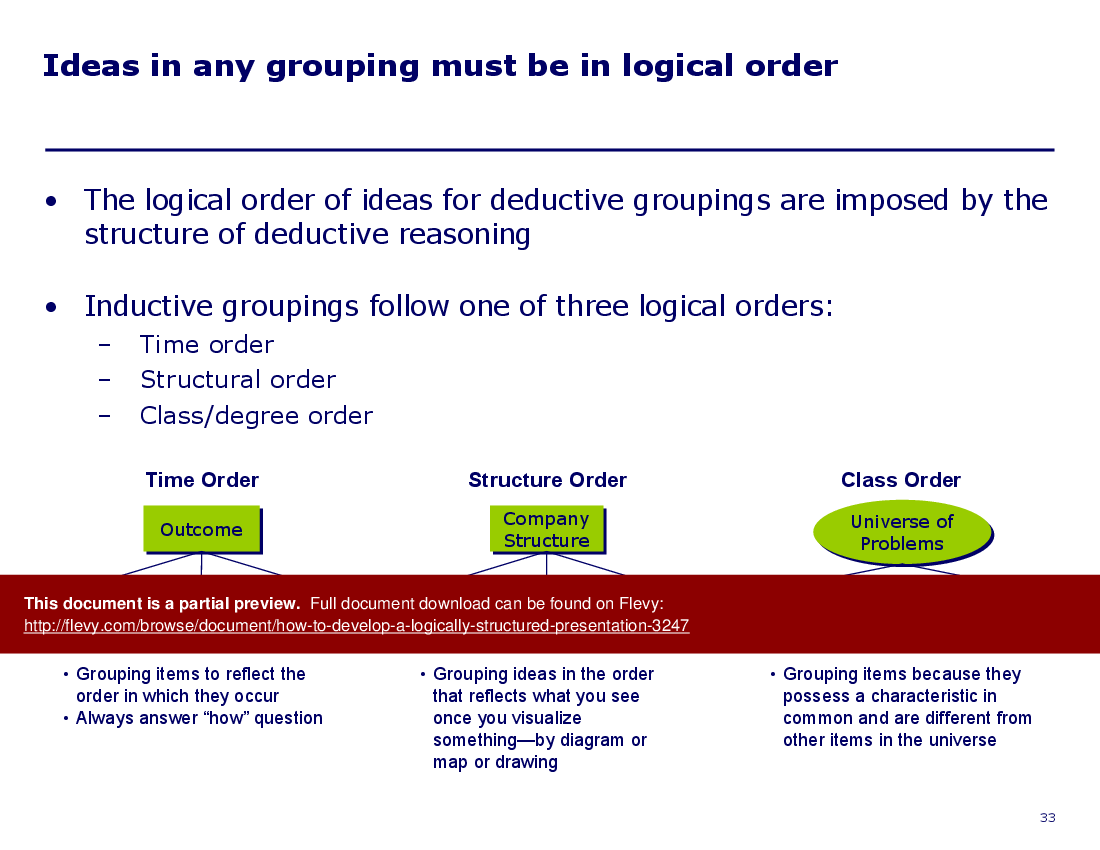
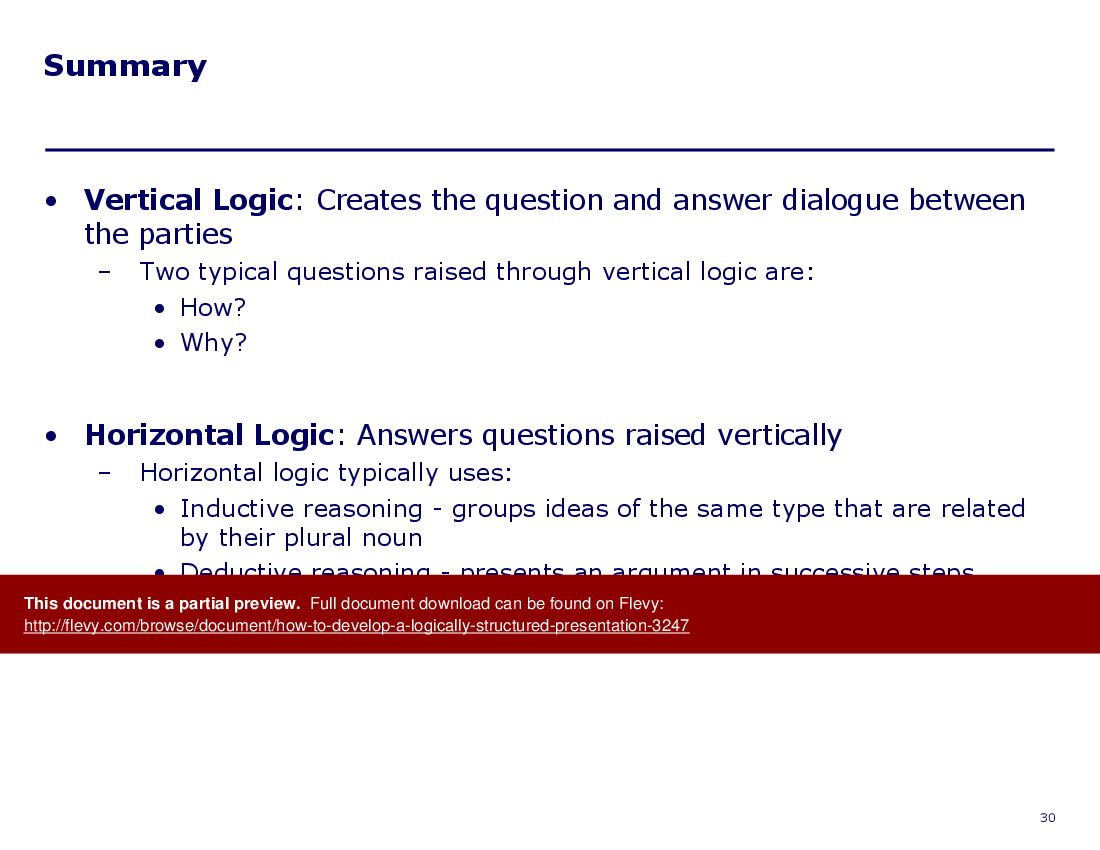
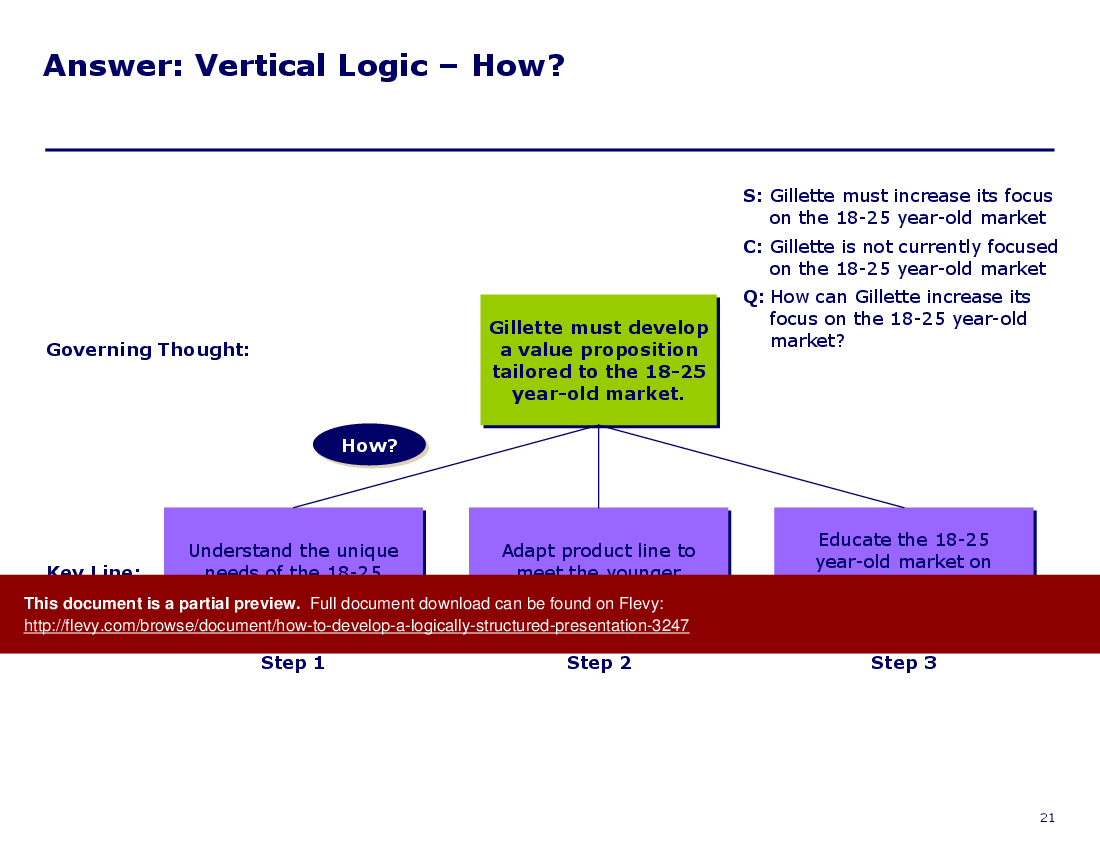
The presentation covers vertical and horizontal logic, essential for answering questions raised during your presentation. Vertical logic creates a dialogue by addressing "how" and "why" questions, while horizontal logic uses inductive and deductive reasoning to group ideas logically. This dual approach ensures your presentation is both comprehensive and easy to follow.
Got a question about the product? Email us at support@flevy.com or ask the author directly by using the "Ask the Author a Question" form. If you cannot view the preview above this document description, go here to view the large preview instead.
Executive Summary
This presentation titled "How to Develop a Logically Structured Presentation" is designed to enhance your ability to create clear and impactful presentations using the Pyramid Principle and S-C-Q framework. Crafted with insights from ex-McKinsey consultants, this consulting-grade content (not affiliated) equips professionals to tackle unstructured problems effectively. By mastering logical structuring, you will improve clarity in communication, ensuring your messages are precise and engaging.
Who This Is For and When to Use
• Strategy consultants seeking to enhance presentation skills
• Corporate executives aiming for clearer communication in reports
• Team leaders responsible for delivering complex information
• Professionals involved in stakeholder presentations and decision-making
Best-fit moments to use this deck:
• During preparation for high-stakes presentations
• When addressing complex, unstructured problems
• In workshops focused on improving communication skills
Learning Objectives
• Define the key elements of the Pyramid Principle
• Apply logical structuring concepts to your presentations
• Identify gaps in thinking and communication
• Create compelling storyboards that engage audiences
• Develop clear introductions that set the stage for your message
• Utilize S-C-Q to frame your presentations effectively
Table of Contents
• Overview (page 3)
• Writing the Introduction (page 4)
• Working Out the Logic (page 19)
• Grouping the Ideas (page 33)
• Creating the Storyboard (page 43)
• CareFirst Case Study (page 52)
• Debrief (page 58)
Primary Topics Covered
• Pyramid Principle - A structured approach to organizing ideas that enhances clarity and engagement in presentations.
• S-C-Q Framework - A method for framing presentations by establishing the Situation, Complication, and Question to guide the narrative.
• Logical Structuring - Techniques to ensure messages are clear, precise, and prevent misunderstandings.
• Vertical Logic - A method for creating a Q&A dialogue with the audience, ensuring that each point builds on the previous one.
• Horizontal Logic - Organizing supporting ideas in a coherent manner to reinforce the main message.
• Storyboarding - Translating structured ideas into a visual format that tells a compelling story.
Deliverables, Templates, and Tools
• Pyramid structure template for organizing ideas
• S-C-Q framework template for framing presentations
• Storyboard template for visualizing presentation flow
• Case study examples for practical application
• Exercises for practicing logical structuring
• Guidelines for effective introductions
Slide Highlights
• Overview slide outlining the purpose and objectives of the presentation
• Examples illustrating the transformation from unclear to clear messaging
• Visual representations of the Pyramid Principle and S-C-Q framework
• Case study slides demonstrating real-world application of logical structuring
• Summary slide reinforcing key takeaways from the session
Potential Workshop Agenda
Introduction to Logical Structuring (10 minutes)
• Overview of the Pyramid Principle and its importance
• Discussion on common pitfalls in presentations
Writing the Introduction (30 minutes)
• Case study analysis of effective introductions
• Group exercise to craft compelling introductions
Working Out the Logic (60 minutes)
• Hands-on practice with vertical and horizontal logic
• Group discussions on structuring ideas
Creating the Storyboard (110 minutes)
• Break
• Case study application to develop a storyboard
• Debrief on group presentations
Customization Guidance
• Tailor the Pyramid structure to fit specific presentation topics or audiences
• Adjust the S-C-Q framework to reflect the unique situation and complications of your message
• Incorporate organizational terminology and metrics to align with your brand voice
Secondary Topics Covered
• Importance of clarity in communication
• Techniques for engaging diverse audiences
• Strategies for addressing unstructured problems
• Best practices for visual storytelling in presentations
FAQ
What is the Pyramid Principle?
The Pyramid Principle is a structured approach to organizing ideas that enhances clarity and engagement in presentations by ensuring that each point logically supports the main argument.
How do I apply the S-C-Q framework?
The S-C-Q framework involves defining the Situation, Complication, and Question to guide the narrative of your presentation, ensuring that it addresses the audience's concerns effectively.
Why is logical structuring important?
Logical structuring is crucial as it prevents misunderstandings, clarifies messages, and ensures that the audience can easily follow the presented information.
What are common pitfalls in presentations?
Common pitfalls include unclear headlines, excessive data without context, and visual clutter that obscures the main message.
How can I practice these techniques?
Engage in exercises provided in the presentation, such as crafting introductions and developing storyboards based on case studies.
Can this framework be applied to other types of communication?
Yes, the principles of logical structuring can be applied to reports, emails, and any form of communication where clarity is essential.
What is the role of vertical and horizontal logic?
Vertical logic creates a Q&A dialogue with the audience, while horizontal logic organizes supporting ideas coherently to reinforce the main message.
How can I ensure my presentation is engaging?
Utilize storytelling techniques, clear visuals, and interactive elements to maintain audience interest and engagement throughout your presentation.
Glossary
• Pyramid Principle - A method for organizing ideas logically to enhance clarity.
• S-C-Q Framework - A structure for framing presentations by defining Situation, Complication, and Question.
• Vertical Logic - A technique for creating a question-and-answer dialogue with the audience.
• Horizontal Logic - Organizing supporting ideas in a coherent manner.
• Storyboarding - The process of visualizing a presentation's flow.
• MECE - Mutually Exclusive and Collectively Exhaustive; a principle for organizing ideas without overlap.
• Governing Thought - The main recommendation or conclusion of a presentation.
• Key Line - Major points that support the governing thought.
• Support - Data and facts that back up the key line.
• Clarity - The quality of being easily understood.
• Engagement - The level of interest and attention from the audience.
• Complication - A challenge or issue that needs addressing in the presentation.
• Introduction - The opening section that sets the context for the presentation.
• Conclusion - The final section summarizing the key points and recommendations.
• Visuals - Graphical elements used to enhance understanding and retention of information.
• Narrative - The story or logical flow of the presentation.
• Audience - The group of individuals to whom the presentation is directed.
• Case Study - An example used to illustrate a point or concept.
• Recommendation - A suggested course of action based on analysis.
• Data - Facts and statistics used to support arguments.
Source: Best Practices in Presentation Development PowerPoint Slides: How to Develop a Logically Structured Presentation PowerPoint (PPT) Presentation Slide Deck, Documents & Files
This document is available as part of the following discounted bundle(s):
Save %!
Essential Consulting Skill Builder
This bundle contains 19 total documents. See all the documents to the right.
|
Receive our FREE whitepaper on the Top 101 Consulting Frameworks
Download our 200+ page guide summarizing the Top 101 Management Consulting Frameworks. Each framework provides a structured approach to analyzing and solving a common business problem. |