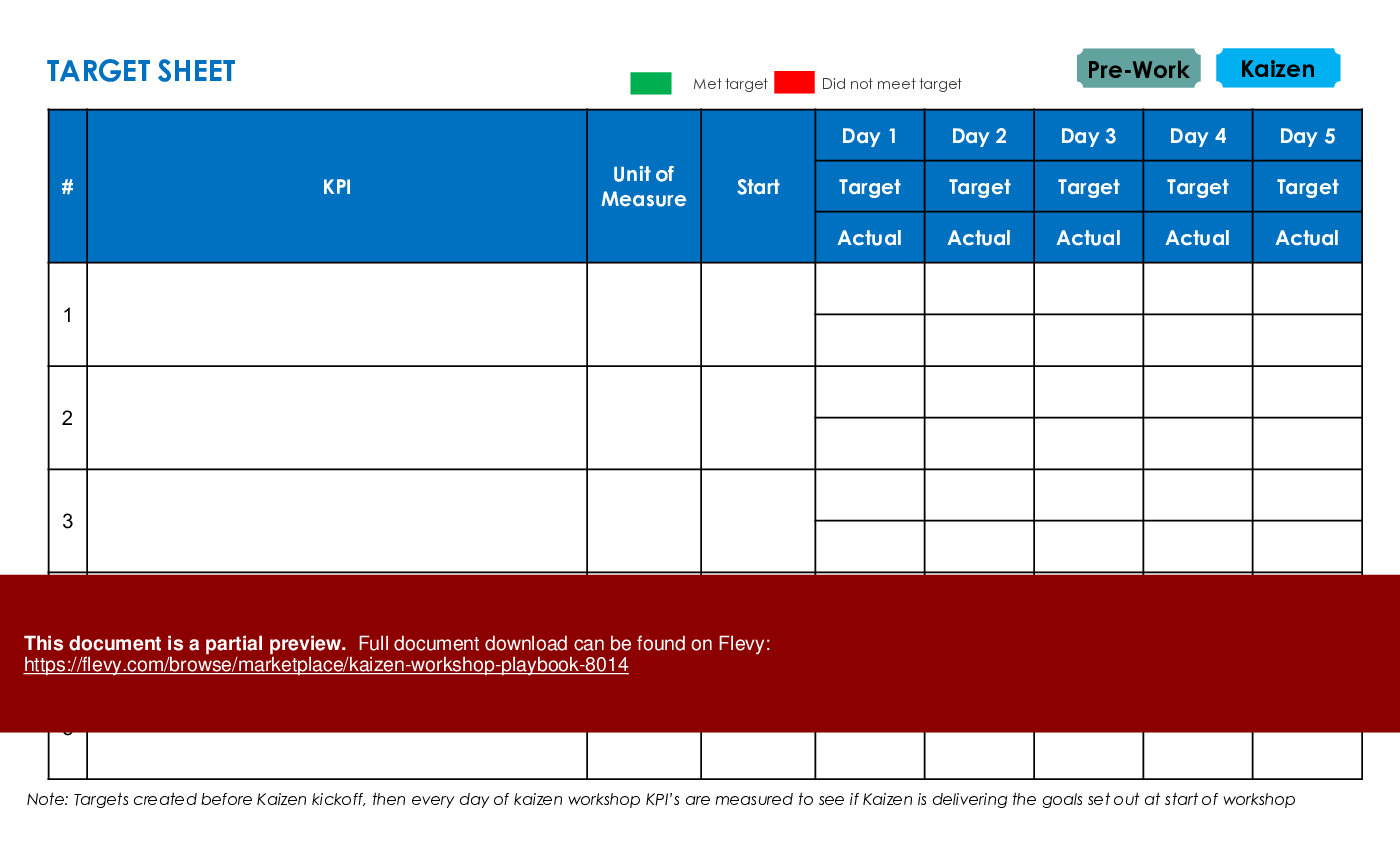

This is a PowerPoint document. It has been designed as a comprehensive guide as to how to create and execute a 3–5-day Kaizen workshop. It can be used as reference material for project leads, or alternatively as training material. It also contains templates that can we used to facilitate the kaizen workshop.
It contains theory around Kaizen to set the scene as to why an organization should use Kaizen. What is a Kaizen culture and how there should be a strategy within the organization around different types of Kaizens. It explains what a Kaizen workshop is and who should lead this type of workshop.
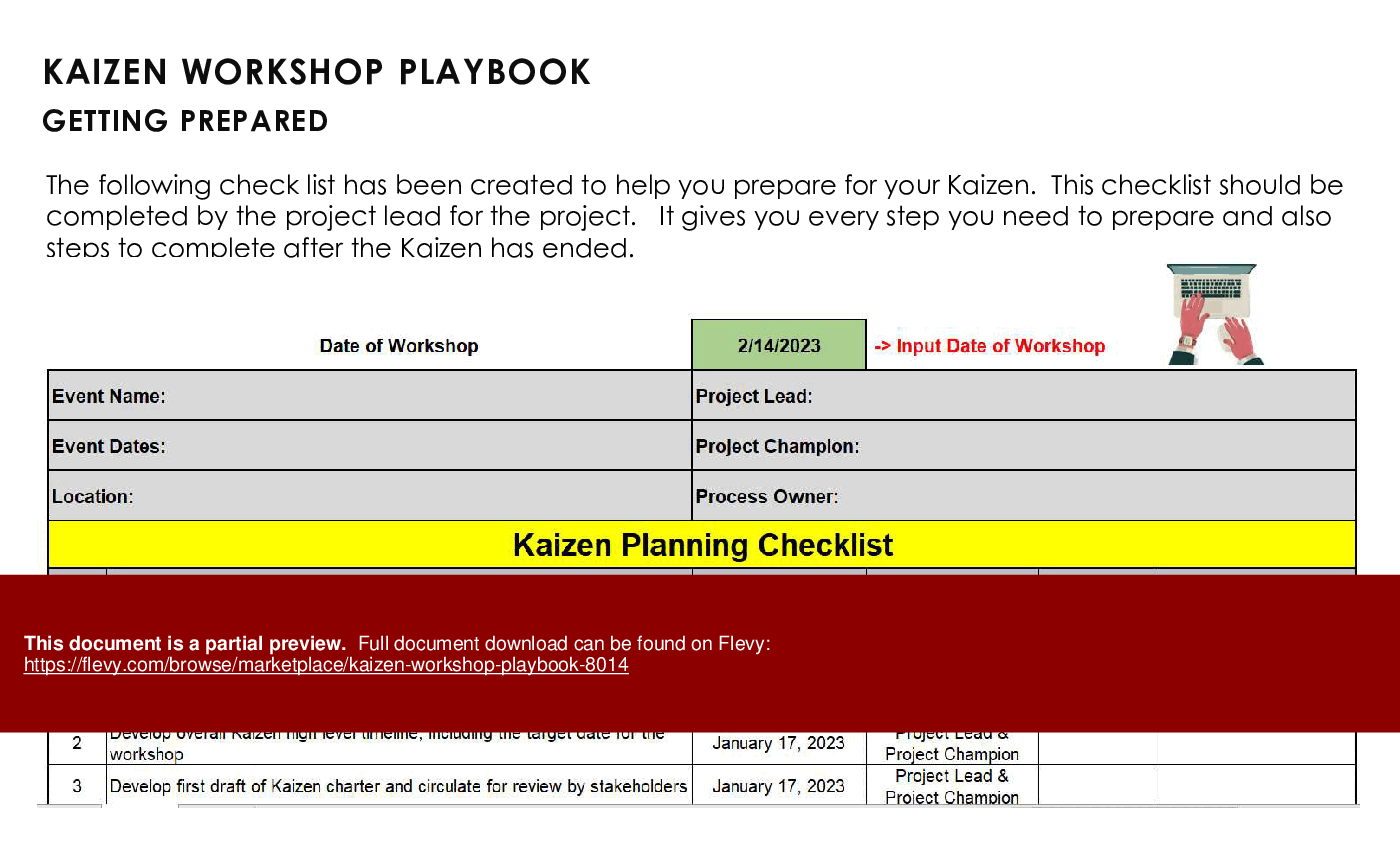
It then gives examples of the different type of documents needed to deliver a Kaizen workshop. It also includes an excel document which is the Kaizen workshop preparation checklist (before and after). This document details the practical steps in getting ready for a Kaizen workshop over the period of pre-work (before) and after the workshop has ended.
The document then continues to explain what the Kaizen workshop week could looks like. This is always the hardest part for a project leader of this type of workshop. How do they lead the team to solve the problem and create as successful solution? It is a big task managing a team for this period of time.
Each step shown is then broken down to explain what it looks like and what type of action the project lead should take. This is in essence a very detailed agenda for the workshop which if followed should lead to a successful outcome. Many tools are shown and discussed, so it assumes that the project lead is a trained lean leader.
Final there is a brief explanation around what to do after the workshop has ended.
Got a question about the product? Email us at support@flevy.com or ask the author directly by using the "Ask the Author a Question" form. If you cannot view the preview above this document description, go here to view the large preview instead.
Executive Summary
The Kaizen Workshop Playbook is an essential resource designed for organizations aiming to implement effective continuous improvement initiatives through structured Kaizen workshops. This comprehensive guide, developed by a seasoned Operations Director, provides a detailed framework for conducting 3-5 day workshops that focus on identifying and eliminating waste while fostering a culture of continuous improvement. The playbook includes step-by-step instructions, templates, and an Excel checklist to streamline the planning and execution of Kaizen events, ensuring that teams can achieve measurable improvements in performance and efficiency.
Who This Is For and When to Use
• Continuous Improvement (CI) leaders seeking to enhance operational efficiency
• Project managers tasked with leading Kaizen workshops
• Cross-functional teams involved in process improvement initiatives
• Executives interested in fostering a culture of continuous improvement
Best-fit moments to use this deck:
• When launching a new continuous improvement initiative
• To address persistent performance issues or metrics falling short
• As part of strategic deployment to align teams on improvement objectives
Learning Objectives
• Define the principles of Kaizen and its application in various business contexts
• Identify and analyze current processes to discover improvement potential
• Generate original ideas for process enhancements through structured brainstorming
• Develop actionable implementation plans with clear responsibilities and timelines
• Evaluate the effectiveness of changes and sustain improvements over time
• Foster a culture of continuous improvement within the organization
Table of Contents
• Why Kaizen? (page 2)
• Getting Started (page 3)
• Kaizen Project Documentation (page 12)
• Kaizen Event (page 25)
• After Kaizen (page 47)
Primary Topics Covered
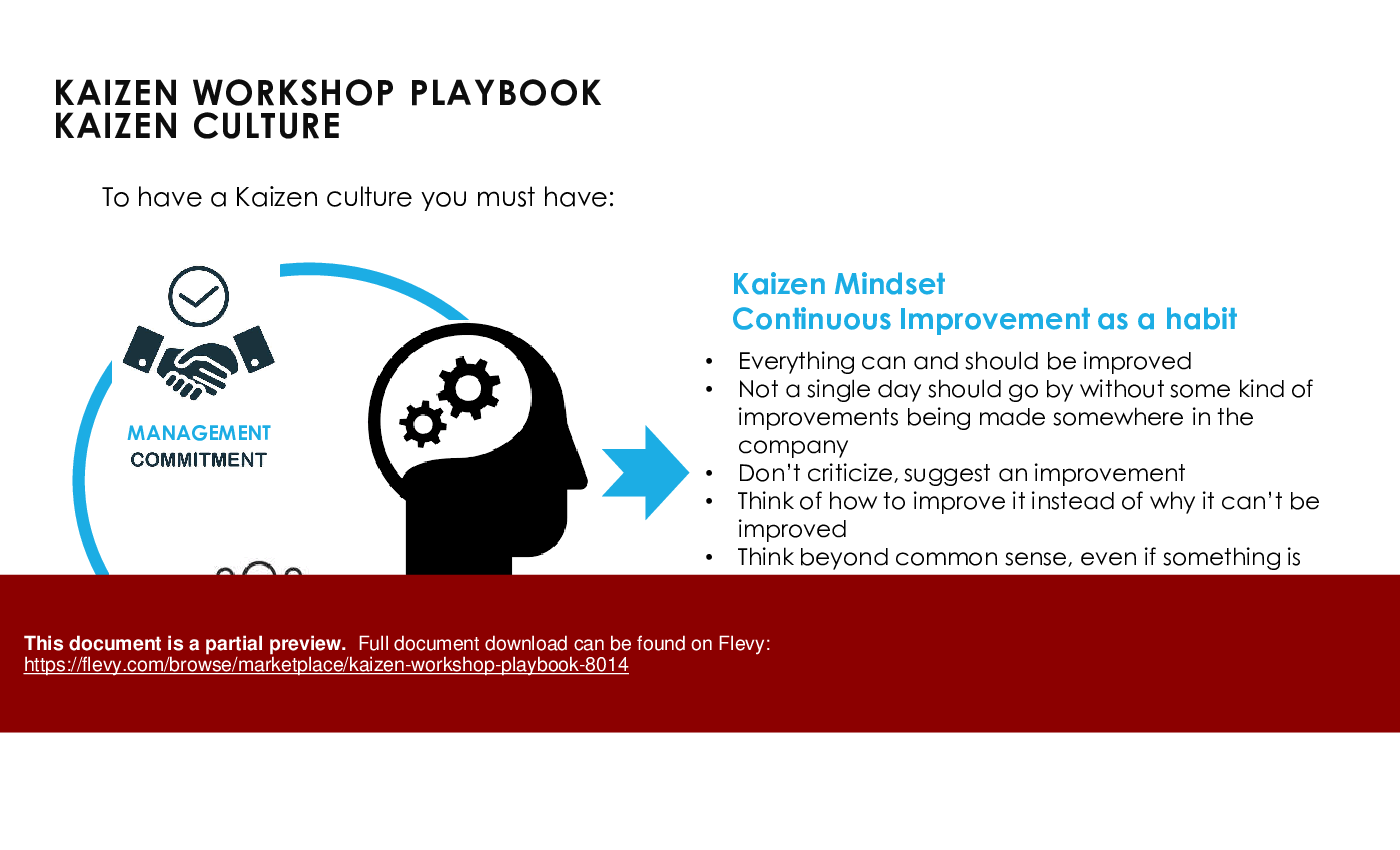
• Kaizen Culture - Establishing a mindset that embraces continuous improvement as a daily practice across the organization.
• Kaizen Strategy - Structuring change initiatives to involve all stakeholders and drive significant improvements.
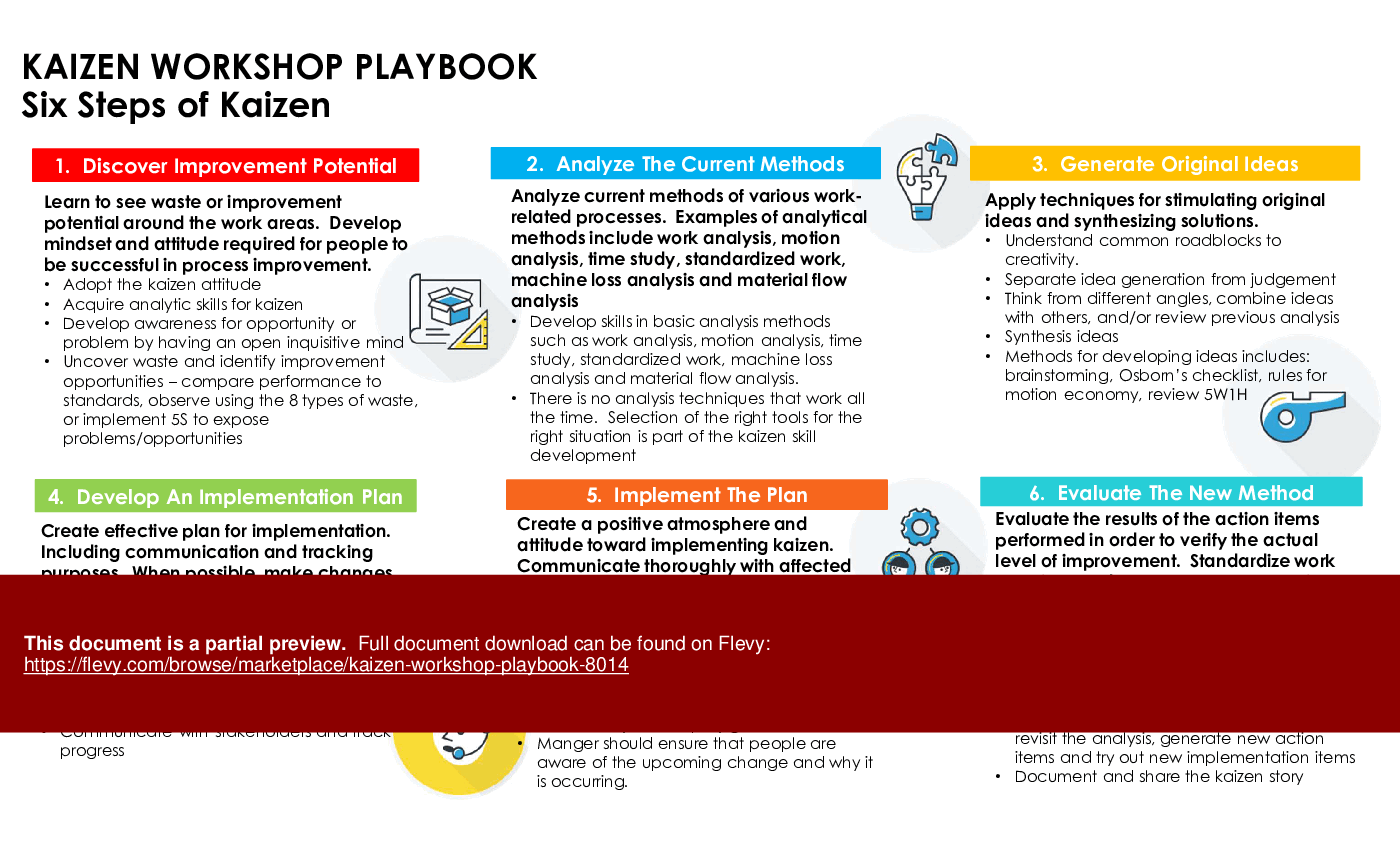
• Six Steps of Kaizen - A systematic approach to identifying improvement opportunities, analyzing current methods, generating ideas, and implementing solutions.
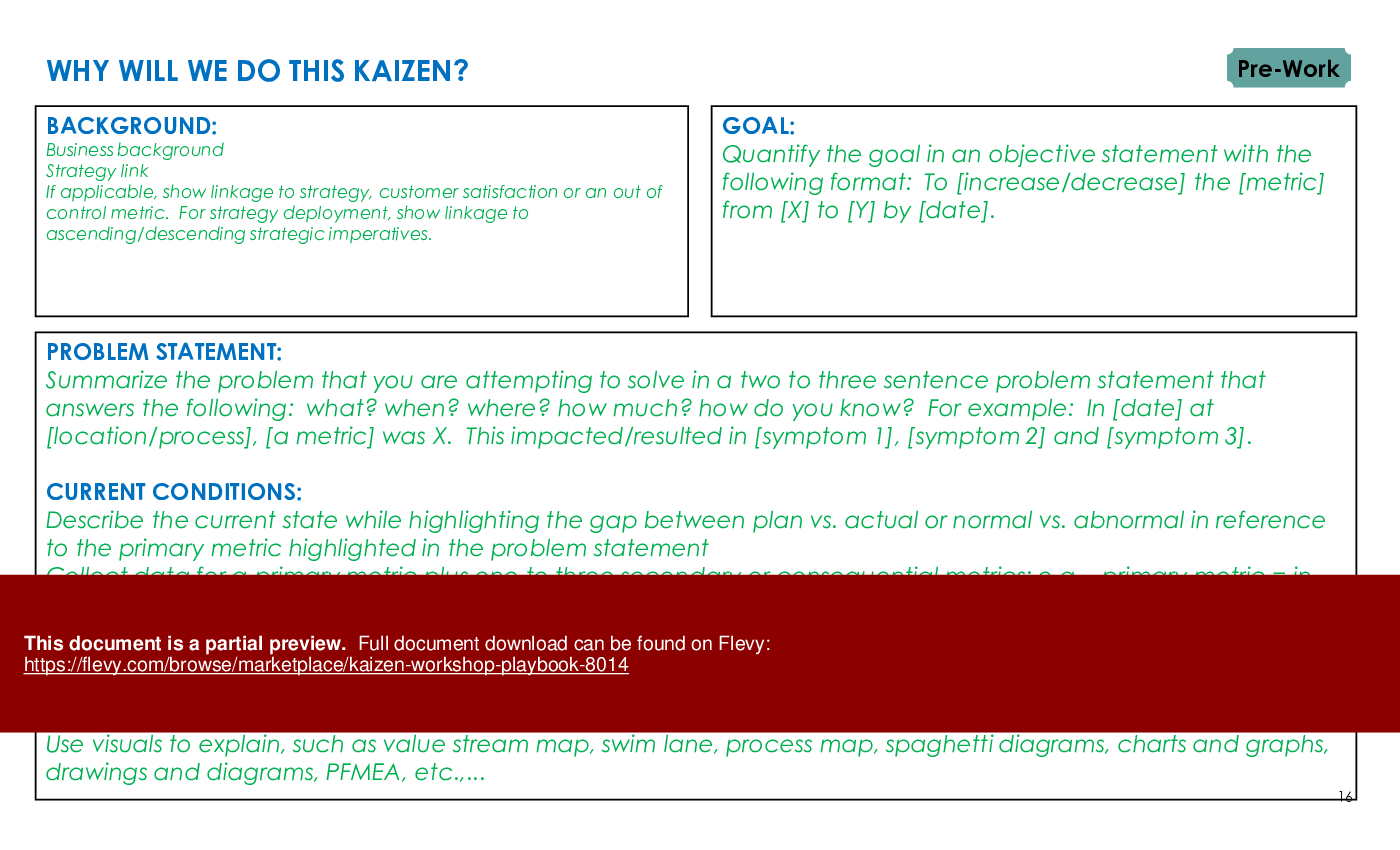
• Kaizen Event Preparation - Guidelines for preparing for a successful Kaizen workshop, including team selection, data collection, and problem definition.
• Implementation and Follow-Up - Strategies for sustaining improvements and tracking progress post-workshop.
• Documentation and Templates - Sample documents and templates to facilitate the Kaizen process and ensure consistency in execution.
Deliverables, Templates, and Tools
• Kaizen preparation checklist for organizing workshop logistics
• Action tracker for monitoring tasks and responsibilities
• Before and After Kaizen documentation to measure impact
• Financial estimates template for calculating savings and benefits
• Standard work documentation to ensure sustained improvements
Slide Highlights
• Overview of the Kaizen culture and its importance in fostering continuous improvement
• Detailed breakdown of the 6 steps of Kaizen, emphasizing practical application
• Visual aids illustrating the typical schedule for a Kaizen week
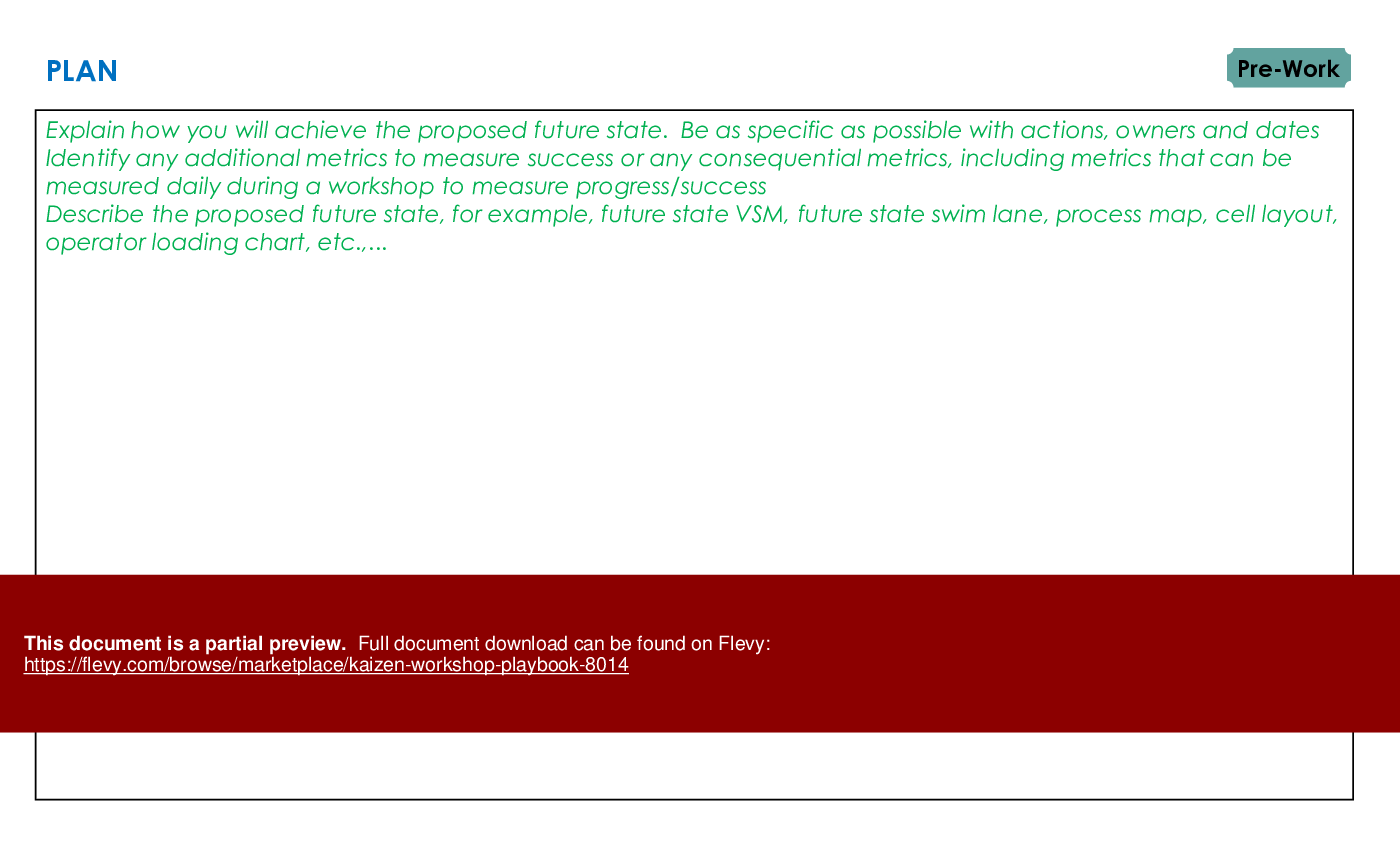
• Examples of documentation templates to support workshop activities
Potential Workshop Agenda
Orientation Session (Day 1 - 90 minutes)
• Welcome and introduction to the Kaizen principles
• Set expectations and ground rules for the workshop
• Review the project charter and objectives
Current State Analysis (Day 2 - 120 minutes)
• Analyze current processes and identify waste
• Conduct root cause analysis and brainstorm improvement ideas
• Prioritize solutions for implementation
Future State Design (Day 3 - 120 minutes)
• Develop future state process maps and performance metrics
• Validate proposed solutions through simulation or trial runs
• Finalize designs and prepare for implementation
Customization Guidance
• Tailor the workshop agenda to fit specific organizational needs and objectives
• Adjust documentation templates to reflect company terminology and metrics
• Incorporate relevant data and examples from the organization’s current state analysis
Secondary Topics Covered
• Value Stream Mapping techniques for identifying improvement opportunities
• Hoshin Kanri for aligning strategic objectives with actionable plans
• Techniques for fostering team engagement and creativity during workshops
Topic FAQ
Document FAQ
These are questions addressed within this presentation.
What is the duration of a typical Kaizen workshop?
A typical Kaizen workshop lasts between 3 to 5 days, focusing on intensive improvement activities.
How do I prepare for a Kaizen workshop?
Preparation involves identifying leads, collecting current state data, and defining the workshop scope and objectives.
What tools are included in the playbook?
The playbook includes templates for action tracking, financial estimates, and documentation for before and after Kaizen activities.
How do I ensure sustainability of improvements post-workshop?
Regular follow-up reviews and the use of action trackers help maintain focus on sustaining improvements over time.
What roles are essential in a Kaizen workshop?
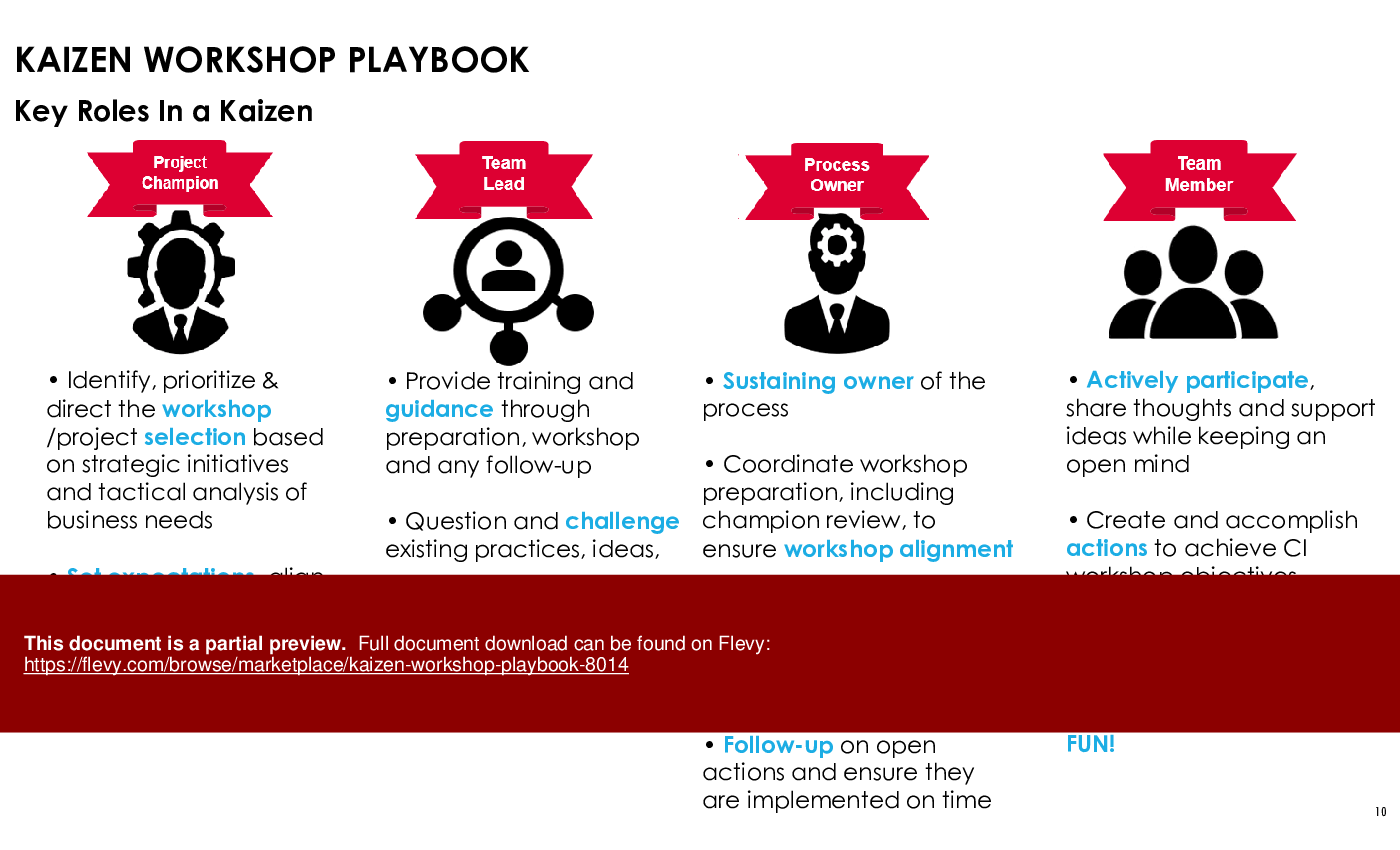
Key roles include the project champion, team lead, process owner, and team members who actively participate in the improvement process.
How can we measure the success of a Kaizen workshop?
Success can be measured through predefined KPIs, financial savings, and qualitative improvements in team engagement and process efficiency.
What should be included in the final presentation?
The final presentation should summarize the workshop outcomes, including problem statements, implemented solutions, and measured benefits.
Glossary
• Kaizen - A philosophy of continuous improvement in processes and practices.
• Gemba - The actual place where work is done; emphasizes observation and engagement.
• Value Stream Mapping - A visual tool for analyzing the flow of materials and information.
• Root Cause Analysis - A method for identifying the fundamental cause of a problem.
• Action Priority Matrix - A tool for prioritizing improvement actions based on impact and effort.
• Standard Work - Documented procedures that define the best practices for performing tasks.
• Hoshin Kanri - A strategic planning process that aligns goals with actionable plans.
• Before and After Kaizen - Documentation comparing metrics before and after implementing changes.
• Financial Estimates - A template for calculating the financial impact of improvements.
• Continuous Improvement - An ongoing effort to enhance products, services, or processes.
• Stakeholders - Individuals or groups with an interest in the outcome of the Kaizen workshop.
• KPI - Key Performance Indicator; a measurable value that demonstrates how effectively a company is achieving key business objectives.
Source: Best Practices in Kaizen PowerPoint Slides: Kaizen Workshop Playbook PowerPoint (PPTX) Presentation Slide Deck, AM Consultancy
|
Receive our FREE presentation on Operational Excellence
This 50-slide presentation provides a high-level introduction to the 4 Building Blocks of Operational Excellence. Achieving OpEx requires the implementation of a Business Execution System that integrates these 4 building blocks. |