
You may have heard that management consultants spend the majority of their time cranking out PowerPoint slides. There is much truth to do this—and for good reason.
A PowerPoint presentation is not only a great communication tool, it is also the form of most consulting deliverables—i.e. the end product purchased by the client. The presentation must lay out the recommended solutions, the key takeaways, and analyses performed.
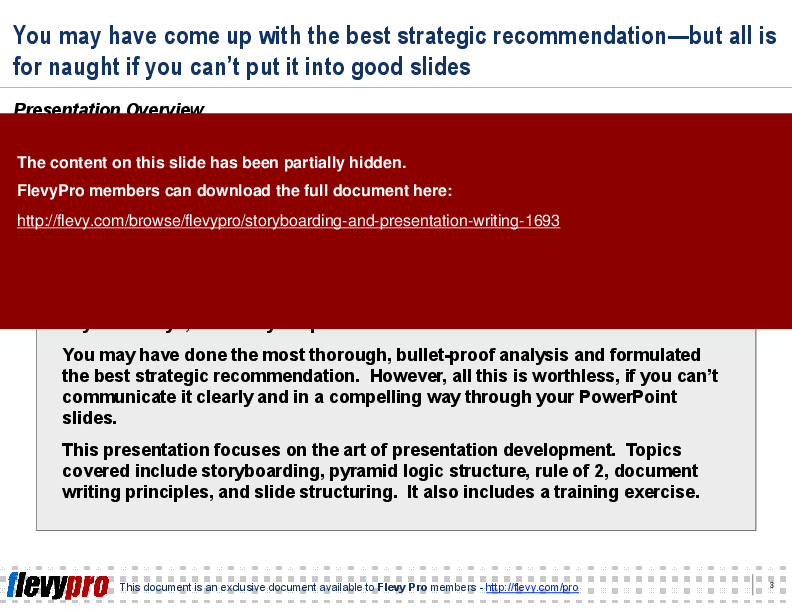
You may have done the most thorough, bullet-proof analysis and formulated the best strategic recommendation. However, all this is worthless, if you can't communicate it clearly and in a compelling way through your PowerPoint slides.
This presentation focuses on the art of presentation development. Topics covered include storyboarding, pyramid logic structure, rule of 2, document writing principles, and slide structuring. It also includes a training exercise.
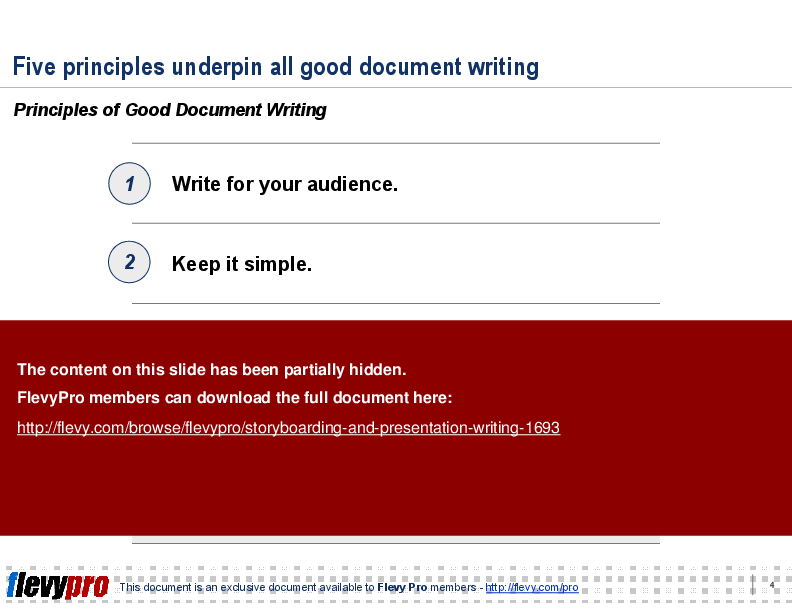
This PPT delves into the core principles of effective document writing. Emphasizes writing for your audience and keeping it simple. These foundational guidelines ensure your message is clear and impactful, avoiding unnecessary complexity.
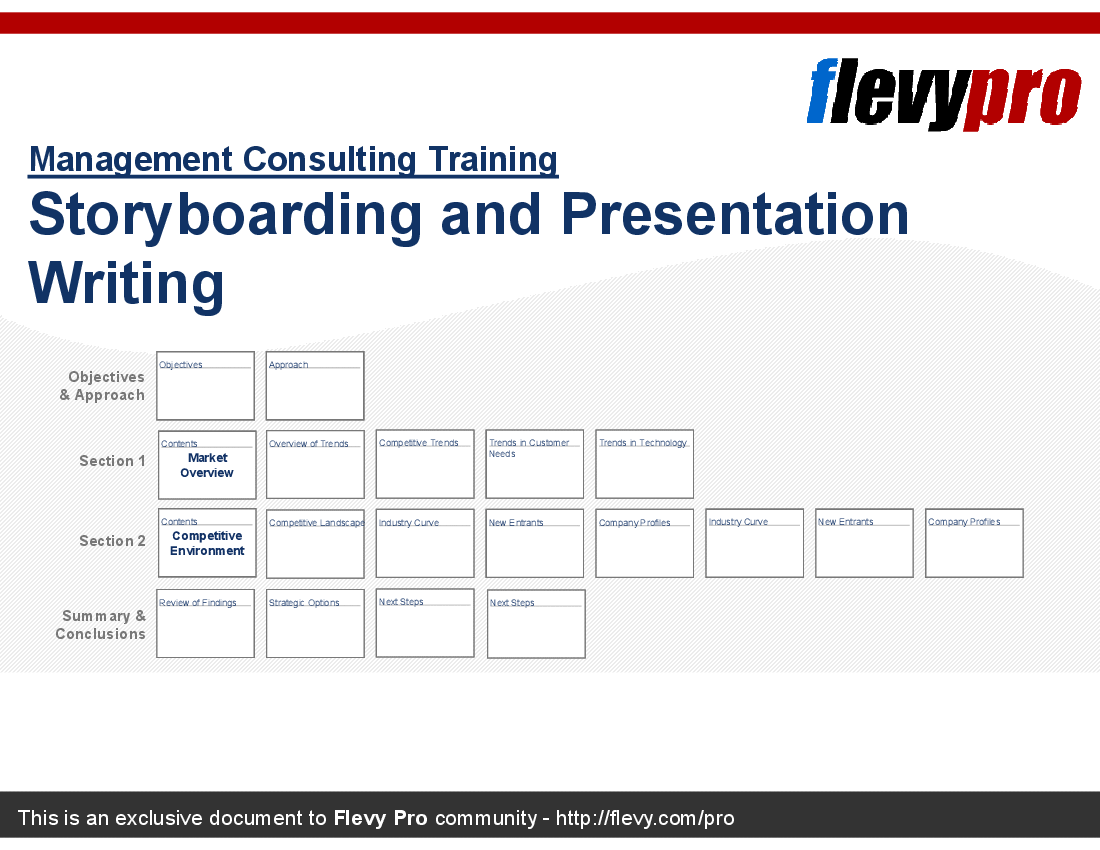
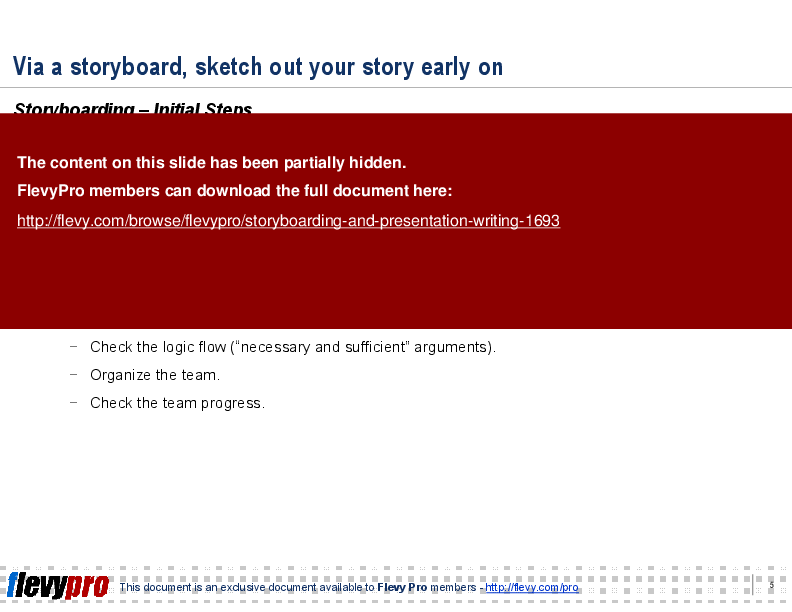
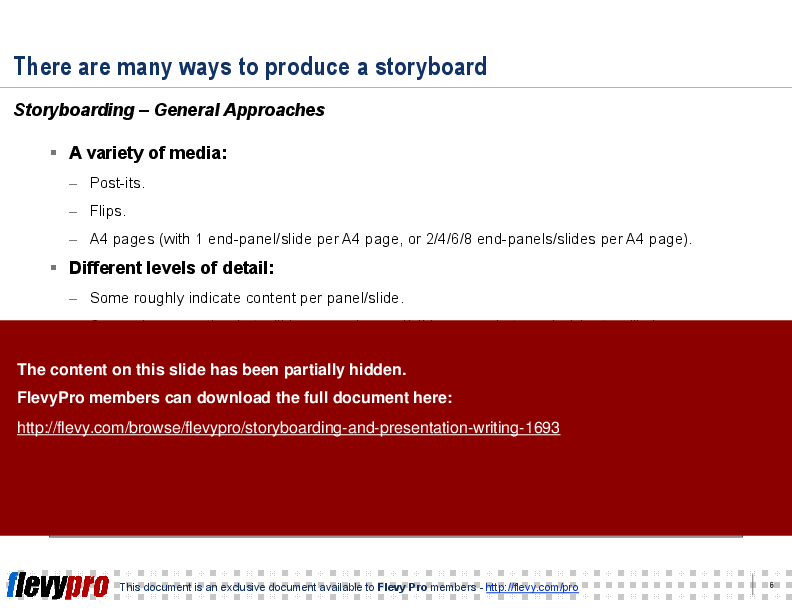
Storyboarding is highlighted as a critical initial step. Sketching out your story early helps check the logic flow, organize the team, and monitor progress. Various media and levels of detail are discussed, from post-its to detailed A4 pages, catering to different needs and preferences.
The document also covers the importance of clear headlines and well-structured slides. Headlines should capture the essence of the story, while the main body should provide detailed insights. Bumpers at the end of each page summarize the implications, making the content more digestible for the audience.
Got a question about this document? Email us at flevypro@flevy.com.
Executive Summary
This presentation titled "Storyboarding and Presentation Writing" equips professionals with essential skills for effective presentation development. Crafted by experienced consultants from McKinsey and Big 4 firms, this framework emphasizes the importance of clear communication and structured storytelling. It covers key methodologies such as storyboarding, pyramid logic, and document writing principles, ensuring that strategic recommendations are conveyed compellingly through PowerPoint slides. By mastering these techniques, users will enhance their ability to create impactful presentations that resonate with their audience.
Who This Is For and When to Use
• Corporate executives looking to improve their presentation skills.
• Consultants seeking to refine their communication techniques.
• Project managers needing to present complex information clearly.
• Business leaders aiming to enhance stakeholder engagement through effective storytelling.
Best-fit moments to use this deck:
• During strategic planning sessions to outline key recommendations.
• In training workshops focused on presentation skills development.
• When preparing for client meetings or stakeholder presentations.
• For internal team briefings to convey project updates and findings.
Learning Objectives
• Define the principles of effective presentation writing and storyboarding.
• Build a coherent storyboard that organizes ideas logically.
• Establish a clear structure using pyramid logic for presentations.
• Create compelling headlines that engage the audience.
• Apply the "Rule of Two" to enhance clarity and readability.
• Develop effective visual aids that complement the presentation narrative.
Table of Contents
• Introduction (page 1)
• Storyboarding (page 2)
• Presentation Writing (page 3)
• Training Exercise (page 4)
• Principles of Good Document Writing (page 5)
• Slide Structure (page 6)
• Visuals and Tables (page 7)
• Key Questions for Each Page (page 8)
• Conclusion (page 9)
Primary Topics Covered
• Storyboarding - A method to outline and visualize the presentation's structure early in the project, ensuring logical flow and clarity.
• Pyramid Logic - A framework for organizing content hierarchically, allowing for clear argument development and presentation.
• Rule of Two - A guideline to limit text elements to 2 lines, enhancing readability and audience engagement.
• Document Writing Principles - Core principles that emphasize audience focus, simplicity, and the importance of storytelling in presentations.
• Slide Structure - Best practices for structuring slides, including the use of headlines, body content, and bumpers to convey key messages.
• Visual Aids - Techniques for incorporating visuals effectively, ensuring they enhance rather than detract from the presentation's message.
Deliverables, Templates, and Tools
• Storyboard template for organizing presentation content.
• Slide structure guidelines to ensure consistency across presentations.
• Checklist for effective document writing principles.
• Visual aid templates for charts and diagrams.
• Training exercise materials for hands-on practice.
• Evaluation criteria for assessing presentation effectiveness.
Slide Highlights
• "Five Principles of Good Document Writing" slide outlining essential writing principles.
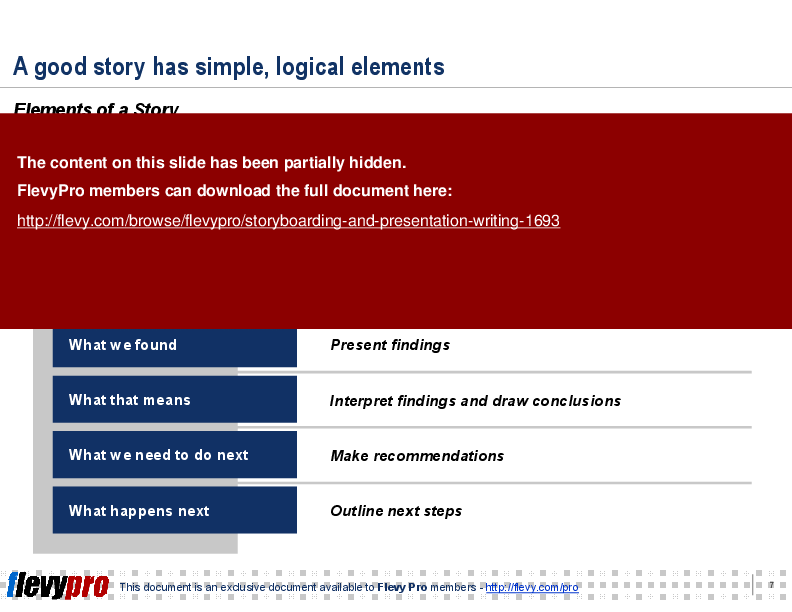
• "Elements of a Story" slide detailing the logical flow of a compelling narrative.
• "Pyramid Logic Structure" slide illustrating the hierarchical organization of ideas.
• "Rule of Two" slide emphasizing the importance of concise messaging.
• "Visuals and Tables" slide showcasing best practices for presenting data effectively.
Potential Workshop Agenda
Introduction to Storyboarding (30 minutes)
• Overview of storyboarding principles and techniques.
• Group discussion on the importance of structure in presentations.
Hands-on Storyboarding Exercise (60 minutes)
• Participants create their own storyboards based on a chosen topic.
• Peer review and feedback session to refine storyboards.
Presentation Writing Techniques (45 minutes)
• Discussion on key writing principles and slide structure.
• Examples of effective headlines and body content.
Wrap-up and Q&A Session (15 minutes)
• Address participant questions and summarize key takeaways.
Customization Guidance
• Tailor the storyboard template to fit specific project requirements and audience needs.
• Adjust slide structure guidelines to align with organizational branding and presentation standards.
• Incorporate company-specific terminology and metrics into the training materials.
• Modify training exercises to reflect real-world scenarios relevant to participants.
Secondary Topics Covered
• Importance of audience analysis in presentation development.
• Techniques for managing audience engagement during presentations.
• Strategies for effective visual communication and data representation.
• Common pitfalls in presentation writing and how to avoid them.
• Best practices for revising and refining presentation content.
Topic FAQ
Document FAQ
These are questions addressed within this presentation.
What is storyboarding?
Storyboarding is a method used to outline and visualize the structure of a presentation before creating the slides. It helps organize ideas and ensure logical flow.
How does pyramid logic enhance presentations?
Pyramid logic organizes content hierarchically, allowing presenters to build their arguments clearly and effectively, making it easier for the audience to follow.
What is the "Rule of Two"?
The "Rule of Two" is a guideline that suggests limiting text elements in presentations to 2 lines to enhance readability and audience engagement.
Why are visuals important in presentations?
Visuals, such as charts and diagrams, enhance understanding and retention of information by providing a visual representation of data and key points.
How can I tailor the presentation materials for my audience?
Customize the storyboard and slide templates to reflect the specific needs, terminology, and metrics relevant to your audience and organization.
What are the key principles of good document writing?
Key principles include writing for your audience, keeping it simple, supporting assertions with facts, using active voice, and telling a compelling story.
How can I ensure my presentation is effective?
Focus on clear messaging, logical flow, engaging visuals, and audience interaction to enhance the overall effectiveness of your presentation.
What should I include in my slide structure?
Each slide should have a clear headline, body content that tells a story, and optional bumpers to emphasize key takeaways.
Glossary
• Storyboarding - A method for outlining and visualizing presentation content.
• Pyramid Logic - A framework for organizing ideas hierarchically.
• Rule of Two - A guideline to limit text elements to 2 lines.
• Visual Aids - Tools such as charts and diagrams that enhance presentations.
• Bumper - A statement that summarizes the key message of a slide.
• Active Voice - A writing style that emphasizes directness and clarity.
• Headline - A brief statement that captures the essence of a slide's content.
• Body Content - The detailed information presented on a slide.
• Audience Analysis - The process of understanding the needs and background of the presentation audience.
• Document Writing Principles - Core guidelines for effective writing in presentations.
• Slide Structure - The organization and layout of content within a presentation slide.
• Training Exercise - A practical activity designed to reinforce learning objectives.
Source: Best Practices in Consulting Process, Structured Communication, Storyboarding, Presentation Development PowerPoint Slides: Storyboarding and Presentation Writing PowerPoint (PPT) Presentation Slide Deck, LearnPPT Consulting
Did you need more documents?
Consider a FlevyPro subscription from $39/month. View plans here.
For $10.00 more, you can download this document plus 2 more FlevyPro documents. That's just $13 each.
This document is available as part of the following discounted bundle(s):
Save %!
Consulting Training - The Consulting Process
This bundle contains 6 total documents. See all the documents to the right.

|
Receive our FREE whitepaper on the Top 101 Consulting Frameworks
Download our 200+ page guide summarizing the Top 101 Management Consulting Frameworks. Each framework provides a structured approach to analyzing and solving a common business problem. |