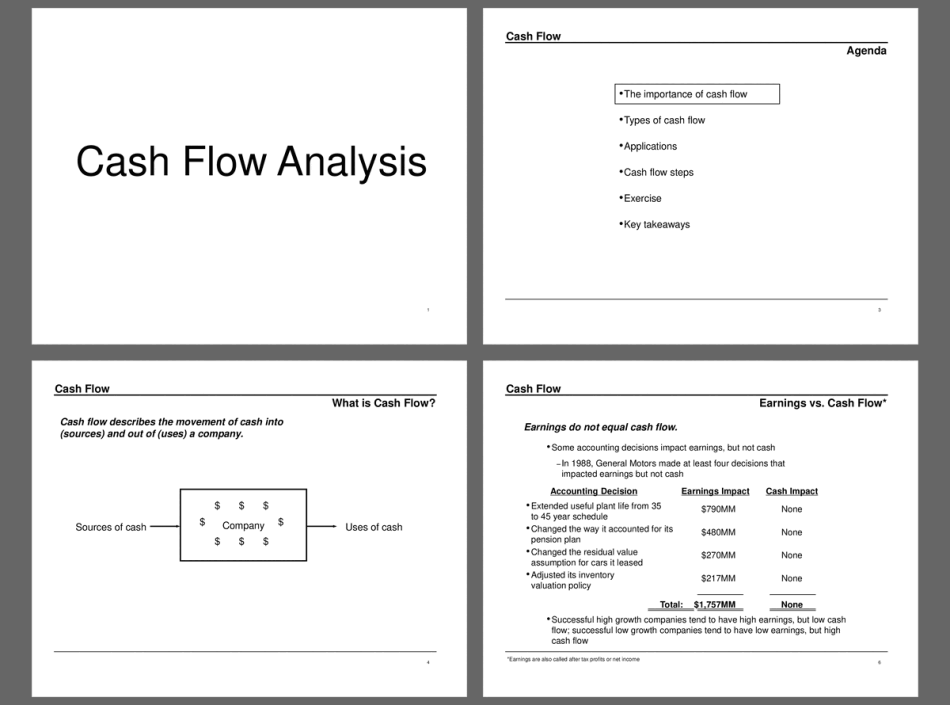
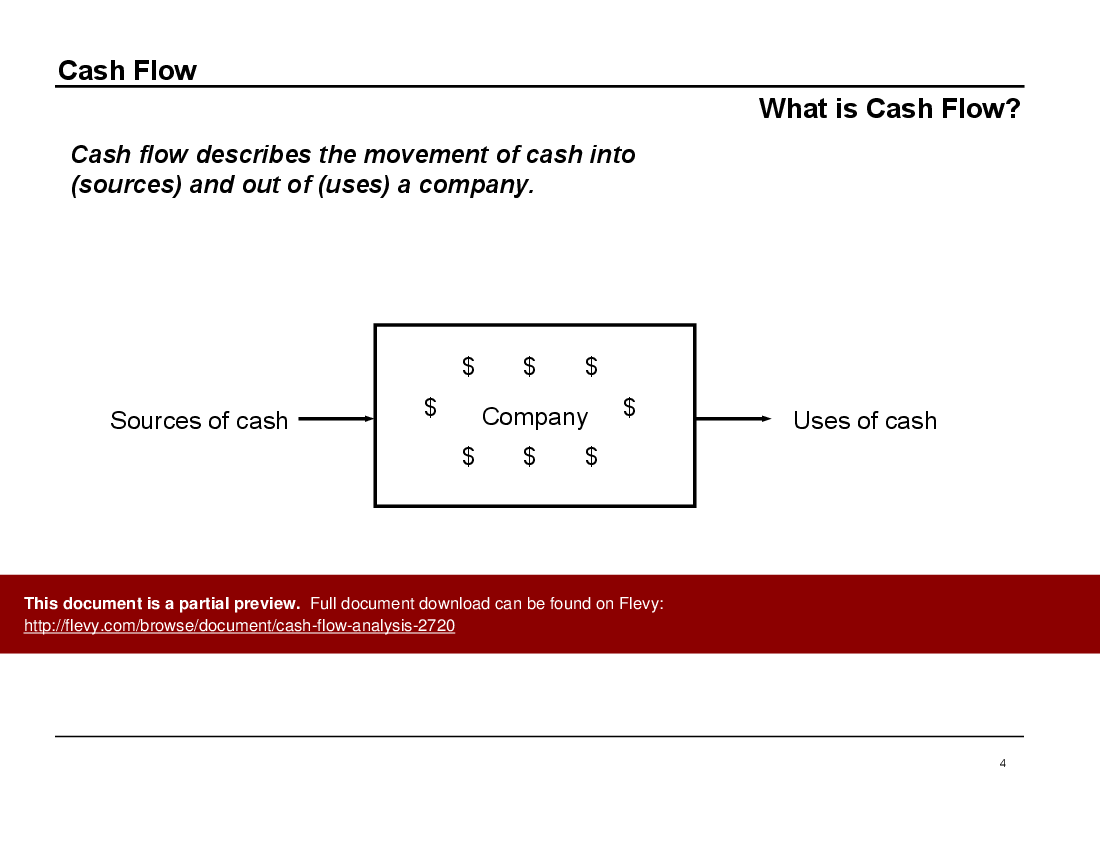
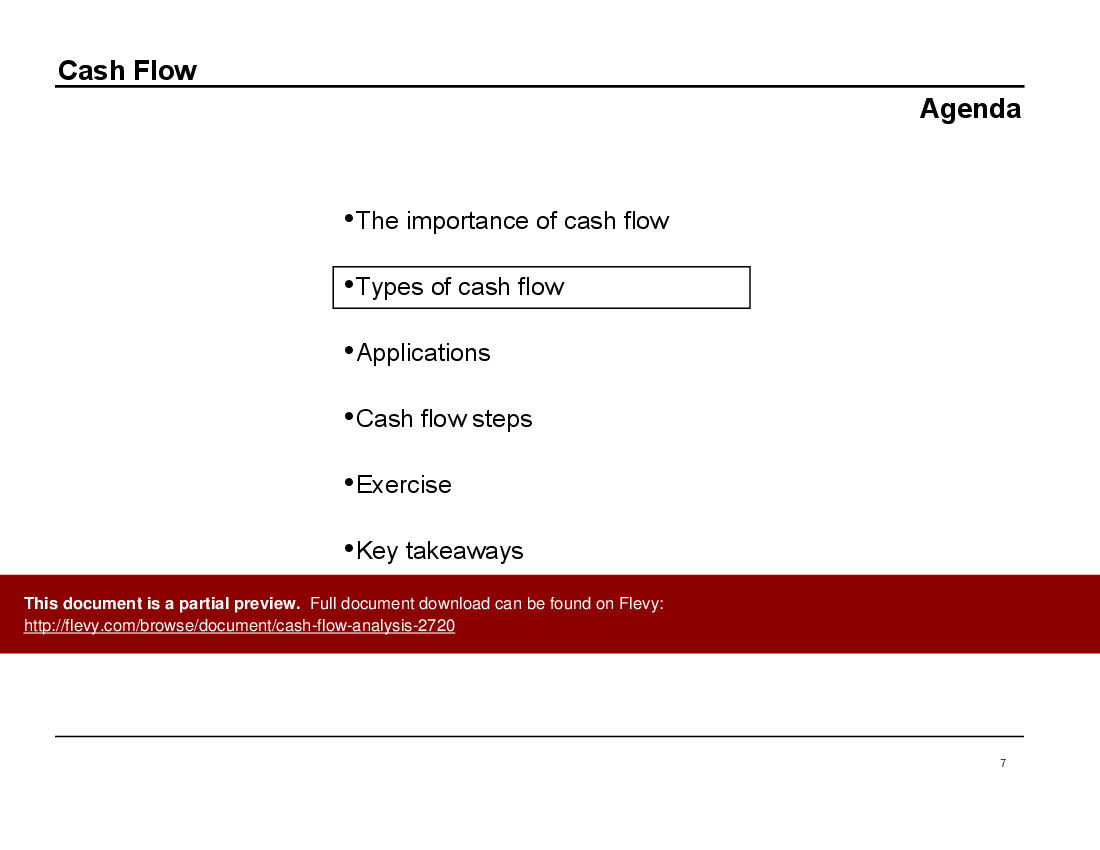
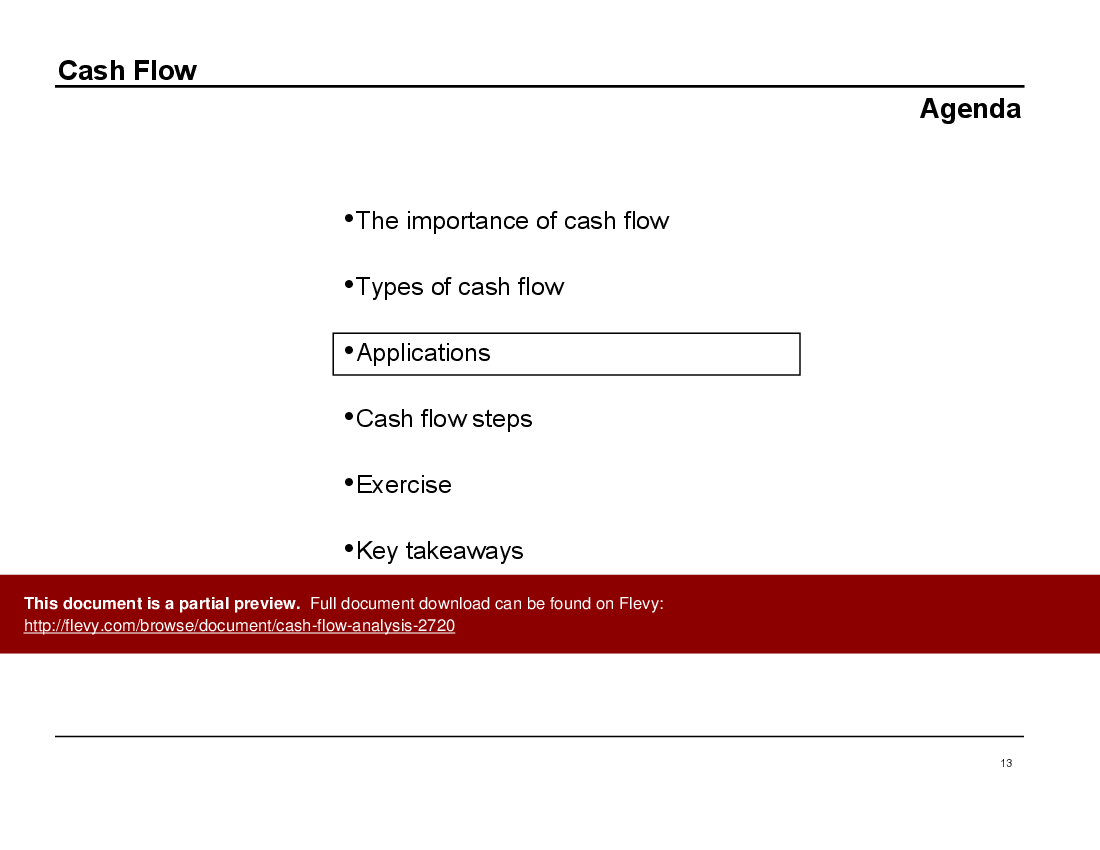

Cash flow describes the movement of cash into (sources) and out of (uses) a company. Cash flow is the measure of a company's strategic value. This presentation presents the fundamentals of cash flow and includes the following sections:
• The importance of cash flow
• Types of cash flow
• Applications
• Cash flow steps
• Exercise
• Key takeaways
Understand why... cash is king!
This presentation dives deep into the intricacies of cash flow analysis, offering a comprehensive guide for understanding and managing your company's cash movements. It covers the essential types of cash flow, including operating, investing, and financing activities, providing a clear framework for categorizing and analyzing cash transactions. The document also includes practical steps for calculating cash flow, ensuring you can apply these principles directly to your financial statements.
You'll find detailed explanations on how to handle non-cash expenses, depreciation, and changes in working capital. These sections are crucial for accurately reflecting your company's cash position and making informed strategic decisions. The presentation also addresses the impact of taxes on cash flow, with step-by-step guidance on calculating taxes paid from income statements and balance sheets.
The document includes real-world exercises and case studies, allowing you to apply the concepts learned in a practical context. These exercises are designed to reinforce your understanding and ensure you can implement cash flow analysis effectively within your organization. The key takeaways section summarizes the critical points, providing a quick reference for the most important aspects of cash flow management.
By mastering the content in this presentation, you'll be equipped to optimize your company's cash flow, enhance financial stability, and drive strategic growth. This resource is invaluable for C-level executives who need to make data-driven decisions and maintain a robust financial foundation.
Got a question about the product? Email us at support@flevy.com or ask the author directly by using the "Ask the Author a Question" form. If you cannot view the preview above this document description, go here to view the large preview instead.
Executive Summary
The Cash Flow Analysis PPT is a structured presentation designed to equip corporate executives and consultants with the knowledge to evaluate cash inflows and outflows effectively. This deck emphasizes the critical importance of cash flow in assessing a company's financial health, detailing the types of cash flow—operating, investing, and financing. Users will learn to apply cash flow analysis in various contexts, including investment valuation and business unit performance assessment. The presentation includes actionable templates and exercises to facilitate understanding and application of cash flow management principles.
Who This Is For and When to Use
• Financial analysts and controllers responsible for cash management and reporting
• Corporate executives seeking to improve cash flow strategies
• Consultants advising clients on financial health and investment decisions
• Business unit leaders focused on cash generation and operational efficiency
Best-fit moments to use this deck:
• During financial planning sessions to assess cash flow implications
• In investment review meetings to evaluate potential acquisitions
• When conducting performance assessments of business units
• For training sessions on financial literacy and cash management
Learning Objectives
• Define cash flow and its significance in financial analysis
• Differentiate between operating, investing, and financing cash flows
• Analyze cash flow statements to assess company performance
• Apply cash flow management techniques to improve business health
• Calculate operating cash flow using the cash flow cookbook methodology
• Identify key drivers of cash flow and their impact on valuation
Table of Contents
• Importance of Cash Flow (page 2)
• Types of Cash Flow (page 8)
• Applications of Cash Flow Analysis (page 14)
• Cash Flow Steps (page 16)
• Exercise Overview (page 18)
• Key Takeaways (page 64)
Primary Topics Covered
• Importance of Cash Flow - Cash flow is crucial for determining a company's market value and satisfying stakeholder demands.
• Types of Cash Flow - Understanding the 3 main types: operating, investing, and financing cash flows, is essential for financial analysis.
• Cash Flow Analysis Applications - Cash flow analysis is used for investment valuation, business unit health assessment, and portfolio management.
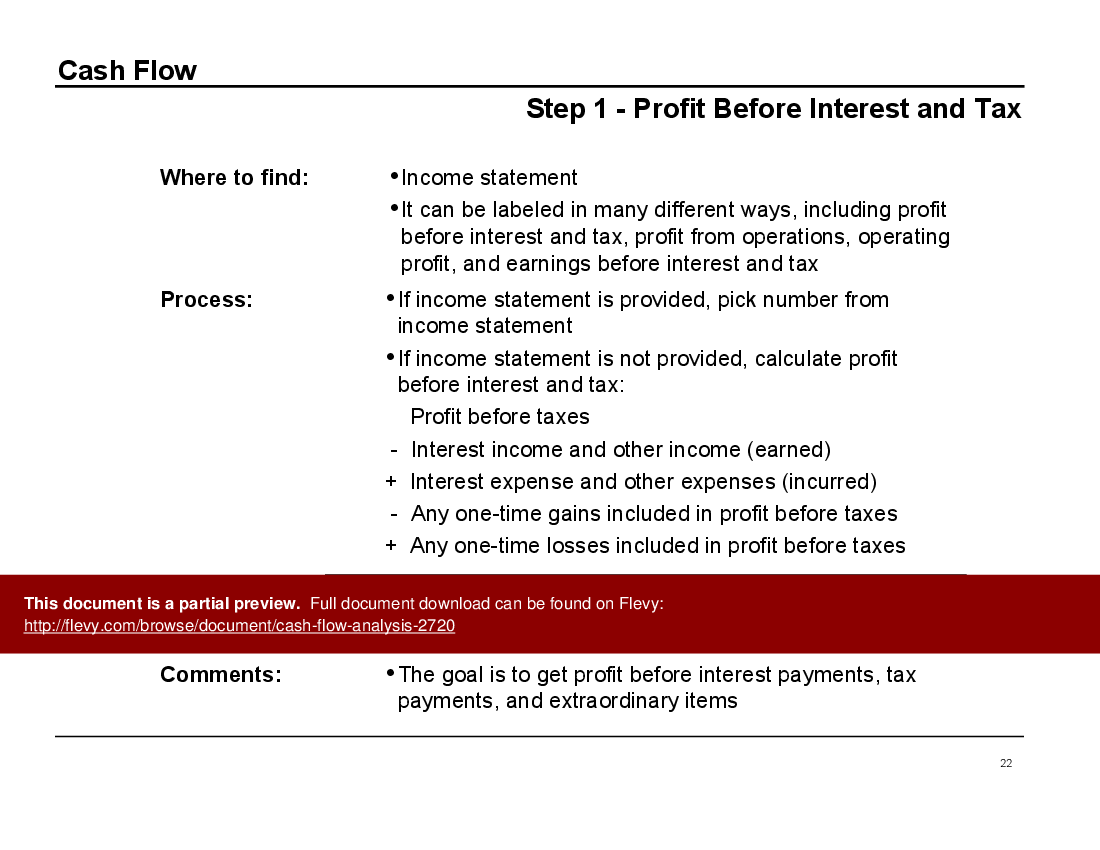
• Cash Flow Steps - A structured approach to calculating cash flow, including profit before interest and tax, depreciation, and changes in working capital.
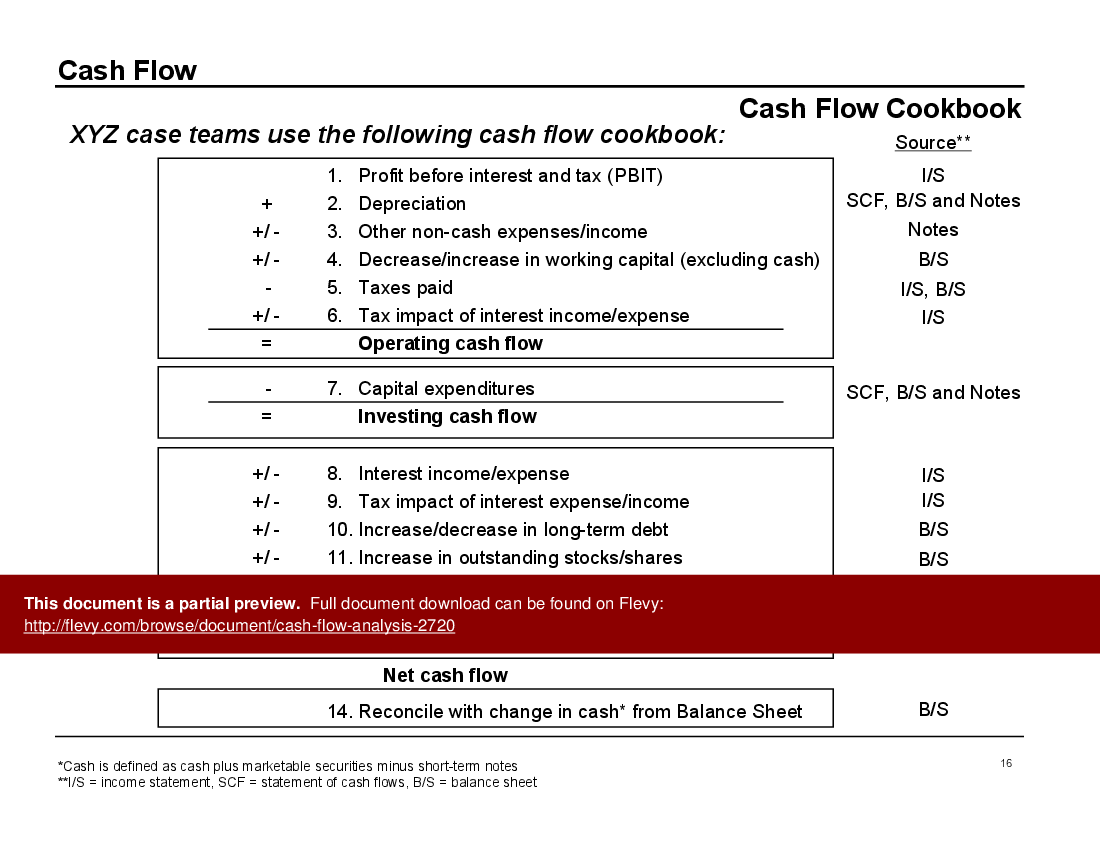
• Cash Flow Cookbook - A practical guide to calculating operating, investing, and financing cash flows systematically.
• Key Takeaways - Summarizes the critical insights and methodologies for effective cash flow management.
Deliverables, Templates, and Tools
• Cash flow statement templates for operational analysis
• Cash flow cookbook for systematic cash flow calculations
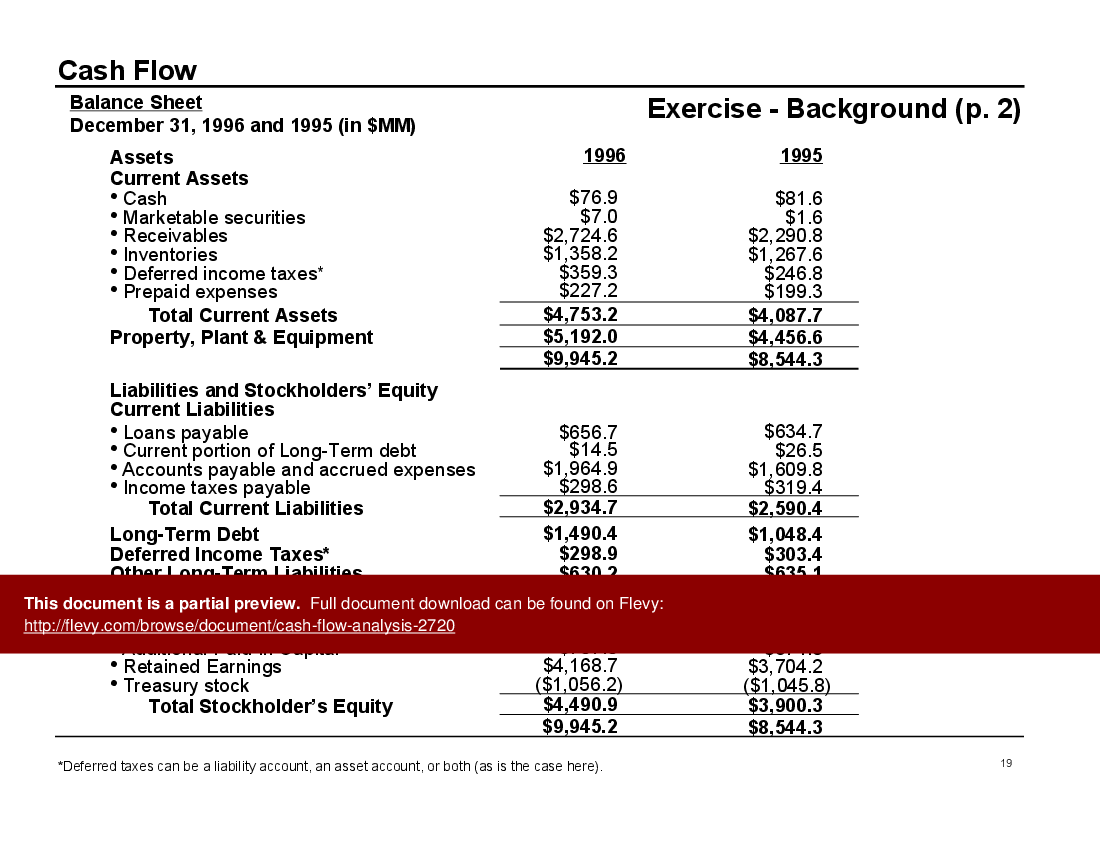
• Exercises based on real company financial statements for practical learning
• Key takeaways slides summarizing cash flow principles and applications
• Visual aids illustrating the components of cash flow and their interrelations
• Frameworks for assessing the cash generation potential of investments
Slide Highlights
• Overview of cash flow types with visual representations
• Detailed cash flow cookbook slide outlining calculation steps
• Case study example illustrating cash flow analysis in practice
• Key metrics and formulas for evaluating cash flow performance
• Summary slide capturing essential takeaways for quick reference
Potential Workshop Agenda
Cash Flow Fundamentals Session (60 minutes)
• Discuss the importance of cash flow in financial analysis
• Review types of cash flow and their implications
• Explore applications of cash flow analysis in business
Hands-On Cash Flow Analysis (90 minutes)
• Walk through the cash flow cookbook methodology
• Conduct a practical exercise using real financial statements
• Analyze results and discuss findings
Customization Guidance
• Tailor the cash flow templates to reflect your organization's specific financial metrics and reporting standards
• Adjust case study examples to align with your industry context for relevance
• Incorporate your company's terminology and frameworks to enhance understanding
Secondary Topics Covered
• Differences between earnings and cash flow
• The role of cash flow in investment decisions
• Strategies for improving cash flow management
• The impact of working capital changes on cash flow
• Understanding the significance of non-cash expenses in cash flow analysis
Topic FAQ
Document FAQ
These are questions addressed within this presentation.
What is cash flow?
Cash flow refers to the movement of cash into and out of a company, encompassing all sources and uses of cash.
Why is cash flow important?
Cash flow is vital because it reflects a company's ability to meet its obligations, invest in growth, and provide returns to stakeholders.
How do you calculate operating cash flow?
Operating cash flow is calculated by adjusting profit before interest and tax for non-cash expenses and changes in working capital.
What are the main types of cash flow?
The 3 main types of cash flow are operating cash flow, investing cash flow, and financing cash flow.
How can cash flow analysis be applied in business?
Cash flow analysis can be used for valuing investments, assessing business unit health, and managing overall portfolio performance.
What is the cash flow cookbook?
The cash flow cookbook is a structured methodology for calculating cash flows systematically, ensuring all components are accurately accounted for.
What should be included in a cash flow statement?
A cash flow statement should include sections for operating, investing, and financing activities, detailing sources and uses of cash.
How does cash flow differ from earnings?
Cash flow focuses on actual cash movements, while earnings can be influenced by accounting practices and may not reflect cash availability.
Glossary
• Cash Flow - The net amount of cash being transferred into and out of a business.
• Operating Cash Flow - Cash generated from a company's regular operational activities.
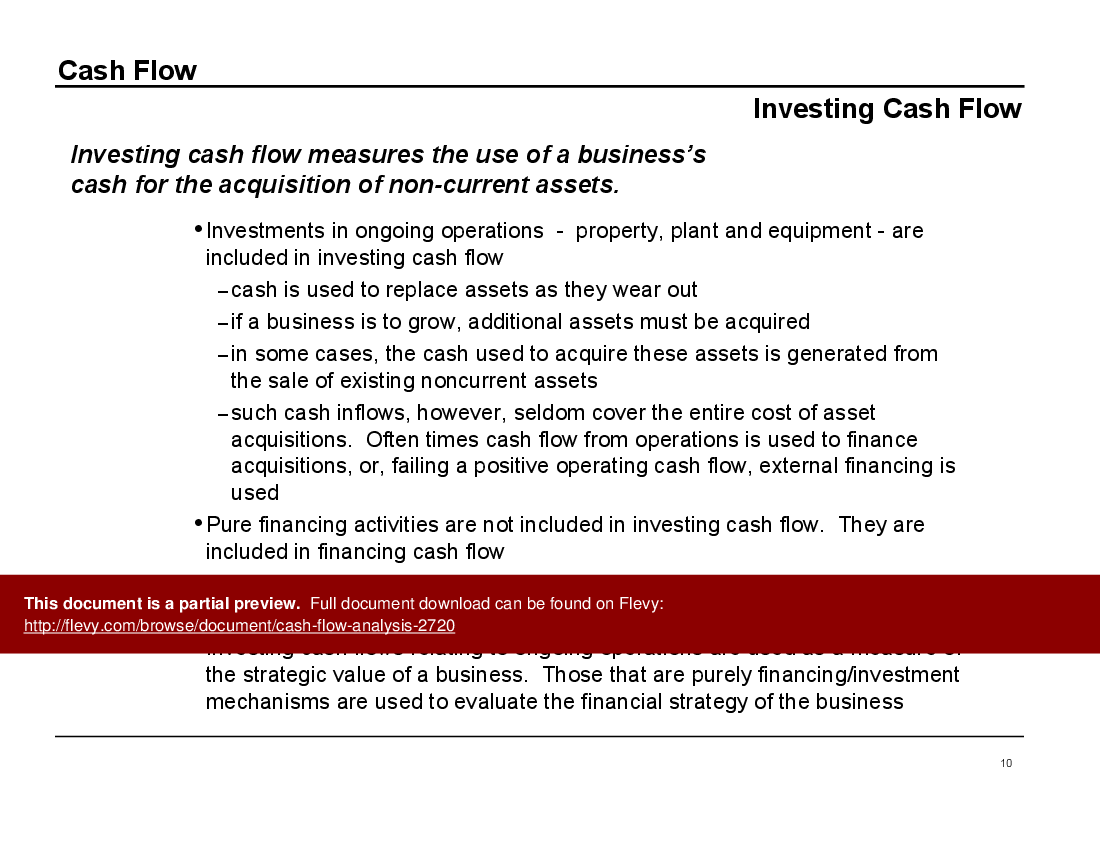
• Investing Cash Flow - Cash used for investments in assets or received from the sale of assets.
• Financing Cash Flow - Cash movements related to borrowing and equity financing.
• Net Cash Flow - The total cash inflow minus total cash outflow over a specific period.
• Working Capital - The difference between current assets and current liabilities.
• Depreciation - The reduction in value of an asset over time, treated as a non-cash expense.
• Cash Flow Statement - A financial statement that summarizes the cash inflows and outflows for a specific period.
• Marketable Securities - Financial instruments that can be quickly converted into cash.
• Non-Cash Expenses - Expenses that do not involve cash transactions, such as depreciation.
• Tax Impact - The effect of taxes on cash flow, particularly related to interest income and expense.
• Capital Expenditures - Funds used by a company to acquire or upgrade physical assets.
• Dividends - Payments made to shareholders from a company's profits.
• Interest Income/Expense - Earnings from interest-bearing assets or costs associated with borrowed funds.
• Long-Term Debt - Loans and financial obligations lasting over one year.
• Equity - The value of ownership interest in a company, represented by stock.
• Cash Equivalents - Short-term investments that are easily convertible to cash.
• Financial Health - A measure of a company's ability to meet its financial obligations.
• Valuation - The process of determining the current worth of an asset or company.
• Portfolio Management - The art and science of making decisions about investment mix and policy.
Source: Best Practices in Cash Flow Management PowerPoint Slides: Cash Flow Analysis PowerPoint (PPT) Presentation Slide Deck, Documents & Files
This document is available as part of the following discounted bundle(s):
Save %!
Essential Consulting Knowledge Builder
This bundle contains 21 total documents. See all the documents to the right.
|
Download our FREE Strategy & Transformation Framework Templates
Download our free compilation of 50+ Strategy & Transformation slides and templates. Frameworks include McKinsey 7-S, Balanced Scorecard, Disruptive Innovation, BCG Curve, and many more. |










