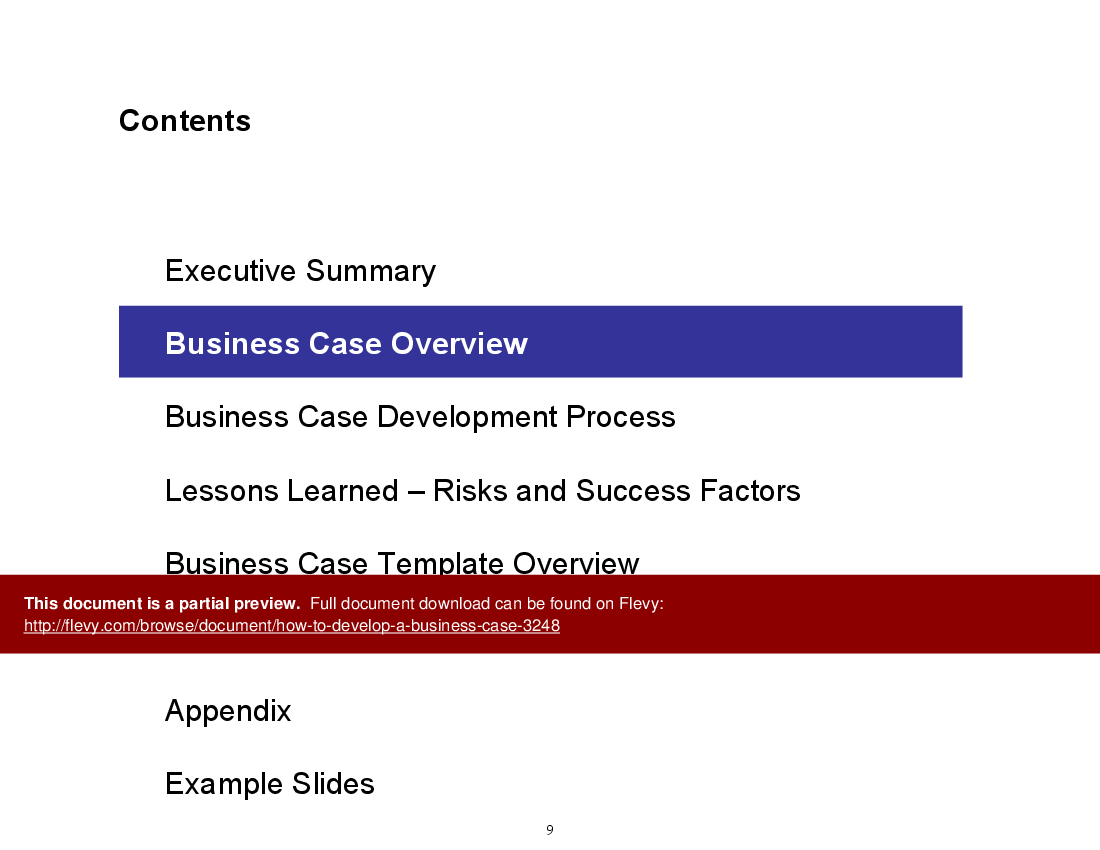
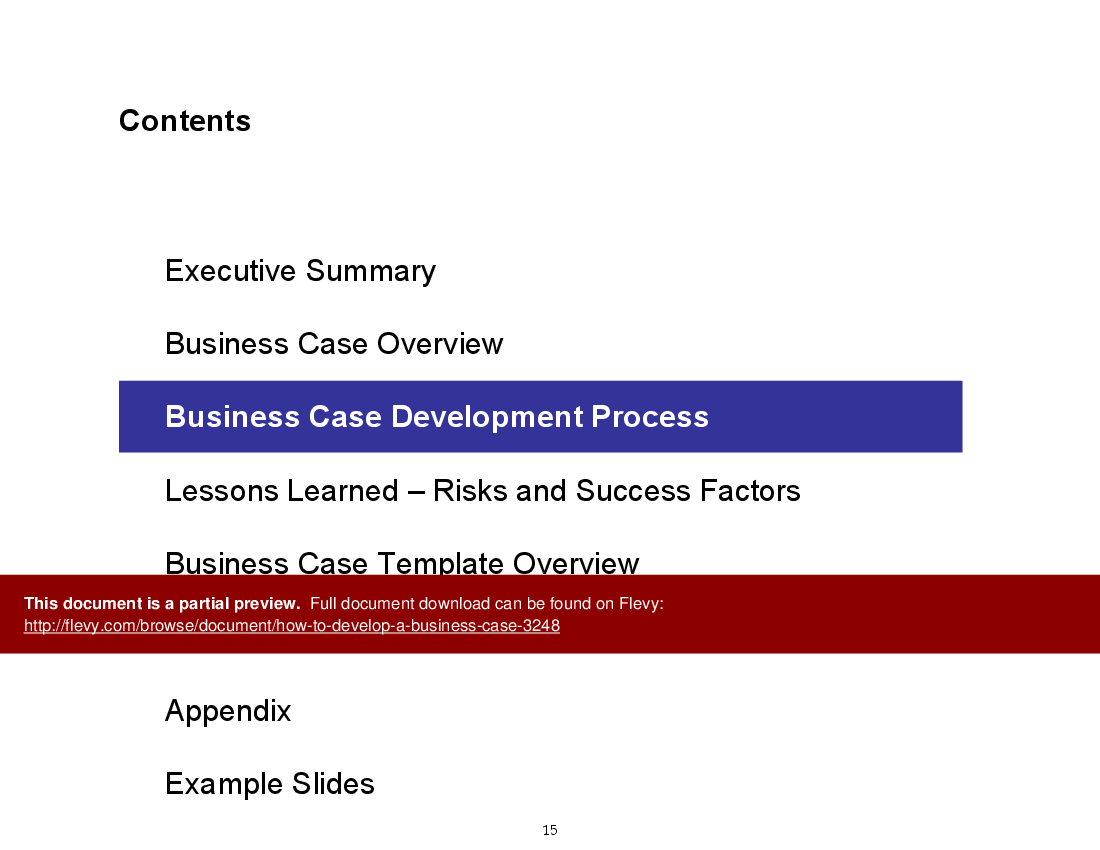

This deck include 7 main sections:
• Executive Summary
• Business Case Overview
• Business Case Development Process
• Lessons Learned – Risks and Success Factors
• Business Case Template Overview
• Glossary
• Appendix and Example Slides
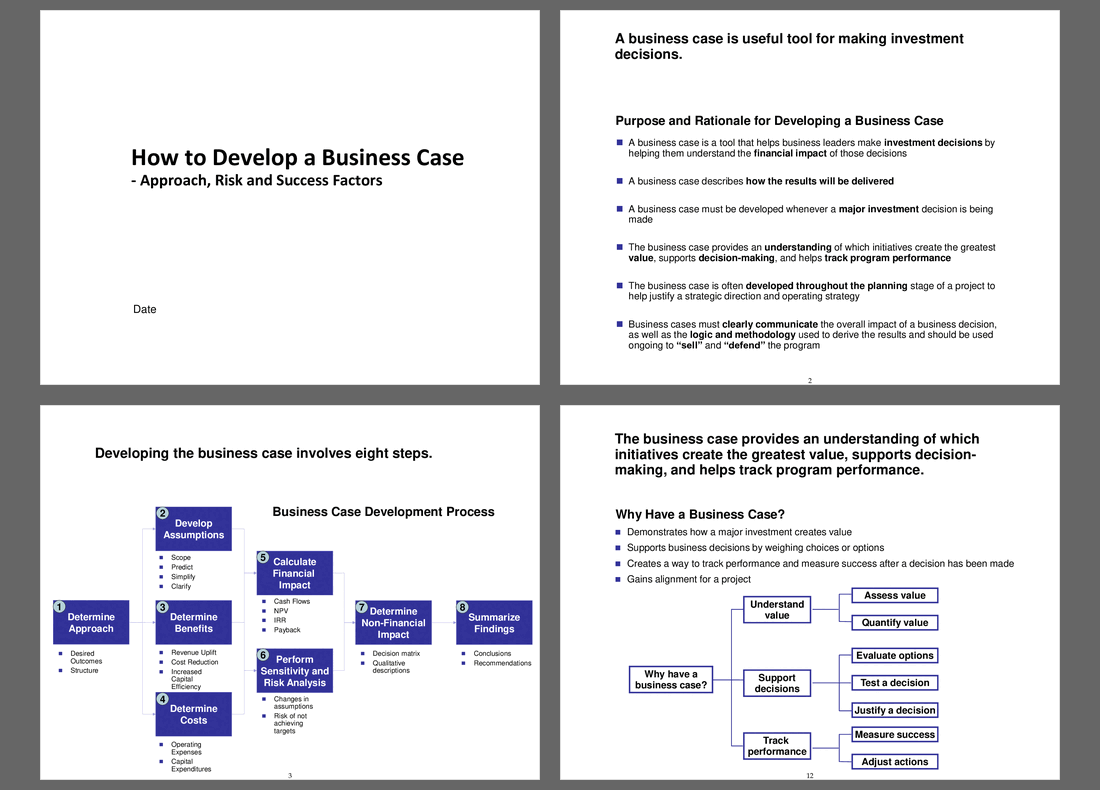
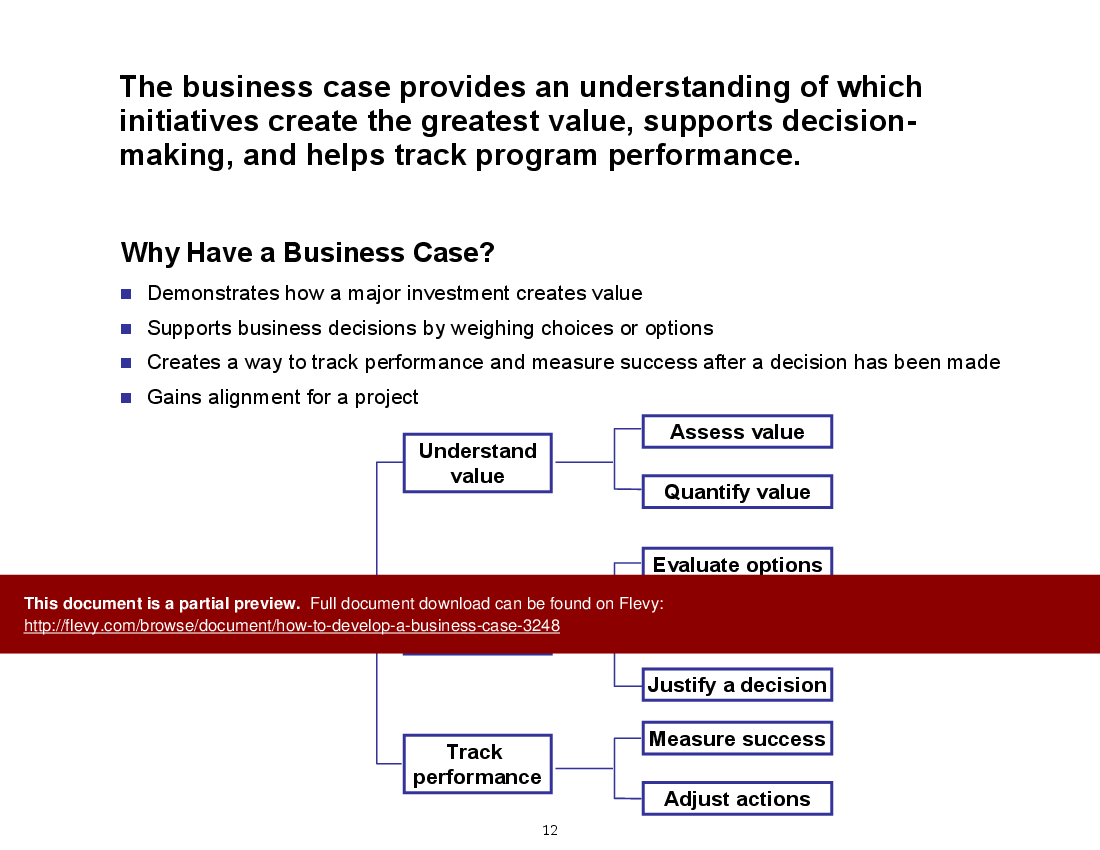
A business case is a tool that helps business leaders make investment decisions by helping them understand the financial impact of those decisions. A business case describes how the results will be delivered. A business case must be developed whenever a major investment decision is being made. The business case provides an understanding of which initiatives create the greatest value; supports decision-making; and helps track program performance.
The business case is often developed throughout the planning stage of a project to help justify a strategic direction and operating strategy. Business cases must clearly communicate the overall impact of a business decision; as well as the logic and methodology used to derive the results and should be used ongoing to "sell" and "defend" the program.
This deck is complemented by a companion document the "Business Case Template" Excel (separate product listing), which provides a step-by-step methodology for developing a high level business case. Explicit instructions on how to use this financial model are in the "Business Case Template Overview" section of this presentation
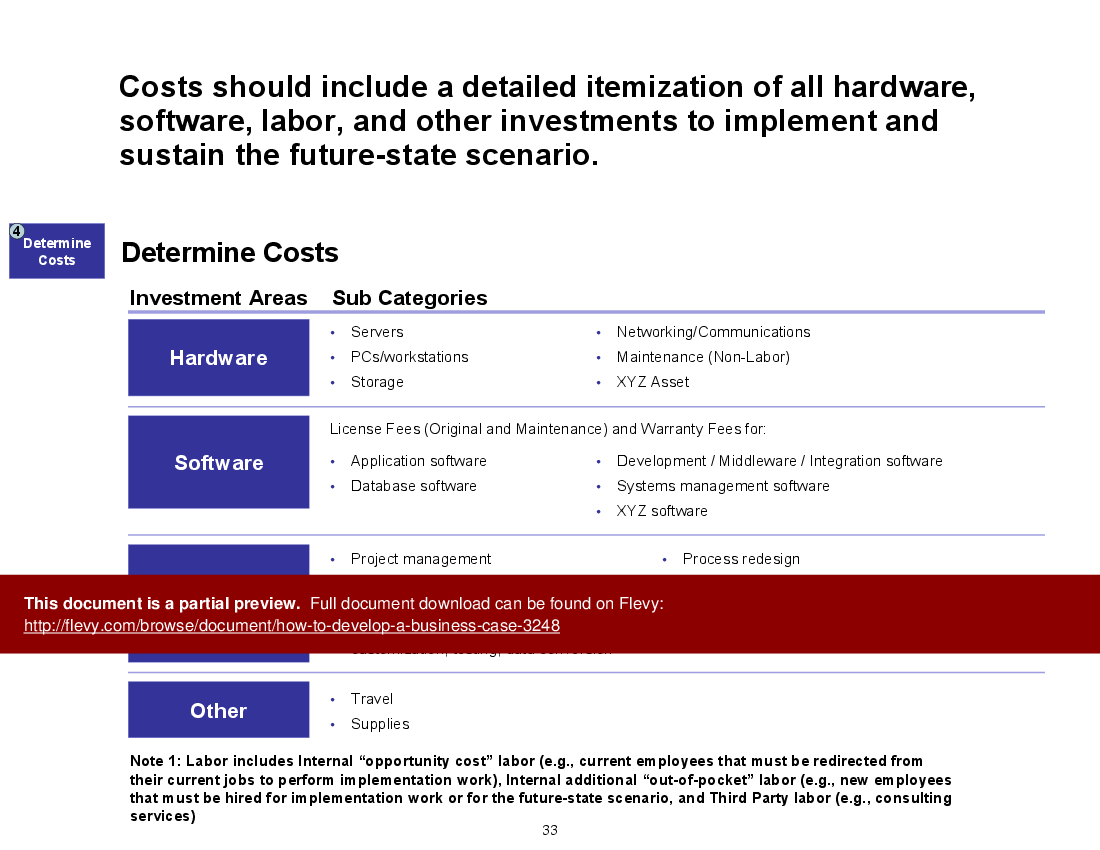
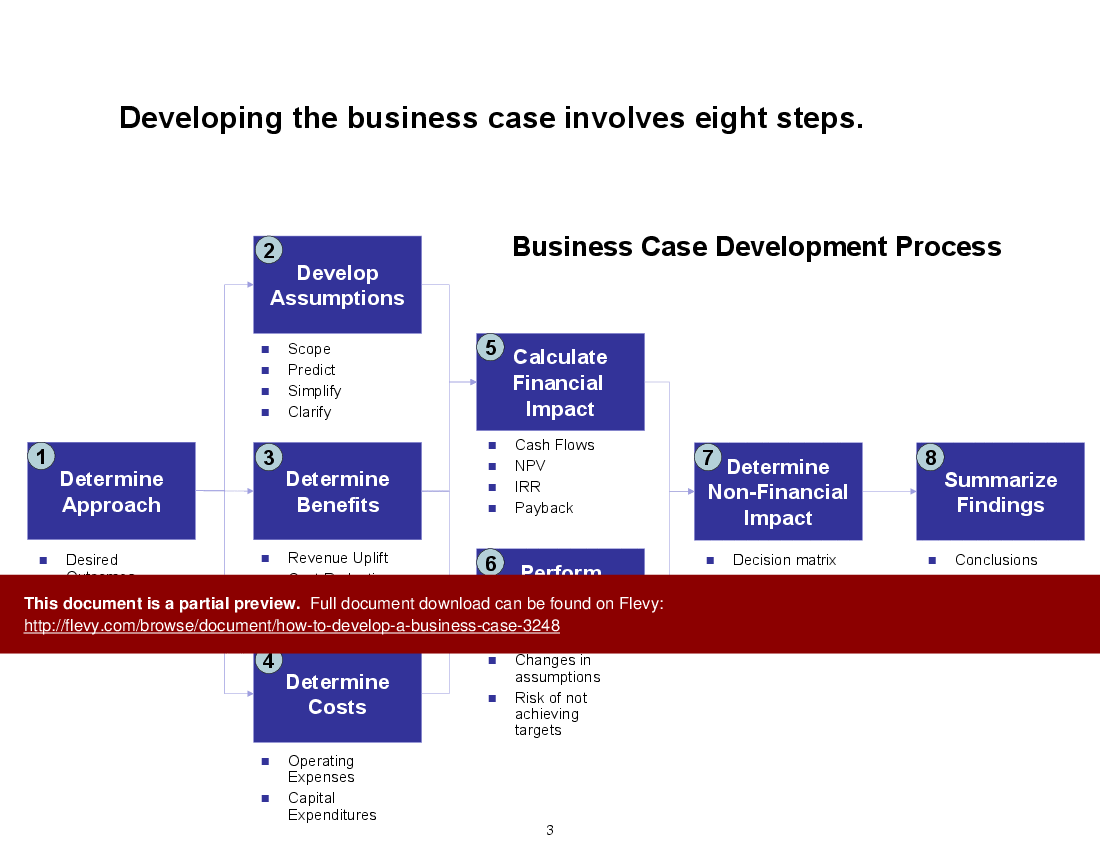
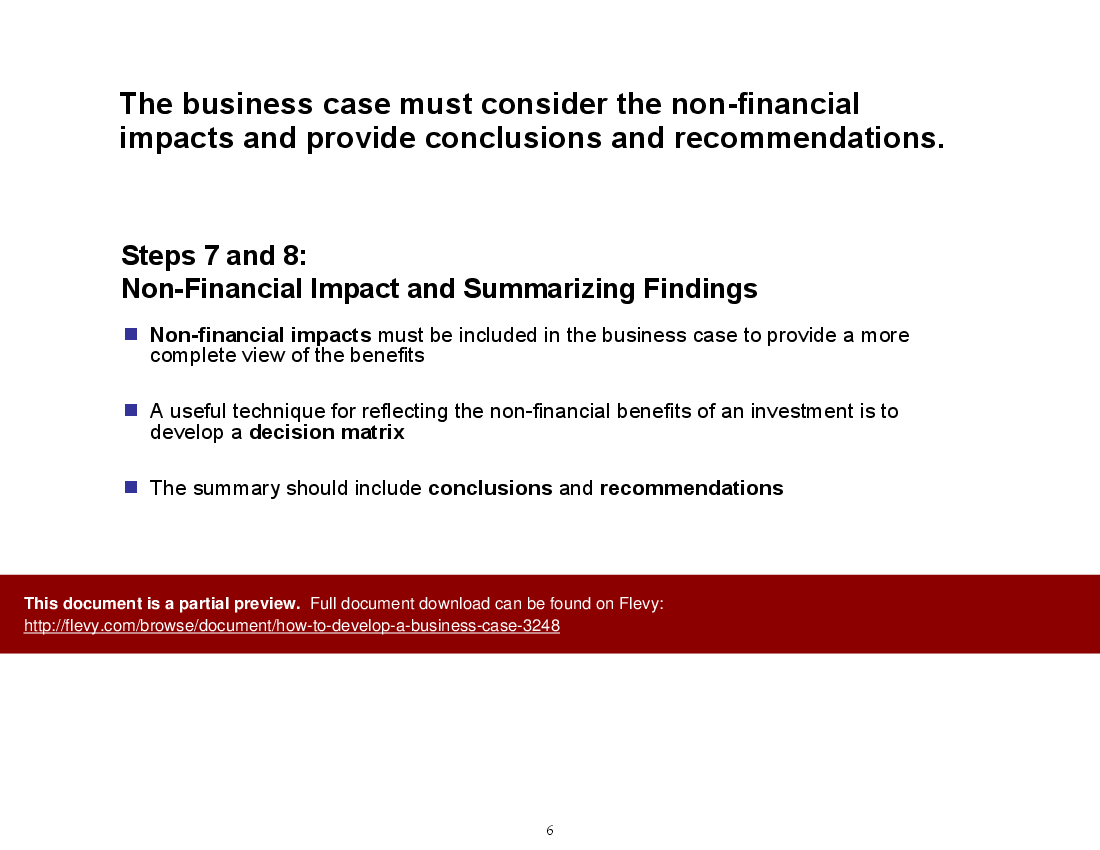
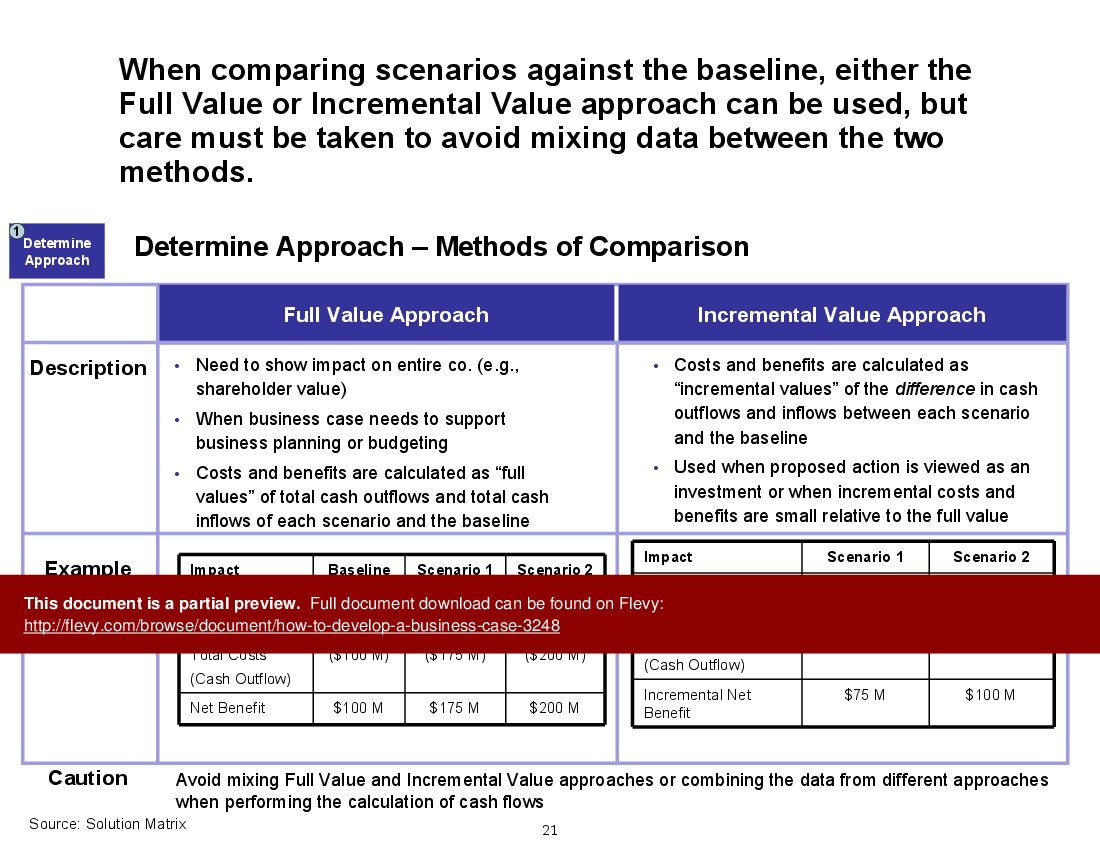
The document also delves into the importance of considering non-financial impacts, such as customer satisfaction and employee morale, to provide a comprehensive view of the benefits. It emphasizes the need for a decision matrix to reflect these benefits effectively. The presentation outlines the eight-step process for developing a business case, including determining approach, developing assumptions, and calculating financial impact. It also highlights the necessity of a detailed itemization of costs, including hardware, software, and labor, to sustain the future-state scenario. This structured approach ensures that all aspects of the business case are meticulously analyzed and presented.
Got a question about the product? Email us at support@flevy.com or ask the author directly by using the "Ask the Author a Question" form. If you cannot view the preview above this document description, go here to view the large preview instead.
Executive Summary
This presentation titled "How to Develop a Business Case" provides a structured, consulting-grade framework for creating effective business cases, akin to the quality expected from McKinsey, Bain, or BCG (not affiliated). It guides business leaders through the essential steps of developing a business case, which is crucial for making informed investment decisions. The template empowers users to articulate the financial and non-financial impacts of their initiatives, ensuring clarity in decision-making and performance tracking. By utilizing this comprehensive PowerPoint guide, executives can effectively justify strategic directions and operational strategies.
Who This Is For and When to Use
• Corporate executives responsible for major investment decisions
• Project managers leading initiatives requiring financial justification
• Consultants advising clients on investment strategies
• Financial analysts assessing project viability and risk
• Cross-functional teams involved in business planning and execution
Best-fit moments to use this deck:
• During the planning phase of major projects to justify investment
• When evaluating multiple investment options to determine the best course of action
• To communicate the rationale behind investment decisions to stakeholders
• In workshops focused on aligning team objectives with financial outcomes
Learning Objectives
• Define the purpose and structure of a business case
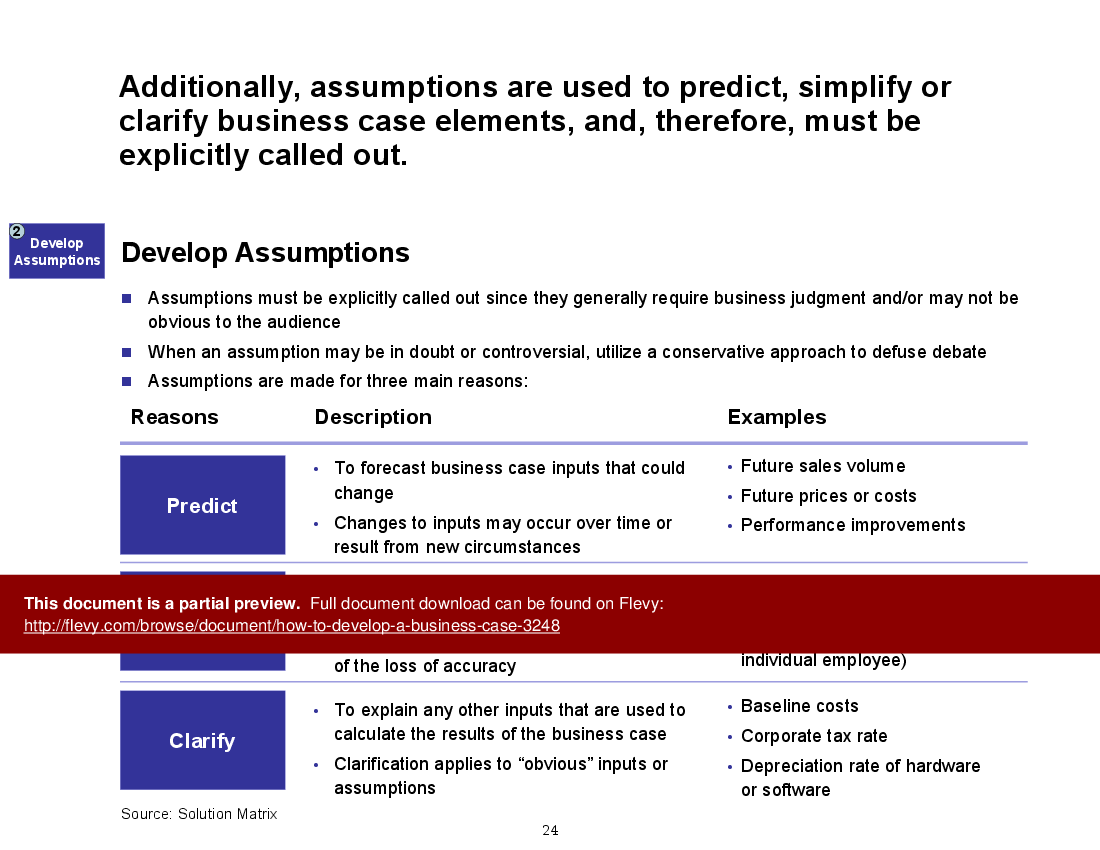
• Develop assumptions that bound the scope of the analysis
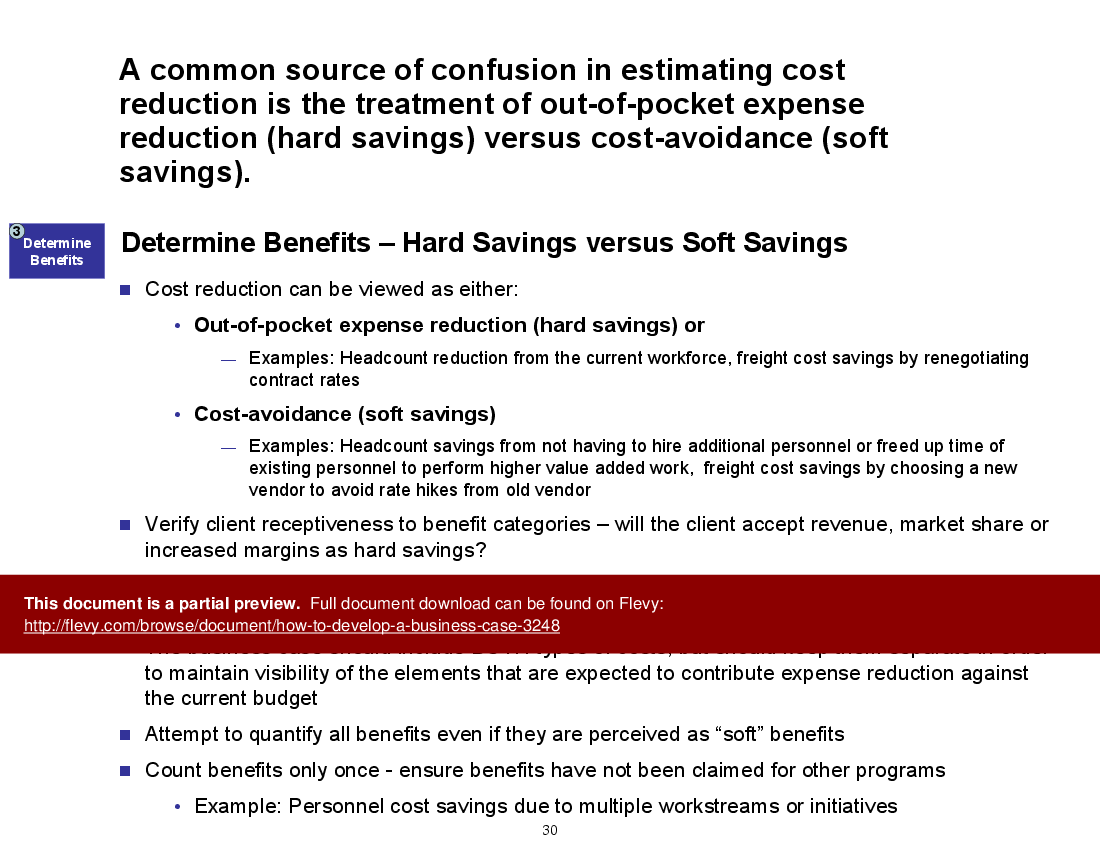
• Identify and quantify financial and non-financial benefits
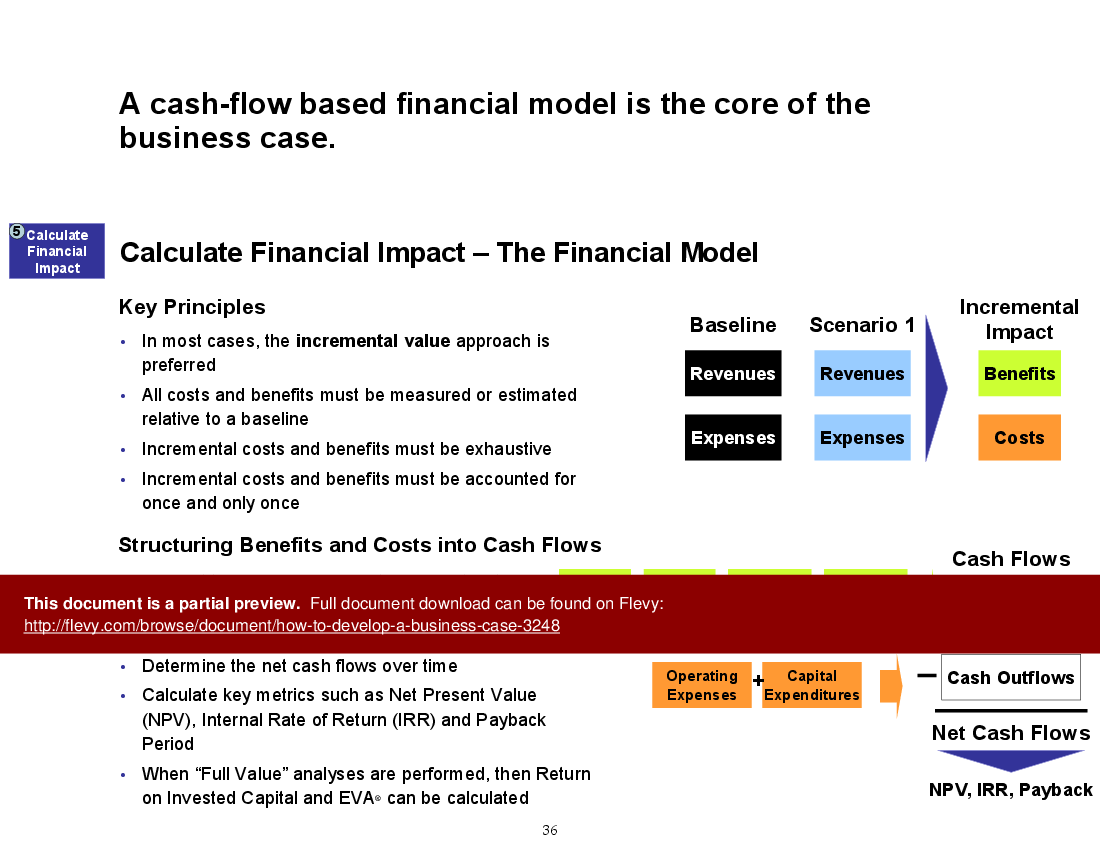
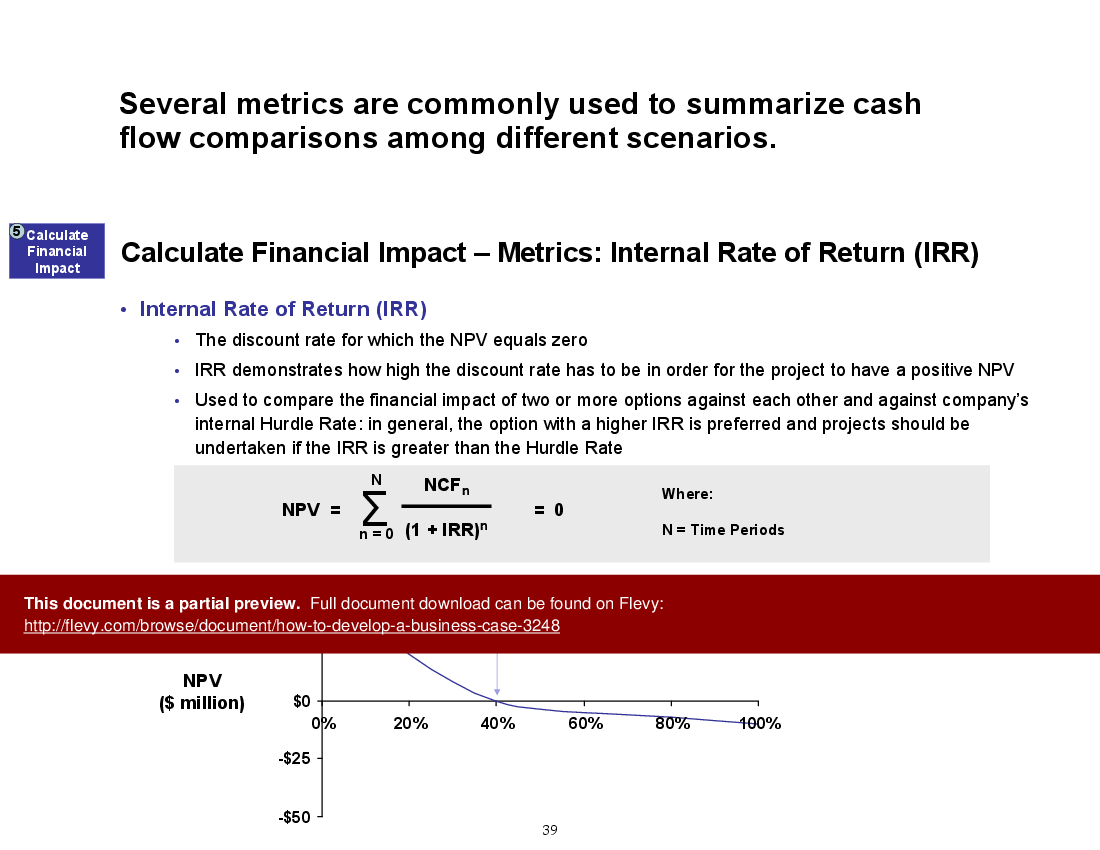
• Calculate key financial metrics such as NPV, IRR, and payback period
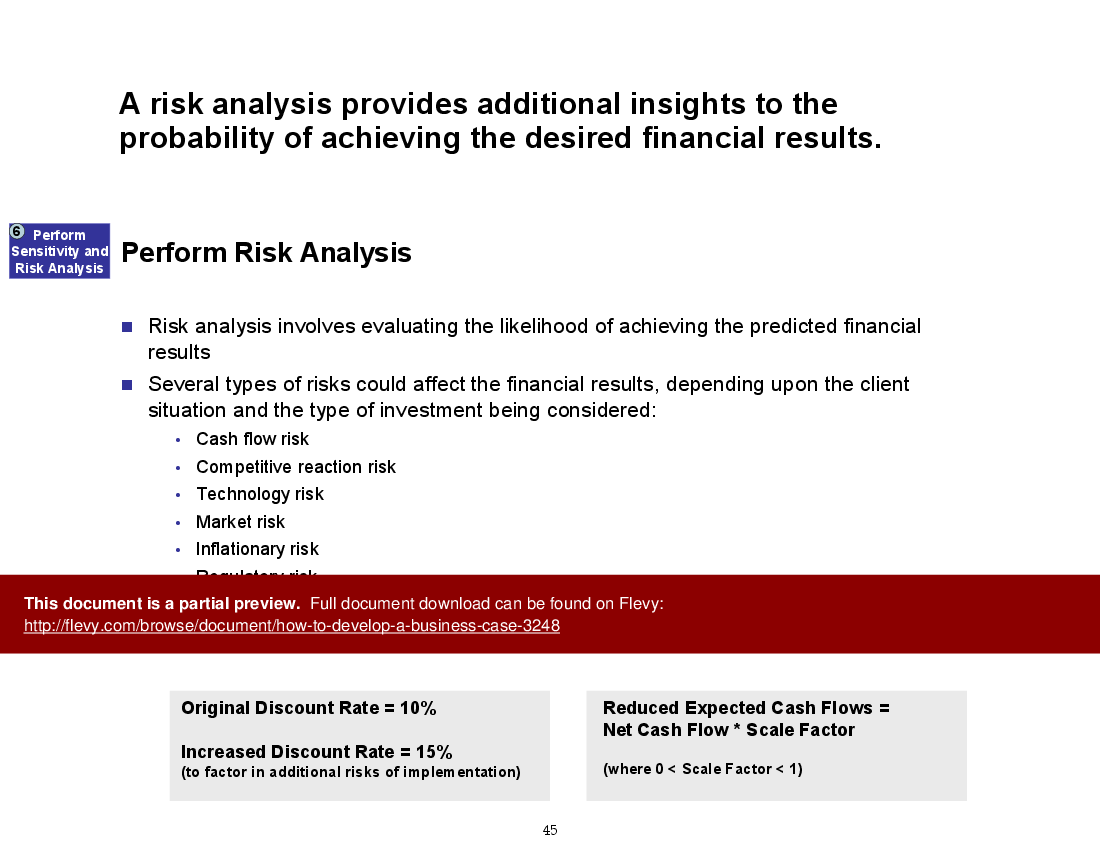
• Perform sensitivity and risk analysis to assess the robustness of the business case
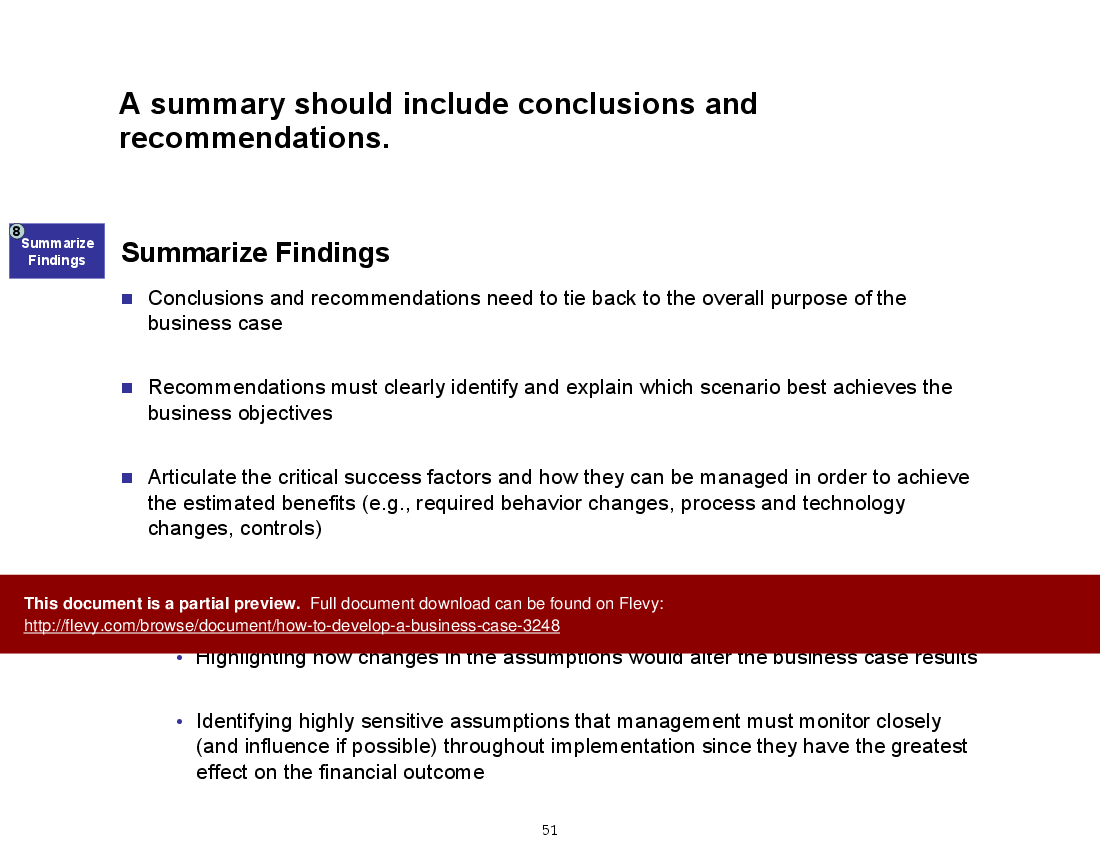
• Summarize findings and provide actionable recommendations
Table of Contents
• Executive Summary (page 1)
• Business Case Overview (page 2)
• Business Case Development Process (page 3)
• Lessons Learned – Risks and Success Factors (page 7)
• Business Case Template Overview (page 9)
• Glossary (page 10)
• Appendix (page 11)
• Example Slides (page 12)
Primary Topics Covered
• Business Case Overview - A business case is a structured tool that assists leaders in making informed investment decisions by quantifying financial impacts and justifying strategic directions.
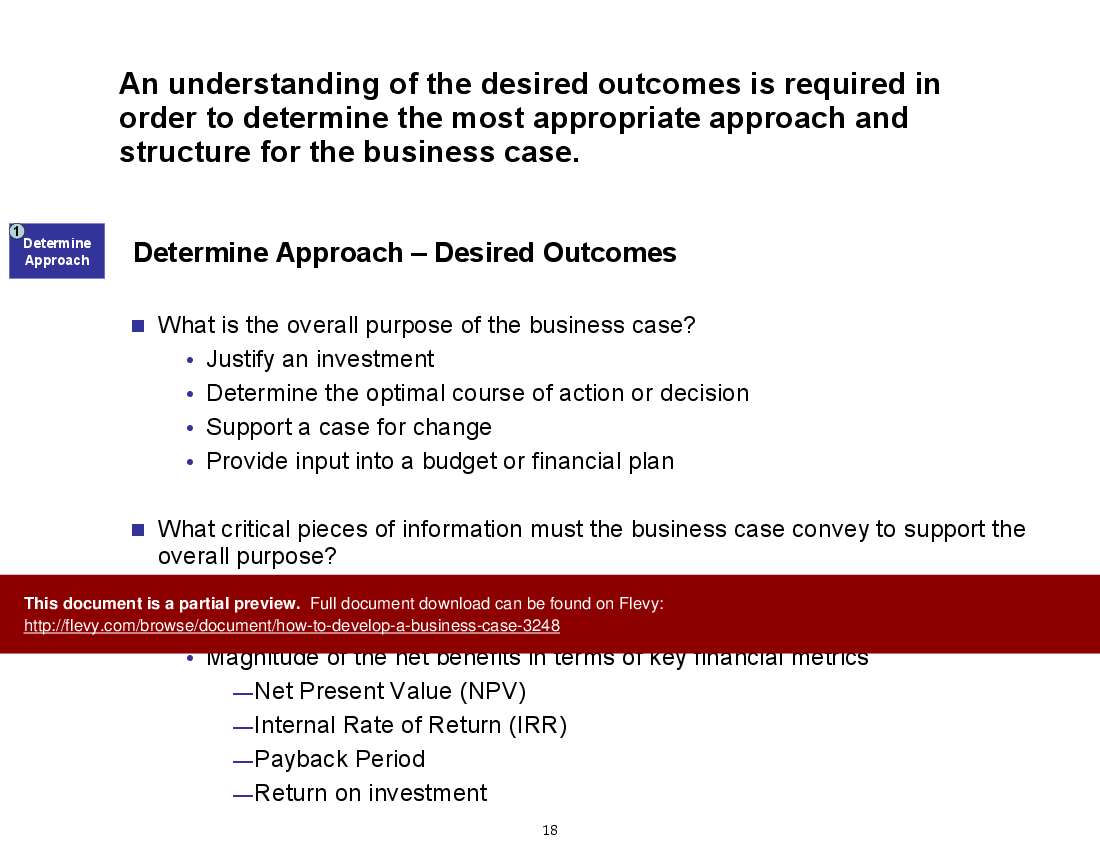
• Business Case Development Process - The process involves eight steps: determining approach, developing assumptions, identifying benefits, estimating costs, calculating financial impact, assessing non-financial impacts, performing sensitivity analysis, and summarizing findings.
• Financial Metrics - Key financial metrics such as Net Present Value (NPV), Internal Rate of Return (IRR), and payback period are essential for evaluating the financial viability of proposed investments.
• Sensitivity and Risk Analysis - This analysis examines how changes in assumptions affect financial outcomes, providing insights into potential risks associated with the investment.
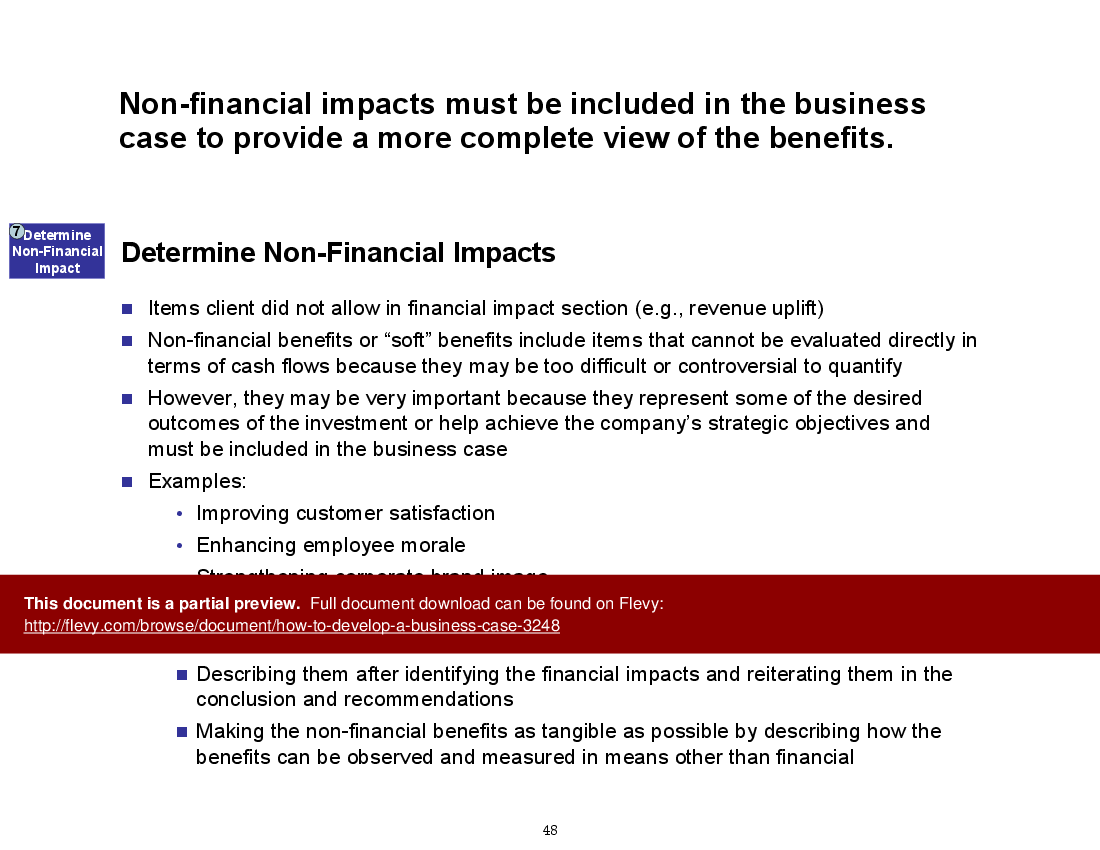
• Non-Financial Impacts - Including non-financial benefits, such as improved employee morale or customer satisfaction, offers a more comprehensive view of the investment's value.
• Lessons Learned - Key success factors for developing a strong business case include early scope agreement, understanding client processes, and using familiar frameworks.
Deliverables, Templates, and Tools
• Business case template for structured development of investment proposals
• Checklist of key assumptions and inputs required for business cases
• Guidelines for calculating cash flow metrics, including NPV and IRR
• Sensitivity analysis tools for assessing the impact of varying assumptions
• Decision matrix for evaluating non-financial benefits
• Summary sheets for presenting financial metrics and outcomes
Slide Highlights
• Overview of the business case development process, outlining the eight essential steps.
• Visual representation of financial metrics, including NPV and IRR calculations.
• Examples of decision matrices to evaluate non-financial impacts.
• Sensitivity analysis graphs illustrating the impact of varying assumptions on financial outcomes.
• Summary slides that encapsulate key findings and recommendations.
Potential Workshop Agenda
Business Case Development Workshop (90–120 minutes)
• Introduction to the business case framework and objectives
• Group exercise on defining desired outcomes and assumptions
• Breakout sessions for identifying benefits and estimating costs
• Presentation of financial metrics and sensitivity analysis results
• Wrap-up discussion on lessons learned and next steps
Customization Guidance
• Tailor the business case template to reflect specific organizational terminology and frameworks.
• Adjust financial assumptions based on historical data and market conditions relevant to the project.
• Incorporate client-specific metrics and performance indicators to enhance relevance.
• Ensure alignment with existing strategic initiatives and operational plans.
Secondary Topics Covered
• Importance of stakeholder engagement in the business case development process
• Techniques for presenting complex financial data in an understandable format
• Strategies for managing risks and critical success factors in project execution
• Best practices for tracking and measuring the success of implemented initiatives
FAQ
What is the purpose of a business case?
A business case helps leaders make informed investment decisions by quantifying the financial impact and justifying strategic directions.
When should a business case be developed?
A business case should be developed whenever a major investment decision is being made, especially when there are high implementation risks.
What are the key elements of a business case?
Key elements include a logical structure, clear assumptions, detailed benefits and costs, financial impact analysis, non-financial impacts, and sensitivity and risk analysis.
How do you calculate financial impact?
Financial impact is calculated using metrics such as NPV, IRR, and payback period, which assess the cash flows associated with the investment.
What is sensitivity analysis?
Sensitivity analysis examines how changes in key assumptions affect financial outcomes, helping to identify risks associated with the investment.
Why include non-financial impacts in a business case?
Non-financial impacts provide a more comprehensive view of the investment's value and can influence decision-making.
What are common pitfalls in developing a business case?
Common pitfalls include lack of stakeholder engagement, unclear assumptions, and failure to consider non-financial impacts.
How can I ensure my business case is effective?
To ensure effectiveness, involve key stakeholders early, use familiar frameworks, and present clear, actionable recommendations.
Glossary
• Net Present Value (NPV) - The sum of all net cash flows discounted to present value, used to evaluate investment options.
• Internal Rate of Return (IRR) - The discount rate at which the NPV of an investment equals zero, indicating the project's profitability.
• Payback Period - The time required for an investment to generate cash flows sufficient to recover its initial cost.
• Sensitivity Analysis - An assessment of how changes in assumptions impact financial outcomes.
• Decision Matrix - A tool for evaluating options against strategic objectives, factoring in both financial and non-financial benefits.
• Assumptions - Statements that define the scope and boundaries of the business case analysis.
• Cash Flow - The net amount of cash being transferred into and out of a business, crucial for financial analysis.
• Capital Expenditures - Funds used by a company to acquire or upgrade physical assets such as property, industrial buildings, or equipment.
• Operating Expenses - The costs associated with running a business's core operations.
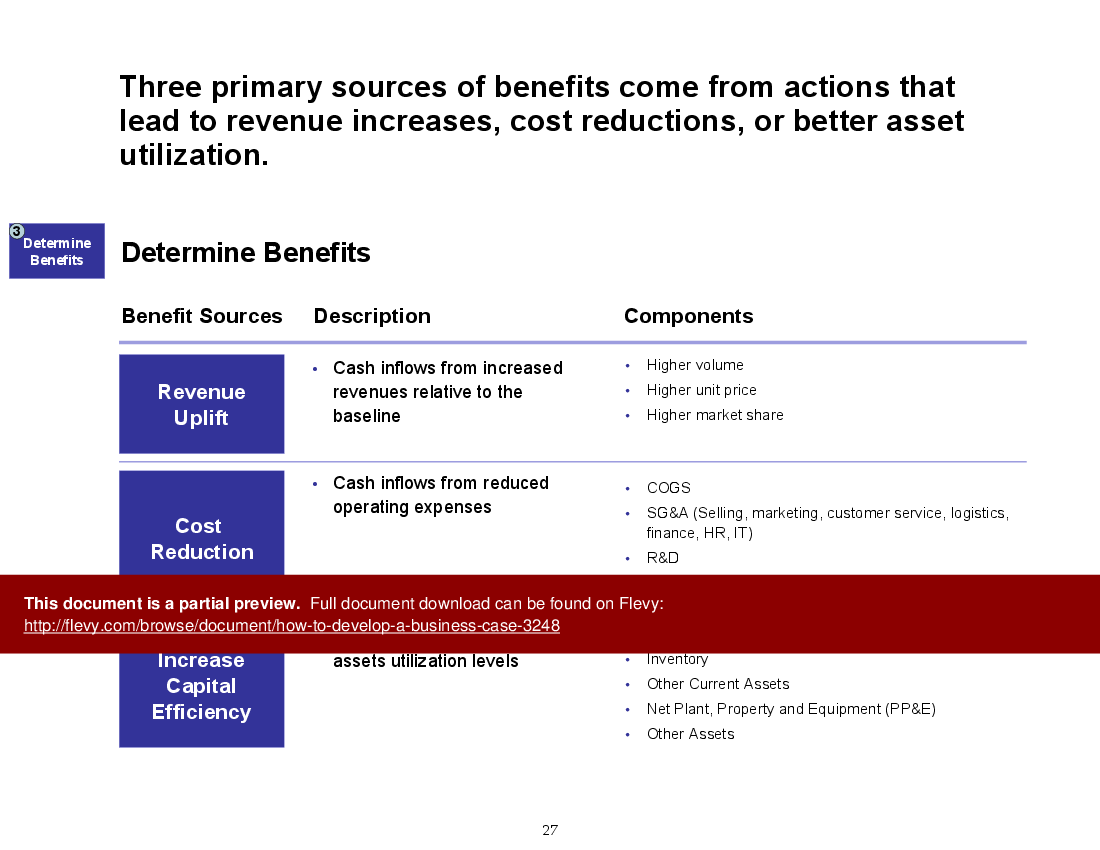
• Cost Reduction - Strategies aimed at lowering expenses to improve profitability.
• Revenue Uplift - Increases in revenue resulting from strategic initiatives or investments.
• Risk Analysis - The process of identifying and assessing potential risks that could impact the success of an investment.
Source: Best Practices in Business Case Development PowerPoint Slides: How to Develop a Business Case PowerPoint (PPT) Presentation Slide Deck, Documents & Files
This document is available as part of the following discounted bundle(s):
Save %!
Business Case Toolkit
This bundle contains 2 total documents. See all the documents to the right.
Save %!
Essential Consulting Skill Builder
This bundle contains 19 total documents. See all the documents to the right.
|
Download our FREE Strategy & Transformation Framework Templates
Download our free compilation of 50+ Strategy & Transformation slides and templates. Frameworks include McKinsey 7-S, Balanced Scorecard, Disruptive Innovation, BCG Curve, and many more. |