
 Click main image to view in full screen. Unlock all 26 preview images:
Training Evaluation Model (TEM) – PowerPoint PPTX Template
PowerPoint (PPTX) 71 Slides


BENEFITS OF THIS DOWNLOADABLE POWERPOINT DOCUMENT
- Understand why evaluation of training programs is critical to you and your organization.
- Understand the four levels of training evaluation.
- Learn how to use the guidelines to evaluate training programs.
EMPLOYEE TRAINING PPT TEMPLATE DESCRIPTION
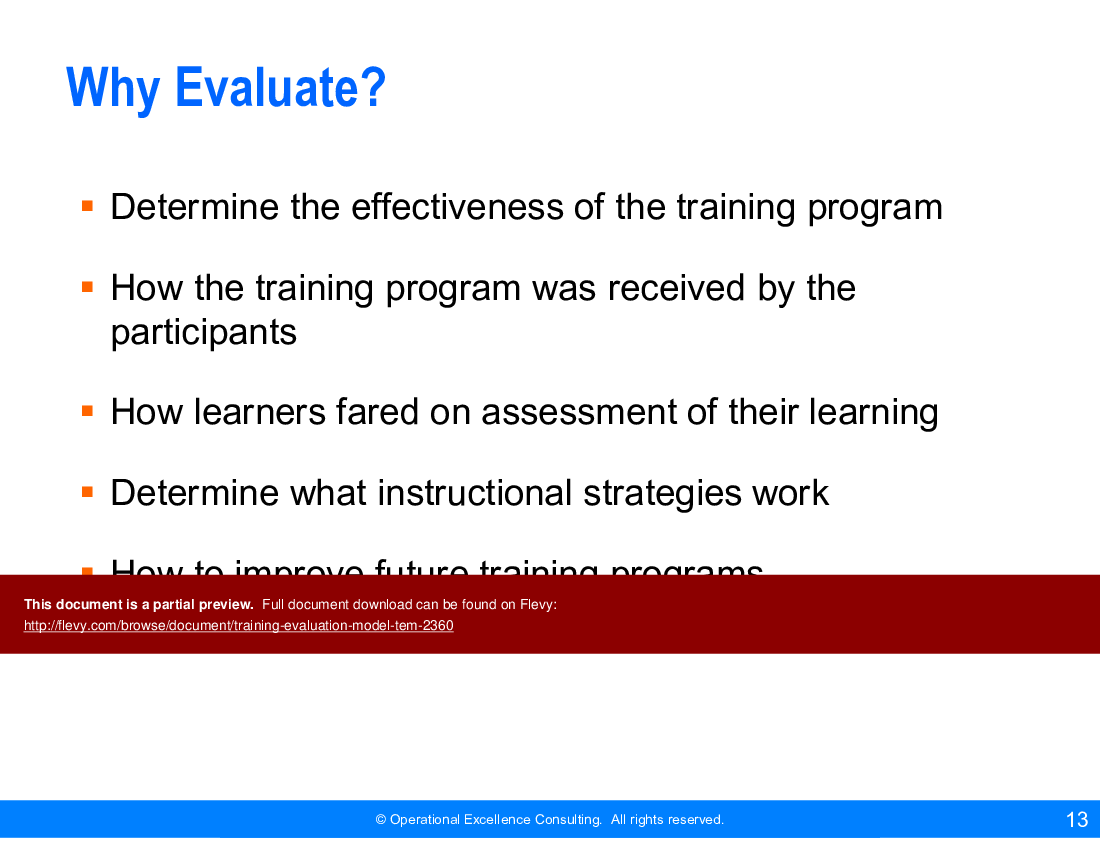
The four-level Training Evaluation Model (TEM) is the worldwide standard for evaluating the effectiveness of training. It considers the value of any type of training, formal or informal, across four levels. The model can be applied before, during and after training to both maximize and demonstrate the value of training to the organization.
Understanding and using the model is important not just to HRD professionals but also to managers and individuals who play a critical role in ensuring that training programs can be improved and applied to create positive impact to the organization.
LEARNING OBJECTIVES
1. State why evaluation of training programs is critical to you and your organization.
2. Apply the four levels of evaluation to your training programs.
3. Use guidelines for developing evaluations.
4. Implement various forms and approaches to evaluation.
CONTENTS
1. Introduction to the Training Evaluation Model (TEM)
• Introduction to the TEM
• Frequent Questions Asked by HRD Professionals on Training Performance
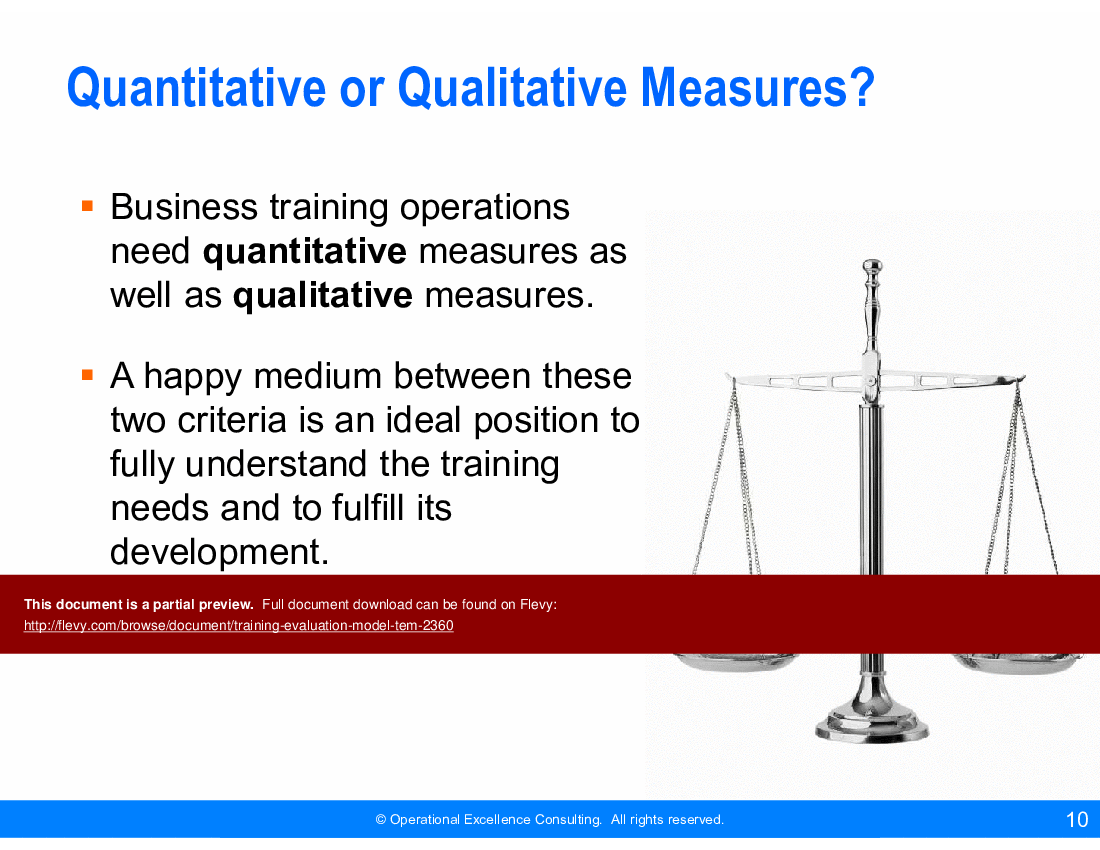
• Quantitative or Qualitative Measures?
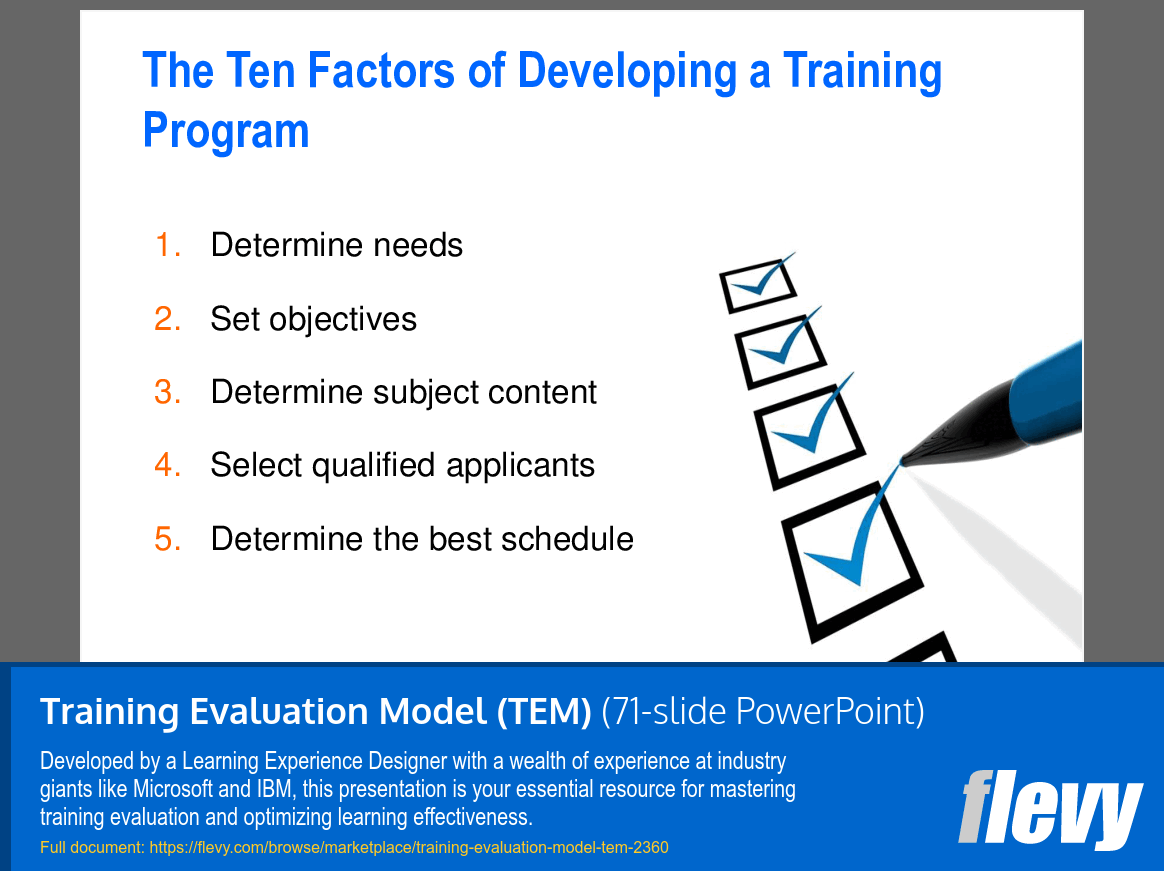
• Ten Factors of Developing Training Programs
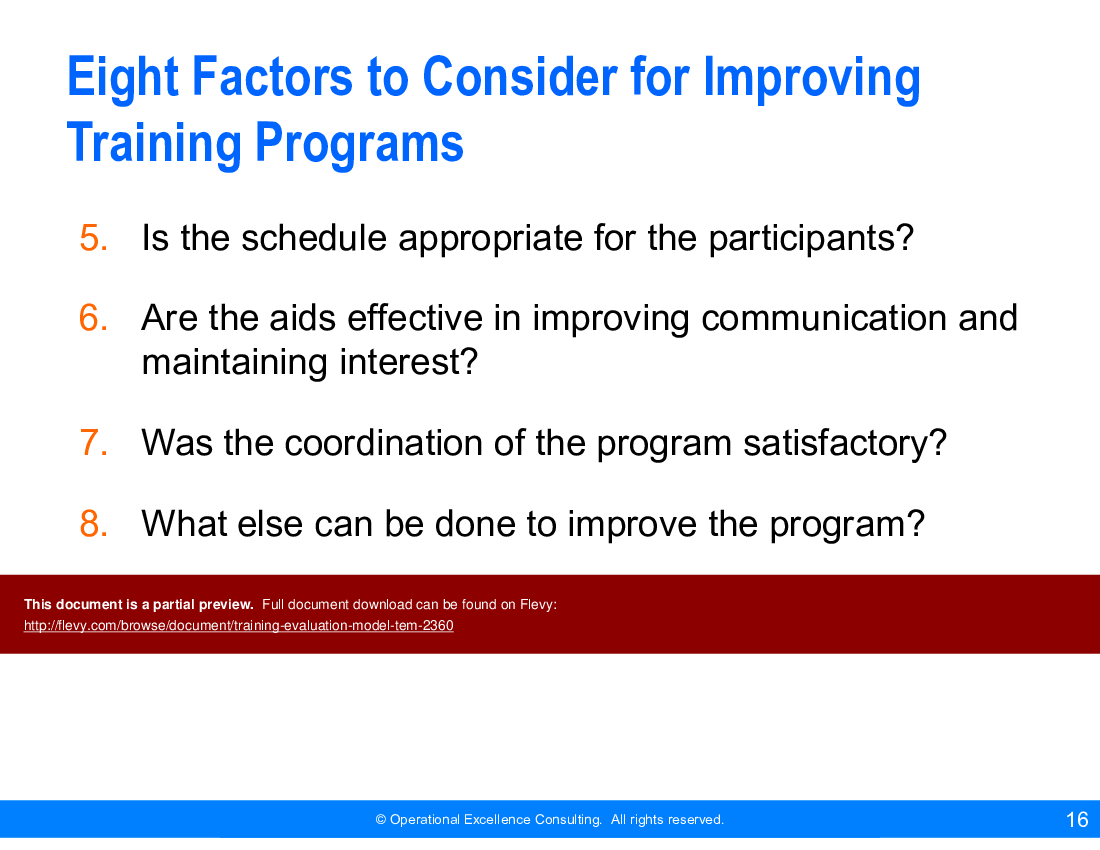
• Eight Factors to Consider for Improving Training Programs
• Reasons Why Many Companies Do Not Gather Feedback for Improving Training Programs
• The Four-level Training Evaluation Model
2. The Four Levels of Training Evaluation
• Level 1: Reaction
• Level 2: Learning
• Level 3: Behavior
• Level 4: Results
The Training Evaluation Model (TEM) PPT equips organizations with a robust framework to measure training effectiveness across four critical levels: Reaction, Learning, Behavior, and Results. This comprehensive guide provides actionable insights and practical tools for HRD professionals and managers to enhance training programs. It emphasizes the importance of both quantitative and qualitative measures, ensuring a balanced approach to evaluation. The document also includes detailed guidelines for developing evaluations, implementing various evaluation forms, and understanding the impact of training on organizational performance. This resource is essential for those looking to maximize the ROI of their training initiatives.
Got a question about the product? Email us at support@flevy.com or ask the author directly by using the "Ask the Author a Question" form. If you cannot view the preview above this document description, go here to view the large preview instead.
PRESENTATION DEEP DIVE ANALYSIS
This deep-dive analysis was generated from the full 71-slide PowerPoint presentation.
Source: Best Practices in Employee Training PowerPoint Slides: Training Evaluation Model (TEM) PowerPoint (PPTX) Presentation Slide Deck, Operational Excellence Consulting
ABOUT THE AUTHOR

Operational Excellence Consulting, founded in 2009 by Allan Ung, draws from extensive experience at Microsoft, IBM, and Underwriters Laboratories (UL). We specialize in strategy deployment, customer experience design, and operational excellence, applying Design Thinking, Lean, and Systems Thinking to maximize customer value and minimize waste.
Our
... [read more]
Ask the Author a Question
You must be logged in to contact the author.




























