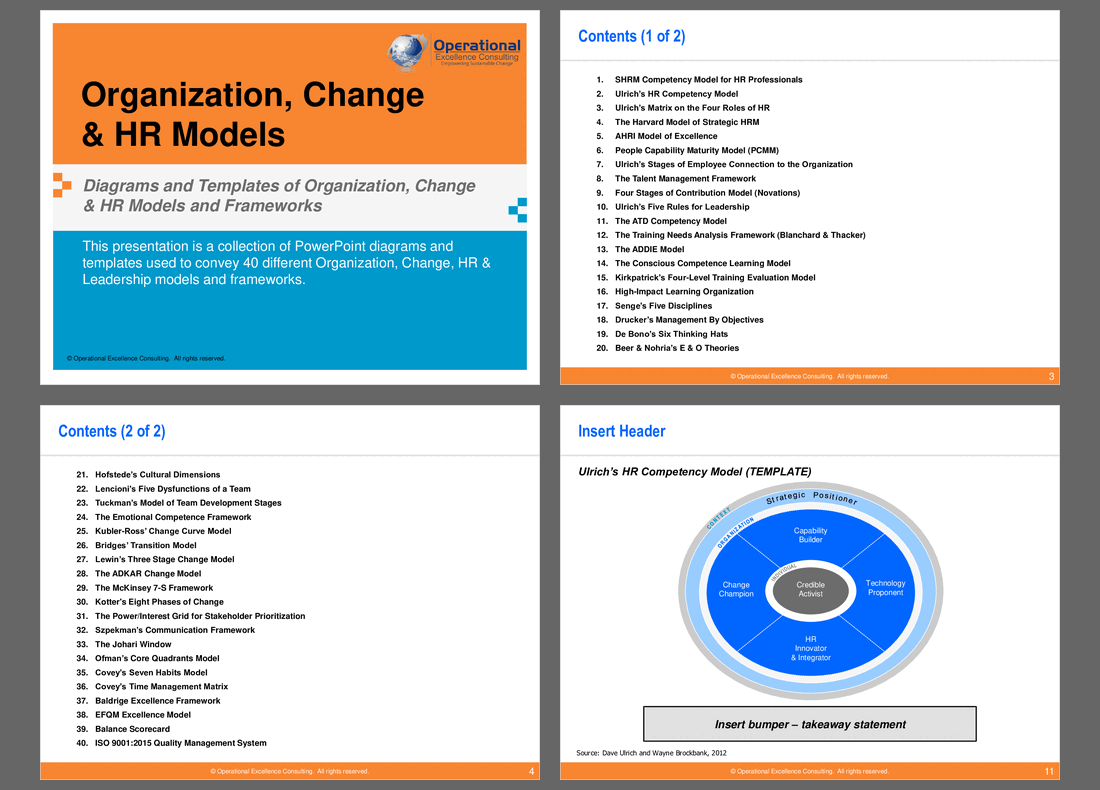

This presentation is a collection of PowerPoint diagrams and templates used to convey 40 different Organization, Change, HR & Leadership models and frameworks. (Please note that these are diagrams and charts that are to be used in your own business or classroom presentations. These are not instructional slides.)
INCLUDED MODELS/FRAMEWORKS:
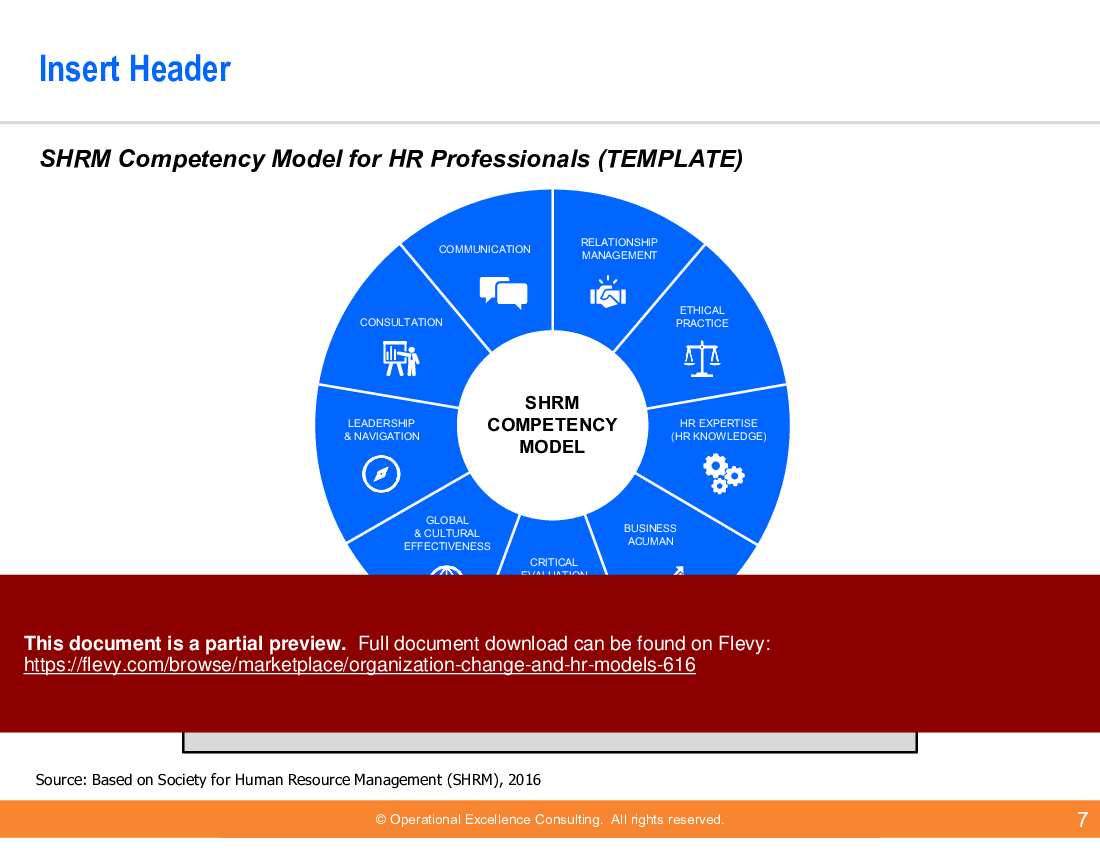
1. SHRM Competency Model for HR Professionals
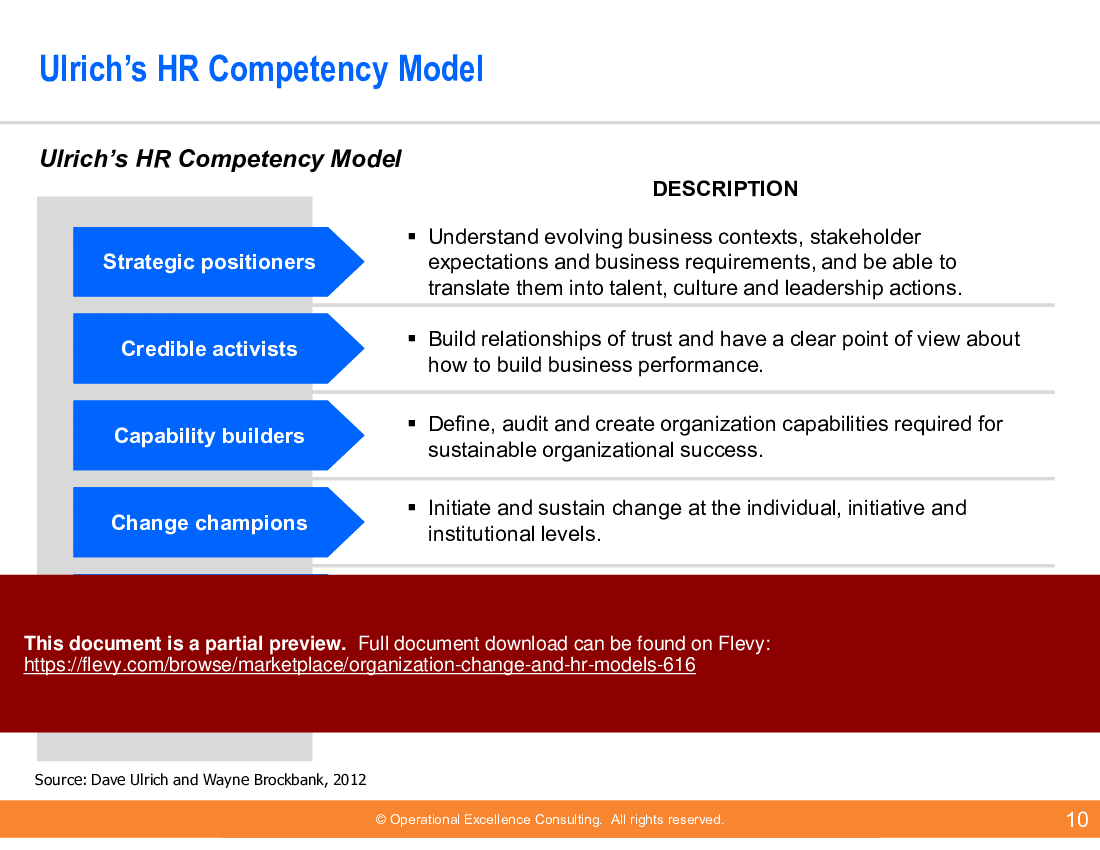
2. Ulrich's HR Competency Model
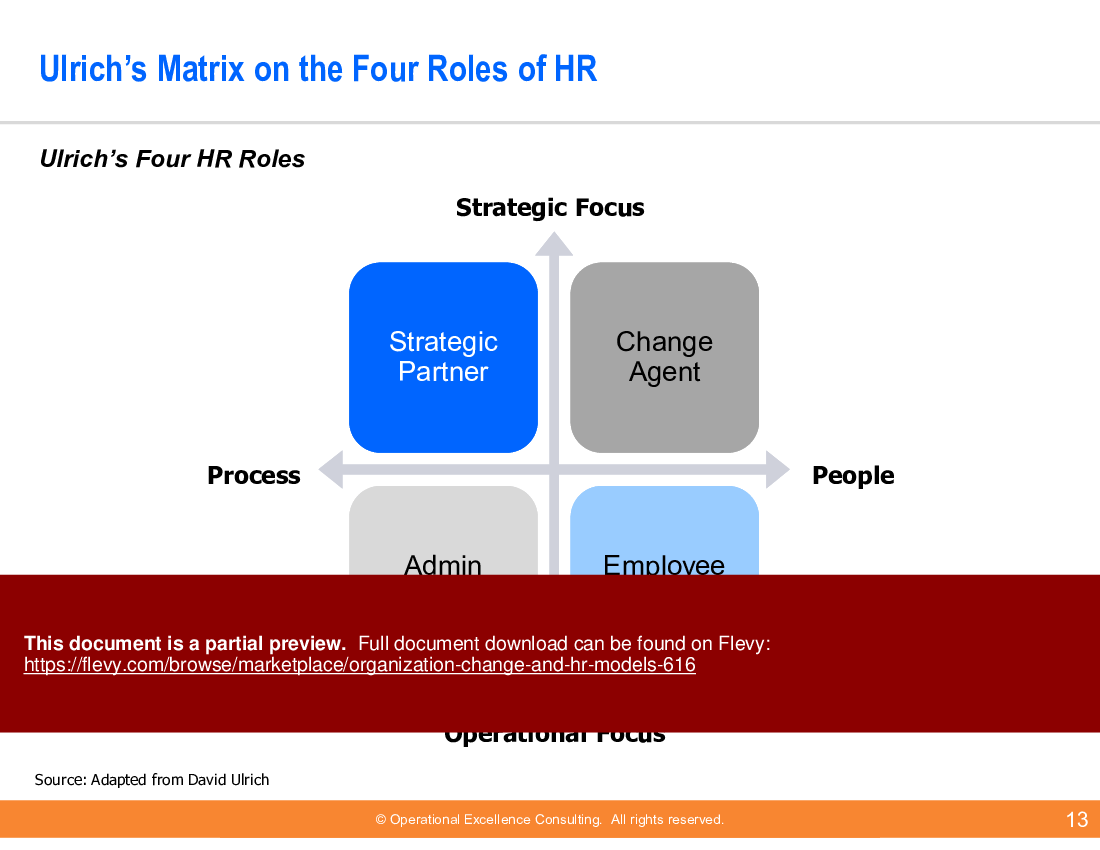
3. Ulrich's Matrix on the Four Roles of HR
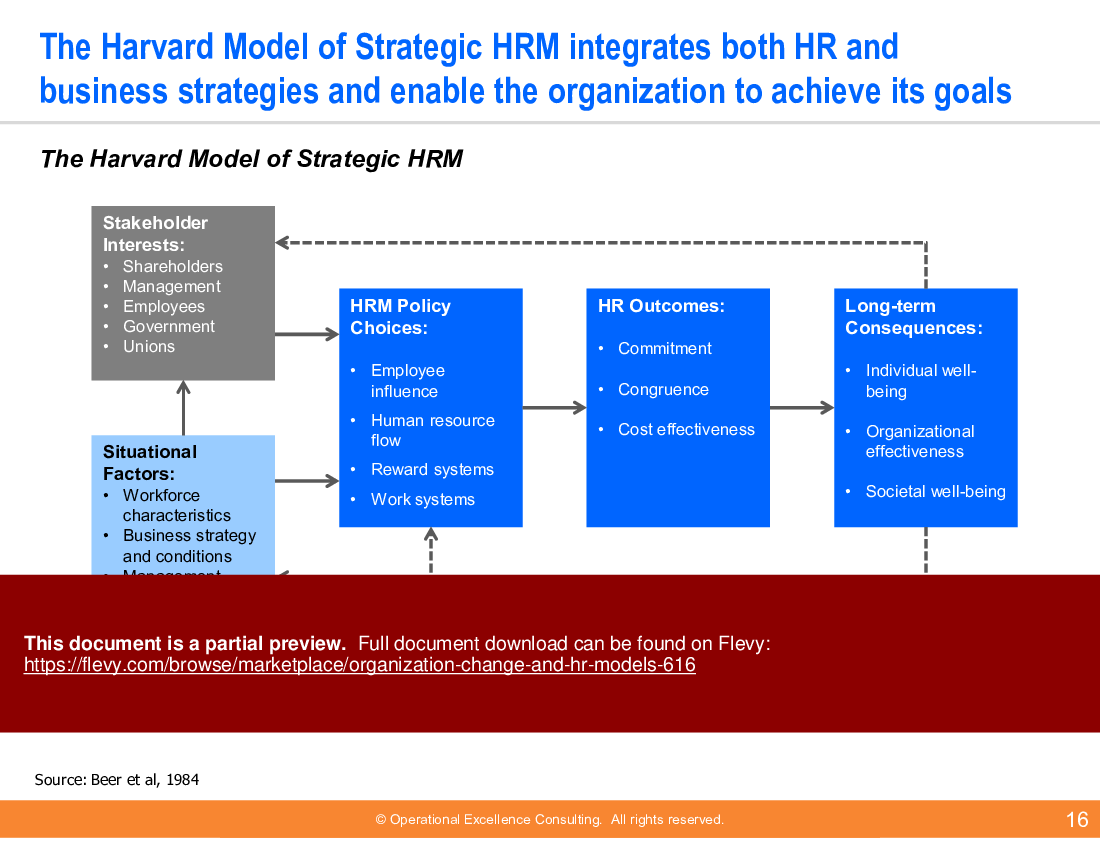
4. The Harvard Model of Strategic HRM
5. AHRI Model of Excellence
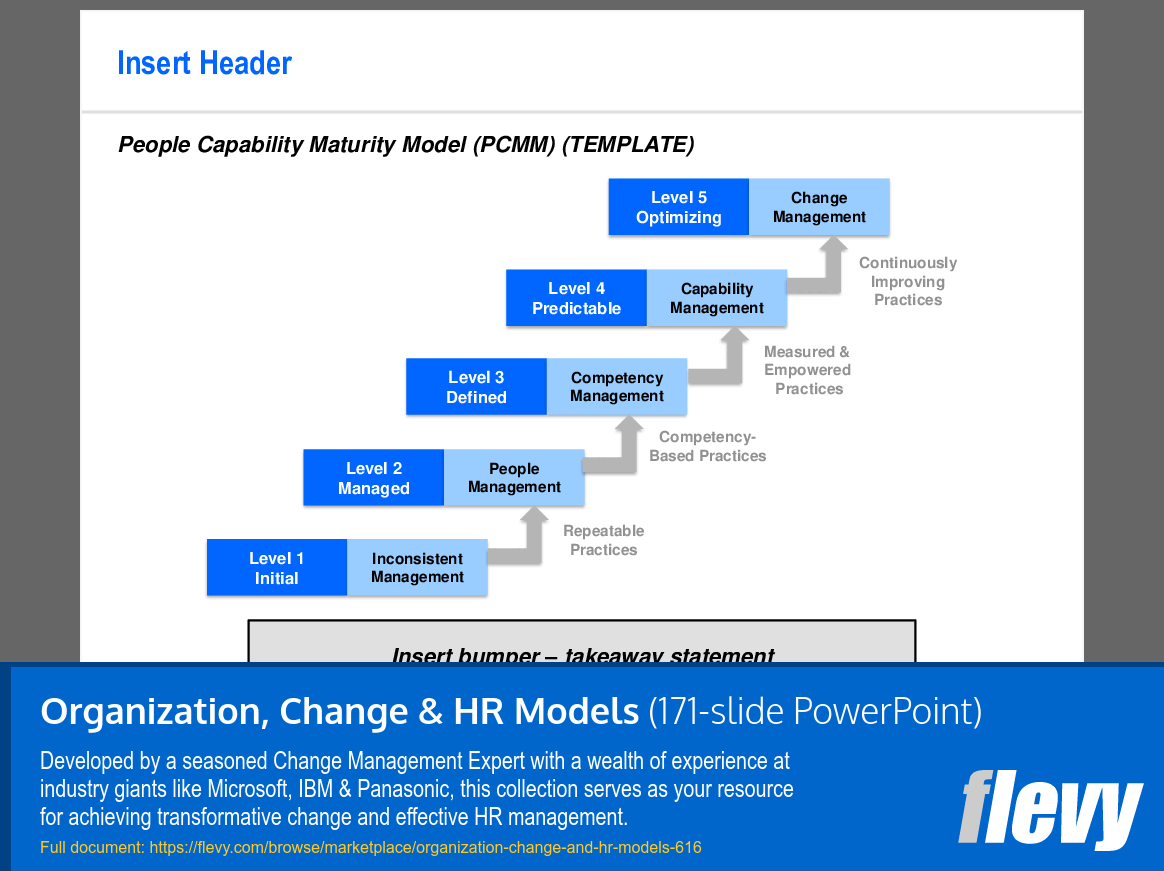
6. People Capability Maturity Model (PCMM)
7. Ulrich's Stages of Employee Connection to the Organization
8. The Talent Management Framework
9. Four Stages of Contribution Model (Novations)
10. Ulrich's Five Rules for Leadership
11. The ATD Competency Model
12. The Training Needs Analysis Framework (Blanchard & Thacker)
13. The ADDIE Model
14. The Conscious Competence Learning Model
15. Kirkpatrick's Four-Level Training Evaluation Model
16. High-Impact Learning Organization
17. Senge's Five Disciplines
18. Drucker's Management By Objectives
19. De Bono's Six Thinking Hats
20. Beer & Nohria's E & O Theories
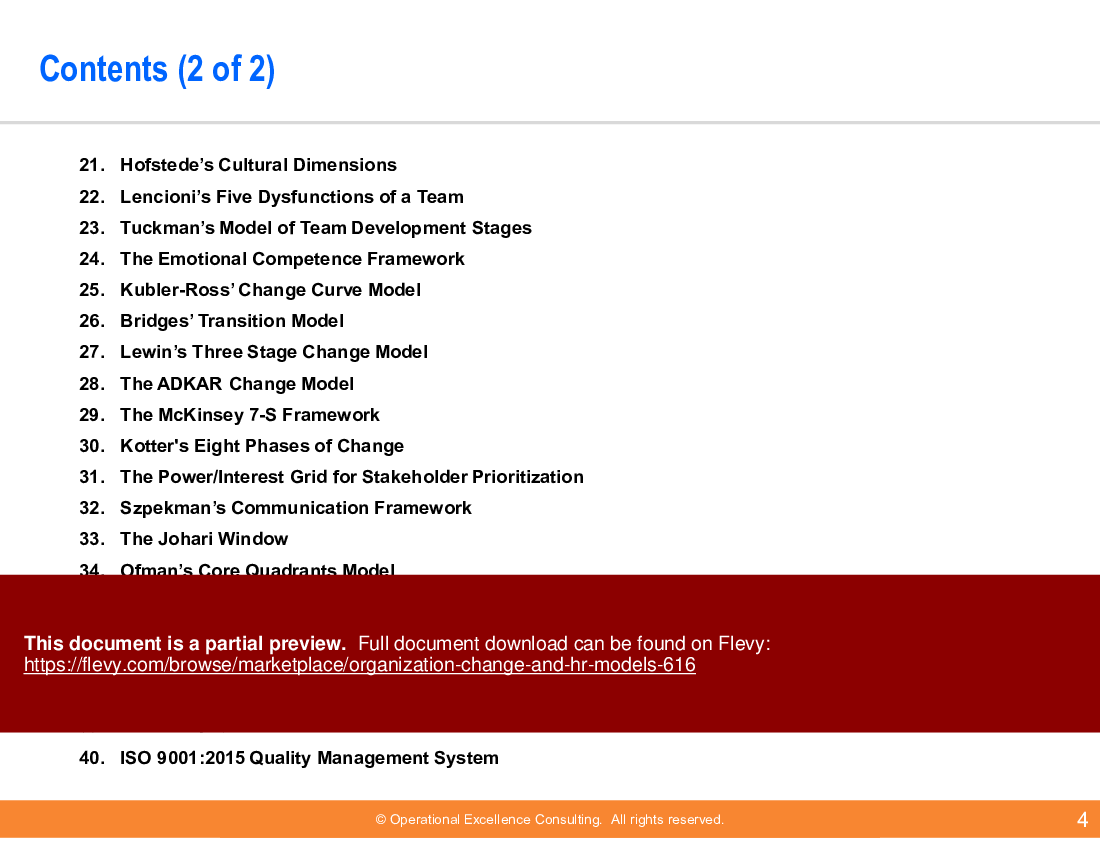
21. Hofstede's Cultural Dimensions
22. Lencioni's Five Dysfunctions of a Team
23. Tuckman's Model of Team Development Stages
24. The Emotional Competence Framework
25. Kubler-Ross' Change Curve Model
26. Bridges' Transition Model
27. Lewin's Three Stage Change Model
28. The ADKAR Change Model
29. The McKinsey 7-S Framework
30. Kotter's Eight Phases of Change
31. The Power/Interest Grid for Stakeholder Prioritization
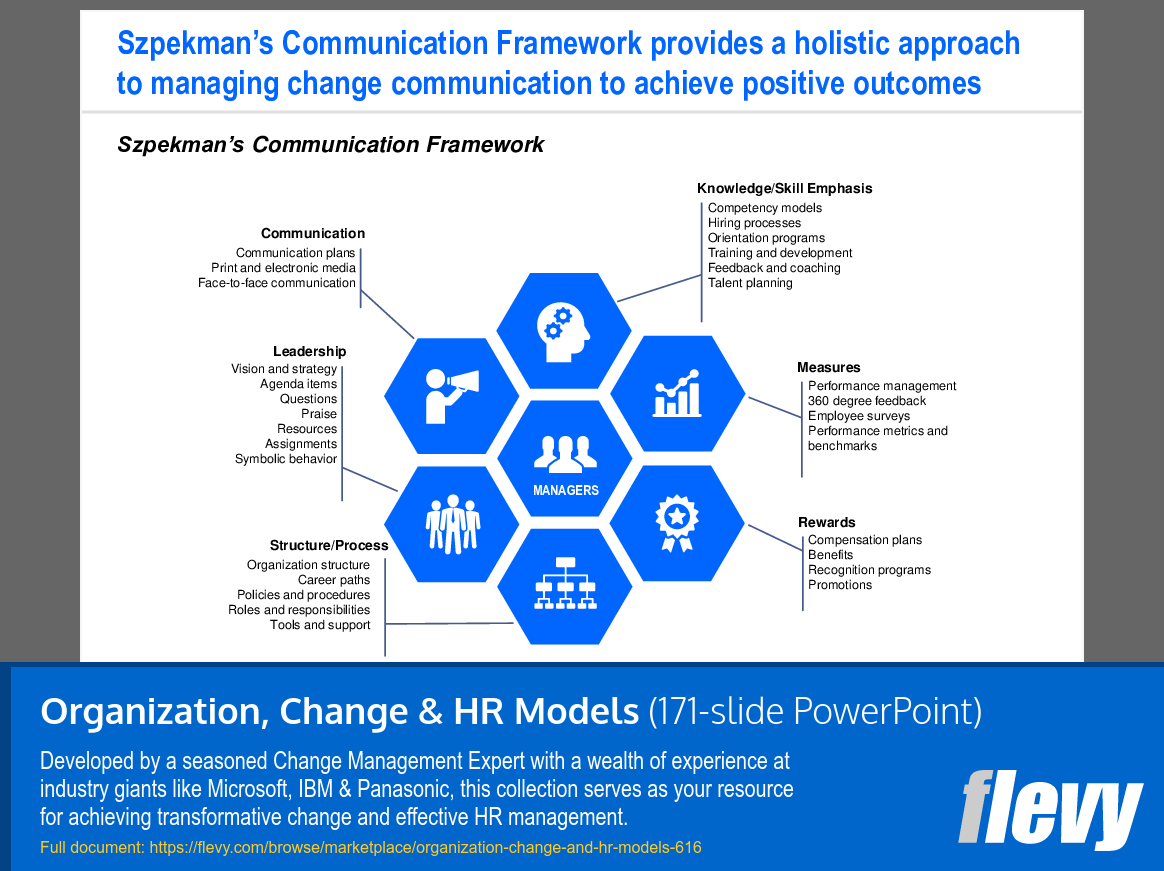
32. Szpekman's Communication Framework
33. The Johari Window
34. Ofman's Core Quadrants Model
35. Covey's Seven Habits Model
36. Covey's Time Management Matrix
37. Baldrige Excellence Framework
38. EFQM Excellence Model
39. Balance Scorecard
40. ISO 9001:2015 Quality Management System
This document offers a comprehensive toolkit for HR and organizational leaders, featuring detailed templates and diagrams that are ready for immediate use. The SHRM Competency Model and Ulrich's HR Competency Model are included, providing actionable insights into strategic positioning and capability building. The Harvard Model of Strategic HRM and the AHRI Model of Excellence are also covered, ensuring alignment between HR policies and business strategies. With frameworks like the People Capability Maturity Model and the Talent Management Framework, this presentation equips you with the methodologies needed to drive organizational effectiveness and employee engagement.
Got a question about the product? Email us at support@flevy.com or ask the author directly by using the "Ask the Author a Question" form. If you cannot view the preview above this document description, go here to view the large preview instead.
Executive Summary
The "Organization, Change & HR Models" presentation is a comprehensive collection of PowerPoint diagrams and templates that encapsulate 40 distinct models and frameworks related to organization, change management, human resources, and leadership. Crafted by Operational Excellence Consulting, this resource is designed to equip corporate executives, HR professionals, and change management leaders with the tools necessary to implement effective strategies for organizational transformation and workforce development. Users will gain insights into established frameworks such as the SHRM Competency Model, Ulrich's HR Competency Model, and Kotter's Eight Phases of Change, enabling them to foster a culture of continuous improvement and strategic alignment within their organizations.
Who This Is For and When to Use
• HR professionals seeking to enhance their competency frameworks and practices
• Change management leaders looking to implement structured change initiatives
• Organizational development consultants aiming to provide clients with proven models
• Executives responsible for strategic HR and organizational alignment
• Training and development teams focused on employee engagement and performance
Best-fit moments to use this deck:
• During strategic planning sessions to align HR practices with business objectives
• In workshops focused on change management and organizational development
• As a training resource for HR teams to enhance their competencies and skills
• For leadership development programs aiming to cultivate effective change agents
Learning Objectives
• Define key HR competencies and their impact on organizational success
• Build a comprehensive change management strategy using established frameworks
• Establish effective communication and engagement strategies during change initiatives
• Identify and apply various models for talent management and workforce development
• Analyze organizational culture and its influence on change readiness
• Develop a structured approach to evaluate training effectiveness and employee performance
Table of Contents
• SHRM Competency Model for HR Professionals (page 6)
• Ulrich’s HR Competency Model (page 9)
• Ulrich’s Matrix on the Four Roles of HR (page 13)
• The Harvard Model of Strategic HRM (page 16)
• AHRI Model of Excellence (page 19)
• People Capability Maturity Model (PCMM) (page 22)
• Ulrich’s Stages of Employee Connection to the Organization (page 27)
• The Talent Management Framework (page 30)
• Four Stages of Contribution Model (Novations) (page 33)
• Ulrich’s Five Rules for Leadership (page 40)
• The ATD Competency Model (page 43)
• The Training Needs Analysis Framework (Blanchard & Thacker) (page 46)
• The ADDIE Model (page 49)
• The Conscious Competence Learning Model (page 56)
• Kirkpatrick’s Four-Level Training Evaluation Model (page 60)
• High-Impact Learning Organization (page 64)
• Senge’s Five Disciplines (page 67)
• Drucker’s Management By Objectives (page 71)
• De Bono’s Six Thinking Hats (page 74)
• Beer & Nohria’s E & O Theories (page 78)
• Hofstede’s Cultural Dimensions (page 82)
• Lencioni’s Five Dysfunctions of a Team (page 88)
• Tuckman’s Model of Team Development Stages (page 91)
• The Emotional Competence Framework (page 94)
• Kubler-Ross’ Change Curve Model (page 98)
• Bridges’ Transition Model (page 102)
• Lewin’s Three Stage Change Model (page 106)
• The ADKAR Change Model (page 110)
• The McKinsey 7S Framework (page 118)
• Kotter’s Eight Phases of Change (page 122)
• The Power/Interest Grid for Stakeholder Prioritization (page 127)
• Szpekman’s Communication Framework (page 131)
• The Johari Window (page 137)
• Ofman’s Core Quadrants Model (page 147)
• Covey’s Seven Habits Model (page 150)
Primary Topics Covered
• SHRM Competency Model - This model provides a framework for HR professionals to manage talent effectively throughout the HR lifecycle.
• Ulrich’s HR Competency Model - Focuses on the roles of HR professionals as strategic partners and change agents, emphasizing the importance of credibility and capability building.
• Harvard Model of Strategic HRM - Integrates HR and business strategies to achieve organizational goals, considering stakeholder interests and situational factors.
• People Capability Maturity Model (PCMM) - A roadmap for implementing workforce practices that enhance organizational capability over time.
• ADKAR Change Model - A framework for managing change at the individual level, focusing on awareness, desire, knowledge, ability, and reinforcement.
• Kotter’s Eight Phases of Change - A systematic approach to implementing successful change initiatives through structured phases.
Deliverables, Templates, and Tools
• SHRM Competency Model template for HR professionals
• Ulrich’s HR Competency Model diagram
• Harvard Model of Strategic HRM framework
• People Capability Maturity Model (PCMM) roadmap
• ADKAR Change Model template for individual change management
• Kotter’s Eight Phases of Change checklist
Slide Highlights
• Overview of the SHRM Competency Model emphasizing key HR skills
• Ulrich’s HR Competency Model illustrating the roles of HR professionals
• The Harvard Model of Strategic HRM showcasing stakeholder interests
• Visual representation of the People Capability Maturity Model (PCMM)
• The ADKAR Change Model highlighting the phases of individual change
Potential Workshop Agenda
Introduction to HR Competencies (60 minutes)
• Overview of the SHRM Competency Model
• Discussion on the importance of HR competencies in organizational success
• Interactive session on identifying personal competencies
Change Management Strategies (90 minutes)
• Introduction to the ADKAR Change Model
• Group activity to apply the model to a case study
• Discussion on overcoming resistance to change
Talent Management Frameworks (60 minutes)
• Overview of the Talent Management Framework
• Breakout sessions to develop talent strategies
• Sharing of best practices among participants
Customization Guidance
• Tailor the HR competency models to align with specific organizational needs and culture
• Adapt change management frameworks to fit the unique challenges of your organization
• Modify templates to reflect internal terminology and processes
Secondary Topics Covered
• Emotional intelligence in leadership
• Team development stages and dynamics
• Cultural dimensions impacting organizational change
• Evaluation of training effectiveness and learning outcomes
FAQ
What is the purpose of the SHRM Competency Model?
The SHRM Competency Model serves as a foundation for talent management, ensuring HR professionals are equipped to address contemporary people issues and strategies.
How can I customize the frameworks in this presentation?
The frameworks can be tailored to fit your organization's specific context, terminology, and strategic objectives.
What are the key phases in Kotter’s Eight Phases of Change?
The key phases include establishing urgency, building a coalition, forming a vision, enabling action, generating short-term wins, sustaining acceleration, and instituting change.
What does the ADKAR model focus on?
The ADKAR model emphasizes the individual side of change, focusing on awareness, desire, knowledge, ability, and reinforcement to facilitate successful change initiatives.
How can I apply the People Capability Maturity Model in my organization?
Utilize the PCMM as a roadmap to assess and enhance your workforce practices, ensuring continuous improvement in organizational capability.
What is the significance of the Emotional Competence Framework?
This framework helps individuals develop emotional intelligence, which is crucial for effective leadership and team dynamics.
How does the Harvard Model of Strategic HRM integrate business strategies?
It aligns HR policies with business goals, considering stakeholder interests and situational factors to achieve organizational effectiveness.
What are the benefits of using the Training Needs Analysis Framework?
This framework systematically identifies gaps in employee training, ensuring that training initiatives are aligned with organizational needs.
Glossary
• ADKAR - A change management model focusing on awareness, desire, knowledge, ability, and reinforcement.
• Competency Model - A framework outlining the skills and behaviors required for effective performance in a role.
• Change Management - The process of managing change within an organization to minimize resistance and maximize engagement.
• HR Competencies - Skills and knowledge required for effective human resource management.
• Stakeholder - An individual or group with an interest in the outcome of a project or organization.
• Training Needs Analysis (TNA) - A systematic approach to identifying training requirements within an organization.
• Emotional Intelligence (EQ) - The ability to recognize, understand, and manage one’s own emotions and the emotions of others.
• Organizational Culture - The shared values, beliefs, and practices that shape the behavior of individuals within an organization.
• Leadership Development - Programs and initiatives aimed at enhancing the skills and capabilities of current and future leaders.
• Performance Management - The process of ensuring that organizational goals are consistently met in an effective and efficient manner.
• Team Dynamics - The behavioral relationships between members of a team that influence their performance and collaboration.

• Cultural Dimensions - Frameworks that help understand the impact of culture on behavior and organizational practices.
Source: Best Practices in Business Framework PowerPoint Diagrams PowerPoint Slides: Organization, Change & HR Models PowerPoint (PPTX) Presentation Slide Deck, Operational Excellence Consulting
This document is available as part of the following discounted bundle(s):
Save %!
Change Management Toolkit
This bundle contains 2 total documents. See all the documents to the right.
|
Receive our FREE Primer on Lean Management
This 32-page presentation from Operational Excellence Consulting explains the Lean Management philosophy, based on the Toyota Production System (TPS). Learn to eliminate waste. |