Project Portfolio Management (PPM) represents the centralized management of processes, methods, and technologies employed by project managers and project management offices (PMOs) to analyze and collectively oversee current or proposed projects based on a multitude of key characteristics. The fundamental objectives of PPM revolve around determining the optimal resource mix for project delivery and scheduling activities in a manner that best aligns with an organization's operational and financial goals, while adhering to constraints imposed by customers, strategic objectives, or external real-world factors. The International standard serves as the defining framework for Project Portfolio Management.
Within this meticulously crafted deck, we shift our focus towards the essential capabilities required in large-scale program/project-driven organizations to effectively manage the critical elements of time, resources, skills, and budgets indispensable for accomplishing all interrelated tasks. Furthermore, this comprehensive resource furnishes a structured framework for issue resolution and risk mitigation, elevating the centralized visibility essential for planning and scheduling teams to identify the most expeditious, cost-effective, or otherwise suitable approaches for successful project and program deliveries.
As a testament to its practicality, this material further provides a set of meticulously designed templates, meticulously crafted to expedite the establishment of a robust PPM capability. If your organization aspires to unlock the potential of streamlined project portfolio management, this document is an indispensable investment that promises to revolutionize your approach to program and project oversight.
In the world of high-stakes project-driven organizations, the mastery of PPM capabilities can make the difference between mere survival and enduring success. Embrace the knowledge and insights encapsulated within this deck, and equip your organization to navigate the complexities of project management with unrivaled precision and foresight. Seize this opportunity to revolutionize your project portfolio management approach and propel your organization towards unparalleled heights of achievement. Secure your copy today and unlock the gateway to PPM excellence.
This presentation outlines a formal portfolio management process that aligns project funding with strategic business objectives and IT direction. It includes a comprehensive set of tools for tracking project performance, managing resources, and ensuring alignment with long-term strategic goals.
Got a question about the product? Email us at support@flevy.com or ask the author directly by using the "Ask the Author a Question" form. If you cannot view the preview above this document description, go here to view the large preview instead.
Executive Summary
The Project Portfolio Management (PPM) presentation offers a structured approach to optimizing project portfolios, aligning them with business and IT strategic objectives. This consulting-grade PowerPoint template, akin to McKinsey, Bain, or BCG-quality, provides executives and project managers with essential frameworks, processes, and best practices for effective portfolio management. Buyers will learn to enhance resource allocation, prioritize projects, and ensure alignment with long-term strategic goals, ultimately driving better business outcomes.
Who This Is For and When to Use
• Corporate executives overseeing project portfolios and strategic alignment
• IT leaders managing technology investments and project delivery
• Project managers responsible for prioritizing and tracking project outcomes
• Business analysts focused on aligning projects with business objectives
Best-fit moments to use this deck:
• During strategic planning sessions to align project portfolios with business goals
• For quarterly reviews of project performance and prioritization
• In workshops aimed at improving resource allocation and project funding processes
Learning Objectives
• Define the key components of effective project portfolio management
• Build a structured approach to portfolio prioritization and funding
• Establish a framework for aligning projects with strategic business objectives
• Identify best practices for monitoring and reporting project performance
• Develop insights into financial impacts and resource constraints
• Create a standardized process for project approval and benefits realization
Table of Contents
• Introduction to Portfolio Management (page 2)
• Challenges in Current Portfolio Processes (page 3)
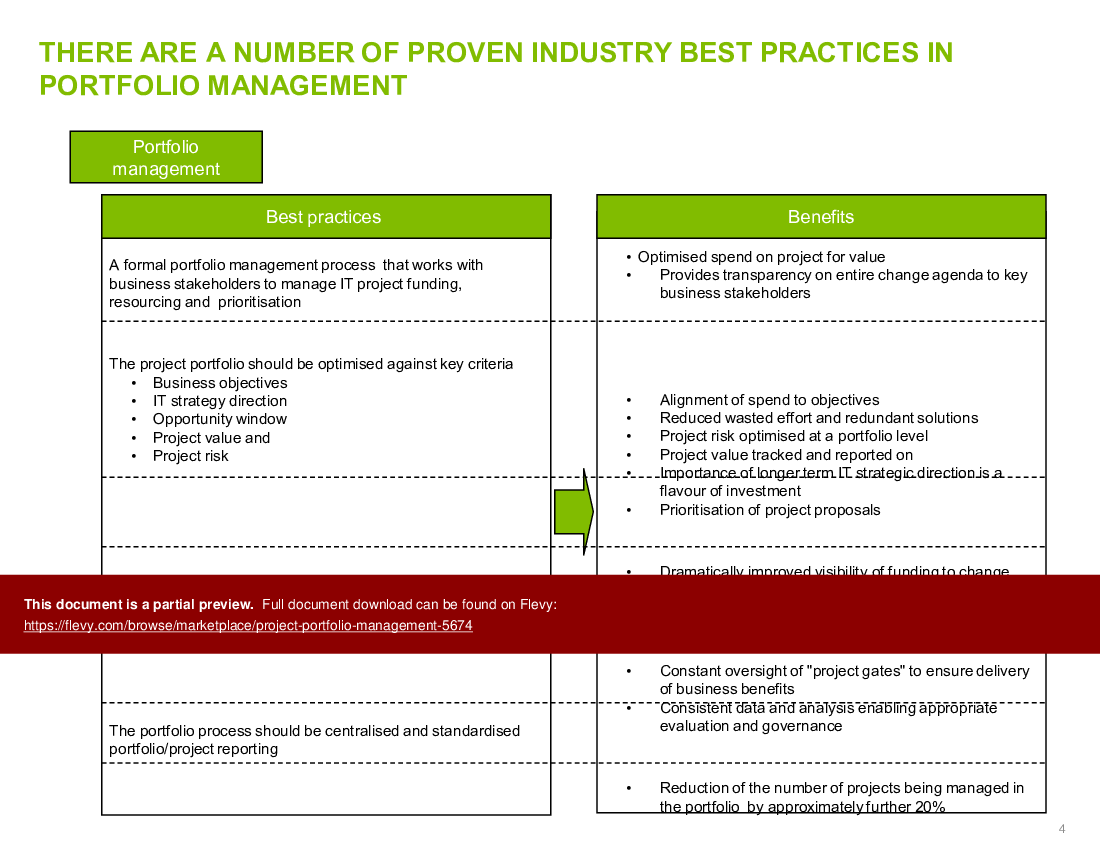
• Proven Best Practices in Portfolio Management (page 4)
• Differences Between Project Office and Portfolio Management (page 5)
• Benefits of a Best Practices Portfolio Process (page 6)
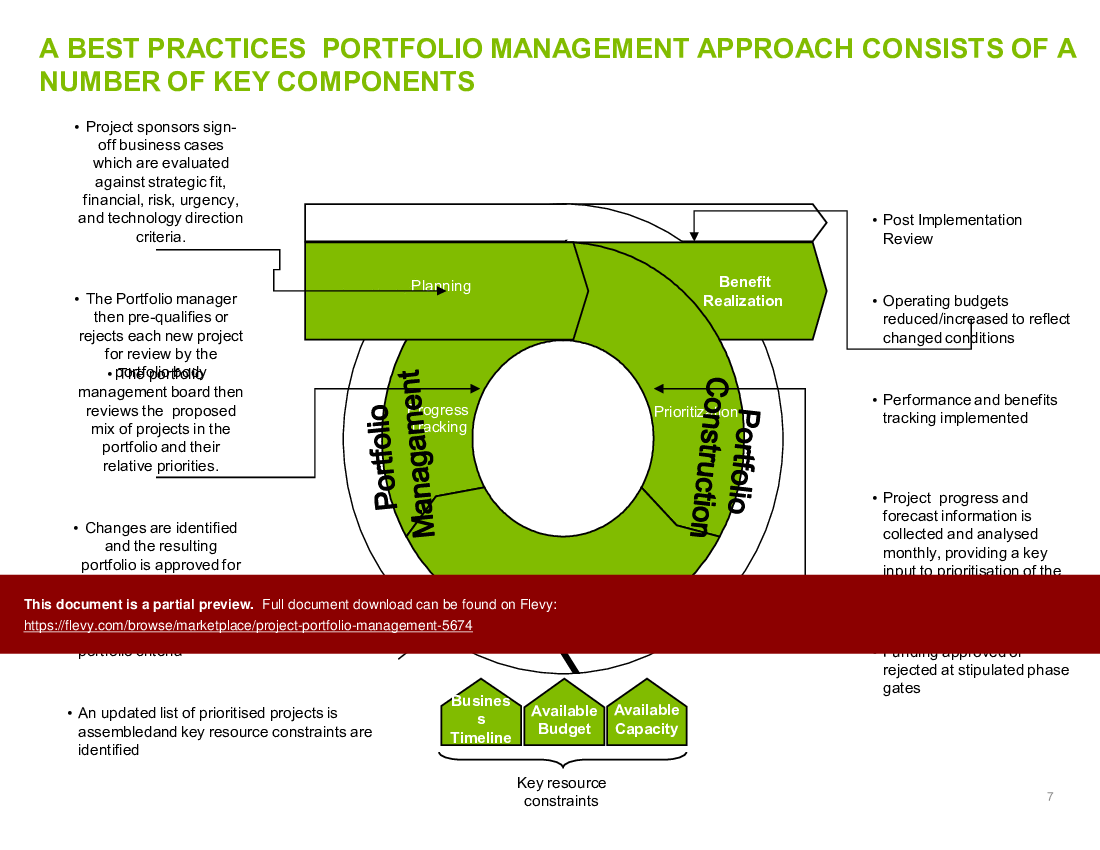
• Key Components of a Best Practices Portfolio Management Approach (page 7)
• Planning Steps in Portfolio Management (page 8)
• Prioritization Steps in Portfolio Management (page 9)
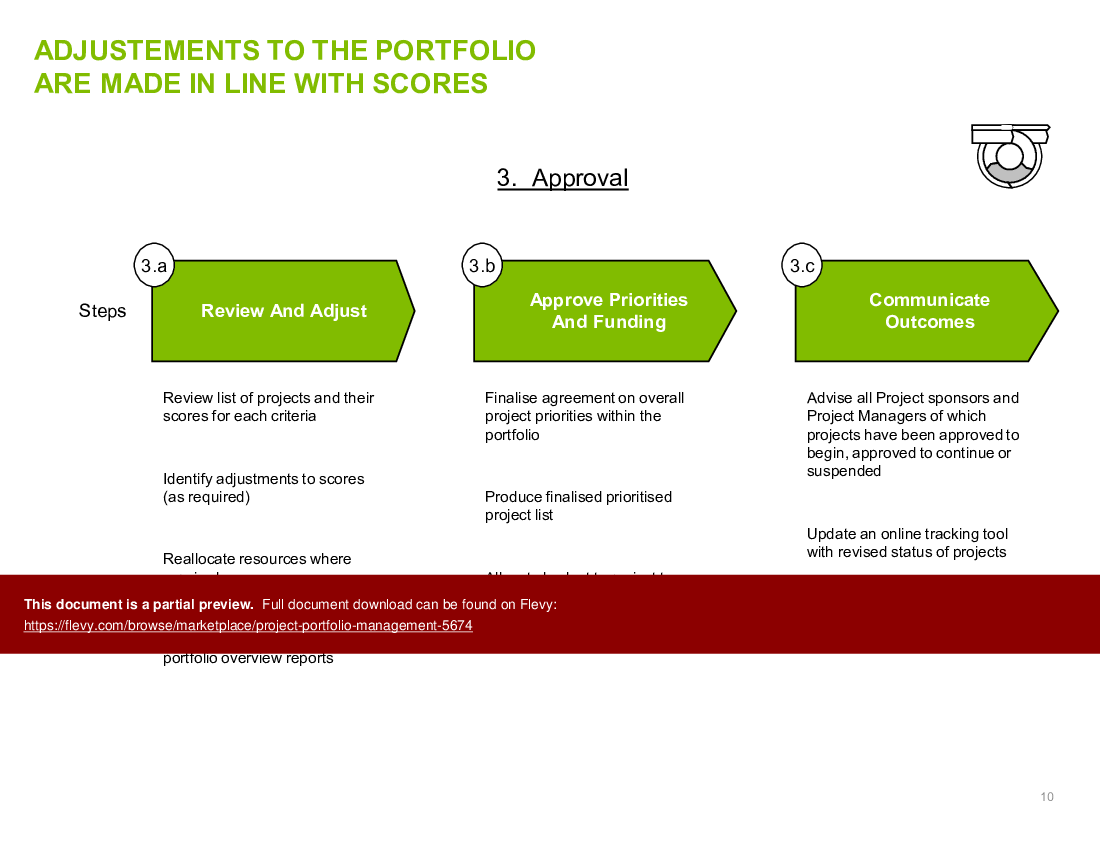
• Approval Process in Portfolio Management (page 10)
• Monitoring and Forecasting in Portfolio Management (page 11)
• Benefits Realization Steps (page 12)
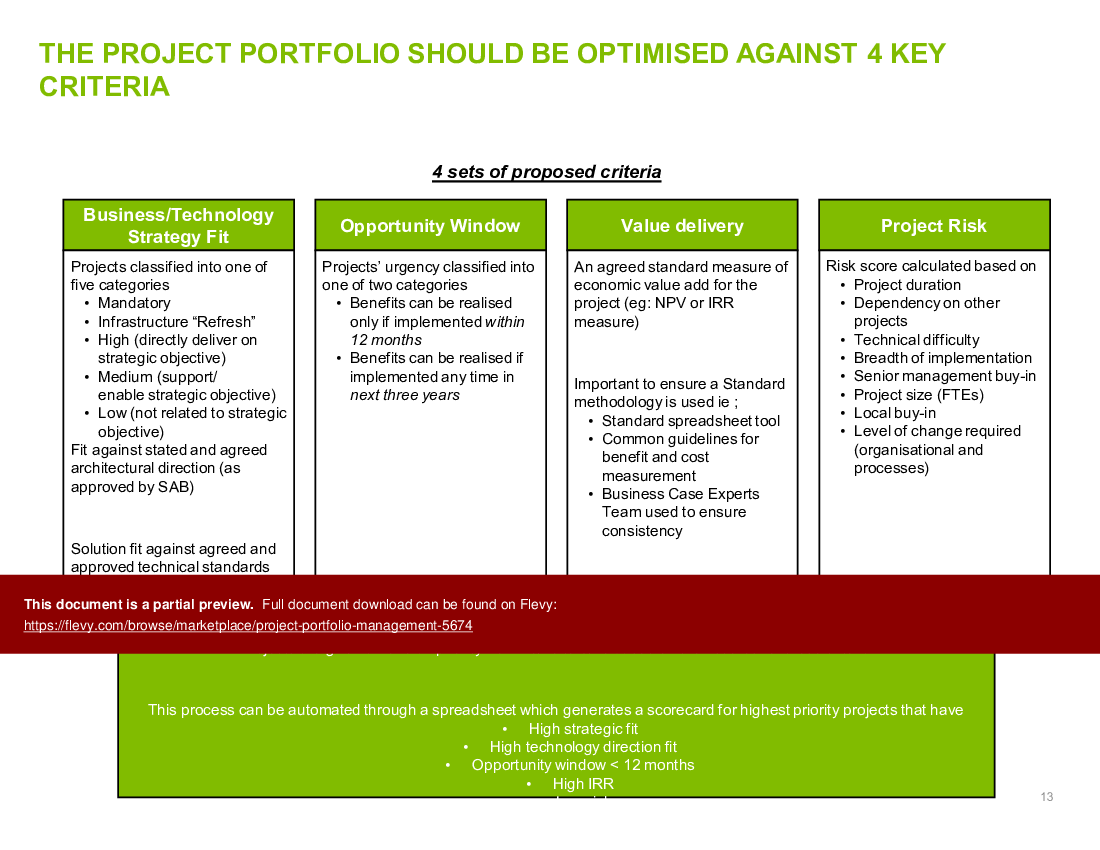
• Key Evaluation Criteria for Project Portfolio (page 13)
• Centralized Funding Under Portfolio Management Committee (page 15)
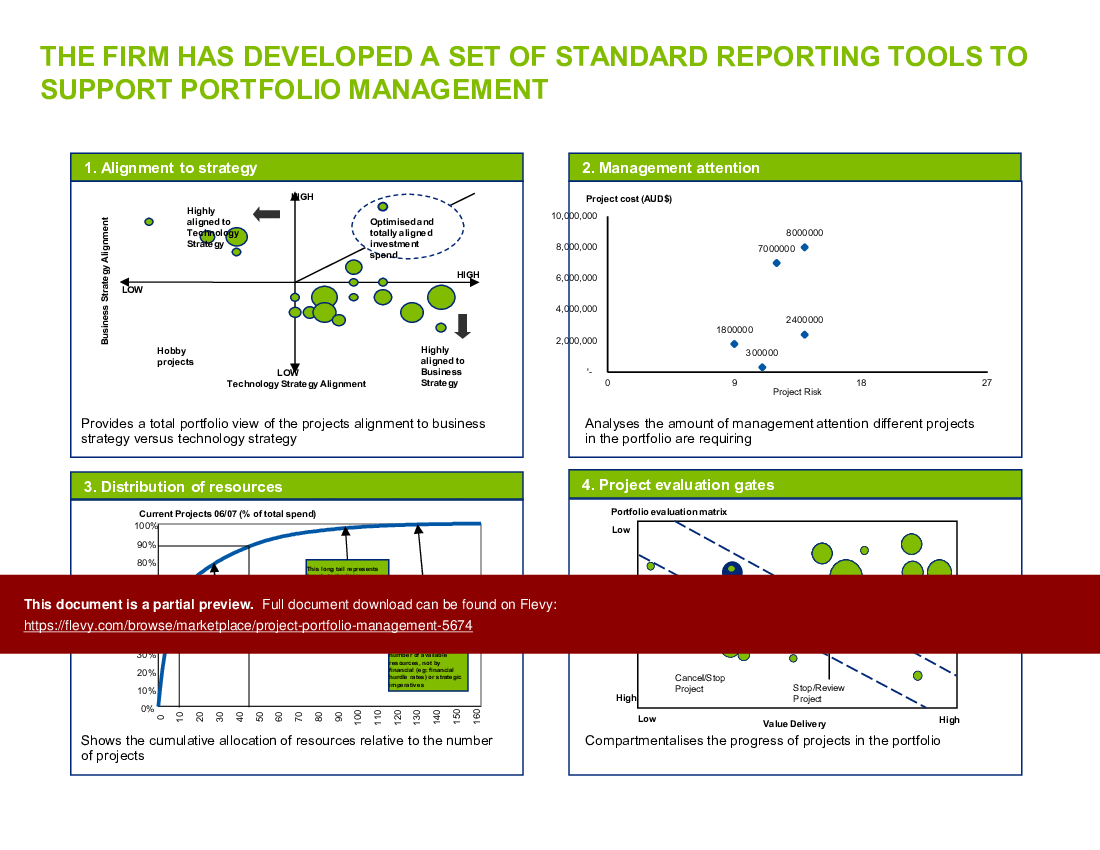
• Standardized Reporting Tools for Portfolio Management (page 21)
Primary Topics Covered
• Portfolio Management Process - A structured approach to managing project portfolios that aligns with business and IT strategies.
• Best Practices - Proven methods for optimizing project funding, resource allocation, and prioritization to enhance project value.
• Project Approval Process - A standardized framework for evaluating business cases against strategic fit, financial viability, and risk.
• Monitoring and Reporting - Techniques for tracking project progress, financial performance, and benefits realization.
• Resource Contention Management - Strategies for identifying and resolving resource conflicts across the project portfolio.
• Benefits Realization - A systematic approach to ensuring that projects deliver expected outcomes and value post-implementation.
Deliverables, Templates, and Tools
• Business case template for project funding approval
• Project portfolio table for prioritizing and reviewing projects
• Progress update template for active projects between phase gates
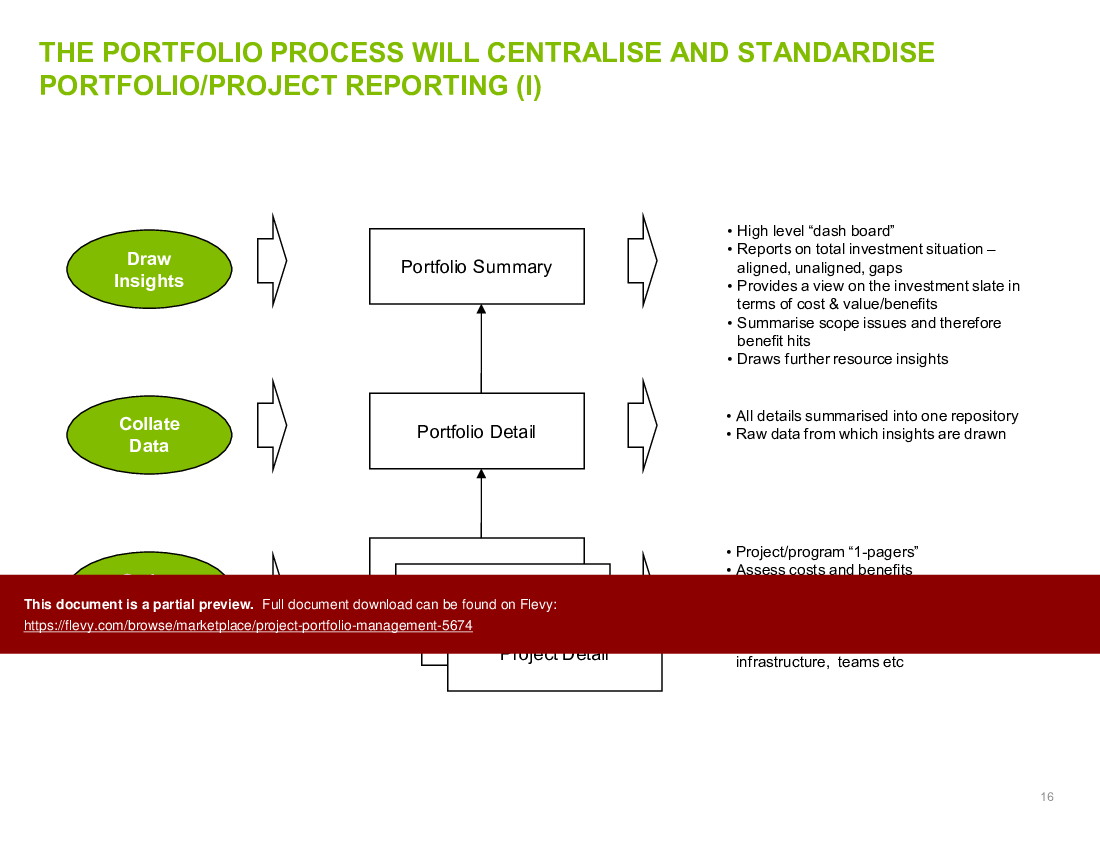
• Portfolio overview reports for management decision-making
• Standardized project "1-pager" for capturing volatile portfolio data
• Evaluation criteria framework for assessing project viability
Slide Highlights
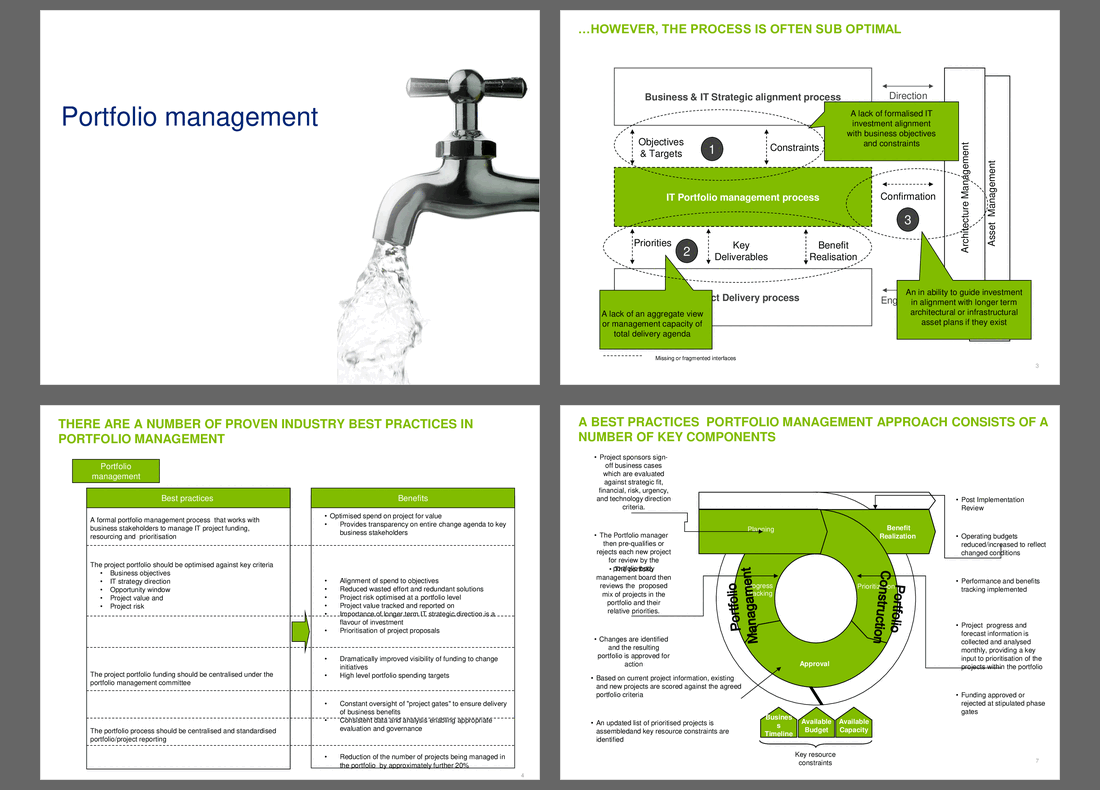
• Overview of the portfolio management process and its alignment with demand management
• Visual representation of best practices and their corresponding benefits
• Comparison of project management office functions versus portfolio management functions
• Portfolio evaluation matrix illustrating project alignment with business and technology strategies
• Standardized reporting tools that facilitate effective portfolio oversight
Potential Workshop Agenda
Portfolio Management Overview Session (60 minutes)
• Introduce the portfolio management framework and its importance
• Discuss current challenges and best practices in portfolio management
• Review key components of the portfolio approval process
Project Prioritization Workshop (90 minutes)
• Engage participants in evaluating project proposals against strategic criteria
• Facilitate discussions on resource contention and alignment with business objectives
• Develop a prioritized project list based on group input
Benefits Realization Review (60 minutes)
• Analyze completed projects against original business cases
• Discuss lessons learned and implications for future projects
• Establish ongoing tracking mechanisms for benefits realization
Customization Guidance
• Tailor project evaluation criteria to reflect specific organizational goals and strategic priorities
• Adjust reporting templates to align with internal communication standards and stakeholder needs
• Update funding approval processes to incorporate organizational governance requirements
Secondary Topics Covered
• Challenges in aligning IT investments with business objectives
• Importance of centralized project funding and oversight
• Strategies for managing project scope changes and their impacts
• Techniques for enhancing visibility into project risks and resource allocations
• Methods for ensuring continuous alignment of projects with strategic intent
FAQ
What is the primary goal of project portfolio management?
The primary goal is to optimize project selection and resource allocation to align with business and IT strategic objectives, ensuring maximum value delivery.
How does portfolio management differ from project management?
Portfolio management focuses on aligning multiple projects with strategic goals, while project management concentrates on the execution and delivery of individual projects.
What are the key components of a best practices portfolio management approach?
Key components include structured planning, prioritization, approval processes, monitoring, and benefits realization.
How can organizations ensure alignment of projects with strategic objectives?
By establishing a formal portfolio management process that includes regular assessments of project alignment with business goals and strategic fit.
What tools can support effective portfolio management?
Standardized templates for business cases, progress updates, and portfolio overview reports can enhance visibility and decision-making.
How often should project performance be reviewed?
Regular reviews, typically on a monthly basis, help ensure that projects remain aligned with strategic objectives and allow for timely adjustments.
What criteria should be used for project prioritization?
Criteria may include strategic fit, financial viability, urgency, value delivery, and risk assessment.
How can organizations track benefits realization post-project completion?
Implementing a structured benefits tracking process that reviews project outcomes against original business cases ensures accountability and continuous improvement.
Glossary
• Portfolio Management - The centralized management of one or more project portfolios to achieve strategic objectives.
• Project Portfolio - A collection of projects and programs grouped together to facilitate effective management and alignment with strategic goals.
• Business Case - A document that outlines the justification for a project, including costs, benefits, risks, and alignment with strategic objectives.
• Benefits Realization - The process of ensuring that a project delivers its intended benefits and value after completion.
• Resource Contention - Conflicts arising from limited resources being allocated to multiple projects simultaneously.
• Approval Gates - Defined points in the project lifecycle where funding and project continuation are evaluated and approved.
• Strategic Fit - The degree to which a project aligns with the organization’s strategic objectives and priorities.
• Risk Assessment - The process of identifying and evaluating potential risks that could impact project success.
• Monitoring and Reporting - Ongoing activities to track project progress, performance, and alignment with objectives.
• Prioritization - The process of ranking projects based on their importance and alignment with strategic goals.
• Standardized Reporting - Consistent formats and processes for reporting project status and performance metrics.
• Stakeholder Engagement - The process of involving relevant parties in project decision-making and communication.
• Opportunity Window - The timeframe within which a project must be executed to realize its intended benefits.
• Project Evaluation Matrix - A tool used to assess and compare projects based on defined criteria.
• Financial Viability - The assessment of a project’s potential to generate financial returns relative to its costs.
• Change Management - The process of managing the transition and implementation of new initiatives within an organization.
• Project Lifecycle - The series of phases a project goes through from initiation to completion.
• Portfolio Overview Reports - Summarized documents that provide insights into the overall status and performance of the project portfolio.
• 1-Pager - A concise document summarizing key information about a project, including status, risks, and alignment with strategic goals.
• Project Sponsor - An individual or group who provides resources and support for a project and is accountable for its success.
Source: Best Practices in Project Management PowerPoint Slides: Project Portfolio Management PowerPoint (PPTX) Presentation Slide Deck, Affinity Consulting Partners
This document is available as part of the following discounted bundle(s):

Save %!
Affinity Consulting Bundle - business transformation
This bundle contains 11 total documents. See all the documents to the right.
|
Receive our FREE presentation on Operational Excellence
This 50-slide presentation provides a high-level introduction to the 4 Building Blocks of Operational Excellence. Achieving OpEx requires the implementation of a Business Execution System that integrates these 4 building blocks. |