
Unlock the Power of Operational Risk Management: Shaping a Resilient Future
Operational Risk: a lurking adversary in the heart of every business, constantly challenging day-to-day operations with its multifaceted and extensive drivers. From work-related hazards to safeguarding precious customer data, these risks may inadvertently impact vital systems, structures, personnel, processes, or products.
But fret not, for the discipline of operational risk management is here to empower you. Our mission is to uncover, assess, and where possible, mitigate these risks, safeguarding your organization against unforeseen failures, breakdowns, and external turbulence. While we cannot control every twist and turn in the business landscape, we hold the key to understanding the risks and determining the level of residual risk we're willing to embrace.
This isn't just any run-of-the-mill risk management approach – we're about to unveil a game-changer, particularly for the banking industry, where technology-enabled businesses face unique challenges. Our deck unveils an approach tailored for the world of banking, but its impact stretches far beyond. Brace yourself for a transformational journey that will revolutionize risk management practices across industries.
What you'll gain from this unparalleled resource is a solid structure to tackle operational risks head-on, controlling exposure to financial loss and preserving the pristine image of your esteemed company. From internal factors such as procedures, systems, people, and policies, to external factors like political and economic events, we've got your back.
Are you a C-suite executive looking to fortify your operational risk mitigation strategy? Or perhaps a vigilant board member seeking a comprehensive framework for identifying and reporting operational risk? No matter your role or industry, this deck has you covered. Derived from the cutting-edge practices in the banking realm, its applications transcend boundaries.
Unlock frameworks that will shield your business from the perils of operational risk, along with an extensive list of typical risks seen in larger enterprises. But we don't stop there – we arm you with battle-tested mitigations, equipping you to navigate the most treacherous waters with ease.
Operational Risk Management isn't just a concept; it's a force that shapes the future of your organization. Are you ready to embrace resilience and triumph over uncertainty? Join us on this transformational journey and witness the power of Operational Risk Management in action.
Got a question about the product? Email us at support@flevy.com or ask the author directly by using the "Ask the Author a Question" form. If you cannot view the preview above this document description, go here to view the large preview instead.
Executive Summary
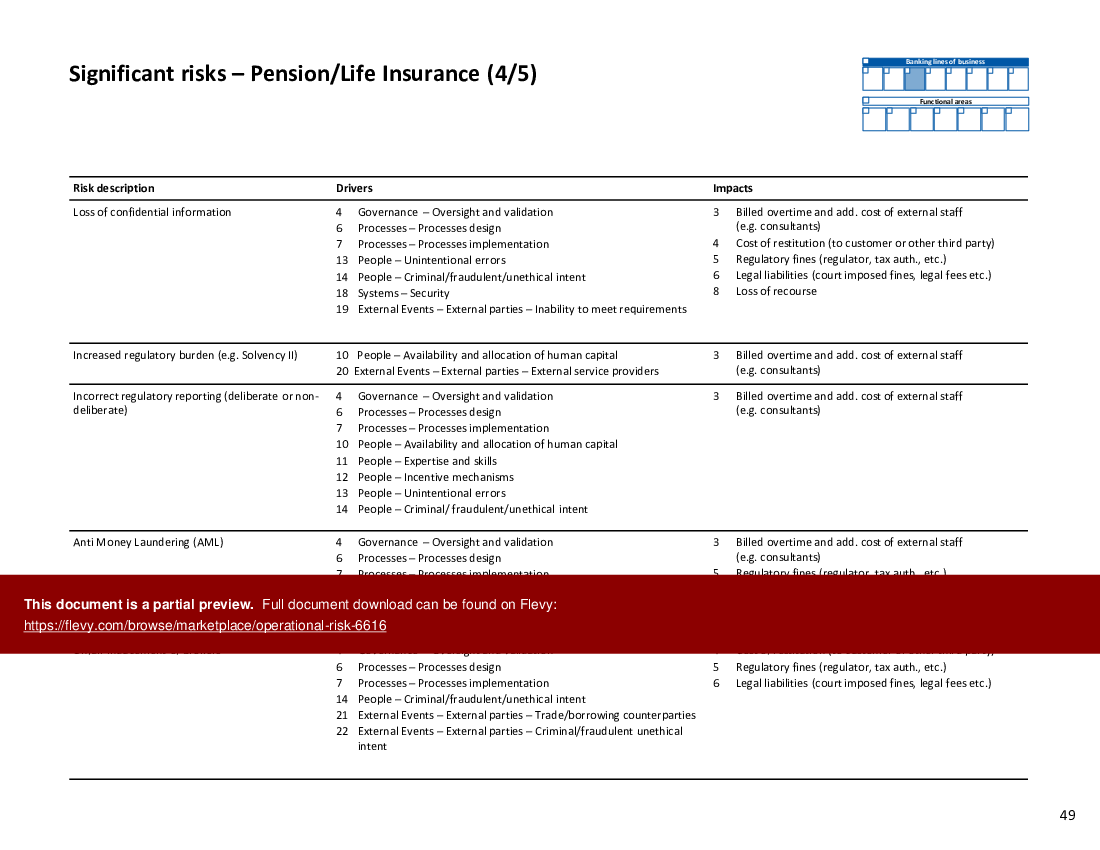
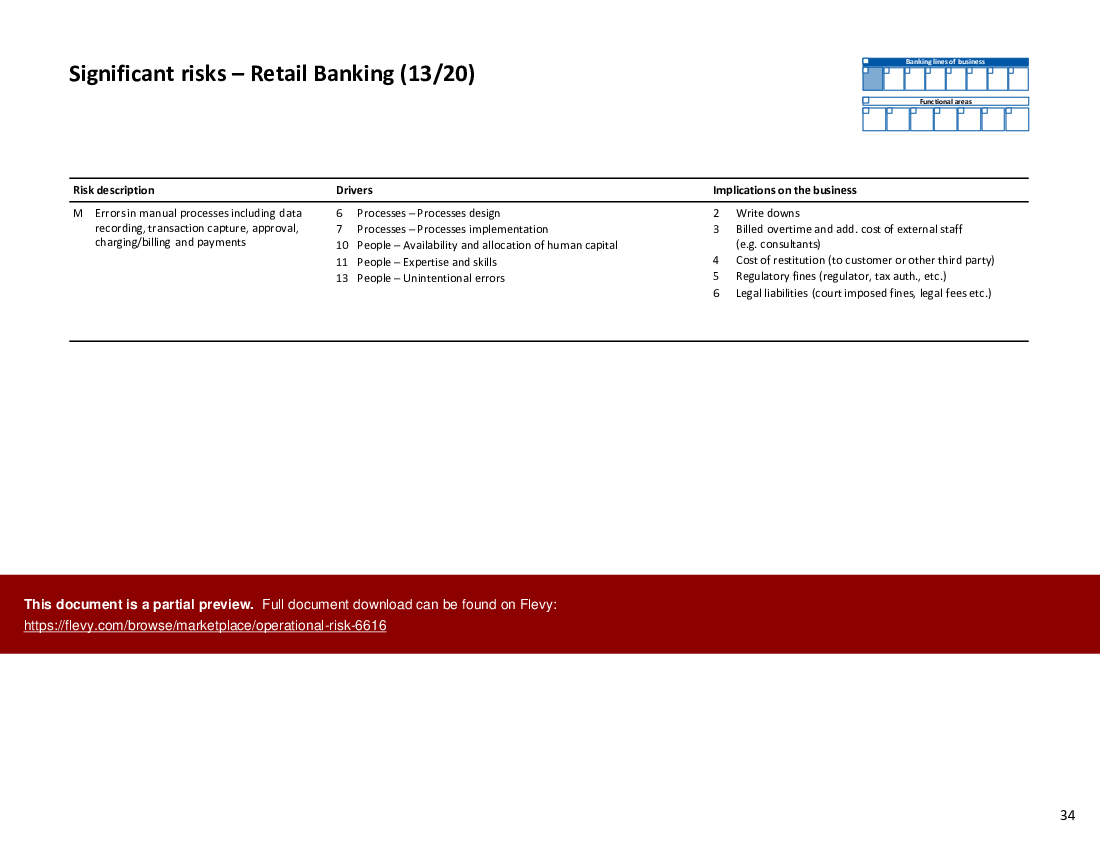
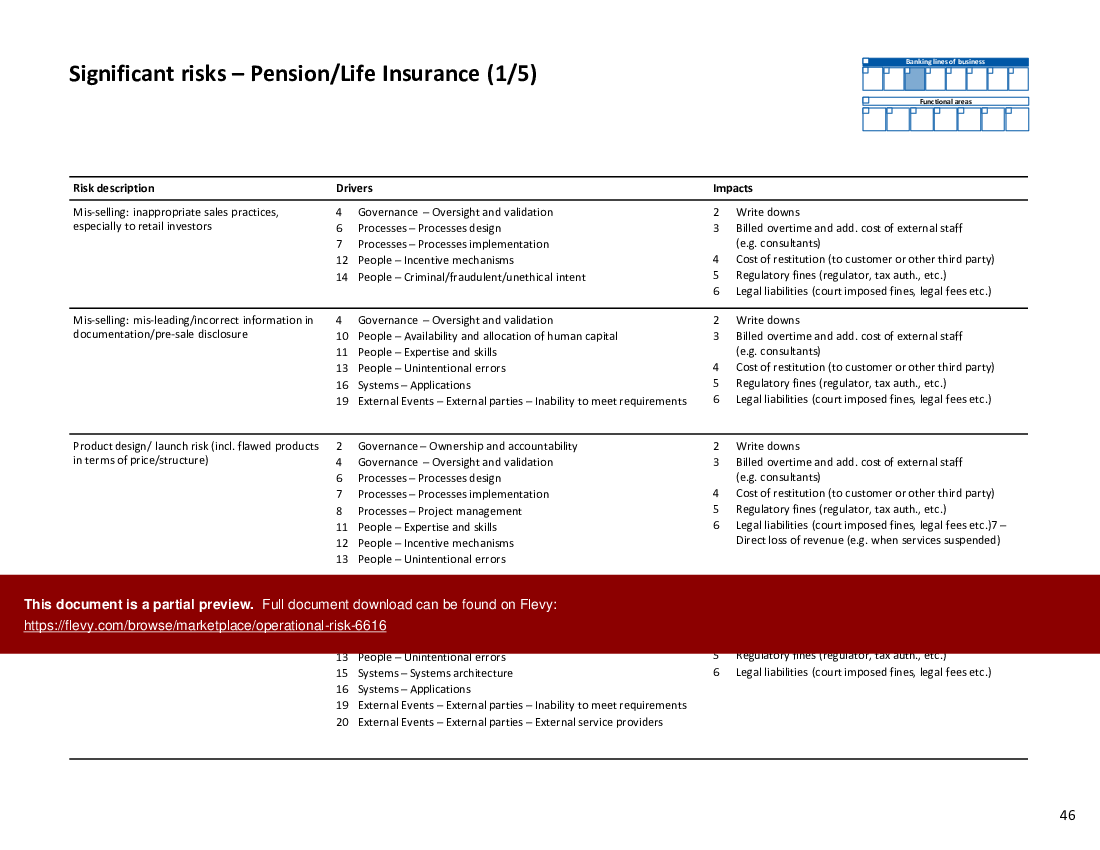
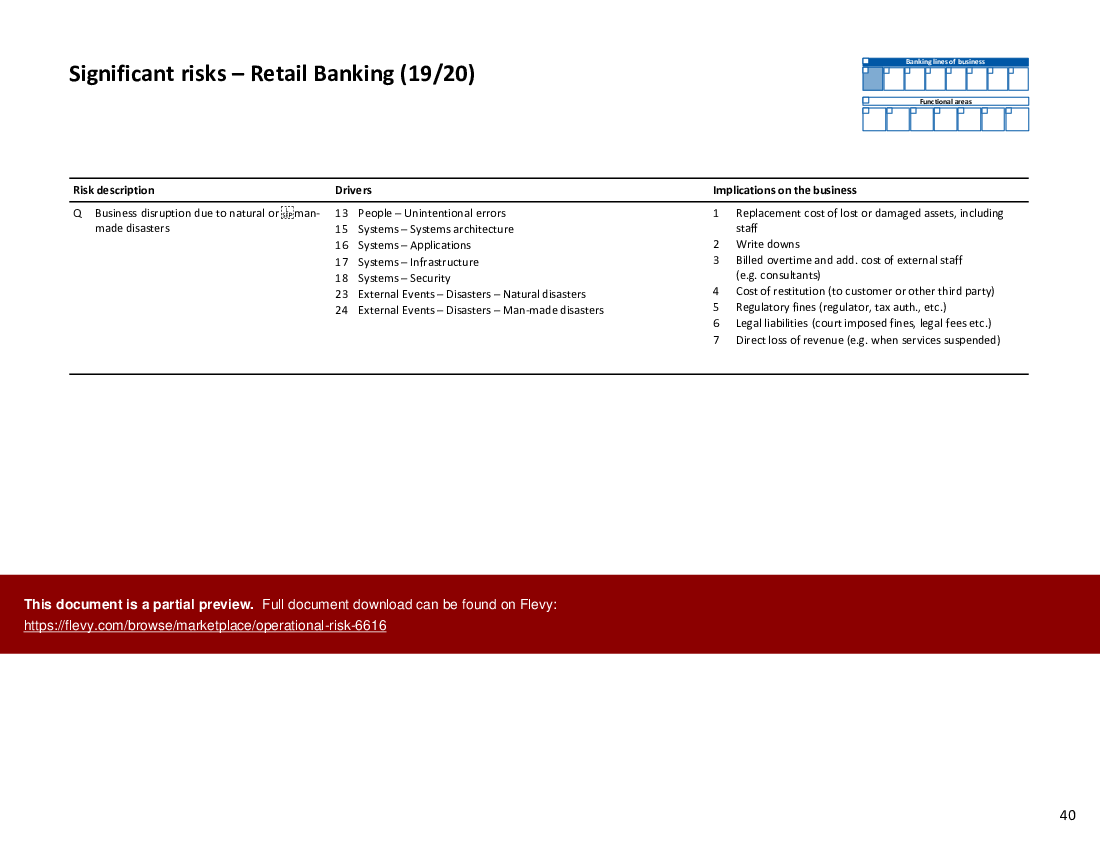
This comprehensive document delves into operational risk management within the banking sector, focusing specifically on IT risk management. It is crafted in a consulting-grade format, comparable to McKinsey, Bain, or BCG-quality presentations (not affiliated). The materials provide an extensive overview of top risks categorized by banking lines of business and functional areas, enabling organizations to identify, assess, and mitigate operational risks effectively. Buyers will gain insights into risk mapping, risk appetite, and the critical role of IT in operational risk frameworks, ultimately enhancing their risk management strategies.
Who This Is For and When to Use
• Risk Management Executives overseeing operational risk frameworks
• IT Leaders responsible for managing technology-related risks
• Compliance Officers ensuring adherence to regulatory requirements
• Business Unit Managers focused on risk assessment and mitigation
• Consultants specializing in operational risk management
Best-fit moments to use this deck:
• During risk assessment workshops to identify and prioritize operational risks
• When developing or refining an operational risk management framework
• For training sessions on IT risk management best practices
• In strategic planning meetings to align risk management with business objectives
Learning Objectives
• Define key operational risks specific to banking lines of business and functional areas
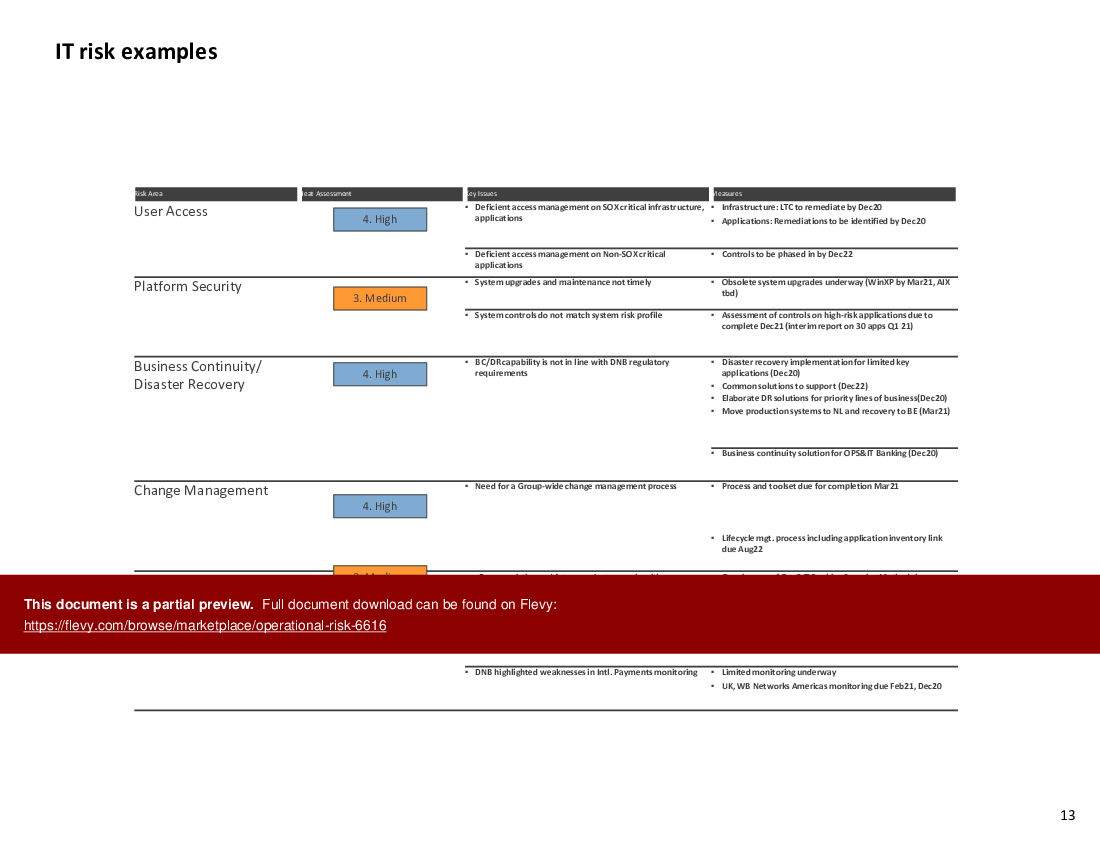
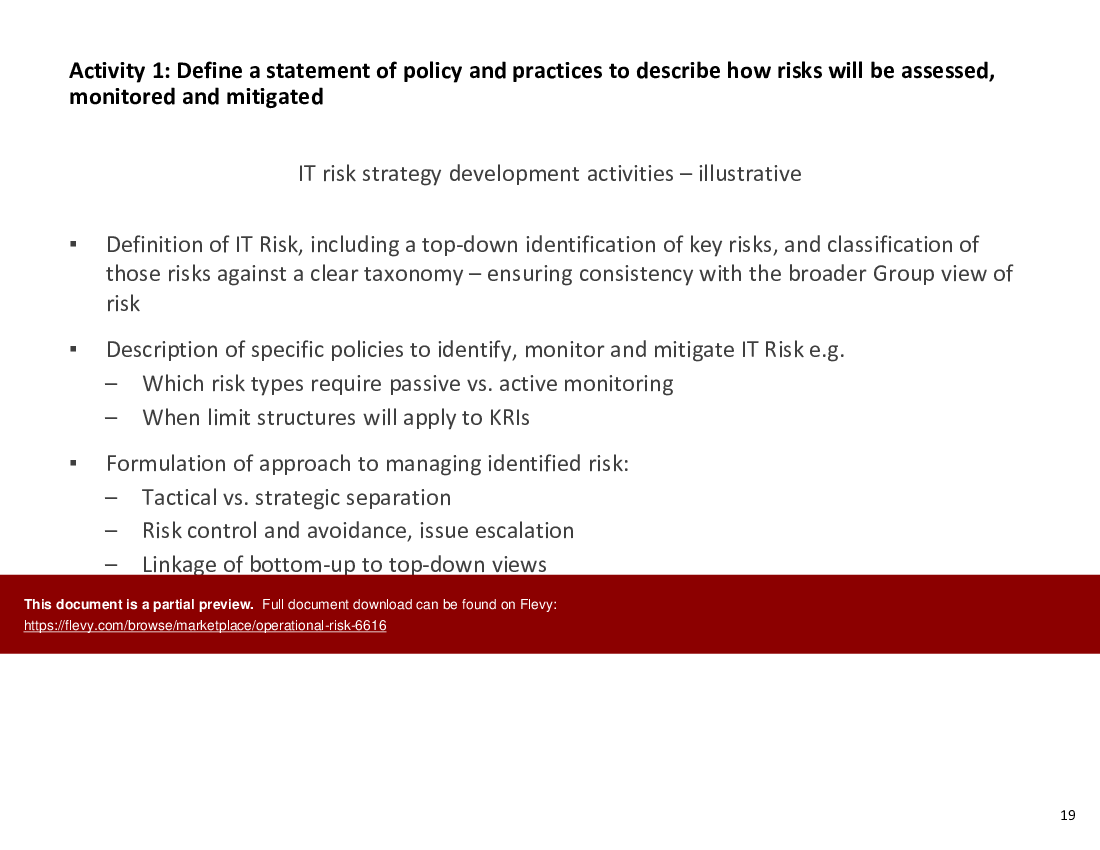
• Identify and assess IT-related risks within the operational risk framework
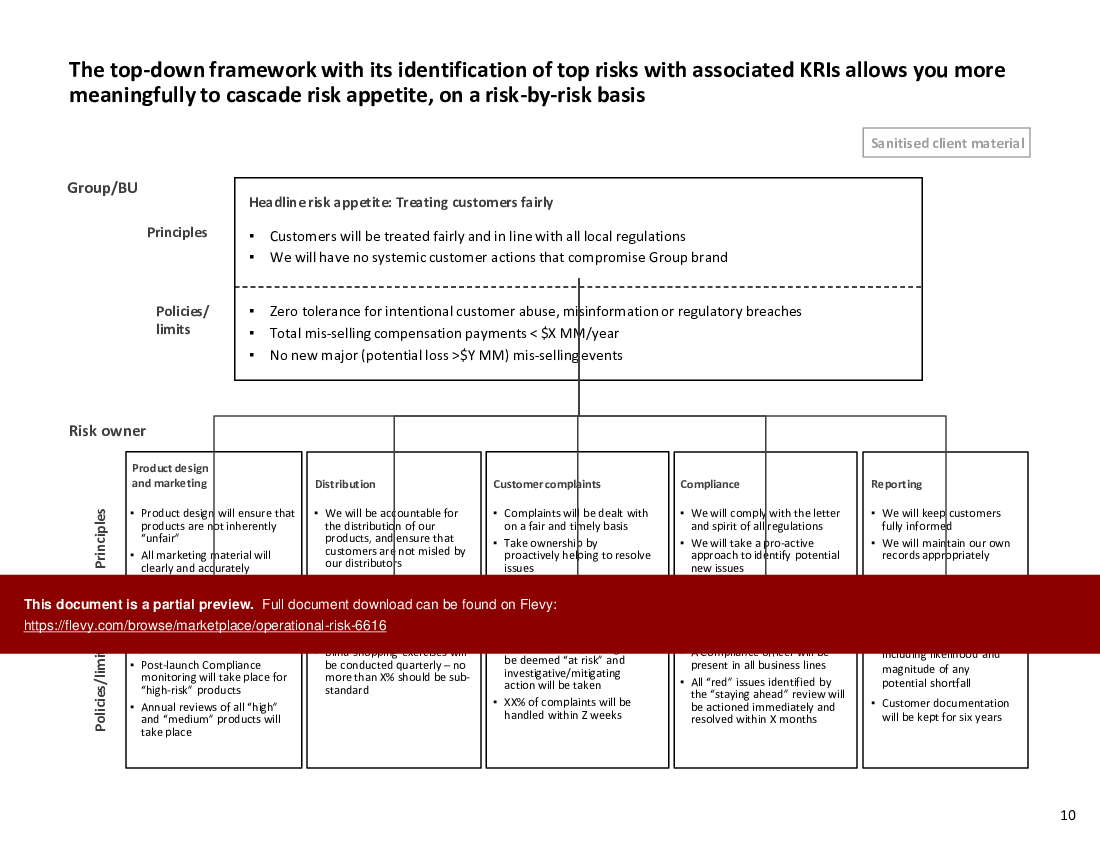
• Develop a risk appetite statement tailored to organizational needs
• Establish a risk mapping process that links risks to business units
• Create actionable mitigation strategies for identified risks
• Implement a governance structure for ongoing risk monitoring and reporting
Table of Contents
• Overview of Operational Risks in Banking (page 3)
• Key Risk Themes and Categories (page 5)
• Risk Identification and Assessment Framework (page 8)
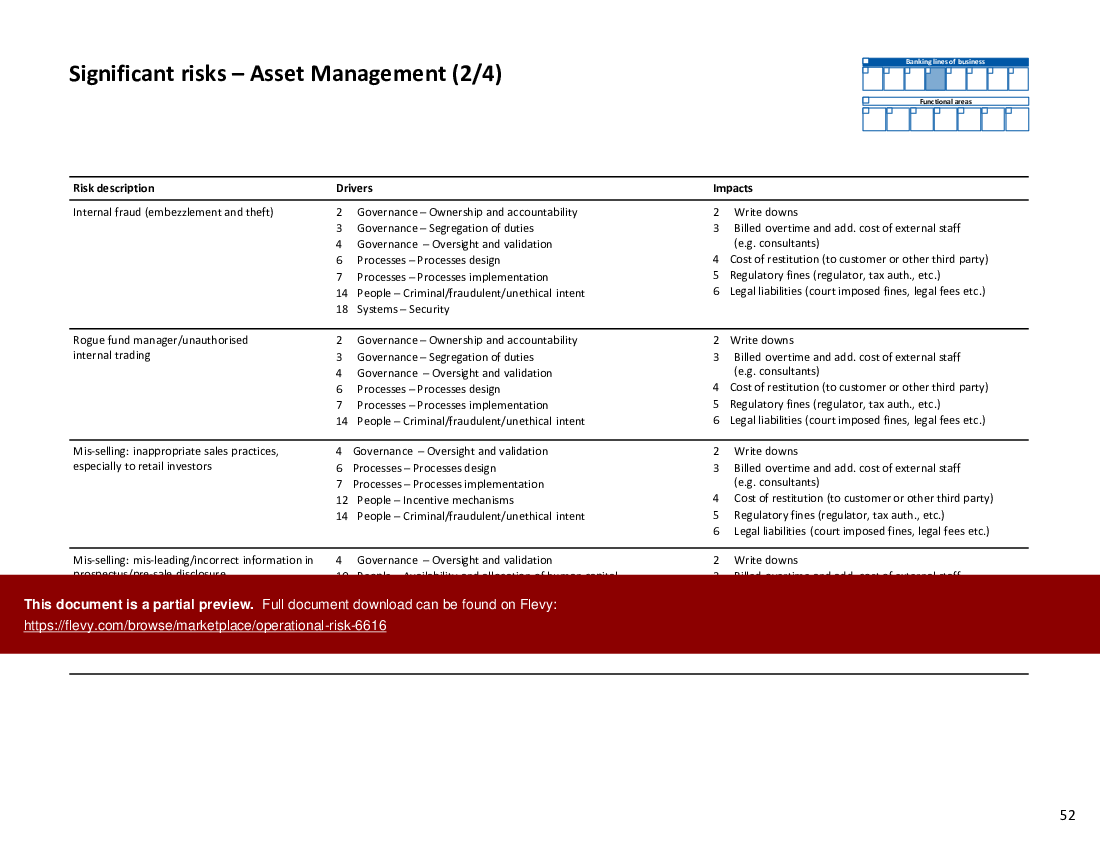
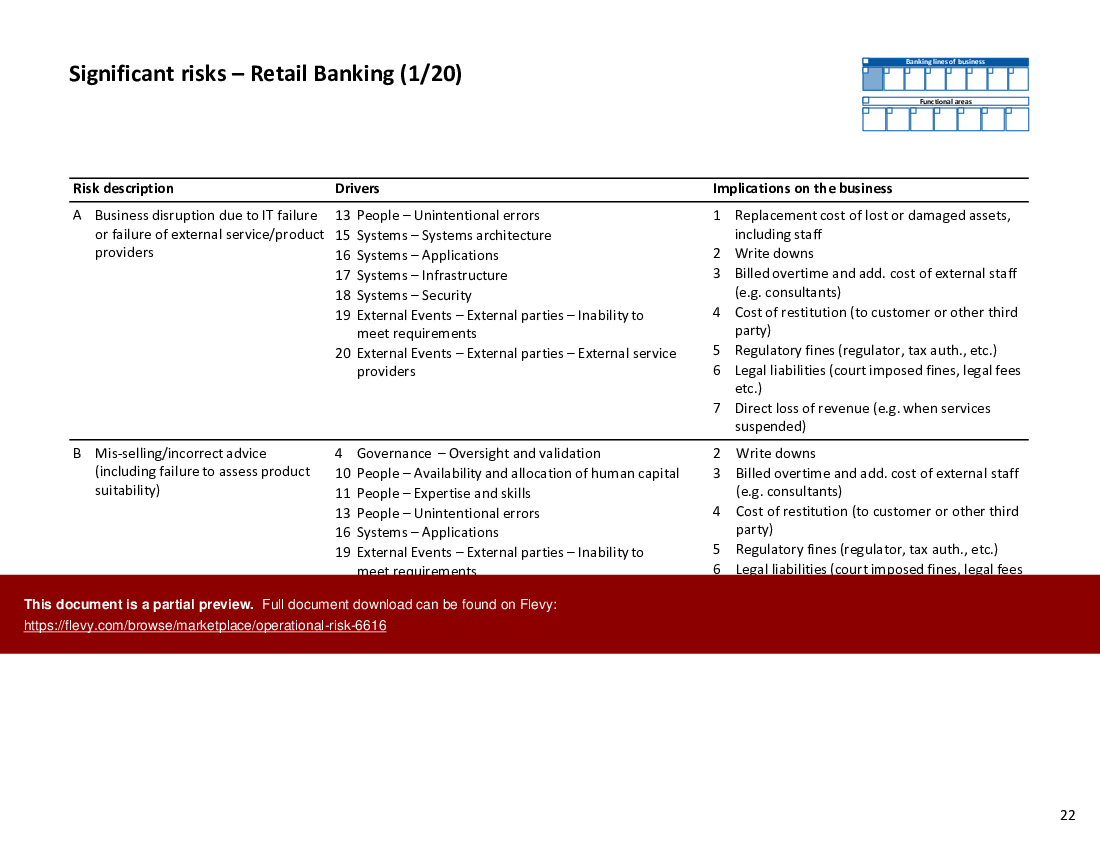
• Top Operational Risks by Banking Line (page 22)
• IT Risk Management Strategies (page 69)
• Governance and Compliance Considerations (page 87)
• Conclusion and Next Steps (page 92)
Primary Topics Covered
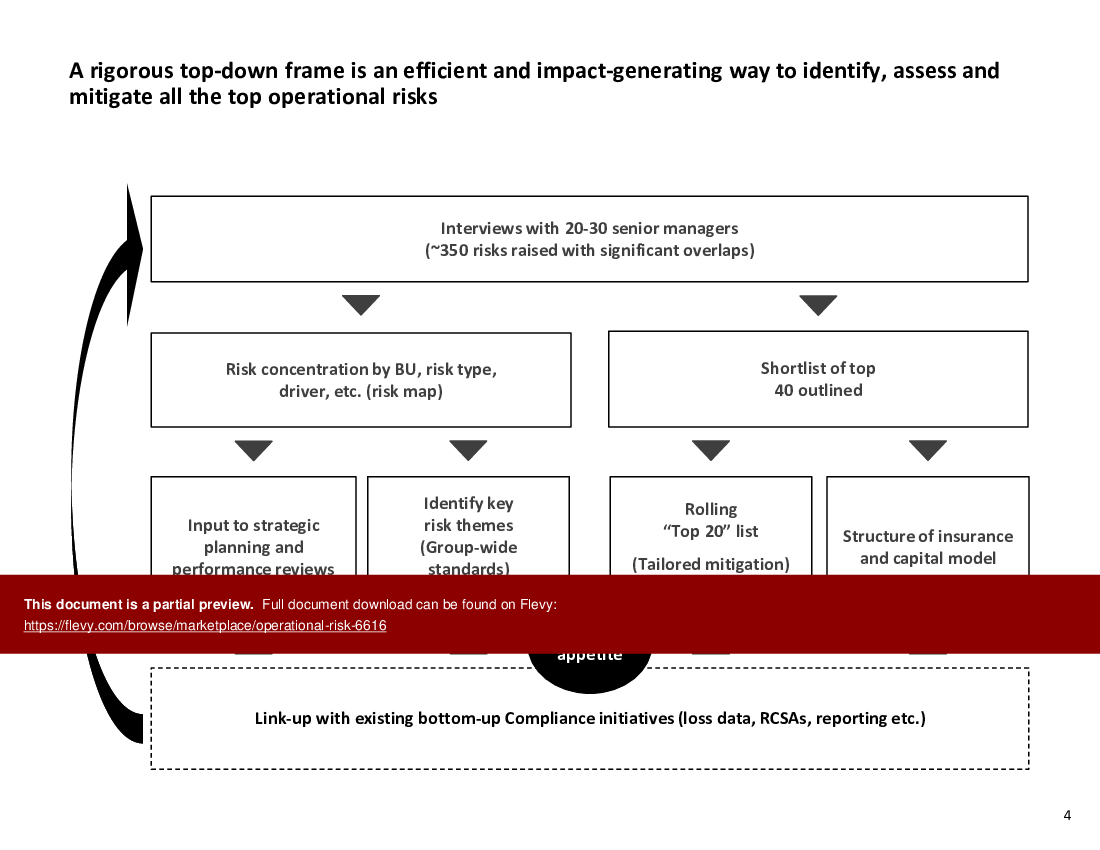
• Operational Risk Framework - A structured approach to identifying, assessing, and mitigating operational risks across banking lines and functional areas.
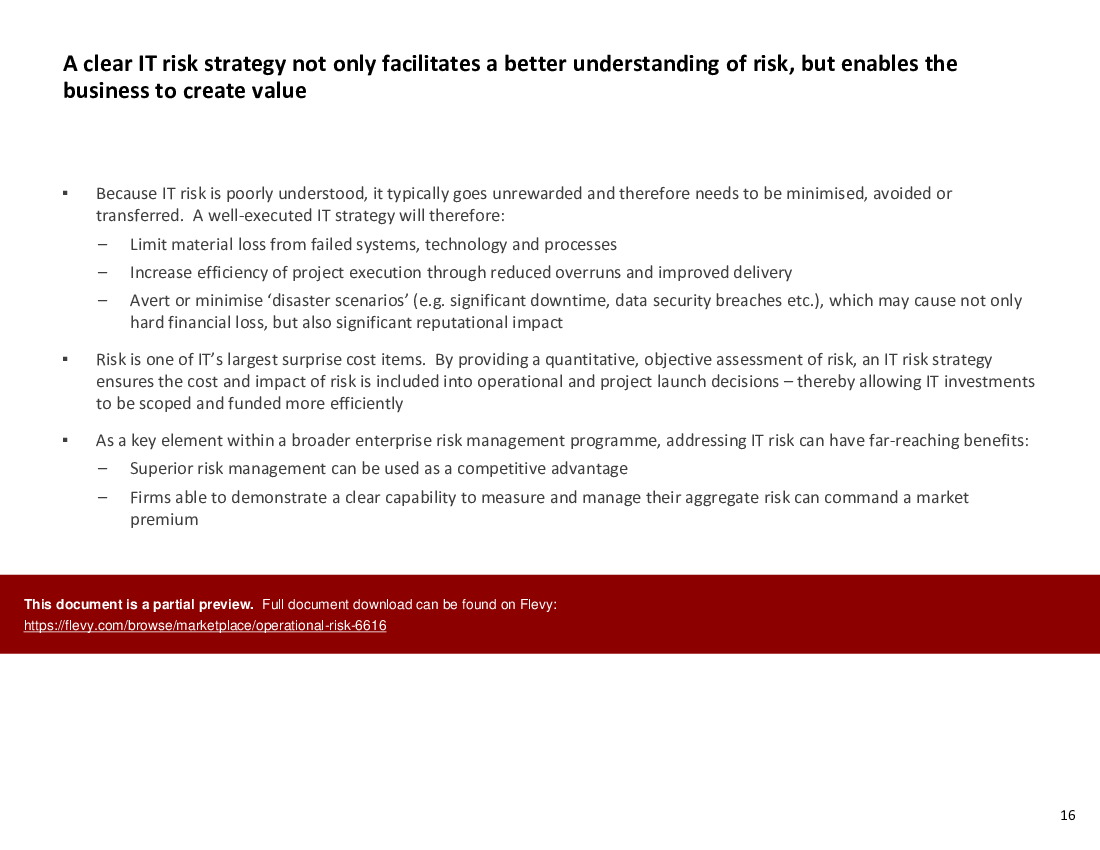
• IT Risk Management - Focused strategies to manage risks associated with technology and external service providers, ensuring business continuity.
• Risk Mapping - A methodology for linking identified risks to specific business units and operational processes for effective oversight.
• Governance Structures - Establishing clear roles and responsibilities for risk management across the organization to enhance accountability.
• Regulatory Compliance - Understanding the implications of regulatory requirements on operational risk management practices.
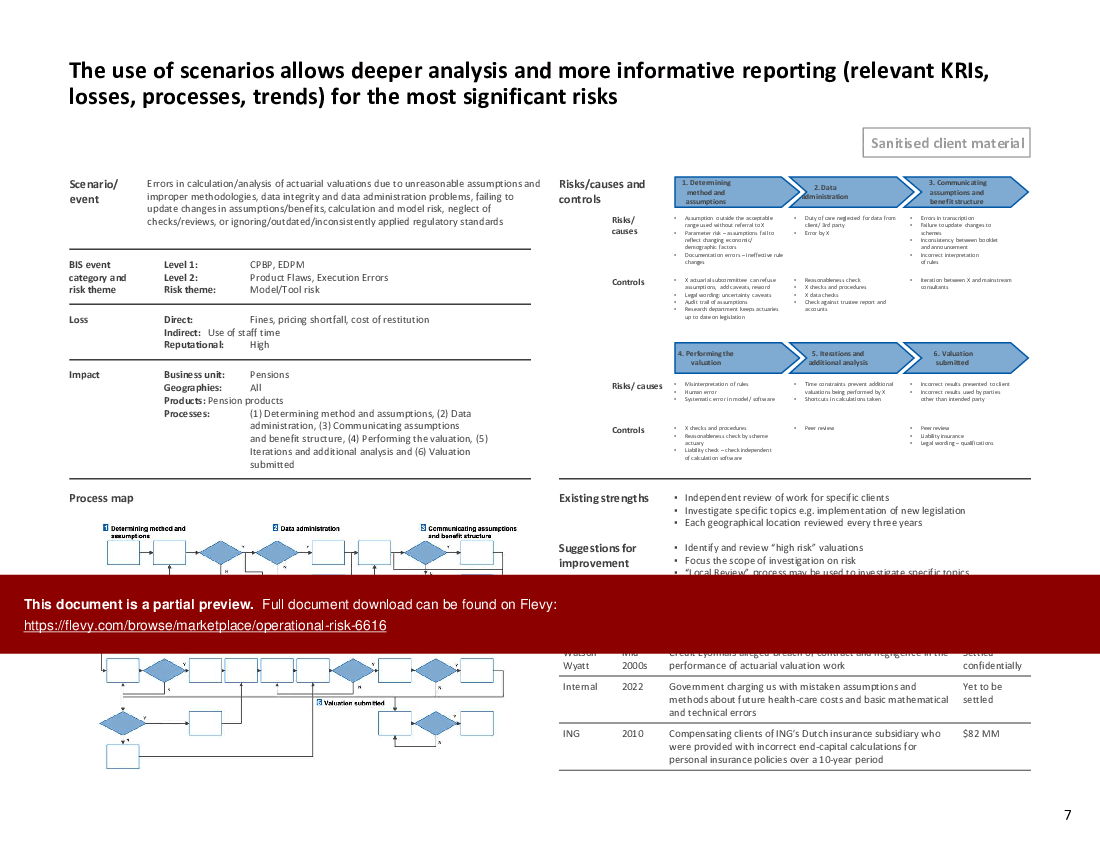
• Scenario Analysis - Utilizing scenarios to deepen the analysis of significant risks and inform risk mitigation strategies.
Deliverables, Templates, and Tools
• Risk assessment templates for identifying and categorizing operational risks
• IT risk management frameworks tailored for banking institutions
• Governance structure models for operational risk oversight
• Scenario analysis tools for evaluating potential risk impacts
• Risk mapping matrices linking risks to business units and processes
• Compliance checklists for regulatory adherence
Slide Highlights
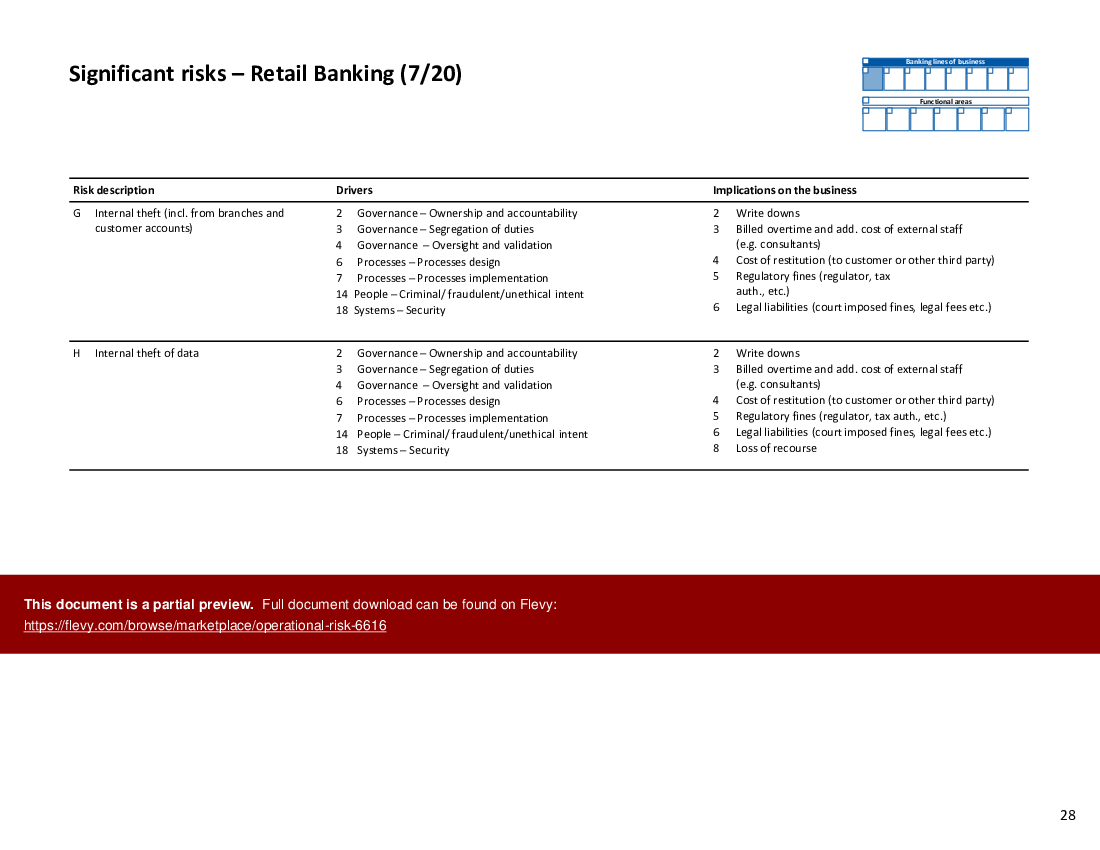
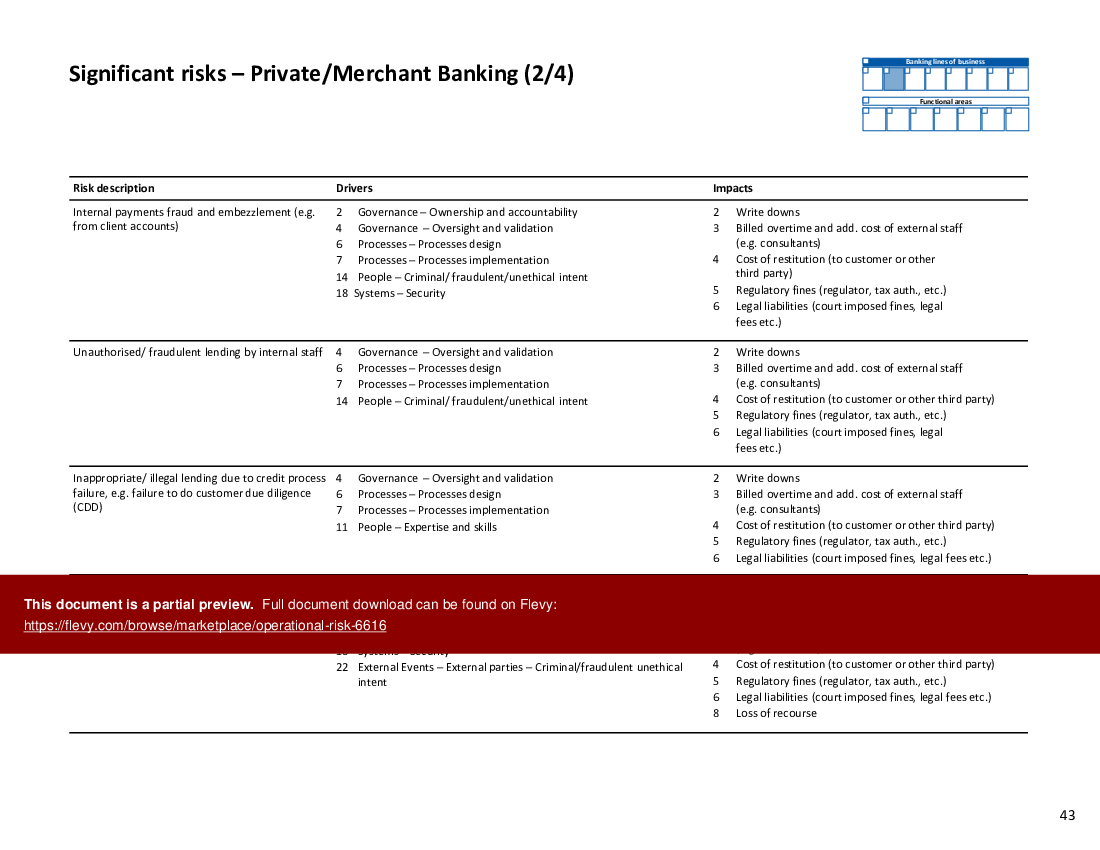
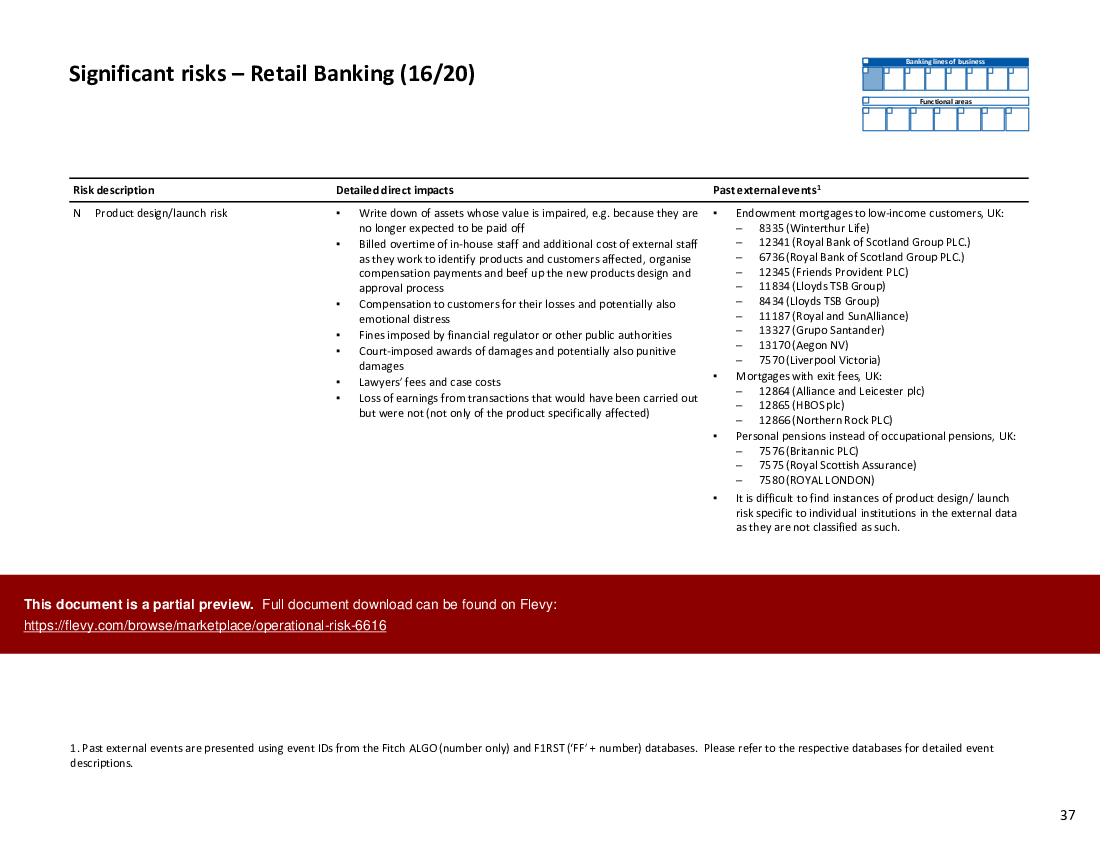
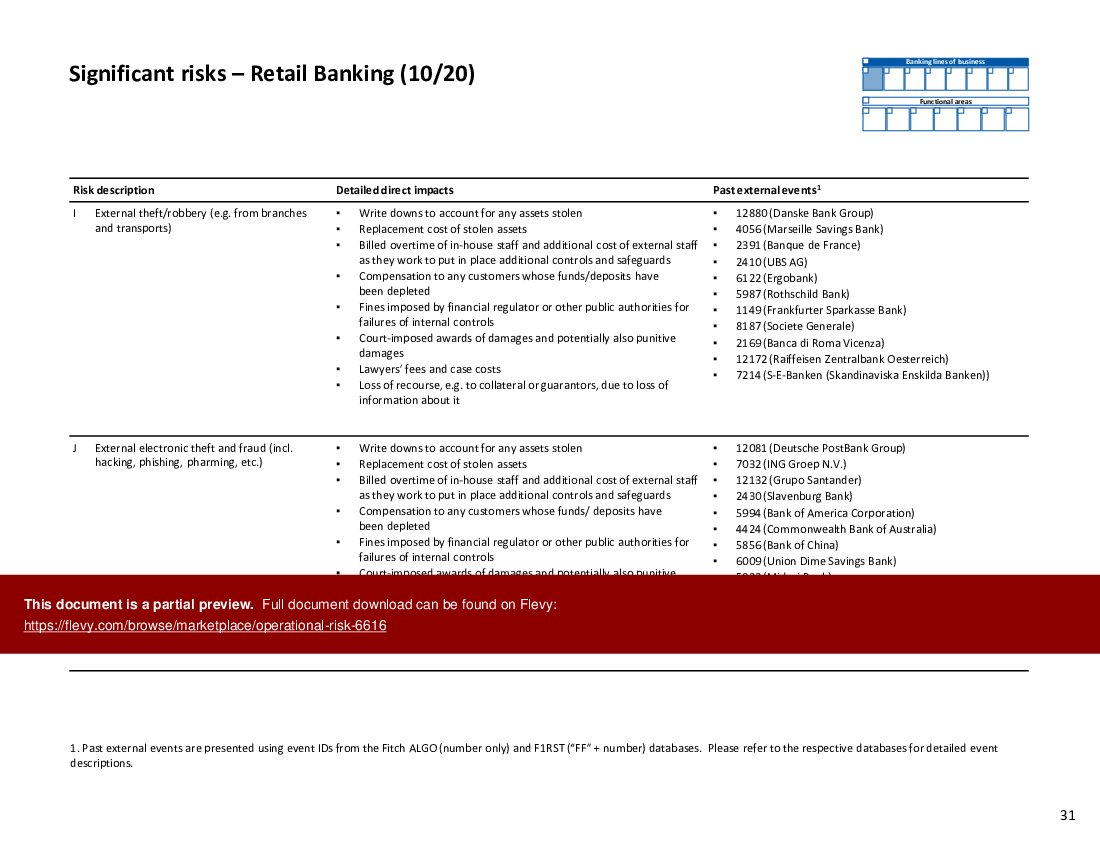
• Overview of top operational risks categorized by banking lines of business
• Detailed risk mapping visuals linking risks to specific business units
• Scenario analysis examples illustrating potential impacts of IT failures
• Governance structure diagrams clarifying roles and responsibilities
• Key insights from interviews with senior risk management executives
Potential Workshop Agenda
Operational Risk Framework Development (90 minutes)
• Discuss the importance of operational risk management in banking
• Identify key operational risks specific to the organization
• Develop a risk appetite statement aligned with business objectives
IT Risk Management Strategies (60 minutes)
• Review common IT risks and their implications for business operations
• Explore best practices for mitigating IT-related risks
• Establish a governance framework for ongoing IT risk oversight
Risk Mapping and Governance Structure (90 minutes)
• Create a risk mapping matrix linking identified risks to business units
• Define roles and responsibilities for risk management across the organization
• Develop a compliance checklist to ensure adherence to regulatory requirements
Customization Guidance
• Tailor risk assessment templates to reflect specific organizational contexts and operational realities
• Modify governance structures to align with existing organizational hierarchies and processes
• Adapt scenario analysis tools to focus on risks most relevant to the business environment
Secondary Topics Covered
• Fraud and theft risks in banking operations
• Compliance and legal risks associated with regulatory changes
• Employee-related risks impacting operational effectiveness
• Business continuity risks stemming from external service providers
FAQ
What are the top operational risks in banking?
Operational risks in banking include IT failures, fraud, compliance breaches, and business disruptions due to external events.
How can we effectively manage IT risks?
Implementing a robust IT risk management framework that includes regular assessments, governance structures, and compliance checks is essential for effective management.
What is risk mapping, and why is it important?
Risk mapping links identified risks to specific business units and processes, providing clarity on accountability and facilitating targeted risk mitigation efforts.
How do we establish a risk appetite statement?
A risk appetite statement should reflect the organization's willingness to accept risk in pursuit of its objectives, informed by stakeholder input and strategic goals.
What role does governance play in operational risk management?
Governance establishes clear roles and responsibilities for risk management, ensuring accountability and effective oversight across the organization.
How can scenario analysis enhance risk management?
Scenario analysis allows organizations to explore potential risk impacts in depth, informing more effective mitigation strategies and preparedness plans.
What are the implications of regulatory compliance on operational risk?
Regulatory compliance imposes requirements that organizations must meet to avoid penalties, making it a critical component of operational risk management.
How can we ensure ongoing monitoring of operational risks?
Establishing a governance structure with regular reporting and review processes will facilitate ongoing monitoring and management of operational risks.
Glossary
• Operational Risk - The risk of loss resulting from inadequate or failed internal processes, people, and systems, or from external events.
• IT Risk - Risks associated with the use of information technology, including system failures, data breaches, and inadequate controls.
• Risk Appetite - The amount and type of risk that an organization is willing to pursue or retain in pursuit of its objectives.
• Risk Mapping - A visual representation linking identified risks to specific business units and operational processes.
• Scenario Analysis - A process of analyzing potential future events by considering alternative possible outcomes (scenarios).
• Governance Structure - The framework that outlines roles, responsibilities, and processes for managing risks within an organization.
• Compliance - Adherence to laws, regulations, guidelines, and specifications relevant to the organization.
• Fraud - Wrongful or criminal deception intended to result in financial or personal gain.
• Business Continuity - The capability of an organization to continue delivering products or services at acceptable predefined levels following a disruptive incident.
• Regulatory Burden - The costs and obligations imposed by regulatory requirements on organizations.
• Employee Engagement - The level of commitment and involvement an employee has towards their organization and its values.
• Data Breach - An incident where unauthorized access to sensitive, protected, or confidential data occurs.
Source: Best Practices in Risk Management PowerPoint Slides: Unlock the Power of Operational Risk Management PowerPoint (PPTX) Presentation Slide Deck, Affinity Consulting Partners
This document is available as part of the following discounted bundle(s):

Save %!
Affinity Consulting Bundle - business transformation
This bundle contains 11 total documents. See all the documents to the right.
|
Receive our FREE presentation on Operational Excellence
This 50-slide presentation provides a high-level introduction to the 4 Building Blocks of Operational Excellence. Achieving OpEx requires the implementation of a Business Execution System that integrates these 4 building blocks. |