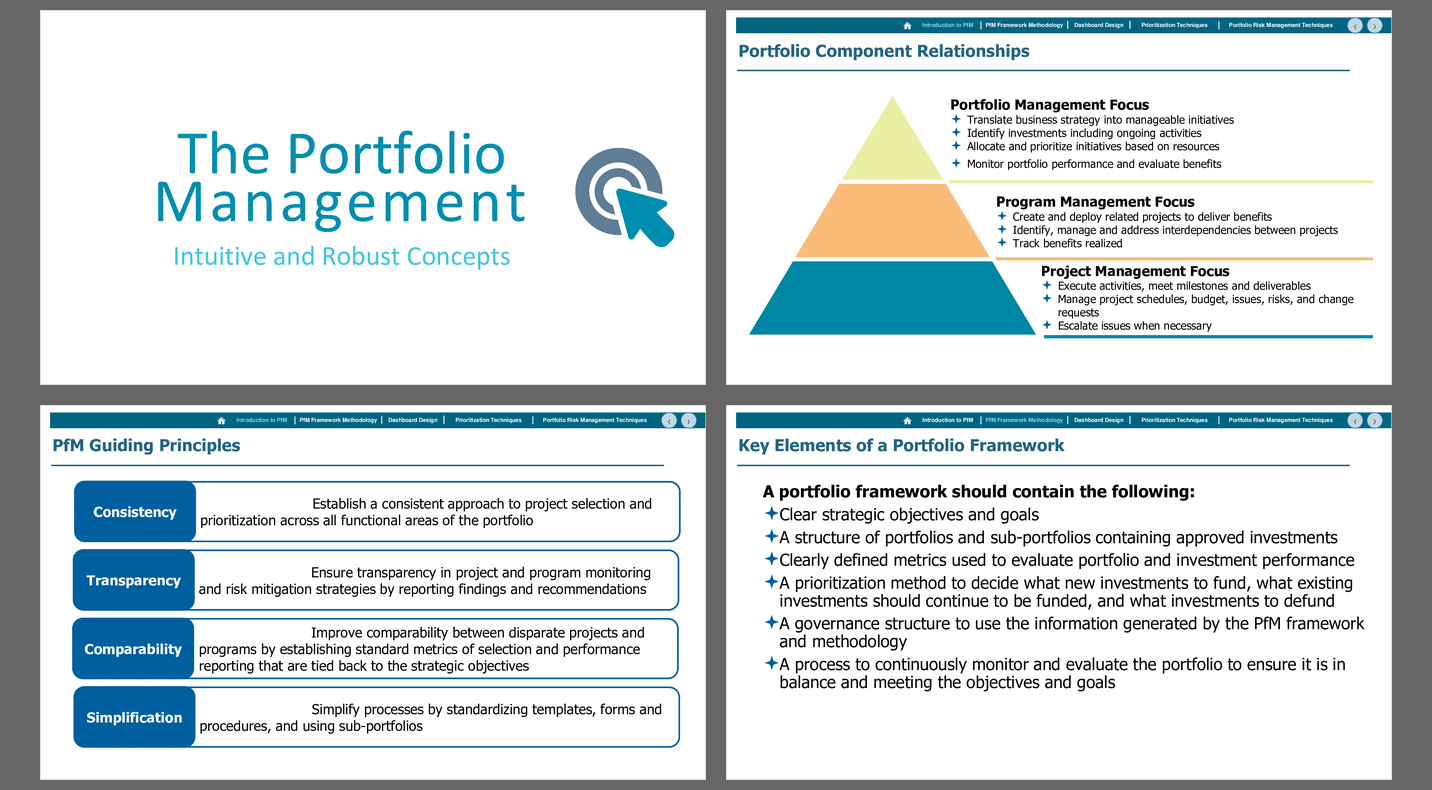

Introduction:
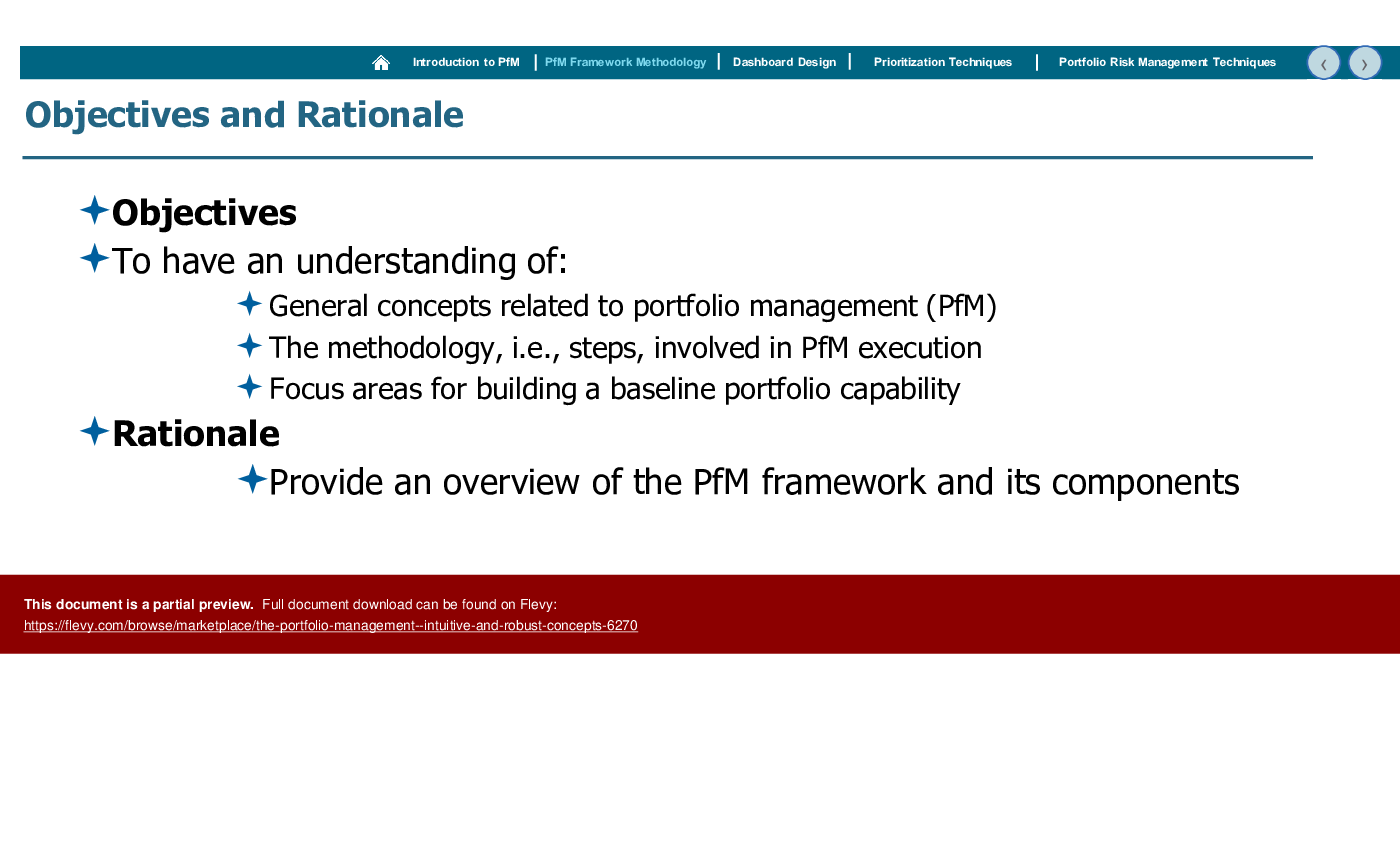
Portfolio Management is the compass that guides individuals, High Net Worth Individuals (HNIs), and multinational corporations (MNCs) through the intricate landscape of investments. In the realm of financial investments, the twin pillars of risk and return hold the key to unlocking growth potential while safeguarding against potential pitfalls. This presentation serves as your guiding light, simplifying the intricacies of Portfolio Management and equipping you with a fundamental understanding of its core concepts.
1. Navigating Portfolio Management:
• Portfolio Management Essentials: Introduction to the fundamental principles and objectives of Portfolio Management.
• Risk and Return: The dynamic duo of investment that dictates strategies for growth while managing risk.
2. The Role of Portfolios in Strategy Execution:
• Translating Strategy into Results: How a project portfolio plays a pivotal role in realizing strategic objectives.
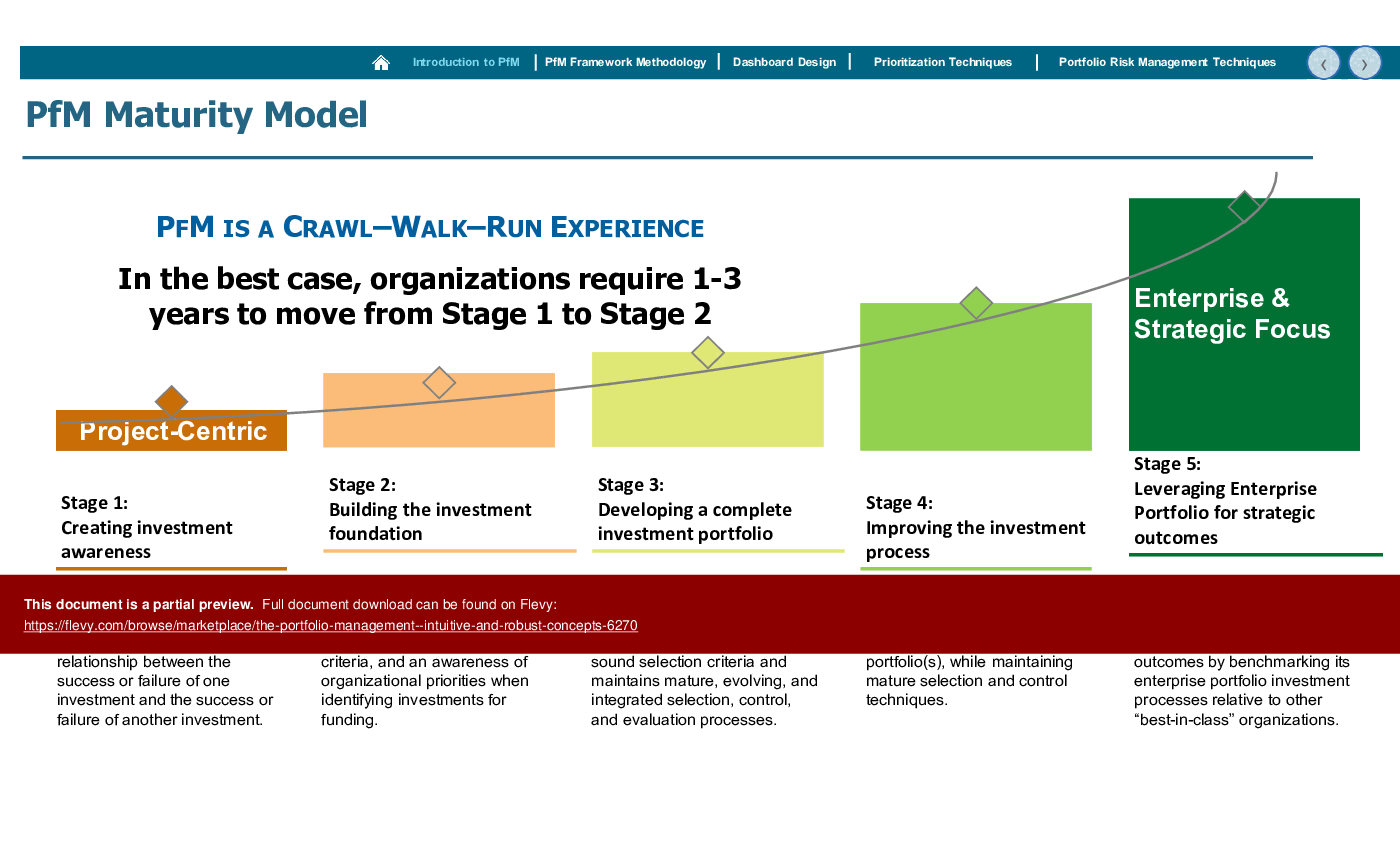
• PfM Maturity Model: Understanding and utilizing the PfM maturity model.
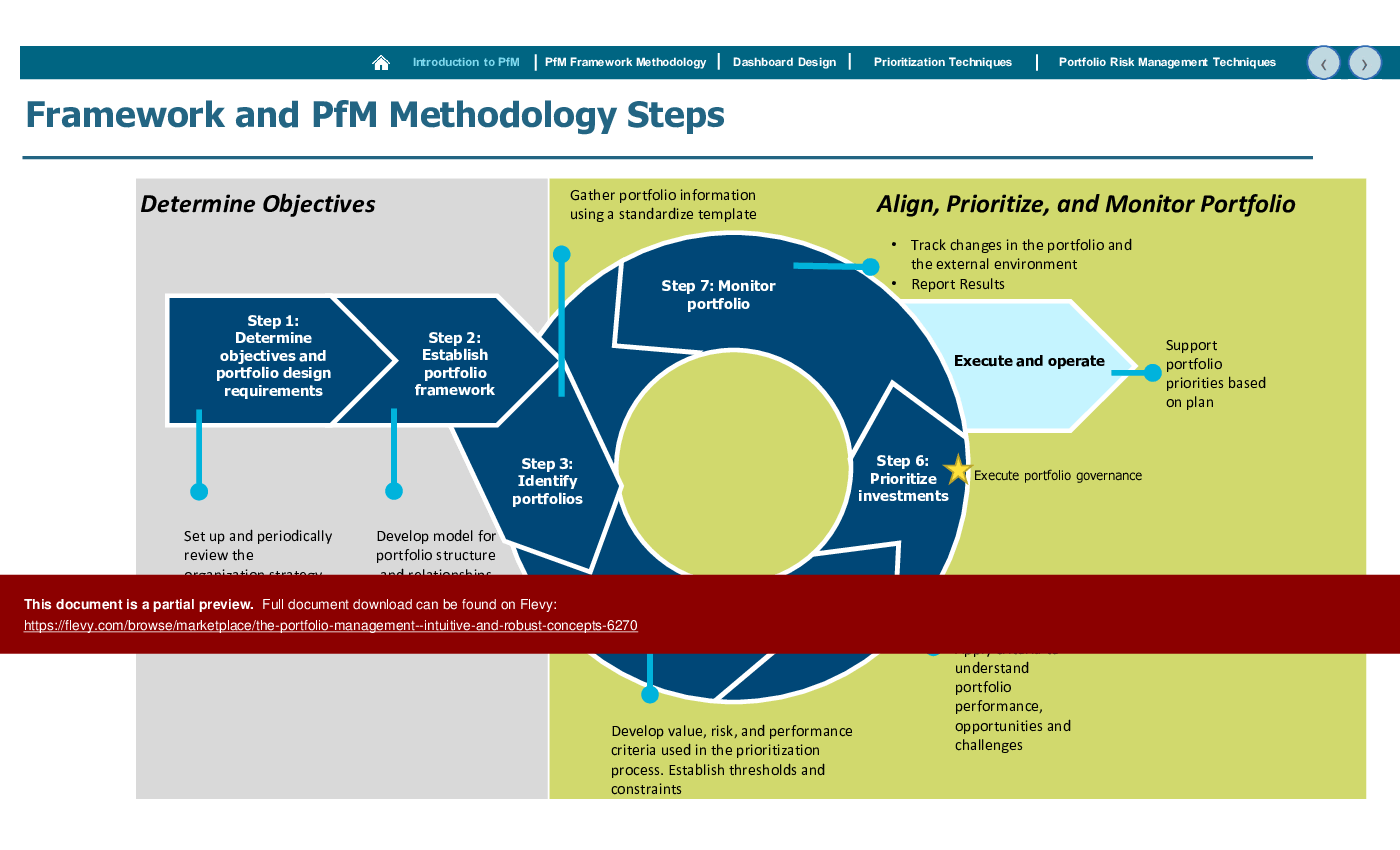
• Designing a Portfolio: Breaking down the portfolio design process into its component steps.
• Leading PfM Practices: Identifying and applying leading Portfolio Management practices.
• Principles of Portfolio Governance: Key aspects and principles governing portfolios.
• Building a Business Case: Crafting a compelling business case for projects and investments.
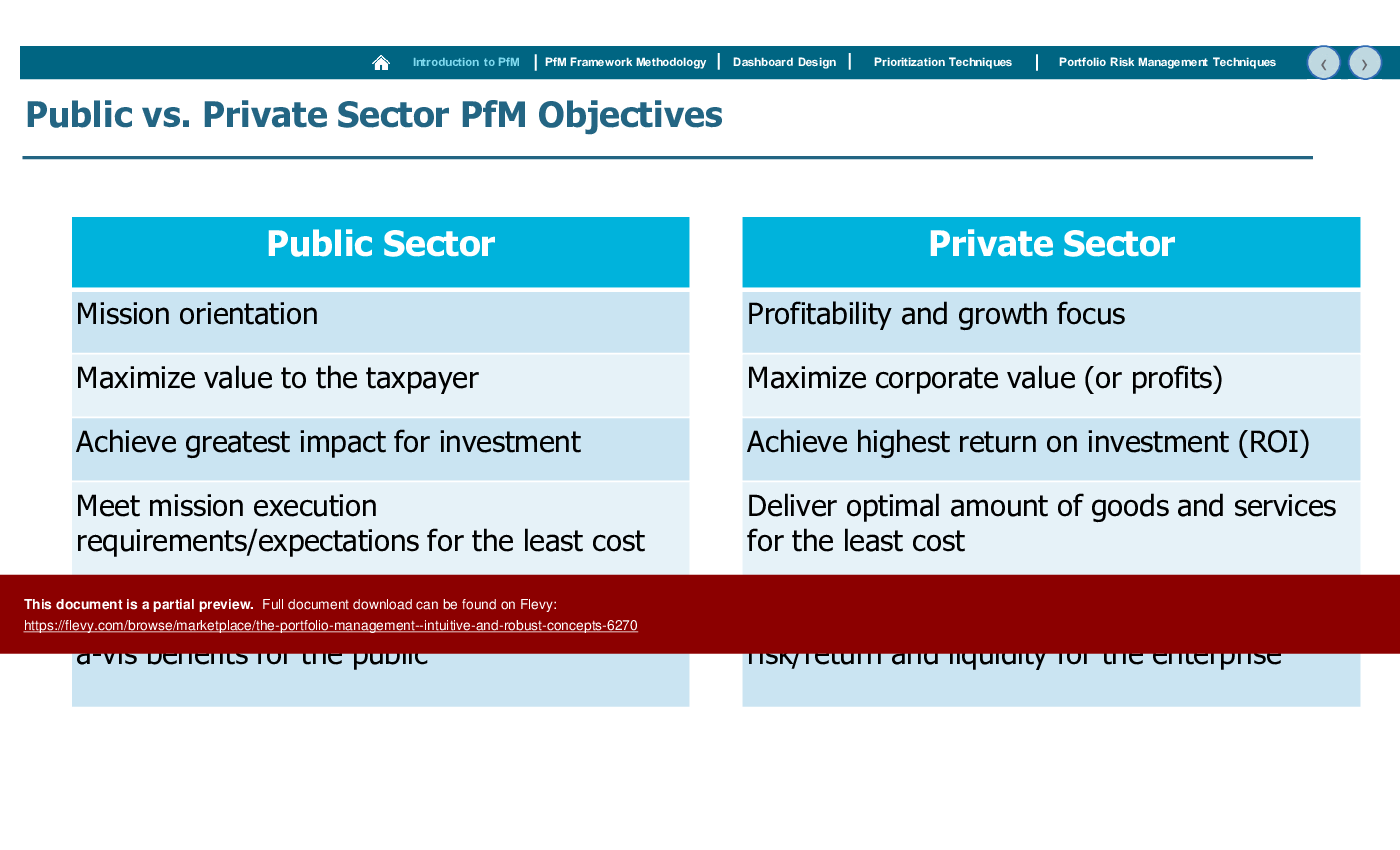
• Comparative PfM Objectives: Distinguishing PfM objectives and activities across federal agencies.
3. Empowering Your Portfolio Journey:
• Customization: Tailoring the presentation to align with your specific needs.
• Flexible Content: Select and skip content to suit your audience and objectives.
• Visual Insights: Leverage graphics for a comprehensive understanding of PfM concepts.
In the world of investments, Portfolio Management is your guiding star. This presentation equips you with the knowledge to master Portfolio Management, whether you're an individual investor, an HNI, or a multinational corporation. Customize the content, navigate the intricacies, and harness the power of effective investment. Unlock growth potential, mitigate risk, and steer your investment journey towards success.
Explore the PfM maturity model to gauge your organization's current state and identify steps for advancement. Leverage comparative case studies to benchmark against industry best practices.
Got a question about the product? Email us at support@flevy.com or ask the author directly by using the "Ask the Author a Question" form. If you cannot view the preview above this document description, go here to view the large preview instead.
Executive Summary
The "Portfolio Management - Intuitive and Robust Concepts" presentation is designed to enhance understanding of portfolio management (PfM) principles and practices. It provides a structured approach for optimizing investments, streamlining operations, and aligning funding with organizational mission needs. This deck equips corporate executives, integration leaders, and consultants with the tools to make data-driven investment decisions, ensuring that strategic objectives are met effectively. By mastering the PfM framework, users can improve program effectiveness, prioritize resource allocation, and achieve a balanced portfolio that aligns with business goals.
Who This Is For and When to Use
• Corporate executives responsible for strategic investment decisions
• Integration leaders overseeing project portfolio management
• Consultants advising organizations on optimizing investment strategies
• Government agency leaders looking to enhance portfolio governance
Best-fit moments to use this deck:
• During strategic planning sessions to align investments with organizational goals
• When developing a business case for new projects or programs
• In workshops focused on improving portfolio governance and risk management
• For training sessions aimed at enhancing understanding of PfM practices
Learning Objectives
• Understand the role of a project portfolio in translating strategy into desired results
• Break down the portfolio design process into its component steps
• Identify and apply leading PfM practices from both public and private sectors
• Understand key aspects and principles of portfolio governance
• Build a compelling business case for project investments
• Discern differences in PfM objectives and activities across various federal agencies
Table of Contents
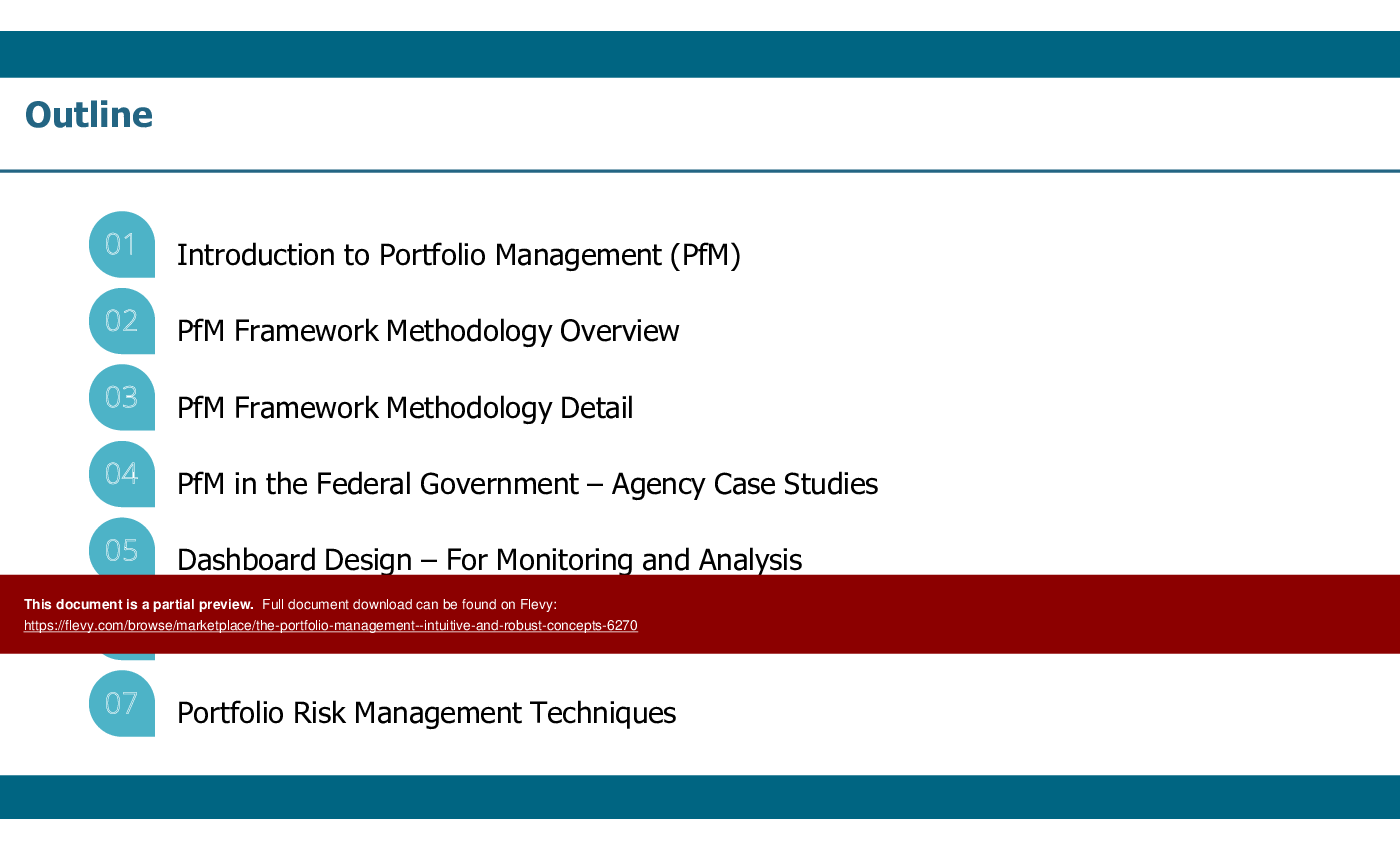
• Introduction to Portfolio Management (PfM) (page 3)
• PfM Framework Methodology Overview (page 5)
• PfM Framework Methodology Detail (page 10)
• PfM in the Federal Government – Agency Case Studies (page 15)
• Dashboard Design – For Monitoring and Analysis (page 20)
• Prioritization Techniques (page 25)
• Portfolio Risk Management Techniques (page 30)
Primary Topics Covered
• PfM Framework Overview - An introduction to the PfM framework, detailing its importance in aligning investments with strategic objectives.
• Portfolio Design Process - A step-by-step breakdown of the portfolio design process, emphasizing the importance of structured methodologies.
• Prioritization Techniques - Various methods for prioritizing investments, including weighted scoring and pairwise comparisons.
• Risk Management Techniques - Strategies for assessing and managing risks associated with portfolio investments.
• Dashboard Design - Guidelines for creating effective dashboards to monitor portfolio performance and facilitate decision-making.
• Governance Principles - Key principles that guide effective governance in portfolio management, ensuring alignment with organizational goals.
Deliverables, Templates, and Tools
• Portfolio framework templates for structuring investments
• Business case development templates for project proposals
• Risk assessment matrices for evaluating investment risks
• Prioritization scoring sheets for ranking investment opportunities
• Dashboard design templates for monitoring portfolio performance
• Guidelines for establishing governance structures in portfolio management
Slide Highlights
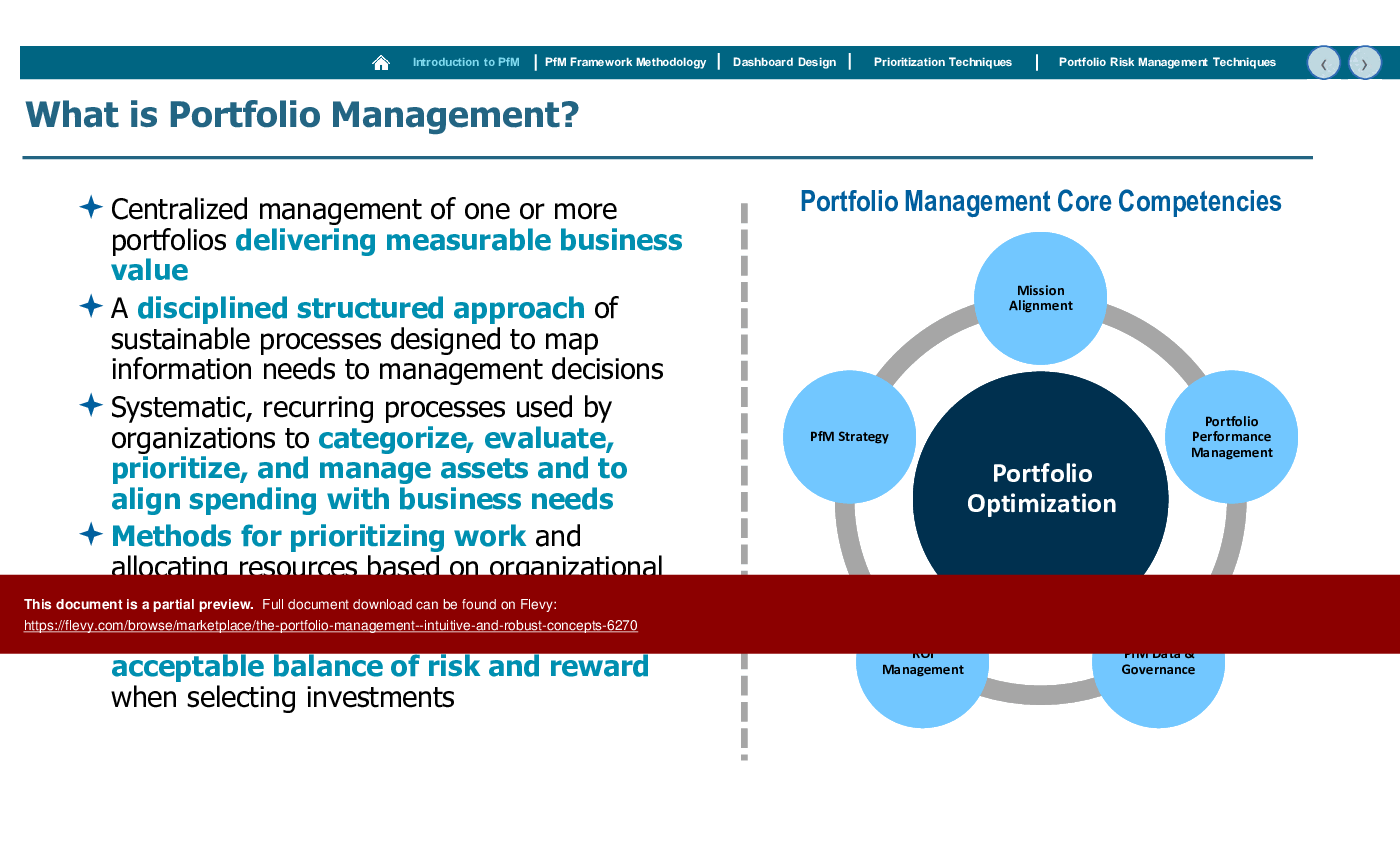
• Overview of the PfM framework and its core competencies
• Visual representation of the portfolio design process
• Case studies illustrating successful PfM implementation in federal agencies
• Examples of prioritization techniques and their applications
• Dashboard examples showcasing effective monitoring of portfolio performance
Potential Workshop Agenda
Introduction to Portfolio Management (60 minutes)
• Overview of PfM concepts and frameworks
• Discussion on the importance of aligning investments with strategy
• Interactive Q&A session
Prioritization Techniques Workshop (90 minutes)
• Hands-on exercises using weighted scoring and pairwise comparison methods
• Group discussions on challenges in prioritizing investments
• Development of a prioritization matrix for real projects
Risk Management Strategies Session (60 minutes)
• Overview of risk management techniques in portfolio management
• Case studies on effective risk assessment and mitigation
• Group activity to create a risk management plan
Customization Guidance
• Tailor the portfolio framework to align with specific organizational goals and objectives
• Adjust prioritization criteria based on unique investment characteristics and strategic priorities
• Incorporate agency-specific case studies and examples to enhance relevance
• Update dashboard metrics to reflect organizational performance indicators and reporting needs
Secondary Topics Covered
• Portfolio maturity models and their implications for capability development
• The role of environmental scans in informing portfolio decisions
• Differences in PfM objectives between public and private sectors
• Techniques for effective stakeholder engagement in the PfM process
Topic FAQ
Document FAQ
These are questions addressed within this presentation.
What is portfolio management (PfM)?
PfM is a structured approach to managing a collection of programs and projects to optimize investments and align them with strategic objectives.
How can this presentation help my organization?
This presentation provides frameworks, methodologies, and tools to enhance understanding of PfM, enabling better investment decisions and improved resource allocation.
What are the key benefits of adopting a disciplined PfM approach?
Adopting a disciplined PfM approach drives value, improves program effectiveness, prioritizes resource allocation, and aligns investments with strategic goals.
What prioritization techniques are covered in this deck?
The deck covers various techniques such as weighted scoring, pairwise comparisons, and the Analytic Hierarchy Process (AHP) to help organizations rank investments effectively.
How does risk management fit into portfolio management?
Risk management is essential for assessing potential threats and opportunities within the portfolio, ensuring that investments align with organizational risk tolerance and strategic objectives.
What is the importance of dashboard design in PfM?
Dashboards provide visual representations of portfolio performance, enabling stakeholders to monitor progress, make informed decisions, and communicate effectively across the organization.
Can this presentation be customized for specific agency needs?
Yes, the presentation can be tailored to reflect specific organizational goals, case studies, and performance metrics relevant to the agency's context.
How often should portfolio performance reviews be conducted?
Regular reviews should be conducted to ensure alignment with strategic objectives, assess performance against metrics, and make necessary adjustments to the portfolio.
What are the common challenges faced in portfolio management?
Common challenges include resource constraints, conflicting priorities, lack of stakeholder engagement, and difficulties in measuring performance effectively.
Glossary
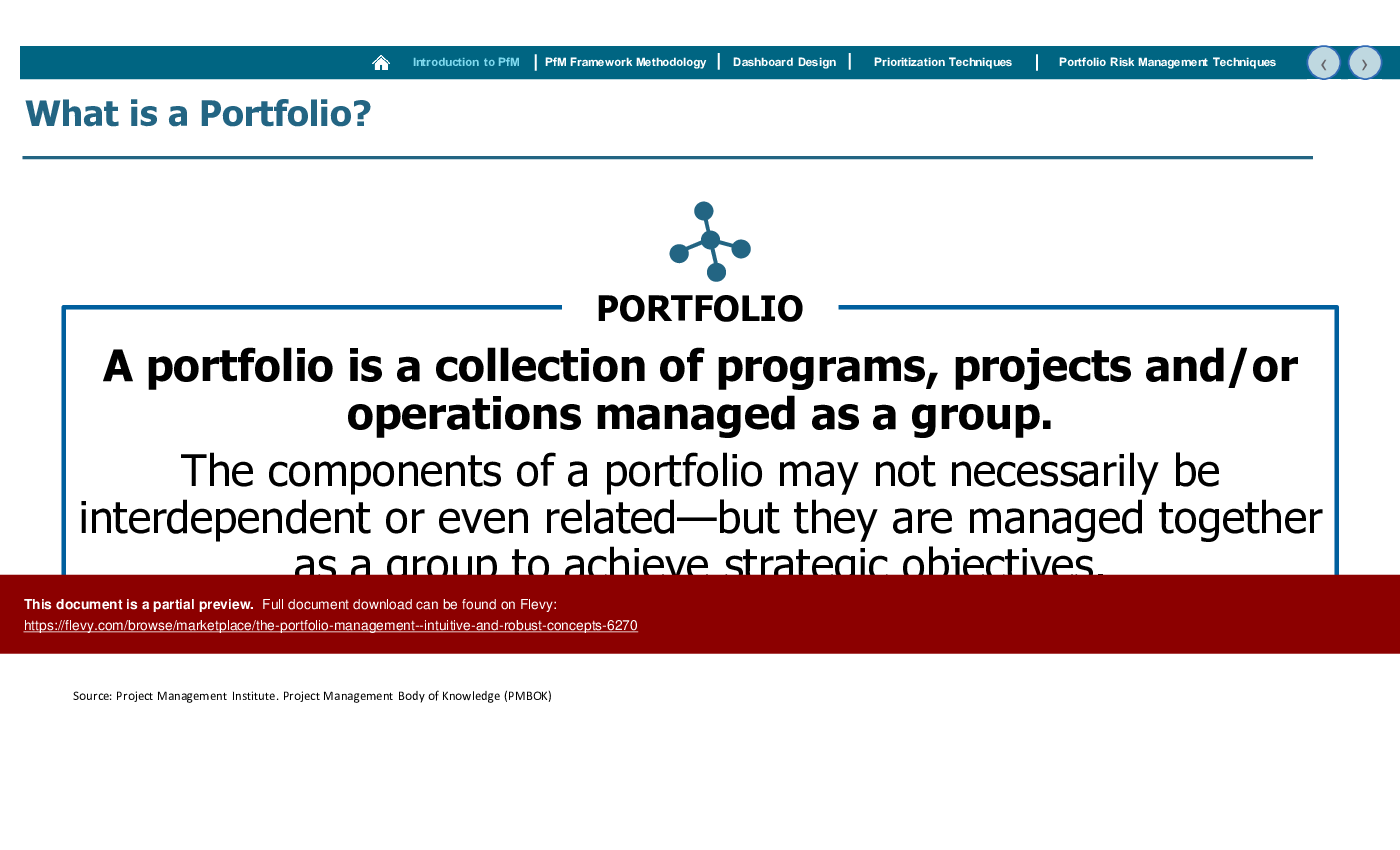
• Portfolio - A collection of programs, projects, and operations managed as a group to achieve strategic objectives.
• Investment - Any asset within an organization that has value, typically referring to programs and projects.
• PfM Framework - A structured approach to managing a portfolio of investments to optimize value and align with strategic goals.
• Prioritization Techniques - Methods used to rank investments based on criteria such as ROI, strategic alignment, and risk.
• Risk Management - The process of identifying, assessing, and mitigating risks associated with portfolio investments.
• Dashboard - A visual display of key performance indicators and metrics used to monitor portfolio performance.
• Governance - The framework and processes that guide decision-making in portfolio management.
• Maturity Model - A framework that describes the stages of development and capability in portfolio management practices.
• Stakeholder Engagement - The process of involving individuals or groups who have an interest in the portfolio's outcomes.
• Environmental Scan - An analysis of internal and external factors that may impact portfolio decisions.
• Weighted Scoring - A prioritization method that assigns scores to investments based on defined criteria and their relative importance.
• Pairwise Comparison - A technique for comparing investments in pairs to determine preferences based on specific criteria.
• Analytic Hierarchy Process (AHP) - A structured decision-making process that uses pairwise comparisons to rank alternatives.
• Cost-Benefit Analysis - A financial assessment method that compares the costs and benefits of an investment.
• Net Present Value (NPV) - A financial metric used to evaluate the profitability of an investment by calculating the present value of expected cash flows.
• Internal Rate of Return (IRR) - A metric used to estimate the profitability of potential investments.
• Risk Register - A tool used to document risks, their assessment, and mitigation strategies.
• Performance Metrics - Quantifiable measures used to assess the effectiveness of portfolio management efforts.
• Governance Board - A group responsible for overseeing investment decisions and ensuring alignment with strategic objectives.
Source: Best Practices in Project Management PowerPoint Slides: Portfolio Management - Intuitive and Robust Concepts PowerPoint (PPTX) Presentation Slide Deck, RadVector Consulting
|
Receive our FREE presentation on Operational Excellence
This 50-slide presentation provides a high-level introduction to the 4 Building Blocks of Operational Excellence. Achieving OpEx requires the implementation of a Business Execution System that integrates these 4 building blocks. |










