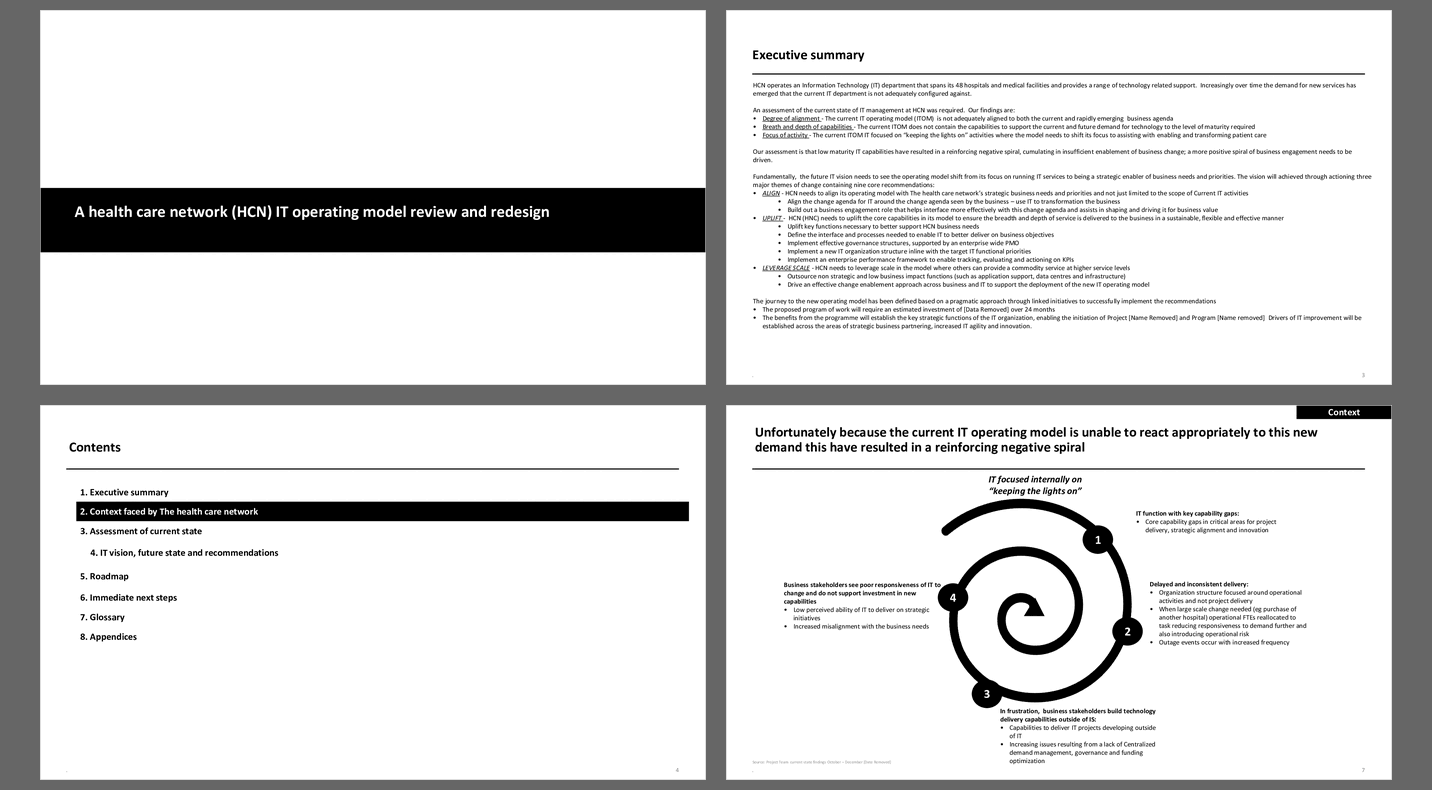

Digital and Technology Operating model transformation
Digital health care
Case studies in health care digital transformation
HEALTHCARE PPT DESCRIPTION
This product (Health Care - Digital Operating Model) is a 110-slide PPT PowerPoint presentation slide deck (PPTX), which you can download immediately upon purchase.
A health care network (HCN) IT and digital operating model review and redesign
These sanitized materials provide a review of the development of a best practices digital and technology operations model for a major health provider network, with over 48 hospitals and medical facilities across the globe.
Fundamentally, the future digital health vision saw the technology operating model shift from its focus on running IT services to being a strategic enabler of business needs and priorities. The vision was achieved through to action three major themes of change containing nine core recommendations.
The journey to the new operating model utilized a pragmatic approach through linked initiatives to successfully implement the recommendations.
The proposed program of work will required additional funding over existing programs for over over 24 months. The benefits from the program established higher levels of strategic business partnering, increased IT agility and innovation.
The materials in this extensive work would be of use to anyone looking at best practice in digital and technology transformation for a large health provider, including recent project costings and benchmark analysis.
The PPT provides a comprehensive analysis of the current IT operating model at HCN, identifying critical gaps in alignment, capabilities, and management focus. Key findings reveal that the existing ITOM is not adequately aligned with the rapidly evolving business agenda, lacks the necessary capabilities to support future technology demands, and is overly focused on maintaining current operations rather than enabling transformation.
The proposed digital operating model emphasizes the importance of a strategic shift towards business enablement, leveraging scale, and fostering innovation. Detailed recommendations include building out a business engagement role, uplifting key functions, and implementing new governance structures. These initiatives are designed to enhance IT agility, improve service delivery, and support the health care network's strategic priorities.
Got a question about the product? Email us at support@flevy.com or ask the author directly by using the "Ask the Author a Question" form. If you cannot view the preview above this document description, go here to view the large preview instead.
MARCUS OVERVIEW
This synopsis was written by Marcus [?] based on the analysis of the full 110-slide presentation.
Executive Summary
The Health Care Network (HCN) operates an Information Technology (IT) department that spans 48 hospitals and medical facilities, providing a range of technology-related support. As demand for new services has increased, the current IT department is inadequately configured to meet these needs. An assessment of the current IT management revealed significant misalignment with business objectives, insufficient capabilities to support future demands, and a focus primarily on operational tasks rather than enabling transformative patient care. The future IT vision aims to reposition the operating model from merely running IT services to becoming a strategic enabler of business needs. This will be achieved through 3 major themes of change, encompassing nine core recommendations that include aligning IT with business priorities, uplifting key capabilities, and leveraging external resources for non-strategic functions.
Who This Is For and When to Use
• IT leadership and management teams within health care networks
• Business transformation leaders focused on digital innovation
• Strategic planners and project managers overseeing IT initiatives
• Health care executives looking to enhance operational efficiency and patient care
Best-fit moments to use this deck:
• During strategic planning sessions for IT transformation
• When assessing current IT capabilities against emerging health care demands
• For workshops aimed at aligning IT with business objectives and priorities
Learning Objectives
• Define the current state of IT operations and identify key gaps in capabilities
• Build a strategic roadmap for IT transformation aligned with business needs
• Establish governance structures to enhance IT decision-making and accountability
• Implement effective performance metrics to track IT contributions to business goals
• Foster a culture of innovation and collaboration between IT and business units
• Leverage external partnerships to optimize IT service delivery and capabilities
Table of Contents
• Executive Summary (page 2)
• Context Faced by The Health Care Network (page 5)
• Assessment of Current State (page 7)
• IT Vision, Future State and Recommendations (page 25)
• Roadmap (page 101)
• Immediate Next Steps (page 106)
• Glossary (page 109)
Primary Topics Covered
• Current IT Challenges - The IT department is misaligned with business objectives and lacks the capabilities to meet future demands.
• Future IT Vision - A strategic shift from operational focus to enabling transformative patient care through technology.
• Governance and Structure - Recommendations for establishing effective governance frameworks and organizational structures.
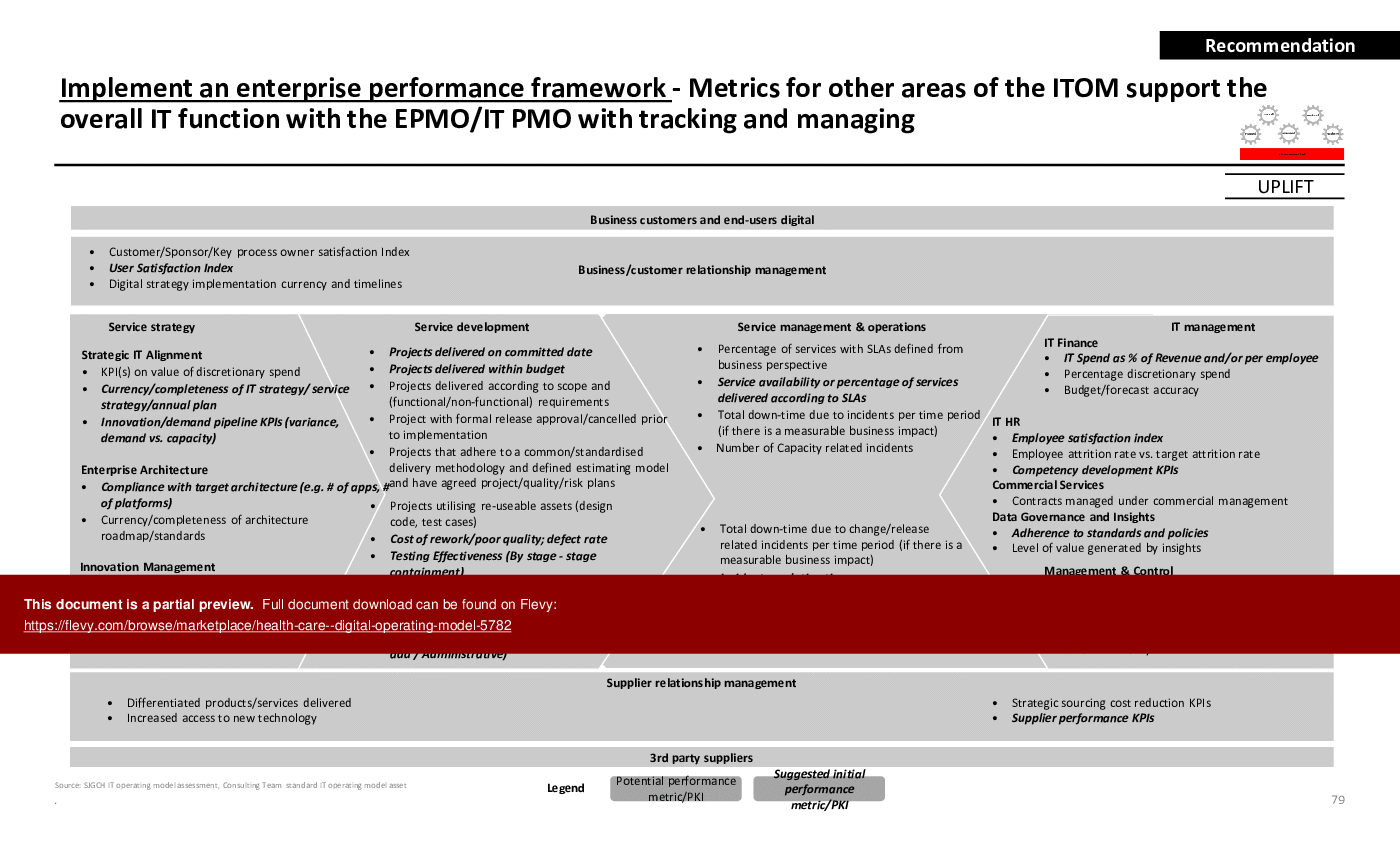
• Performance Metrics - Development of an enterprise performance framework to measure IT effectiveness.
• Outsourcing Strategy - Leveraging external resources for non-strategic IT functions to enhance efficiency.
• Change Enablement - Strategies for fostering collaboration between IT and business units to drive innovation.
Deliverables, Templates, and Tools
• IT operating model assessment framework
• Strategic roadmap template for IT transformation
• Governance structure guidelines for IT decision-making
• Performance metric framework for tracking IT contributions
• Outsourcing assessment template for non-strategic functions
• Change enablement plan for fostering collaboration
Slide Highlights
• Overview of current IT challenges and misalignment with business objectives
• Future IT vision emphasizing strategic enablement of patient care
• Proposed governance structures to enhance IT decision-making
• Key performance metrics to evaluate IT effectiveness
• Outsourcing strategy for optimizing IT service delivery
Potential Workshop Agenda
IT Transformation Kickoff (90 minutes)
• Review current IT challenges and business misalignment
• Discuss future IT vision and strategic objectives
• Identify key stakeholders and roles in the transformation process
Governance and Structure Workshop (60 minutes)
• Define governance frameworks for IT decision-making
• Establish roles and responsibilities within the new IT structure
• Create a communication plan for engaging stakeholders
Performance Metrics Development Session (90 minutes)
• Identify key performance indicators for IT effectiveness
• Develop a framework for tracking and reporting IT contributions
• Align performance metrics with business objectives
Customization Guidance
• Tailor the strategic roadmap to reflect specific organizational goals and timelines
• Adjust governance structures based on existing organizational hierarchies and workflows
• Modify performance metrics to align with unique business objectives and industry standards
Secondary Topics Covered
• IT budget analysis and cost management strategies
• Stakeholder engagement techniques for successful IT transformation
• Risk management frameworks for IT initiatives
• Best practices for fostering a culture of innovation within IT
FAQ What are the main challenges facing HCN's IT department?
The main challenges include misalignment with business objectives, insufficient capabilities to meet future demands, and a focus primarily on operational tasks rather than enabling transformative patient care.
How will the new IT vision impact patient care?
The new IT vision aims to reposition IT as a strategic enabler of business needs, ultimately enhancing patient care through improved technology integration and support for innovative health care models.
What governance structures are recommended?
Recommendations include establishing an enterprise-wide PMO, creating a portfolio governance committee, and implementing a change advisory board to oversee IT initiatives.
How will performance metrics be developed?
Performance metrics will be developed to track IT contributions to business goals, focusing on financial, customer, internal process, and innovation dimensions.
What is the proposed outsourcing strategy?
The proposed strategy involves outsourcing non-strategic and low business impact functions, such as application support and infrastructure management, to enhance efficiency and focus on core strategic initiatives.
How can we foster collaboration between IT and business units?
Fostering collaboration can be achieved by building out a business engagement role, enhancing communication channels, and establishing joint governance forums for decision-making.
What skills are required for the new business relationship manager role?
The new role requires skills in business acumen, clinical knowledge, technology advocacy, and change management to effectively bridge the gap between IT and business needs.
What is the expected timeline for the IT transformation?
The transformation is expected to unfold over 24 months, with specific milestones outlined in the strategic roadmap.
Glossary
• ITOM - IT Operating Model
• PMO - Project Management Office
• CIO - Chief Information Officer
• BRM - Business Relationship Manager
• KPIs - Key Performance Indicators
• CIS - Clinical Information System
• EA - Enterprise Architecture
• SLA - Service Level Agreement
• TCO - Total Cost of Ownership
• OPEX - Operating Expenditure
• CAPEX - Capital Expenditure
• BI - Business Intelligence
• AI - Artificial Intelligence
• IoT - Internet of Things
• SaaS - Software as a Service
• IaaS - Infrastructure as a Service
• PaaS - Platform as a Service
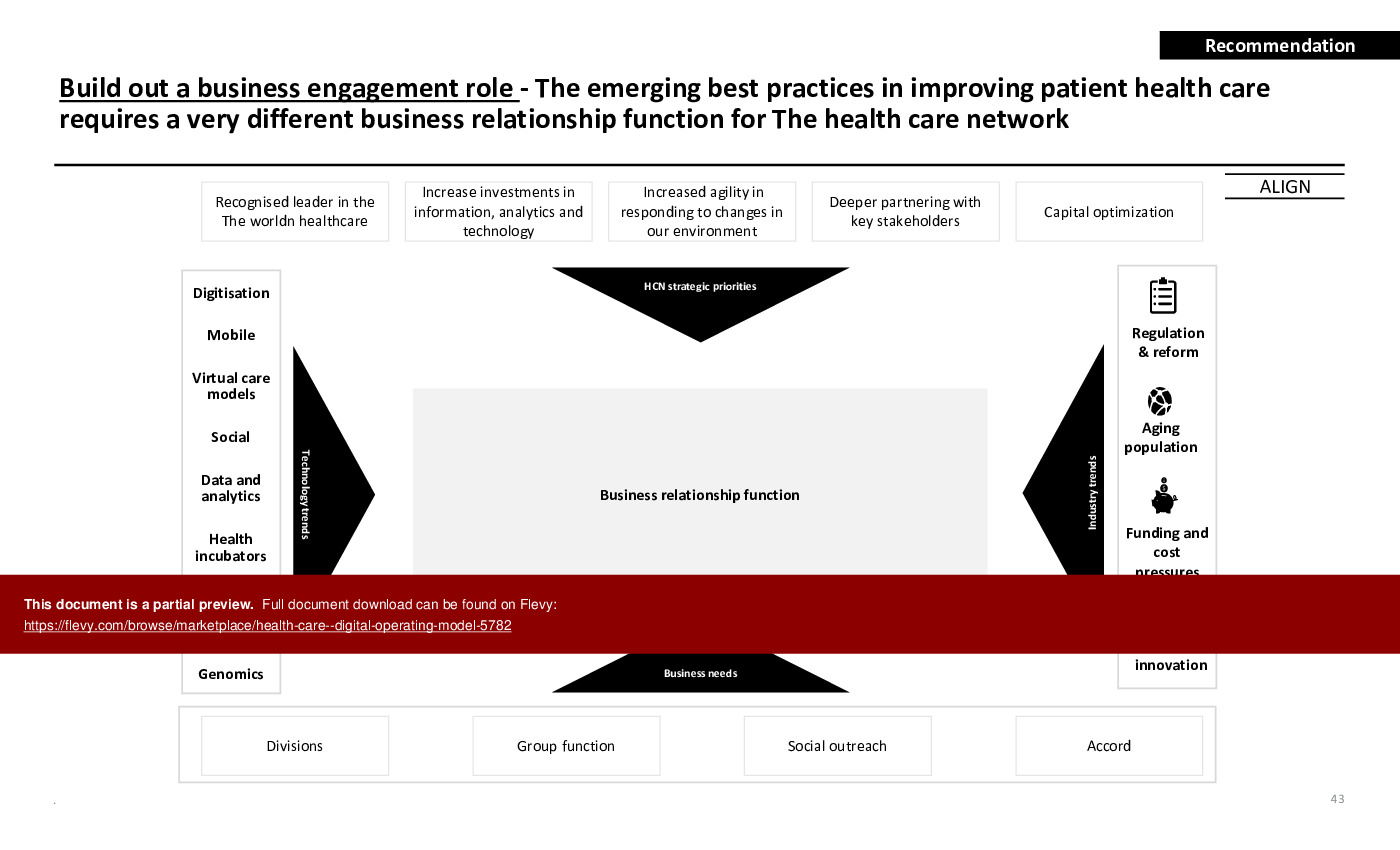
This slide outlines a strategic recommendation for enhancing the business engagement role within the healthcare network. It emphasizes the need for a distinct business relationship function to adapt to evolving patient care demands, aligning with industry trends and organizational priorities. Key strategic priorities include increasing investments in information, analytics, and technology, promoting modernization and data-driven decision-making. Agility in operations is essential for responding to environmental changes. Deeper partnerships with key stakeholders are crucial for collaborative care models. Technological trends impacting healthcare include digitization, mobile solutions, virtual care models, and data analytics, driving innovation and improving patient engagement. Industry trends such as regulation, an aging population, funding pressures, and a focus on innovation create challenges and opportunities for healthcare organizations, necessitating a proactive approach to thrive.
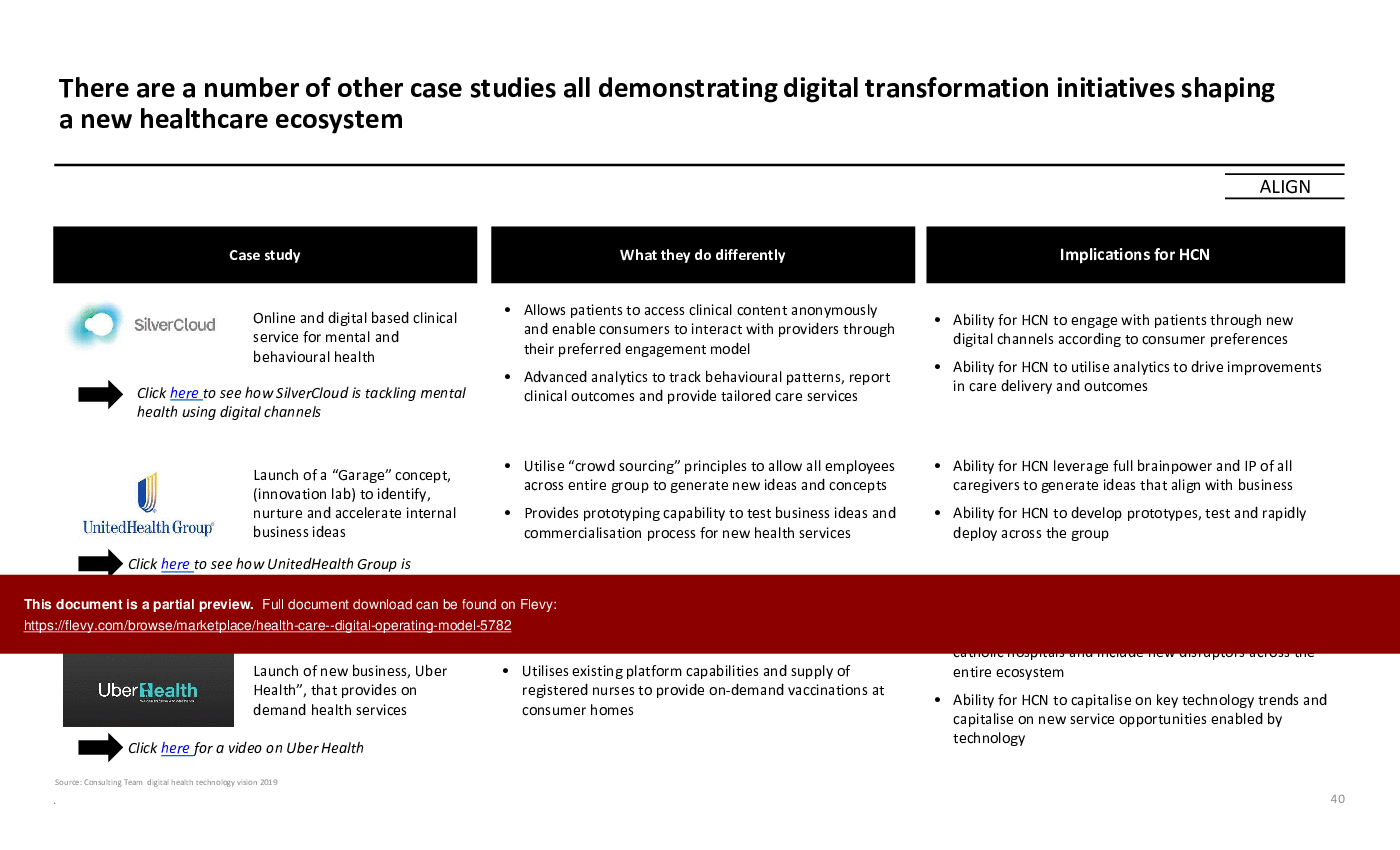
This slide presents case studies of innovative digital transformation in healthcare, featuring SilverCloud, UnitedHealth Group, and Uber Health. SilverCloud provides an online platform for mental and behavioral health services, enabling anonymous access to clinical content and personalized care through advanced analytics. UnitedHealth Group's "Garage" concept serves as an innovation lab that crowdsources ideas from employees, emphasizing prototyping and testing of new health services. Uber Health leverages existing resources to deliver on-demand health services, such as home vaccinations, redefining service delivery methods. These case studies inform Healthcare Network (HCN) strategies for enhancing patient engagement through digital channels and utilizing analytics for improved care outcomes, while adapting to emerging trends in technology and service delivery.
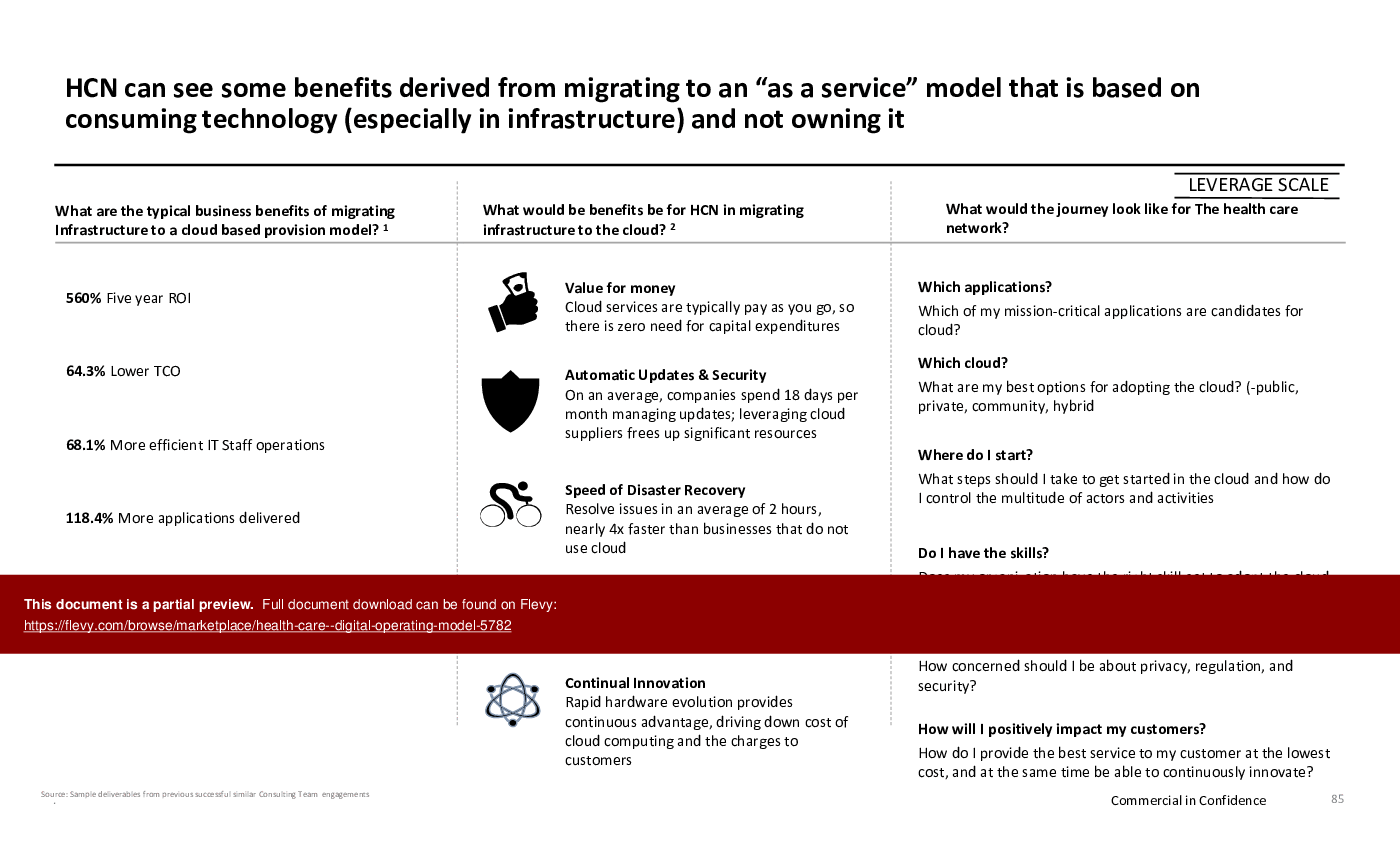
This slide presents a structured framework by HCN for cloud-related decision-making, focusing on key considerations and analysis parameters for cloud strategy assessment. The left side emphasizes evaluating application outlook, including investment, containment, and sunset strategies, crucial for cloud migration eligibility. The central section poses critical questions: "How will I move?" and "How hard will the move be?" highlighting factors like remediation level, integration complexity, and system types (mainframe, mid-range) that influence migration efforts. The right side addresses "Cloud Disposition," categorizing environments (public, community, private) and weighing business benefits against risks and funding. The "Approach" section recommends strategies to maximize ROI while minimizing risk, advocating for a focused approach before scaling to enhance foundational elements and foster innovation.
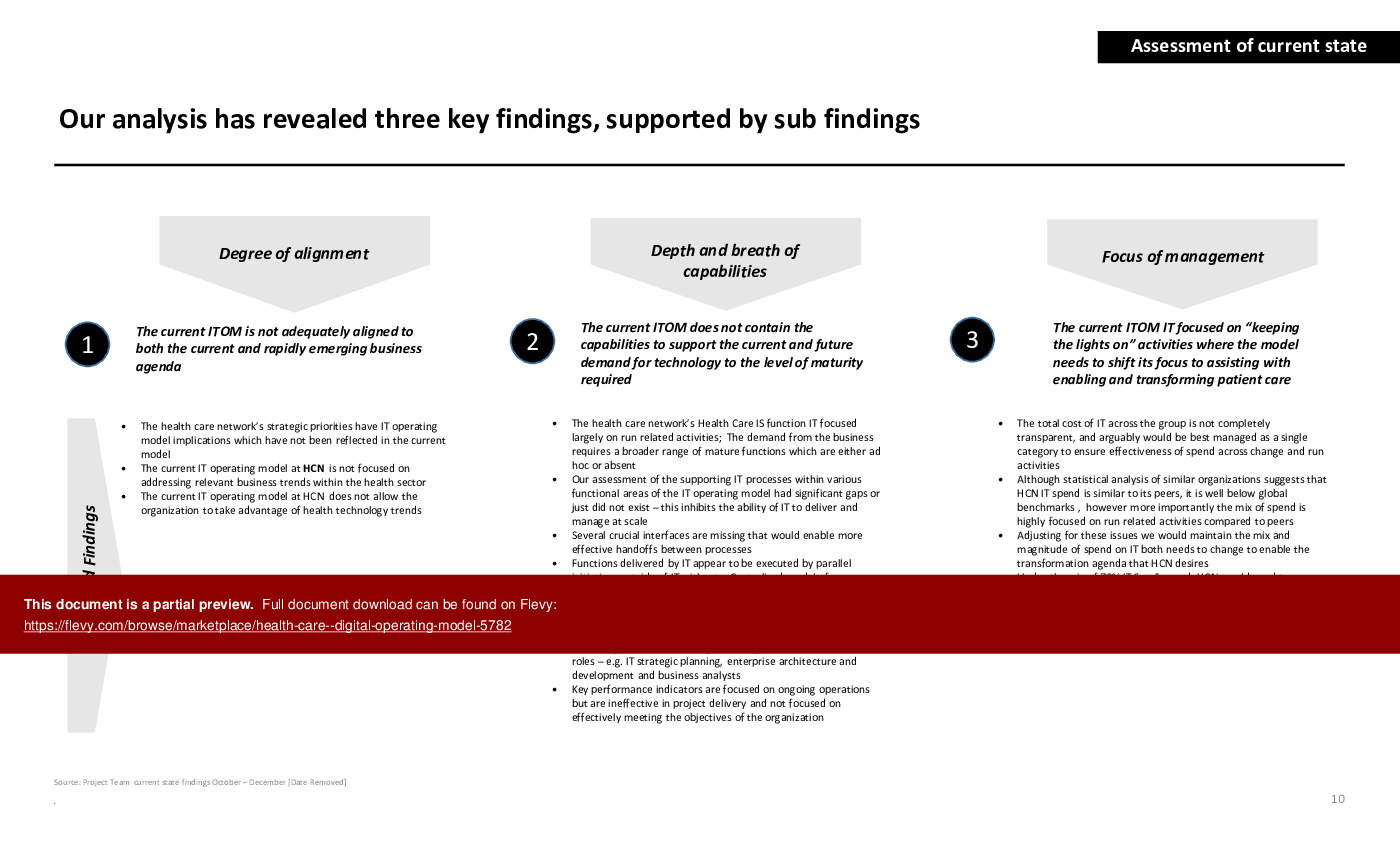
This slide assesses the IT operating model (ITOM) within a healthcare network, highlighting 3 key findings. First, there is a misalignment between the ITOM and the healthcare network's strategic priorities, limiting responsiveness to emerging trends. Second, the current ITOM lacks the capabilities needed to meet future technological demands, as it primarily focuses on run-related activities, which restricts broader functional support. Third, management's focus is on maintaining existing operations rather than enabling transformation and innovation in patient care, indicating a need for increased IT spending and a revised financial strategy to support transformation. These insights underscore the necessity for a comprehensive reevaluation of the IT operating model to align with strategic goals and enhance adaptability in the evolving healthcare landscape.
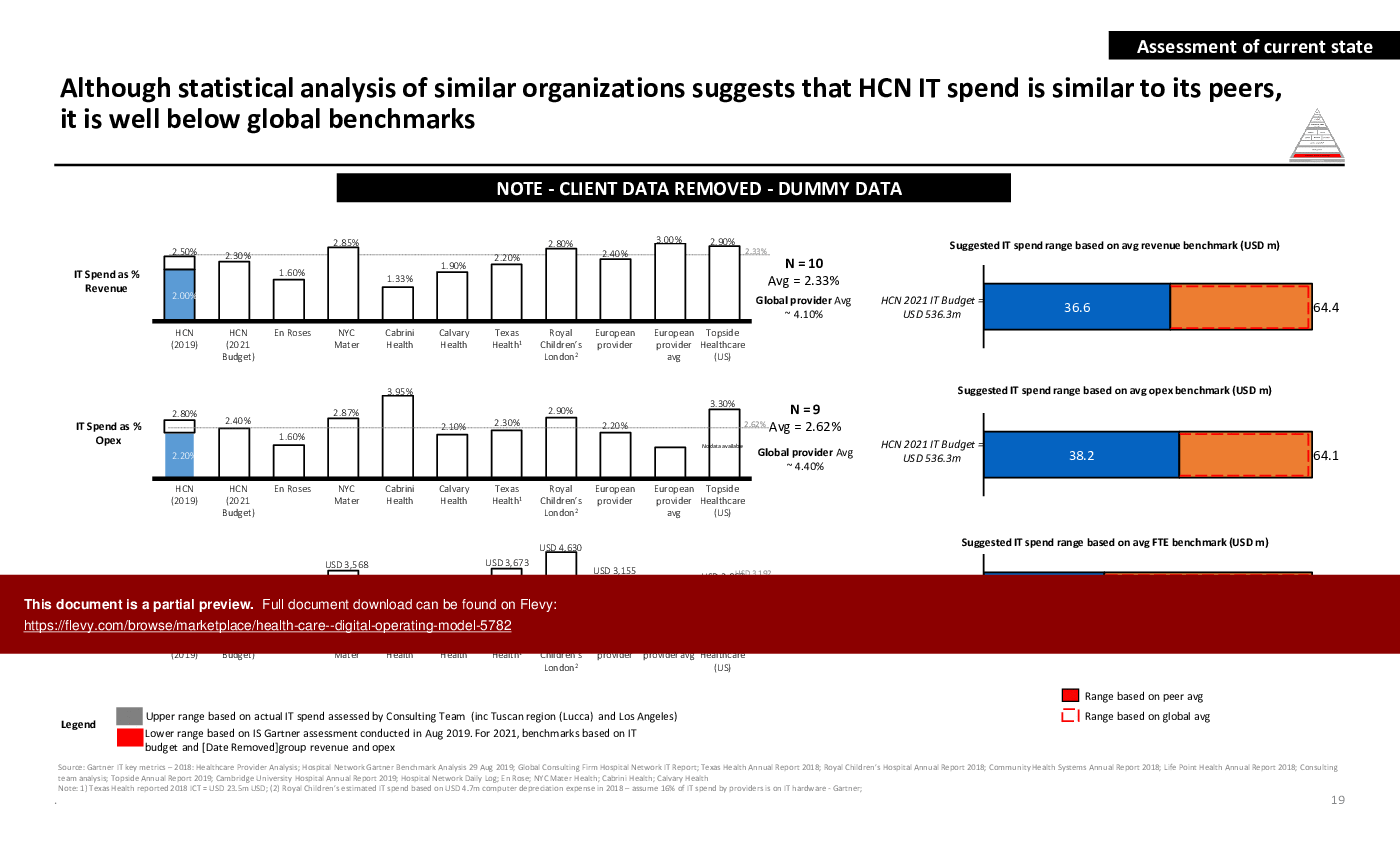
This slide presents a comparative analysis of IT spending in healthcare organizations, focusing on HCN's IT budget relative to peers and global benchmarks. HCN's IT spend as a percentage of revenue is 2.00%, below the averages of 2.33% for peers and 4.10% globally. In terms of operating expenses, HCN's IT spend is 2.20%, compared to a global average of 4.40%. Evaluating IT spending per full-time equivalent (FTE), HCN's budget is USD 2,647, significantly lower than the global average of USD 8,700. Suggested IT spending ranges indicate HCN should aim for USD 36.6 million to USD 39.9 million to meet industry standards. This analysis highlights the need for HCN to reassess its IT investment strategy to enhance operational efficiency.
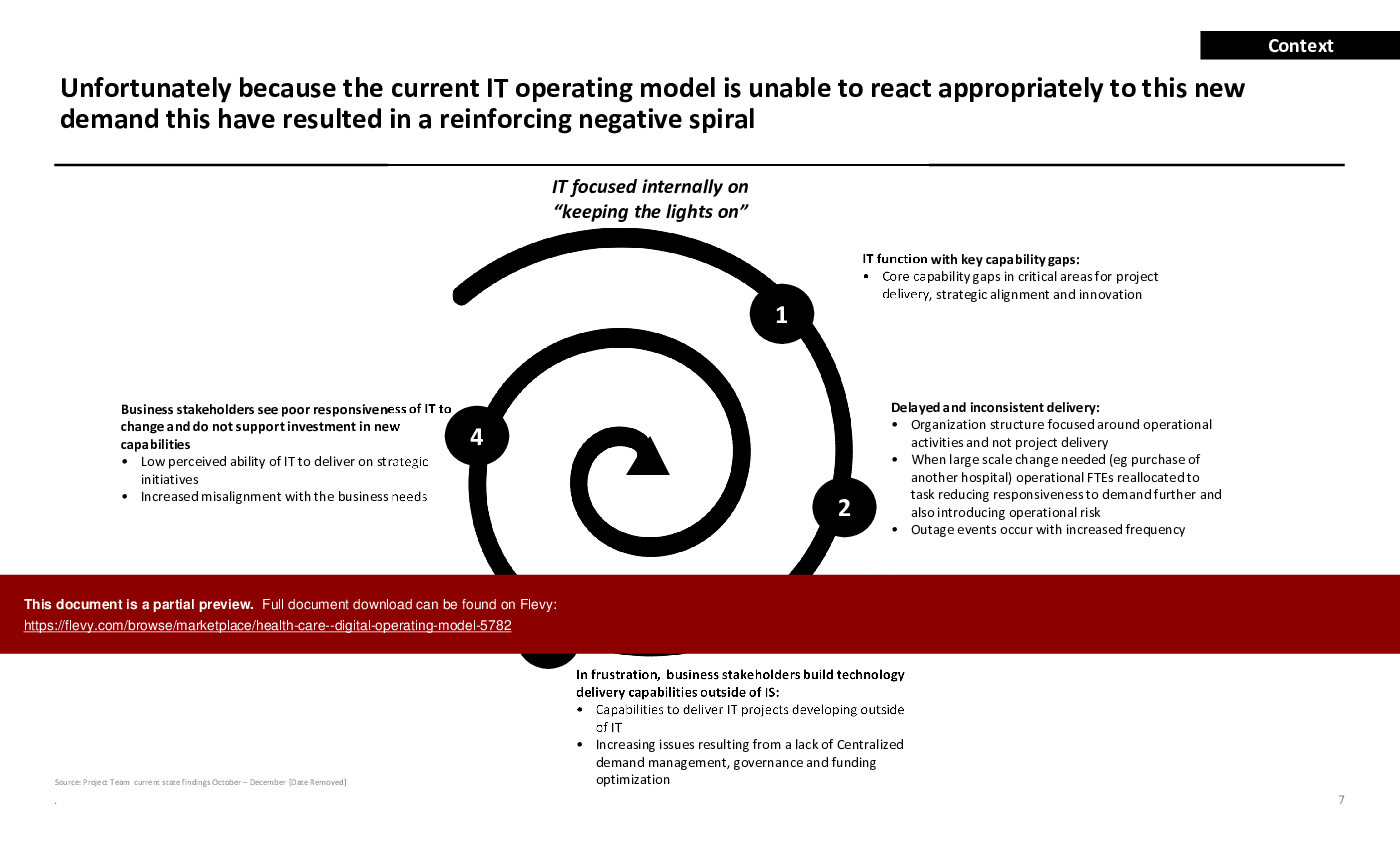
This slide outlines challenges in the IT operating model within healthcare, highlighting its inability to adapt to new demands. A spiral diagram illustrates a negative cycle affecting IT responsiveness and stakeholder perceptions. IT's focus on "keeping the lights on" indicates a reactive approach, leading to capability gaps in project delivery and strategic alignment. Stakeholders perceive IT as unable to meet strategic initiatives, decreasing support for new capabilities. This internal focus results in delayed IT service delivery, with an organizational structure prioritizing operational activities over project delivery. Consequently, operational staff are redirected to immediate tasks, increasing operational risk and outages. Frustrated stakeholders seek delivery capabilities outside IT, indicating a disconnect between IT and business needs. The slide emphasizes the need for a strategic overhaul to break this negative cycle.
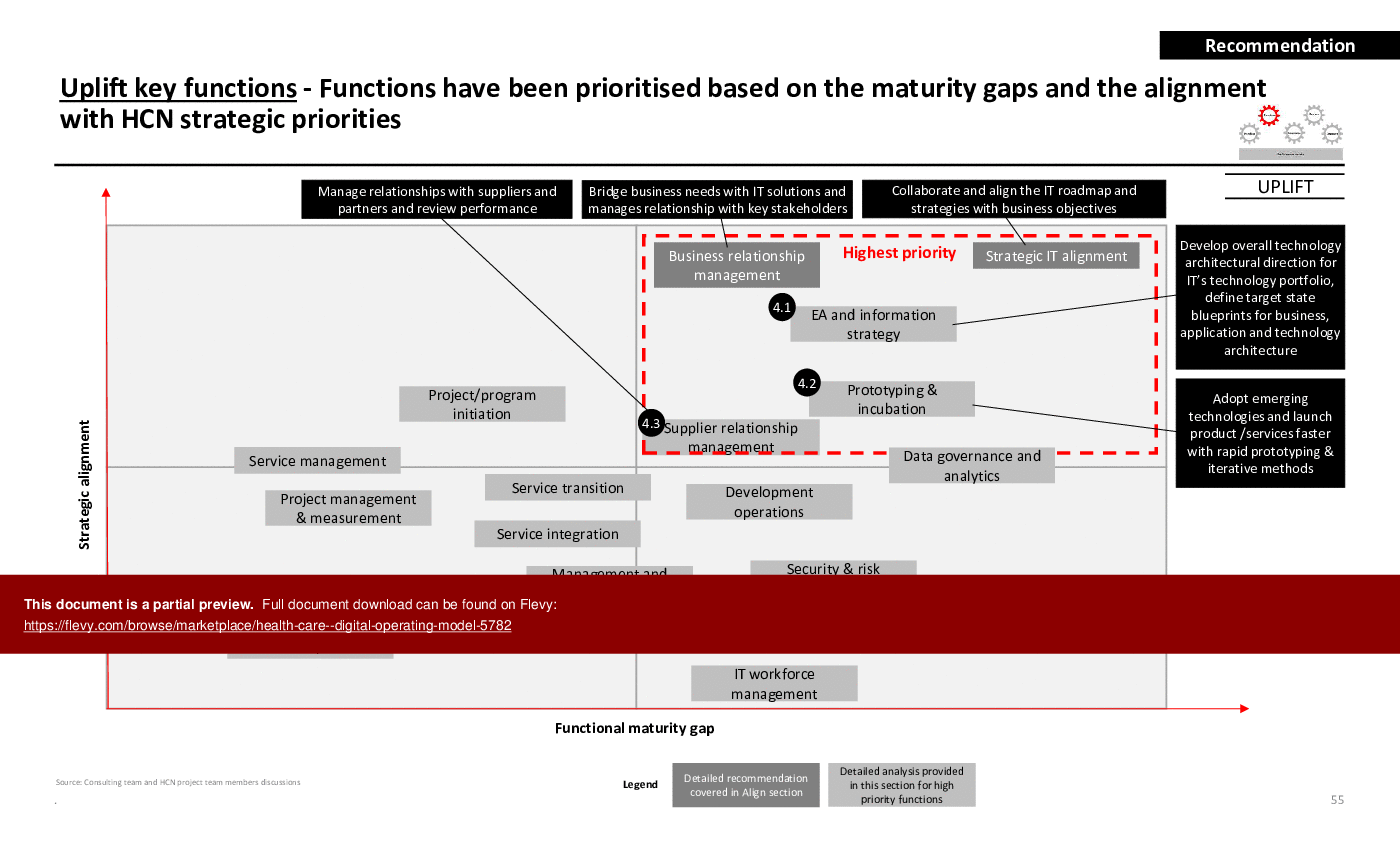
This slide outlines the prioritization of key functions in healthcare, focusing on their alignment with strategic priorities and maturity gaps. It categorizes functions like service management, project management, and technical operations along a vertical axis of strategic alignment and a horizontal axis of maturity levels. Business relationship management is identified as a top priority, bridging business needs and IT solutions, with sub-functions including enterprise architecture and information strategy. Managing supplier relationships is emphasized as vital for achieving strategic goals. Other functions such as data governance, security and risk management, and IT workforce management contribute to operational effectiveness. Recommendations include developing a clear technology architectural direction and adopting emerging technologies to enhance agility and responsiveness in service delivery.
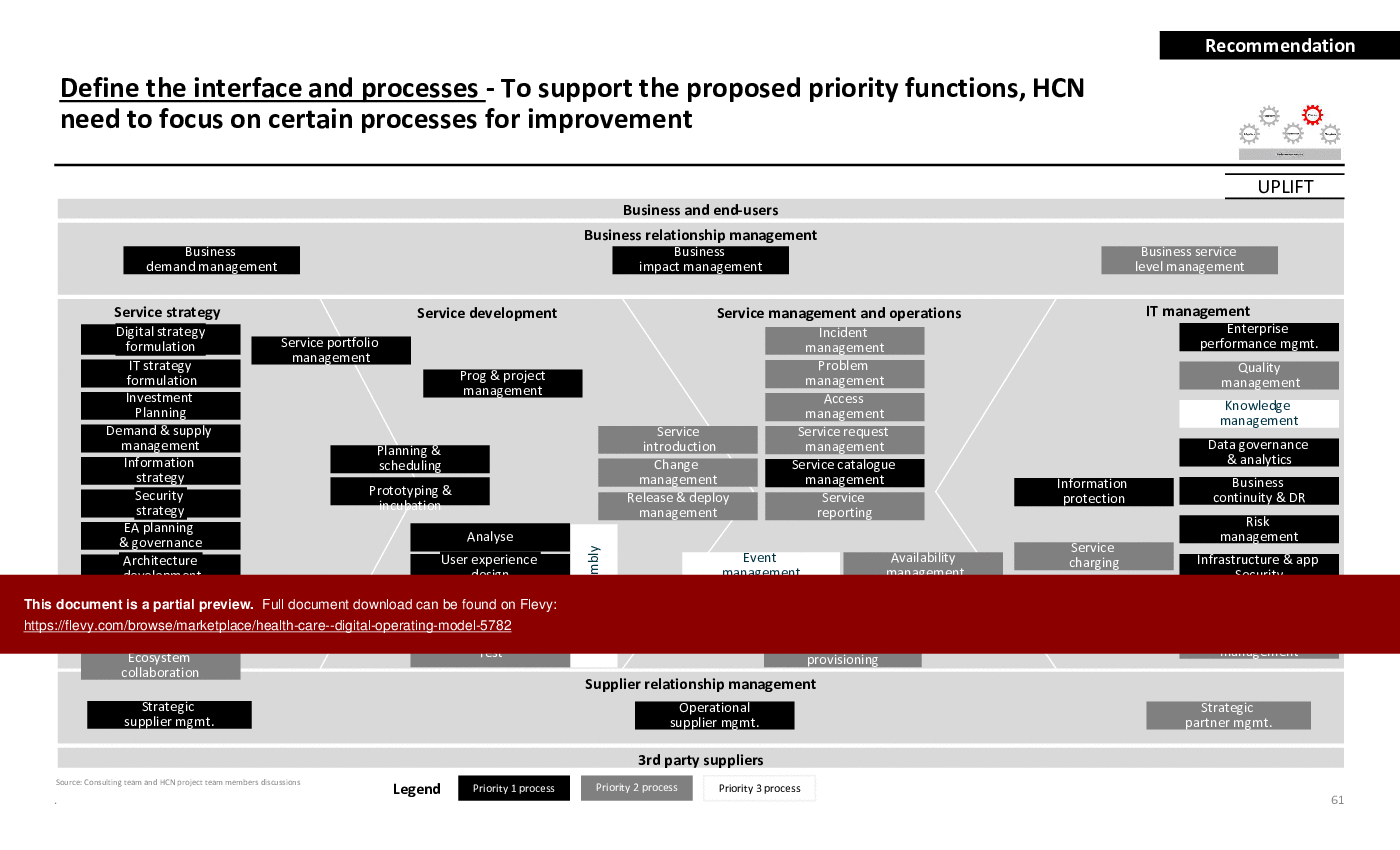
This slide outlines a framework for enhancing operational processes within a healthcare network (HCN). Key areas include Service Strategy, Service Development, Service Management and Operations, and IT Management.
In Service Strategy, Digital Strategy Formulation and IT Strategy Formulation align technology initiatives with business goals, while Investment Planning and Demand & Supply Management focus on resource allocation.
Service Development emphasizes Service Portfolio Management, Planning & Scheduling, and Prototyping & Installation for effective service offerings.
Service Management and Operations include Incident Management and Service Request Management to maintain operational efficiency.
IT Management covers Knowledge Management and Data Governance, ensuring effective information utilization and protection, alongside Enterprise Performance Management and Risk Management to maintain a robust operational framework.
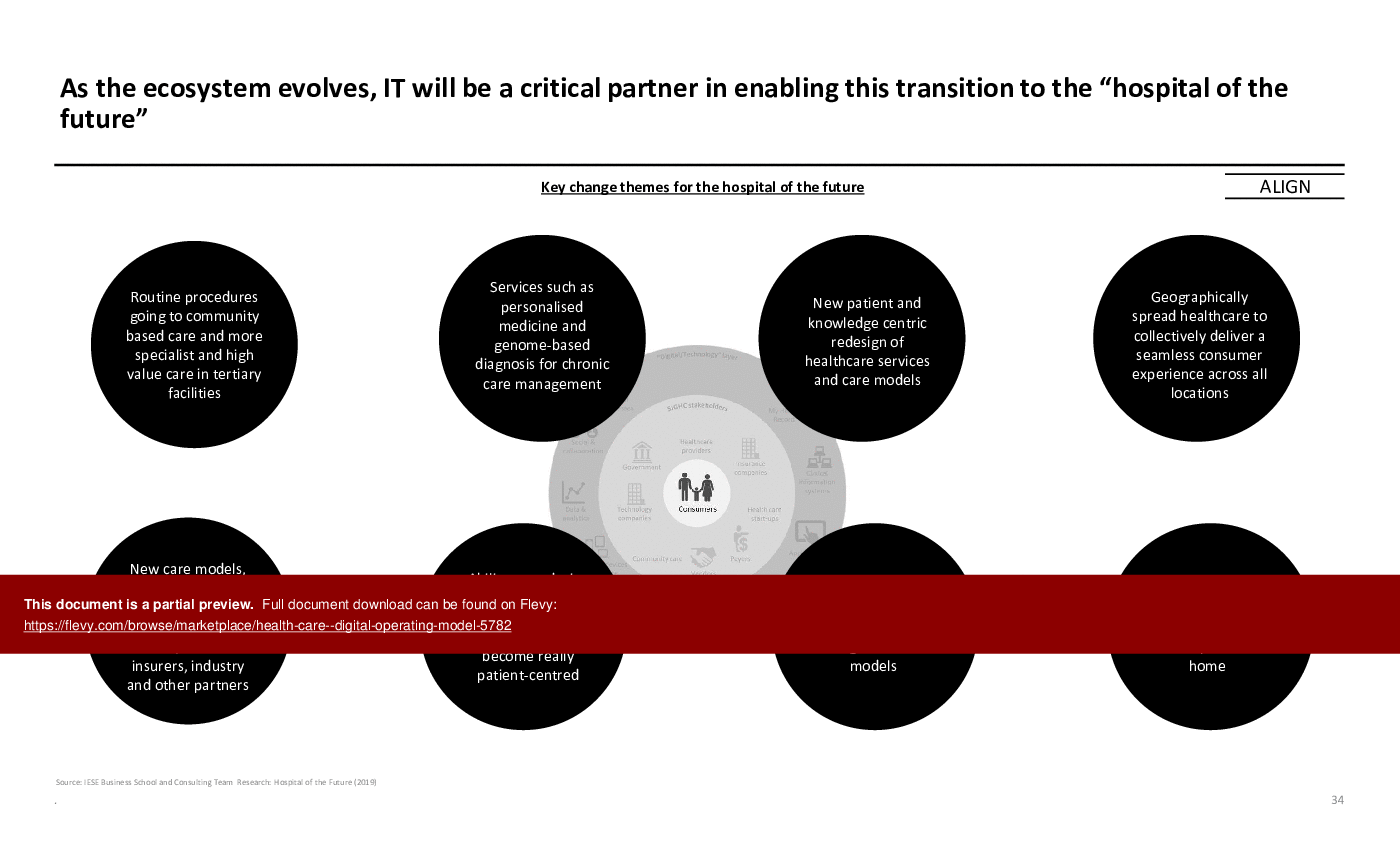
The slide outlines critical transformations in the healthcare ecosystem, focusing on the "hospital of the future." Key themes include a shift towards community-based care for routine procedures, indicating decentralization of healthcare delivery for specialized, high-value care. Emerging care models integrate funding and delivery systems through collaborations among insurers and industry stakeholders, promoting innovative healthcare solutions. Personalized medicine and genome-based diagnostics are essential for chronic care management, emphasizing tailored healthcare. The redesign of service experiences prioritizes patient-centered approaches, aligning delivery with patient preferences. Geographically spreading healthcare services enhances accessibility and convenience. The concept of connected hospitals integrates virtual and physical care models, improving patient outcomes and continuity of care. This perspective highlights the need for strategic alignment and technological integration in healthcare transformation.
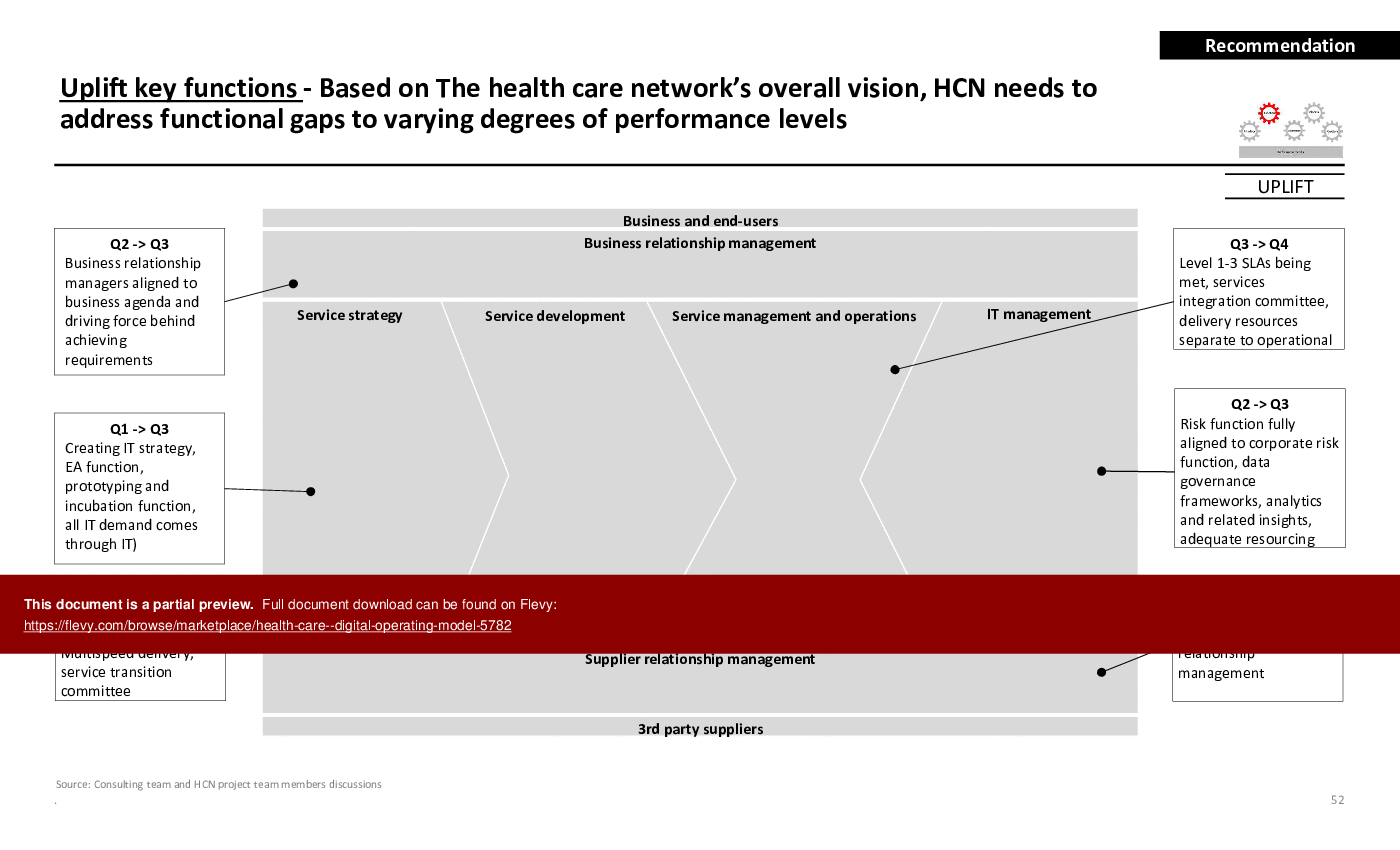
The Health Care Network (HCN) must enhance key functions to align with its vision, addressing functional gaps across performance levels. Key categories include service strategy, service development, service management and operations, IT management, and supplier relationship management, each with specific performance improvement recommendations. In service strategy, business relationship managers should align with the business agenda to influence IT strategy. IT management focuses on meeting service level agreements (SLAs) and forming a services integration committee for governance and resource allocation. Risk management should align with corporate risk functions for effective data governance and actionable insights. A service transition committee is essential for structured service delivery changes, providing a roadmap for HCN to uplift operational capabilities and prioritize initiatives that enhance performance and strategic alignment.
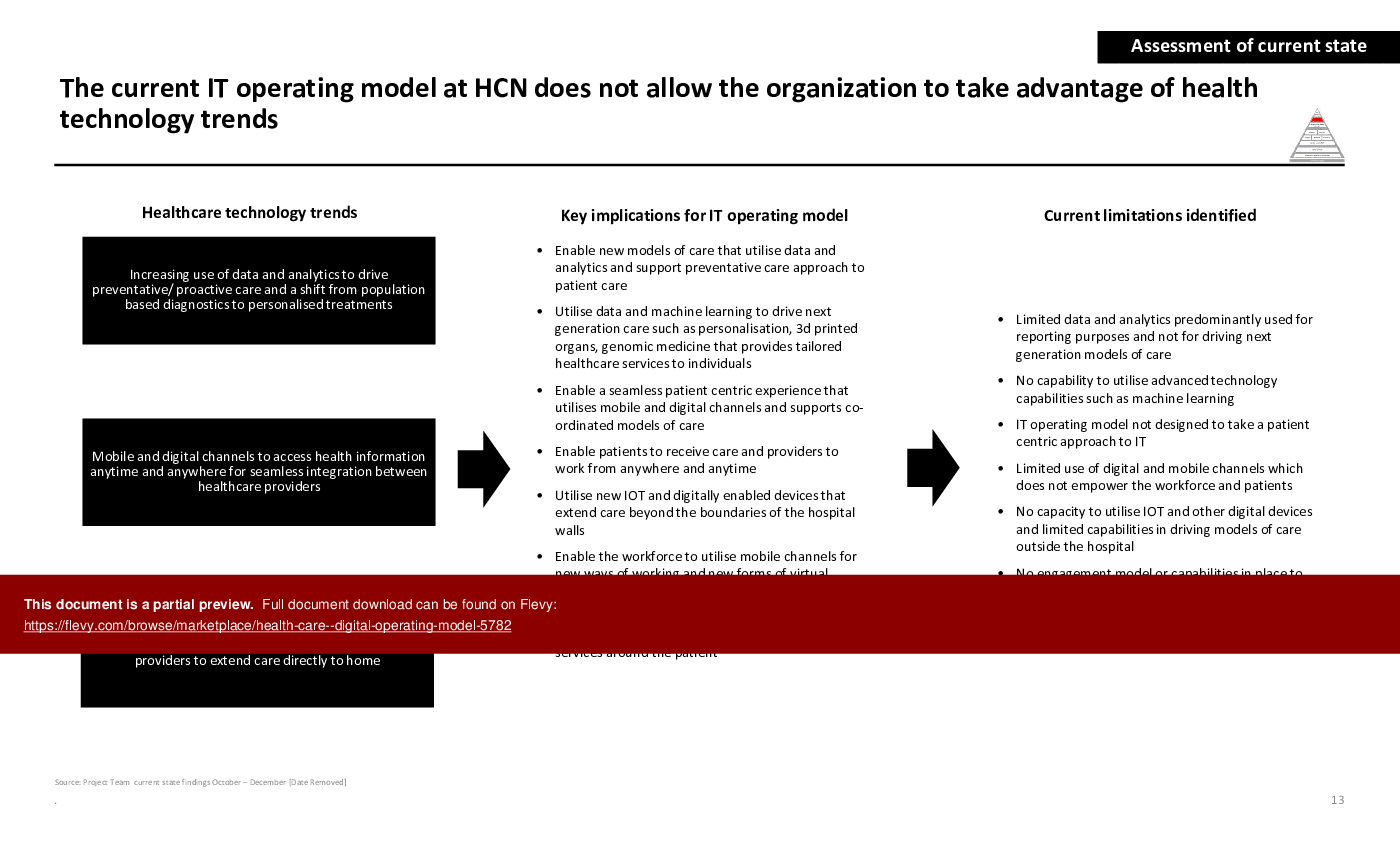
This slide assesses the IT operating model at HCN, identifying inadequacies in leveraging healthcare technology trends. Key trends include the reliance on data analytics for personalized treatment, the use of mobile and digital channels for healthcare access, and cloud-enabled care models extending services to patients' homes. The model must integrate machine learning and advanced technologies to enhance patient care and support a patient-centric experience. Current limitations include using data primarily for reporting, a lack of machine learning capabilities, and insufficient digital channel adoption, which restricts workforce empowerment and patient engagement. An effective engagement model is essential for creating a partner ecosystem vital for modern healthcare delivery. This analysis calls for HCN to evolve its IT operating model to meet contemporary healthcare demands.
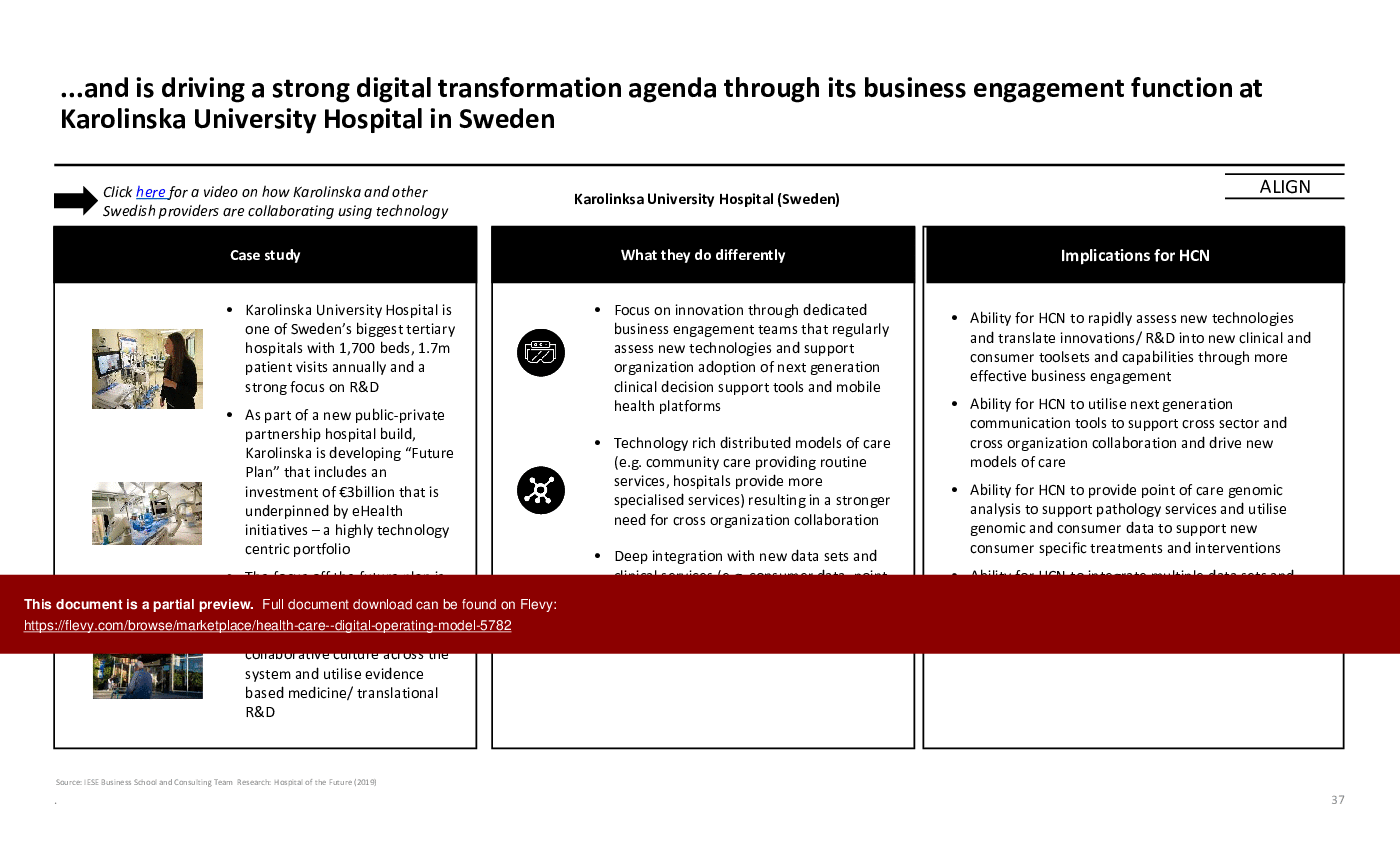
Karolinska University Hospital in Sweden is undergoing significant digital transformation through a €3 billion investment in eHealth initiatives, enhancing technology integration in healthcare. The "Future Plan" emphasizes innovation via dedicated business engagement teams that evaluate new technologies and adopt advanced clinical decision support tools and mobile health platforms. Karolinska implements technology-rich distributed care models, allowing community care providers to manage routine services while hospitals focus on specialized care, fostering collaboration and integrated healthcare solutions. The hospital's swift assessment of innovations enhances service offerings, while next-generation communication tools improve sector collaboration. Focus on genomic analysis at the point of care supports personalized treatment, and the integration of diverse data sets with advanced analytics bolsters preventative care strategies, ultimately improving patient outcomes.
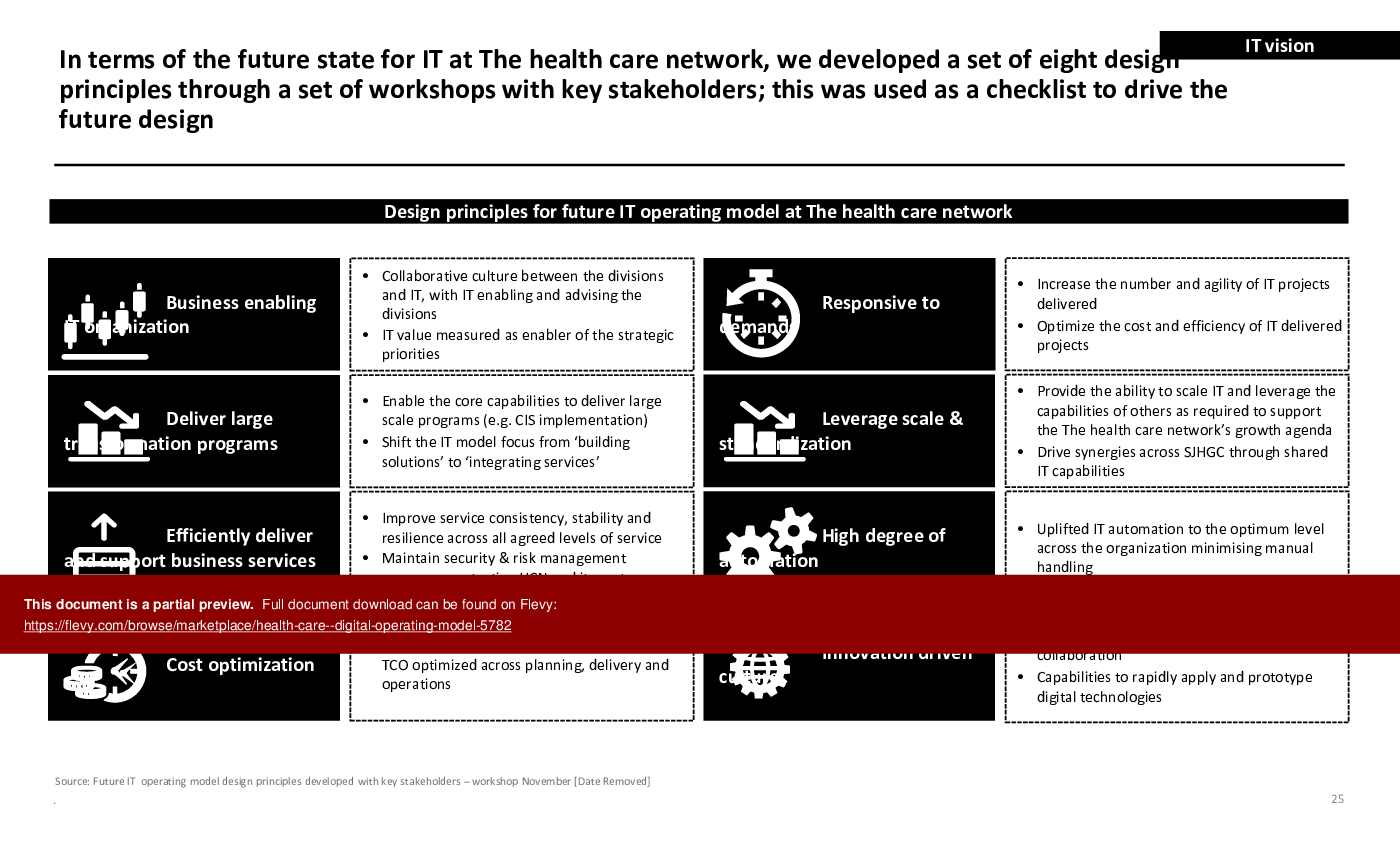
This slide outlines design principles for shaping the IT operating model in healthcare networks. The "Business enabling organization" principle emphasizes a culture of collaboration and measuring IT's value against strategic priorities. "Deliver large transformation programs" focuses on enhancing core capabilities for managing significant initiatives, shifting from building IT solutions to integrating services for better project outcomes. Efficient delivery of business services requires consistency, resilience, and robust security and risk management. Cost optimization aims to improve transparency in IT costs, optimizing total cost of ownership (TCO) during planning and execution. Additional principles include responsiveness to demand, leveraging scale and standardization, achieving high automation, and fostering an innovation-driven culture to enhance IT agility and efficiency, supporting the healthcare network's growth and strategic objectives.
This slide presents 2 outsourcing options for application maintenance and infrastructure management. The first option, "Application maintenance and infrastructure outsourcing," emphasizes low outsourcing levels, focusing on foundational functions like business relationship management and operational business relationship management. The second option, "Application development outsourcing," offers a comprehensive approach, including development operations and project management. This option indicates a higher level of outsourcing engagement with external partners. Each option is detailed with specific functions and numerical representations of outsourcing levels, highlighting critical areas such as security and risk management, IT finance, and management control. Organizations can evaluate their needs against these distinct outsourcing strategies to inform decision-making.
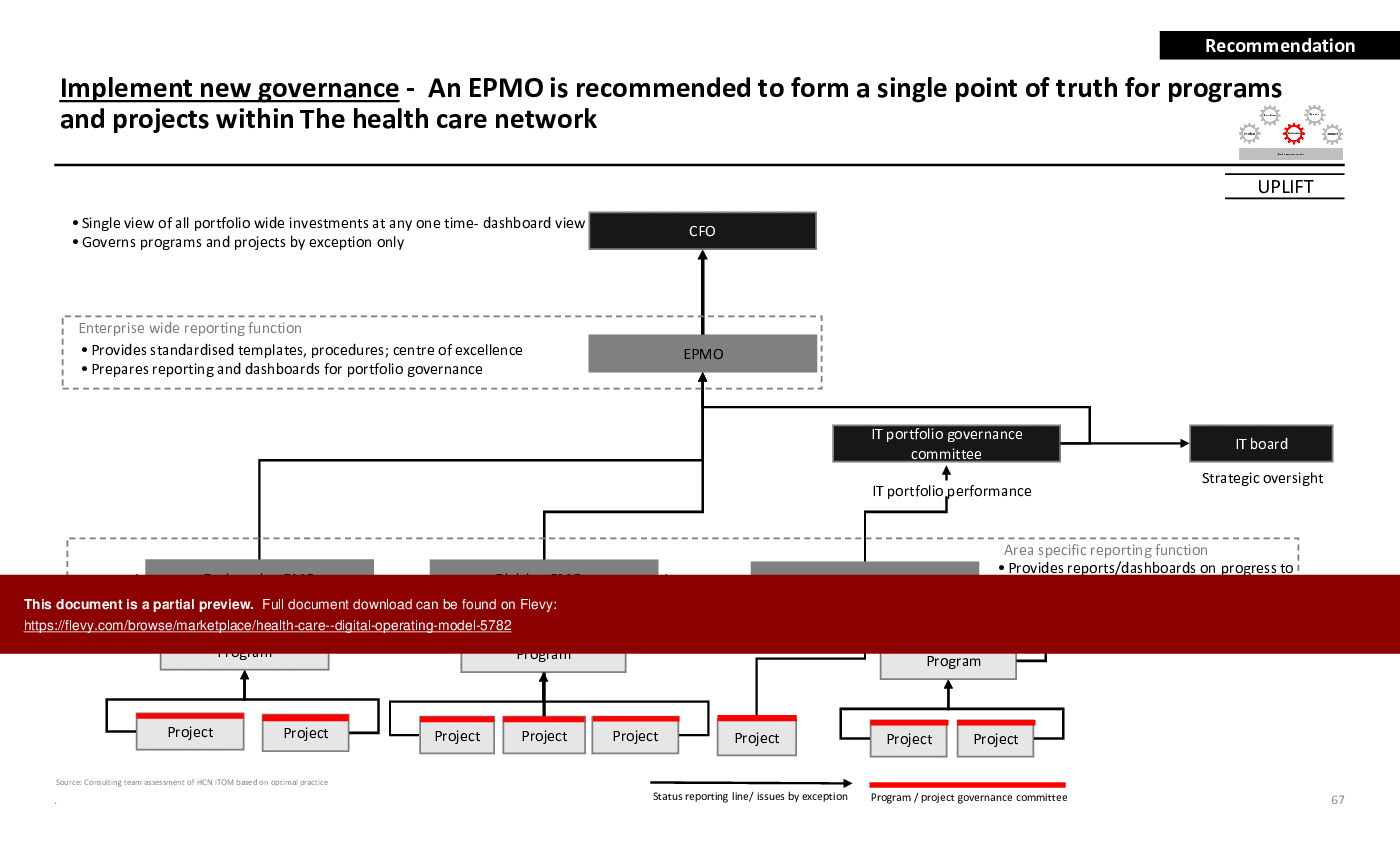
The slide outlines a governance structure for managing programs and projects within a healthcare network, focusing on the establishment of an Enterprise Project Management Office (EPMO). The EPMO serves as a central entity, providing a comprehensive view of portfolio-wide investments through a dashboard interface and governing programs by exception. It coordinates with the Chief Financial Officer (CFO) and the IT board for strategic oversight, streamlining reporting and enhancing decision-making processes. An enterprise-wide reporting function standardizes templates and procedures, creating a center of excellence for portfolio governance. This function ensures transparency and accountability, while area-specific reporting tracks progress and liaises with the EPMO to adhere to best practices. The diagram illustrates the flow of information, showing how various PMOs report to the EPMO, enhancing collaboration and aligning programs with strategic objectives. This governance model aims to reduce complexity and improve project management efficiency across the organization.
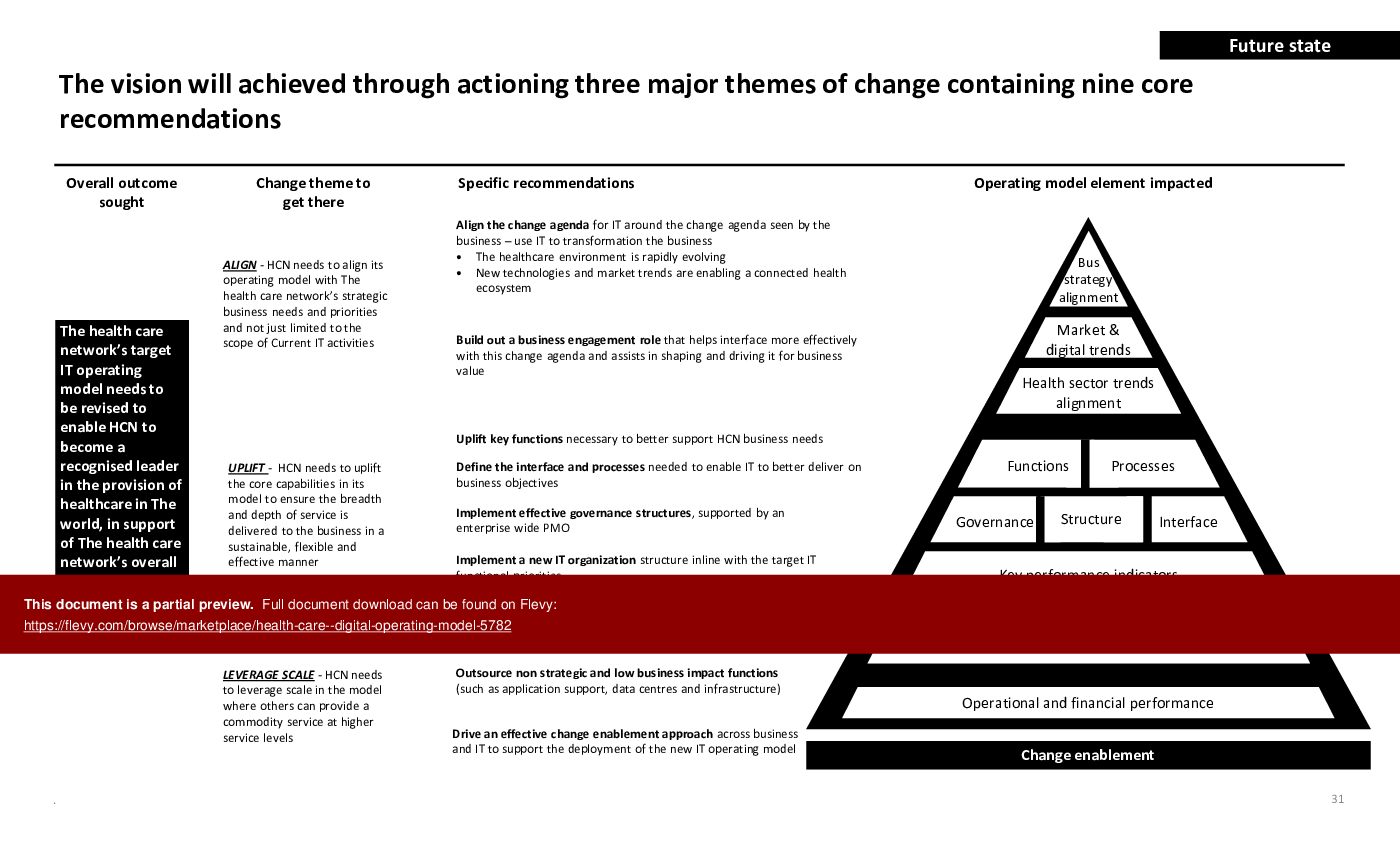
The slide outlines a strategic vision for the healthcare network (HCN) to enhance its IT operating model, focusing on 3 themes: "Align," "Uplift," and "Leverage Scale." "Align" ensures the IT agenda syncs with business objectives, leveraging new technologies to create a connected health ecosystem. "Uplift" emphasizes enhancing core capabilities for sustainable service delivery, recommending the definition of interfaces and processes to align IT with business needs. "Leverage Scale" suggests optimizing operations by outsourcing non-core functions like application support and infrastructure management. These themes impact the operating model, emphasizing alignment with business strategy and market trends, while detailing governance, processes, and key performance indicators.
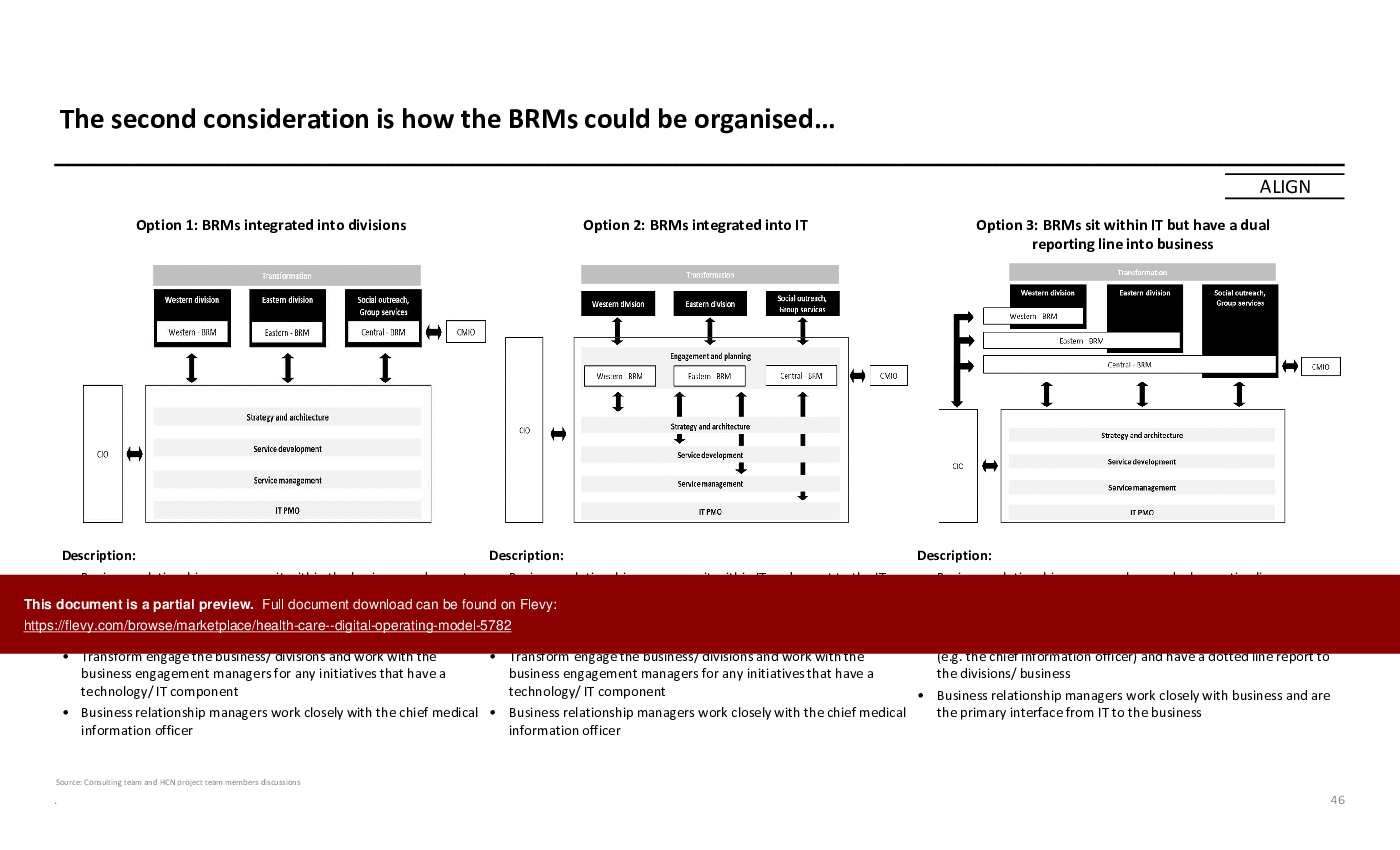
This slide outlines 3 organizational structures for Business Relationship Managers (BRMs) in healthcare.
Option 1 integrates BRMs into divisions, reporting to divisional leads, enhancing collaboration with IT and aligning with business needs.
Option 2 positions BRMs within the IT department under the Chief Information Officer (CIO), bridging technology and business requirements to improve service development.
Option 3 proposes a hybrid model with dual reporting lines to both IT and business divisions, balancing IT needs with business objectives and improving customer satisfaction and service delivery.
Organizations should evaluate these structures based on their specific needs and strategic goals.
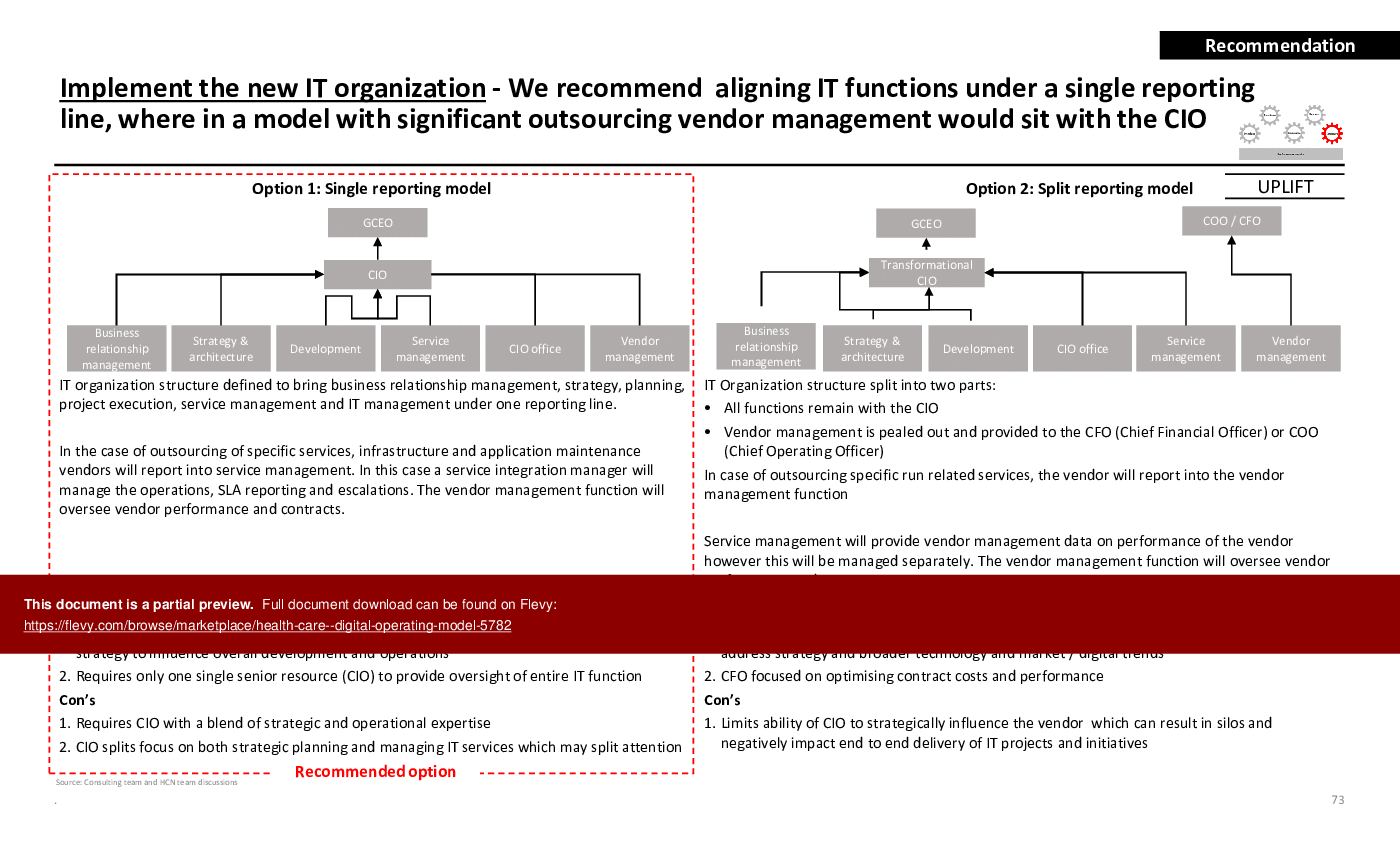
This slide presents 2 organizational models for IT functions in healthcare: a single reporting model and a split reporting model.
The single reporting model has all IT functions, including business relationship management, strategy and architecture, development, service management, and vendor management, report to the Chief Information Officer (CIO). This structure enhances operational efficiency by aligning IT strategy with development and service management. However, it places a significant burden on the CIO.
The split reporting model separates vendor management from the CIO, assigning it to the Chief Financial Officer (CFO) or Chief Operating Officer (COO). This allows the CIO to focus on strategic initiatives while the CFO manages vendor performance and cost optimization. The downside is potential misalignment between IT strategy and vendor management, which could hinder operational effectiveness.
Organizational structure plays a critical role in optimizing IT functions and vendor management in healthcare.
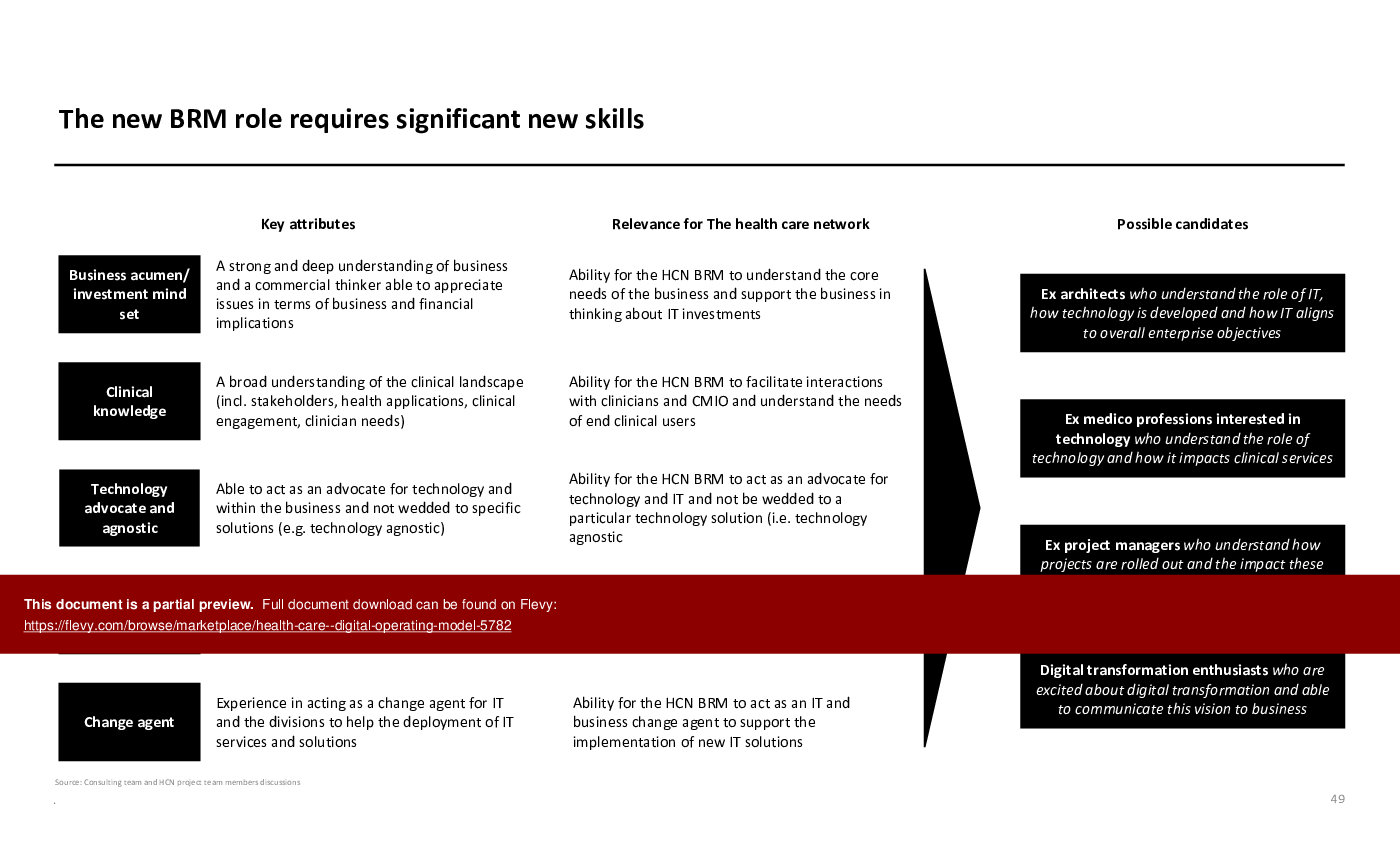
The evolving role of Business Relationship Managers (BRMs) in healthcare requires new skills across 5 key attributes: business acumen/investment mindset, clinical knowledge, technology advocacy, understanding of technology usage/management, and change agent experience. Strong business acumen enables BRMs to understand financial implications and advocate for IT investments, while clinical knowledge facilitates communication between clinicians and IT to meet end-user needs. Potential BRM candidates include architects, medical professionals, project managers, and digital transformation enthusiasts, providing diverse perspectives essential for navigating complex clinical and technological landscapes. As healthcare complexity increases, BRMs must adapt their skill sets to effectively integrate technology and business strategies, enhancing organizational performance and patient care.
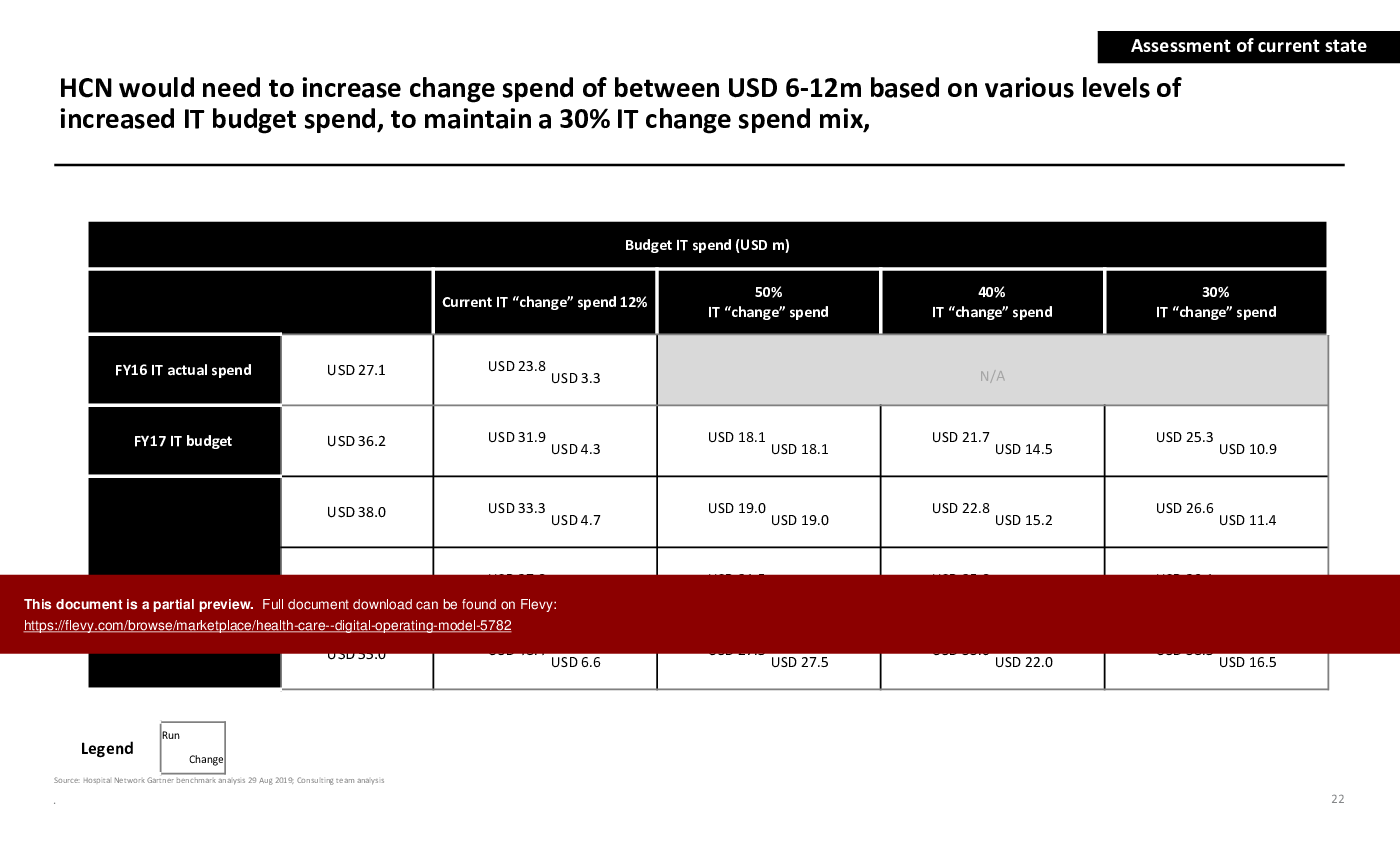
This slide analyzes HCN's IT budget, detailing actual spending for fiscal year 2016 at USD 27.1 million, with a change spend of USD 3.3 million (12% of total). The proposed FY17 budget is USD 36.2 million, with a change spend of USD 4.3 million, indicating a slight increase, but falling short of the desired spending mix. The suggested IT budget range is USD 43 million to USD 55 million to maintain a 30% change spend mix. For a 30% allocation, HCN needs USD 25.3 million for change, significantly higher than current levels. The analysis highlights a financial gap of USD 6 million to USD 12 million needed to align with strategic IT objectives.
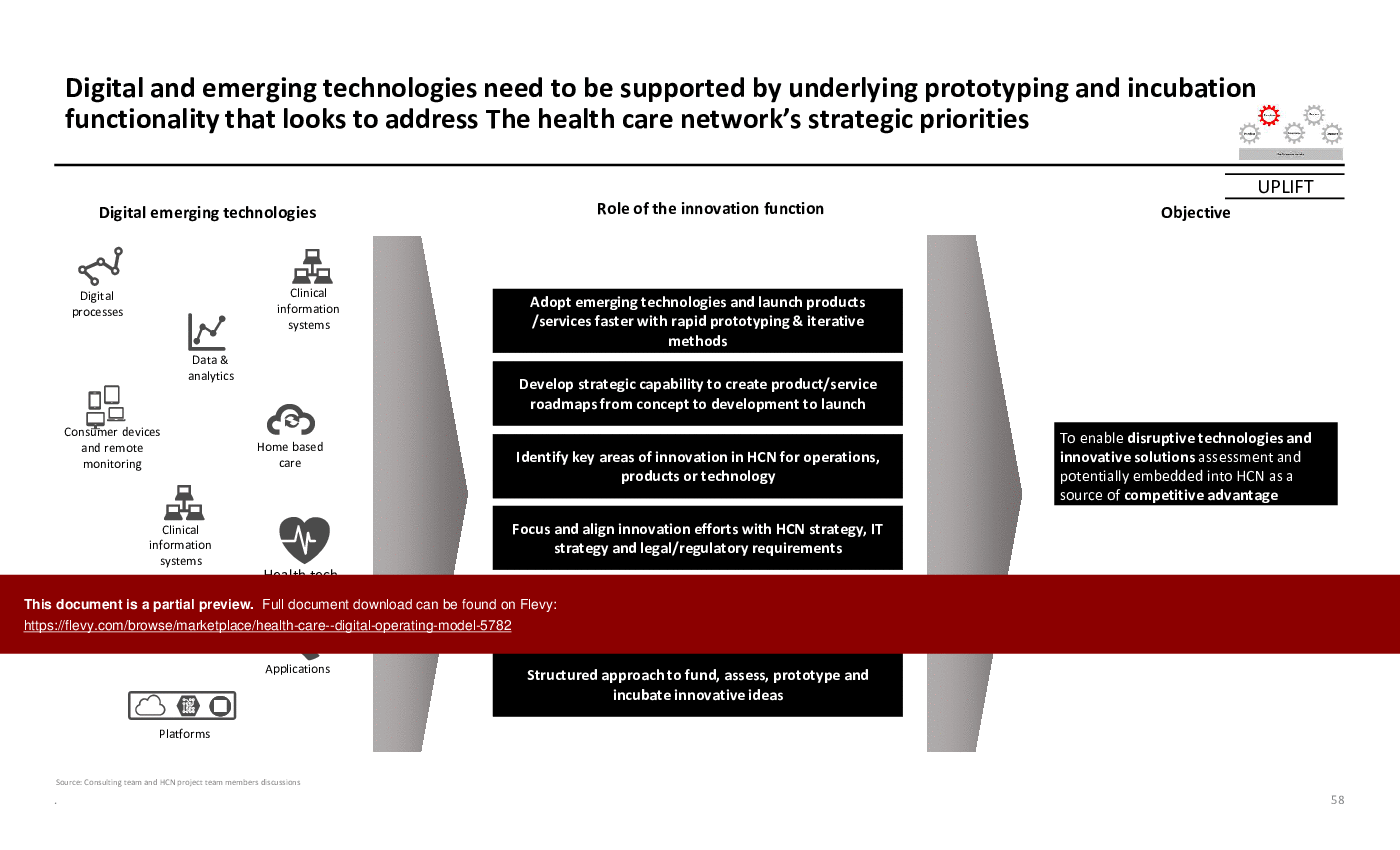
Innovation is critical in supporting digital and emerging technologies within healthcare networks (HCNs). A robust prototyping and incubation framework must align with HCN strategic priorities. Key technologies include digital processes, clinical information systems, data analytics, consumer devices, and health tech, necessitating a comprehensive integration approach. Objectives for innovation encompass adopting emerging technologies and launching products rapidly through prototyping and iterative methods, essential for competitiveness in a fast-evolving market. Developing strategic capabilities for product and service roadmaps from concept to launch is vital. Identifying key innovation areas within HCN operations and aligning efforts with HCN strategy, IT strategy, and legal requirements ensures compliance and strategic coherence. Driving innovation through effective people, processes, and partnerships, alongside structured funding and assessment, positions HCNs to leverage disruptive technologies as a core strategic component.
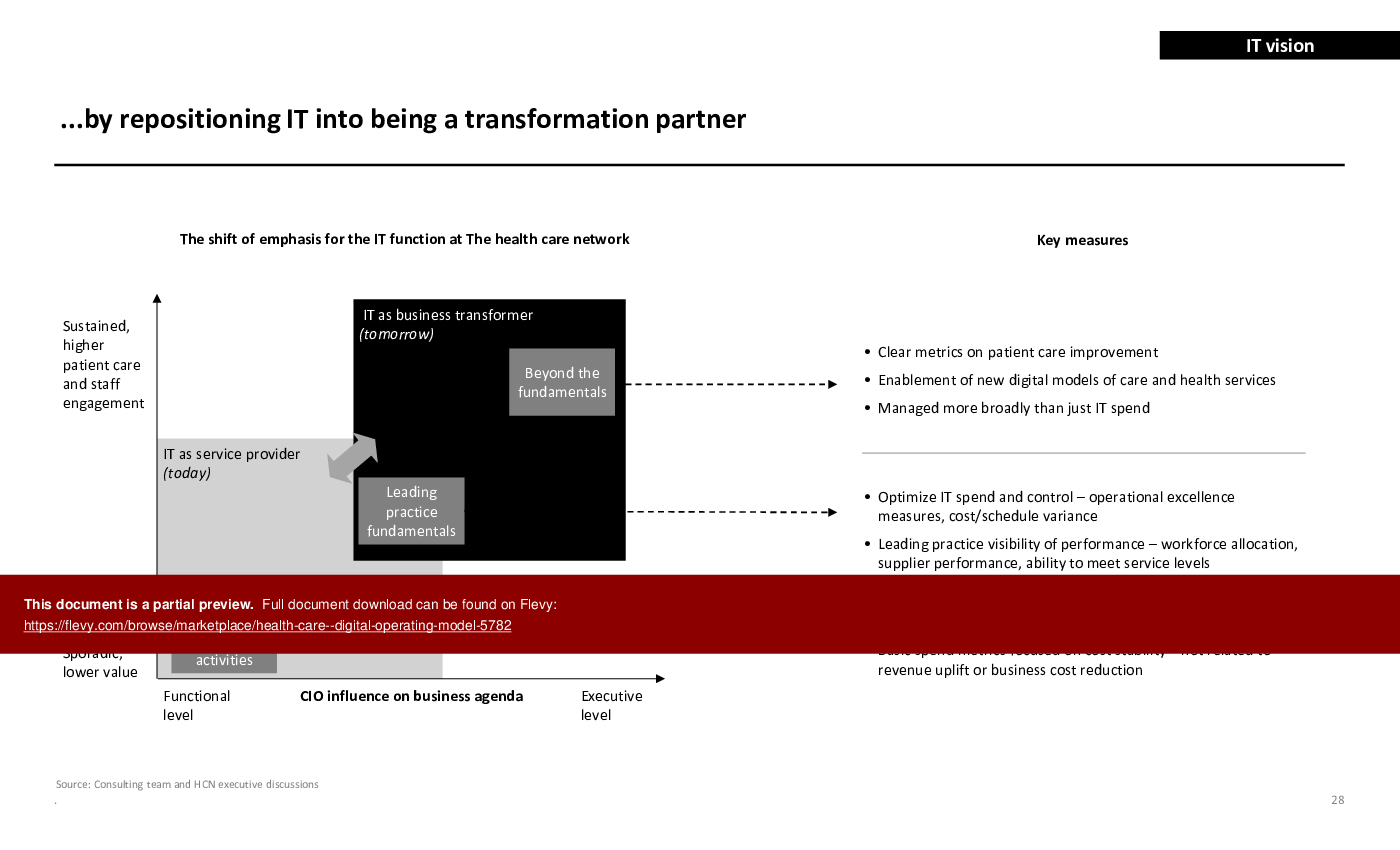
This slide outlines a strategic vision for the IT function within a healthcare network, emphasizing the transition from a service provider to a business transformer. The vertical axis focuses on sustained patient care and staff engagement, while the horizontal axis represents varying levels of value from IT activities, from sporadic to integrated approaches. Key measures for success include clear metrics for patient care improvement and managing IT spend for operational excellence. The slide distinguishes operational levels from functional to executive, highlighting the need for CIOs to influence broader strategic goals. Specific measures supporting this vision include optimizing IT spending, ensuring visibility of performance metrics, and maintaining IT service availability and stability. This holistic approach aligns IT management with overall business objectives to enhance operational effectiveness and improve patient outcomes.
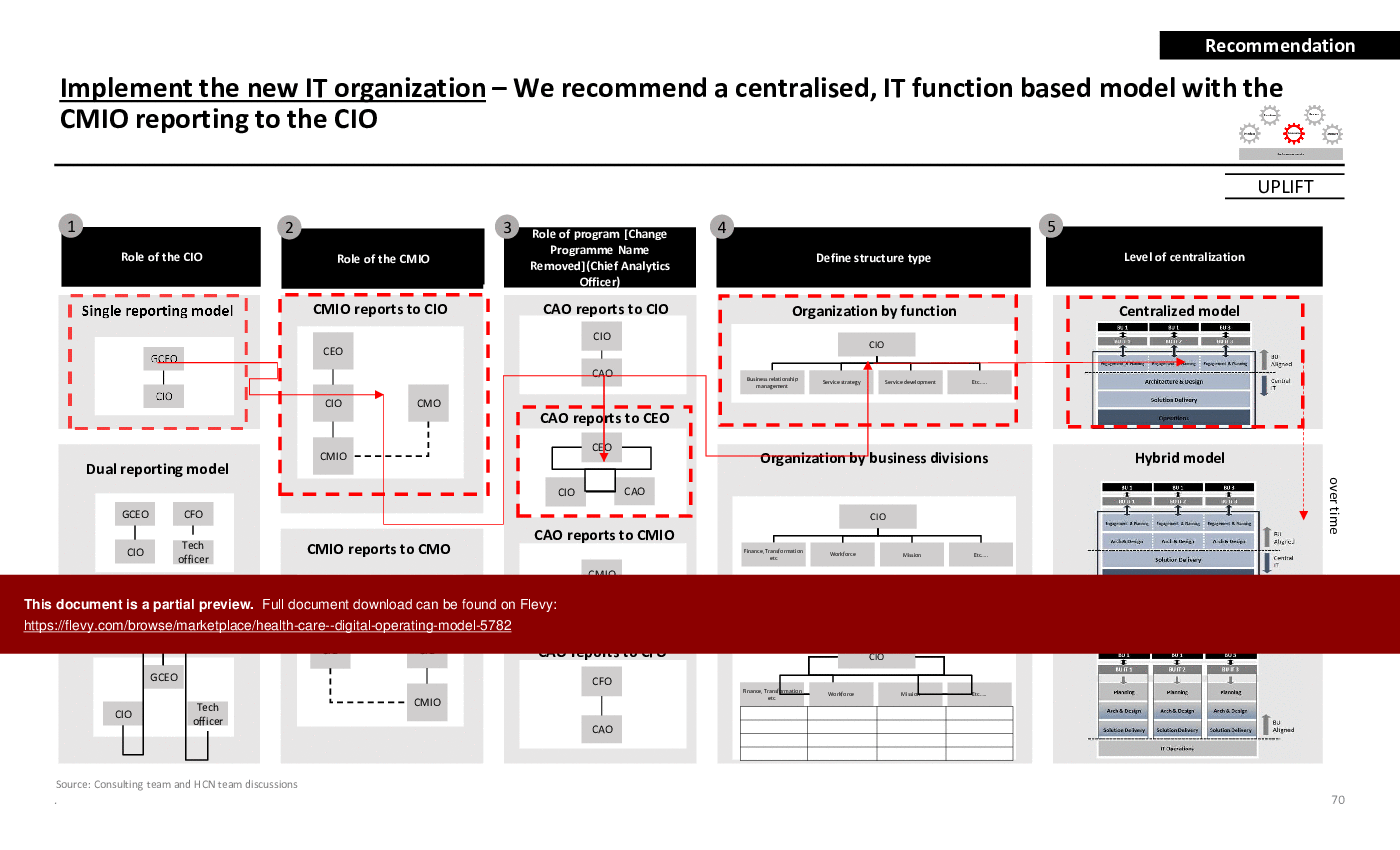
This slide outlines a strategic recommendation for restructuring IT organizations in healthcare, advocating for a centralized IT function model. The Chief Medical Information Officer (CMIO) should report directly to the Chief Information Officer (CIO) to streamline decision-making and enhance alignment between IT and clinical operations. It presents 3 reporting models: a single reporting model with the CIO overseeing all IT functions, a dual reporting model allowing the CMIO to report to both the CIO and Chief Marketing Officer (CMO) for cross-functional collaboration, and a combined model for flexible reporting lines. The centralized model is preferred for improved efficiency and resource allocation. A hybrid model indicates a phased approach to centralization, mitigating resistance and allowing adjustments based on feedback. The slide also references cluster and federated organizational models as alternative frameworks based on organizational size and complexity.
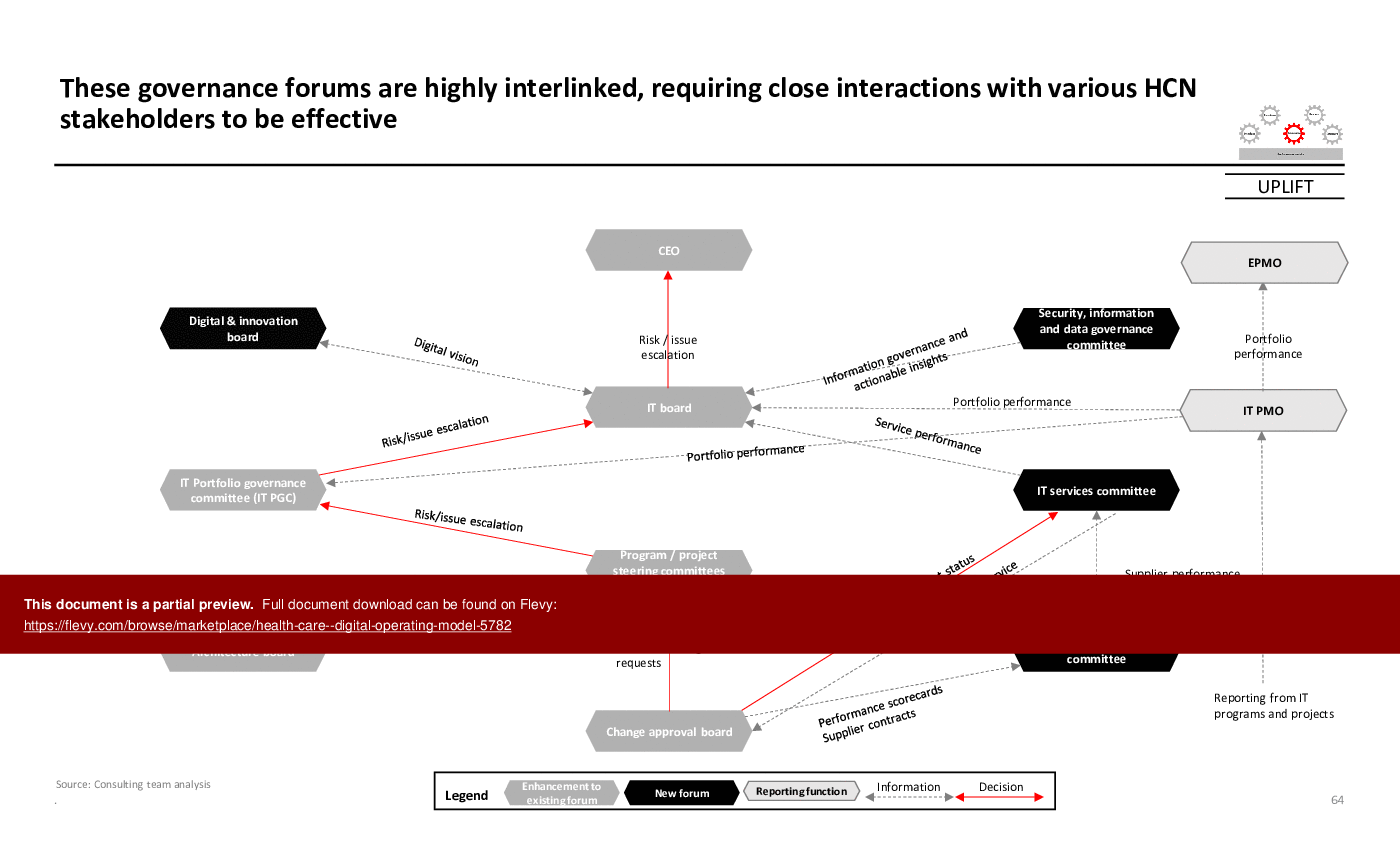
This slide illustrates the governance forums for effective stakeholder engagement in a health care network. The Digital & Innovation Board sets the digital vision, influencing various committees. The CEO oversees risk and issue escalations through the IT Board, which centralizes portfolio performance and actionable insights. The IT Portfolio Governance Committee (IT PGC) manages risks and issues, collaborating with the Architecture Board on enterprise architecture strategy. Program/Project Steering Committees (PSC) approve change requests, emphasizing structured governance. The Security, Information, and Data Governance Committee maintains data integrity and security, while the IT Services Committee monitors service performance. The Supplier Relationship Committee focuses on supplier performance, ensuring alignment with organizational goals. Close interactions among these governance bodies are essential for aligning IT and digital transformation with strategic objectives.
This slide advocates for HCN's transition from in-house application maintenance to a managed service model, projecting cost savings of 30-40% in maintenance and support. Current in-house costs are approximately USD 115 per user, while the managed service model offers reduced expenses. Managed service contracts enforce accountability through penalties for unmet service level agreements (SLAs), enhancing service reliability and operational efficiency. Visibility into support tickets and resolution times, aided by advanced analytics and next-generation tools, can identify recurring issues for quicker resolutions. AI agents further drive productivity by autonomously analyzing data and implementing self-healing fixes, allowing IT teams to focus on strategic initiatives. The slide clarifies the scope of application maintenance services, detailing inclusions and exclusions to ensure stakeholder understanding.
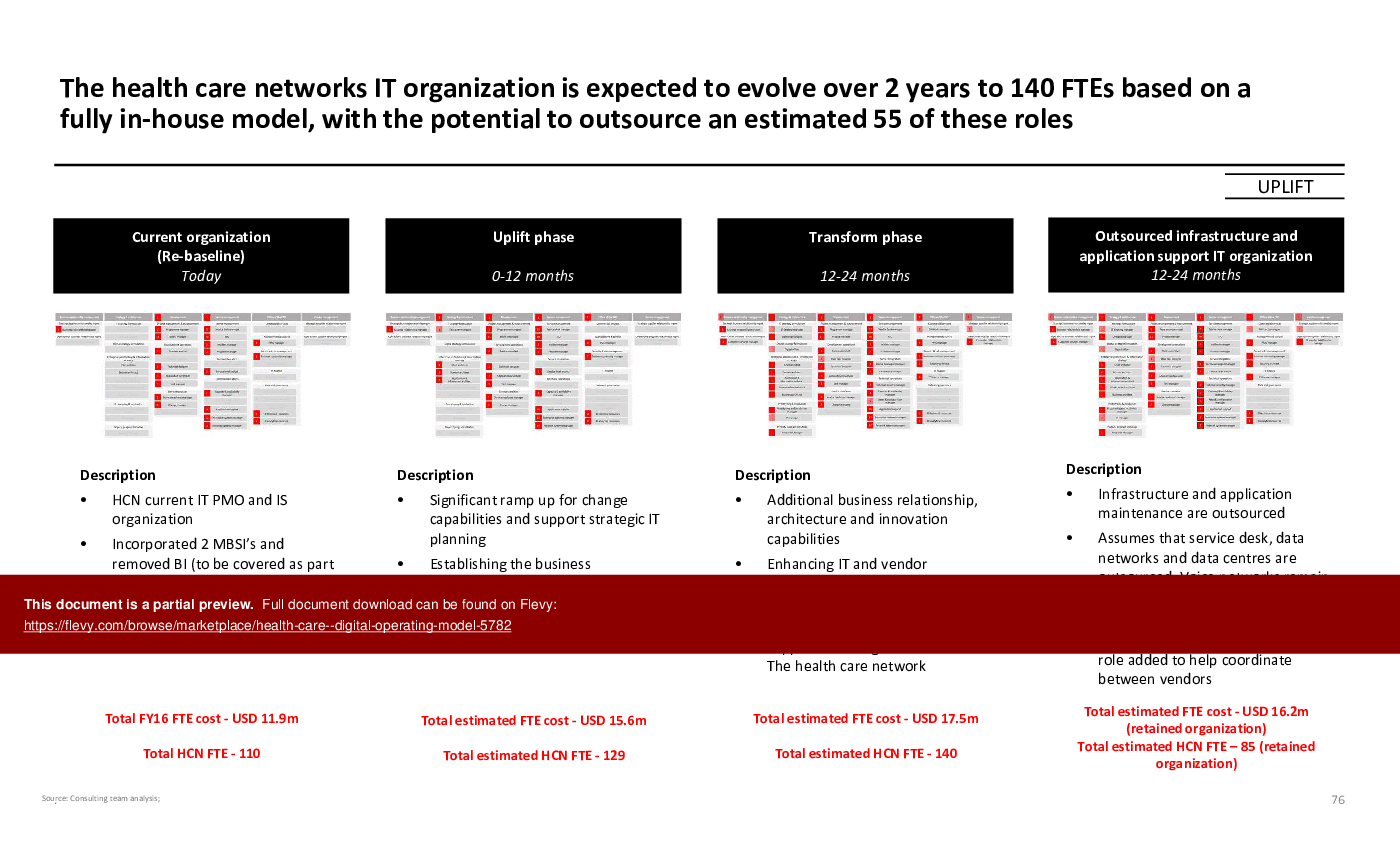
The slide outlines the evolution of a health care network's IT organization over 2 years, detailing 3 phases: Current Organization, Uplift Phase, and Transform Phase. The Current Organization focuses on the existing IT PMO and IS structure, incorporating 2 MBSI roles and integrating Business Intelligence (BI) functions into Program BART resources. The Uplift Phase (0-12 months) emphasizes change management capabilities and strategic IT planning, establishing business relationships and enhancing enterprise architecture roles. The Transform Phase (12-24 months) adds business relationship management and innovation capabilities, enhancing IT and vendor management roles, with all infrastructure maintenance managed in-house. The potential for outsourcing 55 roles is noted, with an estimated evolution cost of USD 16.2 million.
Source: Best Practices in Healthcare PowerPoint Slides: Health Care - Digital Operating Model PowerPoint (PPTX) Presentation Slide Deck, Affinity Consulting Partners
The Affinity Consulting Partnership is a global powerhouse of experienced consultants, specializing in technology and digital-driven change.
Our team is comprised of individuals across the globe who have extensive expertise and a proven track record in guiding large corporations across the globe through complex business transformations. Our partners were all at some stage senior consulting
... [read more] professionals at tier 1 global consulting firms over half our staff have been equity partners in the past at these firms.
With a combined experience of over 120 years, our partners bring a wealth of knowledge and insights to the table. Each member of our team has a distinguished background, having served as a top-level executive and trusted advisor to the C-suite of major corporations. Our partners have honed their skills and expertise through years of hands-on experience, leading successful consulting engagements across a wide range of industries, including finance, healthcare, retail, manufacturing, and more.
Our partners have a keen eye for identifying emerging trends and disruptions in the business landscape and are adept at developing innovative strategies to help our clients stay ahead of the curve.

As a team, we are dedicated to driving meaningful results for our clients, helping them navigate the complexities of technology and digital-driven change, and unlocking new opportunities for growth and success. Our partners are trusted advisors and thought leaders in the industry, and we are committed to providing exceptional service and creating lasting partnerships with our clients.

Since 2012, we have provided best practices to over 10,000 businesses and organizations of all sizes, from startups and small businesses to the Fortune 100, in over 130 countries.
"As a young consulting firm, requests for input from clients vary and it's sometimes impossible to provide expert solutions across a broad spectrum of requirements. That was before I discovered Flevy.com.
Through subscription to this invaluable site of a plethora of topics that are key and crucial to consulting, I
have been able to exceed expectations and deliver quality advice and solutions to my clients. The quality and expertise of the authors are exemplary and gives me great confidence to use as part of my service offerings.
I highly recommend this company for any consultant wanting to apply international best practice standards in their service offerings.
"
– Nishi Singh, Strategist and MD at NSP Consultants
"I like your product. I'm frequently designing PowerPoint presentations for my company and your product has given me so many great ideas on the use of charts, layouts, tools, and frameworks. I really think the templates are a valuable asset to the job."
– Roberto Fuentes Martinez, Senior Executive Director at Technology Transformation Advisory
"FlevyPro has been a brilliant resource for me, as an independent growth consultant, to access a vast knowledge bank of presentations to support my work with clients. In terms of RoI, the value I received from the very first presentation I downloaded paid for my subscription many times over! The
quality of the decks available allows me to punch way above my weight – it's like having the resources of a Big 4 consultancy at your fingertips at a microscopic fraction of the overhead.
"
– Roderick Cameron, Founding Partner at SGFE Ltd
"As an Independent Management Consultant, I find Flevy to add great value as a source of best practices, templates and information on new trends. Flevy has matured and the quality and quantity of the library is excellent. Lastly the price charged is reasonable, creating a win-win value for
the customer, Flevy and the various authors. This is truly a service that benefits the consulting industry and associated clients. Thanks for providing this service.
"
– Jim Schoen, Principal at FRC Group
"I have used Flevy services for a number of years and have never, ever been disappointed. As a matter of fact, David and his team continue, time after time, to impress me with their willingness to assist and in the real sense of the word. I have concluded in fact
that it is not at all just a repository of documents/resources but, in the way that David and his team manage the firm, it is like dealing with consultants always ready to assist, advise and direct you to what you really need, and they always get it right.
I am an international hospitality accomplished senior executive who has worked and lived during the past 35 years in 23 countries in 5 continents and I can humbly say that I know what customer service is, trust me.
Aside from the great and professional service that Flevy's team provide, their wide variety of material is of utmost great quality, professionally put together and most current.
Well done Flevy, keep up the great work and I look forward to continue working with you in the future and to recommend you to a variety of colleagues around the world.
"
– Roberto Pelliccia, Senior Executive in International Hospitality
"Flevy.com has proven to be an invaluable resource library to our Independent Management Consultancy, supporting and enabling us to better serve our enterprise clients.
The value derived from our [FlevyPro] subscription in terms of the business it has helped to gain far exceeds the investment made, making a subscription a no-brainer for any growing consultancy – or in-house strategy team."
– Dean Carlton, Chief Transformation Officer, Global Village Transformations Pty Ltd.
"If you are looking for great resources to save time with your business presentations, Flevy is truly a value-added resource. Flevy has done all the work for you and we will continue to utilize Flevy as a source to extract up-to-date information and data for our virtual and onsite presentations!"
– Debbi Saffo, President at The NiKhar Group
"As a niche strategic consulting firm, Flevy and FlevyPro frameworks and documents are an on-going reference to help us structure our findings and recommendations to our clients as well as improve their clarity, strength, and visual power. For us, it is an invaluable resource to increase our impact and value."
– David Coloma, Consulting Area Manager at Cynertia Consulting
Save with Bundles
This document is available as part of the following discounted bundle(s):
Download our free compilation of 50+ Strategy & Transformation slides and templates. Frameworks include McKinsey 7-S Strategy Model, Balanced Scorecard, Disruptive Innovation, BCG Experience Curve, and many more.