This document presents a comprehensive multi-year Technology Transformation program tailored for a prominent multinational Oil and Gas company. The overarching objective of this program is to optimize the utilization of information and information technology, thereby fostering superior performance and growth.
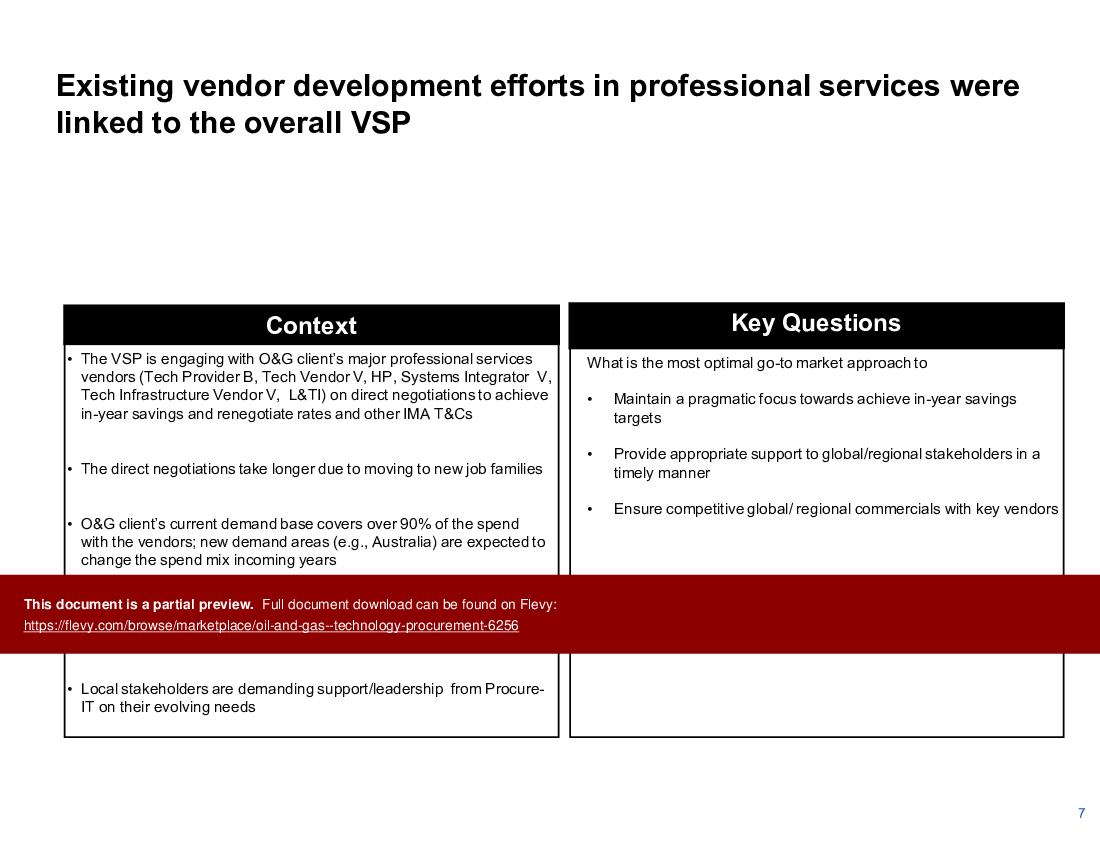
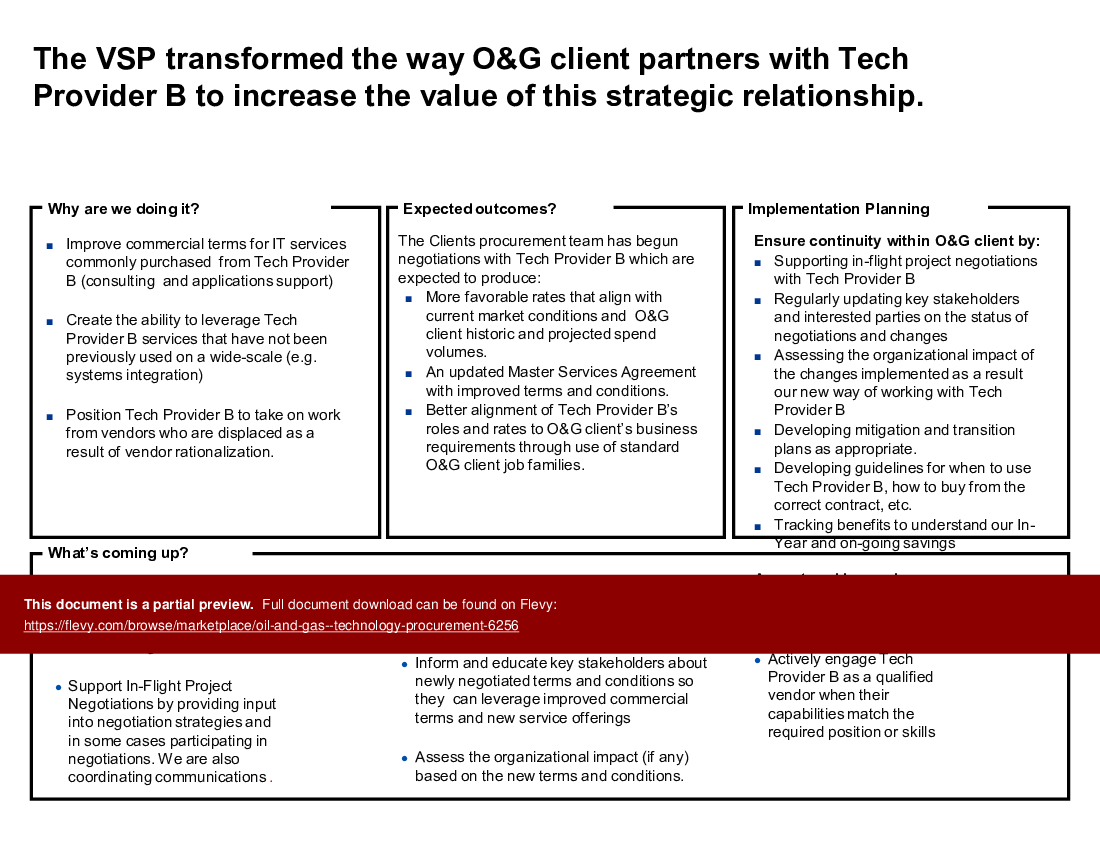
Under the purview of this extensive technology transformation program, the client's procurement team received a directive to enhance vendor performance. In response, the Vendor Sourcing Program (VSP) was established with the mandate to identify global opportunities and opportunities across Business Units, expedite the development of sourcing strategies, engage incumbent vendors in negotiations, and institute sustainability plans.
The VSP initiative boasts a broad scope, encompassing various domains, such as Hardware, Software, Network/Carrier, Consulting, Staff Augmentation (temporary contractors), and Technology Technical Services.
In tandem with the primary objective, the program encompasses several secondary objectives, namely:
Fostering Stronger Vendor Relationships: Cultivating more robust relationships with vendors to garner greater support in executing the client's technology strategy within the Oil and Gas industry.
Rationalizing the Supply Base: Streamlining the supply base by reducing the number of vendors and contracts, thereby facilitating more efficient procurement practices.
Attaining Market Competitive Rates: Ensuring that the procurement of products and services is carried out at competitive market rates.
Establishing a Global Vendor Network: Setting up an established set of vendors capable of catering to global, regional, and local requirements.
Enhancing Service Delivery and Invoicing Processes: Enhancing service delivery capabilities and refining invoicing procedures to ensure accuracy and efficiency.
Strengthening Organizational Sourcing and Procurement Governance:
This document provides an illuminating insight into the strategic planning and execution of a technology transformation program geared towards optimizing the client's operational performance and achieving sustainable growth within the dynamic Oil and Gas sector. Through a combination of meticulous planning, strategic vendor engagement, and refined procurement practices, this program represents a compelling blueprint for organizations seeking to navigate the complexities of technology transformation and vendor optimization.
Got a question about the product? Email us at support@flevy.com or ask the author directly by using the "Ask the Author a Question" form. If you cannot view the preview above this document description, go here to view the large preview instead.
Executive Summary
The "Technology Vendor Sourcing in Oil and Gas" presentation outlines a comprehensive strategy for transforming technology procurement within the oil and gas sector. This multi-year initiative aims to establish a robust supply base that aligns with the client's technology strategy, enhancing vendor performance while achieving significant cost savings. Key objectives include reducing vendor counts, optimizing contracts, and ensuring sustainable procurement processes. By implementing structured sourcing waves and leveraging global agreements, the program anticipates substantial annual savings and improved operational efficiency.
Who This Is For and When to Use
• Procurement leaders in oil and gas organizations focused on technology sourcing
• Supply chain managers responsible for vendor performance and contract negotiations
• Business unit leaders seeking to align technology procurement with strategic goals
• Financial executives interested in cost reduction and efficiency improvements
Best-fit moments to use this deck:
• During strategic planning sessions for technology procurement
• When evaluating vendor performance and identifying cost-saving opportunities
• For training procurement teams on best practices in vendor sourcing
• In workshops aimed at aligning technology strategy with procurement processes
Learning Objectives
• Define the objectives and phases of the Technology Vendor Sourcing Program
• Establish a sustainable procurement process that reduces vendor counts
• Identify and implement cost-saving strategies across technology categories
• Develop a common procurement operating model for enhanced efficiency
• Leverage global agreements to optimize vendor negotiations
• Measure and track savings and performance improvements over time
Table of Contents
• Program Objectives (page 2)
• Phases of the Vendor Sourcing Program (page 3)
• Procurement Operating Model (page 11)
• Rate Card Optimization (page 12)
• Next Steps and Implementation Planning (page 15)
Primary Topics Covered
• Program Objectives - The initiative aims to enhance vendor performance, reduce costs, and streamline procurement processes across the oil and gas sector.
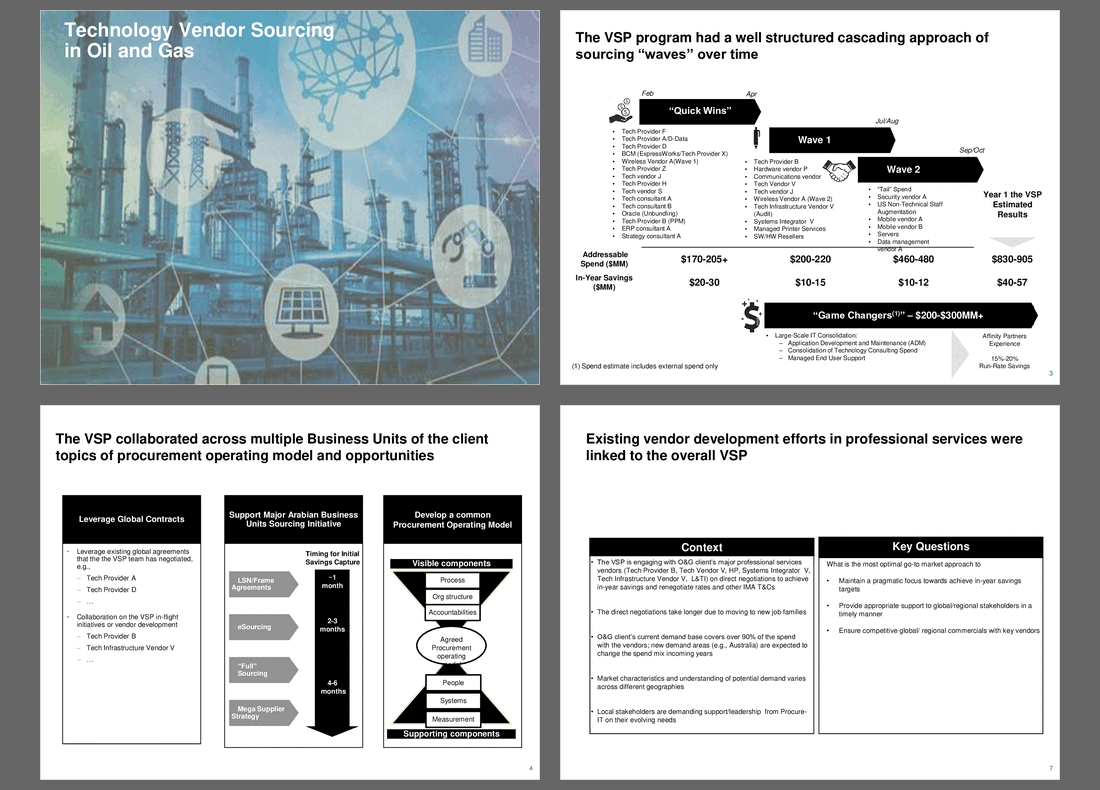
• Sourcing Waves - A structured approach to vendor sourcing, categorized into "Quick Wins," "Wave 1," and "Wave 2," focusing on different vendor categories and savings targets.
• Vendor Performance Metrics - Establishing measurable outcomes to track vendor performance and procurement efficiency.
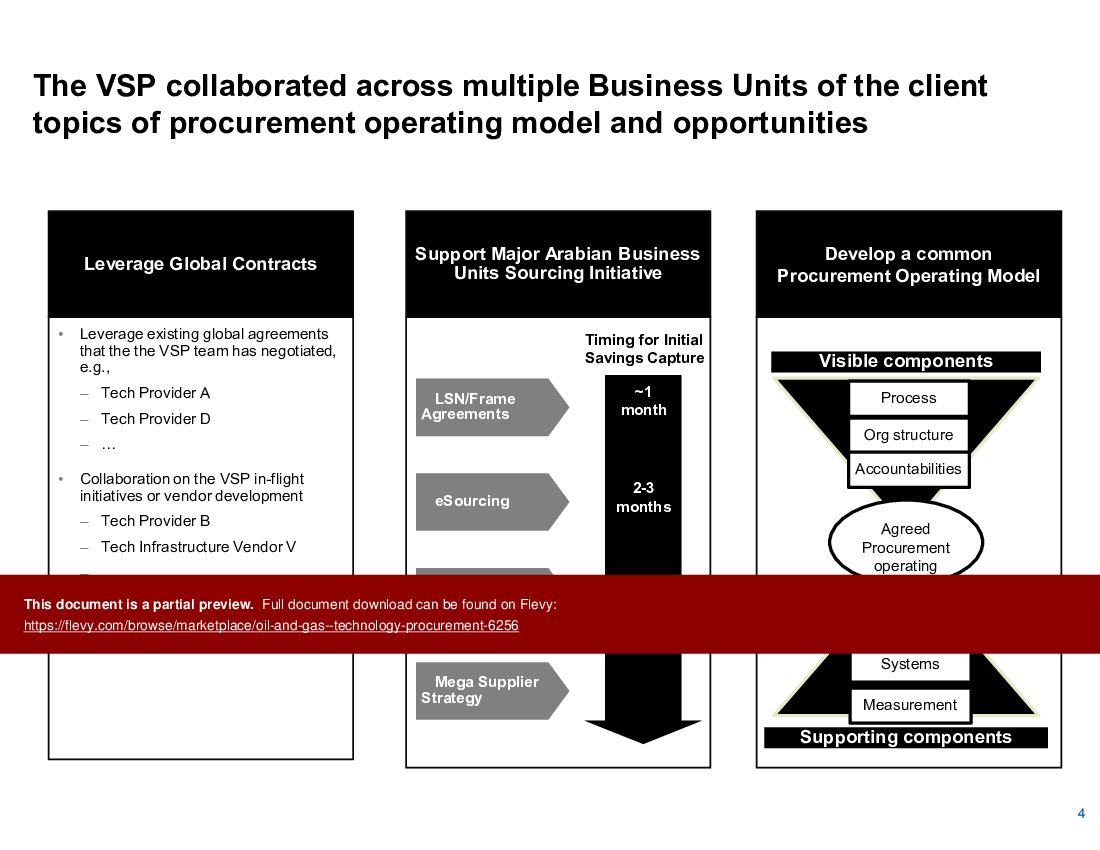
• Global Agreements - Leveraging existing global contracts to maximize savings and ensure competitive pricing across all product categories.
• Sustainable Procurement Processes - Developing processes that support long-term vendor relationships and operational efficiency.
• Rate Card Optimization - Creating standardized rate cards for technology services to facilitate comparisons and negotiations with vendors.
Deliverables, Templates, and Tools
• Vendor performance tracking templates for monitoring savings and efficiencies
• Rate card examples for technology services and consulting
• Procurement operating model framework for aligning organizational processes
• Guidelines for vendor selection and negotiation strategies
• Communication plans for stakeholder engagement during implementation
Slide Highlights
• Overview of program objectives and anticipated savings
• Detailed phases of the Vendor Sourcing Program, including timelines and expected outcomes
• Visual representation of the procurement operating model and its components
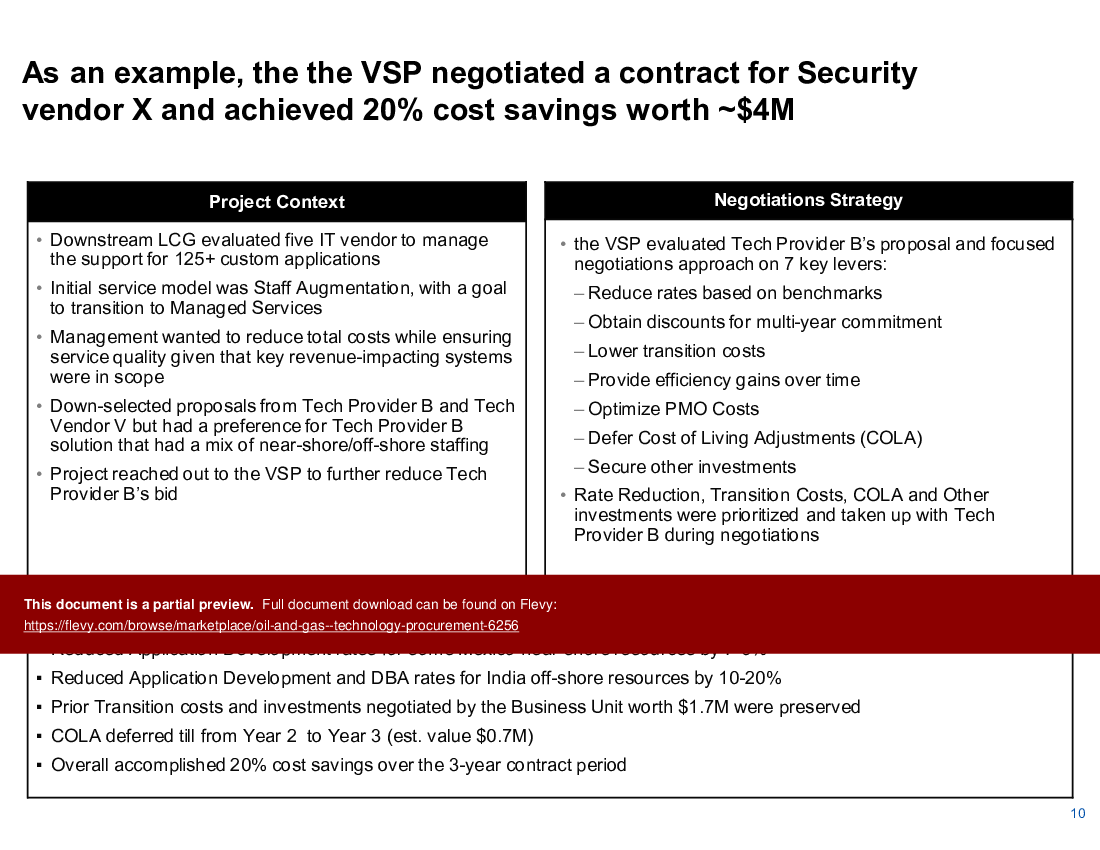
• Examples of successful vendor negotiations and realized savings
• Next steps for implementation and collaboration across business units
Potential Workshop Agenda
Vendor Sourcing Strategy Session (90 minutes)
• Review program objectives and expected outcomes
• Discuss sourcing waves and vendor selection criteria
• Identify key stakeholders and their roles in the process
Implementation Planning Workshop (60 minutes)
• Develop action plans for engaging with vendors
• Establish timelines for tracking progress and savings
• Define communication strategies for stakeholder updates
Customization Guidance
• Adjust the procurement operating model to reflect specific organizational structures and processes
• Tailor rate card examples to align with local market conditions and vendor capabilities
• Update timelines and milestones based on organizational readiness and resource availability
Secondary Topics Covered
• Vendor relationship management strategies
• Risk assessment and mitigation in vendor sourcing
• Best practices for contract negotiations and performance tracking
• Alignment of procurement strategies with overall business objectives
• Continuous improvement methodologies in procurement processes
Topic FAQ
Document FAQ
These are questions addressed within this presentation.
What are the main objectives of the Technology Vendor Sourcing Program?
The program aims to enhance vendor performance, achieve cost savings, and streamline procurement processes to align with the client's technology strategy.
How are savings tracked throughout the program?
Savings are monitored through established performance metrics and regular reporting on vendor performance and procurement efficiencies.
What is the significance of the sourcing waves approach?
The sourcing waves provide a structured framework for prioritizing vendor selection and negotiations, enabling the organization to achieve quick wins while planning for larger, more complex sourcing initiatives.
How can existing global agreements be leveraged?
Existing global agreements can be utilized to negotiate better terms and pricing, ensuring that all business units benefit from competitive rates across various technology categories.
What role does the procurement operating model play?
The procurement operating model establishes clear processes, roles, and responsibilities, ensuring that procurement activities are aligned with business objectives and measurable outcomes.
How will rate card optimization impact vendor negotiations?
Rate card optimization standardizes pricing structures, facilitating easier comparisons between vendors and enabling more effective negotiations based on market benchmarks.
What are the next steps for implementation?
Next steps include identifying demand across business units, developing collaboration plans for vendor development, and determining support for major sourcing initiatives.
Glossary
• Vendor Sourcing Program - A structured initiative to improve vendor performance and procurement efficiency.
• Sourcing Waves - Phased approach to vendor selection and negotiations aimed at maximizing savings.
• Procurement Operating Model - Framework outlining processes, roles, and responsibilities in procurement activities.
• Rate Card - Standardized pricing structure for services provided by vendors, facilitating comparisons and negotiations.
• Global Agreements - Contracts negotiated at a global level to ensure competitive pricing and terms across business units.
• Savings Tracking - Monitoring and reporting on cost reductions achieved through procurement initiatives.
• Vendor Performance Metrics - Criteria used to evaluate and measure vendor effectiveness and efficiency.
• Stakeholder Engagement - Involvement of key individuals in the procurement process to ensure alignment and support.
• Continuous Improvement - Ongoing efforts to enhance procurement processes and vendor relationships.
• Negotiation Strategy - Planned approach for engaging with vendors to achieve favorable terms and conditions.
• Risk Assessment - Evaluation of potential risks associated with vendor sourcing and procurement activities.
• Market Benchmarking - Comparing vendor pricing and performance against industry standards and competitors.
• Sustainable Procurement - Practices aimed at ensuring long-term vendor relationships and operational efficiency.
• Cost Reduction - Strategies implemented to lower expenses associated with procurement and vendor services.
• Business Unit Collaboration - Coordination among different departments to align procurement strategies with overall business goals.
• Performance Measurement - Assessing the effectiveness of procurement activities and vendor performance against established metrics.
• Vendor Development - Efforts to enhance vendor capabilities and performance through collaboration and support.
• Contract Negotiation - The process of discussing and finalizing terms and conditions with vendors.
• Technology Strategy - Organizational plan for leveraging technology to achieve business objectives.
• Procurement Efficiency - Effectiveness of procurement processes in achieving cost savings and operational improvements.
• Stakeholder Communication - Sharing information and updates with key individuals involved in the procurement process.
Source: Best Practices in Oil & Gas PowerPoint Slides: Oil and Gas - Technology Procurement Transformation PowerPoint (PPTX) Presentation Slide Deck, Affinity Consulting Partners
This document is available as part of the following discounted bundle(s):

Save %!
Affinity Consulting Bundle - business transformation
This bundle contains 11 total documents. See all the documents to the right.
|
Download our FREE Strategy & Transformation Framework Templates
Download our free compilation of 50+ Strategy & Transformation slides and templates. Frameworks include McKinsey 7-S, Balanced Scorecard, Disruptive Innovation, BCG Curve, and many more. |









