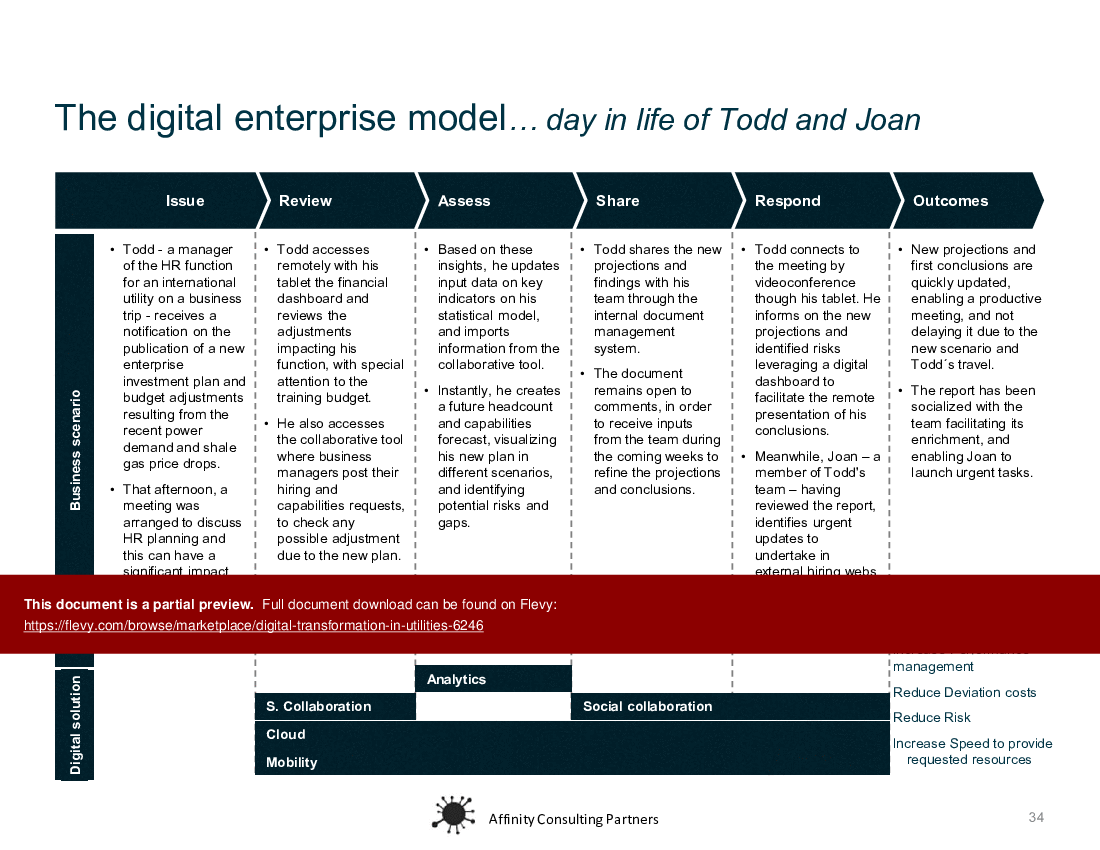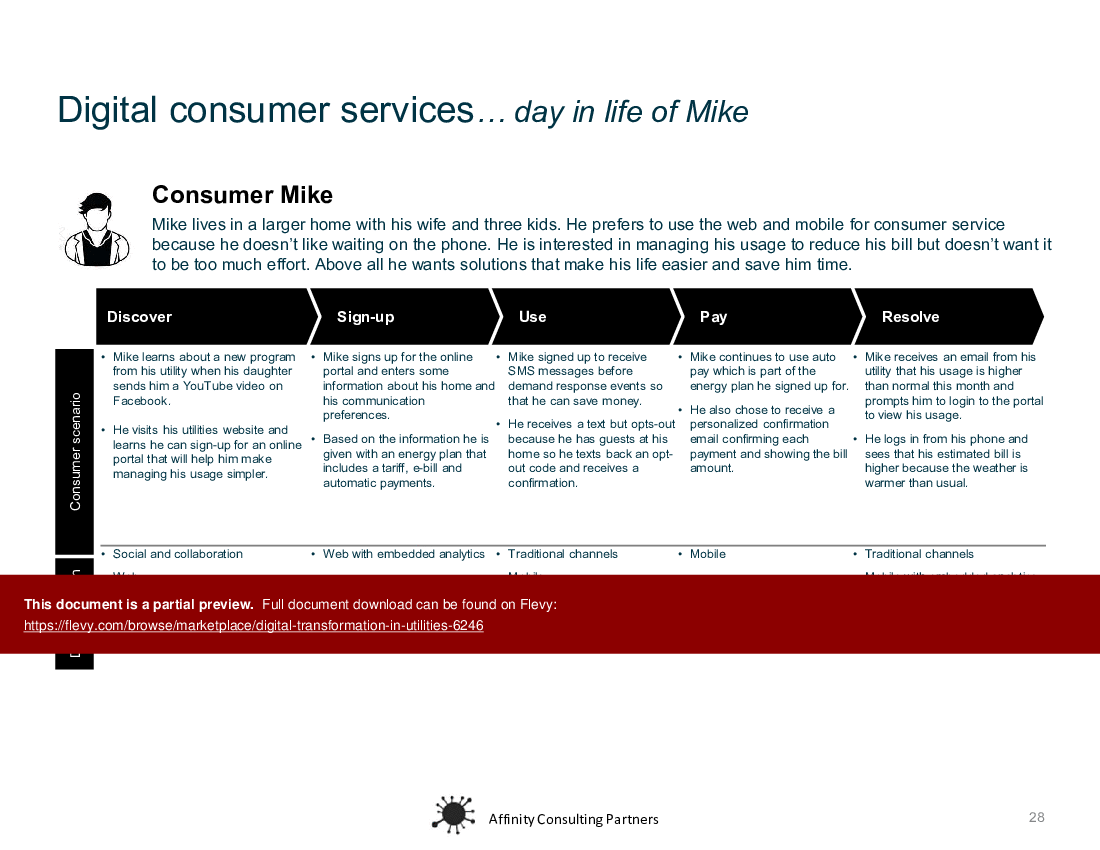
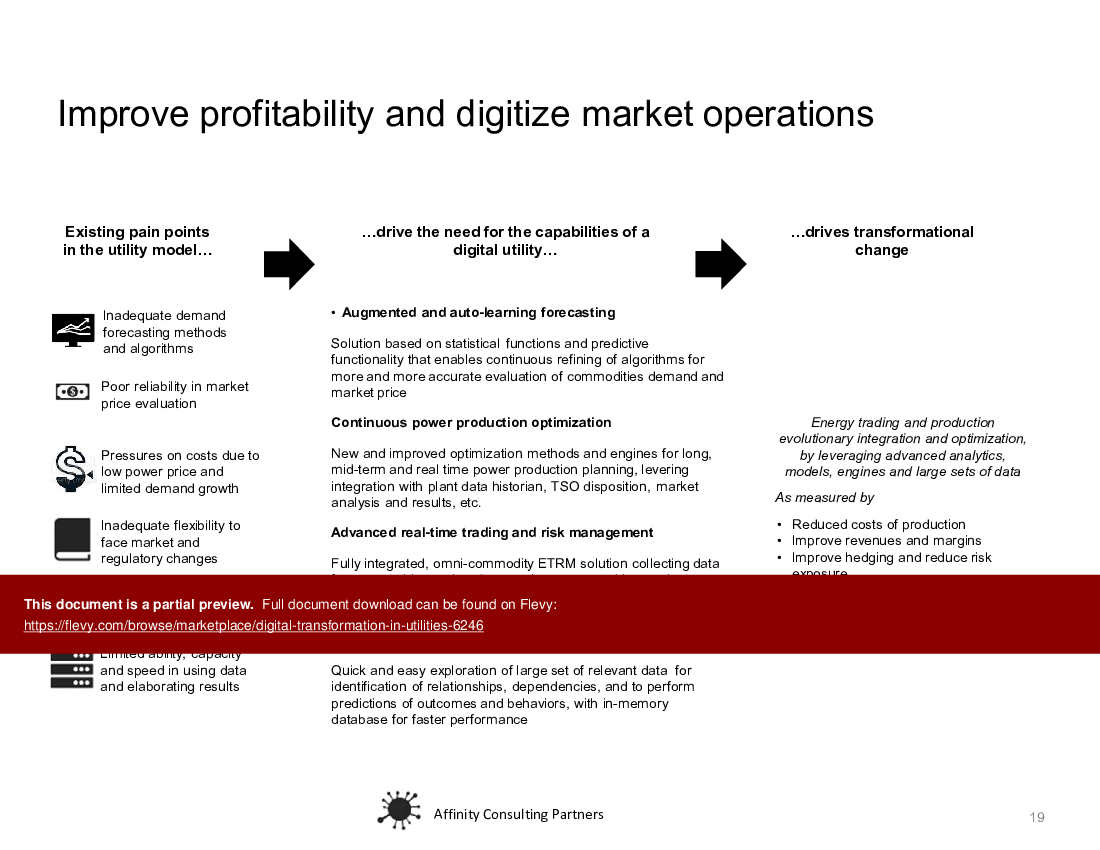
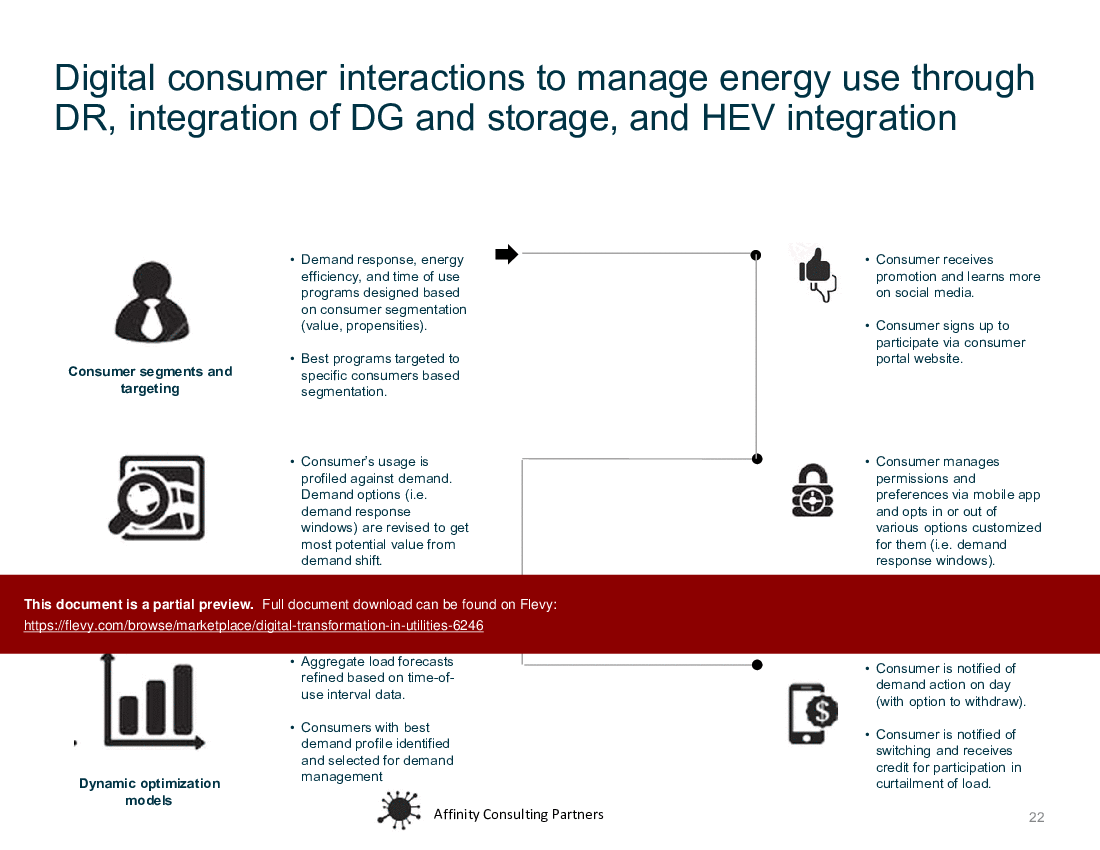

Utilities are currently grappling with a mounting challenge as they strive to meet their earnings expectations in the face of intricate market conditions and the far-reaching impacts of disruptive forces like Distributed Generation. The emergence of digital technologies across various sectors is propelling a rapid acceleration, thereby heightening consumer expectations and introducing fresh contenders into the utilities arena. This transformative potential of digitalization extends across the entire Utility value chain, promising to enhance operational efficiencies and outcomes, while also ushering in novel business models. Embracing a comprehensive digital transformation across this value chain emerges as the pragmatic and economically viable approach to surmounting prevailing business hurdles and fostering sustainable expansion.
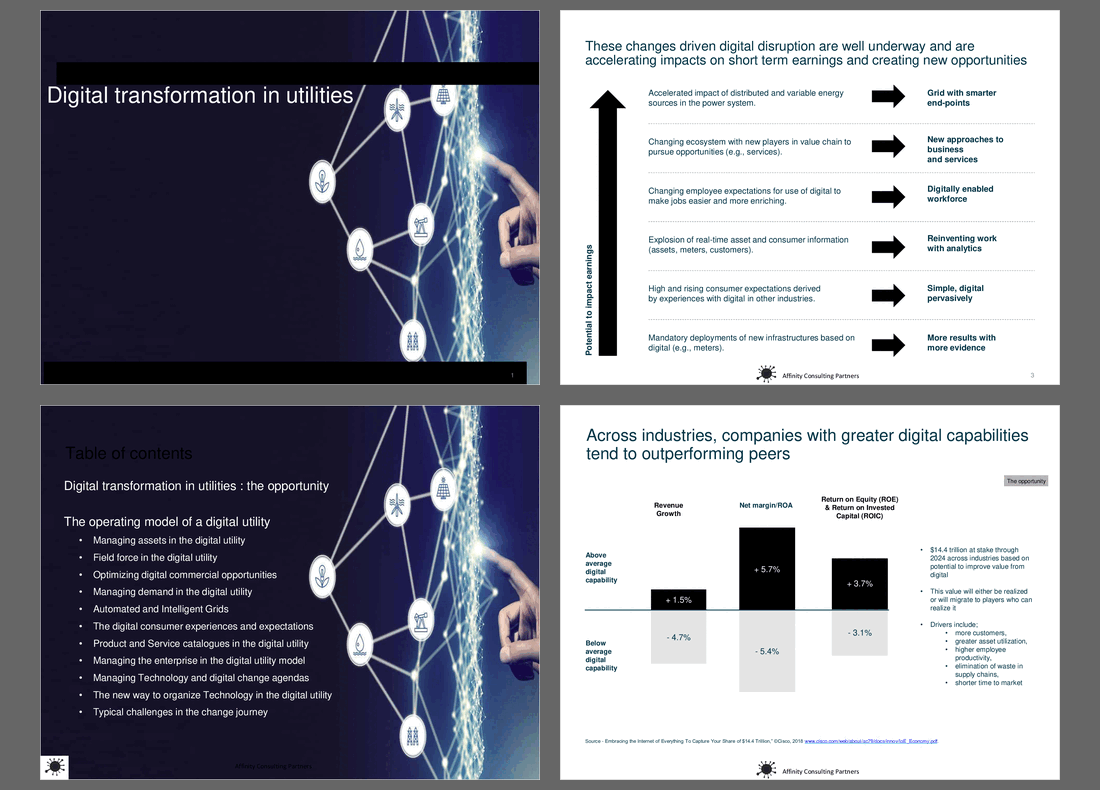
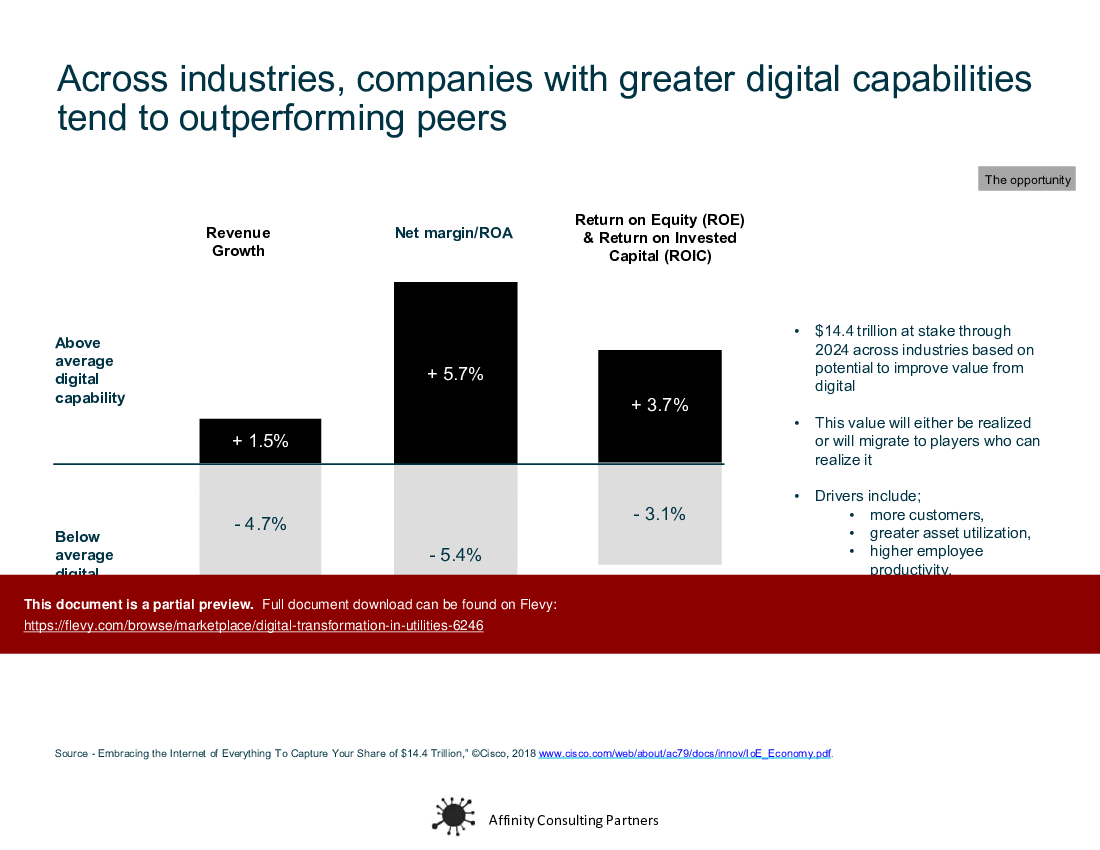
In the dynamic landscape of modern business, Utilities have indeed lagged in their adaptation to these sweeping changes. Comparative analyses of companies from various sectors unequivocally demonstrate that those with robust digital proficiencies consistently outshine their peers. This underscores the pressing need for Utilities to expedite their digital integration efforts.
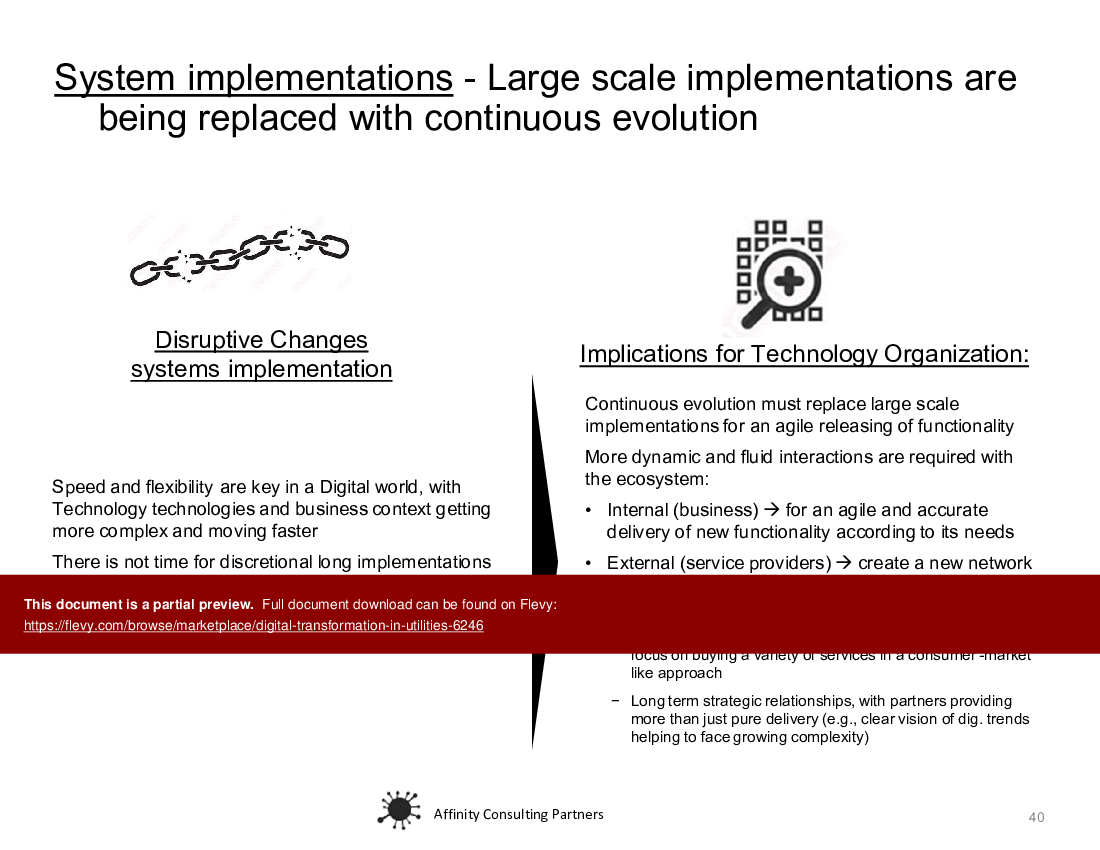
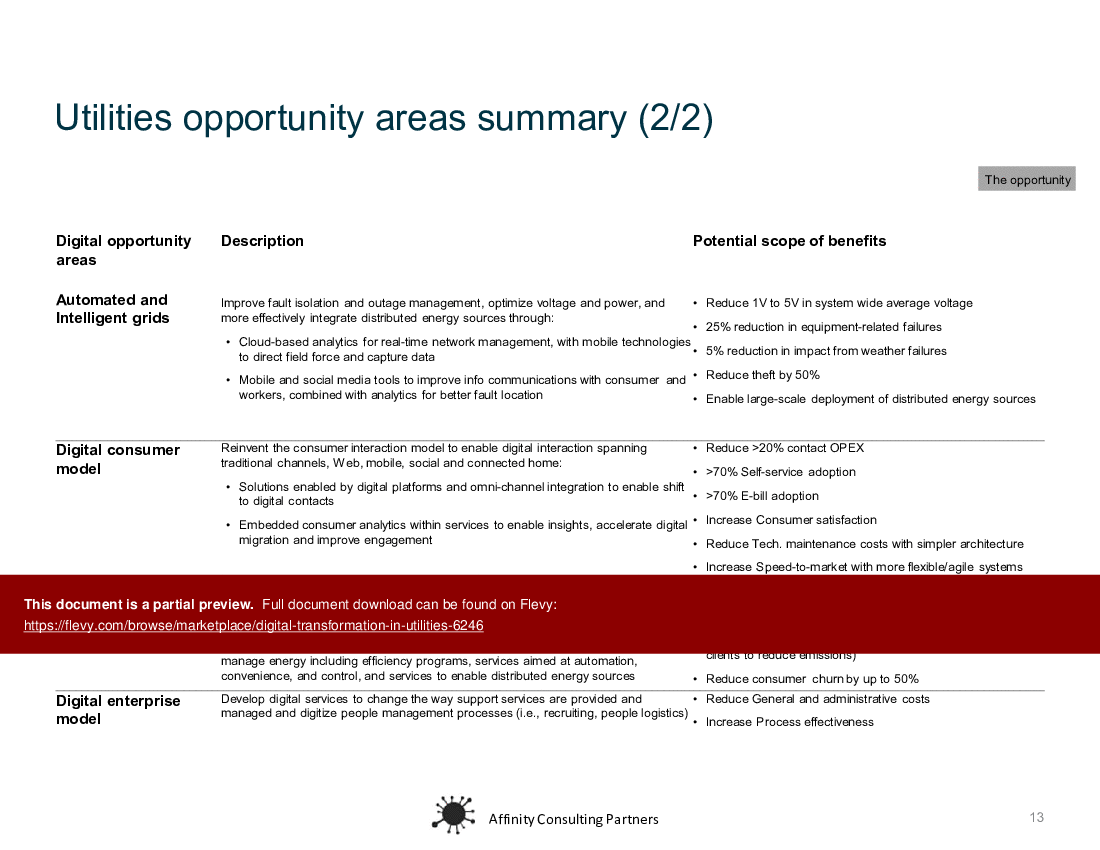
Outlined within the presentation is an array of capabilities spanning the Utility value chain that can be overhauled through digitalization to unlock enhanced value propositions and stimulate growth. A meticulous breakdown of eight transformative initiatives is provided, each holding the potential to yield substantial value and catalyze the formulation of innovative business models. Furthermore, the discussion delves into the repercussions of these transformations on the Information Technology (IT) facet within Utilities, expounding on the imperative for IT functions to evolve and adapt in tandem with the broader digital metamorphosis. Such adaptations are pivotal in optimizing the realization of the benefits associated with the sweeping digital transformation.
In summary, the ongoing shift towards a digitalized landscape has created a challenging yet opportunity-rich environment for Utilities. Navigating these changes demands a proactive reimagining of the Utility value chain through the lens of digital transformation. This not only promises to address existing obstacles but also presents the avenue for carving out new dimensions of success in an ever-evolving market ecosystem.
Got a question about the product? Email us at support@flevy.com or ask the author directly by using the "Ask the Author a Question" form. If you cannot view the preview above this document description, go here to view the large preview instead.
Executive Summary
The "Digital Transformation in Utilities" presentation by Affinity Consulting Partnership is a consulting-grade resource designed to guide utility executives through the complexities of digital transformation. This deck provides insights into the challenges utilities face in meeting earnings expectations amidst disruptive changes, such as Distributed Generation. It outlines key strategies for leveraging digital capabilities across the utility value chain to improve operational efficiency, enhance consumer experiences, and create new business models. By utilizing this expert slide deck, executives will be equipped to implement effective digital transformation initiatives that drive sustainable growth.
Who This Is For and When to Use
• Utility executives seeking to modernize operations and improve financial performance
• Digital transformation leaders responsible for implementing technology solutions
• Change management teams focused on enhancing consumer engagement and satisfaction
• Asset management professionals looking to optimize investment and maintenance strategies
Best-fit moments to use this deck:
• During strategic planning sessions for digital initiatives
• When assessing the impact of digital disruption on current operations
• As a training tool for teams involved in digital transformation projects
• In workshops aimed at aligning stakeholders on digital strategies
Learning Objectives
• Define the implications of digital transformation for utility operations
• Identify key areas where digital capabilities can enhance business models
• Develop strategies for managing assets in a digital utility environment
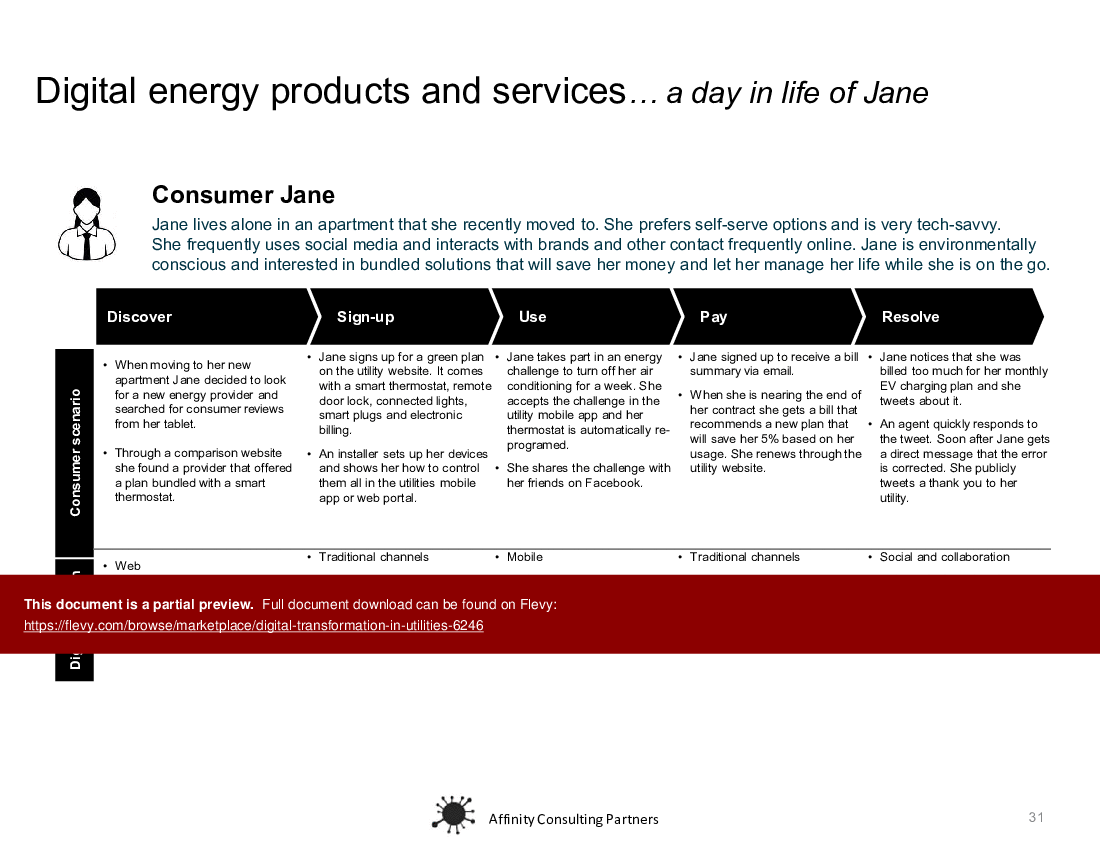
• Establish frameworks for optimizing consumer engagement through digital channels
• Create action plans for implementing automated and intelligent grid solutions
• Analyze case studies demonstrating successful digital transformations in utilities
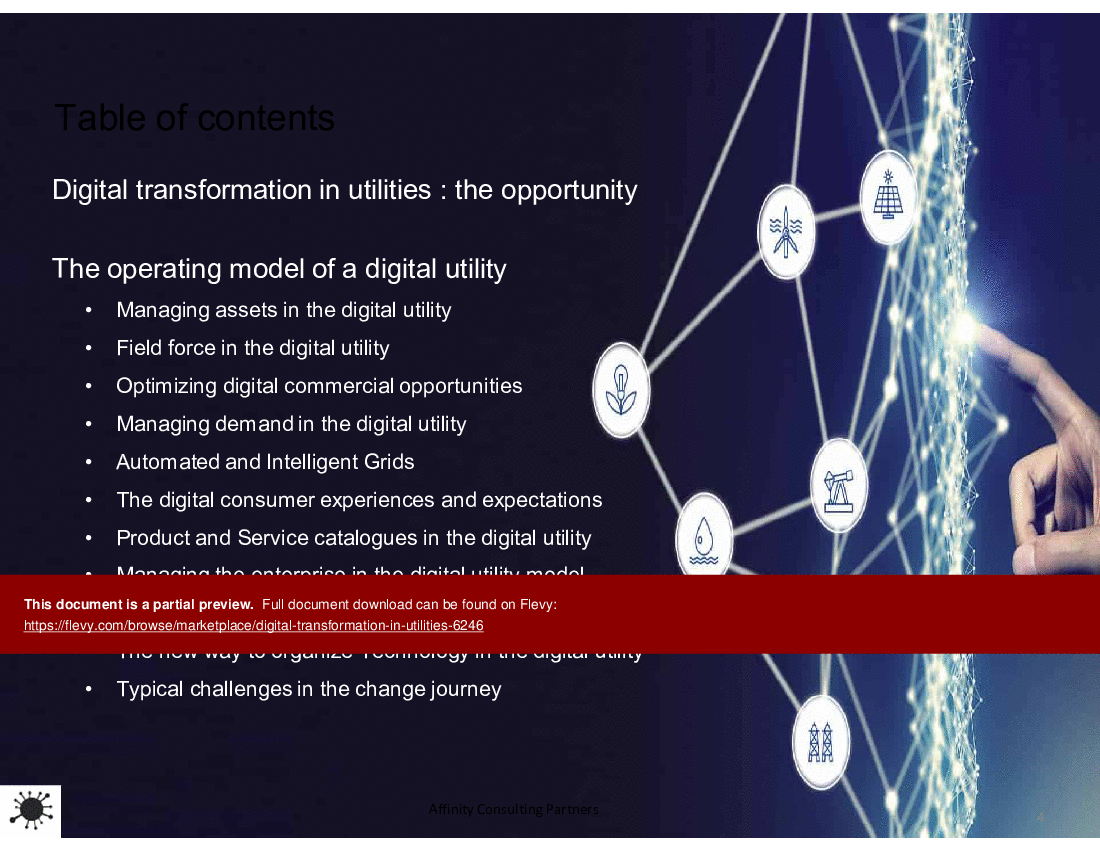
Table of Contents
• Digital Transformation in Utilities: The Opportunity (page 3)
• The Operating Model of a Digital Utility (page 4)
• Managing Assets in the Digital Utility (page 5)
• Field Force in the Digital Utility (page 6)
• Optimizing Digital Commercial Opportunities (page 7)
• Managing Demand in the Digital Utility (page 8)
• Automated and Intelligent Grids (page 9)
• The Digital Consumer Experiences and Expectations (page 10)
• Product and Service Catalogues in the Digital Utility (page 11)
• Managing the Enterprise in the Digital Utility Model (page 12)
• Managing Technology and Digital Change Agendas (page 13)
• The New Way to Organize Technology in the Digital Utility (page 14)
• Typical Challenges in the Change Journey (page 15)
Primary Topics Covered
• Digital Transformation Opportunity - Utilities face increasing pressure to adapt to digital disruption, presenting both challenges and opportunities for growth.
• Digital Utility Operating Model - A framework for managing utility operations that integrates digital capabilities across all functions.
• Asset Management in Digital Utilities - Strategies for optimizing asset planning and investment using advanced analytics and cloud technologies.
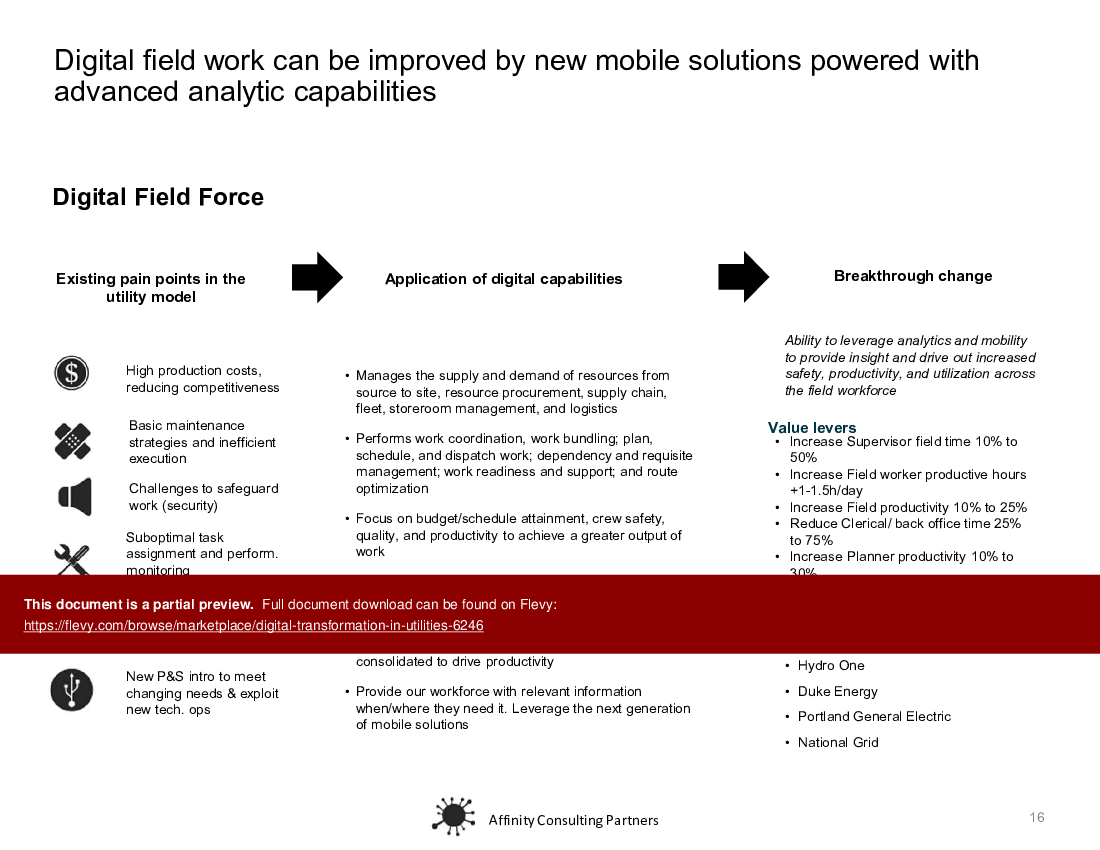
• Field Force Optimization - Enhancements in planning, scheduling, and logistics to improve field operations and productivity.
• Consumer Engagement - Strategies for optimizing consumer interactions through digital channels and personalized services.
• Automated Grids - Implementation of intelligent grid solutions to enhance operational efficiency and reliability.
Deliverables, Templates, and Tools
• Asset management optimization template for evaluating conditions and investments
• Field force analytics model for improving resource allocation and productivity
• Consumer engagement strategy framework to enhance digital interactions
• Automated grid implementation checklist for deploying intelligent solutions
• Digital transformation roadmap template for strategic planning
• Performance monitoring dashboard for tracking digital initiatives
Slide Highlights
• Overview of digital transformation opportunities in the utility sector
• Case studies showcasing successful implementations of digital technologies
• Visual representation of the digital utility operating model
• Key statistics illustrating consumer expectations and digital interactions
• Framework for managing technology and digital change agendas
Potential Workshop Agenda
Digital Transformation Overview (60 minutes)
• Discuss the current state of digital transformation in utilities
• Identify key challenges and opportunities for growth
• Review case studies of successful digital initiatives
Asset Management Strategies (90 minutes)
• Explore best practices for optimizing asset management
• Develop action plans for implementing advanced analytics
• Discuss integration of cloud technologies in asset planning
Consumer Engagement Strategies (60 minutes)
• Analyze consumer expectations and preferences in the digital age
• Create frameworks for enhancing consumer interactions
• Discuss the role of digital channels in improving satisfaction
Customization Guidance
• Tailor the asset management optimization template to reflect specific utility needs and conditions
• Adjust the consumer engagement strategy framework to align with regional market dynamics
• Incorporate local regulatory requirements into the automated grid implementation checklist
• Modify the digital transformation roadmap to reflect organizational priorities and timelines
Secondary Topics Covered
• Challenges in adapting to digital disruption
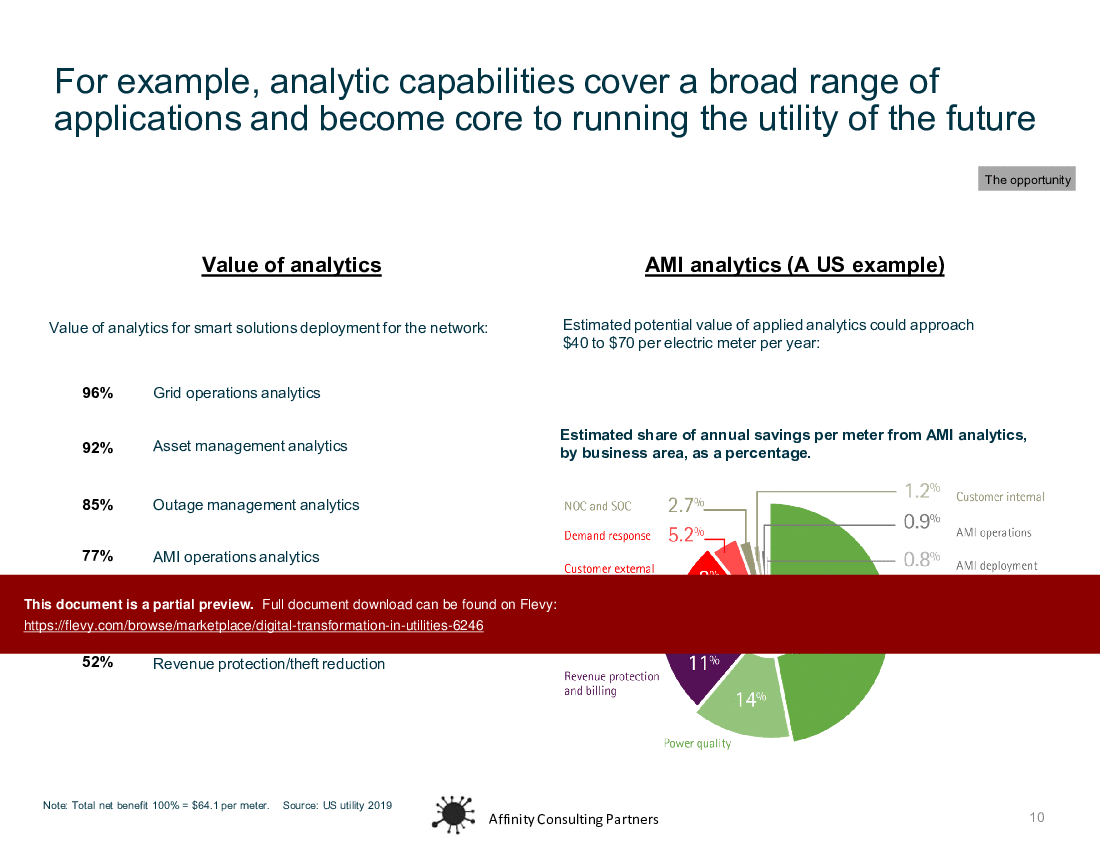
• The role of analytics in decision-making processes
• Strategies for enhancing workforce efficiency through digital tools
• Integration of new technologies into existing utility operations
• Consumer behavior trends impacting utility services
FAQ
What are the key benefits of digital transformation for utilities?
Digital transformation can enhance operational efficiency, improve consumer engagement, and create new revenue opportunities through innovative business models.
How can utilities optimize asset management through digital capabilities?
By leveraging advanced analytics and cloud technologies, utilities can improve asset planning, reduce capital expenditures, and enhance maintenance strategies.
What role does consumer engagement play in digital transformation?
Enhancing consumer engagement through digital channels is crucial for meeting rising expectations and improving overall satisfaction, leading to reduced churn.
What are automated and intelligent grids?
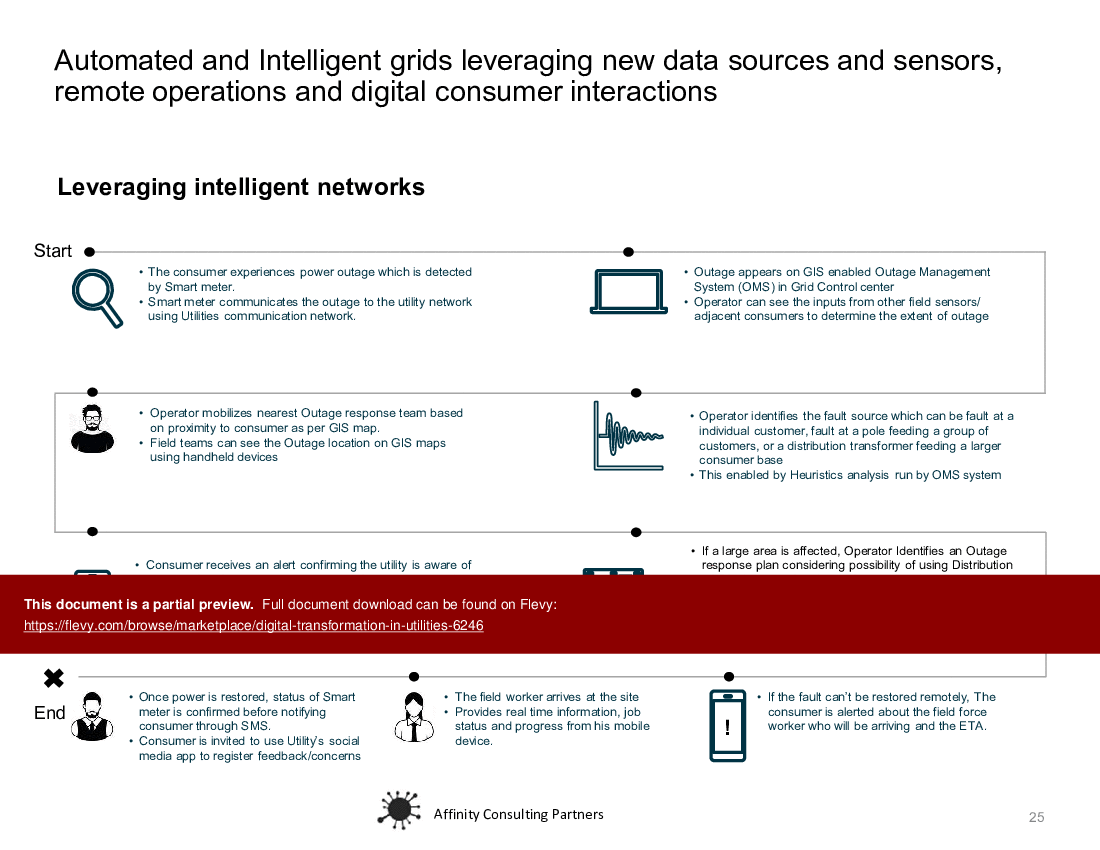
Automated and intelligent grids utilize real-time data and analytics to optimize energy distribution, improve fault detection, and enhance overall grid reliability.
How can utilities address the challenges of digital transformation?
Utilities can overcome challenges by developing a clear digital strategy, investing in employee training, and fostering a culture of innovation and adaptability.
What is the significance of data analytics in the utility sector?
Data analytics provides insights that drive decision-making, optimize operations, and enhance consumer experiences, making it a critical component of digital transformation.
How can utilities ensure successful implementation of digital initiatives?
Successful implementation requires a structured approach, including stakeholder alignment, clear objectives, and ongoing performance monitoring.
What are the expected outcomes of adopting a digital utility model?
Adopting a digital utility model can lead to improved operational efficiency, enhanced consumer satisfaction, and increased revenue through new business opportunities.
Glossary
• Digital Transformation - The integration of digital technology into all areas of a business, fundamentally changing how it operates and delivers value.
• Automated Grids - Energy distribution systems that use technology to automate operations and improve reliability.
• Consumer Engagement - The interaction between a utility and its customers, aimed at enhancing satisfaction and loyalty.
• Asset Management - The systematic process of developing, operating, maintaining, and selling assets in a cost-effective manner.
• Advanced Analytics - The use of sophisticated techniques and tools to analyze data and extract actionable insights.
• Cloud Technology - Internet-based computing that provides shared processing resources and data to computers and other devices on demand.
• Field Force Optimization - Strategies aimed at improving the efficiency and effectiveness of field operations.
• Digital Utility Model - A framework for integrating digital capabilities into utility operations to enhance performance and consumer experiences.
• Intelligent Grid - A modernized electrical grid that uses digital technology to monitor and manage the transport of electricity from all generation sources.
• Performance Monitoring - The ongoing process of assessing the efficiency and effectiveness of operations against set objectives.
• Consumer Expectations - The anticipated level of service and engagement that consumers expect from utilities in the digital age.
• Data Integration - The process of combining data from different sources to provide a unified view for analysis and decision-making.
Source: Best Practices in Digital Transformation, Energy Industry, Utilities Industry PowerPoint Slides: Digital Transformation in Utilities PowerPoint (PPTX) Presentation Slide Deck, Affinity Consulting Partners
This document is available as part of the following discounted bundle(s):

Save %!
Affinity Consulting Bundle - business transformation
This bundle contains 11 total documents. See all the documents to the right.
|
Download our FREE Digital Transformation Templates
Download our free compilation of 50+ Digital Transformation slides and templates. DX concepts covered include Digital Leadership, Digital Maturity, Digital Value Chain, Customer Experience, Customer Journey, RPA, etc. |