
In the realm of senior management, proficient communication skills are more than just a necessity—they're your ticket to making a lasting impact. Whether it's penning down compelling narratives or presenting influential pitches, the ability to convey ideas crisply and persuasively is indispensable, especially when engaging with the C-suite. The Executive Communication Excellence Framework, distilled from over 15 years of consulting and training expertise by top consultants from BCG and EY, is designed to elevate your communication skills to a level that not only resonates with top-tier executives but also amplifies your personal credibility.
Key Benefits:
- Writing Mastery: Learn the art of clear, engaging, and error-free writing that captures attention and conveys your message effectively.
- Structured Communication: Grasp the essence of logical message structuring to ensure your communication is coherent, concise, and impactful.
- Presentation Prowess: Embark on the journey of becoming a confident and persuasive presenter, capable of delivering captivating presentations that command respect and action.
Framework Insights:
1. Clear, Engaging, and Error-Free Writing:
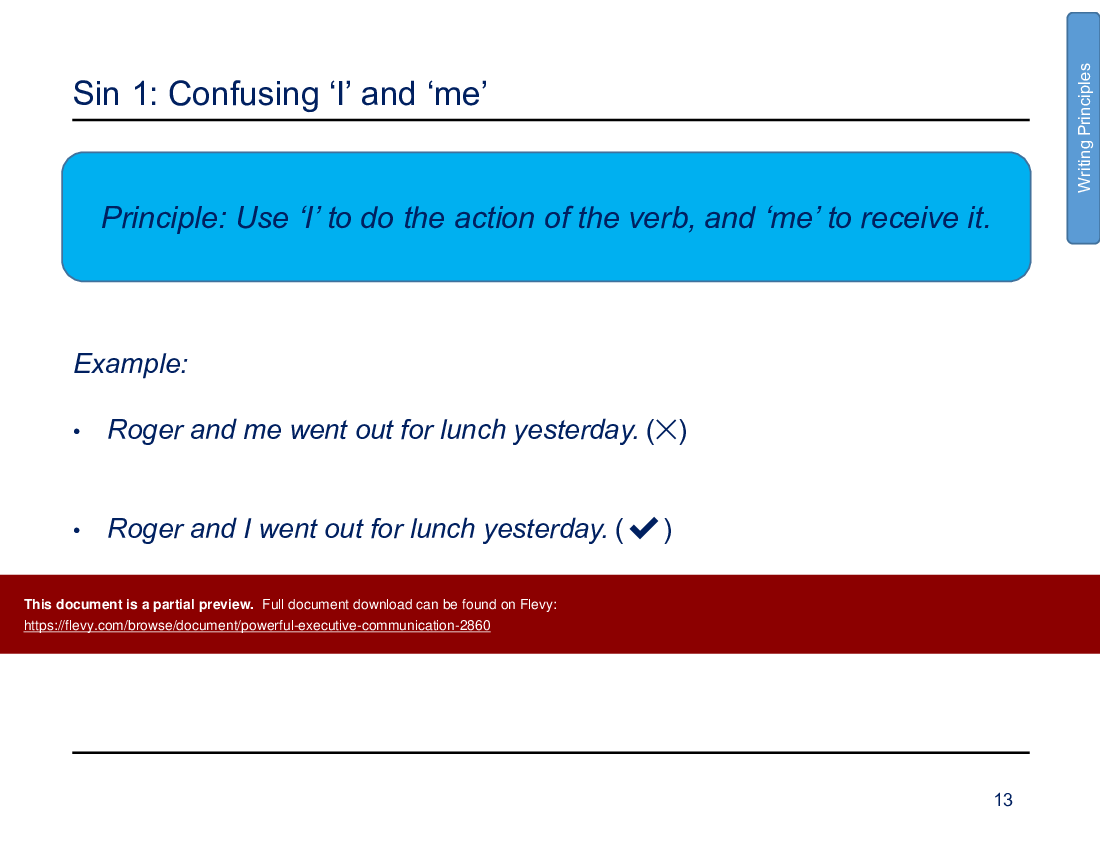
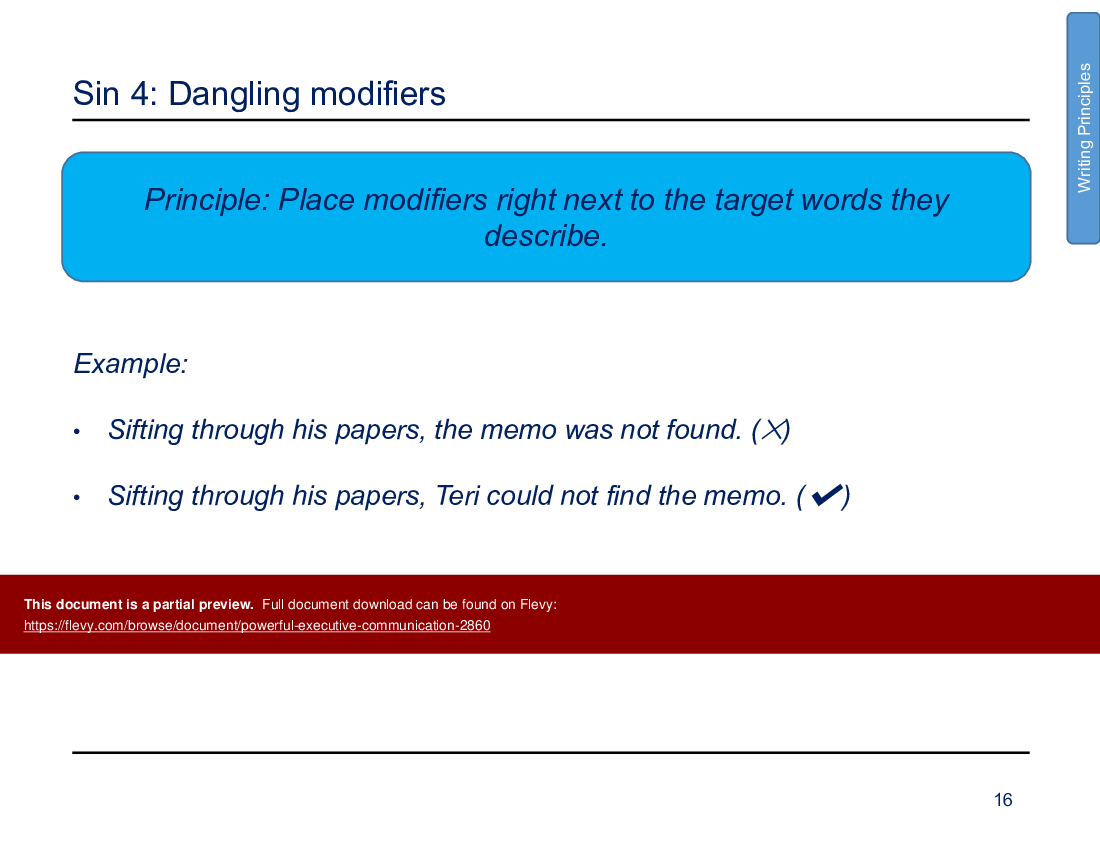
• Master the six rules of clear writing and steer clear of the five cardinal sins of poor grammar.
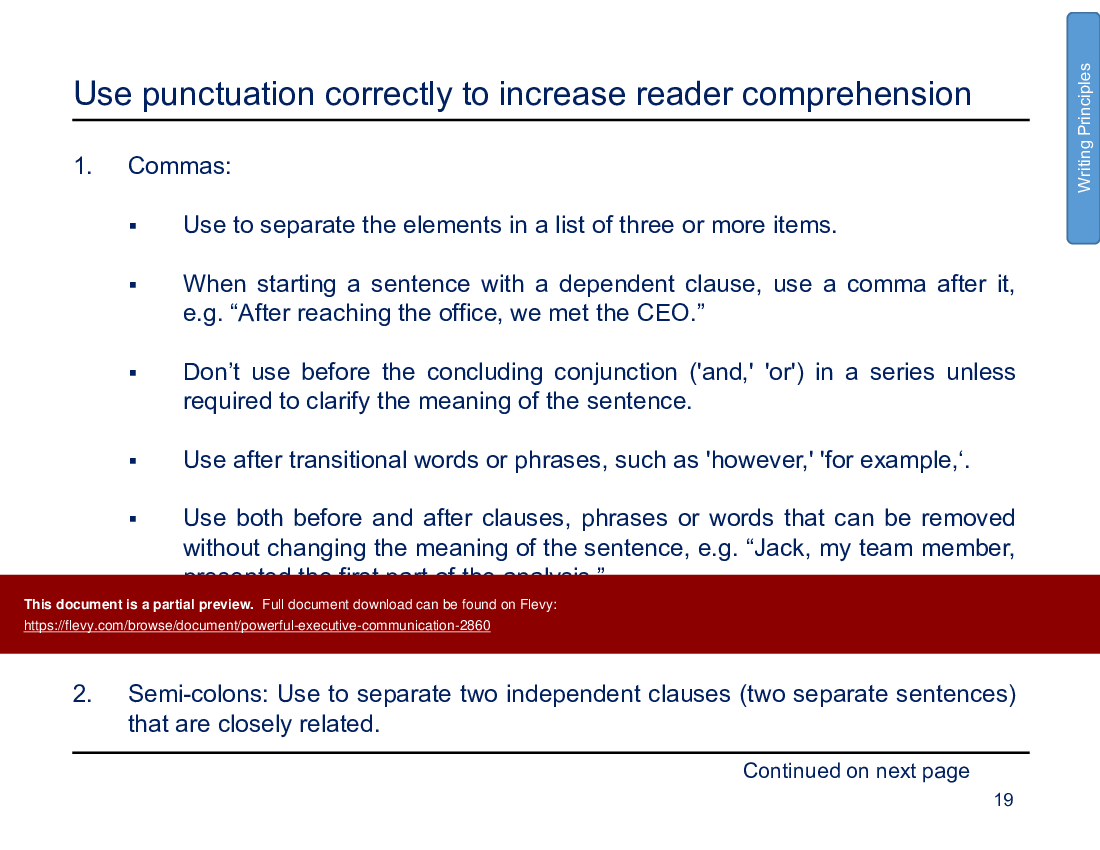
• Leverage correct punctuation to enhance reader comprehension and simplify ideas with bullet lists for better retention.
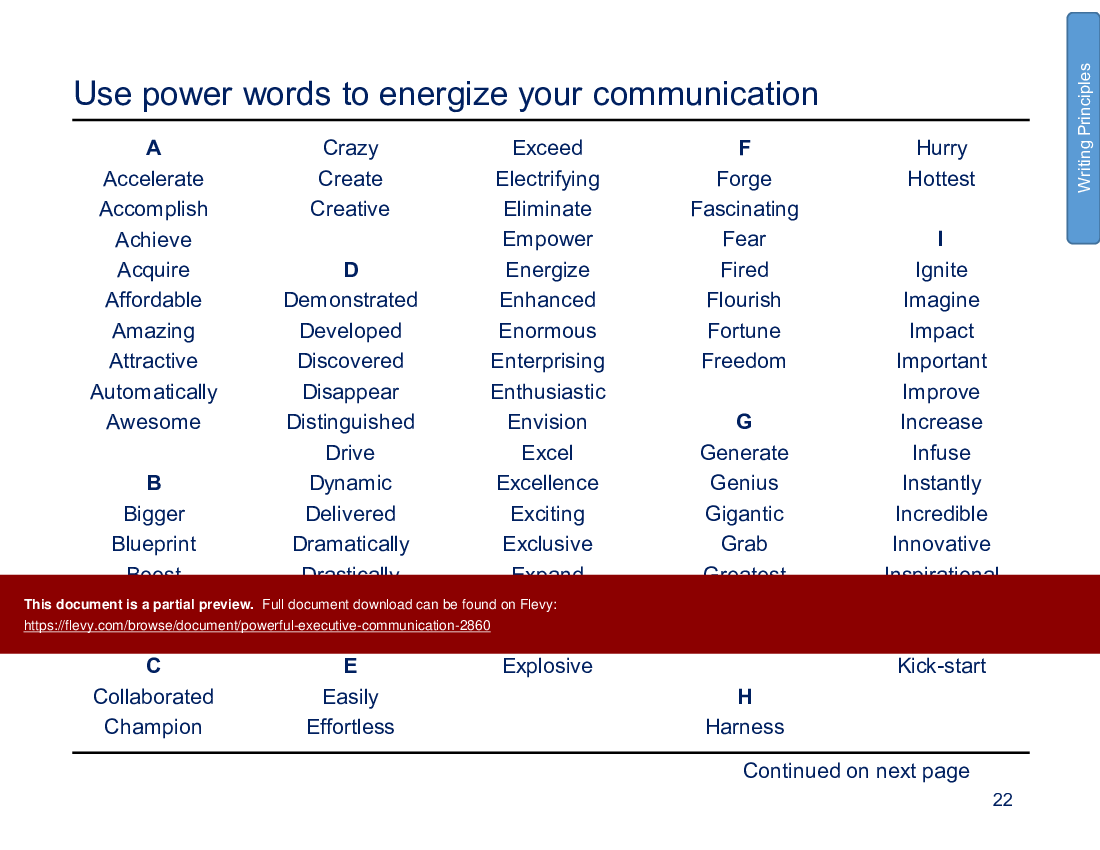
• Incorporate power words, professional writing style tips, and navigational devices such as headings and call-out boxes to energize and organize your communication.
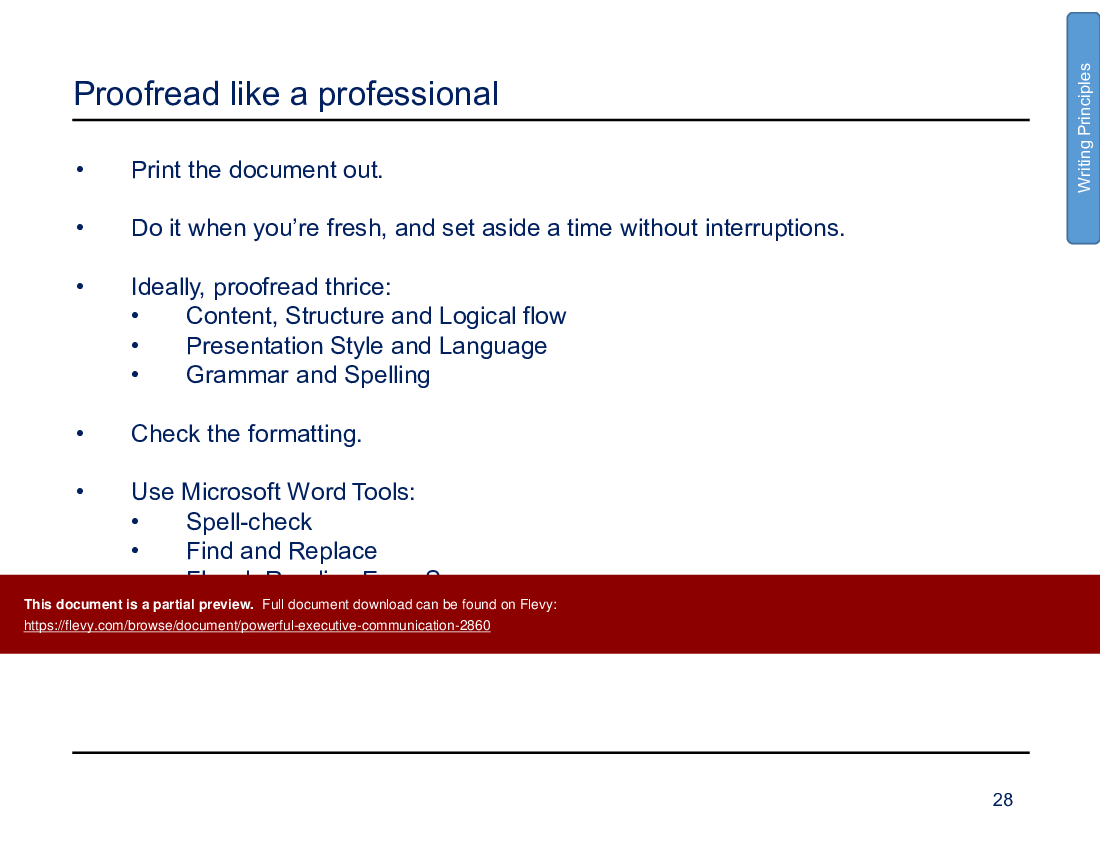
• Hone your proofreading skills to ensure a polished, professional finish to your documents.
2. Structuring Your Message:
• Clarify your purpose, understand your audience, and tailor your message for maximum relevance and impact.
• Adopt the "Pyramid Principle" to structure your communication logically and persuasively.
3. Presenting Your Message:
• Plan the horizontal and vertical logic in your story and use 'Ghosting Out' slides to visualize the presentation flow.
• Achieve a balanced mix of text and graphical elements for visual appeal, select the correct chart types for data representation, and employ "NLP" techniques for mental readiness.
• Master body language, vocal inflection, and pauses to enhance your presentation delivery, ensuring you communicate with confidence and passion.
Real World Examples:
• The framework includes detailed slide notes and exemplary slides from top-tier consulting firms like McKinsey, Bain, and BCG, providing a real-world glimpse into effective executive communication.
Embark on a transformative journey of communication mastery with the Executive Communication Excellence Framework. With each slide and note, unlock the secrets to resonating with the C-suite and accelerating your ascent in your career.
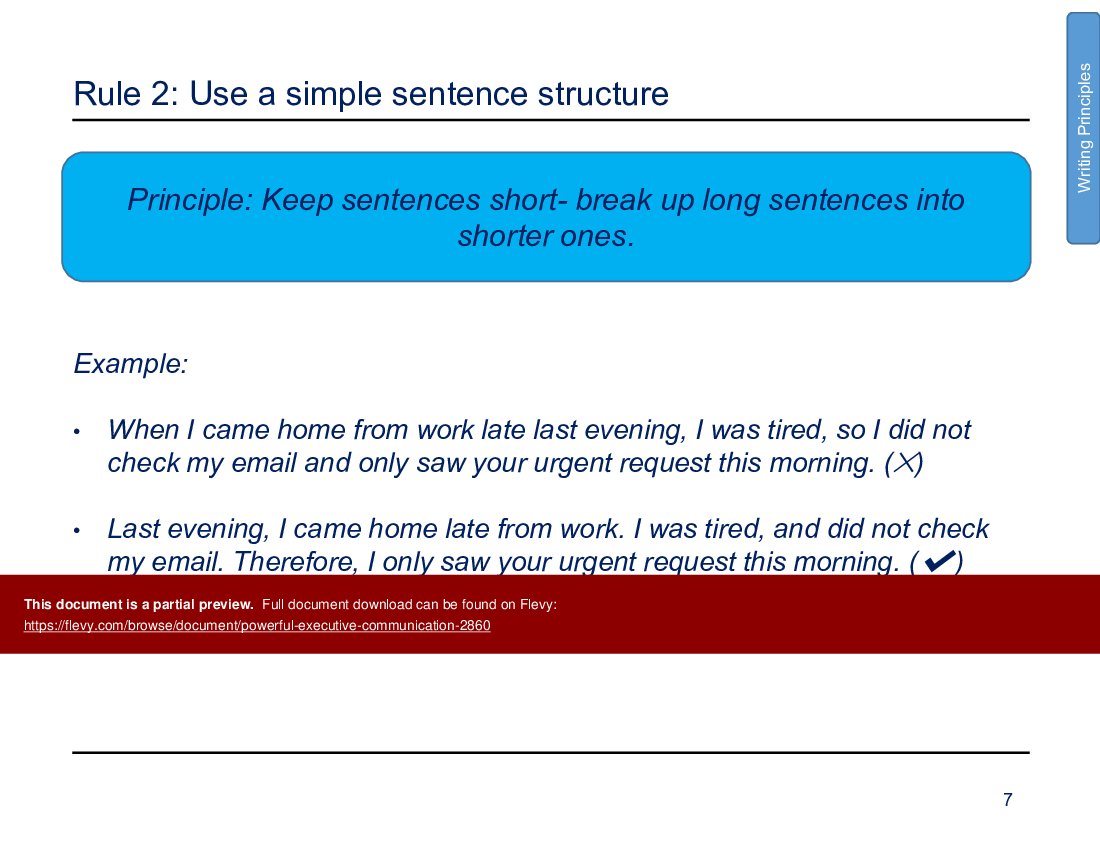
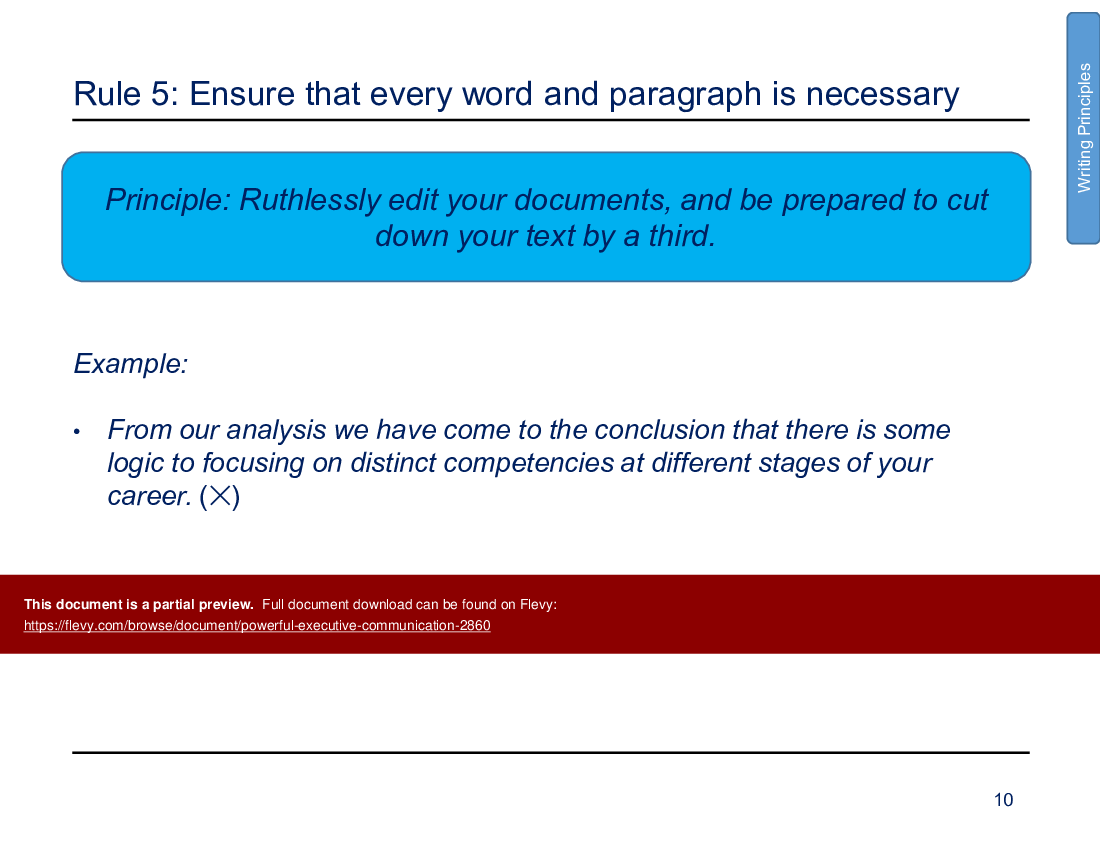
The PPT also covers the importance of using simple sentence structures and ensuring every word and paragraph is necessary. Learn to tailor your message based on your audience's social style and leverage the Pyramid Principle for logical communication.
Got a question about the product? Email us at support@flevy.com or ask the author directly by using the "Ask the Author a Question" form. If you cannot view the preview above this document description, go here to view the large preview instead.
Executive Summary
The "Powerful Executive Communication" presentation is designed to enhance communication skills essential for engaging effectively with senior management. Developed by top consultants, this deck provides a consulting-grade framework that emphasizes clear writing, logical message structuring, and persuasive presentation techniques. By mastering these skills, executives can convey their ideas succinctly and confidently, thereby accelerating their personal credibility and effectiveness in high-stakes environments.
Who This Is For and When to Use
• Corporate executives seeking to improve their communication with C-suite stakeholders
• Integration leaders responsible for presenting strategic initiatives
• Consultants aiming to enhance their client communication skills
• Team leaders who need to convey complex information clearly
Best-fit moments to use this deck:
• Preparing for high-stakes presentations to senior management
• Crafting written communications that require clarity and persuasion
• Conducting workshops focused on improving team communication skills
Learning Objectives
• Define the principles of clear writing and their application in executive communication
• Build structured messages that resonate with diverse audiences
• Establish techniques for confident and persuasive presentations
• Identify and apply the MECE principle in message structuring
• Utilize effective visual aids to enhance message delivery
• Revise and edit communications for clarity and conciseness
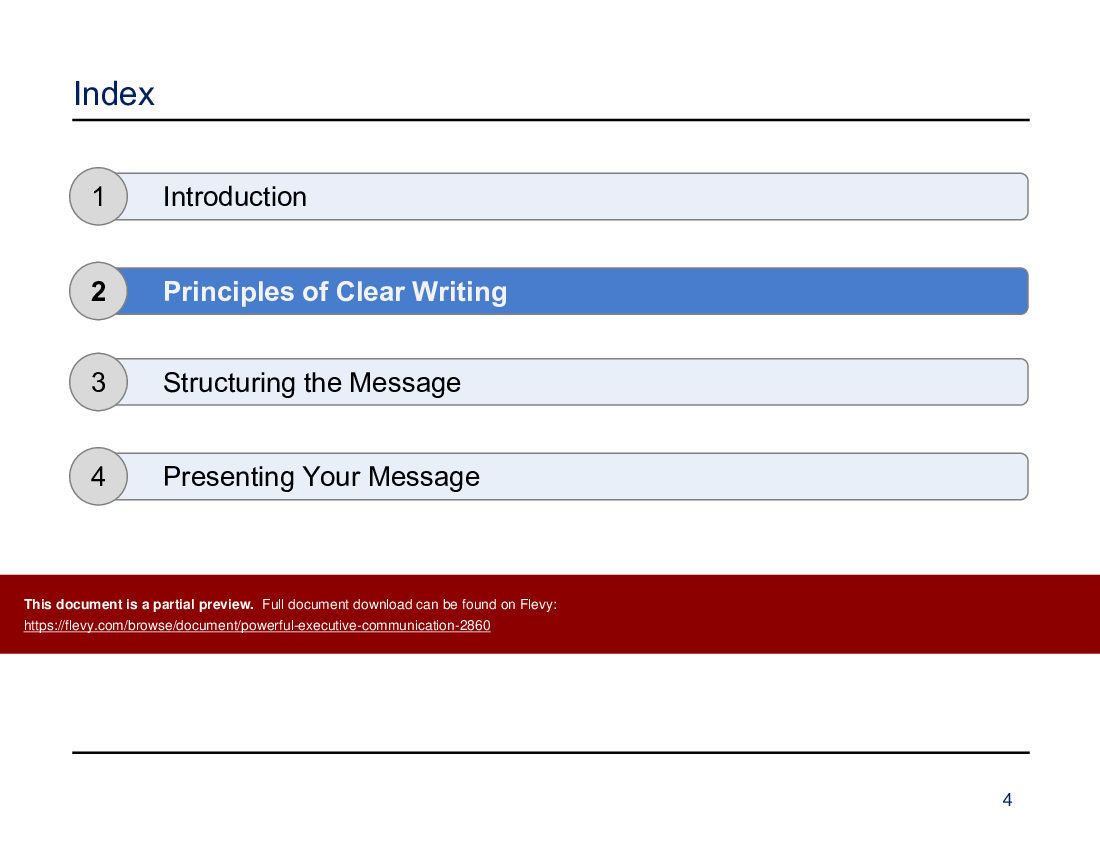
Table of Contents
• Introduction (page 1)
• Principles of Clear Writing (page 2)
• Structuring the Message (page 3)
• Presenting Your Message (page 4)
Primary Topics Covered
• Clear Writing Principles - Focus on simplicity, active voice, and concise language to enhance clarity in communication.
• Message Structuring - Techniques for organizing messages logically to ensure clarity and engagement.
• Presentation Skills - Strategies for delivering messages confidently and persuasively to various audiences.
• Audience Analysis - Understanding audience needs and tailoring messages accordingly for maximum impact.
• Visual Communication - Effective use of visuals to reinforce key messages and enhance understanding.
• Editing Techniques - Methods for refining written communication to eliminate unnecessary content and improve clarity.
Deliverables, Templates, and Tools
• Clear writing checklist to ensure adherence to principles of effective communication
• Message structuring template for organizing ideas logically
• Presentation slide templates designed for clarity and visual appeal
• Audience analysis framework to tailor messages effectively
• Editing guide to streamline written communications
• Visual aid guidelines for enhancing presentations
Slide Highlights
• Overview of the 6 rules of clear writing, emphasizing simplicity and active voice
• Examples contrasting poor and effective writing structures
• Guidelines for understanding audience needs and motivations
• Visual representation of the MECE principle for message structuring
• Techniques for using visuals effectively in presentations
Potential Workshop Agenda
Introduction to Executive Communication (30 minutes)
• Overview of communication principles
• Discussion on the importance of clear writing
Clear Writing Techniques (60 minutes)
• Interactive session on writing principles
• Group exercises on revising sentences for clarity
Structuring Your Message (45 minutes)
• Introduction to the MECE principle
• Case study analysis and group discussion
Presentation Skills Development (60 minutes)
• Techniques for confident delivery
• Practice presentations with peer feedback
Customization Guidance
• Tailor examples and case studies to reflect industry-specific scenarios
• Adjust slide templates to align with organizational branding
• Incorporate company-specific terminology and metrics for relevance
Secondary Topics Covered
• The impact of social styles on communication
• Techniques for managing body language during presentations
• The role of vocal inflection in engaging audiences
• Strategies for managing Q&A sessions effectively
FAQ
What are the key principles of clear writing?
The key principles include using simple language, active voice, concise sentences, and ensuring every word serves a purpose.
How can I structure my message effectively?
Utilize the MECE principle to ensure your ideas are mutually exclusive and collectively exhaustive, making your message clear and logical.
What techniques can enhance my presentation skills?
Focus on body language, vocal inflection, and engaging storytelling to capture and maintain audience attention.
How do I tailor my message for different audiences?
Analyze the audience's needs, motivations, and social styles to adjust your message accordingly for maximum impact.
What visual aids should I use in my presentations?
Use charts, graphs, and infographics to reinforce key points and make complex information more digestible.
How can I effectively edit my written communications?
Ruthlessly cut unnecessary content, focus on clarity, and ensure every paragraph and sentence contributes to your main message.
What is the importance of audience analysis?
Understanding your audience allows you to tailor your message to meet their specific needs and expectations, enhancing engagement and effectiveness.
How can I practice my presentation skills?
Rehearse your presentation multiple times, ideally in front of an audience, to build confidence and refine your delivery.
Glossary
• MECE Principle - A framework ensuring ideas are mutually exclusive and collectively exhaustive.
• Active Voice - A sentence structure where the subject performs the action.
• Social Style - A model for understanding audience behavior and preferences in communication.
• Visual Aids - Tools such as charts and graphs used to enhance presentations.
• Editing - The process of revising written content for clarity and conciseness.
• Audience Analysis - The study of audience characteristics to tailor communication effectively.
• Body Language - Non-verbal cues that convey messages during presentations.
• Vocal Inflection - Variations in pitch and tone that enhance speech delivery.
• Clear Writing - Writing that is straightforward, concise, and easy to understand.
• Presentation Skills - Techniques for delivering messages effectively to an audience.
• Power Words - Strong, impactful words that energize communication.
• Pyramid Principle - A method for structuring communication logically, starting with the main idea.
• Conciseness - The quality of being brief and to the point in communication.
• Engagement - The level of attention and interest an audience shows during communication.
• Clarity - The quality of being clear and easy to understand in communication.
• Persuasion - The act of convincing an audience to accept a particular viewpoint or action.
• Feedback - Responses from the audience that can inform future communication strategies.
• Storytelling - The use of narrative to convey messages in a compelling way.
• Q&A Session - A segment of a presentation where the audience can ask questions.
• Infographic - A visual representation of information or data designed to present complex information quickly and clearly.
Source: Best Practices in Presentation Development, Presentation Delivery, Pyramid Principle PowerPoint Slides: Powerful Executive Communication PowerPoint (PPTX) Presentation Slide Deck, Trinity Consulting
|
Receive our FREE whitepaper on the Top 101 Consulting Frameworks
Download our 200+ page guide summarizing the Top 101 Management Consulting Frameworks. Each framework provides a structured approach to analyzing and solving a common business problem. |