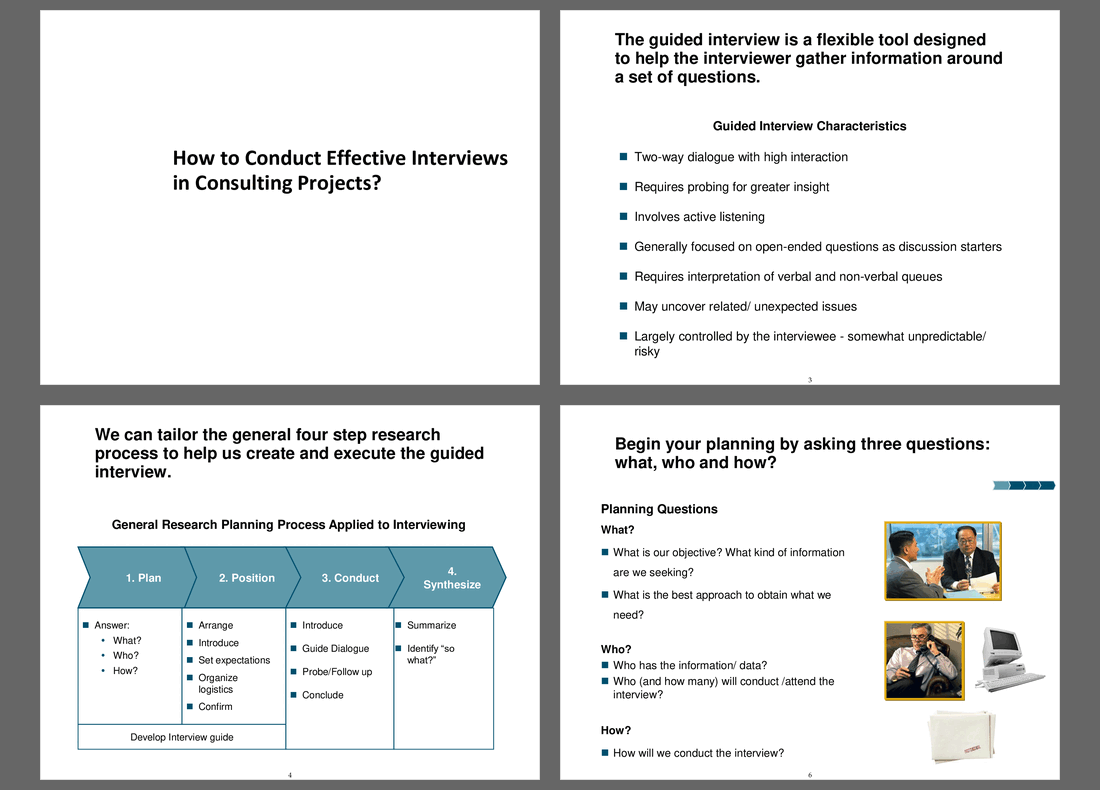

This deck is a training presentation on how to conduct interviews in consulting projects. Contents include:
• Overview
• Planning and positioning the interview
• Conducting the interview
• Synthesizing the interview
• Appendix (interview template, useful techniques, reading materials etc.)
See also "How to Write A Business Plan"
/browse/marketplace/how-to-write-a-business-plan-835
See also "How to Prepare a Business Plan"
/browse/marketplace/how-to-prepare-a-business-plan-762
See also "How to Be a Great Manager"
/browse/marketplace/how-to-be-a-great-manager-755
See also "How to Be a Great Consultant"
/browse/marketplace/how-to-be-a-great-consultant-754
See also "How to Be a Great Associate Consultant "
/browse/marketplace/how-to-be-a-great-associate-consultant-753
See also "How to Deliver Effective Presentations"
/browse/marketplace/how-to-deliver-effective-presentations-751
See also "How to Run a Consulting Project"
/browse/marketplace/how-to-run-a-consulting-project-732
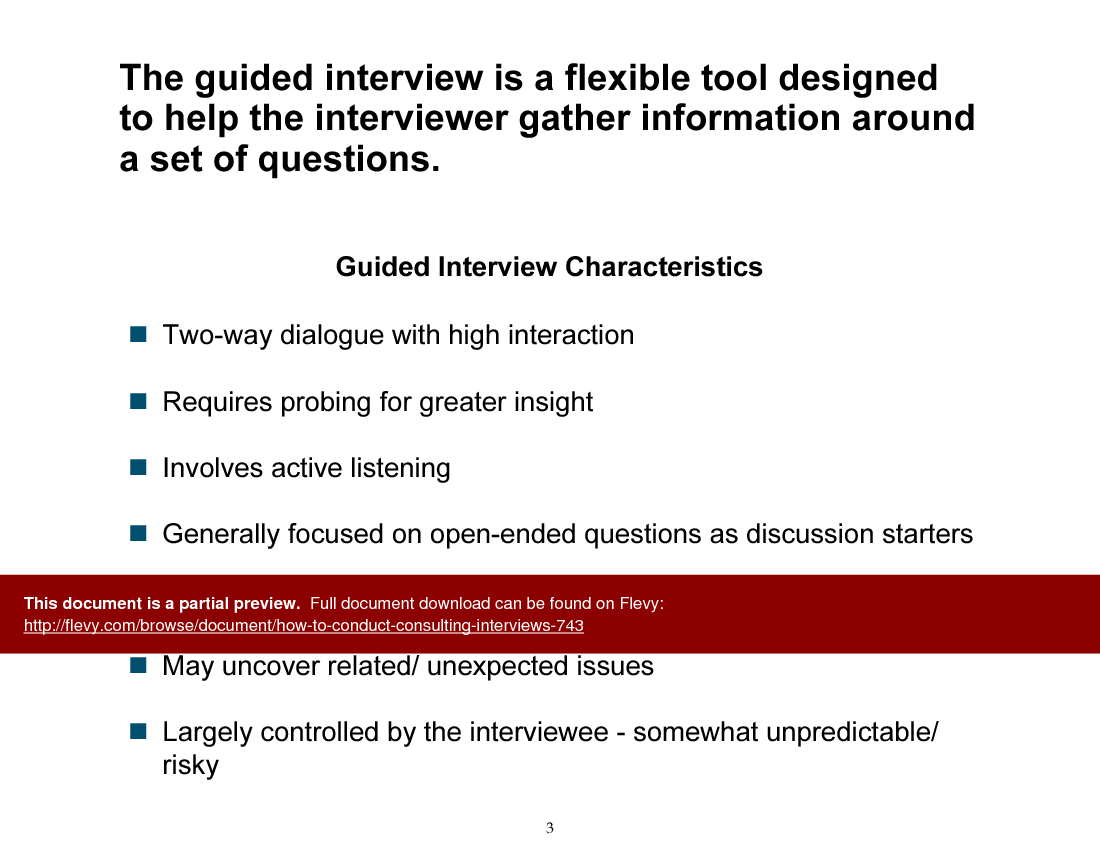
This presentation emphasizes the importance of a guided interview, which is a flexible tool designed to gather information through a set of questions. It highlights the characteristics of a guided interview, including the necessity for a two-way dialogue, active listening, and probing for deeper insights. The approach is generally focused on open-ended questions to foster discussion and uncover unexpected issues, making it somewhat unpredictable, but highly interactive.
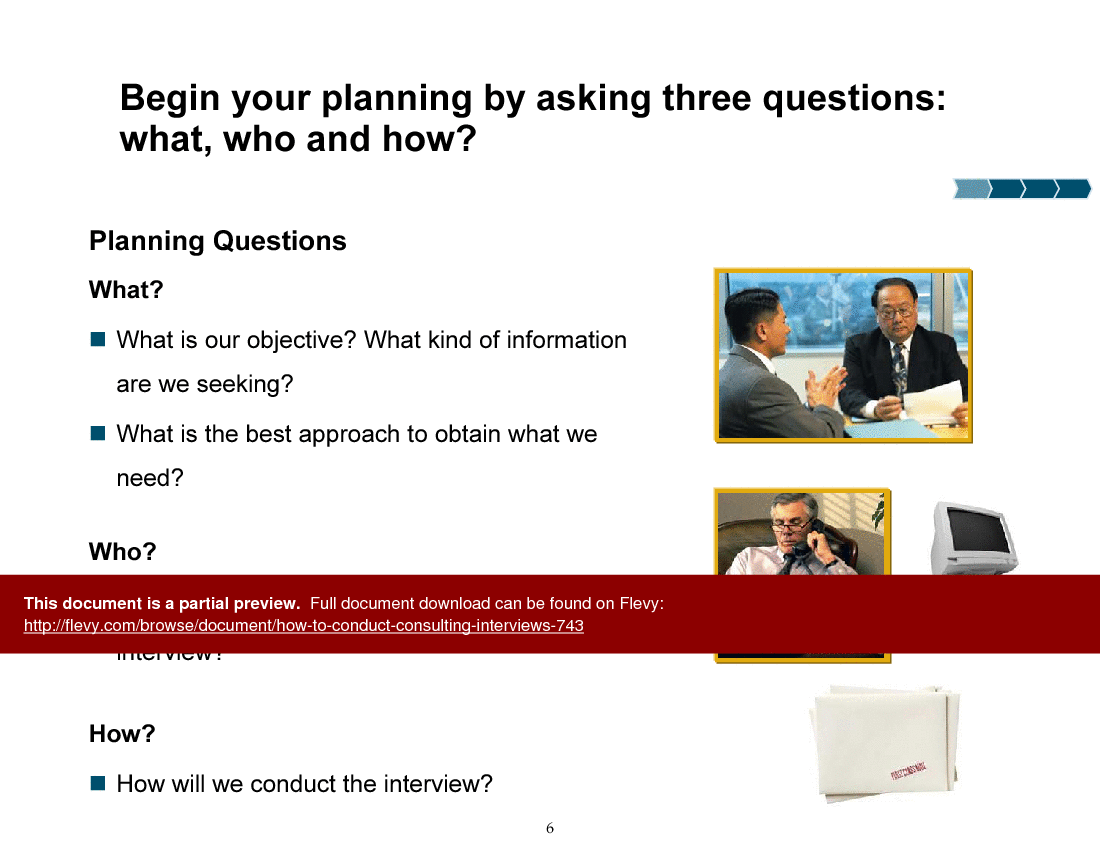
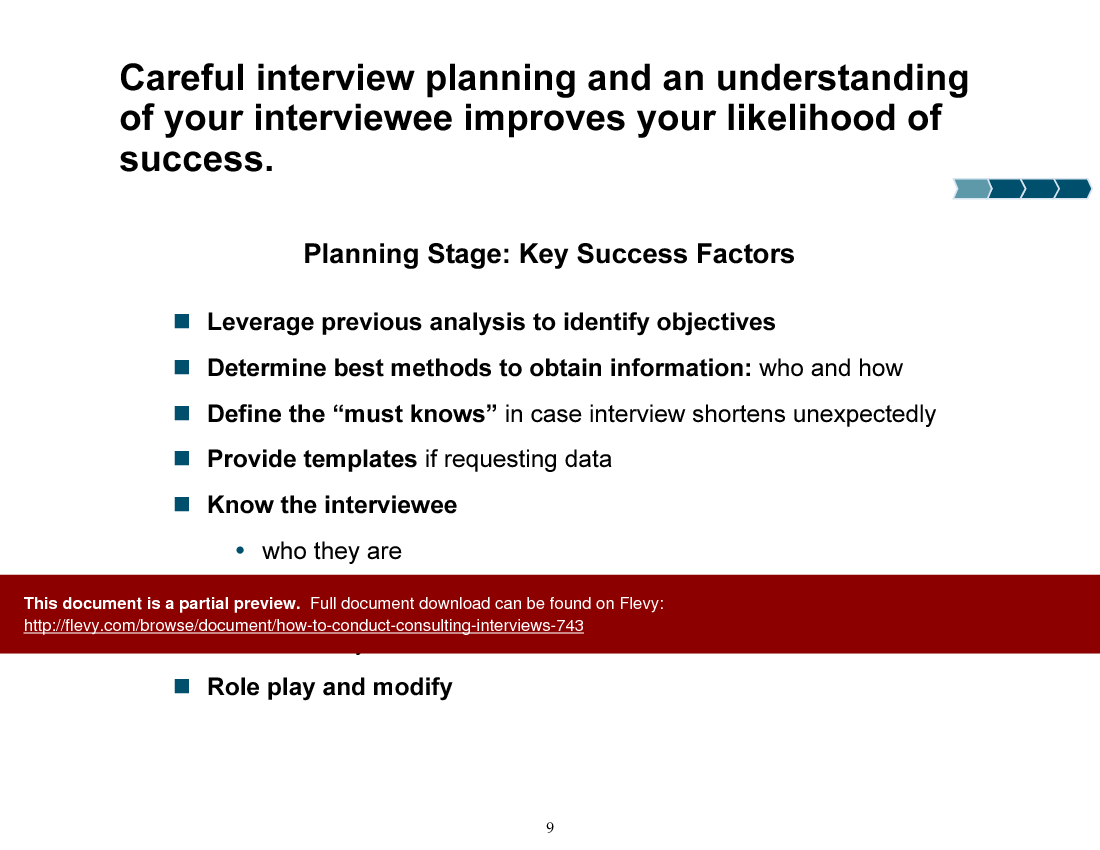
Planning your interview is crucial. Start by asking three fundamental questions: what, who, and how. Define your objectives and determine the best approach to obtain the necessary information. Identify who will be interviewed and how the interview will be conducted. This stage involves leveraging previous analyses, defining must-know information, and knowing your interviewee. Role-playing and modifying your approach based on the interviewee's responses can enhance the effectiveness of your planning.
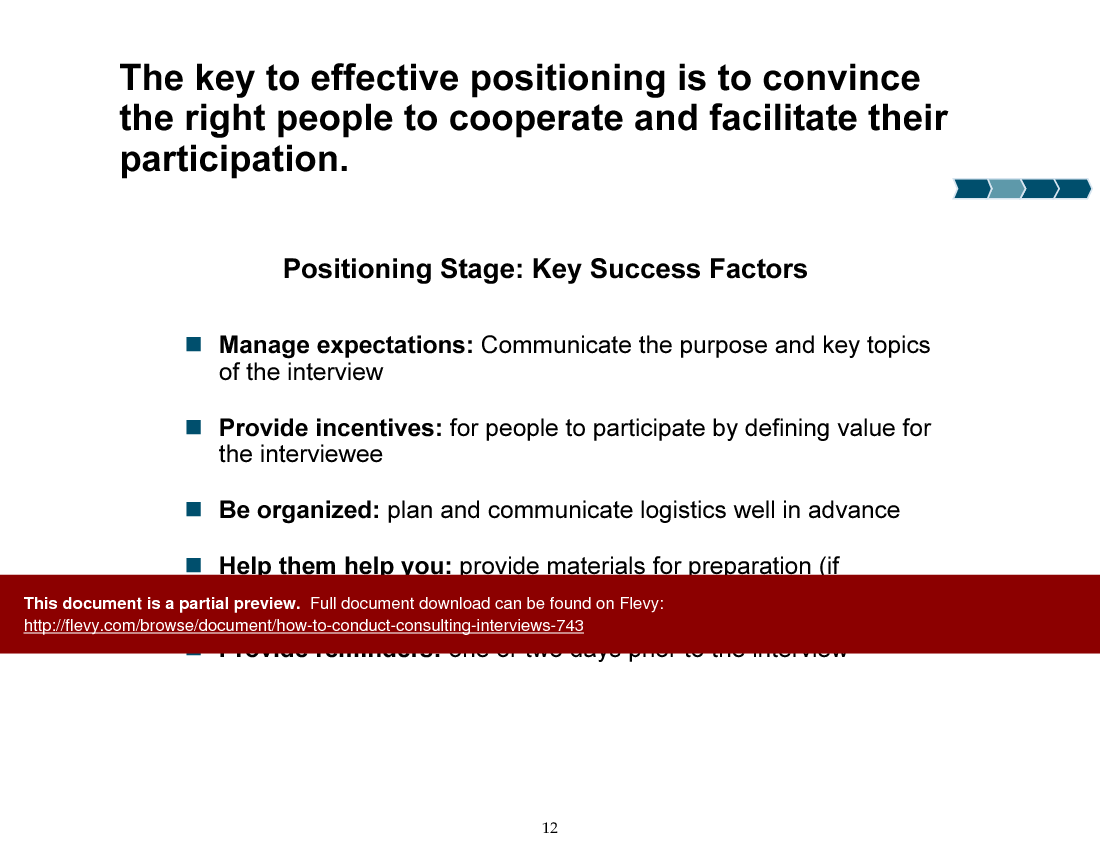
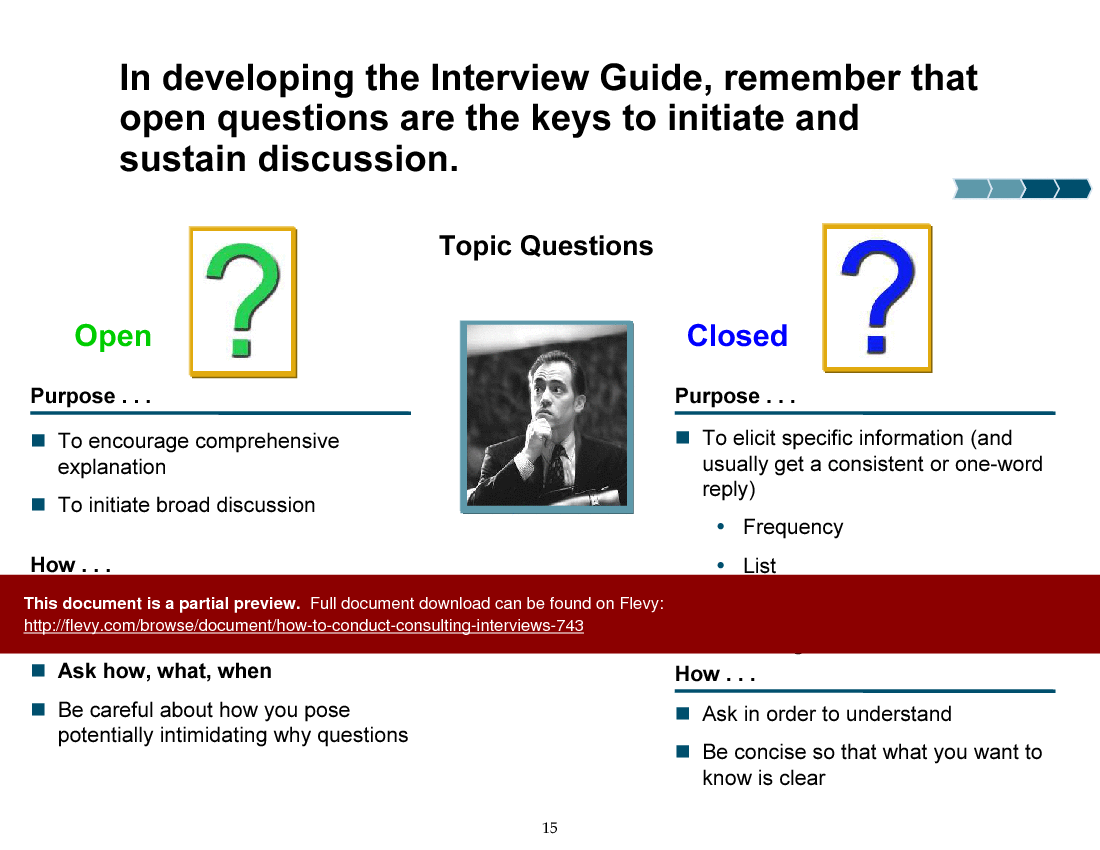
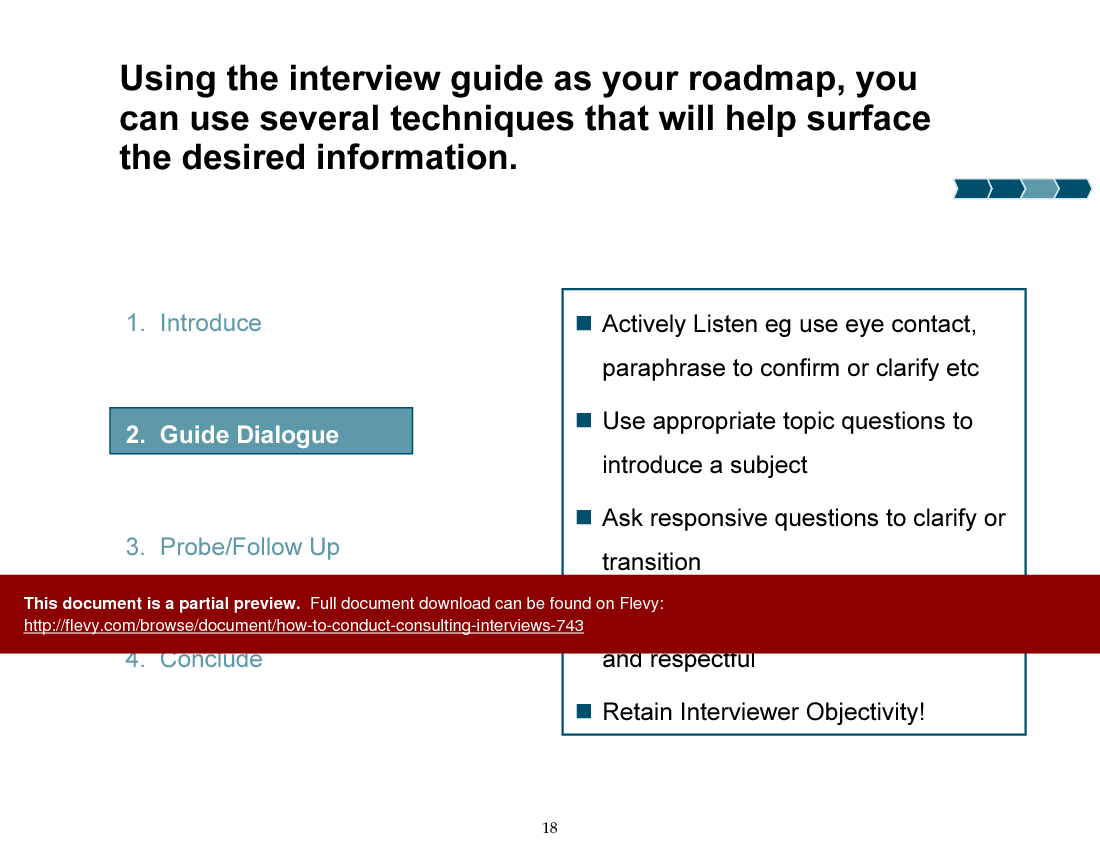
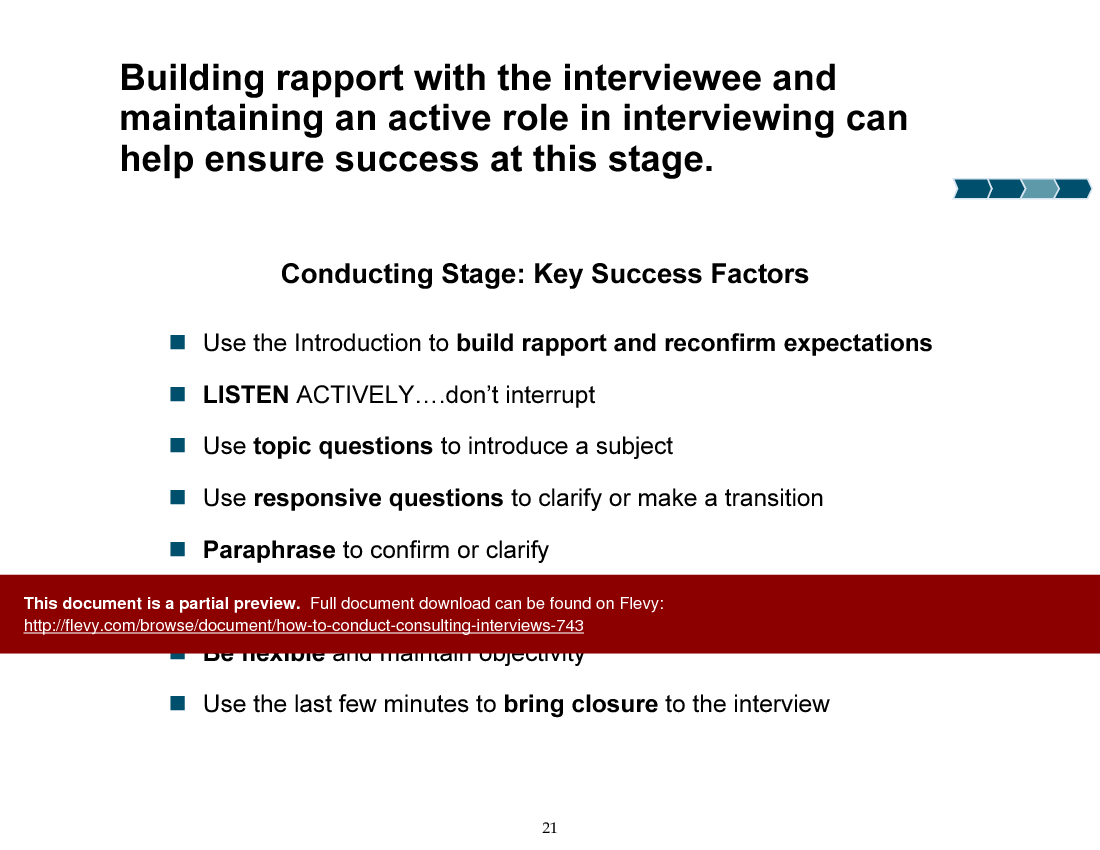
Positioning the interview is key to ensuring cooperation and participation. Managing expectations, providing incentives, and organizing logistics in advance are essential steps. Help your interviewees prepare by providing necessary materials and reminders. During the interview, use open questions to initiate broad discussions and closed questions to elicit specific information. Active listening, paraphrasing, and maintaining objectivity are critical to building rapport and ensuring the success of the interview.
Got a question about the product? Email us at support@flevy.com or ask the author directly by using the "Ask the Author a Question" form. If you cannot view the preview above this document description, go here to view the large preview instead.
Executive Summary
This presentation titled "How to Conduct Effective Interviews in Consulting Projects" is a consulting-grade guide designed to enhance the skills of professionals conducting interviews. Created by industry veterans, this PPT provides a structured approach to planning, executing, and synthesizing interviews, ensuring that consultants can gather valuable insights effectively. The guide emphasizes the importance of active listening, probing for deeper understanding, and managing the interview process to achieve specific objectives. With this resource, users will be equipped to conduct interviews that yield actionable insights, ultimately driving project success.
Who This Is For and When to Use
• Consultants and analysts involved in project research and data collection
• Project managers seeking to gather stakeholder insights and feedback
• Team leaders aiming to build client relationships through effective communication
• Business development professionals looking to understand client needs and expectations
Best-fit moments to use this deck:
• During the initial phases of consulting engagements to gather background information
• When exploring complex problems that require detailed understanding and stakeholder input
• In mid-project stages to validate findings and refine solutions based on client feedback
• At the conclusion of projects to test recommendations and identify future opportunities
Learning Objectives
• Define the objectives of conducting interviews and the types of information needed
• Develop a structured interview guide that facilitates effective data collection
• Establish rapport and trust with interviewees to encourage open dialogue
• Utilize probing techniques to uncover deeper insights and unexpected issues
• Synthesize interview findings into actionable recommendations
• Manage logistics and expectations to ensure a smooth interview process
Table of Contents
• Overview of Conducting the Interview (page 3)
• Planning and Positioning the Interview (page 6)
• Conducting the Interview (page 17)
• Synthesizing the Interview (page 23)
• Appendix (page 25)
Primary Topics Covered
• Guided Interview Characteristics - A flexible tool designed for two-way dialogue, focusing on open-ended questions and active listening to gather insights.
• Planning Questions - Key questions to ask during the planning phase: what information is needed, who to interview, and how to conduct the interview.
• Interview Objectives by Engagement Stage - Understanding how interview objectives evolve from early engagement to late stages.
• Interview Guide Development - Creating a structured guide that outlines topics and questions to ensure comprehensive data collection.
• Conducting the Interview - Techniques for introducing, guiding dialogue, probing, and concluding interviews effectively.
• Synthesis of Findings - Strategies for synthesizing interview data into meaningful insights and recommendations.
Deliverables, Templates, and Tools
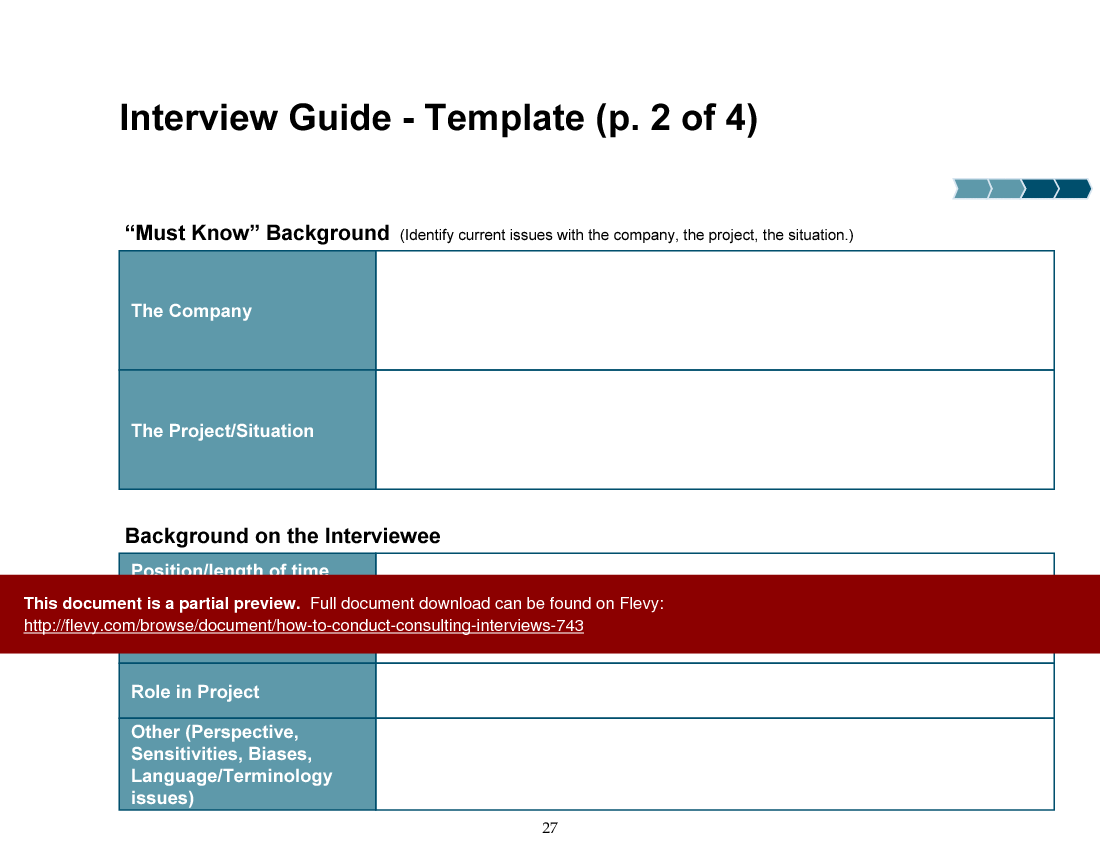
• Interview guide template to structure questions and objectives
• Issue analysis worksheet for identifying key topics and data sources
• Interview log for recording responses and insights
• Documentation plan for capturing and synthesizing data
• Follow-up communication templates for maintaining rapport with interviewees
Slide Highlights
• Overview slide detailing the guided interview process and its characteristics
• Planning questions slide emphasizing the importance of defining objectives, interviewees, and methods
• Interview guide template slide showcasing the structure for effective data collection
• Techniques for probing and responsive questioning highlighted for effective dialogue
• Synthesis strategies slide focusing on how to analyze and validate interview findings
Potential Workshop Agenda
Introduction to Interviewing Techniques (60 minutes)
• Discuss the importance of effective interviewing in consulting
• Review the characteristics of guided interviews
• Explore planning and positioning strategies
Practical Application of Interview Guides (90 minutes)
• Develop a customized interview guide based on a case study
• Role-play interviews using the guide to practice techniques
• Gather feedback and refine approaches
Synthesis and Analysis of Interview Data (60 minutes)
• Learn methods for synthesizing interview findings
• Discuss how to translate insights into actionable recommendations
• Share best practices for documenting and presenting findings
Customization Guidance
• Tailor the interview guide template to fit specific project objectives and stakeholder needs
• Adjust the sequencing of questions based on the interviewee's background and expertise
• Incorporate company-specific terminology and context to enhance relatability
• Modify logistics and communication strategies based on the interview format (in-person, virtual)
• Define clear metrics for success based on the interview objectives
Secondary Topics Covered
• Techniques for building rapport and trust with interviewees
• Strategies for managing interview logistics and expectations
• Importance of active listening and responsive questioning
• Methods for handling sensitive topics during interviews
• Approaches for validating and synthesizing qualitative data
FAQ
What is the purpose of a guided interview?
A guided interview serves as a flexible tool to facilitate a two-way dialogue, allowing interviewers to gather detailed information through open-ended questions and active listening.
How do I plan for an effective interview?
Begin by defining your objectives, identifying who has the necessary information, and determining the best approach to conduct the interview.
What should be included in an interview guide?
An interview guide should outline objectives, key questions, background information on the interviewee, and a documentation plan for capturing insights.
How can I ensure a smooth interview process?
Manage logistics effectively by confirming arrangements, setting clear expectations, and providing materials for preparation to the interviewee.
What techniques can I use to probe for deeper insights?
Utilize responsive questions, follow-up inquiries, and active listening to encourage interviewees to elaborate on their responses.
How do I synthesize interview findings?
Analyze the data by comparing it against your initial objectives, identifying patterns, and translating insights into actionable recommendations.
What are common challenges in conducting interviews?
Challenges may include managing interviewee expectations, addressing sensitive topics, and ensuring the collection of unbiased data.
How can I maintain rapport with interviewees?
Build rapport by establishing trust, actively listening, and showing appreciation for their time and insights throughout the interview process.
Glossary
• Guided Interview - A flexible interviewing technique that encourages dialogue and insight gathering.
• Interview Guide - A structured template outlining objectives and questions for interviews.
• Probing - The technique of asking follow-up questions to elicit deeper insights.
• Synthesis - The process of analyzing and combining interview findings into actionable insights.
• Rapport - A positive relationship established between the interviewer and interviewee to facilitate open communication.
• Active Listening - Engaging fully with the interviewee to understand their responses and clarify points.
• Logistics - The planning and organization of interview arrangements and communication.
• Documentation Plan - A strategy for capturing and synthesizing interview data effectively.
• Responsive Questions - Questions designed to clarify or expand on previous statements made by the interviewee.
• Issue Analysis - A method for identifying key topics and data sources relevant to the interview objectives.
• Qualitative Data - Non-numerical information gathered through interviews that provides insights into opinions and experiences.
• Objectives - The specific goals or outcomes desired from conducting an interview.
Source: Best Practices in Interviewing, Focus Interviewing, Bain PowerPoint PowerPoint Slides: How to Conduct Consulting Interviews PowerPoint (PPT) Presentation Slide Deck, Documents & Files
This document is available as part of the following discounted bundle(s):
Save %!
Essential Consulting Skill Builder
This bundle contains 19 total documents. See all the documents to the right.
|
Download our FREE Organization, Change, & Culture, Templates
Download our free compilation of 50+ slides and templates on Organizational Design, Change Management, and Corporate Culture. Methodologies include ADKAR, Burke-Litwin Change Model, McKinsey 7-S, Competing Values Framework, etc. |