
[NOTE: Our Kaizen presentation has been trusted by an array of prestigious organizations, including industry leaders such as Apple, Bayer, University of Michigan, General Motors, Cummins, Baxter, Johnson Controls, Ulta, Daimler Truck, Aramark, Parsons Corporation, to name just a few.]
Explore the evolution of Kaizen, a transformative strategy originating in the 1980s that has revolutionized the success of renowned Japanese companies like Toyota. Beyond a conventional management concept, Kaizen is a dynamic and contemporary approach to achieving continuous improvement, fostering a culture that adapts to the demands of the modern business landscape.
Key Insights:
1. Adaptable Evolution: Kaizen has evolved into a dynamic strategy that remains a cornerstone for continuous improvement, adaptable to the fast-paced modern business world.
2. Inclusive Empowerment: Kaizen involves all levels of an organization, empowering everyone to contribute to the pursuit of perfection and fostering a culture of innovation.
3. Daily Improvement Culture: Beyond a management concept, Kaizen is a lifestyle that encourages a culture of perpetual improvement, seizing daily opportunities for organizational enhancement.
4. Collaborative Problem Solving: Kaizen excels in solving cross-functional challenges, fostering collaboration and innovation across departments.
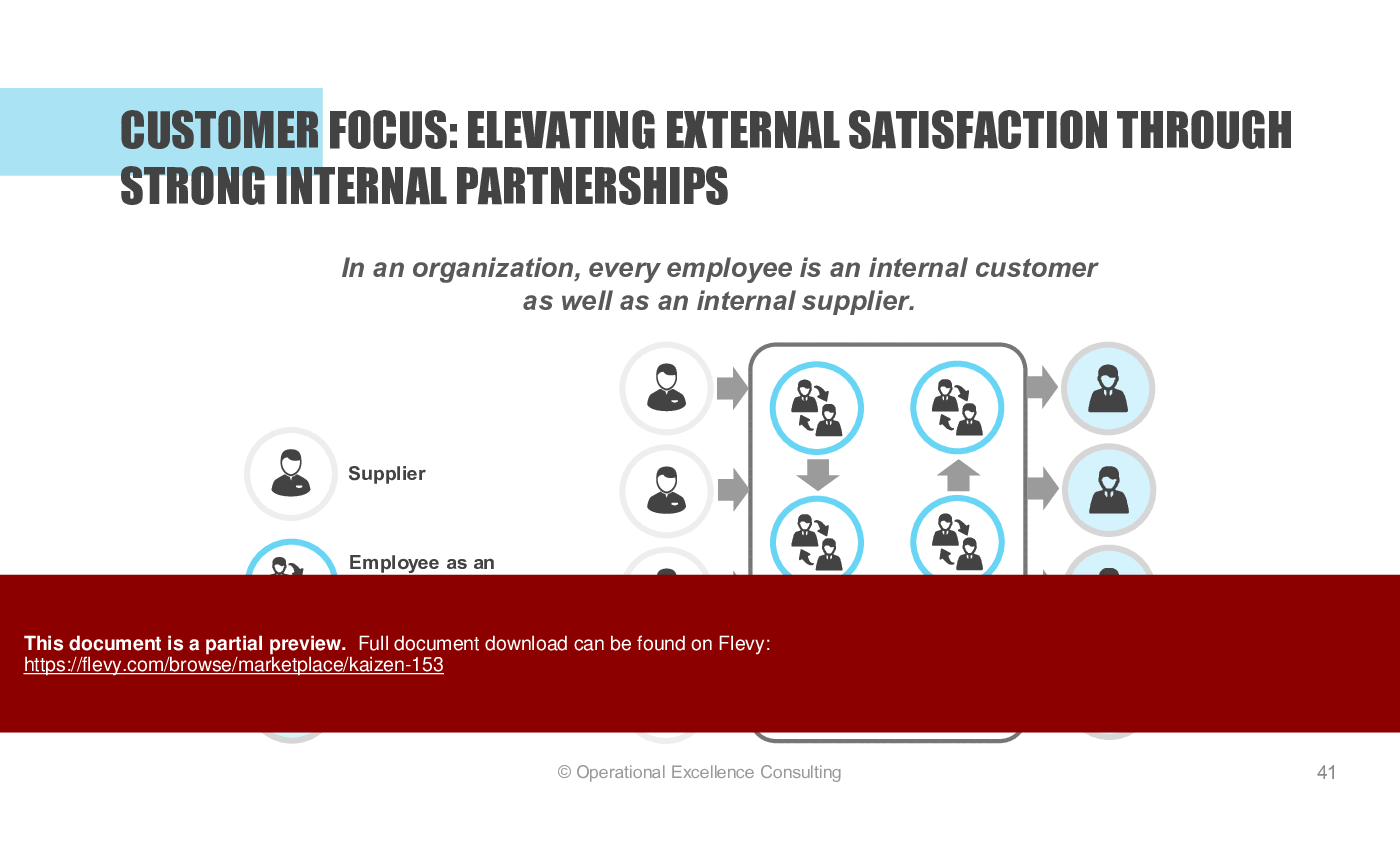
5. Customer-Centric Excellence: Kaizen is inherently customer-driven, focusing on quality, cost, and scheduling to keep organizations competitive and responsive.
6. Process-Focused Thinking: Kaizen places a significant emphasis on process-oriented thinking, inspiring continuous improvement by delving into core organizational processes.
This Kaizen PPT training presentation is crafted for today's business leaders, managers, supervisors, facilitators, and continuous improvement steering committees. It serves as a comprehensive guide to kick-start and implement Kaizen activities in work areas, ensuring organizations can drive meaningful change and achieve enduring success in the contemporary business landscape.
||||||||||||||||||||||||||||||||||||||||||||||||||||||||||||||||||||||||||||||||||||||||||||||||||||||||||||||||||||||||||||||||||||||||||||||||||||||
This training package includes:
1. Kaizen PPT training presentation (PowerPoint format, in 16:9 widescreen)
2. Kaizen poster (PDF format, in color and monochrome, printable in A3 size)
||||||||||||||||||||||||||||||||||||||||||||||||||||||||||||||||||||||||||||||||||||||||||||||||||||||||||||||||||||||||||||||||||||||||||||||||||||||
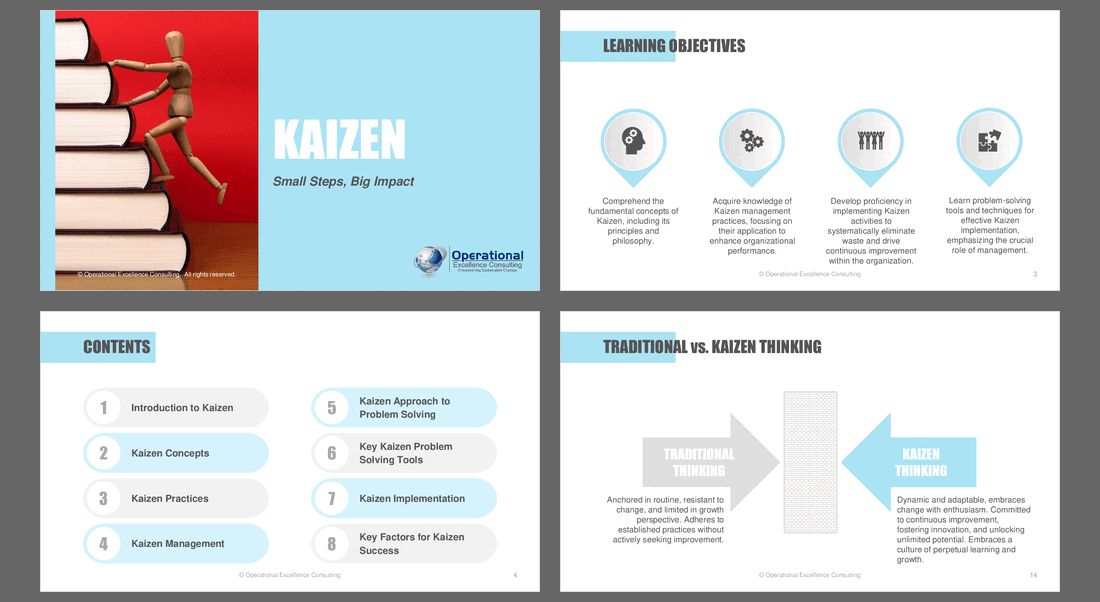
LEARNING OBJECTIVES
1. Comprehend the fundamental concepts of Kaizen, including its principles and philosophy.
2. Acquire knowledge of Kaizen management practices, focusing on their application to enhance organizational performance.
3. Develop proficiency in implementing Kaizen activities to systematically eliminate waste and drive continuous improvement within the organization.
4. Learn problem-solving tools and techniques for effective Kaizen implementation, emphasizing the crucial role of management.
CONTENTS
1. Introduction to Kaizen
2. Kaizen Concepts
3. Kaizen Practices
4. Kaizen Management
5. Kaizen Approach to Problem Solving
6. Key Kaizen Problem Solving Tools
7. Kaizen Implementation
8. Key Factors for Kaizen Success
Note: This Kaizen training presentation can be used together with the Kaizen Event Guide companion (sold separately).
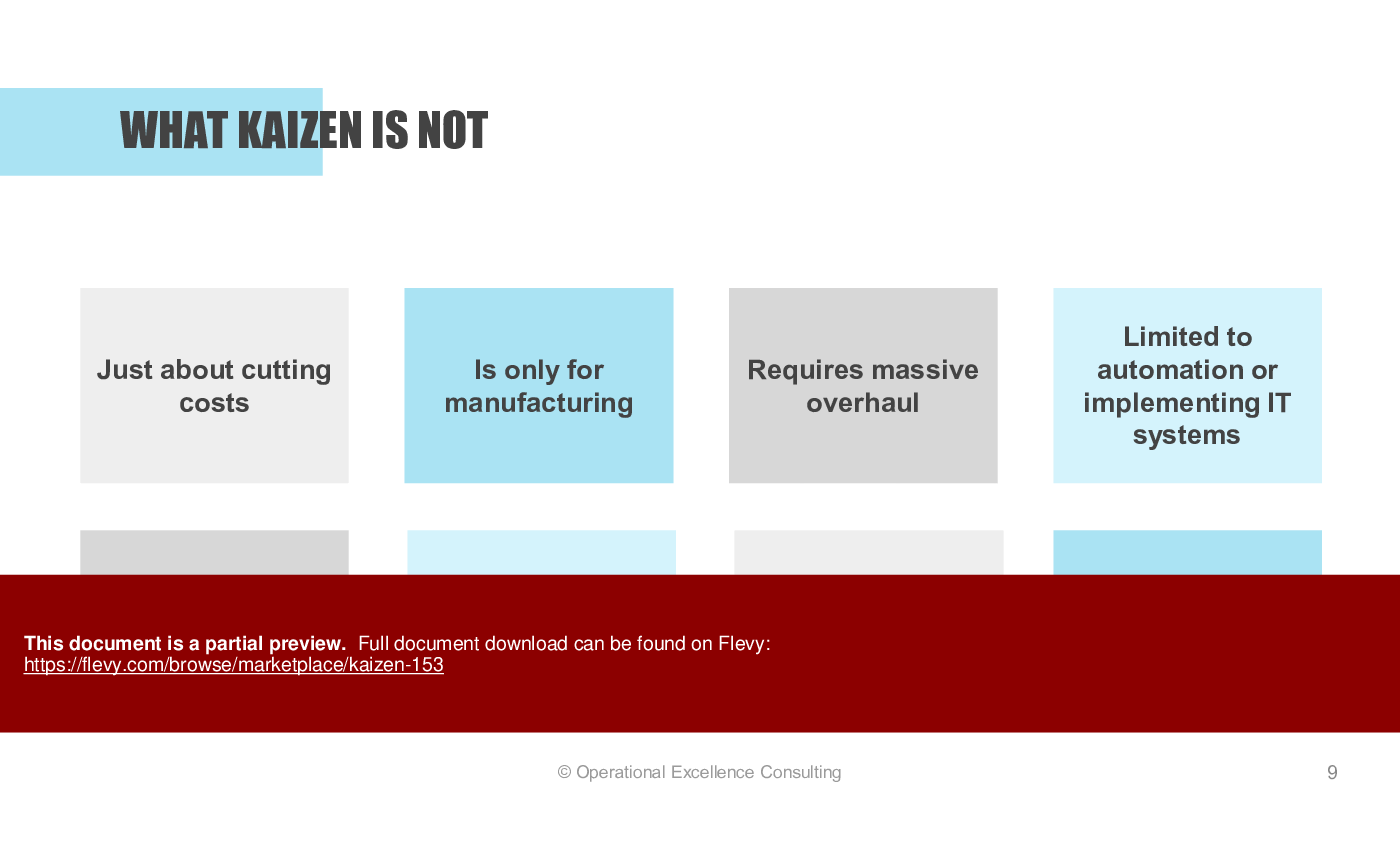
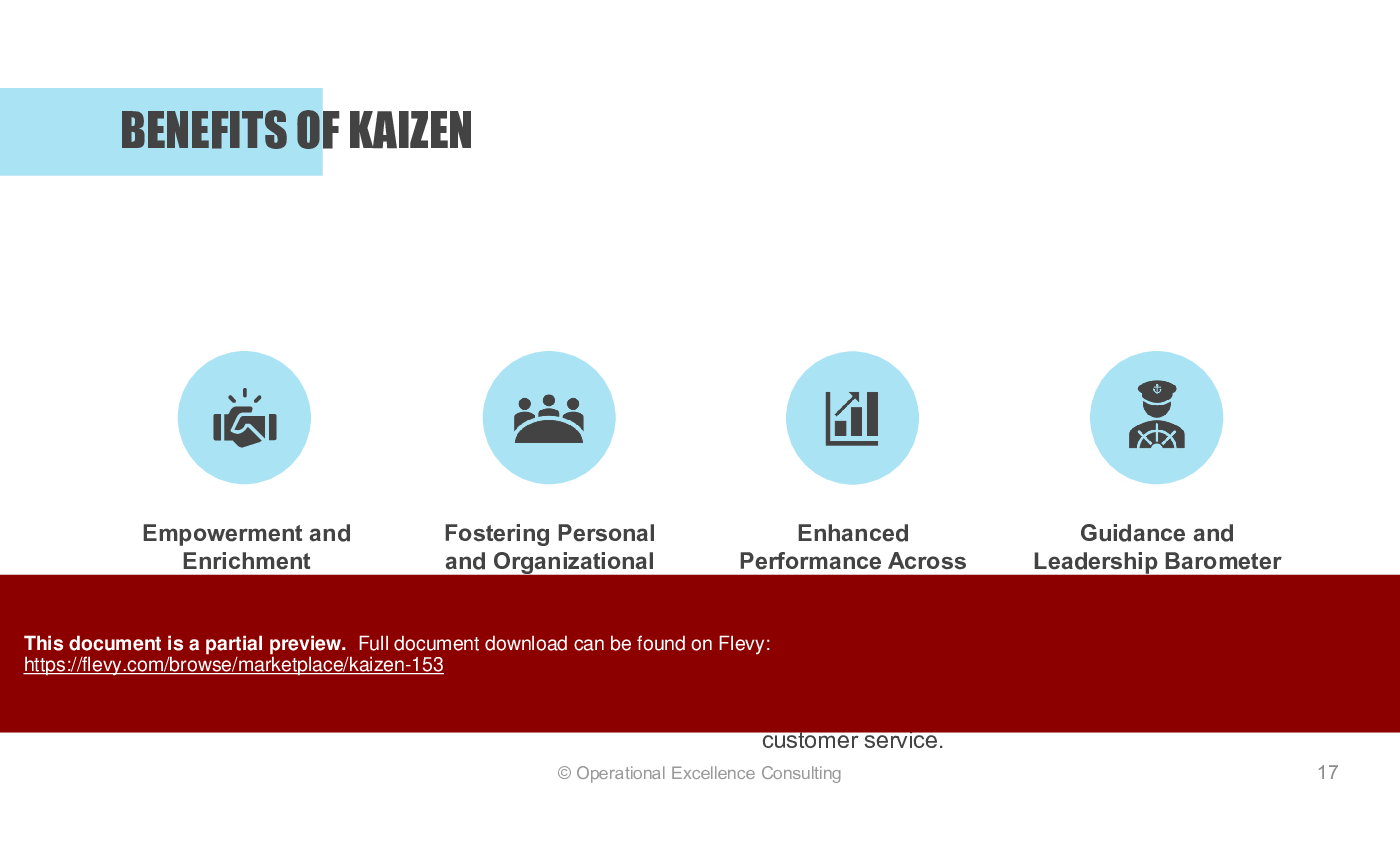
Kaizen is not just about cutting costs or limited to manufacturing; it requires no massive overhaul. This presentation highlights the benefits of fostering personal and organizational enrichment, enhancing performance, and promoting a culture of continuous improvement.
Got a question about the product? Email us at support@flevy.com or ask the author directly by using the "Ask the Author a Question" form. If you cannot view the preview above this document description, go here to view the large preview instead.
Executive Summary
The Kaizen presentation is a detailed guide for organizations aiming to implement continuous improvement strategies effectively. Developed by a Certified Lean Six Sigma Black Belt with extensive experience at Microsoft and IBM, this presentation provides a structured approach to Kaizen principles, emphasizing incremental changes that lead to significant operational enhancements. Users can expect to learn about the philosophy behind Kaizen, practical implementation steps, and tools for fostering a culture of continuous improvement, making it an essential resource for companies like Apple and Bayer.
Who This Is For and When to Use
• Corporate executives seeking to drive operational excellence.

• Integration leaders focused on implementing continuous improvement methodologies.
• Consultants advising organizations on efficiency and waste reduction.
• Team leaders looking to enhance employee engagement in improvement initiatives.
Best-fit moments to use this deck:
• During strategic planning sessions focused on operational improvement.
• When launching new initiatives aimed at enhancing productivity and quality.
• For training sessions aimed at instilling a culture of continuous improvement within teams.
Learning Objectives
• Comprehend the fundamental concepts of Kaizen, including its principles and philosophy.
• Develop proficiency in implementing Kaizen activities to systematically eliminate waste and drive continuous improvement within the organization.
• Acquire knowledge of Kaizen management practices, focusing on their application to enhance organizational performance.
• Learn problem-solving tools and techniques for effective Kaizen implementation, emphasizing the crucial role of management.
Table of Contents
• Introduction to Kaizen (page 5)
• Kaizen Concepts (page 24)
• Kaizen Practices (page 73)
• Kaizen Management (page 132)
• Kaizen Approach to Problem Solving (page 146)
• Key Kaizen Problem Solving Tools (page 155)
• Kaizen Implementation (page 222)
• Key Factors for Kaizen Success (page 243)
Primary Topics Covered
• Kaizen Philosophy - A culture of daily, incremental improvement that fosters a proactive approach to enhancing processes and practices.
• Kaizen Practices - Strategies such as 5S, Gemba walks, and Kaizen events that facilitate continuous improvement efforts.
• Problem Solving Tools - Techniques including the PDCA cycle, 5 Whys, and Cause and Effect diagrams that aid in identifying and addressing root causes of issues.
• Kaizen Management - Leadership roles and responsibilities essential for sustaining Kaizen initiatives and fostering a culture of continuous improvement.
• Implementation Strategies - Step-by-step guidance on conducting Kaizen events and integrating Kaizen principles into daily operations.
• Success Factors - Key elements that contribute to the effective implementation and sustainability of Kaizen practices within organizations.
Deliverables, Templates, and Tools
• Kaizen event planning templates to guide the execution of improvement initiatives.
• Check sheets for tracking progress and identifying areas for improvement.
• Standard work documentation to ensure consistency in processes.
• Visual management tools to enhance communication and transparency in operations.
• A3 problem-solving templates for structured analysis and resolution of issues.
• Training materials for employee engagement in Kaizen activities.
Slide Highlights
• Overview of Kaizen principles and their application in various industries.
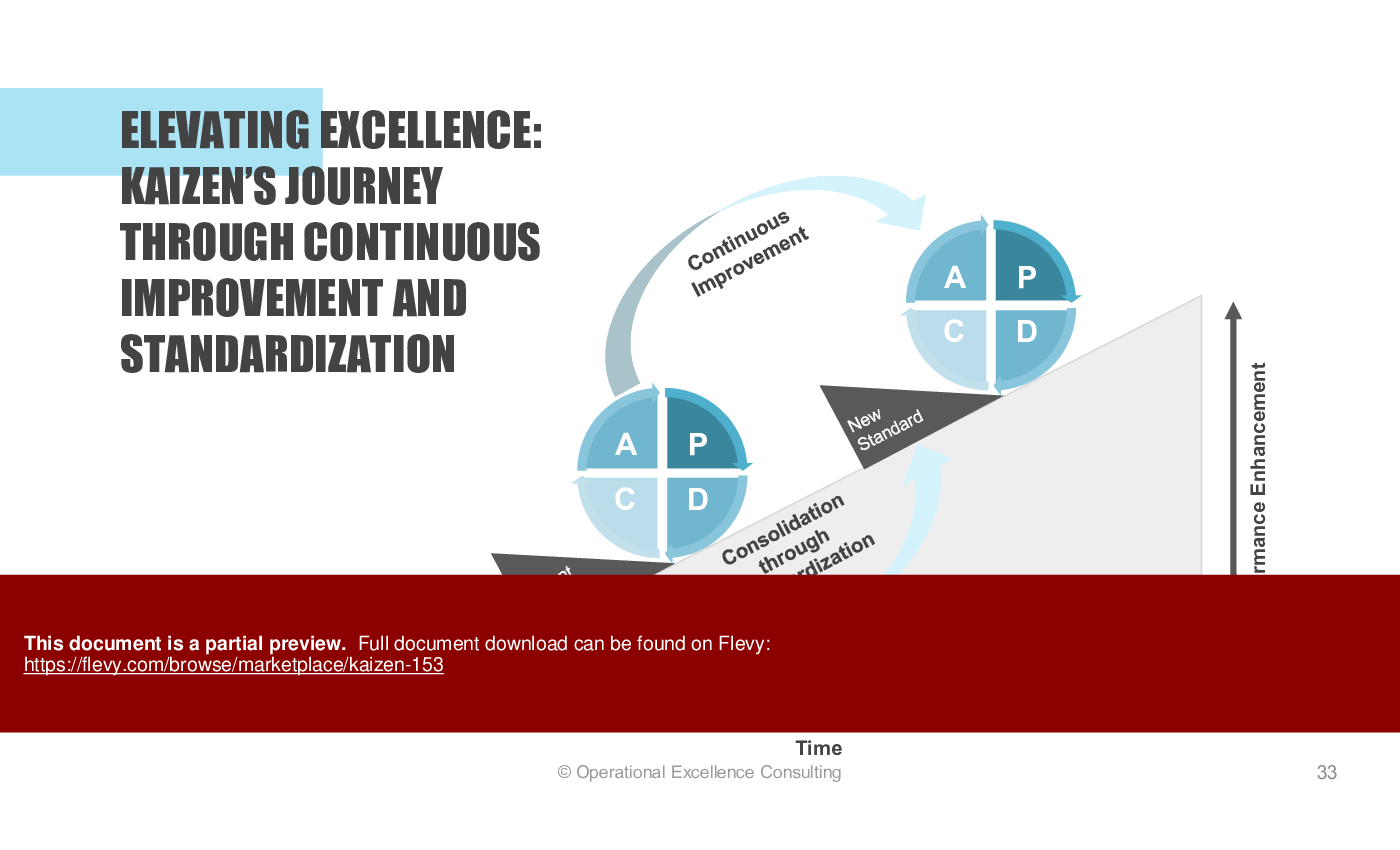
• Visual representations of the PDCA cycle and its role in continuous improvement.
• Case studies demonstrating successful Kaizen implementations in organizations.
• Key metrics for measuring the impact of Kaizen initiatives on organizational performance.
• Examples of effective problem-solving tools and techniques used in Kaizen practices.
Potential Workshop Agenda
Kaizen Introduction Session (90 minutes)
• Overview of Kaizen principles and philosophy.
• Discussion on the importance of continuous improvement in modern organizations.
• Interactive Q&A session to address participant queries.
Kaizen Implementation Workshop (120 minutes)
• Step-by-step guide on planning and executing a Kaizen event.
• Group activities to identify improvement opportunities within participants' organizations.
• Presentation of group findings and proposed action plans.
Kaizen Tools and Techniques Training (90 minutes)
• In-depth exploration of key problem-solving tools used in Kaizen.
• Hands-on exercises to practice using tools like the 5 Whys and Cause and Effect diagrams.
• Sharing of best practices and lessons learned from previous Kaizen initiatives.
Customization Guidance
• Tailor the presentation to reflect specific organizational goals and challenges.
• Incorporate company-specific examples and case studies to enhance relevance.
• Adjust terminology and metrics to align with the organization's existing frameworks.
• Include local regulations and compliance requirements where applicable.
Secondary Topics Covered
• The role of leadership in fostering a Kaizen culture.
• Strategies for engaging employees in continuous improvement initiatives.
• Best practices for sustaining Kaizen efforts over the long term.
• The importance of data-driven decision-making in Kaizen.
• Techniques for overcoming common challenges in Kaizen implementation.
FAQ
What is the core principle of Kaizen?
Kaizen emphasizes continuous, incremental improvement in processes, products, and workplace practices, involving everyone in the organization.
How can Kaizen be applied outside of manufacturing?
Kaizen principles can be effectively applied in various sectors, including healthcare, education, finance, and IT, to enhance efficiency and quality.
What tools are essential for implementing Kaizen?
Key tools include the PDCA cycle, 5 Whys, Cause and Effect diagrams, and value stream mapping, which help identify and address issues systematically.
How do I measure the success of Kaizen initiatives?
Success can be measured through key performance indicators (KPIs) related to quality, efficiency, customer satisfaction, and employee engagement.
What role does leadership play in Kaizen?
Leadership is crucial in driving and sustaining Kaizen initiatives by providing support, resources, and fostering a culture of continuous improvement.
Can Kaizen events be conducted remotely?
Yes, Kaizen events can be adapted for virtual settings, utilizing digital tools for collaboration and communication.
How often should Kaizen events be held?
The frequency of Kaizen events depends on organizational needs,, but regular events are recommended to maintain momentum in continuous improvement efforts.
What is the difference between Kaizen and Lean?
Kaizen focuses on continuous improvement through small, incremental changes, while Lean encompasses a broader set of principles aimed at maximizing customer value and minimizing waste.
Glossary
• Kaizen - A philosophy of continuous improvement involving all employees.
• PDCA - Plan-Do-Check-Act, a four-step problem-solving methodology.
• 5S - A workplace organization method: Sort, Set in order, Shine, Standardize, Sustain.
• Gemba - The actual place where work is done, emphasizing direct observation.
• Poka-yoke - Mistake-proofing techniques to prevent errors.
• Value Stream Mapping - A visual tool for analyzing the flow of materials and information.
• A3 Problem Solving - A structured approach to problem-solving using A3-sized documentation.
• Kaizen Event - A focused, short-term improvement initiative targeting specific processes.
• Continuous Improvement - Ongoing efforts to enhance products, services, or processes.
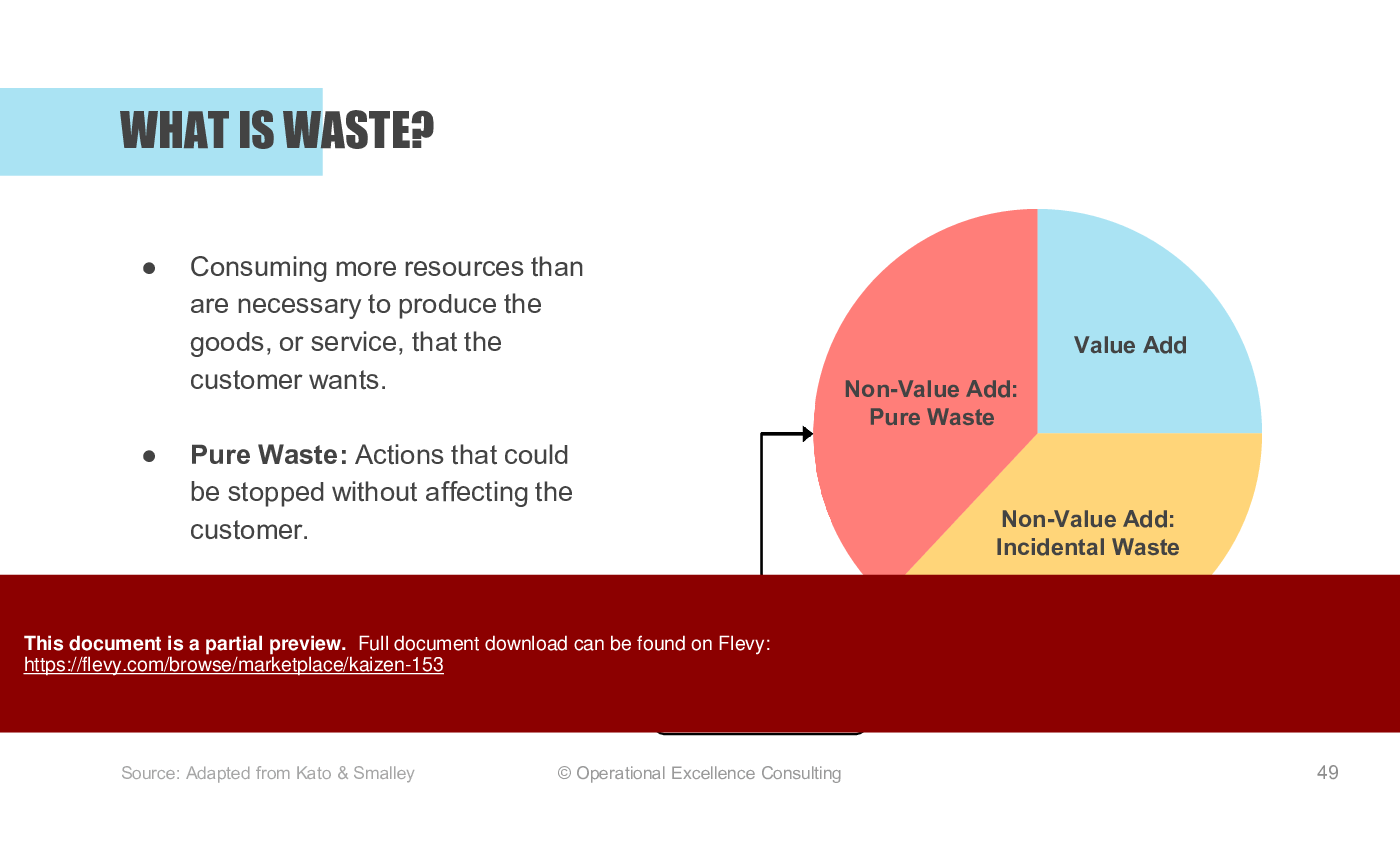
• Waste (Muda) - Any activity that does not add value to the product or service.
• Root Cause Analysis - A method for identifying the underlying causes of problems.
• Standard Work - Documented best practices for performing tasks consistently.
• Employee Suggestion System - A platform for employees to propose improvements.
• Cross-Functional Team - A group of individuals from different departments working together on a project.
• Metrics - Measurements used to assess performance and progress.
• Training - Programs designed to enhance skills and knowledge related to Kaizen practices.
• Leadership Commitment - The active support and involvement of leaders in Kaizen initiatives.
• Feedback Loop - A system for collecting and responding to feedback from employees.
Source: Best Practices in Operational Excellence, Process Improvement, Kaizen, Continuous Improvement PowerPoint Slides: Kaizen PowerPoint (PPTX) Presentation Slide Deck, Operational Excellence Consulting
This document is available as part of the following discounted bundle(s):
Save %!
Kaizen Leader Toolkit
This bundle contains 2 total documents. See all the documents to the right.
Save %!
Kaizen Consultant Toolkit
This bundle contains 5 total documents. See all the documents to the right.
Save %!
Kaizen Facilitator Toolkit
This bundle contains 3 total documents. See all the documents to the right.
Save %!
Complete Kaizen Implementation Toolkit
This bundle contains 5 total documents. See all the documents to the right.
Save %!
Lean & Kaizen Fundamentals for Shopfloor Improvement
This bundle contains 2 total documents. See all the documents to the right.
Save %!
Lean & Kaizen Fundamentals for Service Improvement
This bundle contains 2 total documents. See all the documents to the right.
Save %!
Lean Essentials for Shopfloor Improvement Training Package
This bundle contains 6 total documents. See all the documents to the right.
|
Receive our FREE presentation on Operational Excellence
This 50-slide presentation provides a high-level introduction to the 4 Building Blocks of Operational Excellence. Achieving OpEx requires the implementation of a Business Execution System that integrates these 4 building blocks. |