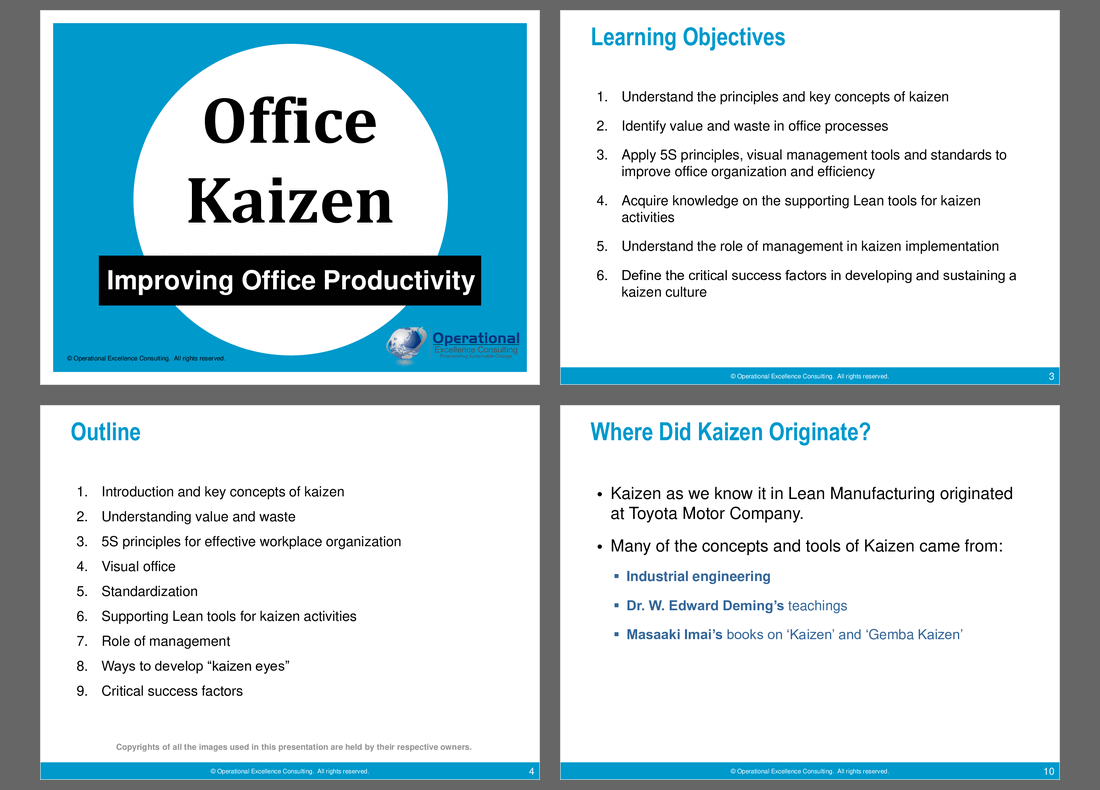

Kaizen strategy is the single most important concept in Japanese management – the key to successful Japanese companies such as Toyota. Kaizen, which simply means continuous improvement, is the foundation for all Lean improvements. Kaizen events are opportunities to make focused changes in the office or service environment.
This training presentation is specially designed for managers, supervisors, facilitators and continuous improvement steering committees who want to kick-start and implement Kaizen activities in an office or service environment to eliminate waste, improve efficiency and develop a culture of continuous improvement.
||||||||||||||||||||||||||||||||||||||||||||||||||||||||||||||||||||||||||||||||||||||||||||||||||||||||||||||||||||||||||||||||||||||||||||||||||||||
This training package includes:
1. Office Kaizen training presentation (PowerPoint format)
2. Kaizen poster (PDF format, in color and monochrome, printable in A3 size)
||||||||||||||||||||||||||||||||||||||||||||||||||||||||||||||||||||||||||||||||||||||||||||||||||||||||||||||||||||||||||||||||||||||||||||||||||||||
LEARNING OBJECTIVES
1. Understand the principles and key concepts of kaizen.
2. Identify value and waste in office work processes.
3. Apply 5S principles, visual management tools and standards to improve office organization and efficiency.
4. Acquire knowledge on the supporting Lean tools for kaizen activities.
5. Understand the role of management in kaizen implementation.
6. Define the critical success factors in developing and sustaining a kaizen culture.
CONTENTS
1. Introduction and key concepts of kaizen
2. Understanding value and waste
3. 5S principles for effective workplace organization
4. Visual office
5. Standardization
6. Supporting Lean tools for kaizen activities
7. Role of management
8. Ways to develop "kaizen eyes"
9. Critical success factors
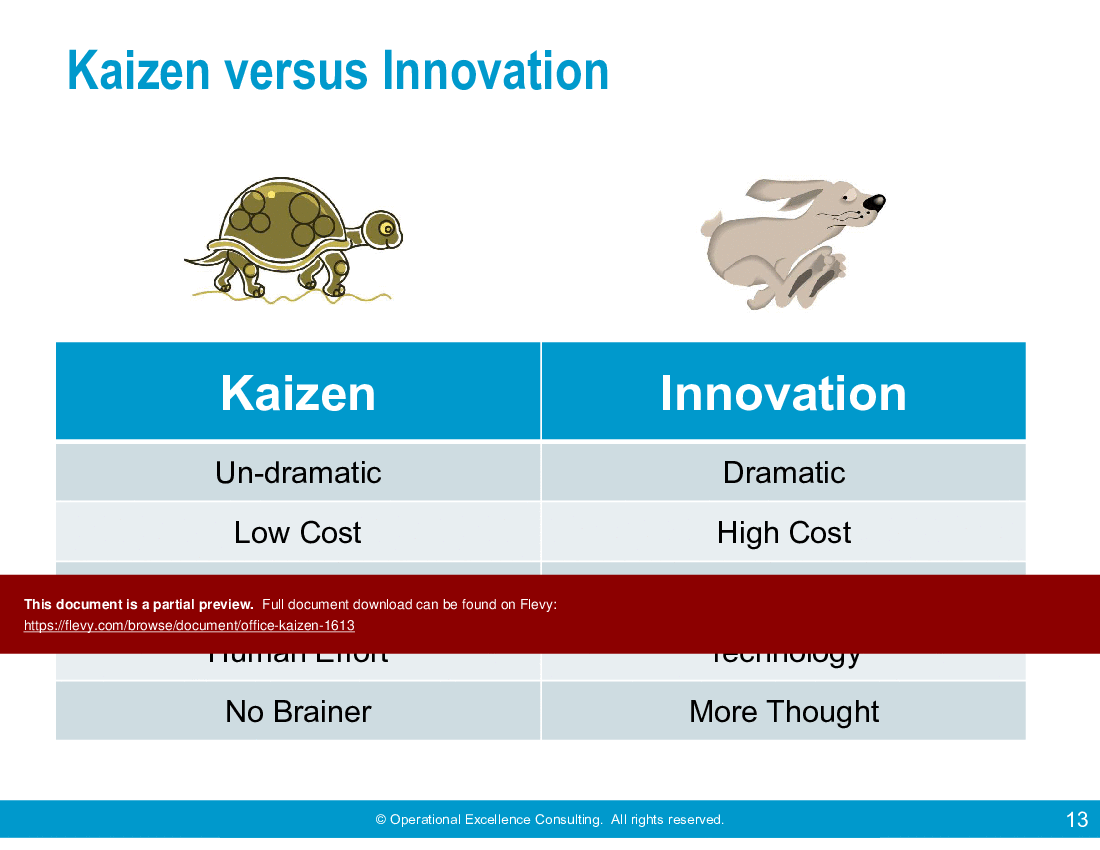
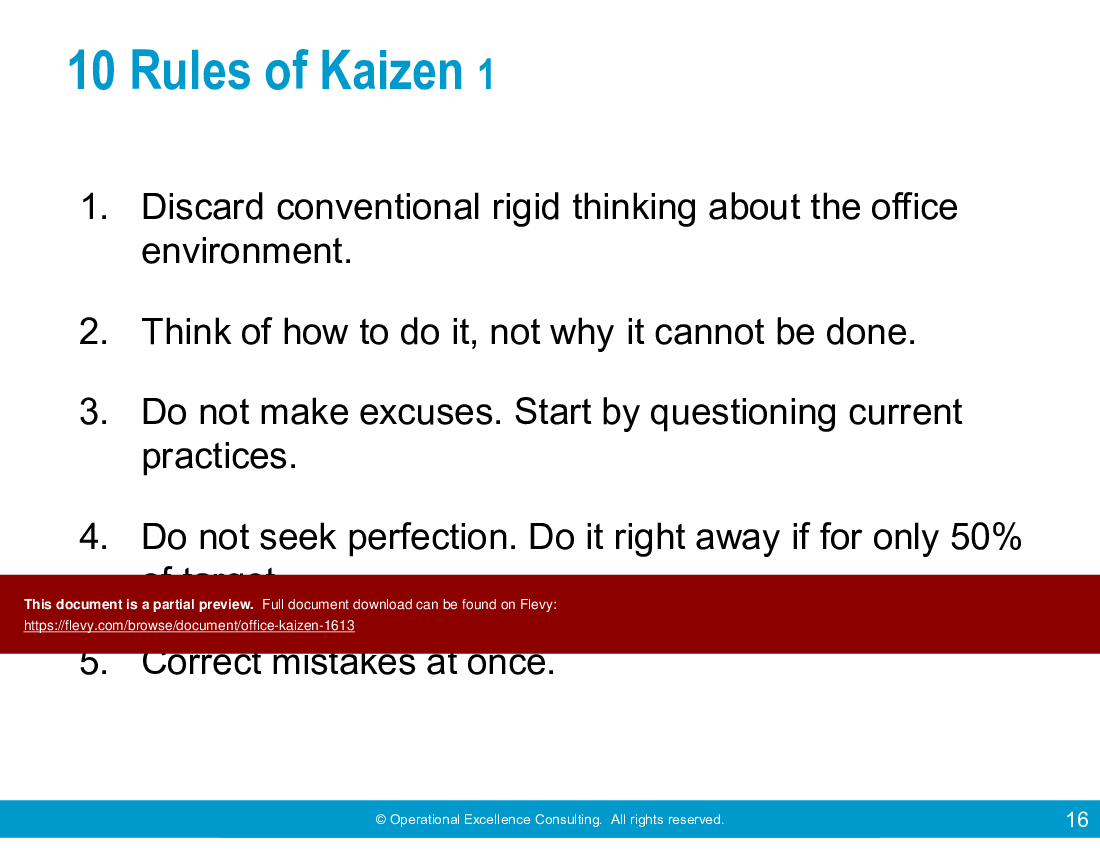
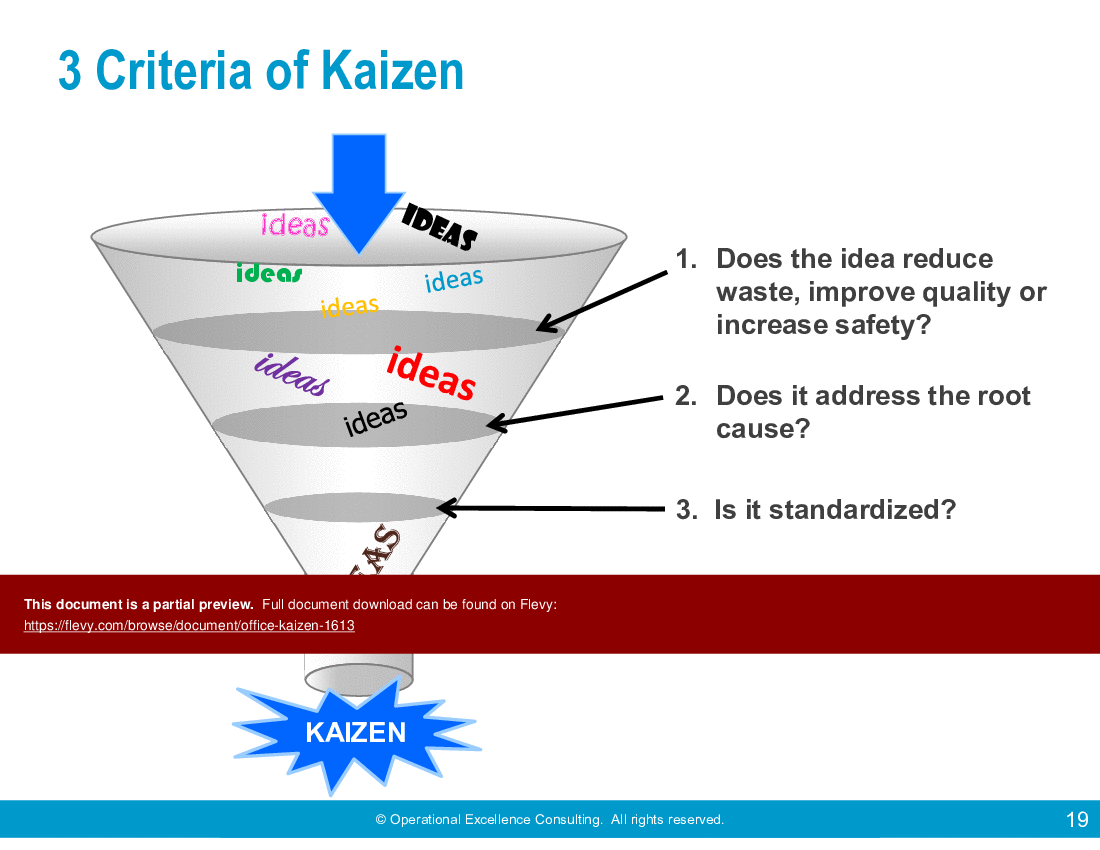
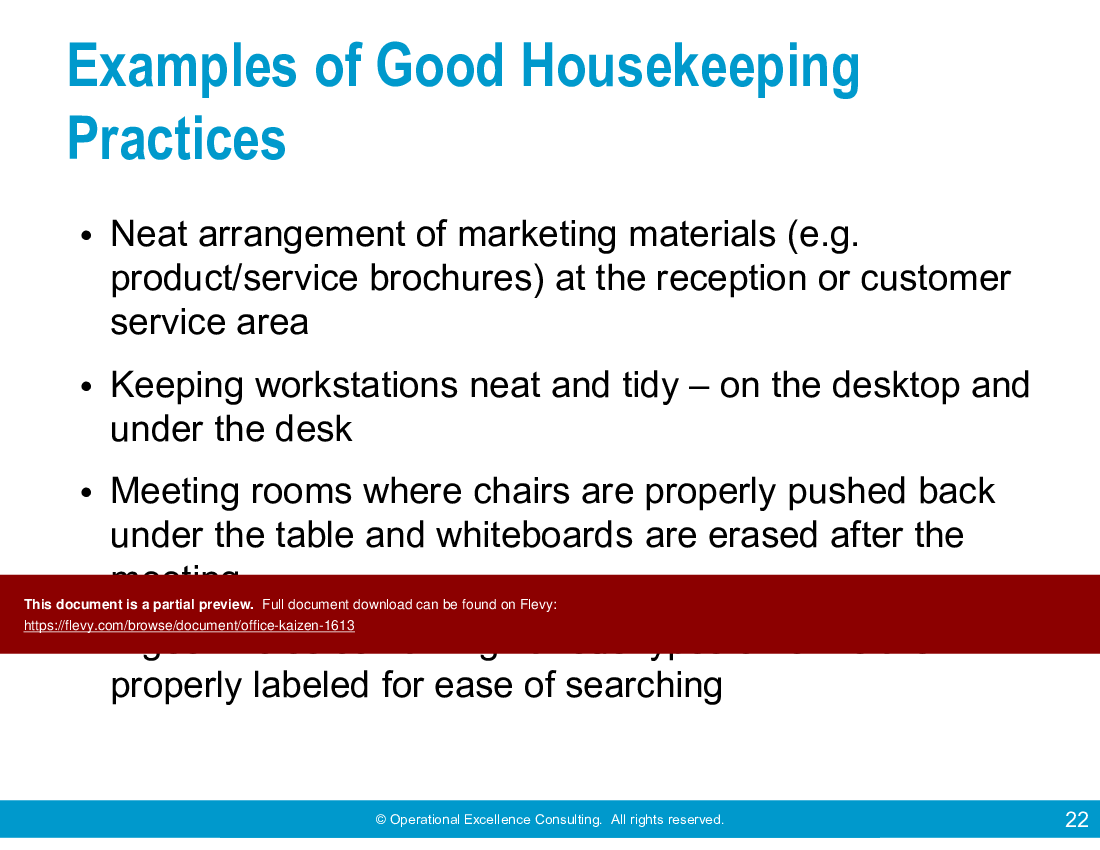
This comprehensive training presentation delves into the origins and principles of Kaizen, emphasizing its roots in Toyota's Lean Manufacturing. It contrasts Kaizen with innovation, highlighting its low-cost, human-centric approach. The PPT outlines the 10 rules of Kaizen and provides practical examples of good housekeeping practices. It also covers the 5S principles, offering detailed guidance on sorting, setting in order, and standardizing office environments. The presentation includes actionable tips for waste identification and visual management, ensuring that information is effectively communicated through visual signals.
Got a question about the product? Email us at support@flevy.com or ask the author directly by using the "Ask the Author a Question" form. If you cannot view the preview above this document description, go here to view the large preview instead.
Executive Summary
The "Office Kaizen" presentation is a structured approach to enhancing office productivity through Lean methodologies. Developed by a Certified Lean Six Sigma Black Belt with extensive experience at Microsoft, IBM, and Panasonic, this presentation equips organizations with practical tools and strategies to implement continuous improvement. By focusing on waste elimination, effective workplace organization, and standardization, this deck guides users in fostering a culture of Kaizen that engages all employees in the improvement process.
Who This Is For and When to Use
• Office managers and team leaders seeking to enhance productivity
• Continuous improvement teams focused on Lean methodologies
• HR professionals aiming to foster a culture of engagement and efficiency
• Operations managers looking to streamline processes and reduce waste
Best-fit moments to use this deck:
• During team training sessions on Lean principles
• When launching a new continuous improvement initiative
• In workshops aimed at identifying and eliminating waste in office processes
Learning Objectives
• Understand the principles and key concepts of Kaizen
• Identify value and waste in office processes
• Apply 5S principles and visual management tools to improve organization
• Acquire knowledge on supporting Lean tools for Kaizen activities
• Understand the role of management in Kaizen implementation
• Define critical success factors for developing and sustaining a Kaizen culture
Table of Contents
• Introduction and Key Concepts of Kaizen (page 1)
• Understanding Value and Waste (page 2)
• 5S Principles for Effective Workplace Organization (page 3)
• Visual Office (page 4)
• Standardization (page 5)
• Supporting Lean Tools for Kaizen Activities (page 6)
• Role of Management (page 7)
• Ways to Develop "Kaizen Eyes" (page 8)
• Critical Success Factors (page 9)
Primary Topics Covered
• Kaizen Principles - Kaizen emphasizes continuous improvement involving all employees, focusing on cost-effective enhancements without significant financial investment.
• Value and Waste Identification - Differentiating between value-added activities and waste, essential for streamlining processes.
• 5S Methodology - A structured approach to workplace organization consisting of Sort, Set in Order, Shine, Standardize, and Sustain.
• Visual Management - Techniques for communicating information visually to enhance understanding and performance tracking.
• Standard Work - Establishing best practices to ensure consistency and quality in operations.
• Management's Role - The critical function of leadership in promoting and sustaining a culture of continuous improvement.
Deliverables, Templates, and Tools
• 5S workplace organization checklist
• Visual management templates for tracking performance
• Standard operating procedure (SOP) examples
• Kaizen event planning guide
• Waste identification worksheets
• Kaizen summary sheet for project tracking
Slide Highlights
• Overview of the 5S principles and their application in office settings
• Visual management examples that enhance communication and efficiency
• Case studies demonstrating successful Kaizen implementations
• Key metrics for measuring productivity improvements
• Management strategies for fostering a culture of continuous improvement
Potential Workshop Agenda
Kaizen Introduction Session (60 minutes)
• Overview of Kaizen principles and objectives
• Discussion on the importance of continuous improvement
• Introduction to waste identification techniques
5S Implementation Workshop (90 minutes)
• Hands-on activities to apply 5S principles
• Group discussions on current office organization challenges
• Development of action plans for implementing 5S
Visual Management Techniques (60 minutes)
• Exploration of visual management tools
• Group brainstorming on applying visual management in daily operations
• Creation of visual management templates for team use
Customization Guidance
• Tailor the 5S principles to fit specific office environments and workflows
• Adapt visual management tools to align with organizational branding and communication styles
• Modify case studies and examples to reflect the unique challenges faced by your team
Secondary Topics Covered
• Lean waste categories specific to office environments
• Techniques for developing "Kaizen Eyes" to identify improvement opportunities
• Strategies for sustaining improvements over time
• The role of employee engagement in successful Kaizen initiatives
FAQ
What is Kaizen?
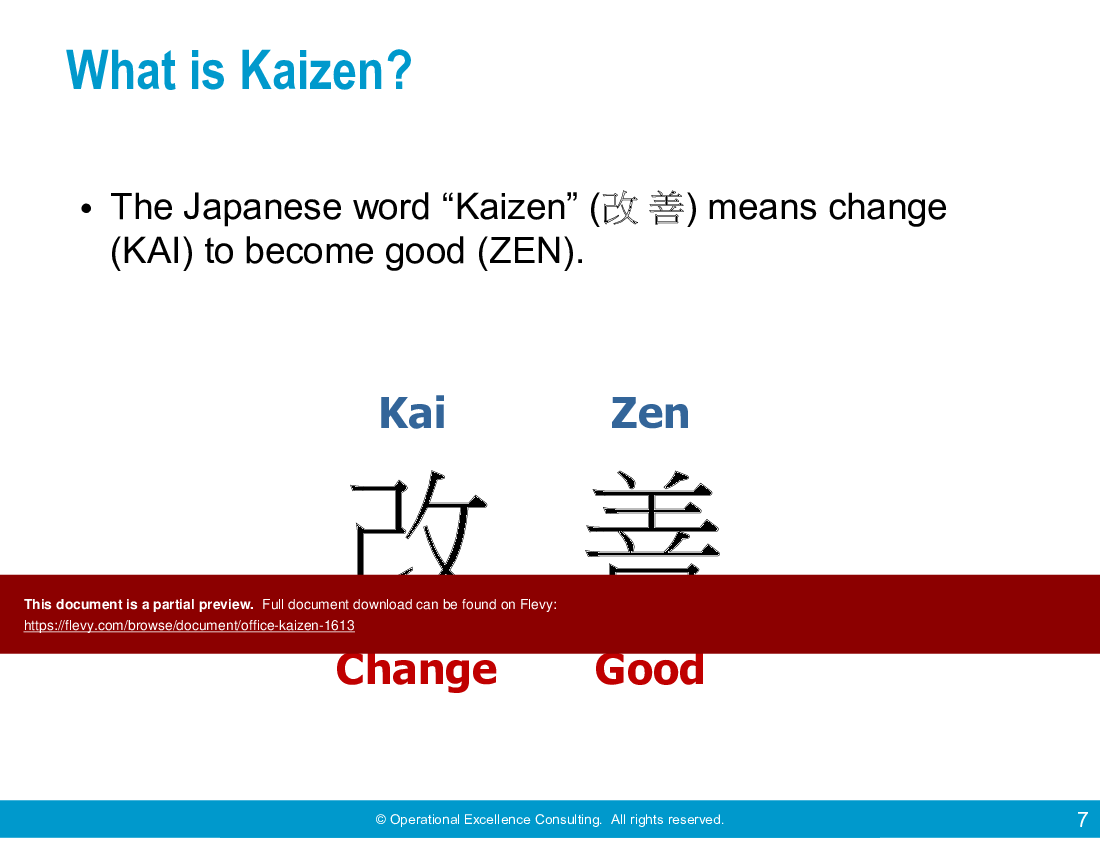
Kaizen is a Japanese term meaning "continuous improvement," focusing on small, incremental changes that enhance productivity and efficiency across all levels of an organization.
How can 5S improve office productivity?
5S improves office productivity by creating a clean, organized, and efficient workspace, reducing waste and enhancing employee morale.
What are the key benefits of implementing visual management?
Visual management helps teams quickly identify issues, track performance, and foster open communication, leading to improved operational efficiency.
How do I get management buy-in for Kaizen initiatives?
Demonstrating the potential ROI of Kaizen initiatives through data and case studies can help secure management support and commitment.
What tools support Kaizen activities?
Tools such as the 5 Whys, cause-and-effect diagrams, and Kaizen event processes are essential for identifying root causes and implementing effective solutions.
How do I sustain Kaizen improvements?
Sustaining improvements requires ongoing training, regular audits, and a commitment to fostering a culture of continuous improvement throughout the organization.
What is the role of management in Kaizen?
Management plays a crucial role in communicating the need for change, providing resources, and actively participating in improvement initiatives to lead by example.
How can I measure the success of Kaizen initiatives?
Success can be measured through key performance indicators (KPIs) such as productivity rates, waste reduction metrics, and employee engagement scores.
Glossary
• Kaizen - Continuous improvement process involving all employees.
• 5S - A methodology for workplace organization: Sort, Set in Order, Shine, Standardize, Sustain.
• Value-Added Activity - Any action that enhances the product or service for the customer.
• Waste - Any activity that does not add value to the customer.

• Visual Management - Techniques for using visual signals to communicate information.
• Standard Work - Documented procedures that outline the best practices for tasks.
• Gemba - The place where work is done and value is created.
• Root Cause Analysis - A method for identifying the underlying causes of problems.
• Lean - A systematic approach to minimizing waste without sacrificing productivity.
• Continuous Improvement - Ongoing efforts to enhance products, services, or processes.
• Employee Engagement - The emotional commitment of employees to their organization and its goals.
• Performance Metrics - Measurements used to evaluate the efficiency and effectiveness of actions.
• Change Management - The process of managing change within an organization to achieve desired outcomes.
Source: Best Practices in Kaizen, Lean Office PowerPoint Slides: Office Kaizen PowerPoint (PPTX) Presentation Slide Deck, Operational Excellence Consulting
This document is available as part of the following discounted bundle(s):
Save %!
Complete Kaizen Implementation Toolkit
This bundle contains 5 total documents. See all the documents to the right.
|
Receive our FREE presentation on Operational Excellence
This 50-slide presentation provides a high-level introduction to the 4 Building Blocks of Operational Excellence. Achieving OpEx requires the implementation of a Business Execution System that integrates these 4 building blocks. |