
Introduction:
The recent global economic turmoil has heightened the pressure on organizations to deliver top-notch products at competitive prices. To thrive in this evolving landscape, businesses must implement Total Quality Management (TQM). This comprehensive document delves into TQM principles and their pivotal role in achieving organizational success, satisfying customers, and driving profitability. It also explores the essential keys to navigating change successfully in today's dynamic environment.
1. Total Quality Management (TQM):
• *Adapting to Economic Challenges*: Explore how economic uncertainties necessitate the pursuit of high-quality, cost-effective products.
• *The TQM Imperative*: Understand why TQM is crucial for organizational prosperity, customer gratification, and financial growth.
2. Navigating Organizational Change:
• *Embracing Transformation*: Recognize that today's organizations must innovate, adapt, and transform in response to continuous changes.
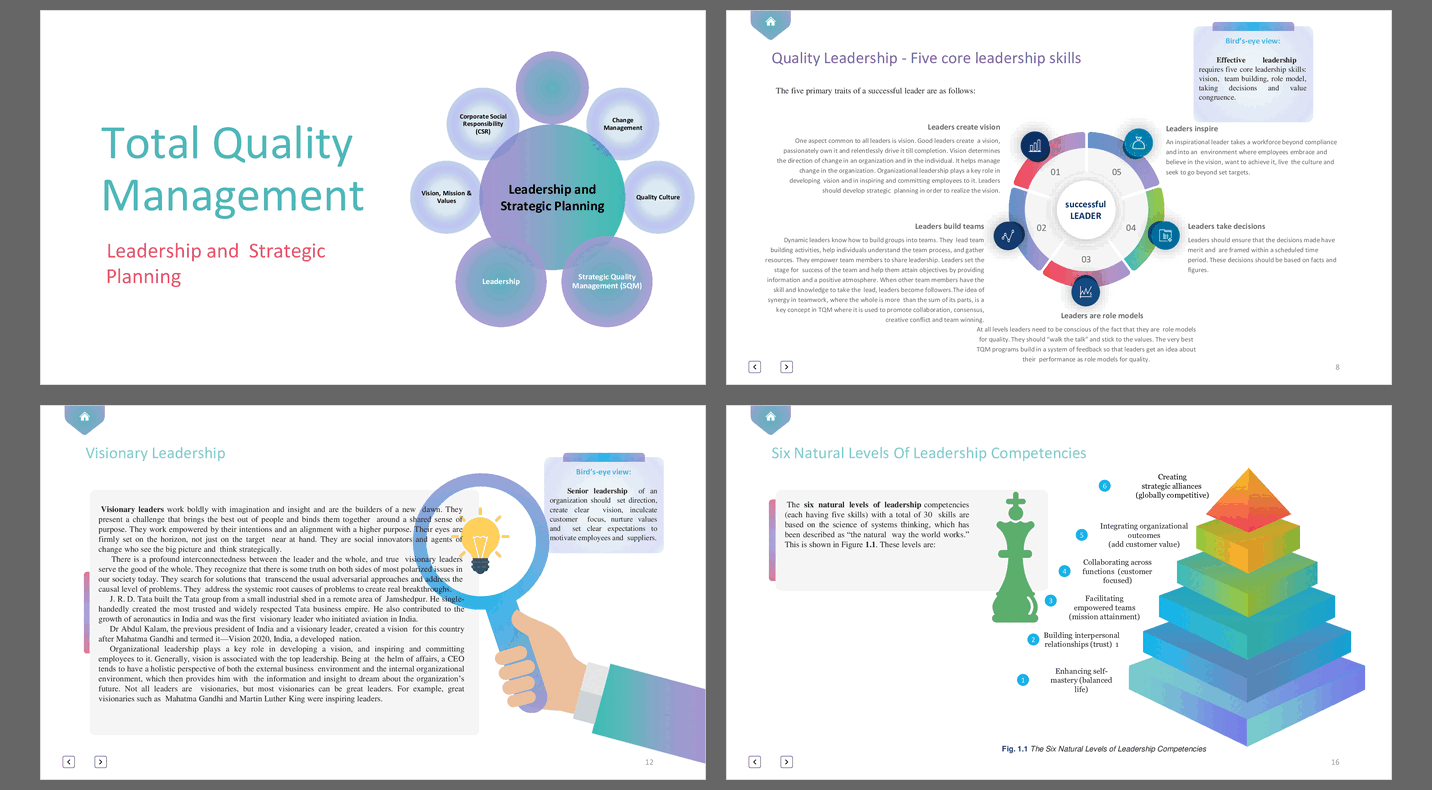
• *Leadership's Crucial Role*: Discover the leadership qualities and decisions that steer individuals and organizations toward success amid constant change.
3. Corporate Social Responsibility (CSR):
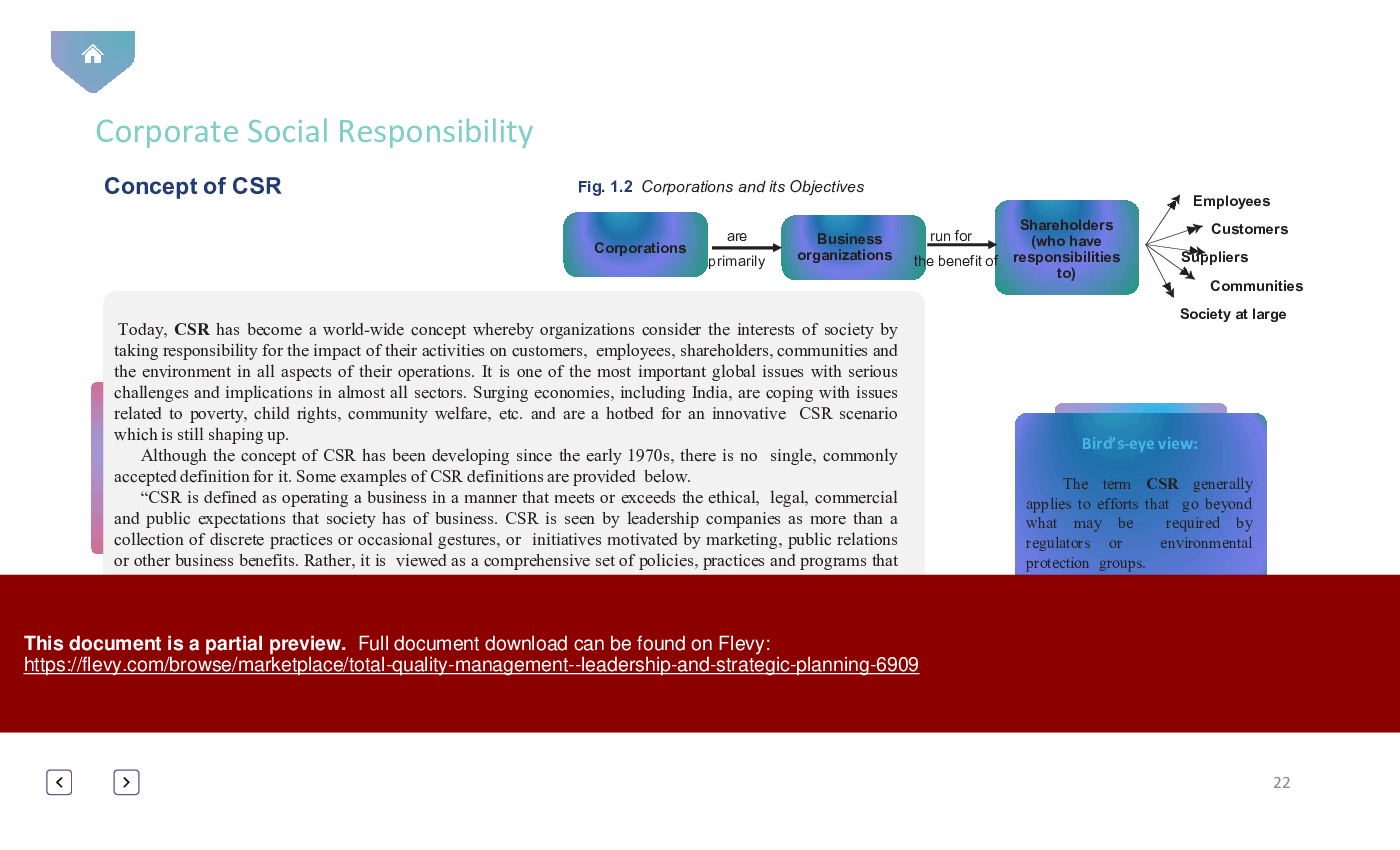
• *A Global Paradigm*: Examine CSR as a worldwide concept that drives organizations to consider their impact on various stakeholders, society, and the environment.
• *Comprehensive Responsibility*: Understand how CSR extends to customers, employees, shareholders, communities, and the environment across all organizational operations.
4. Building a Quality-Centric Culture:
• *Vision, Mission & Values*: Explore how a well-defined vision, mission, and values framework shapes an organization's quality culture.
• *Strategic Quality Management (SQM)*: Delve into SQM, a structured process for setting long-term quality goals, such as the Japanese Hoshin Kanri model and the Balanced Scorecard.
• *Fostering Quality Culture*: Understand how embedding quality throughout an organization's system creates an internal environment that delights customers.
5. Change Management:
• *Embracing Planned Change*: Examine the process of developing a structured approach to organizational change management.
This 86-slide PowerPoint presentation provides a comprehensive exploration of Total Quality Management, Change Navigation, Corporate Social Responsibility, and Quality Culture. It equips individuals and organizations with the knowledge and strategies to thrive in a constantly evolving business landscape.
The document is fully customizable, featuring captivating visuals, diagrams, ice-breakers, images, and engaging content to facilitate a deep understanding of these vital concepts in the realm of Quality Systems.
Got a question about the product? Email us at support@flevy.com or ask the author directly by using the "Ask the Author a Question" form. If you cannot view the preview above this document description, go here to view the large preview instead.
Executive Summary
The Total Quality Management - Leadership and Strategic Planning presentation is designed to equip corporate executives and consultants with essential insights into fostering a quality-driven culture within organizations. Developed by experts with extensive consulting backgrounds at McKinsey, Deloitte, and Capgemini, this presentation emphasizes the critical role of leadership in implementing strategic quality management (SQM) practices. It provides actionable frameworks for establishing a quality culture, enhancing corporate social responsibility (CSR), and effectively managing change. Executives will be empowered to drive organizational excellence and achieve sustainable competitive advantages through the principles outlined in this comprehensive deck.
Who This Is For and When to Use
• Senior executives and C-suite leaders focused on quality and operational excellence
• Quality management teams responsible for implementing TQM initiatives
• Change management professionals leading organizational transformations
• Corporate social responsibility (CSR) teams aiming to integrate ethical practices
• Strategic planners looking to align quality objectives with business goals
Best-fit moments to use this deck:
• During leadership retreats focused on strategic planning and quality initiatives
• In workshops aimed at developing a quality culture within organizations
• When preparing for organizational change initiatives that require buy-in from stakeholders
• For training sessions on effective leadership in quality management
Learning Objectives
• Define the core principles of Total Quality Management (TQM) and its relevance to leadership
• Establish a strategic quality management framework that aligns with organizational goals
• Create a robust quality culture that engages employees at all levels
• Implement effective change management strategies to facilitate organizational transformation
• Integrate corporate social responsibility into business practices for enhanced stakeholder engagement
• Develop leadership competencies necessary for driving quality initiatives
Table of Contents
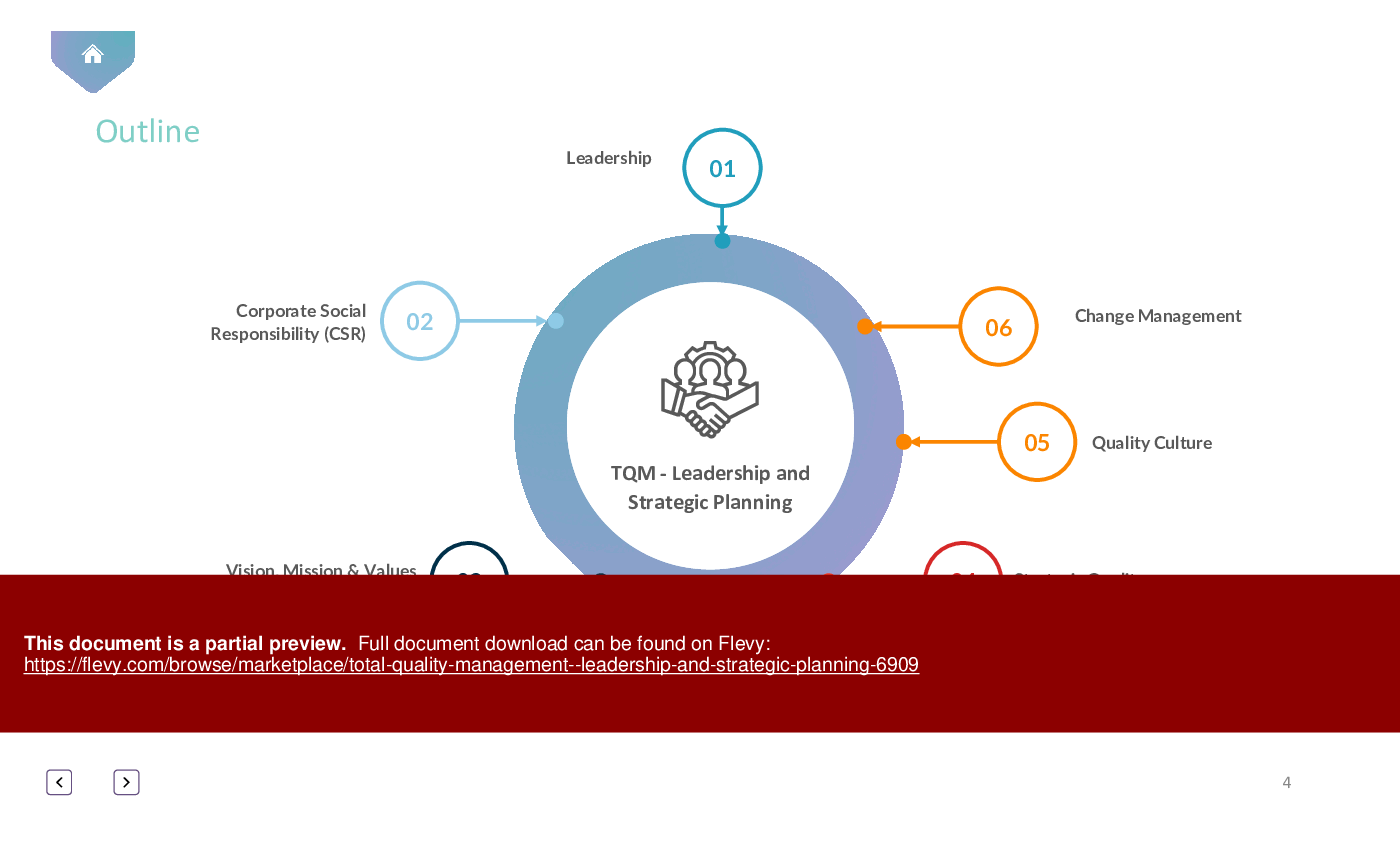
• Leadership (page 1)
• Corporate Social Responsibility (CSR) (page 17)
• Vision, Mission & Values (page 29)
• Strategic Quality Management (SQM) (page 35)
• Quality Culture (page 63)
• Change Management (page 73)
Primary Topics Covered
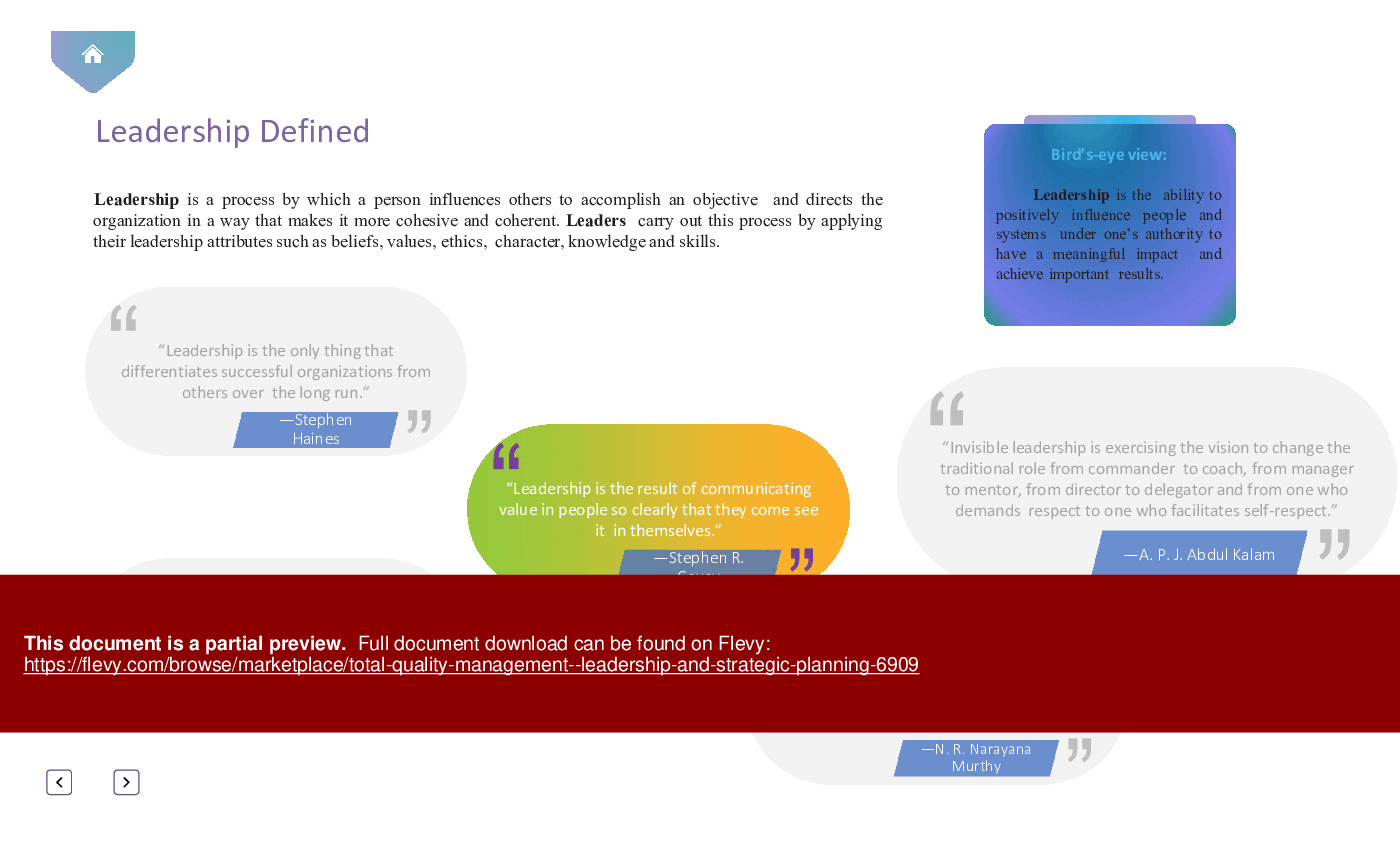
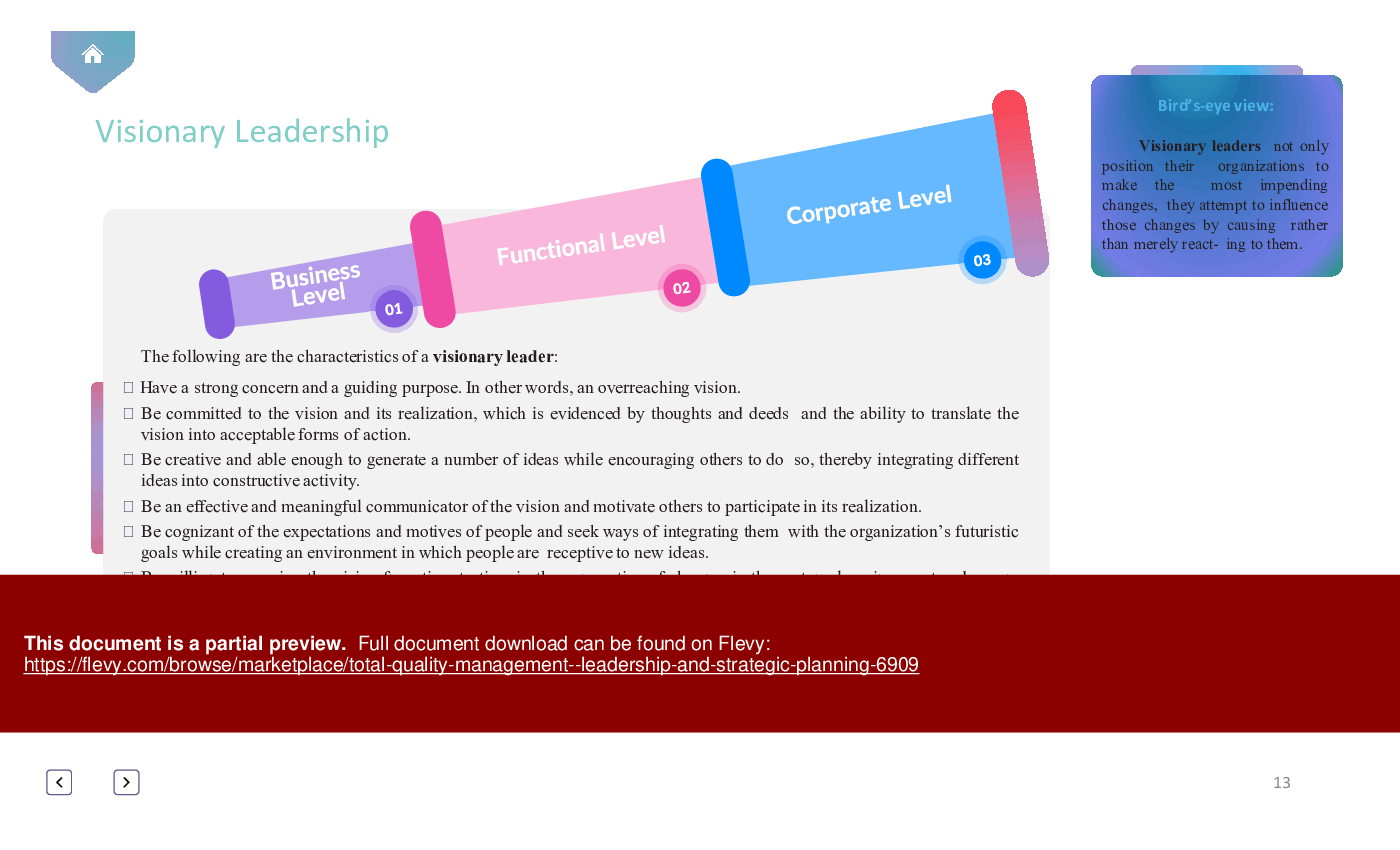
• Leadership - Leadership is defined as the process of influencing others to achieve organizational objectives, emphasizing the importance of vision and values.
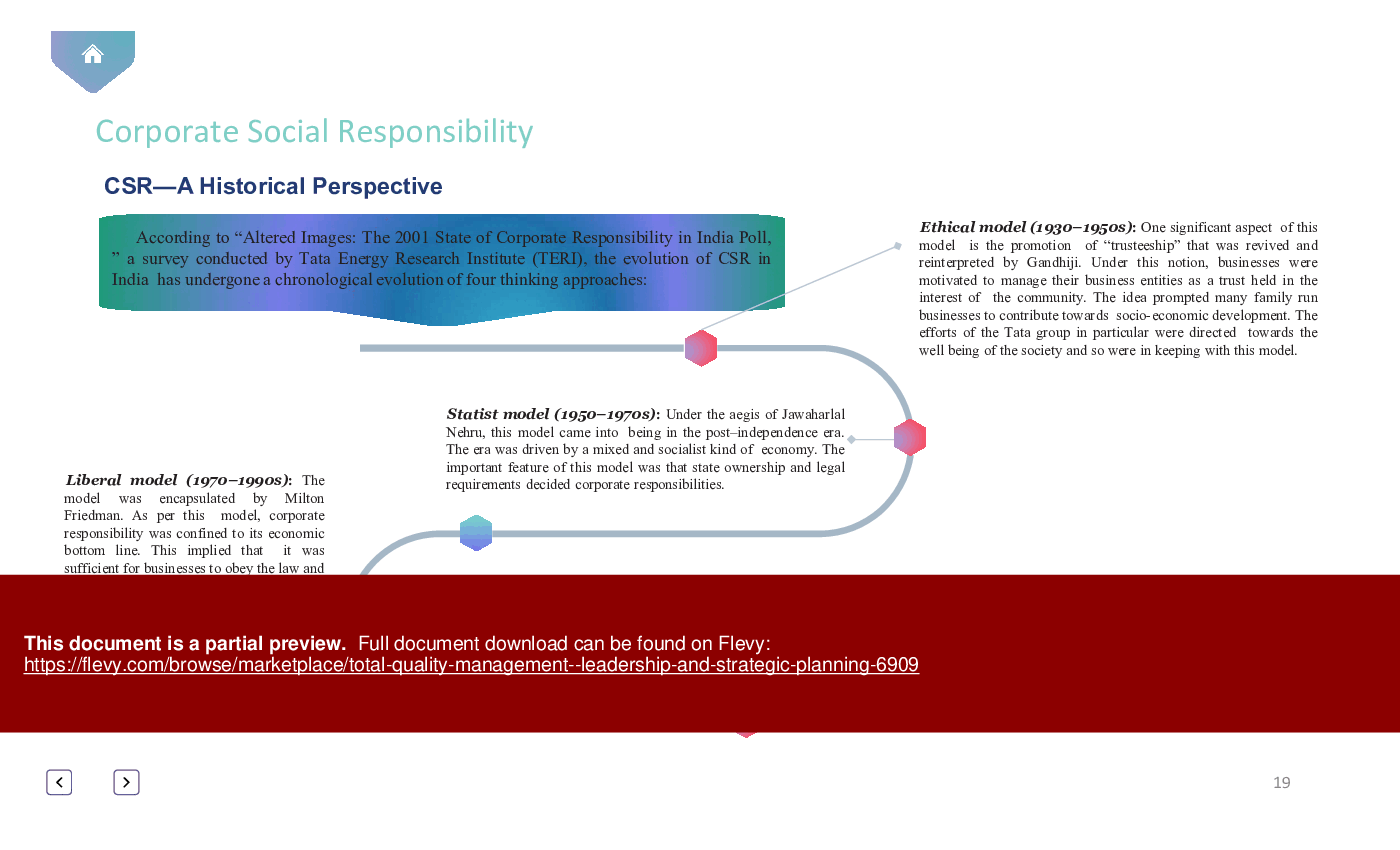
• Corporate Social Responsibility (CSR) - CSR encompasses the ethical obligations of corporations to contribute positively to society and the environment.
• Strategic Quality Management (SQM) - SQM is a structured approach to establishing long-term quality goals and integrating them into the strategic planning process.
• Quality Culture - A quality culture is characterized by shared values and practices that prioritize quality in all organizational activities.
• Change Management - Change management involves systematic approaches to transitioning individuals and organizations to desired future states.
Deliverables, Templates, and Tools
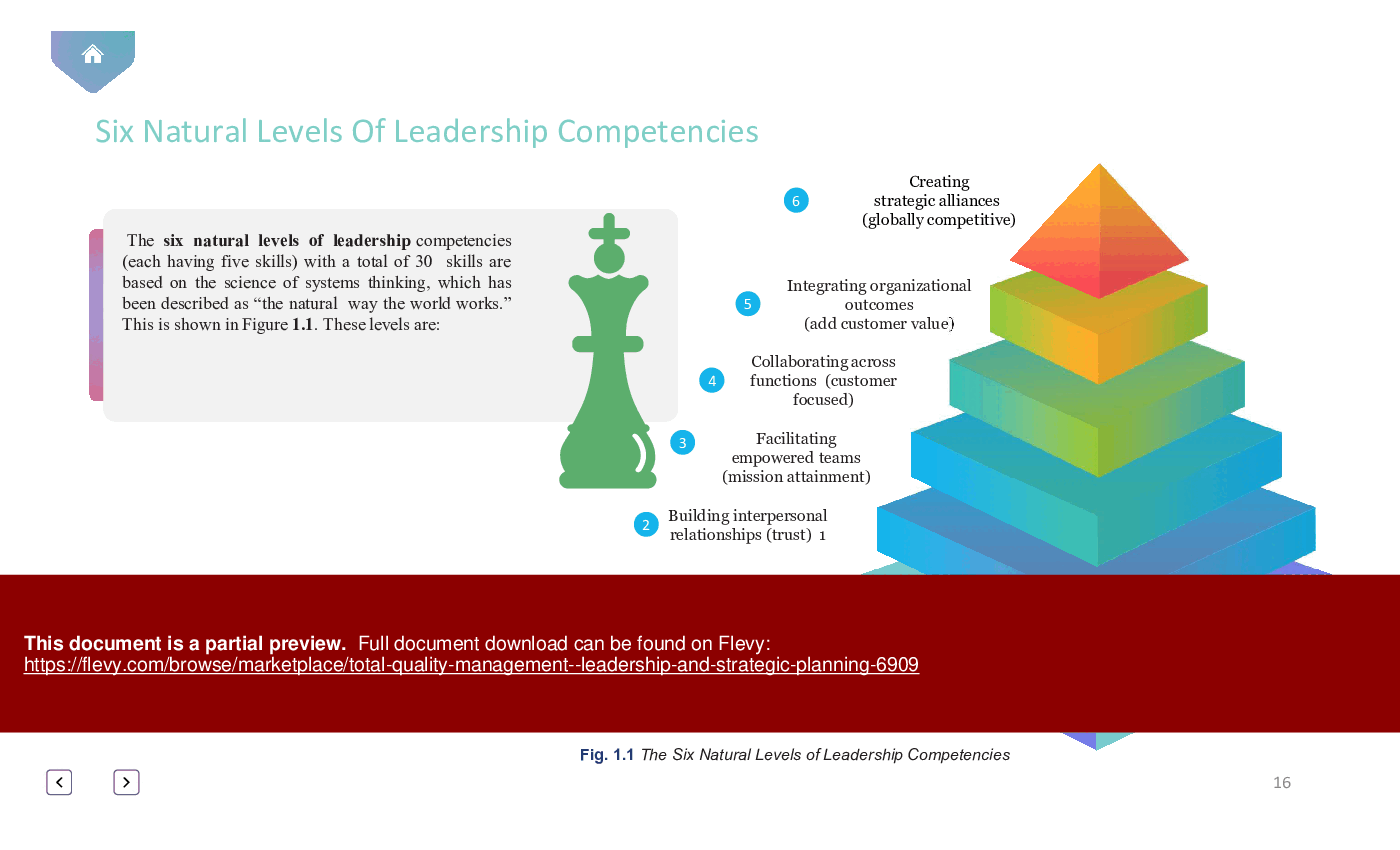
• Leadership competency framework for quality management
• CSR integration model for aligning business practices with social responsibility
• Strategic quality management planning template
• Quality culture assessment tool for evaluating organizational readiness
• Change management communication plan template
Slide Highlights
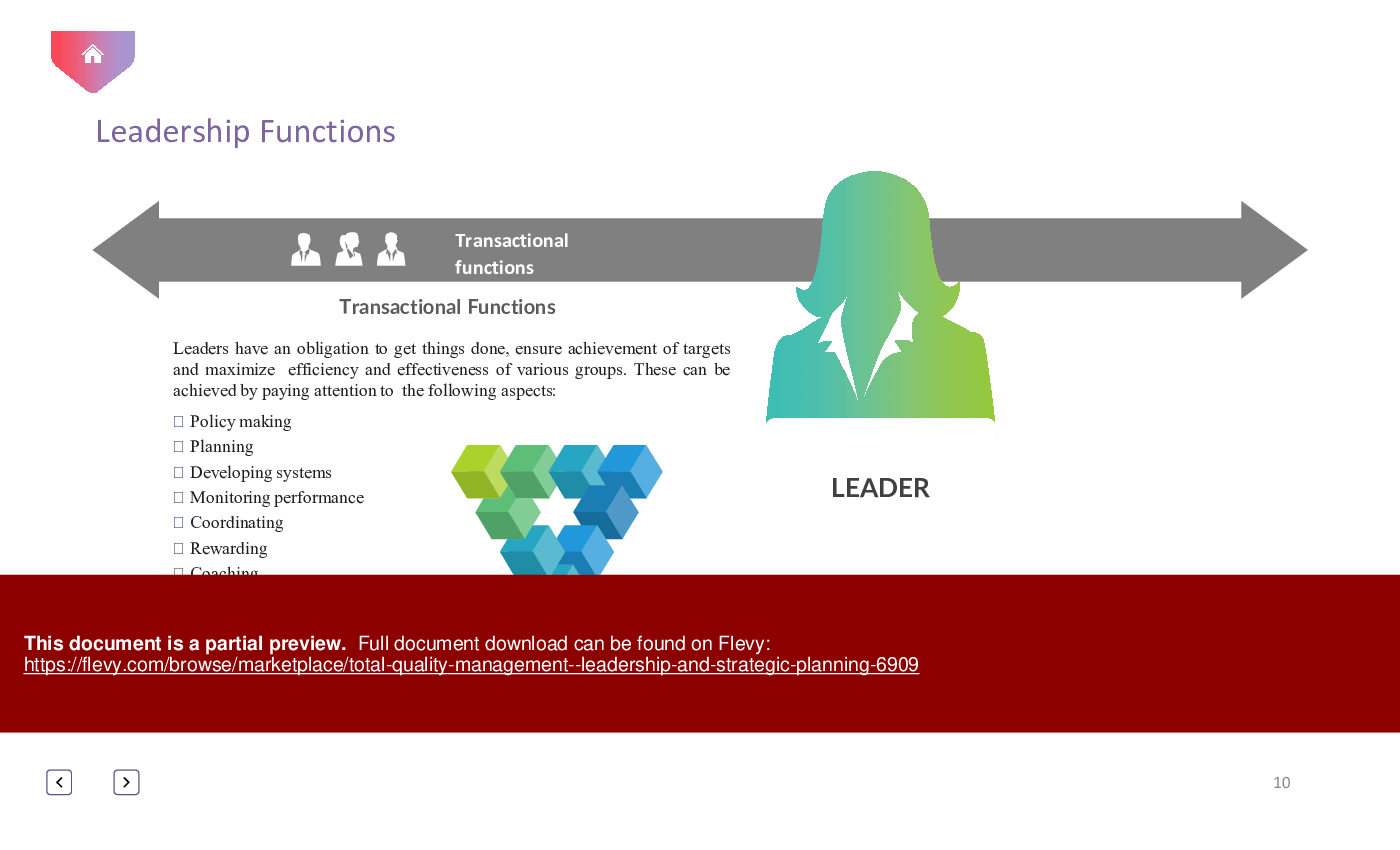
• Overview of leadership functions in driving quality initiatives
• Framework for integrating CSR into corporate strategy
• Five phases of strategic quality management process
• Stages of developing a quality culture within organizations
• Key change management strategies for overcoming resistance
Potential Workshop Agenda
Leadership and Quality Culture Session (90 minutes)
• Discuss the role of leadership in fostering a quality culture
• Identify key leadership competencies for quality management
• Develop action plans for enhancing quality initiatives
CSR and Change Management Workshop (60 minutes)
• Explore the integration of CSR into business practices
• Analyze case studies of successful change management initiatives
• Create a roadmap for implementing change in alignment with quality goals
Customization Guidance
• Tailor the leadership competency framework to reflect organizational values and goals
• Adjust CSR initiatives to align with local community needs and stakeholder expectations
• Modify the strategic quality management planning template to include specific quality metrics relevant to the organization
• Adapt change management strategies to fit the organizational culture and employee dynamics
Secondary Topics Covered
• The importance of vision and mission in guiding quality initiatives
• The role of employee engagement in sustaining a quality culture
• Strategies for effective communication during change initiatives
• Best practices for measuring the impact of quality management efforts
FAQ
What is Total Quality Management (TQM)?
TQM is a comprehensive management approach focused on continuous quality improvement across all organizational processes and functions.
How does leadership influence quality culture?
Effective leaders model quality values, inspire commitment, and create an environment where quality is prioritized at all levels of the organization.
What are the benefits of integrating CSR into business practices?
Integrating CSR enhances brand reputation, fosters customer loyalty, and contributes to sustainable business practices that benefit society and the environment.
What is the role of strategic quality management (SQM)?
SQM provides a structured framework for aligning quality objectives with organizational strategy, ensuring that quality improvement efforts support overall business goals.
How can organizations overcome resistance to change?
Organizations can address resistance by communicating the benefits of change, involving employees in the process, and providing necessary support and resources.
What are the key components of a quality culture?
A quality culture includes shared values, commitment from leadership, employee engagement, continuous improvement practices, and a focus on customer satisfaction.
How can organizations measure the effectiveness of their quality initiatives?
Organizations can use metrics such as customer feedback, process performance indicators, and employee engagement surveys to assess the impact of quality initiatives.
What strategies can be employed for effective change management?
Strategies include clear communication, employee involvement, training and support, and establishing a compelling vision for change.
Glossary
• Total Quality Management (TQM) - A management approach focused on continuous improvement and customer satisfaction.
• Corporate Social Responsibility (CSR) - The ethical obligation of businesses to contribute positively to society and the environment.
• Strategic Quality Management (SQM) - A structured process for establishing long-term quality goals and integrating them into strategic planning.
• Quality Culture - An organizational environment that prioritizes quality in all practices and processes.
• Change Management - The process of managing transitions within an organization to achieve desired outcomes.
• Leadership Competencies - Skills and attributes necessary for effective leadership in quality management.
• Stakeholders - Individuals or groups with an interest in the organization’s performance, including employees, customers, and the community.
• Vision Statement - A declaration of an organization’s long-term goals and aspirations.
• Mission Statement - A statement defining the organization’s purpose and primary objectives.
• SWOT Analysis - A strategic planning tool used to identify strengths, weaknesses, opportunities, and threats.
• Hoshin Kanri - A Japanese strategic planning methodology that aligns organizational goals with daily operations.
• Balanced Scorecard - A strategic management system that measures organizational performance across multiple perspectives.
• Employee Engagement - The level of commitment and involvement an employee has towards their organization and its goals.
• Continuous Improvement - Ongoing efforts to improve products, services, or processes.
• Customer Satisfaction - A measure of how products and services meet or exceed customer expectations.
• Quality Metrics - Standards used to measure the effectiveness of quality initiatives.
• Organizational Change - The process of modifying existing structures, processes, or cultures within an organization.
• Feedback Mechanisms - Systems for collecting and analyzing input from stakeholders to inform decision-making.
Source: Best Practices in TQM, CSR, Quality Culture PowerPoint Slides: Total Quality Management - Leadership & Strategic Planning PowerPoint (PPTX) Presentation Slide Deck, RadVector Consulting
This document is available as part of the following discounted bundle(s):

Save %!
Total Quality Management
This bundle contains 14 total documents. See all the documents to the right.
|
Receive our FREE presentation on Operational Excellence
This 50-slide presentation provides a high-level introduction to the 4 Building Blocks of Operational Excellence. Achieving OpEx requires the implementation of a Business Execution System that integrates these 4 building blocks. |