
Business plan PPT: Learn how to prepare a winning business plan with clear slides, templates, and examples. Download this step-by-step PowerPoint guide now. How to Prepare a Business Plan is a 81-slide PPT PowerPoint presentation slide deck (PPT) available for immediate download upon purchase.
This document is developed to train entrepreneurs on how to prepare an effective business plan. It provides detailed guidelines in each of the 9 major sections of a business plan. Each section contains key contents, questions to consider, key steps, case examples, and exercise (with solutions).
Many slides in the presentation can be adapted or tailored to prepare a business plan for your organization.
This comprehensive document covers the critical steps for developing a business plan, starting from the initial idea description to the completion of financing. It breaks down the process into manageable steps, ensuring that each phase is thoroughly addressed. The detailed flowcharts and diagrams guide you through the maturity of your business idea, helping you understand where you stand and what needs to be done next.
The content of the executive summary section is meticulously crafted to ensure it captures the essence of your business idea. It emphasizes the importance of clarity and conciseness, aiming to grab the attention of decision-makers quickly. The document also provides a case example, illustrating how to effectively summarize key aspects of your business, such as market and competition, product/service, and financial projections.
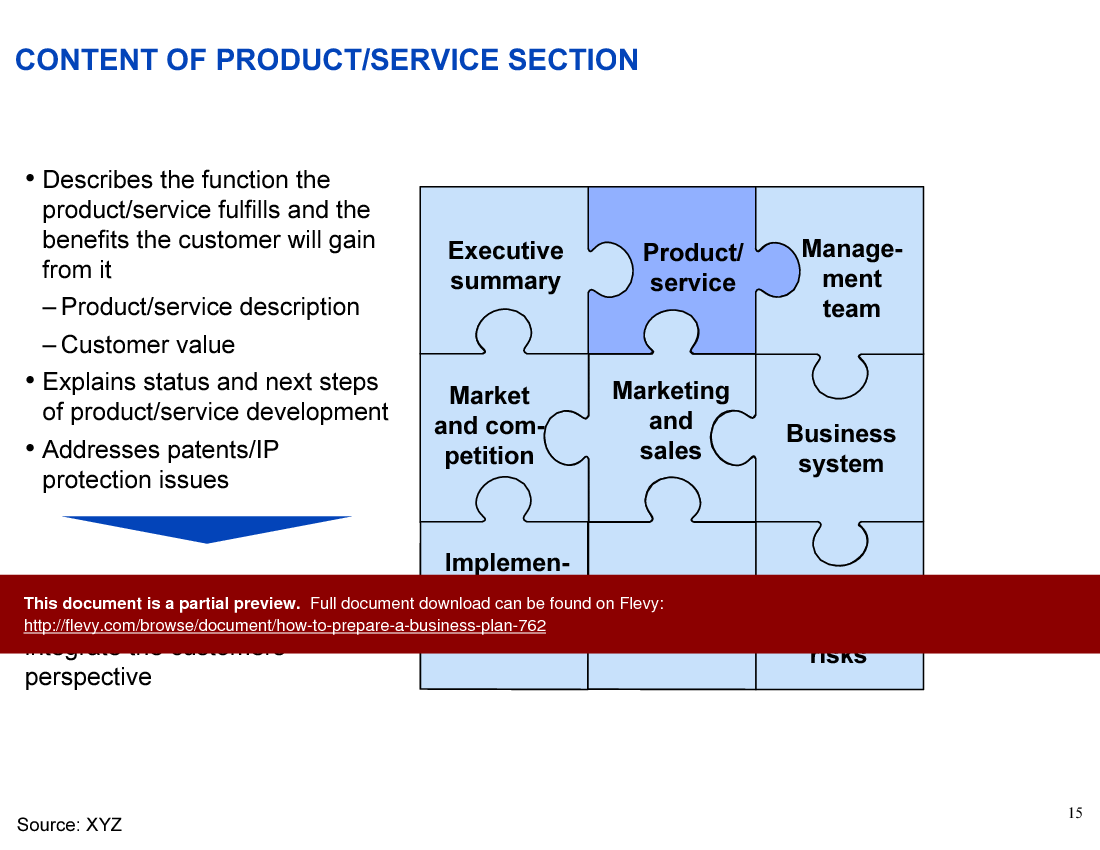
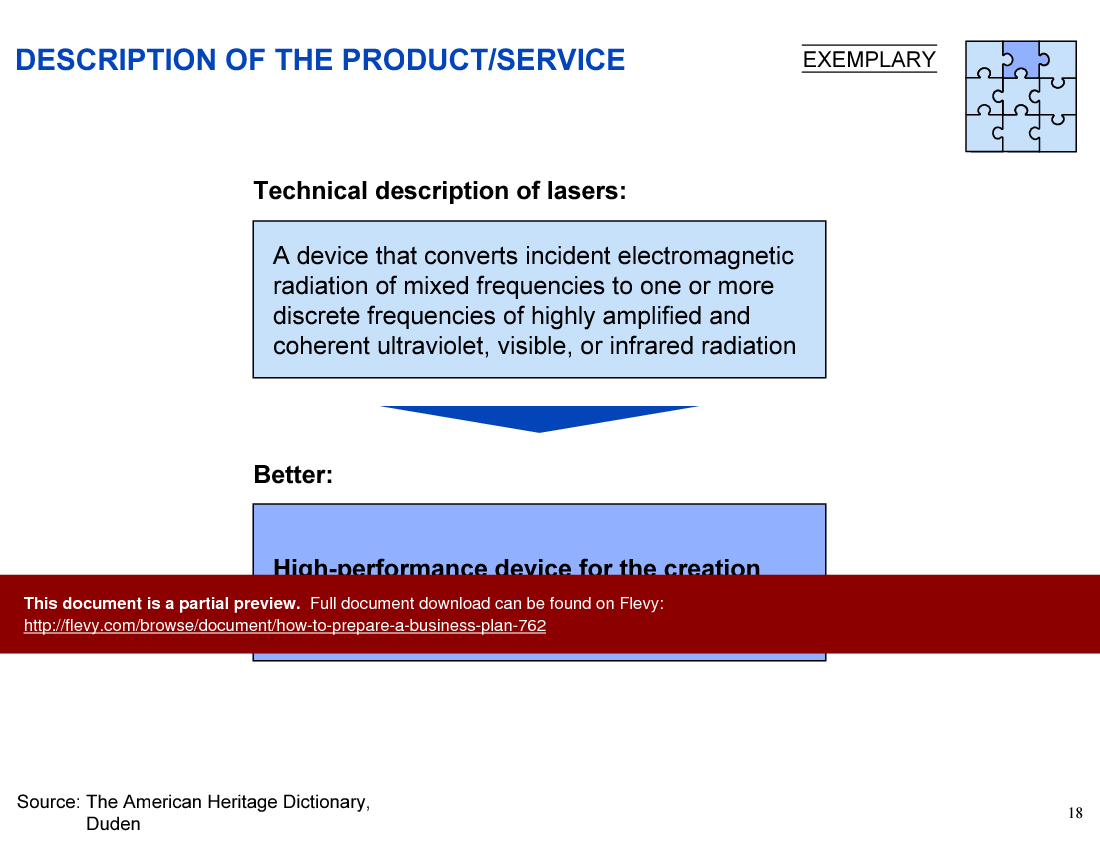
When it comes to the product/service section, the document delves into the specifics of describing the function and benefits of your offering. It highlights the importance of addressing customer value, development status, and intellectual property issues. This section is designed to help you articulate the unique value proposition of your product or service, making it easier to convince stakeholders of its potential.
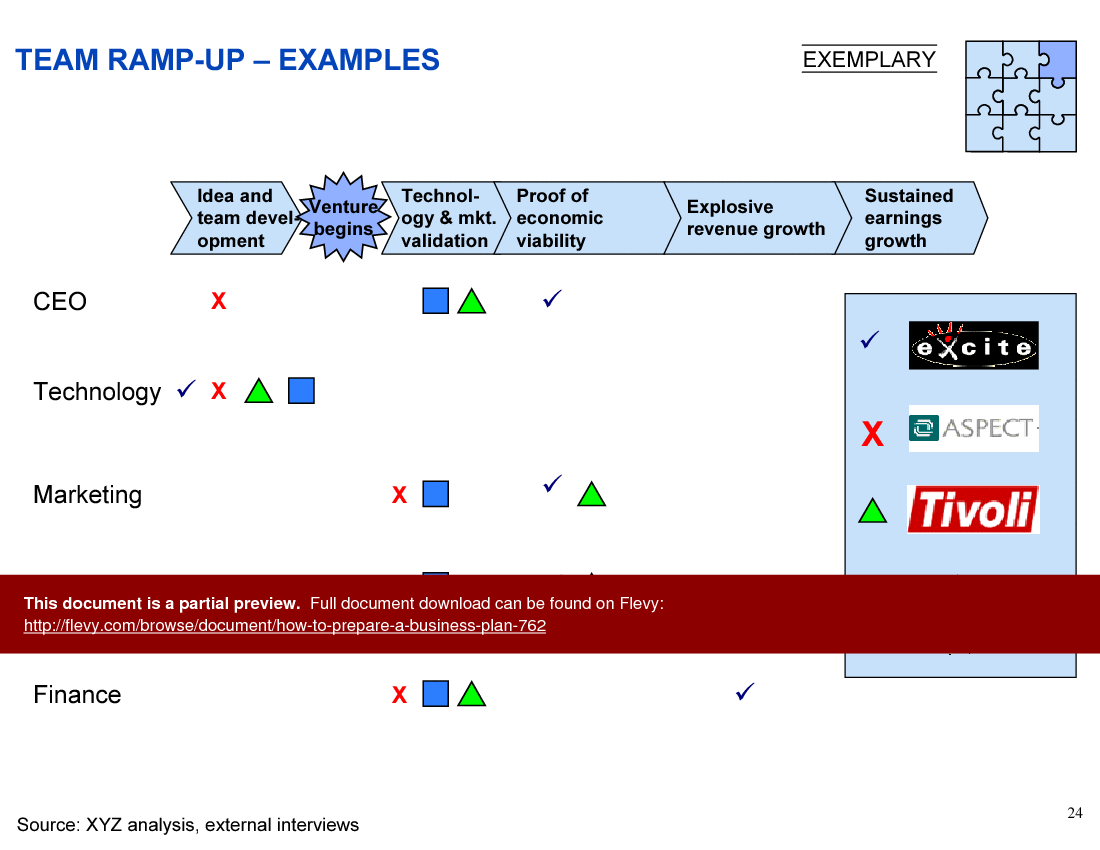
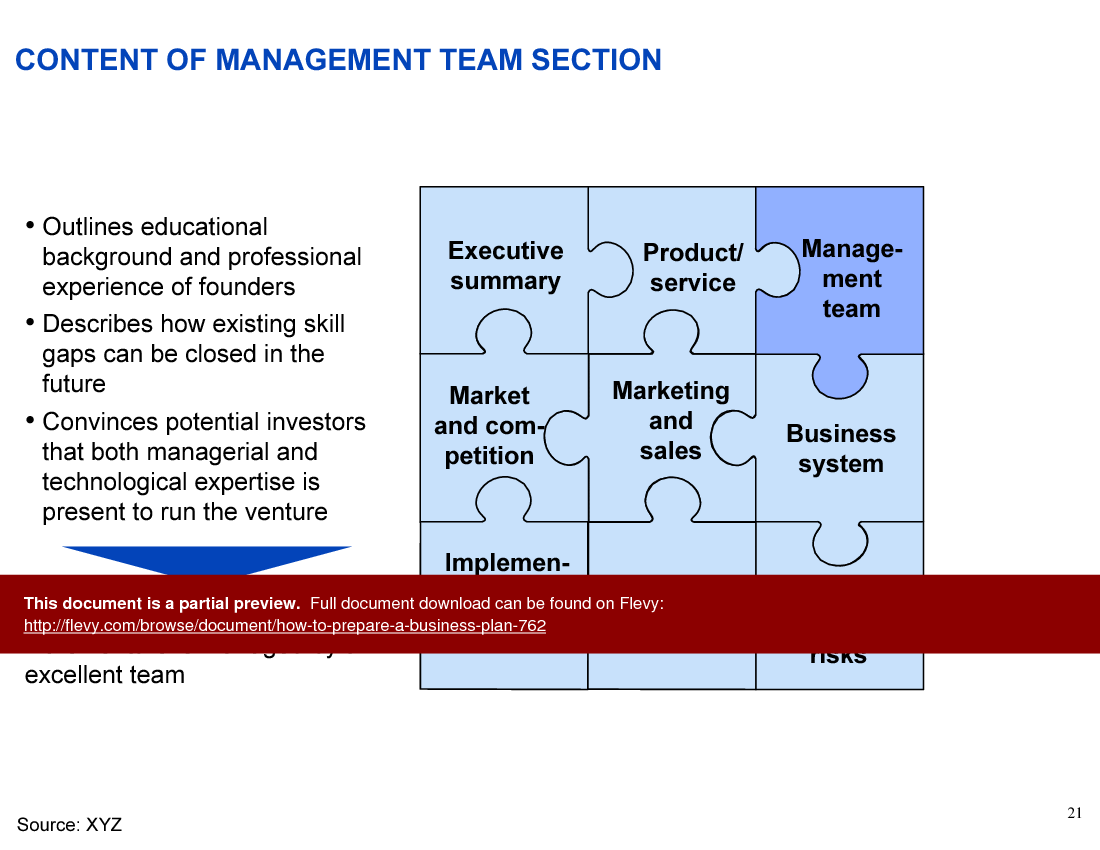
The management team section outlines the educational background and professional experience of the founders. It also discusses how to identify and close existing skill gaps. This part is crucial for convincing potential investors that your team has the managerial and technological expertise needed to run the venture successfully. The document includes examples and exercises to help you evaluate and improve your team’s capabilities.
Got a question about the product? Email us at support@flevy.com or ask the author directly by using the "Ask the Author a Question" form. If you cannot view the preview above this document description, go here to view the large preview instead.
MARCUS OVERVIEW
This synopsis was written by Marcus [?] based on the analysis of the full 81-slide presentation.
Executive Summary
This presentation titled "How to Prepare a Business Plan" serves as a comprehensive guide for entrepreneurs seeking to develop a robust business plan. Structured in a consulting-grade format akin to McKinsey, Bain, or BCG-quality presentations (not affiliated), this PowerPoint deck provides clear preparation guidelines, essential components, and strategic insights necessary for crafting a compelling business plan. Buyers will learn to articulate their business idea, assess market opportunities, and identify key risks, enabling them to secure funding and effectively communicate their vision to stakeholders.
Who This Is For and When to Use
• Entrepreneurs launching new ventures or products
• Business development teams seeking to refine their business strategies
• Investors evaluating potential business opportunities
• Consultants assisting clients in business planning
• Startups preparing for venture capital presentations
Best-fit moments to use this deck:
• During the initial stages of business concept development
• When preparing for investor meetings or pitch presentations
• As a training resource for workshops on business planning
• For strategic reviews of existing business plans
Learning Objectives
• Define the essential components of a business plan
• Build a compelling executive summary that captures investor interest
• Analyze market conditions and competitive landscapes
• Develop a detailed implementation plan with clear milestones
• Assess potential risks and opportunities within the business model
• Create financial forecasts that align with business objectives
Table of Contents
• Introduction to Business Plans (page 1)
• Preparation Guidelines (page 4)
• Types of New Businesses (page 3)
• Chapters of Complete Business Plan (page 8)
• Executive Summary Content (page 9)
• Market and Competition Analysis (page 28)
• Implementation Plan Overview (page 48)
• Financing Section Insights (page 52)
• Opportunities and Risks Assessment (page 61)
Primary Topics Covered
• Business Plan Purpose - Business plans serve as essential tools for startups and established businesses to secure funding and guide strategic decisions.
• Executive Summary Essentials - The executive summary must succinctly convey the business idea, market potential, and financial needs to engage potential investors.
• Market Analysis - A thorough understanding of market dynamics, customer segments, and competitive positioning is critical for success.
• Implementation Planning - Clear milestones and investment requirements are outlined to ensure effective execution of the business strategy.
• Financial Forecasting - Detailed cash flow, profit and loss statements, and balance sheet structures are necessary for financial planning.
• Risk Management - Identifying and quantifying risks, along with developing countermeasures, builds investor confidence.
Deliverables, Templates, and Tools
• Executive summary template for concise business overviews
• Market analysis framework to assess competition and customer needs
• Implementation plan outline with key activities and milestones
• Financial forecasting models for cash flow and profit analysis
• Risk assessment matrix to evaluate potential challenges
• Business model canvas for visualizing key components of the venture
Slide Highlights
• Overview of business plan components with a clear structure
• Visual representation of market analysis and competitive landscape
• Gantt chart illustrating the implementation timeline and key milestones
• Financial planning slides showcasing cash flow and income statements
• Risk management framework outlining potential challenges and solutions
Potential Workshop Agenda
Business Plan Fundamentals (60 minutes)
• Introduction to business plans and their importance
• Key components of a successful business plan
• Discussion on common pitfalls and best practices
Market Analysis and Strategy (90 minutes)
• Analyzing market conditions and customer needs
• Identifying competitive advantages and positioning strategies
• Group exercise on developing a market analysis
Implementation and Financial Planning (90 minutes)
• Structuring an effective implementation plan
• Financial forecasting techniques and cash flow management
• Case study review of successful business plans
Customization Guidance
• Tailor the executive summary to reflect specific business goals and market conditions
• Adjust market analysis frameworks to fit unique industry characteristics
• Modify implementation timelines based on organizational capacity and resources
• Incorporate specific financial metrics relevant to the business model
• Update risk assessments to align with current market dynamics
Secondary Topics Covered
• Importance of a strong management team in business success
• Strategies for effective marketing and sales planning
• Legal considerations and intellectual property protection
• Funding options and investor relations strategies
• Long-term growth strategies and scalability considerations
FAQ What is the purpose of a business plan?
A business plan serves as a roadmap for entrepreneurs, outlining their business strategy, market analysis, financial projections, and operational plans to attract investors and guide decision-making.
How long should an executive summary be?
An executive summary should be concise, typically taking no more than 5 to 10 minutes to read, while clearly presenting the business's key aspects.
What are the key components of a business plan?
Essential components include the executive summary, product/service description, market analysis, marketing and sales strategies, implementation plan, financial projections, and risk assessment.
How do I conduct market analysis?
Market analysis involves researching market size, growth potential, customer segments, and competitive landscape to inform business strategy and identify opportunities.
What financial forecasts should be included?
Financial forecasts should include cash flow statements, profit and loss projections, and balance sheet estimates to provide a comprehensive view of the business's financial health.
How can I assess risks in my business plan?
Identify potential risks related to market conditions, competition, and operational challenges, then develop strategies to mitigate these risks and ensure business continuity.
What is the importance of a strong management team?
A strong management team is crucial for executing the business plan effectively, attracting investment, and navigating challenges in the market.
How can I customize the business plan template for my needs?
Tailor the template by incorporating specific business goals, market insights, financial metrics, and operational strategies relevant to your venture.
Glossary
• Business Plan - A formal document outlining a business's goals, strategies, and financial projections.
• Executive Summary - A concise overview of the business plan highlighting key aspects to engage stakeholders.
• Market Analysis - The process of assessing market conditions, customer needs, and competitive landscape.
• Implementation Plan - A detailed roadmap outlining key activities, milestones, and investment needs for executing the business strategy.
• Financial Forecast - Projections of a business's revenue, expenses, and profitability over a specified period.
• Risk Assessment - The identification and evaluation of potential risks that could impact business success.
• Management Team - The group of individuals responsible for overseeing and executing the business strategy.
• Funding Sources - Various means through which a business can secure capital, including loans, investments, and grants.
• Competitive Advantage - Unique attributes or capabilities that allow a business to outperform its competitors.
• Customer Segmentation - The process of dividing a market into distinct groups of buyers with similar needs or characteristics.
• Value Proposition - A statement that outlines the unique value a product or service provides to customers.
• Milestone - A significant event or achievement in the business development process that indicates progress.
• Cash Flow Statement - A financial document that tracks the inflow and outflow of cash within a business.
• Profit and Loss Statement - A financial report that summarizes revenues, costs, and expenses over a specific period.
• Balance Sheet - A financial statement that provides a snapshot of a company's assets, liabilities, and equity at a specific point in time.
• Sensitivity Analysis - A technique used to assess how different variables impact a business's financial outcomes.
• Venture Capital - A form of private equity financing provided to startups and small businesses with high growth potential.
• Intellectual Property - Creations of the mind, such as inventions, literary and artistic works, and symbols, names, and images used in commerce.
• Market Entry Strategy - A plan for how a business will enter a new market and attract customers.
• Growth Strategy - A plan for expanding a business's market reach, product offerings, or customer base.
• Exit Strategy - A plan for how investors will realize a return on their investment, often through a sale or public offering.
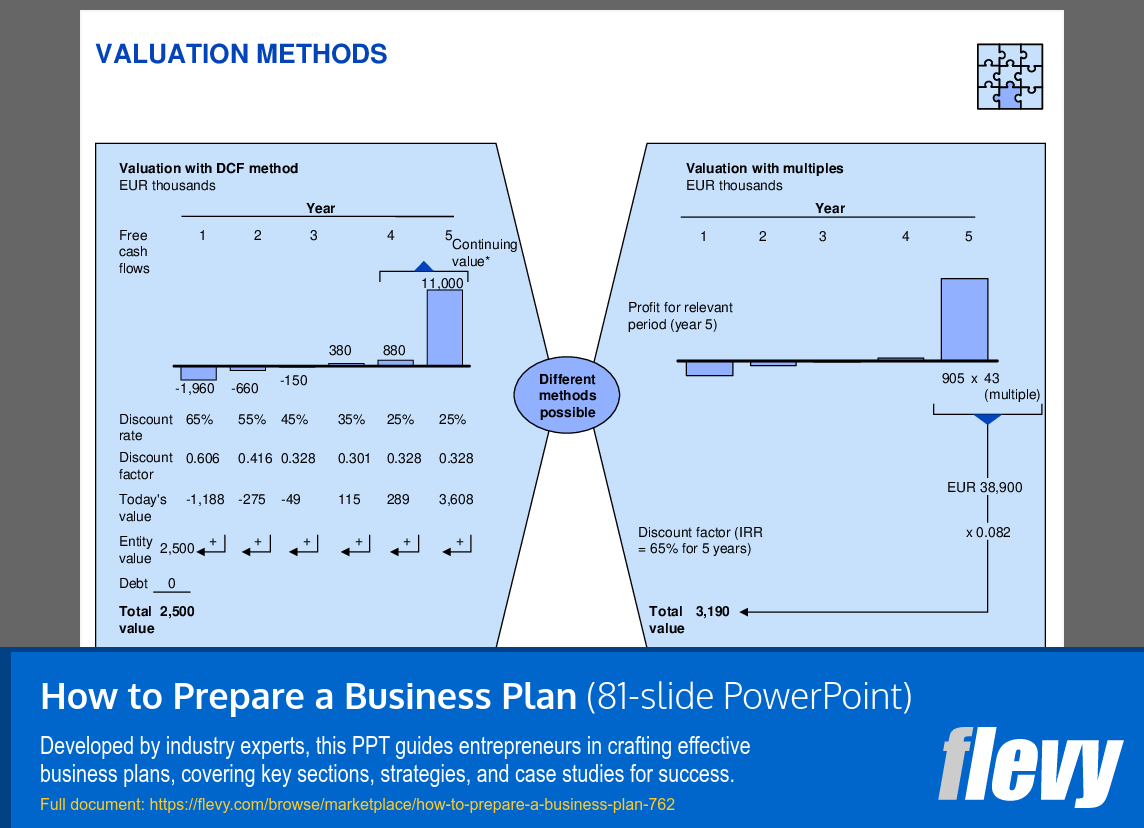
This PPT slide presents 2 distinct valuation methodologies: Discounted Cash Flow (DCF) and valuation by multiples, both in EUR thousands. The DCF method projects free cash flows over 5 years, starting with negative values due to upfront investments, improving to a continuing value of 11,000 in year five. Discount rates decrease from 65% in year one to 25% in years 4 and five, reflecting reduced risk perception. The present value of future cash flows results in a total entity value of 2,500 after debt. The multiples approach focuses on a profit of 905 in year five, multiplied by a factor of 43 for a valuation of 38,900, with a discount factor based on an IRR of 65% leading to a total value of 3,190.
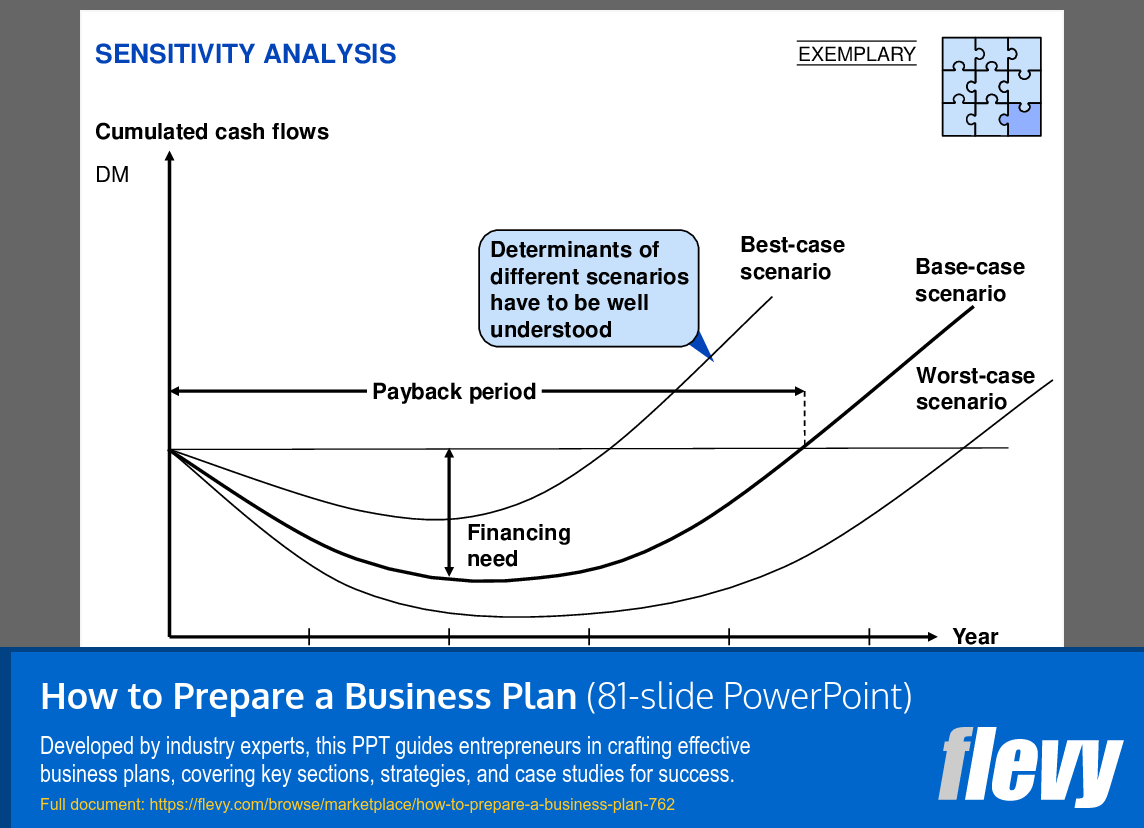
This PPT slide presents a sensitivity analysis of cash flow projections over time, illustrating how best-case, base-case, and worst-case scenarios impact cumulative cash flows plotted against the payback period. The vertical axis represents cumulative cash flows, while the horizontal axis denotes the payback period in years. The diverging curves highlight varying outcomes based on different assumptions, with the best-case scenario showing favorable cash flow trajectories and the worst-case scenario illustrating potential risks. Decision-makers must analyze factors influencing cash flow outcomes, such as market conditions and operational efficiencies, to determine funding requirements. This analysis aids executives in making informed decisions regarding investments, resource allocation, and risk management, encapsulating the essence of scenario planning in strategic financial decision-making.
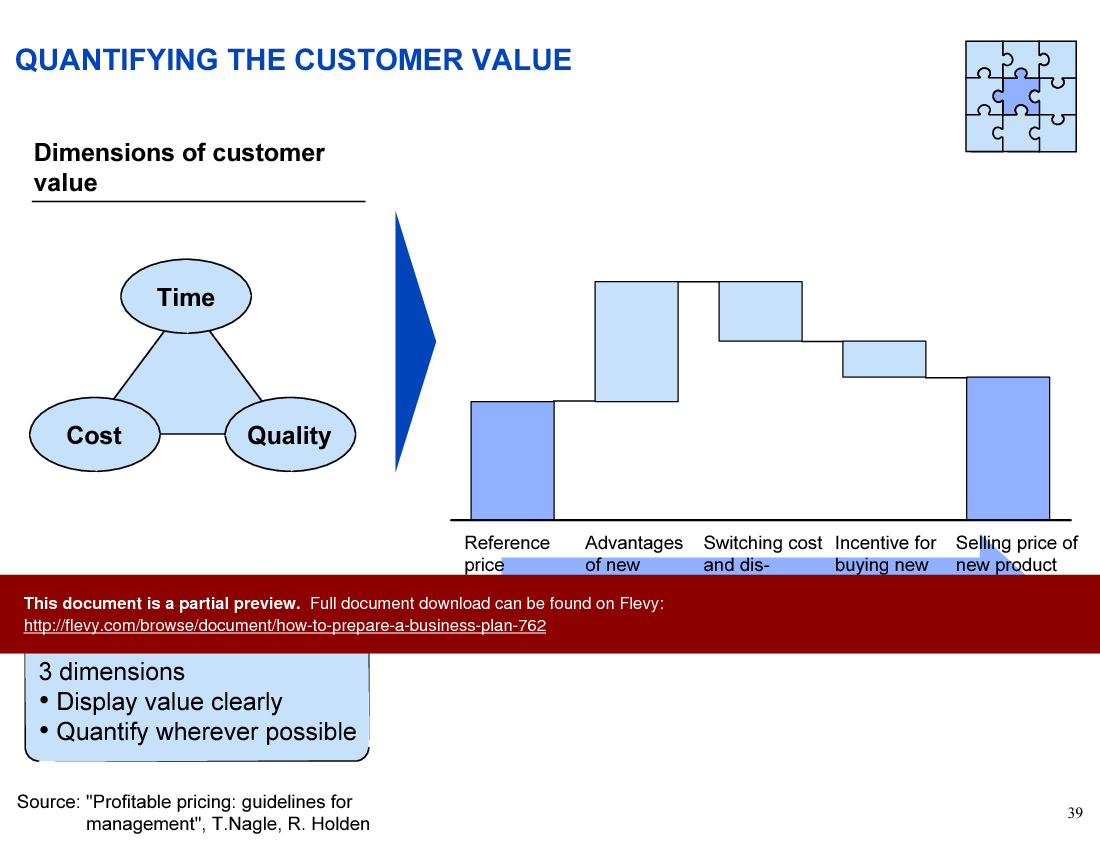
This PPT slide presents a framework for evaluating customer value through 3 key dimensions: Time, Cost, and Quality, forming a triangular model that highlights their interrelated nature in assessing customer satisfaction. A bar graph illustrates factors influencing perceived value, including reference price, advantages of the new product, switching costs, incentives, and selling price. The reference price serves as a baseline for comparison, while advantages showcase unique selling points. Switching costs and disadvantages can deter adoption, and incentives are critical for influencing purchase decisions. Clearly quantifying customer value across these dimensions aids in product development, pricing strategies, and marketing efforts, aligning offerings with customer expectations and enhancing market positioning.
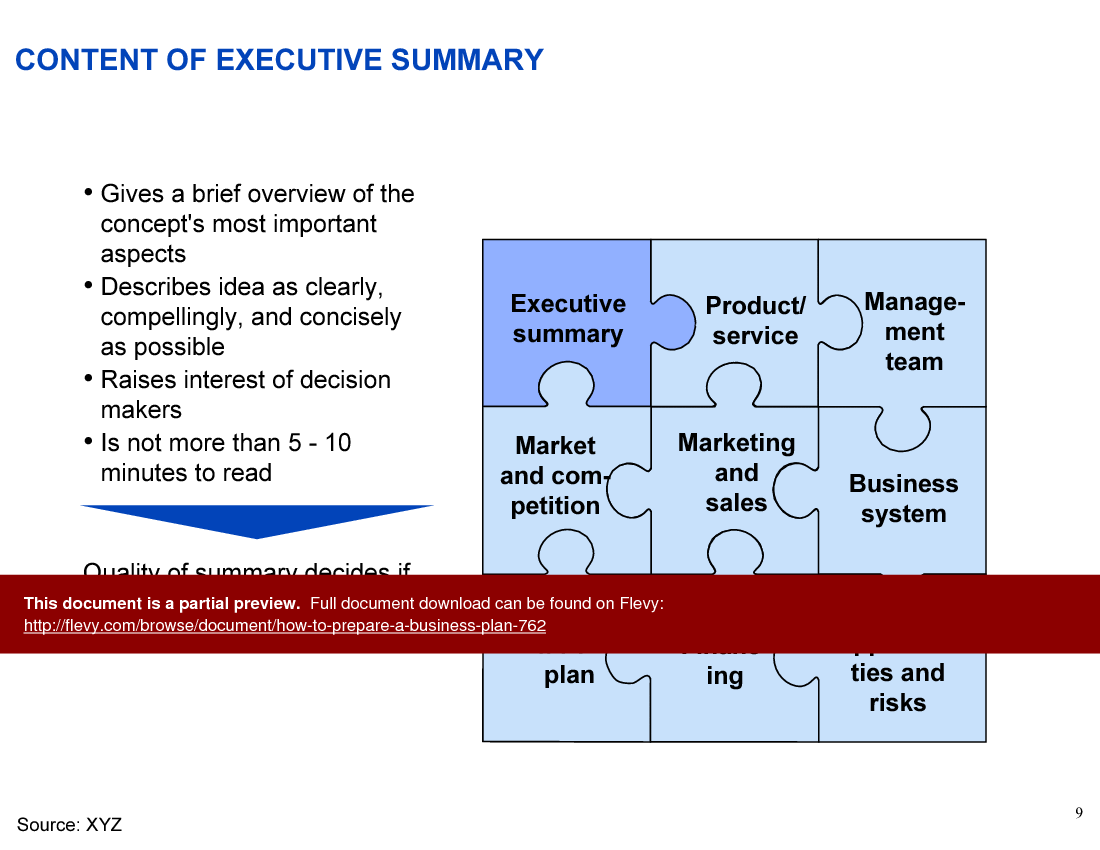
This PPT slide outlines the essential components of an executive summary in a business plan. The summary must encapsulate critical aspects clearly and compellingly to engage decision-makers. It should be concise, ideally taking 5 to 10 minutes to read, catering to busy executives. The quality of the executive summary significantly influences whether stakeholders will review the entire business plan, serving as a hook to entice deeper exploration. The visual structure suggests that the executive summary connects various components of the business plan, such as product/service, market analysis, and financial considerations, reinforcing its role as a cohesive narrative that ties together the overall strategy.
The pie chart illustrates the distribution of founders of fast-growing companies by their professional backgrounds. The largest segment, 42%, comprises founders from midsize to large companies, such as Intel and Microsoft, indicating that experience in established organizations is a common pathway for successful ventures. The next category, 21%, includes founders from small established companies, highlighting the contribution of individuals with prior entrepreneurial experience. Founders running other businesses make up 14%, while unemployed or recent graduates represent 6%. The smallest segment, 4%, consists of individuals not previously engaged in business. This data suggests that skills and networks from larger corporate environments are critical for launching and growing new businesses. Understanding these backgrounds can inform recruitment strategies and partnerships, aiding in talent identification and alignment with proven leaders in fast-paced environments.
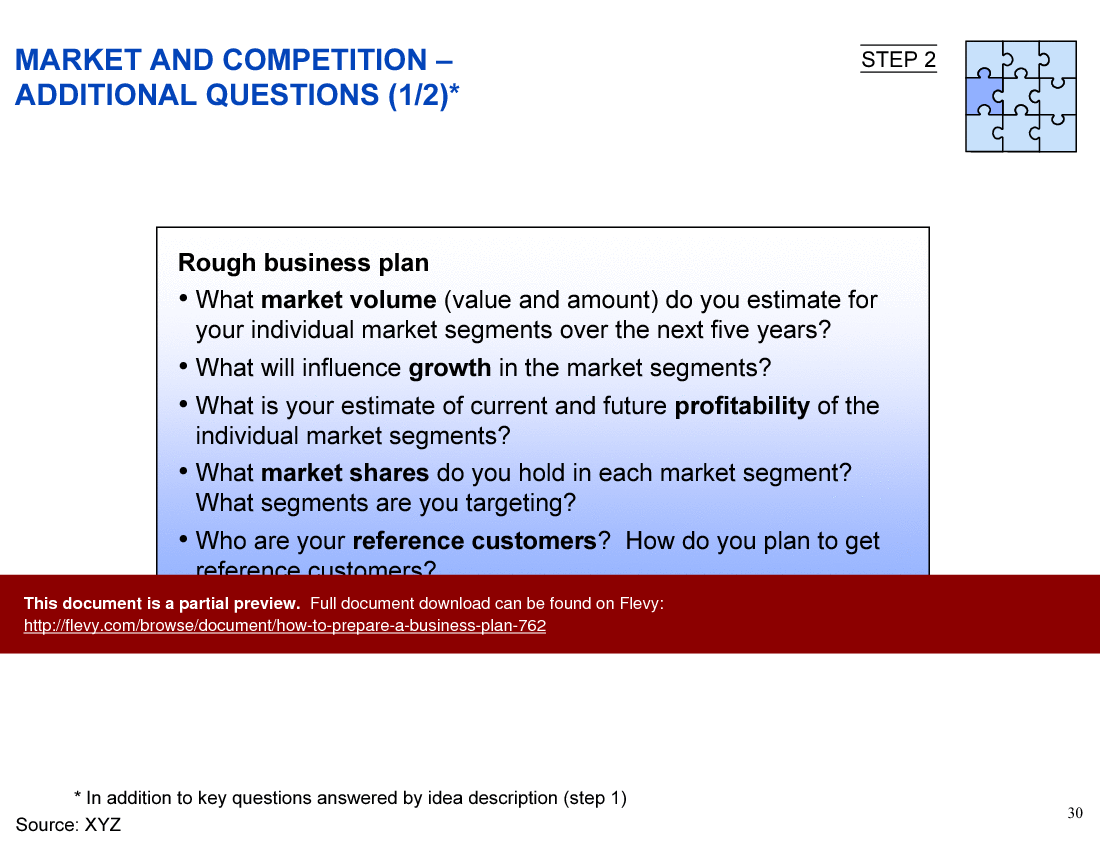
This PPT slide analyzes potential market size based on operational parameters. The average daily capacity per dump is approximately 5,000 tons, with a total of 500 dumps, critical for assessing overall capacity and operational efficiency. The average area in use is around 1,000 square meters per day, with an average distance between cover layers of about 5 meters. The maximum covered area per day is projected at 500,000 square meters, translating to an annual figure of 130,000 square meters, while the minimum covered area is set at 300,000 square meters, leading to a yearly estimate of 78,000 square meters. The potential market size ranges from USD 42 million to USD 70 million per year, providing financial insights for stakeholders evaluating investment opportunities and market entry strategies. An additional market for applicators suggests further avenues for business expansion.
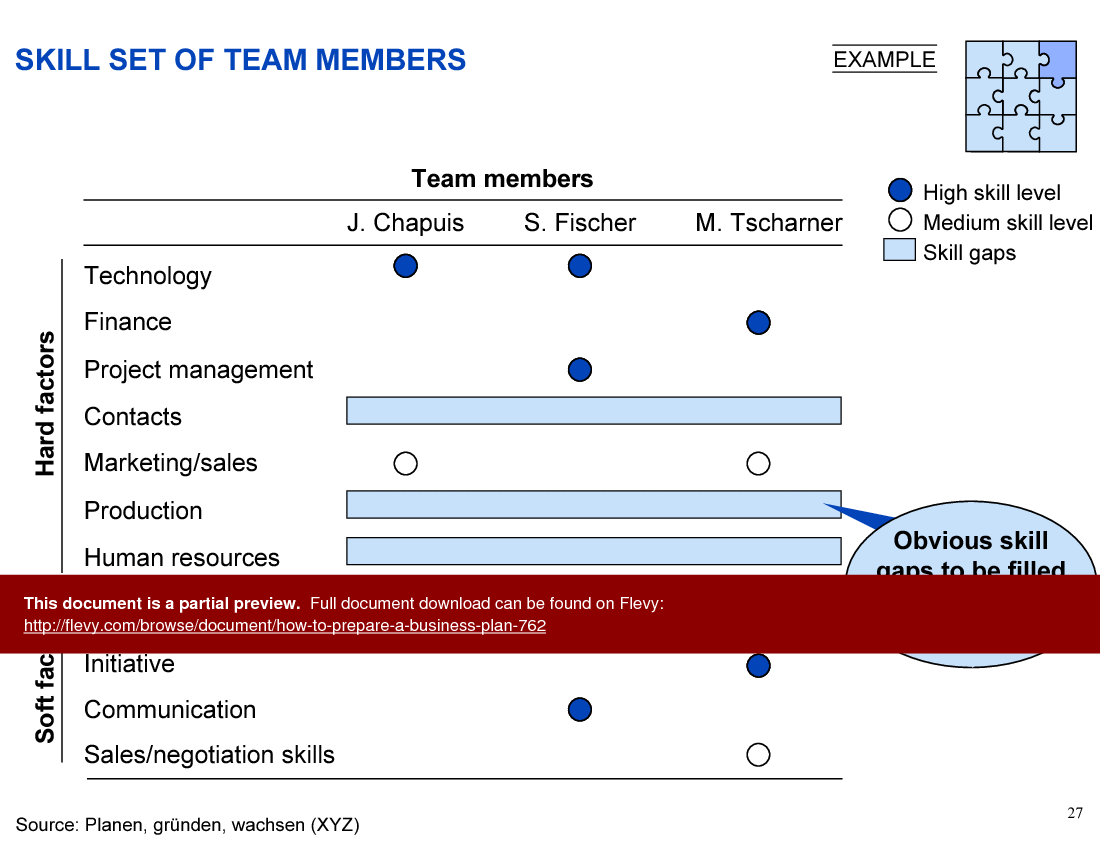
This PPT slide analyzes the skill sets of team members J. Chapuis, S. Fischer, and M. Tscharner, categorizing competencies in hard and soft factors. Hard factors assessed include Technology, Finance, Project Management, Contacts, Marketing/Sales, Production, and Human Resources. J. Chapuis excels in Technology and Project Management, while S. Fischer has strengths in Finance and Project Management. M. Tscharner shows significant gaps in Marketing/Sales and Production, indicating areas for improvement. Soft factors evaluated are Social Competence, Initiative, and Communication, with J. Chapuis and M. Tscharner demonstrating strong Social Competence, and S. Fischer at a medium level. The visual representation highlights the need for strategic recruitment or training to address skill gaps, particularly in Marketing/Sales and Production, essential for enhancing team performance.
This PPT slide outlines a structured implementation plan for key business activities from 2000 to 2004, represented in a Gantt chart format that illustrates timelines and interdependencies. Key milestones, such as market entry and product launches, emphasize strategic alignment with market demands. The Gantt chart also identifies potential bottlenecks for proactive planning and resource allocation. Key success factors (KSFs) are highlighted as essential elements for successful execution, linking operational efforts to strategic objectives. A detailed breakdown of investment needs outlines personnel and material costs, providing insights into the financial implications of the plan. This comprehensive overview integrates timelines, milestones, and financial considerations for effective business advancement.
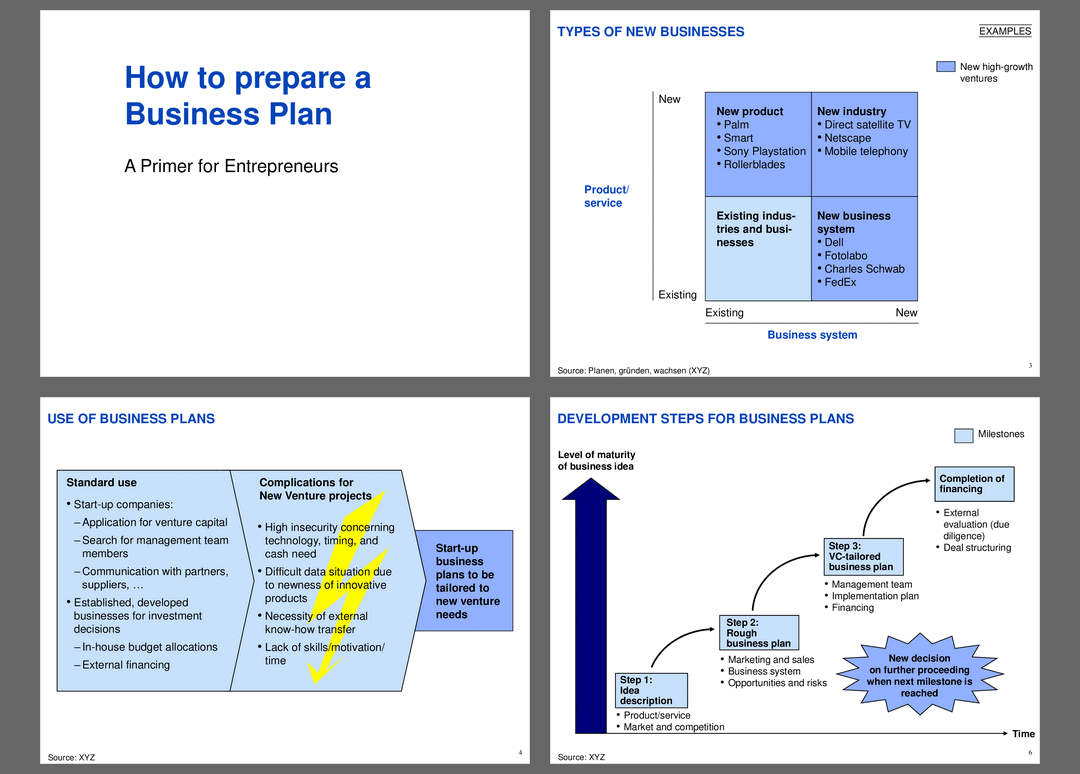
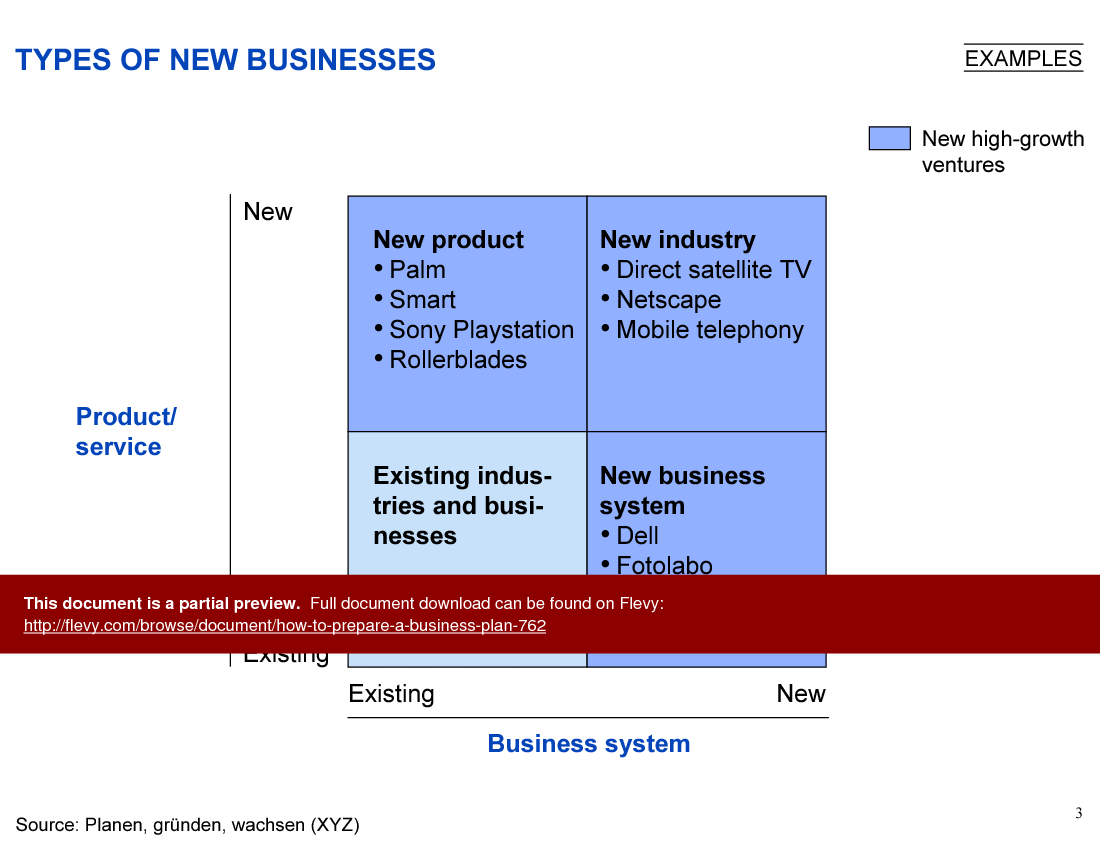
This PPT slide categorizes new businesses into a matrix based on product/service novelty and industry. The vertical axis distinguishes between new and existing products, while the horizontal axis differentiates between new and existing industries.
The upper left quadrant, "New product," includes innovations like Palm and Sony Playstation within existing industries, highlighting growth through product differentiation. The upper right quadrant, "New industry," features ventures like Direct Satellite TV, illustrating businesses that create entirely new industries, suggesting transformative market opportunities.
The lower left quadrant represents existing industries and businesses, emphasizing the risks of stagnation. The lower right quadrant, "New business system," showcases companies like Dell, which redefine existing industries through innovative business models, indicating that rethinking operational frameworks can enhance competitive positioning.
This PPT slide contrasts traditional corporate experience with essential skills for managing new ventures. Conventional corporate roles often prioritize short-term earnings and established processes, which may not suit the dynamic nature of new ventures. Key limitations include reliance on internal milestones, heavy delegation, and decision-making backed by substantial capital. However, corporate experience can be valuable when it includes business-building roles such as leading geographic expansions, developing new product lines, and providing marketing leadership. Familiarity with specific market dynamics is crucial. Notable executives Catherine Hapka and Richard Thompson exemplify this experience, with Hapka expanding market reach in telecommunications and Thompson building ventures at Johnson & Johnson, particularly in international markets. Specific skills and a proactive mindset are essential for successful venture management.
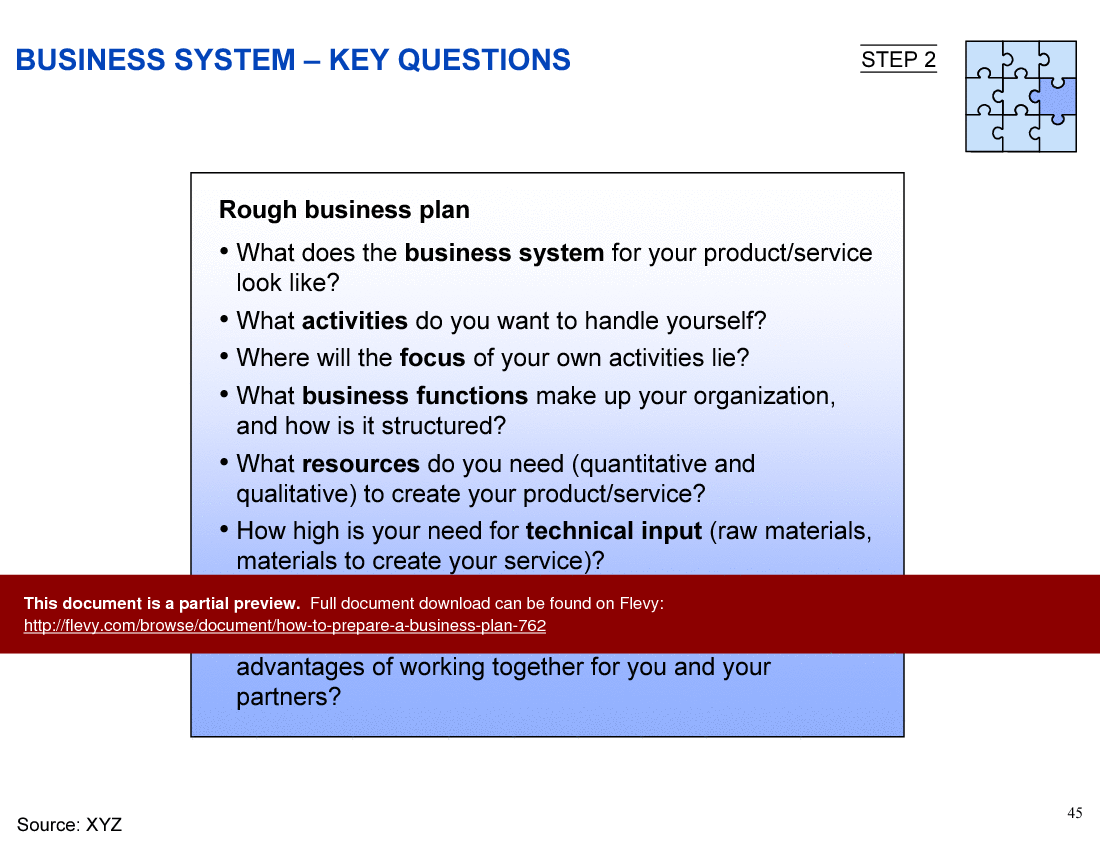
This PPT slide provides an overview of a business value chain, contrasting a generic framework with the specific case of "City Scape." The value chain includes key components: Research & Development, Production, Marketing & Sales, Distribution, and Service. Under Research & Development, "Development of Internet technology" and "City Scape system design" highlight innovation and system architecture. The acquisition process emphasizes strategic resource gathering for effective production. The Marketing & Sales section targets both consumers and businesses, enhancing market engagement. The Service segment covers business sales, updates, services, and licensing, indicating ongoing customer engagement and revenue generation strategies. The blue shading identifies areas specific to City Scape, illustrating the application of the value chain model to this case.
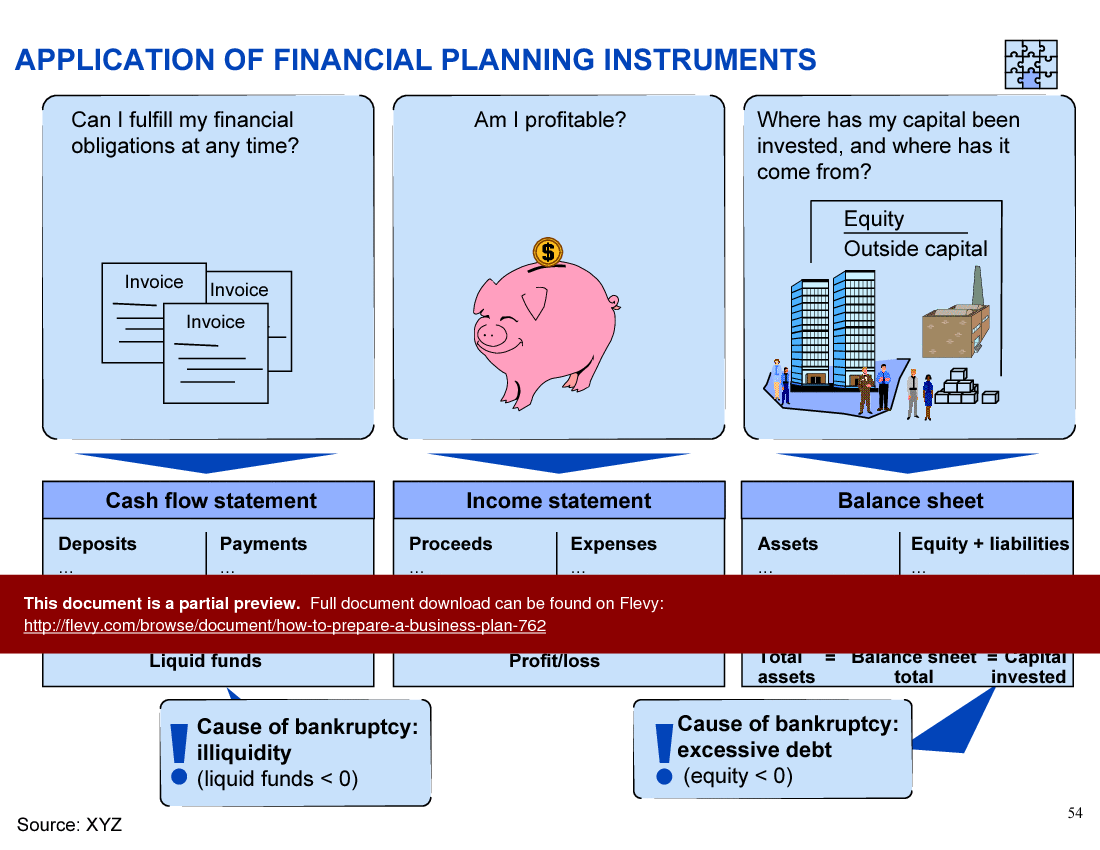
This PPT slide outlines key financial questions and corresponding financial statements: the ability to meet financial obligations, profitability assessment, and tracking capital investment sources and uses. The cash flow section emphasizes liquidity, requiring regular evaluation of deposits and payments to avoid insolvency. The income statement measures profitability by analyzing proceeds and expenses, providing insights into operational efficiency. The balance sheet addresses capital allocation, distinguishing between equity and outside capital, which informs financial structure and resource management. Regular assessments through these statements are essential for maintaining financial health and strategic planning.
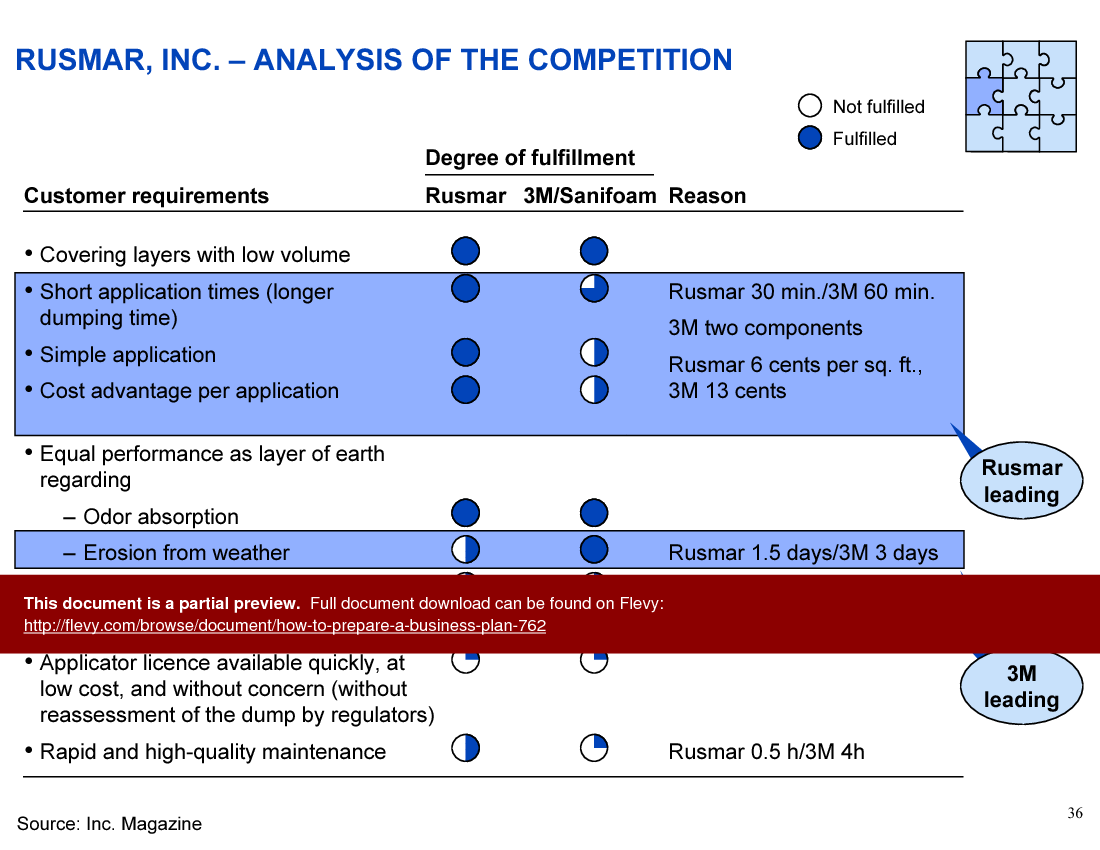
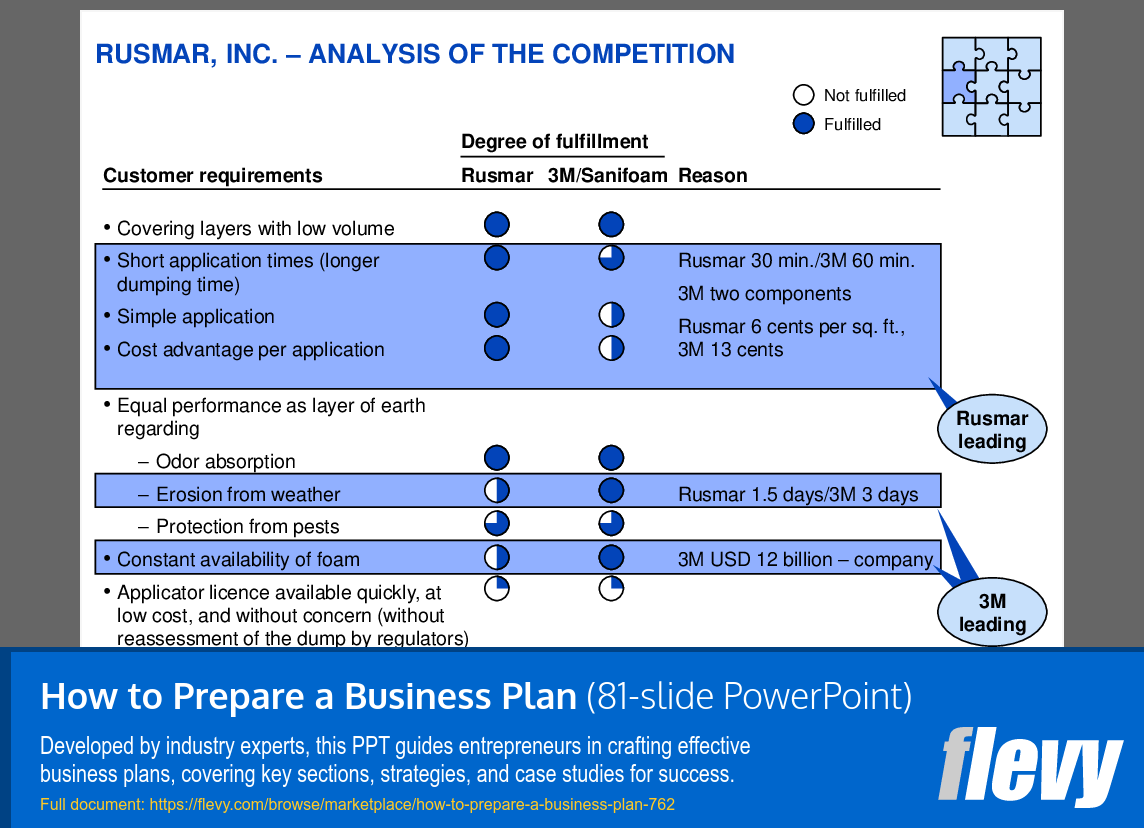
This PPT slide provides a comparative analysis of Rusmar, Inc. and 3M/Sanifoam, focusing on customer requirements and fulfillment levels. Key requirements include covering layers with low volume, where both companies excel. However, Rusmar has a significant advantage in application times, completing applications in 30 minutes compared to 3M's 60 minutes, which is crucial for speed-focused customers. Additionally, Rusmar offers a lower cost per square foot, appealing to budget-conscious clients. While both companies are rated equally for odor absorption, Rusmar is less effective in erosion protection and pest resistance, where 3M excels. Rusmar's consistent foam availability contrasts with 3M's uncertain supply. The applicator license process is quicker and less costly with Rusmar, reducing regulatory concerns for customers. This analysis highlights Rusmar's strengths in application speed and cost efficiency while acknowledging 3M's advantages.
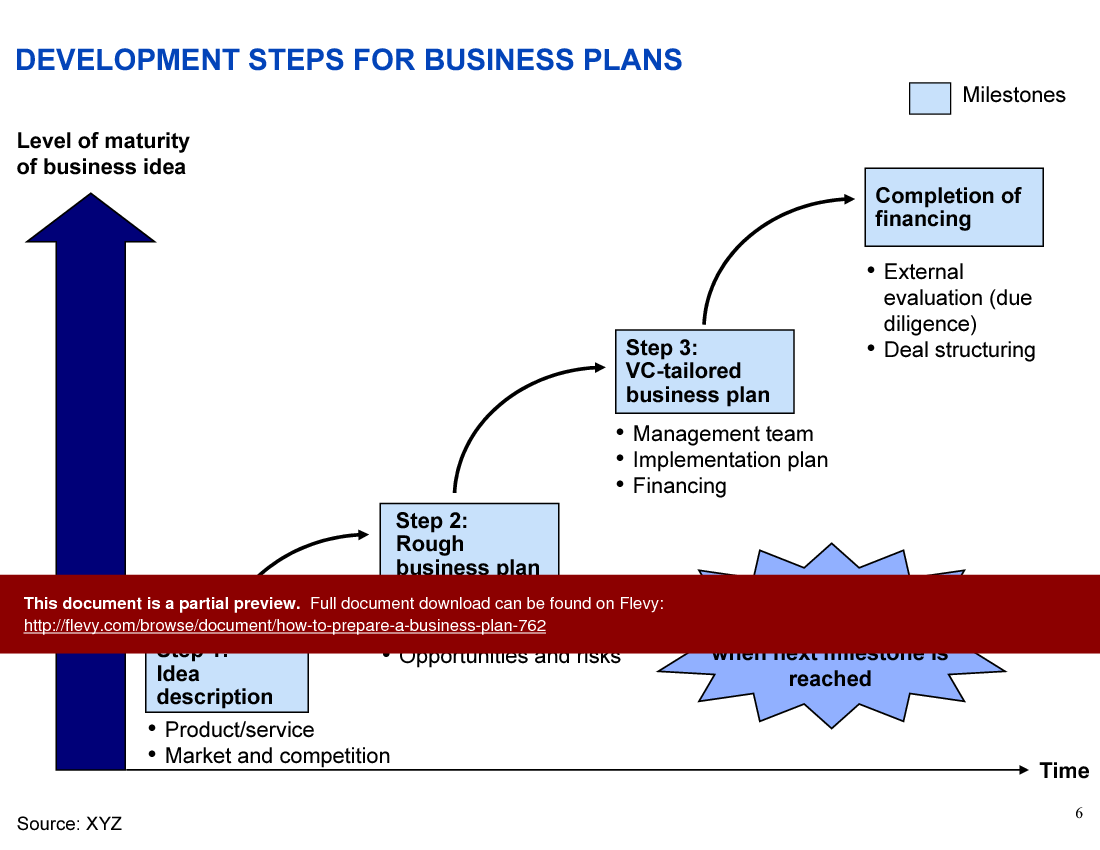
This PPT slide outlines a structured approach to developing business plans through distinct stages based on business idea maturity. "Step 1: Idea description" focuses on defining the core concept and identifying market needs. "Step 2: Rough business plan" emphasizes marketing and sales strategies, assessing the business system, and identifying opportunities and risks. "Step 3: VC-tailored business plan" targets venture capitalists, detailing the management team, implementation strategies, and financing requirements to attract investment. The process culminates in the "Completion of financing," involving due diligence and deal structuring, essential for securing funding. This iterative approach allows for adjustments based on progress and feedback, enhancing the likelihood of success in launching a new venture.
This PPT slide outlines the dual aspects of business plans, focusing on their applications for start-ups and established companies. Start-ups utilize business plans for seeking venture capital, recruiting management, and communicating with partners. Established businesses use them for investment decisions, internal budget allocations, and securing external financing. New ventures face challenges such as insecurity regarding technology, timing, and cash requirements, complicating effective planning. The innovative nature of new products often leads to difficulties in gathering reliable information. Additionally, new ventures may lack internal expertise and face barriers like insufficient skills, motivation, and time, which impede successful execution of business plans. Tailoring business plans to address these unique needs is essential for start-ups.
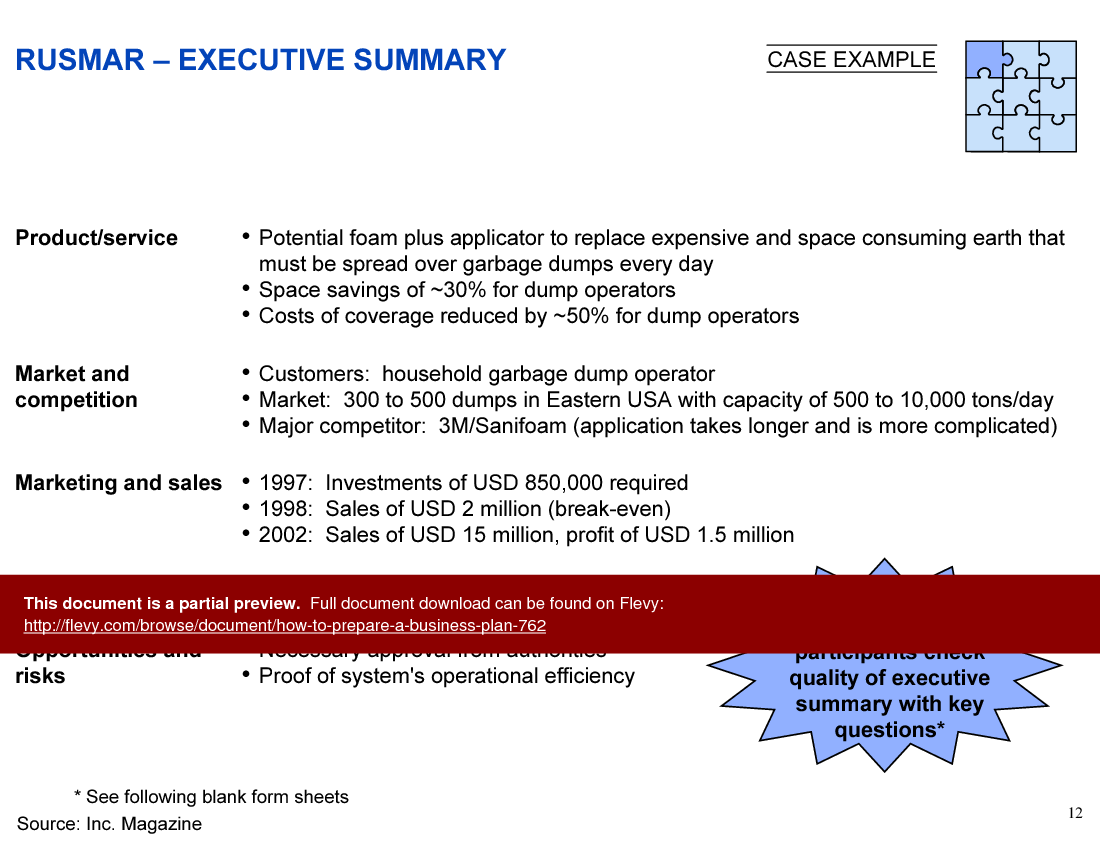
The product is a foam and applicator system for waste management, designed to replace traditional earth coverage at garbage dumps, offering operational efficiencies such as 30% space savings and 50% reduction in coverage costs. The target market includes household garbage dump operators in the Eastern USA, with an estimated 300 to 500 dumps handling 500 to 10,000 tons of waste per day. Competitor 3M/Sanifoam has a longer application process, providing a time advantage for this new product. Financial projections indicate an initial investment of USD 850,000, with a break-even point in 1998 at USD 2 million in sales and projected sales of USD 15 million by 2002, yielding a profit of USD 1.5 million. The business system focuses on foam and applicator sales, with opportunities and risks including necessary approvals and proof of operational efficiency.
This PPT slide analyzes market characteristics for B2B marketplaces, focusing on market size, growth, and competitiveness. Market growth is projected to exceed 100% annual growth, reaching approximately USD 50 billion by 2004, indicating an "Attractive" investment environment. However, some segments are labeled "Unattractive," suggesting uneven growth. The right side illustrates market competitiveness, showing an increase from 100-200 B2B marketplaces in 1999 to an estimated 1,000-2,000 by 2009. This rapid growth reflects heightened interest in the sector, though expected consolidation of vertical specialty marketplaces may reduce diversity as companies merge or exit. The B2B marketplace sector is poised for explosive growth, facing challenges related to competition and consolidation.
Source: Best Practices in Business Plan Writing, Entrepreneurship PowerPoint Slides: How to Prepare a Business Plan PowerPoint (PPT) Presentation Slide Deck, Documents & Files
Since 2012, we have provided business templates to over 10,000 businesses and organizations of all sizes, from startups and small businesses to the Fortune 100, in over 130 countries.

"As a niche strategic consulting firm, Flevy and FlevyPro frameworks and documents are an on-going reference to help us structure our findings and recommendations to our clients as well as improve their clarity, strength, and visual power. For us, it is an invaluable resource to increase our impact and value."
– David Coloma, Consulting Area Manager at Cynertia Consulting
"As a small business owner, the resource material available from FlevyPro has proven to be invaluable. The ability to search for material on demand based our project events and client requirements was great for me and proved very beneficial to my clients. Importantly, being able to easily edit and tailor
the material for specific purposes helped us to make presentations, knowledge sharing, and toolkit development, which formed part of the overall program collateral. While FlevyPro contains resource material that any consultancy, project or delivery firm must have, it is an essential part of a small firm or independent consultant's toolbox.
"
– Michael Duff, Managing Director at Change Strategy (UK)
"I like your product. I'm frequently designing PowerPoint presentations for my company and your product has given me so many great ideas on the use of charts, layouts, tools, and frameworks. I really think the templates are a valuable asset to the job."
– Roberto Fuentes Martinez, Senior Executive Director at Technology Transformation Advisory
"Last Sunday morning, I was diligently working on an important presentation for a client and found myself in need of additional content and suitable templates for various types of graphics. Flevy.com proved to be a treasure trove for both content and design at a reasonable price, considering the time I
saved. I encountered a download issue during the ordering process. However, a quick email to Flevy's support team, even on a Sunday (!!!), resulted in assistance within less than an hour, allowing me to download the content I needed. Fantastic job, Flevy! I give 5 stars for both content/price and customer service. Thank you!
"
– M. E., Chief Commercial Officer, International Logistics Service Provider
"FlevyPro provides business frameworks from many of the global giants in management consulting that allow you to provide best in class solutions for your clients."
– David Harris, Managing Director at Futures Strategy
"I have used FlevyPro for several business applications. It is a great complement to working with expensive consultants. The quality and effectiveness of the tools are of the highest standards."
– Moritz Bernhoerster, Global Sourcing Director at Fortune 500
"As a young consulting firm, requests for input from clients vary and it's sometimes impossible to provide expert solutions across a broad spectrum of requirements. That was before I discovered Flevy.com.
Through subscription to this invaluable site of a plethora of topics that are key and crucial to consulting, I
have been able to exceed expectations and deliver quality advice and solutions to my clients. The quality and expertise of the authors are exemplary and gives me great confidence to use as part of my service offerings.
I highly recommend this company for any consultant wanting to apply international best practice standards in their service offerings.
"
– Nishi Singh, Strategist and MD at NSP Consultants
"My FlevyPro subscription provides me with the most popular frameworks and decks in demand in today’s market. They not only augment my existing consulting and coaching offerings and delivery, but also keep me abreast of the latest trends, inspire new products and service offerings for my practice, and educate me
Download our free compilation of 50+ Strategy & Transformation slides and templates. Frameworks include McKinsey 7-S, Balanced Scorecard, Disruptive Innovation, BCG Curve, and many more.