
 Click main image to view in full screen.
Enterprise Data Management and Governance (PowerPoint PPTX Slide Deck)
PowerPoint (PPTX) 30 Slides


BENEFITS OF THIS POWERPOINT DOCUMENT
- Data Management
- Data Governance
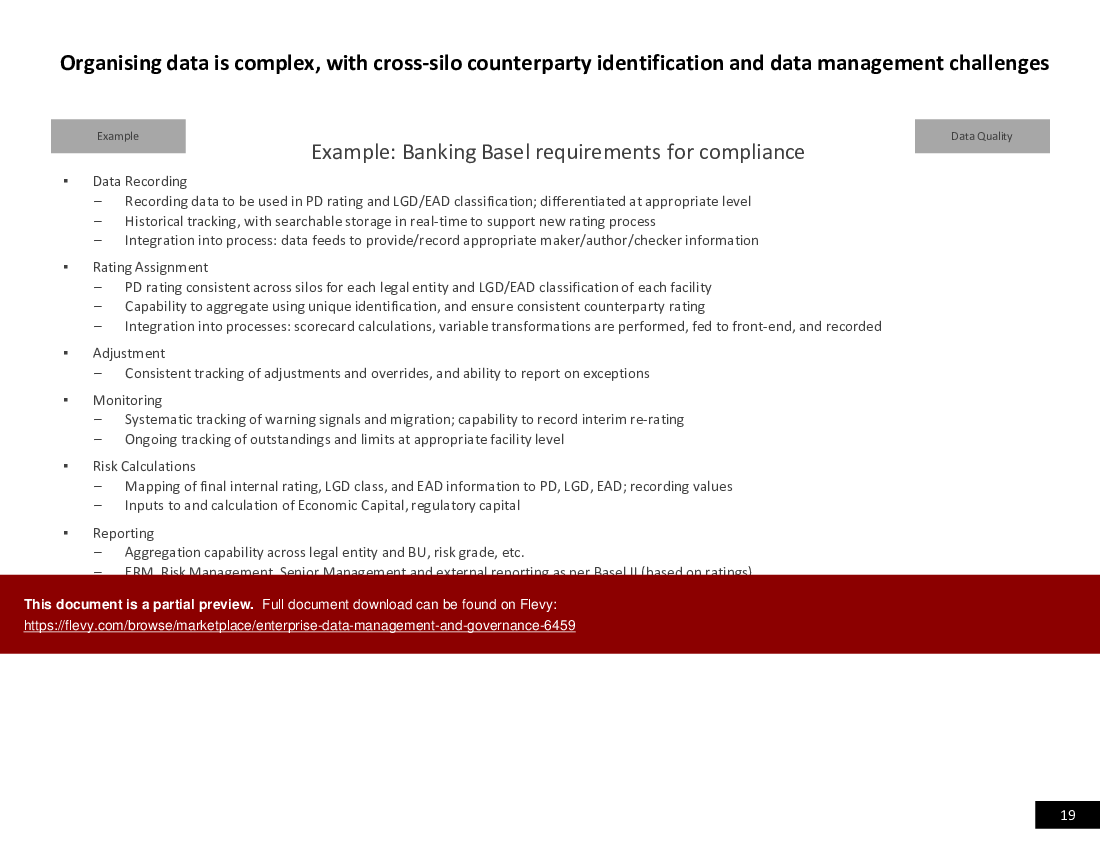
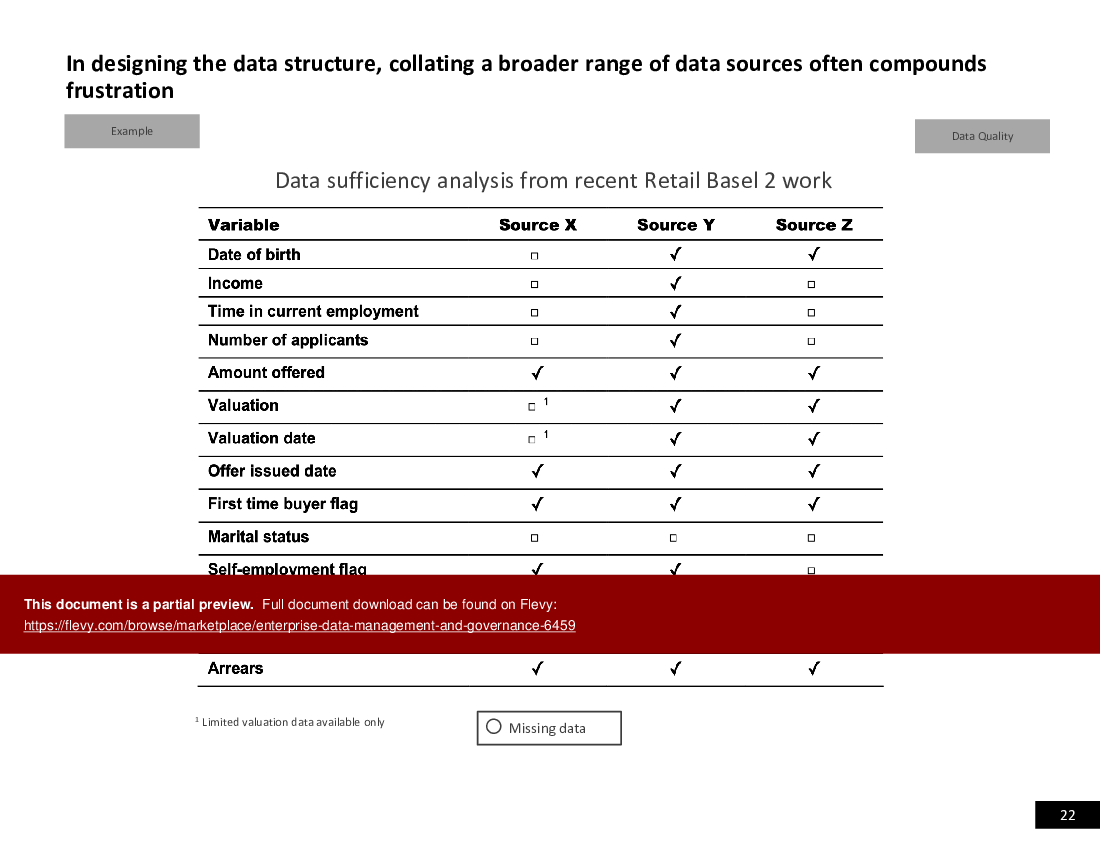
- Example of data quality management
DATA GOVERNANCE PPT DESCRIPTION
Unleashing the Potential of Enterprise Data Management: Navigating the Data Deluge
In today's fast-paced digital landscape, enterprises are witnessing an unprecedented surge in data generation year after year. As reported by Grand View Research, the data management solutions market attained a substantial valuation of USD 82.25 billion in 2021, with an impressive compound annual growth rate (CAGR) projected at approximately 14.0% until 2030. This remarkable expansion of data volume presents a formidable challenge for organizations – namely, the effective harnessing of potential within this vast reservoir of information.
At the heart of corporate prosperity lies data, which stands as an organization's most critical and valuable asset. Paradoxically, the degree of neglect exhibited by numerous companies regarding the management and governance of this precious resource is worrisome. The absence of recognition for best practices in this domain has given rise to a host of uncertainties, including the optimal extraction of value from data and apprehension concerning its reliability and potential vulnerability. Consequently, organizations struggle to maximize the untapped opportunities concealed within these datasets. Ovum, a reputable technology research firm, has highlighted the exorbitant annual cost of over $700 billion for US organizations due to poor data management and governance.
To confront this monumental challenge head-on, the emergence of Enterprise Data Management Solutions has offered potential solutions. This comprehensive deck provides an insightful overview of essential business processes and capabilities necessary for organizations to flourish amid the overwhelming deluge of data. By adopting these principles, enterprises can effectively identify process and technology requirements, thereby mitigating data quality challenges and elevating their data management practices.
It is essential to acknowledge that the success of data management transcends mere technological advancements, demanding the infusion of human guidance and maturation of business processes. Countless enterprises have experienced disappointment when their technological investments fail to deliver expected outcomes, primarily due to an absence of a holistic approach to data management.
However, this offering is far from being another insubstantial presentation of lofty promises. Instead, the presentation embarks on a transformative journey, presenting frameworks, industry examples, and a comprehensive roadmap to cultivate an in-house data management capability that epitomizes excellence.
The overarching objective is to empower organizations to consistently and proficiently manage data across the enterprise. By unlocking the secrets to data management success, enterprises will gain newfound confidence in harnessing the true potential of their data resources.
The present is an opportune moment to assume command over the data destiny of enterprises. The invitation extends to all those who seek to unveil the secrets to mastering the data-driven future. Together, enterprises shall navigate the complexities, seize opportunities, and transform their organizations into data powerhouses.
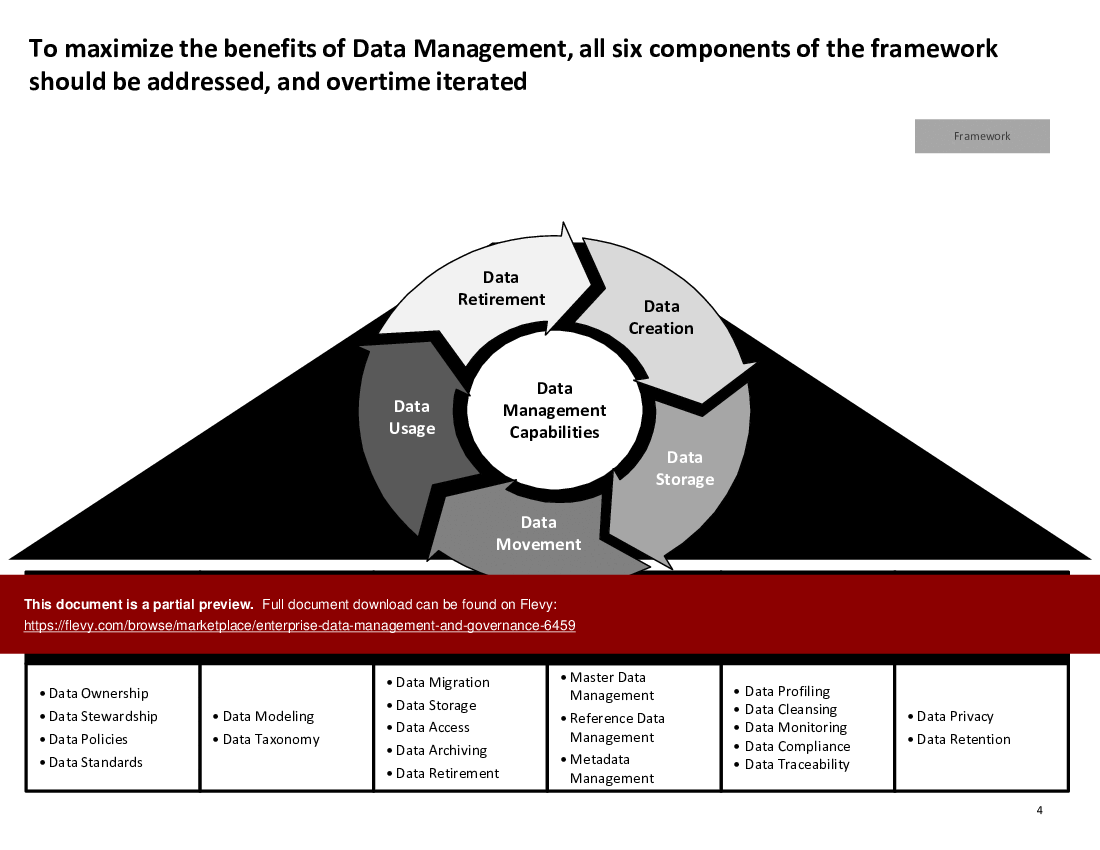
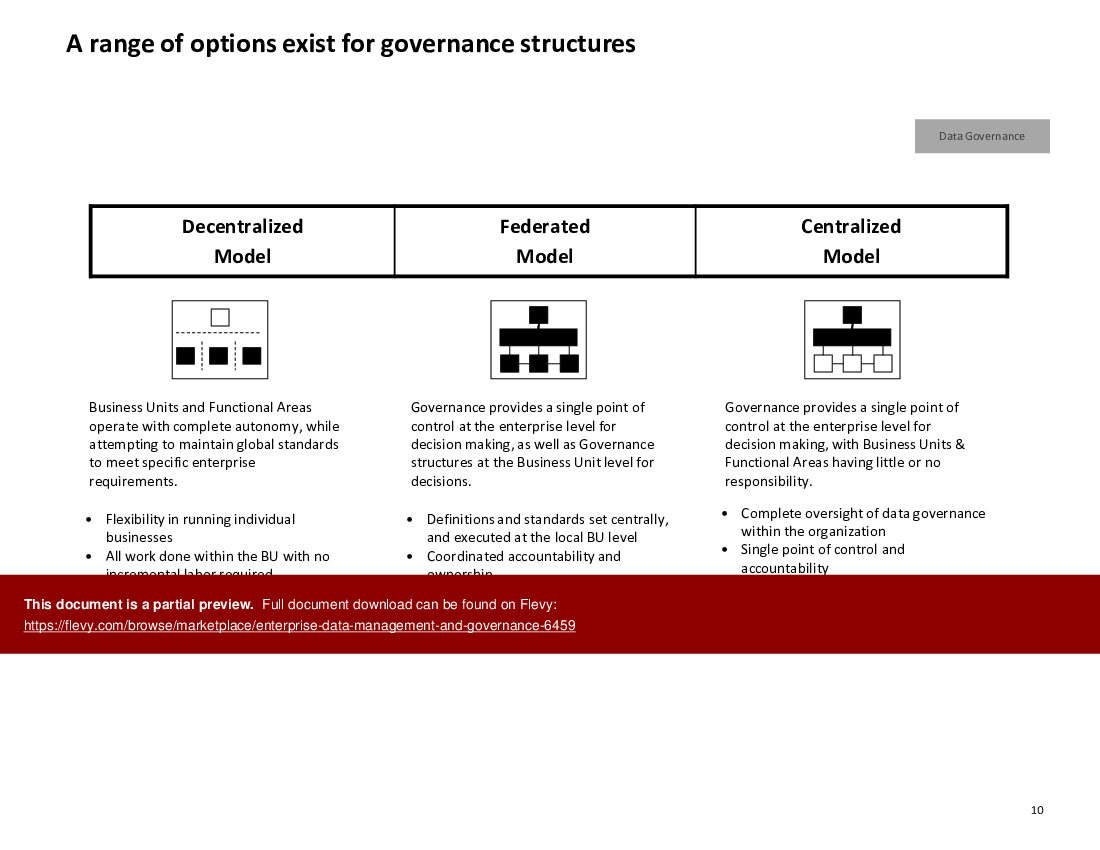
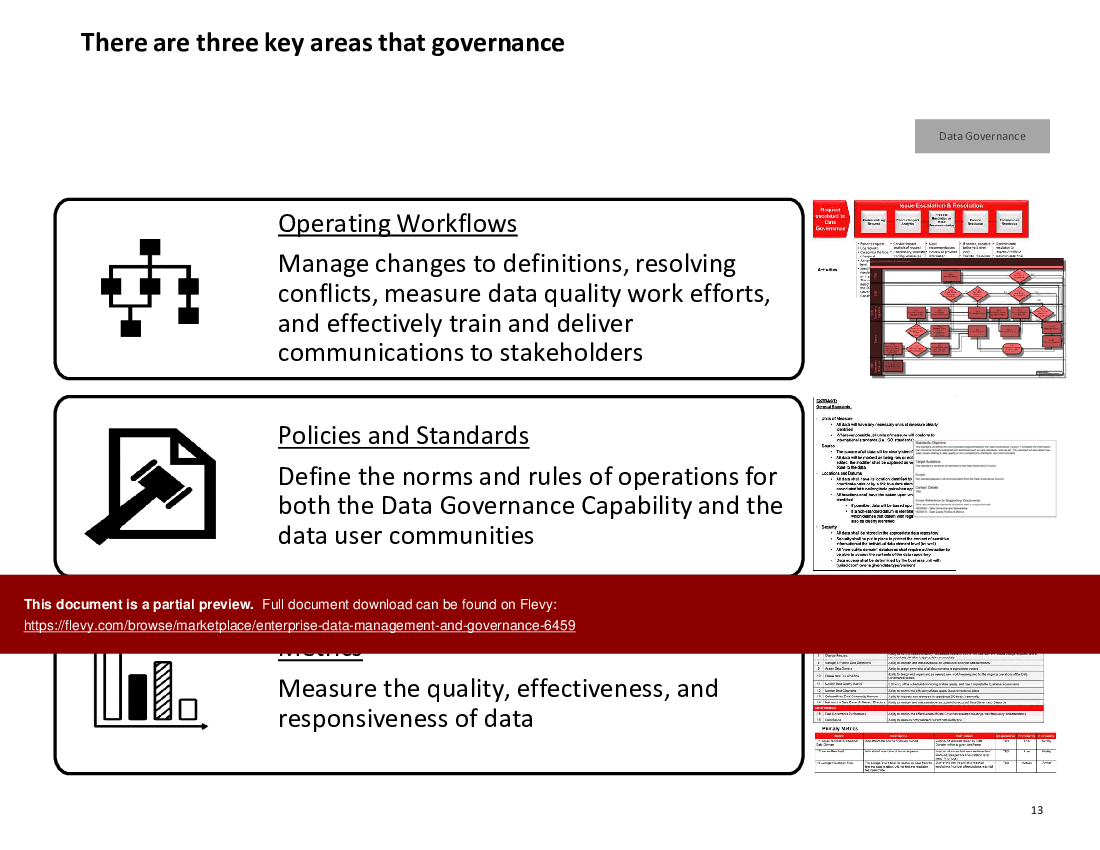
This presentation emphasizes the importance of addressing all six components of the data management framework to maximize benefits. It also outlines various governance structures and key areas, including operating workflows, policies, and standards.
Got a question about the product? Email us at support@flevy.com or ask the author directly by using the "Ask the Author a Question" form. If you cannot view the preview above this document description, go here to view the large preview instead.
MARCUS OVERVIEW
This synopsis was written by Marcus [?] based on the analysis of the full 30-slide presentation.
Executive Summary
The "Enterprise Data Management and Governance" presentation offers a consulting-grade framework that aligns data management practices with business objectives, ensuring robust governance and quality across data assets. This resource is designed to help organizations navigate the complexities of data integration, privacy, and quality management. By leveraging this framework, executives can establish a comprehensive data governance strategy, enhance data quality, and drive informed decision-making across the enterprise.
Who This Is For and When to Use
• Data Governance Officers responsible for overseeing data management practices
• Chief Information Officers (CIOs) aiming to align IT strategy with business goals
• Data Architects and Engineers tasked with designing data structures and models
• Compliance Officers ensuring adherence to data privacy regulations
• Business Analysts focused on leveraging data for strategic insights
Best-fit moments to use this deck:
• During the development of a data governance framework
• When integrating disparate data sources into a unified system
• In preparation for audits or compliance reviews related to data management
• To train teams on data quality standards and governance policies
Learning Objectives
• Define the core principles of data governance and its importance in enterprise settings
• Build a comprehensive data management framework that addresses governance, quality, and security
• Establish clear roles and responsibilities for data stewardship across the organization
• Implement data quality metrics and standards to ensure accuracy and completeness
• Align data management practices with overall business strategy and objectives
• Create a roadmap for continuous improvement in data governance capabilities
Table of Contents
• Introduction to Data Management and Governance (page 2)
• Key Challenges in Data Management (page 3)
• Framework Components (page 4)
• Data Governance Structure (page 6)
• Levels of Data Management Maturity (page 5)
• Data Quality Assessment (page 18)
• Data Security Standards (page 25)
• Implementation Roadmap (page 27)
Primary Topics Covered
• Data Governance - The framework for establishing policies, roles, and processes to manage corporate data effectively.
• Data Quality - Standards and practices to ensure data accuracy, completeness, and reliability for decision-making.
• Data Architecture - The design and structure of data systems that support business processes and data management.
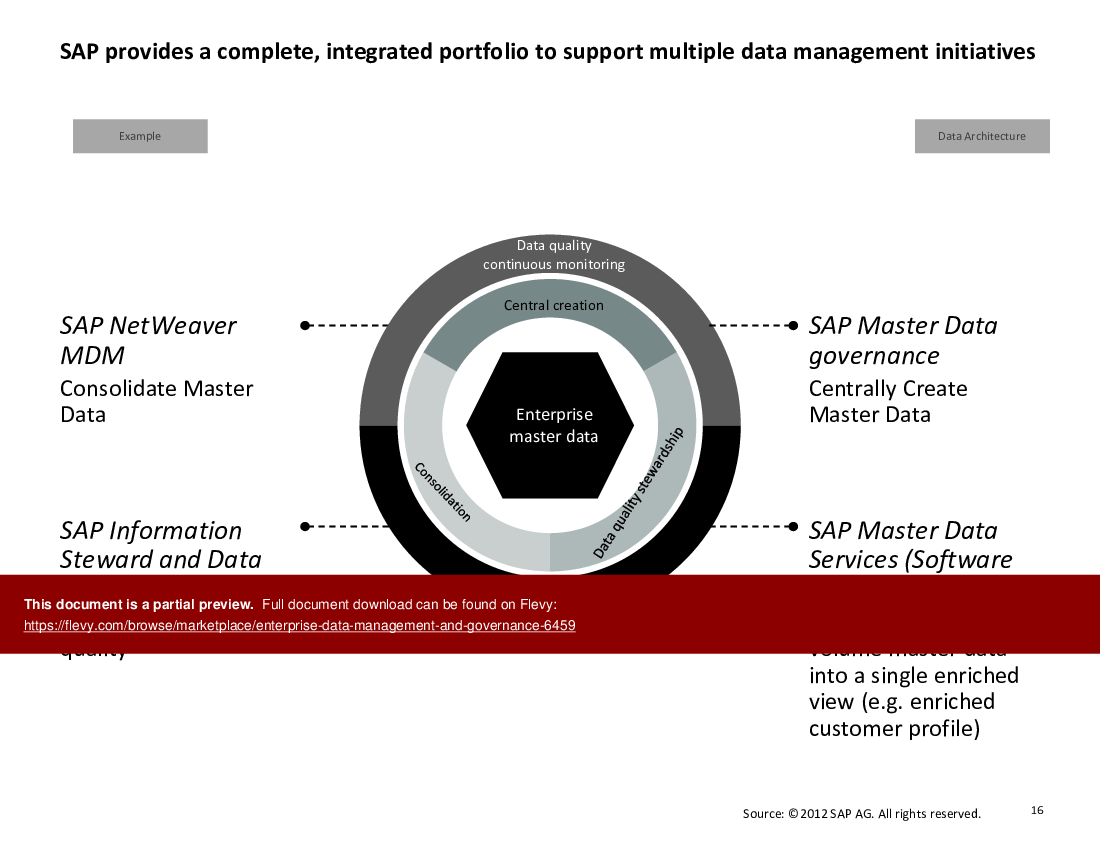
• Master Data Management - Strategies for managing critical data entities to ensure consistency across the organization.
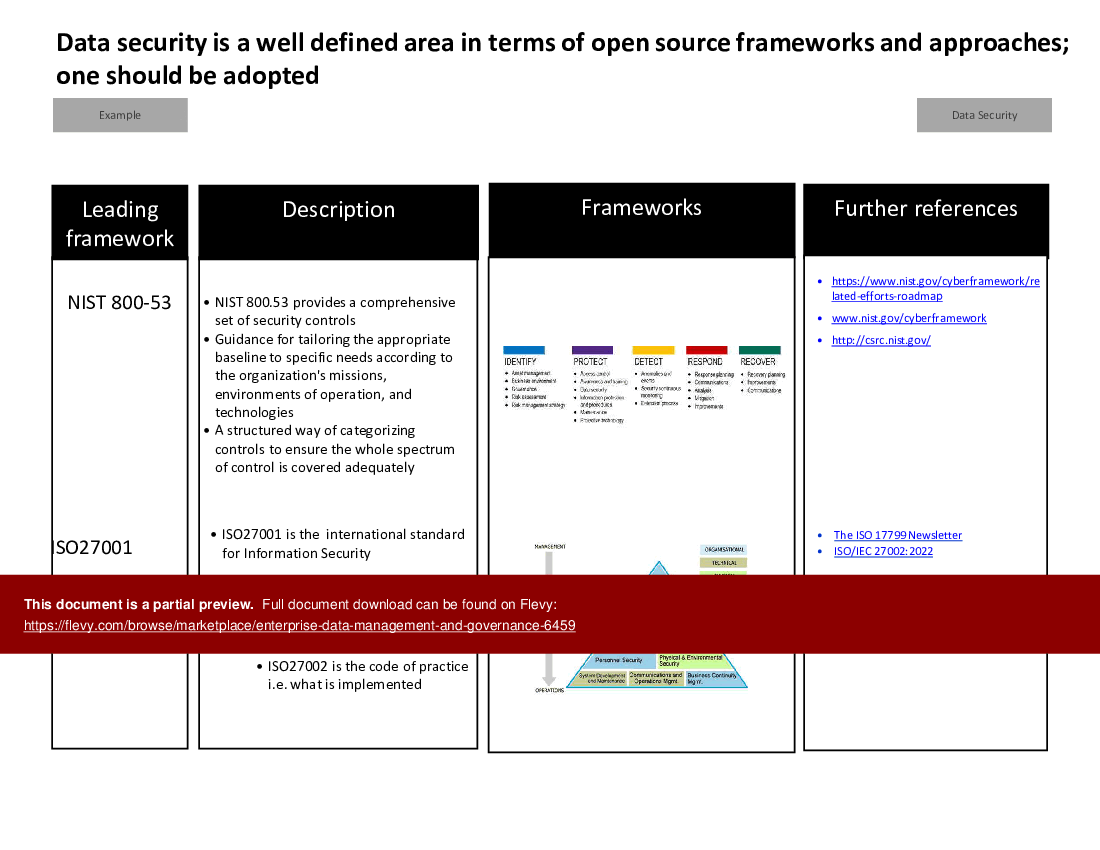
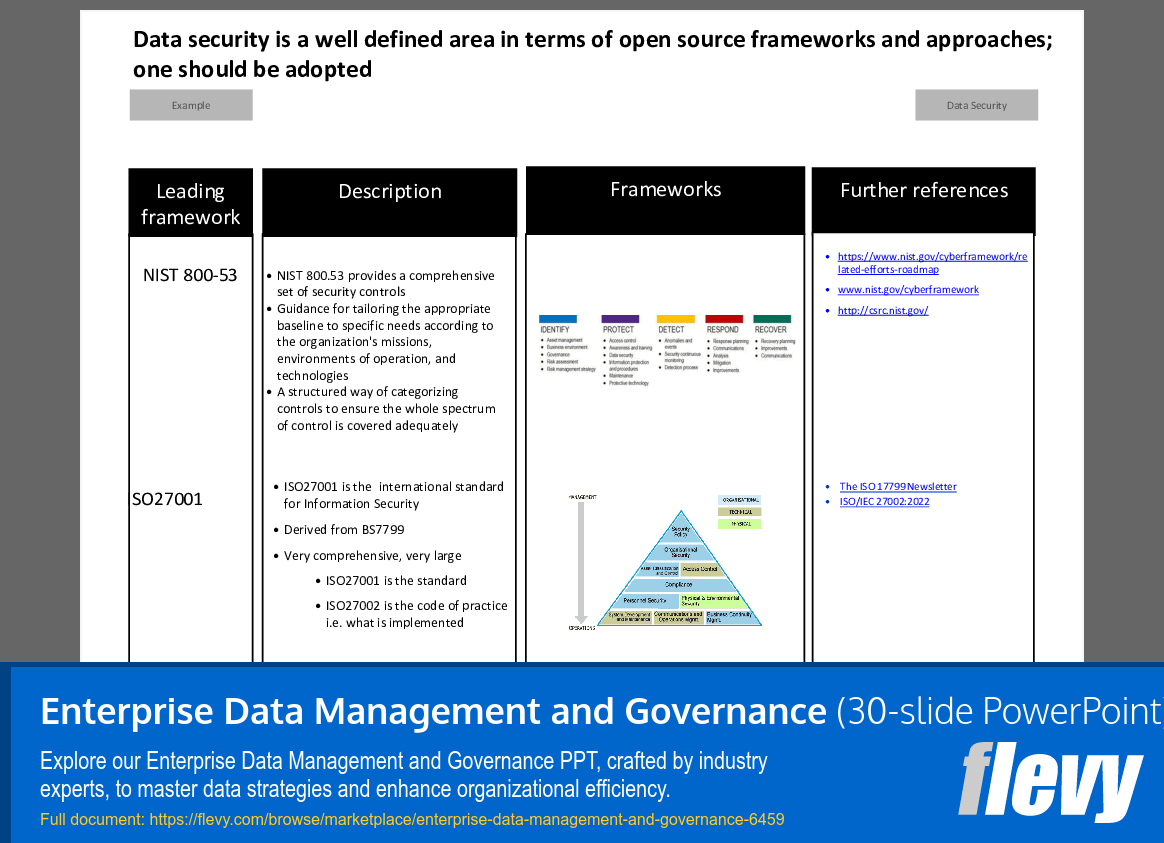
• Data Security - Policies and technologies to protect data privacy and ensure compliance with regulations.
• Data Integration - Techniques for combining data from disparate sources to provide a unified view for analysis.
Deliverables, Templates, and Tools
• Data governance framework template outlining roles, responsibilities, and workflows
• Data quality assessment checklist to evaluate data integrity and compliance
• Master data management plan for defining and managing critical data entities
• Data architecture blueprint for visualizing data flow and storage solutions
• Data security policy template to guide compliance with data protection regulations
• Implementation roadmap for executing data governance initiatives
Slide Highlights
• Overview of key challenges organizations face in managing enterprise data
• Framework components detailing the intersection of people, process, and technology
• Levels of data management maturity illustrating the evolution from foundational to pioneering practices
• RACI model outlining roles and responsibilities within the data governance structure
• Data quality metrics and assessment strategies to ensure ongoing data integrity
Potential Workshop Agenda
Data Governance Framework Development (90 minutes)
• Review current data governance practices and identify gaps
• Define roles and responsibilities for data stewardship
• Establish key policies and standards for data management
Data Quality Improvement Session (60 minutes)
• Assess current data quality metrics and reporting frameworks
• Identify areas for improvement and develop action plans
• Create a communication strategy for data quality initiatives
Data Security Compliance Workshop (90 minutes)
• Review existing data security policies and compliance requirements
• Identify risks and mitigation strategies for data protection
• Develop a roadmap for enhancing data security measures
Customization Guidance
• Tailor the data governance framework to align with specific organizational structures and business needs
• Update data quality metrics and standards based on industry best practices and regulatory requirements
• Modify the implementation roadmap to reflect organizational priorities and resource availability
• Adjust data security policies to comply with local, national, and international laws relevant to the organization
Secondary Topics Covered
• Data lifecycle management and its impact on data governance
• The role of data stewards in maintaining data quality and compliance
• Strategies for effective data integration across systems
• The importance of stakeholder engagement in data governance initiatives
• Trends in data management technology and their implications for governance
Topic FAQ
What are the common components of a corporate data governance framework?
A corporate data governance framework typically includes defined roles and responsibilities (including data stewards), established policies and standards, metrics for effectiveness, technology enablers, and operating workflows; practical implementations often use a RACI model to clarify accountability and responsibilities, as reflected in the RACI model.How do organizations assess their data management maturity?
Organizations assess maturity by comparing current practices against defined maturity levels, identifying gaps in people, process, and technology, and creating action plans for improvement; the presentation maps this process under its Levels of Data Management Maturity and gap-identification guidance, noting levels of data management maturity.What metrics should I use to measure enterprise data quality?
Core data quality dimensions to measure include accuracy, completeness, and reliability; these are typically assessed via profiling, cleansing, and monitoring processes and recorded in a checklist or reporting framework, such as a data quality assessment checklist.Why is a RACI model used in data governance programs?
A RACI model clarifies who is Responsible, Accountable, Consulted, and Informed for data-related activities, reducing ambiguity between business and IT teams and supporting stewardship and ownership assignments; the toolkit explicitly includes a RACI model to define governance roles and responsibilities in the data governance structure.What should I look for when selecting a PowerPoint toolkit to develop data governance?
Look for practical templates and tools you can adapt: a data governance framework template, data quality assessment checklist, master data management plan, data architecture blueprint, data security policy template, and an implementation roadmap, as compiled in Flevy's Enterprise Data Management and Governance.How much workshop time should I plan when using a governance toolkit to get started?
The deck provides sample workshop agendas that suggest short, focused sessions: a 90-minute Data Governance Framework Development, a 60-minute Data Quality Improvement session, and a 90-minute Data Security Compliance Workshop to review practices and define initial actions, totaling example session lengths of 90 and 60 minutes.I need to integrate disparate data sources across the enterprise—what framework elements should I prioritize?
Prioritize data architecture and integration design, master data management to ensure consistent critical entities, data quality assessment to validate source data, and implementation sequencing to govern the integration effort; the product highlights data integration, a data architecture blueprint, and a master data management plan.How can my organization prepare for a data management compliance audit?
Prepare by documenting governance policies and roles, conducting a data quality assessment, reviewing security controls, and producing formal policies and workflows; the deck includes a data security policy template and guidance for audits and compliance reviews as concrete deliverables.Document FAQ
These are questions addressed within this presentation.
What is data governance?
Data governance is the framework that establishes policies, roles, and processes for managing corporate data effectively, ensuring its quality, security, and compliance.
Why is data quality important?
Data quality is crucial because accurate and complete data supports informed decision-making, enhances operational efficiency, and ensures compliance with regulations.
How can organizations assess their data management maturity?
Organizations can assess their data management maturity by evaluating their current practices against established levels of maturity, identifying gaps, and developing action plans for improvement.
What are the key components of a data governance framework?
Key components include defined roles and responsibilities, established policies and standards, metrics for measuring effectiveness, and technology enablers for data management.
How can data security be ensured?
Data security can be ensured through comprehensive policies, regular audits, employee training, and the implementation of technology solutions that protect data privacy.
What role do data stewards play?
Data stewards are responsible for overseeing data quality, ensuring compliance with governance policies, and acting as liaisons between business units and data management teams.
How can organizations improve data integration?
Organizations can improve data integration by adopting standardized processes, utilizing data integration tools, and ensuring clear communication across departments.
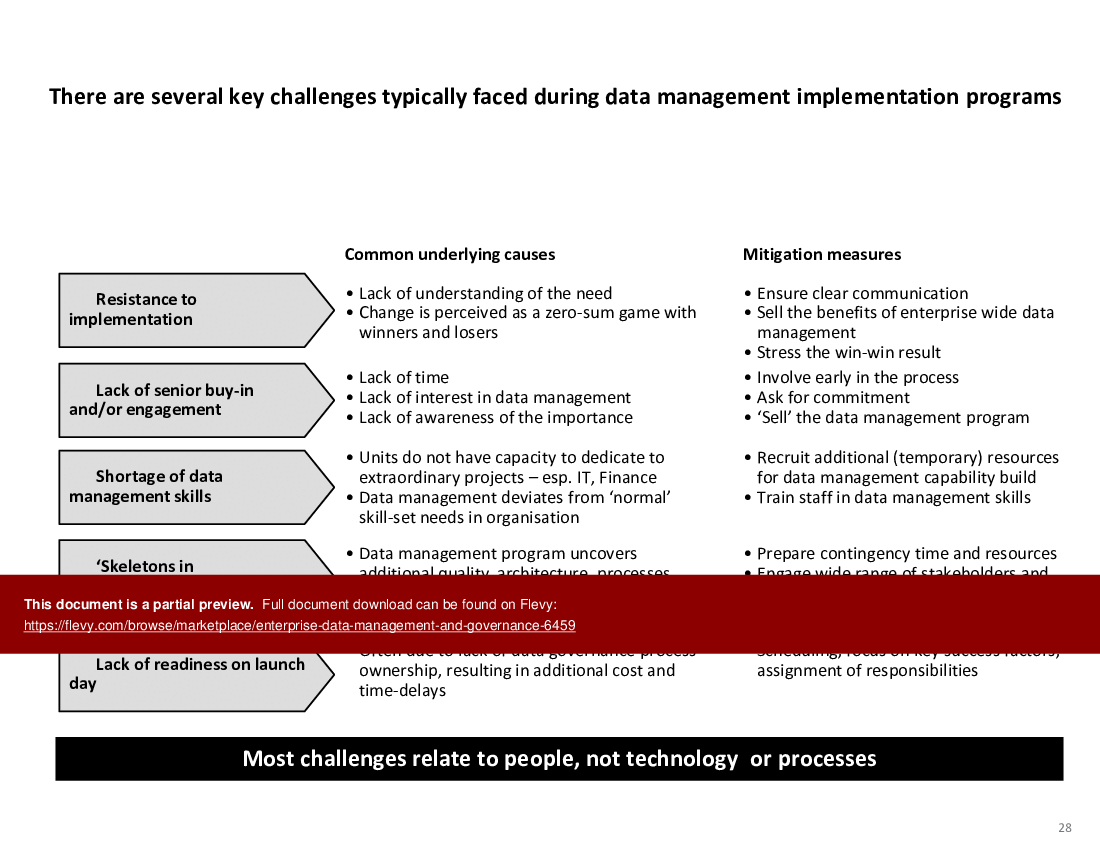
What challenges do organizations face in data management?
Common challenges include data silos, lack of governance, insufficient data quality, and difficulties in aligning data management with business objectives.
Glossary
• Data Governance - The framework for managing data assets, including policies and procedures.
• Data Quality - The measure of data's accuracy, completeness, and reliability.
• Master Data Management - The discipline of managing critical data entities consistently across the organization.
• Data Architecture - The design and structure of data systems and how they interact.
• Data Integration - The process of combining data from different sources into a unified view.
• Data Steward - An individual responsible for managing and ensuring the quality of data.
• Data Security - Measures taken to protect data from unauthorized access and breaches.
• RACI Model - A tool used to define roles and responsibilities within a project or process.
• Data Lifecycle - The stages data goes through from creation to retirement.
• Compliance - Adherence to laws, regulations, and internal policies regarding data management.
• Data Policies - Guidelines that govern data management practices within an organization.
• Data Standards - Established norms for data formats, definitions, and quality measures.
• Data Profiling - The process of analyzing data to understand its structure, content, and quality.
• ETL Tools - Software used for Extracting, Transforming, and Loading data between systems.
• Metadata - Data that provides information about other data, such as definitions and context.
• Data Cleansing - The process of correcting or removing inaccurate data.
• Data Retention - Policies governing how long data should be stored and when it should be deleted.
• Data Taxonomy - A classification system for organizing data into categories.
• Data Workflow - The sequence of processes through which data is managed and utilized.
• Data Auditing - The process of reviewing and verifying data quality and compliance.
• Data Ownership - The designation of responsibility for data management and governance.
DATA GOVERNANCE PPT SLIDES
Source: Best Practices in Data Governance, Data Management PowerPoint Slides: Enterprise Data Management and Governance PowerPoint (PPTX) Presentation Slide Deck, Affinity Consulting Partners




























