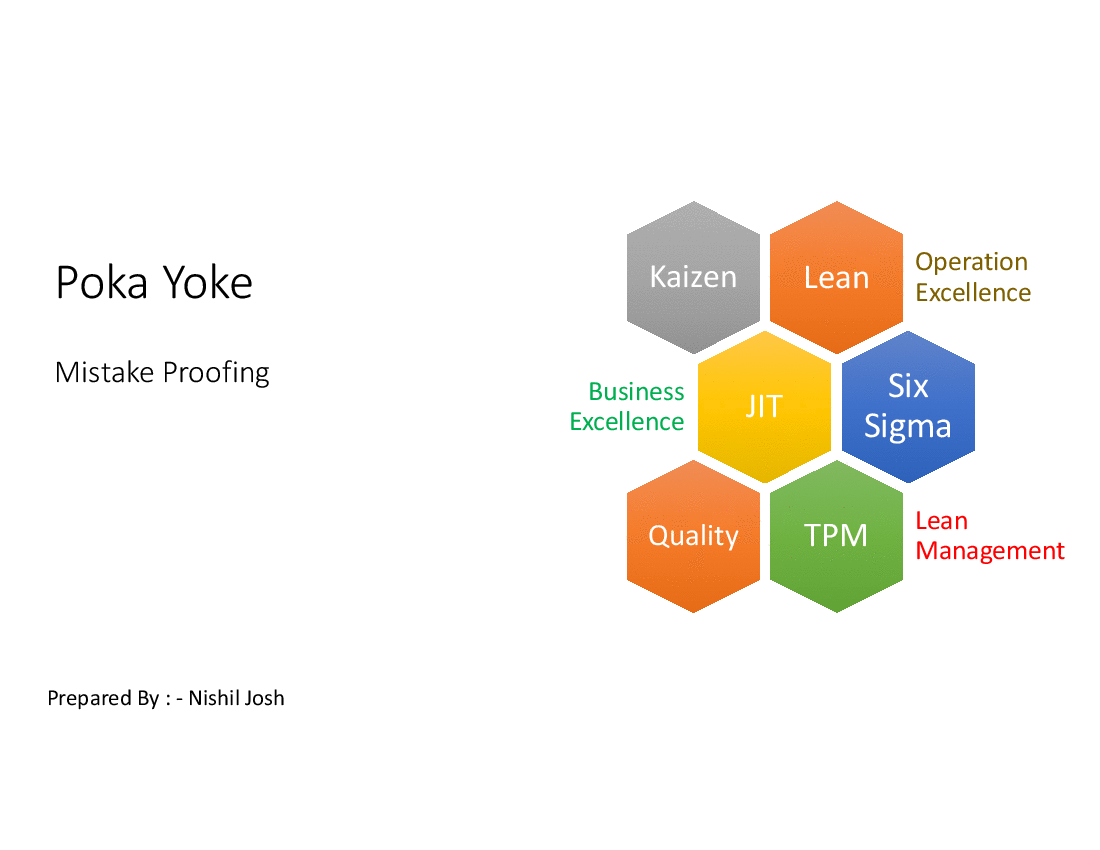

A Poka Yoke, also called Mistake Proofing, is any mechanism in a Lean Manufacturing process, which helps an equipment operator avoid mistakes. Its purpose is to eliminate product defects by preventing, correcting, or drawing attention to human errors as they occur.
This Document will help you to identify process deficiencies and then develop of an effective, corrective Action Plan. This doc also help in achieving the Zero defect target.
This presentation covering the following topics:
History of Poka-Yoke
Defects v/s. Mistakes
Why Focus on Zero Defects ?
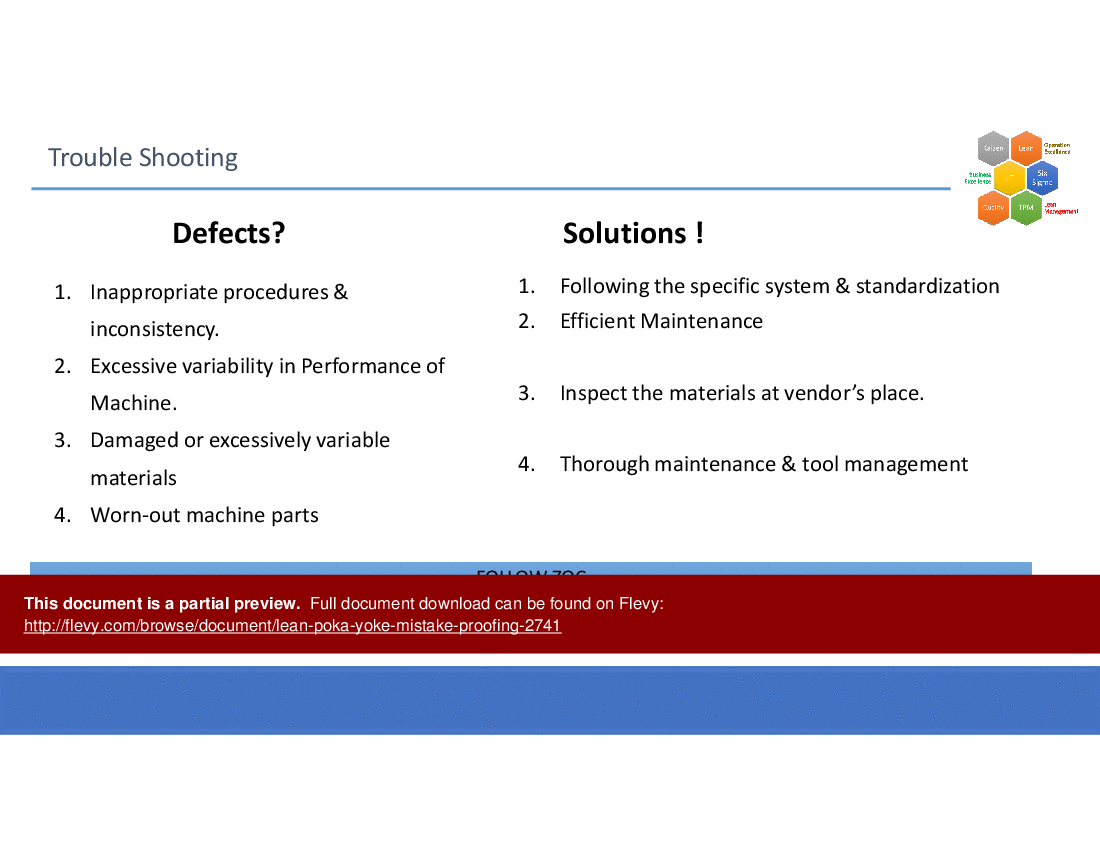
Trouble Shooting
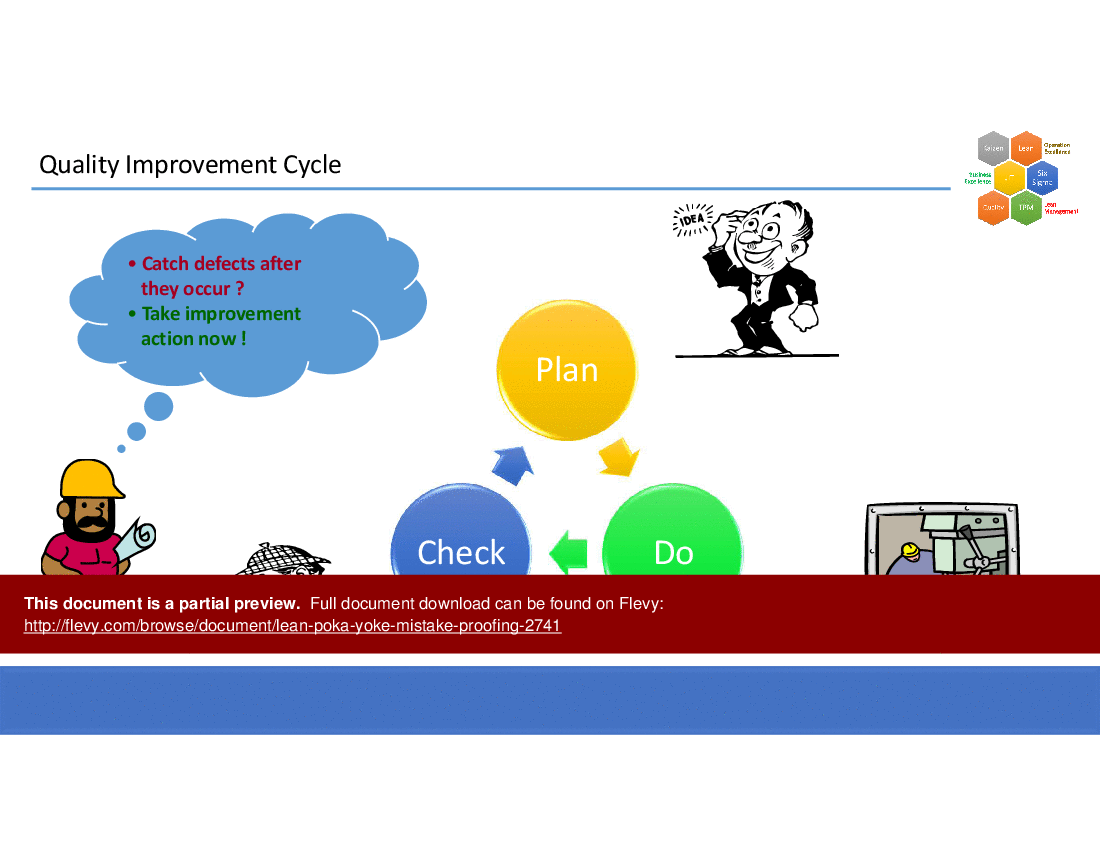
Quality Improvement Cycle
4 Elements Of ZQC
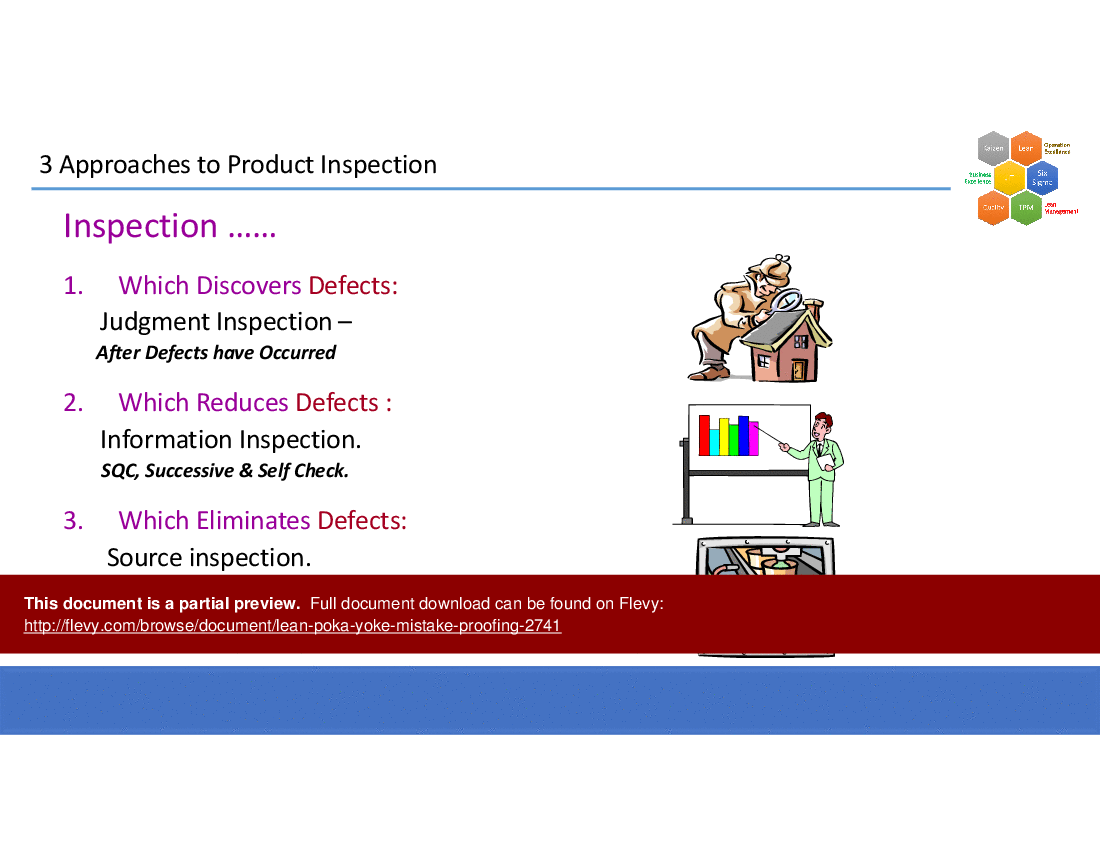
Types of Inspection
3 ways to perform Informative Inspection
How Poka-Yoke System Works ?
3 Methods for Using Poka-Yoke System
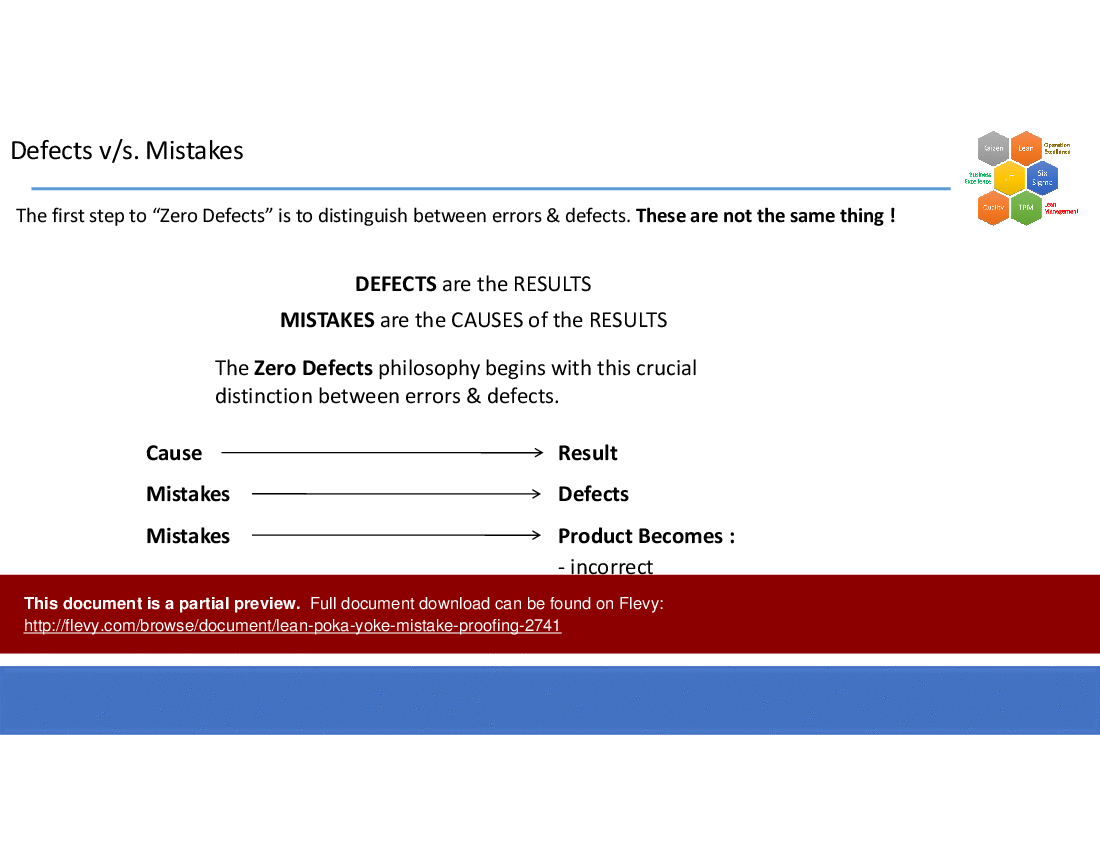
This PPT delves into the critical distinction between defects and mistakes, emphasizing that understanding this difference is the first step toward achieving zero defects. It highlights that defects are the results, while mistakes are the causes of these results. This foundational concept is pivotal for any organization aiming to implement a robust Poka Yoke system and eliminate errors at their source.
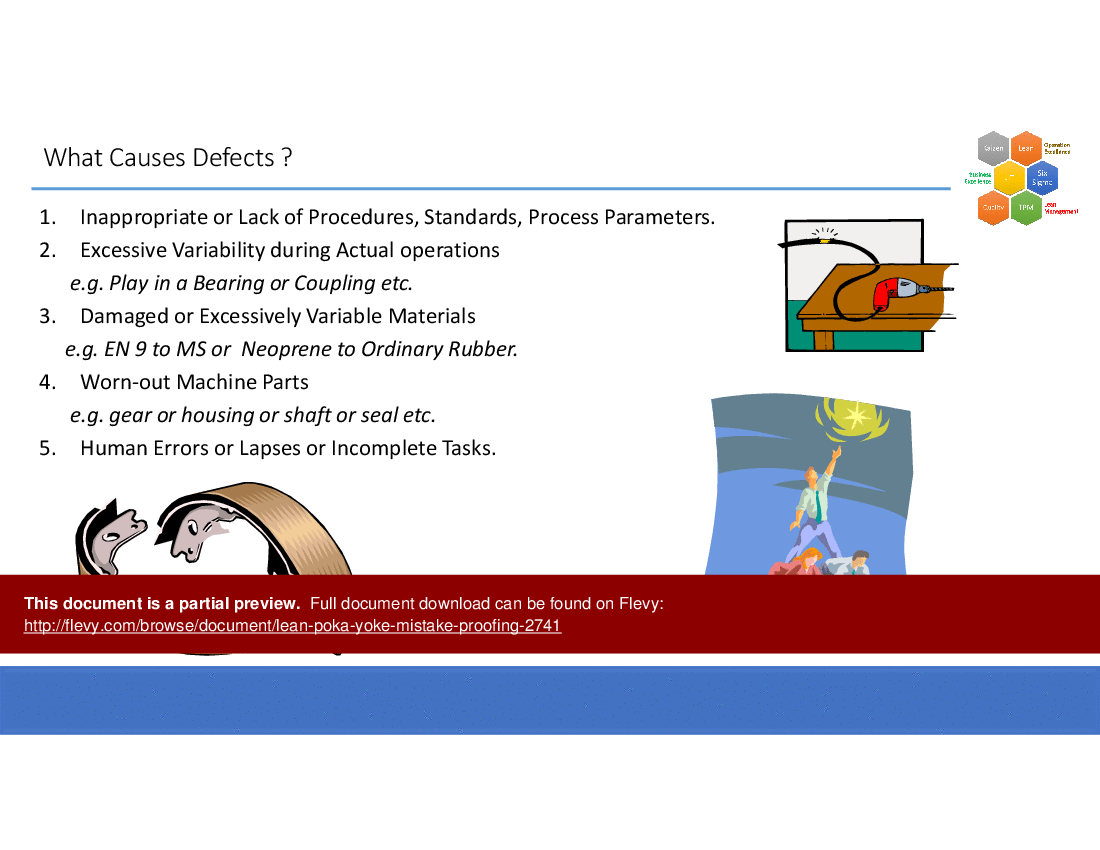
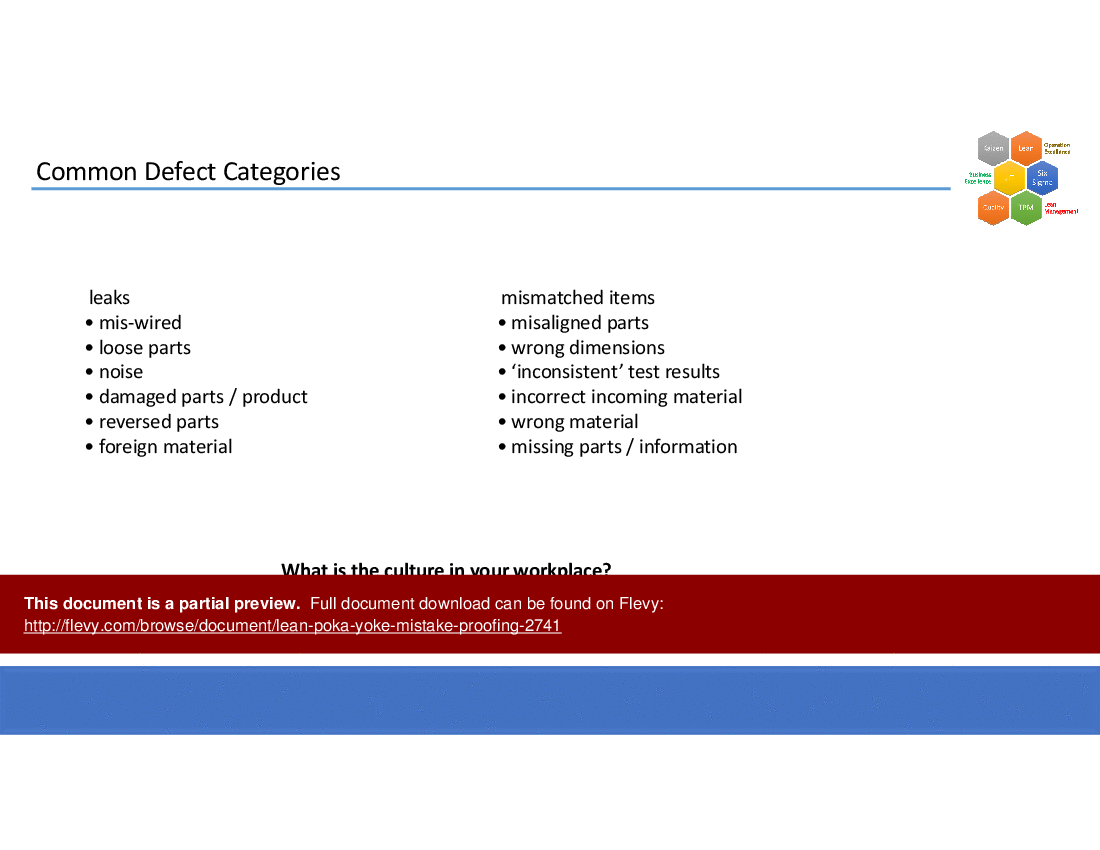
The presentation also identifies common causes of defects, such as inappropriate procedures, excessive variability, and human errors. By addressing these root causes, organizations can implement targeted corrective actions. The document outlines practical solutions, including standardization, efficient maintenance, and thorough inspection processes, to mitigate these issues and enhance overall quality.
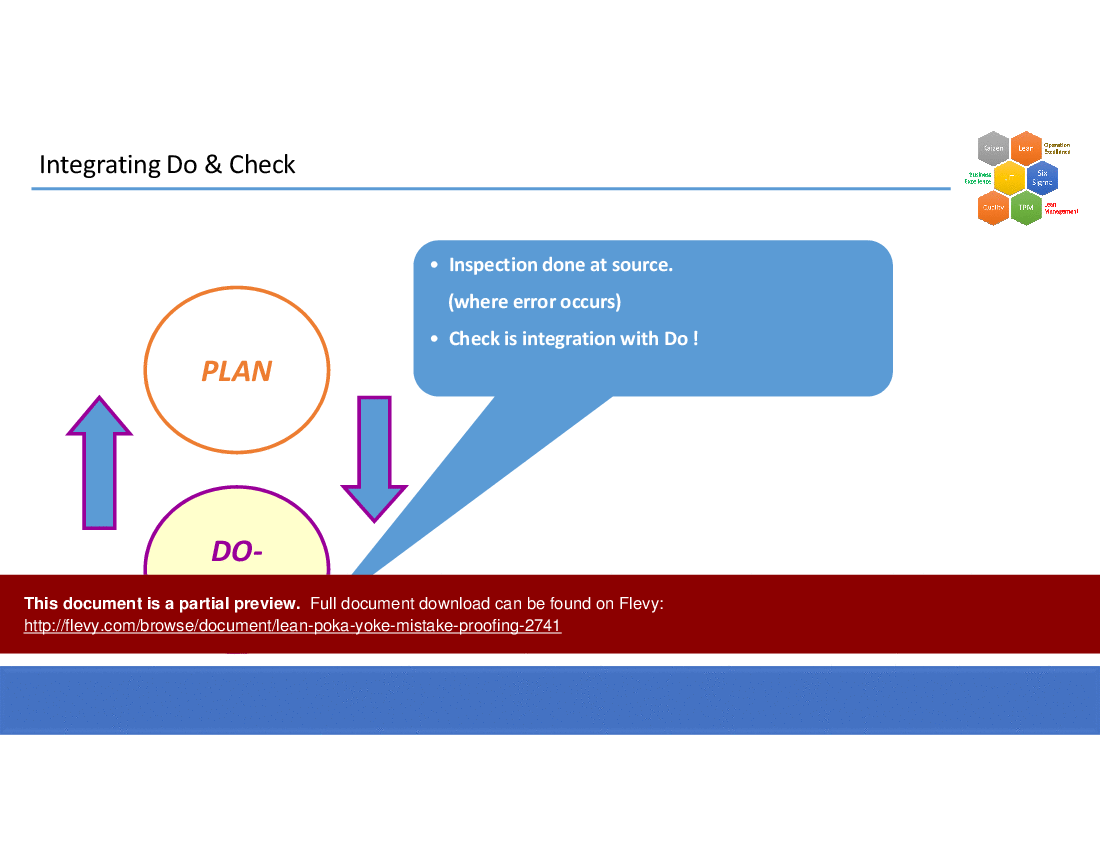
Additionally, the document categorizes common defects and provides troubleshooting methods to address them. It emphasizes the importance of integrating quality improvement cycles, such as the Plan-Do-Check-Act (PDCA) cycle, to continuously monitor and improve processes. This comprehensive approach ensures that defects are caught early and corrective actions are taken promptly, fostering a culture of continuous improvement and operational excellence.
Got a question about the product? Email us at support@flevy.com or ask the author directly by using the "Ask the Author a Question" form. If you cannot view the preview above this document description, go here to view the large preview instead.
Executive Summary
The Lean Poka Yoke (Mistake Proofing) presentation provides a comprehensive framework for implementing Poka-Yoke methods aimed at achieving Zero Defects in operational processes. This presentation, prepared by Nishil Josh, outlines the historical context of Poka-Yoke, its foundational principles, and practical applications. By utilizing techniques such as the PDCA cycle and various quality improvement tools, organizations can effectively prevent defects and enhance customer satisfaction while reducing operational costs. This resource is essential for teams seeking to embed quality assurance into their processes.
Who This Is For and When to Use
• Quality Assurance Managers focused on defect prevention
• Operations Managers aiming to enhance process efficiency
• Lean Practitioners implementing continuous improvement strategies
• Training and Development Teams responsible for employee education on quality standards
Best-fit moments to use this deck:
• During quality improvement initiatives to train staff on Poka-Yoke methods
• In workshops focused on Lean methodologies and Zero Defects philosophy
• When developing or refining operational procedures to minimize errors
Learning Objectives
• Define Poka-Yoke and its role in achieving Zero Defects
• Identify common causes of defects and how to prevent them
• Implement Poka-Yoke techniques in operational processes
• Analyze the distinction between mistakes and defects
• Develop a culture of quality and continuous improvement
• Utilize the PDCA cycle for ongoing quality enhancement
Table of Contents
• Introduction to Poka-Yoke (page 2)
• History of Poka-Yoke (page 3)
• Zero Quality Control (ZQC) Overview (page 4)
• Distinction Between Defects and Mistakes (page 5)
• Causes of Defects (page 6)
• Top Errors Leading to Defects (page 7)
• Common Defect Categories (page 8)
• Poka-Yoke Solutions and Applications (page 9)
• Quality Improvement Cycle (page 10)
• Elements of ZQC (page 11)
• Types of Inspection (page 12)
• Methods for Using Poka-Yoke (page 13)
Primary Topics Covered
• Poka-Yoke Principles - Poka-Yoke focuses on preventing errors before they result in defects, promoting a culture of quality within organizations.
• Zero Quality Control (ZQC) - ZQC aims for Zero Defects by controlling processes and preventing mistakes from becoming defects.
• Defects vs. Mistakes - Understanding the difference is crucial; defects are the results of mistakes, which are the underlying causes.
• Common Causes of Defects - Identifies factors such as inadequate procedures, excessive variability, and human errors that contribute to defects.
• Poka-Yoke Techniques - Practical applications of Poka-Yoke include using checklists, sensors, and error detection systems to ensure quality.
• Quality Improvement Cycle - The PDCA cycle is integrated into quality management to facilitate continuous improvement and error prevention.
Deliverables, Templates, and Tools
• Poka-Yoke implementation checklist template
• Defect tracking and analysis tool
• Training materials for staff on Poka-Yoke methods
• Quality improvement cycle framework
• Inspection and feedback loop templates
• Error-proofing device examples and guidelines
Slide Highlights
• Overview of Poka-Yoke and its significance in quality management
• Visual representation of the distinction between defects and mistakes
• Case studies illustrating successful Poka-Yoke implementations
• Diagrams of the Quality Improvement Cycle and its components
• Examples of Poka-Yoke solutions in various operational contexts
Potential Workshop Agenda
Introduction to Poka-Yoke (60 minutes)
• Overview of Poka-Yoke principles and history
• Discussion on the importance of Zero Defects
Poka-Yoke Techniques and Applications (90 minutes)
• Hands-on activities to identify defects and apply Poka-Yoke methods
• Group brainstorming on potential Poka-Yoke solutions for current processes
Quality Improvement Cycle (60 minutes)
• Introduction to the PDCA cycle
• Interactive session on integrating Poka-Yoke into existing quality management practices
Customization Guidance
• Tailor the Poka-Yoke examples to specific operational contexts within your organization
• Adjust the training materials to reflect company-specific procedures and standards
• Incorporate real-world defect scenarios from your organization into the workshop discussions
Secondary Topics Covered
• The role of human factors in quality management
• Techniques for fostering a culture of quality and continuous improvement
• Strategies for effective communication of quality standards
• The impact of technology on defect prevention
FAQ
What is Poka-Yoke?
Poka-Yoke is a quality assurance technique aimed at preventing errors and defects in manufacturing and service processes by implementing fail-safes and error-proofing devices.
How does Poka-Yoke contribute to Zero Defects?
Poka-Yoke helps achieve Zero Defects by identifying potential errors before they occur and implementing systems that prevent these errors from resulting in defects.
What are common examples of Poka-Yoke devices?
Common Poka-Yoke devices include checklists, limit switches, and sensors that alert operators to errors or prevent incorrect actions.
How can I implement Poka-Yoke in my organization?
Start by assessing current processes for potential errors, then introduce Poka-Yoke techniques such as checklists and error-proofing devices tailored to your operational needs.
What is the PDCA cycle?
The PDCA (Plan-Do-Check-Act) cycle is a continuous improvement framework that helps organizations systematically improve processes and address defects.
Why is it important to distinguish between defects and mistakes?
Understanding the difference allows organizations to address the root causes of quality issues rather than just the symptoms, leading to more effective solutions.
How can I train my team on Poka-Yoke methods?
Utilize the training materials provided in this presentation to conduct workshops and hands-on sessions focused on Poka-Yoke principles and applications.
What are the benefits of implementing Poka-Yoke?
Benefits include reduced defects, improved customer satisfaction, lower operational costs, and enhanced overall quality in products and services.
Glossary
• Poka-Yoke - A mistake-proofing technique aimed at preventing errors in processes.
• Zero Quality Control (ZQC) - A philosophy focused on achieving Zero Defects through proactive error prevention.
• Defect - An error that has resulted in a product or service failing to meet quality standards.
• Mistake - An action that leads to a defect, often due to human error or procedural inadequacies.
• PDCA Cycle - A continuous improvement model consisting of Plan, Do, Check, and Act phases.
• Source Inspection - A method of inspecting processes at the source to catch errors before they lead to defects.
• Statistical Quality Control (SQC) - A method of using statistical techniques to monitor and control quality.
• Error-Proofing Device - Tools or systems designed to prevent mistakes in processes.
• Continuous Improvement - Ongoing efforts to enhance products, services, or processes.
• Quality Assurance - A systematic approach to ensuring that products and services meet defined quality standards.
• Inspection - The process of examining products or processes to ensure quality standards are met.
• Feedback Loop - A system for providing information on performance to improve processes.
Source: Best Practices in Mistake-Proofing PowerPoint Slides: Lean Poka Yoke (Mistake Proofing) PowerPoint (PPTX) Presentation Slide Deck, Nishil Josh
This document is available as part of the following discounted bundle(s):
Save %!
Lean Frequently Used Tools (Best Selling Documents)
This bundle contains 5 total documents. See all the documents to the right.
Save %!
Process Improvement Tools
This bundle contains 4 total documents. See all the documents to the right.
Save %!
Lean Six Sigma Problem Solving Tools
This bundle contains 8 total documents. See all the documents to the right.
|
Receive our FREE presentation on Operational Excellence
This 50-slide presentation provides a high-level introduction to the 4 Building Blocks of Operational Excellence. Achieving OpEx requires the implementation of a Business Execution System that integrates these 4 building blocks. |