
Explore best practices for Key Account Management in this expert PPT, crafted by industry leaders. Enhance client relationships and drive growth with proven strategies.
This product (Key Account Management 101 - Best Practices) is a 47-slide PPT PowerPoint presentation slide deck (PPT), which you can download immediately upon purchase.
Having a robust and streamlined Key Account Management (KAM) Program is critical, because it helps organizations build strong and long-lasting relationships with their most important clients.
This PowerPoint presentation provides a step-by-step, detailed approach to designing a Key Account Management Program, including:
• selecting and segmenting key accounts
• defining team structure, roles & responsibilities, activities, resource allocation, and team charter guidelines
• account plan and review process
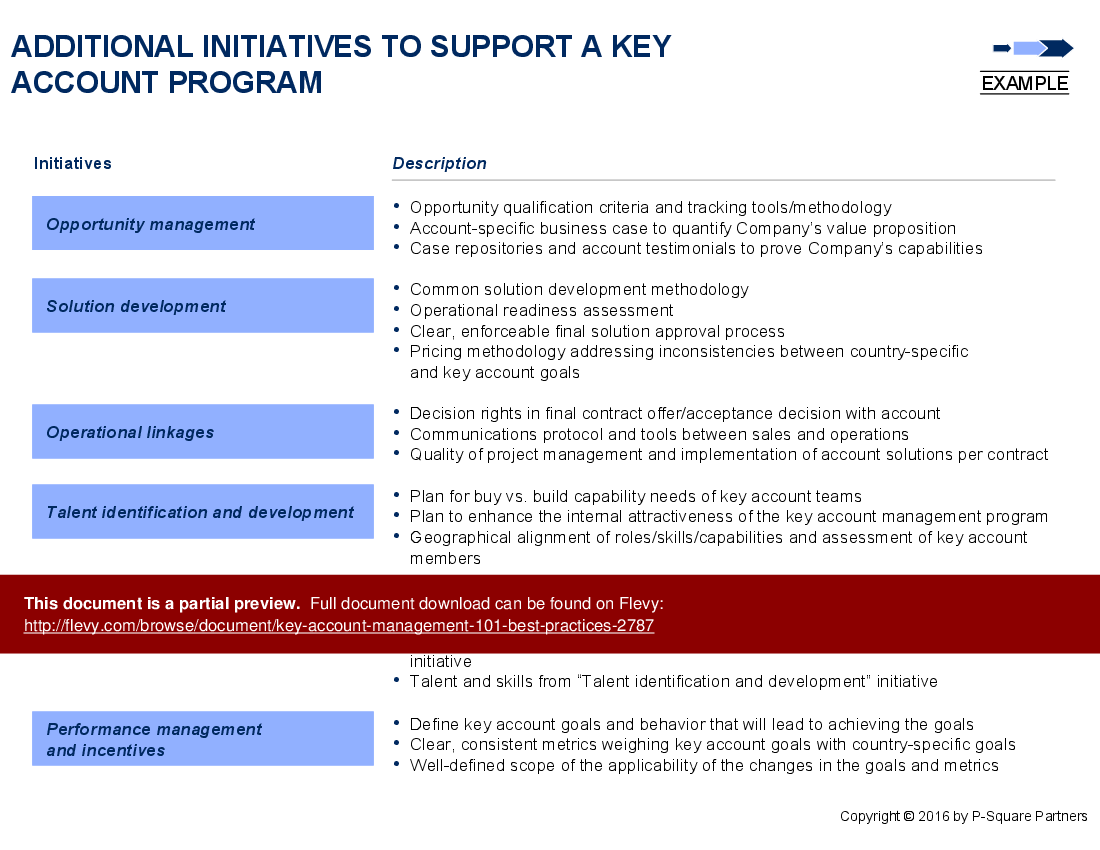
• other initiatives to support a KAM program
• a roll-out plan
This Key Account Management framework and process is the same used by leading organizations, including the Fortune 100, and deployed by global consulting firms for their clients when launching Key Account Management Programs. It contains the following differentiating attributes:
• Integrated approach applicable for global and non-global accounts
• Segmentation approach for key accounts
• Resource allocation framework
• Identification of key pain points in the development and implementation of a Key Account Management Program
By dedicating specific resources and efforts to these key accounts, organizations can better understand their needs, provide personalized solutions, and ultimately increase Client Satisfaction and Loyalty. This, in turn, can lead to increased revenue, repeat business, and referrals.
Your organization can leverage this KAM framework for the following purposes:
Setting up a new KAM Program (global and non-global)
Redesigning an existing Key Account Management Program
Revisiting elements of existing Key Account Management Program
An effective Key Account Management Program can help your organization identify opportunities for Growth and Innovation—and stay ahead of competitors in the market.
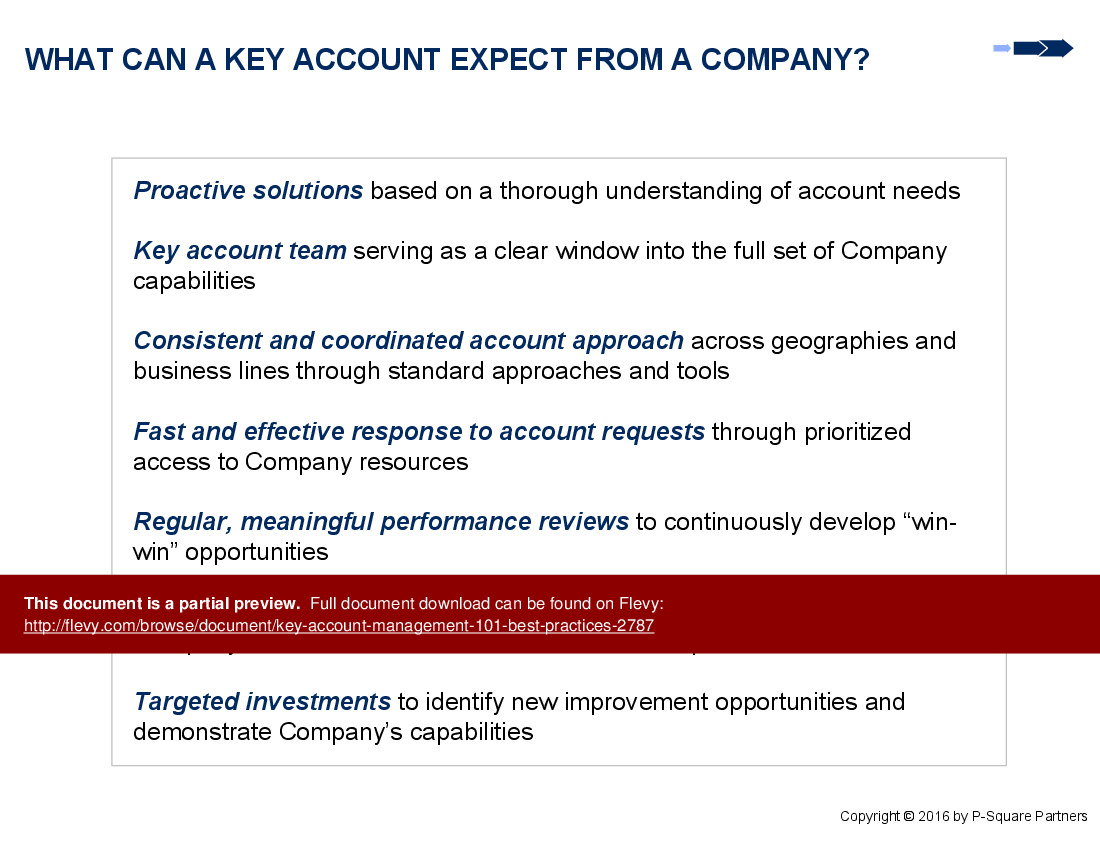
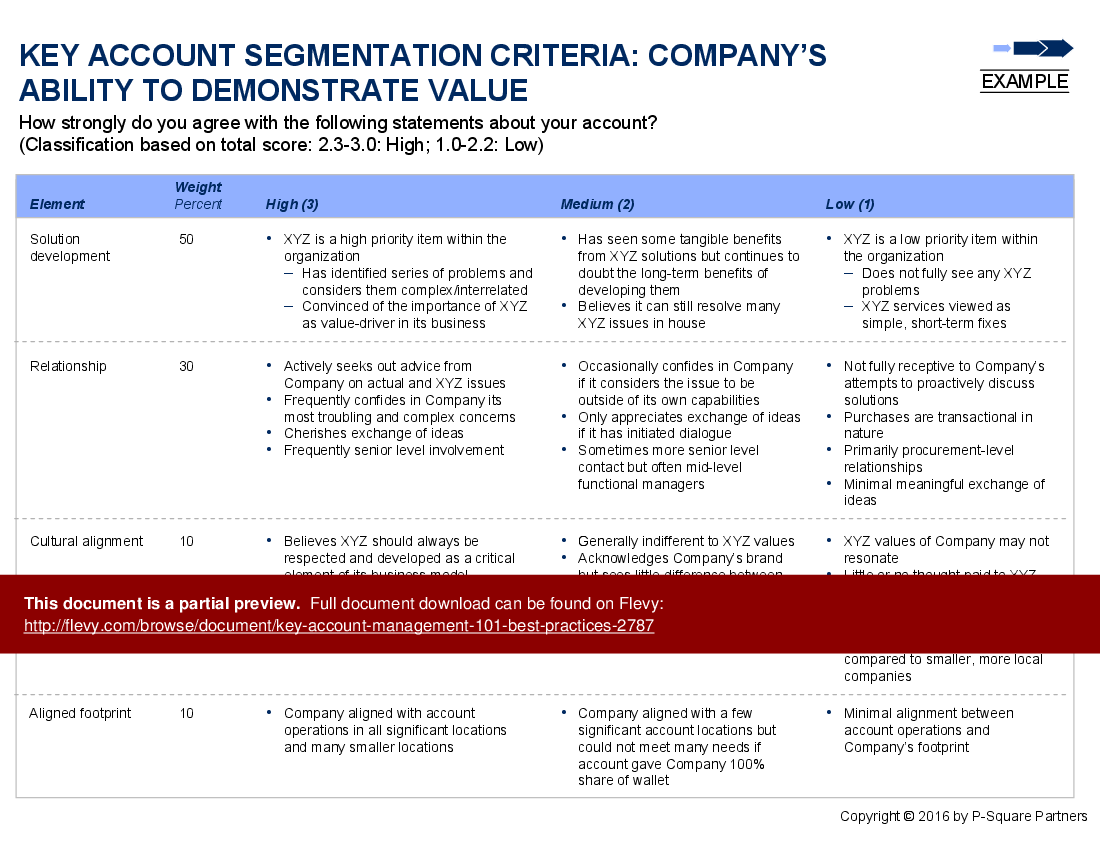
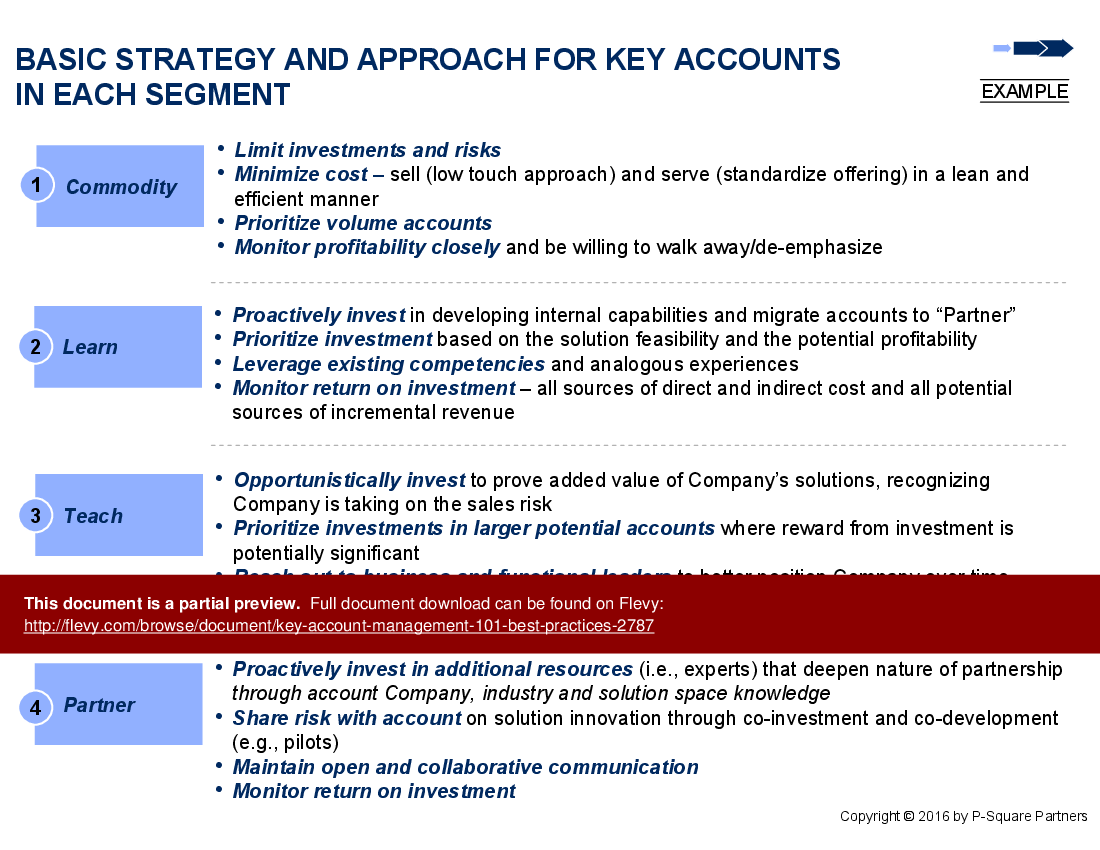
The PPT also outlines a comprehensive approach to segmenting key accounts based on their value and alignment with company objectives. It highlights the importance of proactive solutions and targeted investments to drive account growth and satisfaction.
Got a question about the product? Email us at support@flevy.com or ask the author directly by using the "Ask the Author a Question" form. If you cannot view the preview above this document description, go here to view the large preview instead.
Source: Best Practices in Sales, Key Account Management, Bain PowerPoint PowerPoint Slides: Key Account Management 101 - Best Practices PowerPoint (PPT) Presentation Slide Deck, P-Square Partners
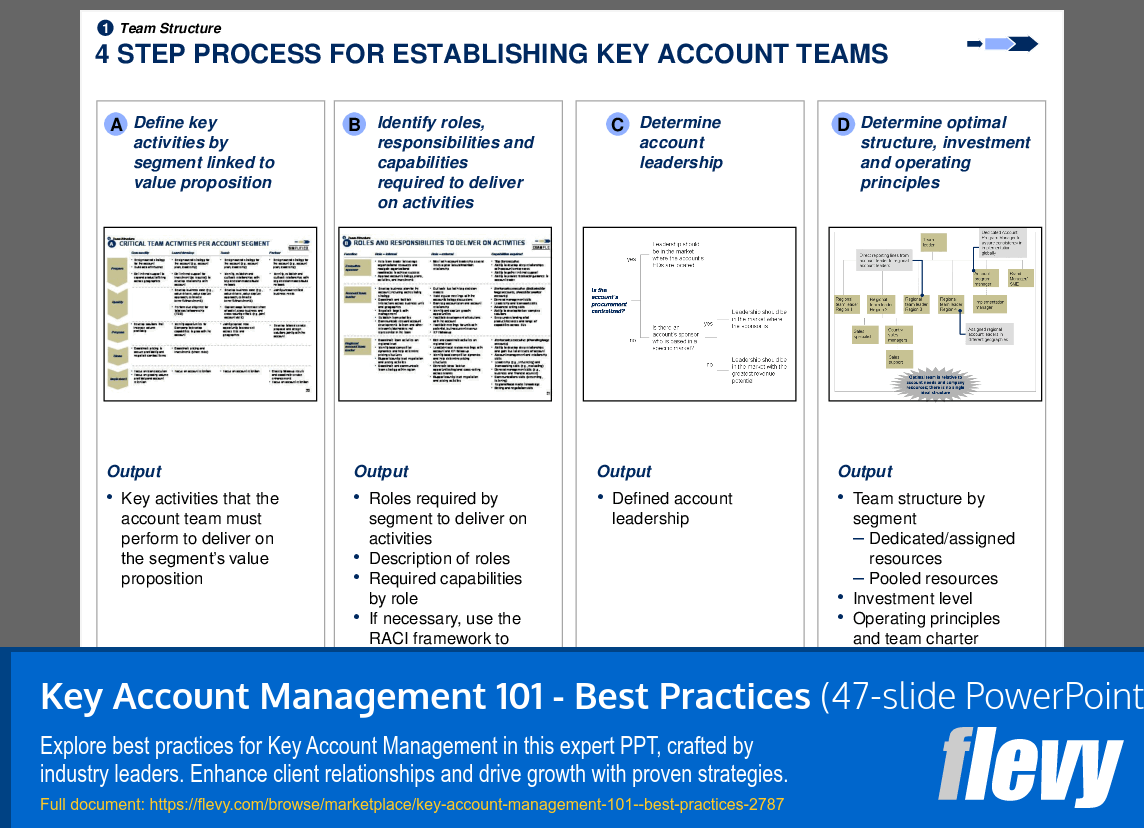
This PPT slide outlines a structured four-step process for establishing key account teams, crucial for organizations aiming to enhance their account management effectiveness. Each step is clearly delineated, focusing on specific outputs that contribute to the overall goal of aligning team activities with the value proposition of different market segments.
The first step, "Define key activities by segment linked to value proposition," emphasizes identifying essential tasks that the account team must execute. This ensures that the team's efforts are directly aligned with delivering value to the client. The output here is a comprehensive list of key activities tailored to each segment.
Next, the slide moves to "Identify roles, responsibilities and capabilities required to deliver on activities." This step is about clarifying the specific roles necessary for executing the identified activities. It includes a description of each role and the capabilities required, suggesting the use of the RACI framework to clarify responsibilities. This structured approach helps in ensuring accountability and clarity within the team.
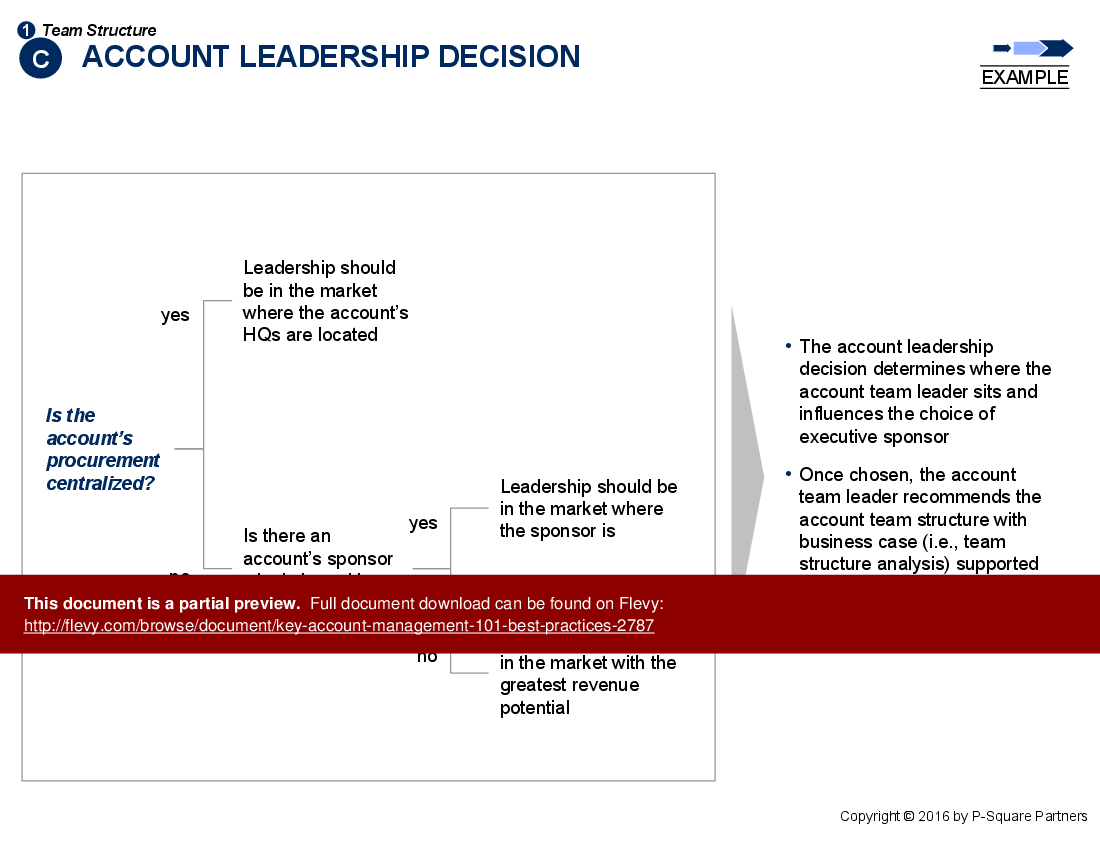
The third step, "Determine account leadership," focuses on defining who will lead the account teams. This involves assessing leadership capabilities and aligning them with the strategic needs of the account. The output is a clearly defined leadership structure that supports effective decision-making.
Finally, "Determine optimal structure, investment and operating principles" rounds out the process. This step involves establishing the team structure, whether dedicated or pooled resources, and determining the necessary investment levels and operating principles. The output is a well-defined framework that guides the operational aspects of the account teams.
Overall, this slide serves as a practical guide for organizations looking to optimize their key account management efforts through a systematic approach.
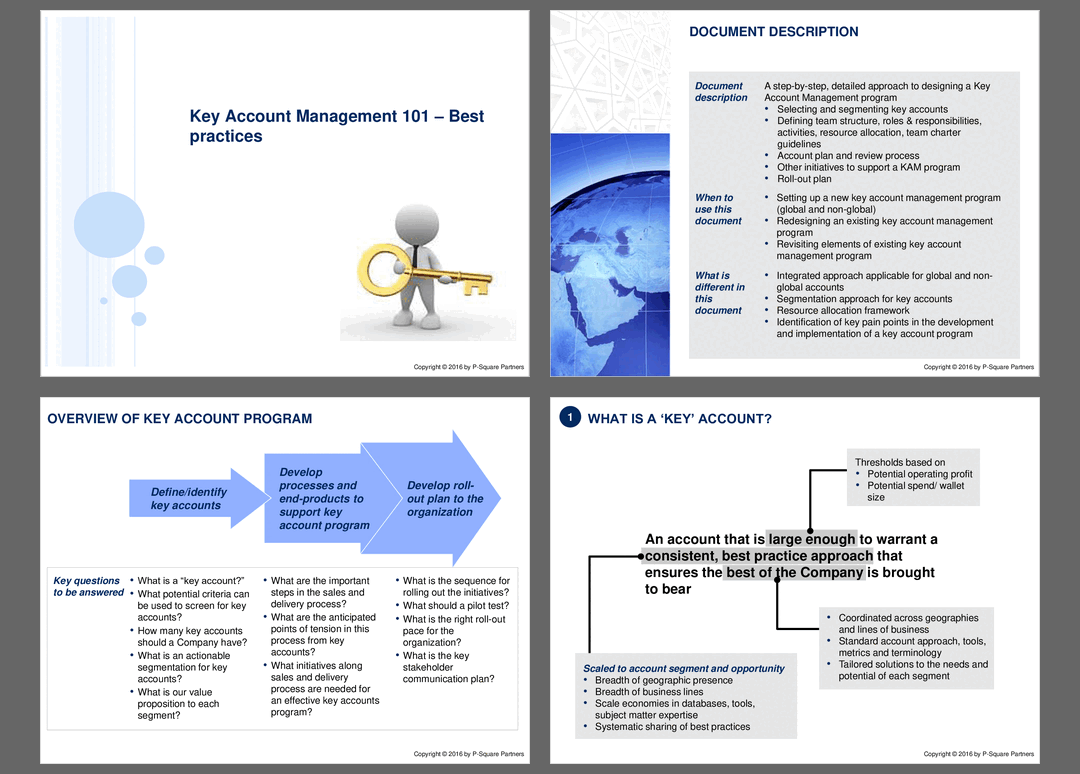
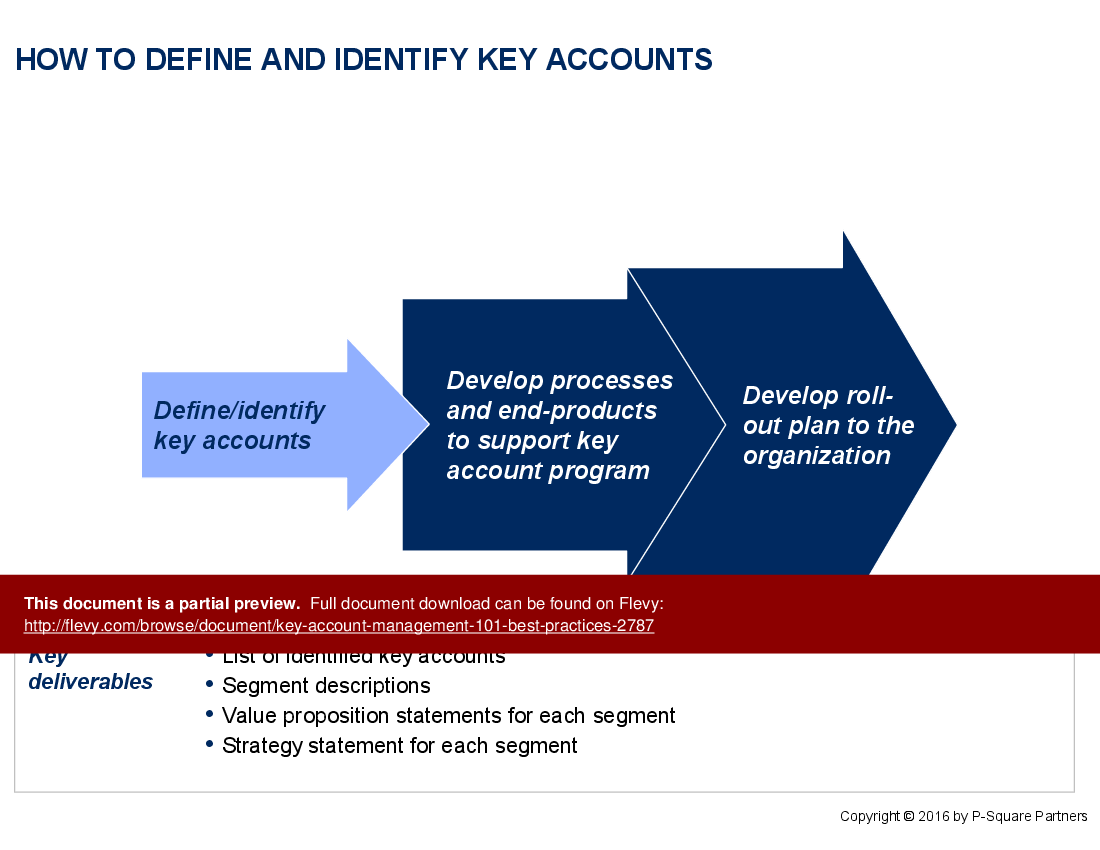
This PPT slide outlines a structured approach to developing a Key Account Program, emphasizing the importance of defining key accounts and establishing processes to support them. The content is organized into 3 main components: defining key accounts, developing supporting processes and products, and creating a rollout plan for the organization.
The left section poses critical questions that need to be addressed. It starts with defining what constitutes a "key account," which is essential for identifying which clients warrant focused attention. It suggests evaluating potential criteria for screening these accounts and determining how many should be prioritized. The need for actionable segmentation is highlighted, along with clarifying the value proposition for each account. This foundational understanding is crucial for aligning resources effectively.
The middle section shifts to operational aspects, asking about the key steps in the sales and delivery process. It identifies potential points of tension that may arise during these interactions, indicating a need for proactive management. The focus here is on aligning initiatives along the sales and delivery processes to ensure the effectiveness of the key accounts program.
The right side of the slide addresses the implementation phase, detailing the sequence for rolling out initiatives, the necessity of pilot testing, and determining the appropriate pace for organization-wide adoption. It also emphasizes the importance of a well-defined communication plan for stakeholders, ensuring that everyone involved is informed and aligned.
Overall, this slide serves as a comprehensive guide for organizations looking to enhance their key account management strategies, providing a clear framework for both planning and execution.
This PPT slide presents a framework for determining the optimal number of key accounts a company should manage, along with the corresponding levels of potential operating profit. It features a scatter plot that correlates potential spend, represented as wallet size, against potential operating profit, measured in percentage terms. The visual aids in identifying the relationship between these 2 variables, helping executives assess which accounts are worth pursuing.
The plot is divided into distinct areas, with thresholds marked for both global and non-global key accounts. The blue shaded regions indicate accounts that meet the criteria for global key accounts, while the lighter blue section represents non-global key accounts. This segmentation allows for a clearer understanding of which accounts could yield higher profitability based on their potential spend.
A critical takeaway is the emphasis on data-driven decision-making. The slide notes that initial estimates of potential spend and operating profit should be derived from historical account-level sales data, supplemented by secondary information and other indicators. This approach encourages a thorough analysis of existing relationships and market opportunities, ensuring that resources are allocated effectively.
The visual representation serves as a guide for executives to prioritize accounts that not only promise significant revenue, but also align with the company's strategic objectives. By understanding where to focus efforts, companies can enhance their account management strategies and drive growth more efficiently.
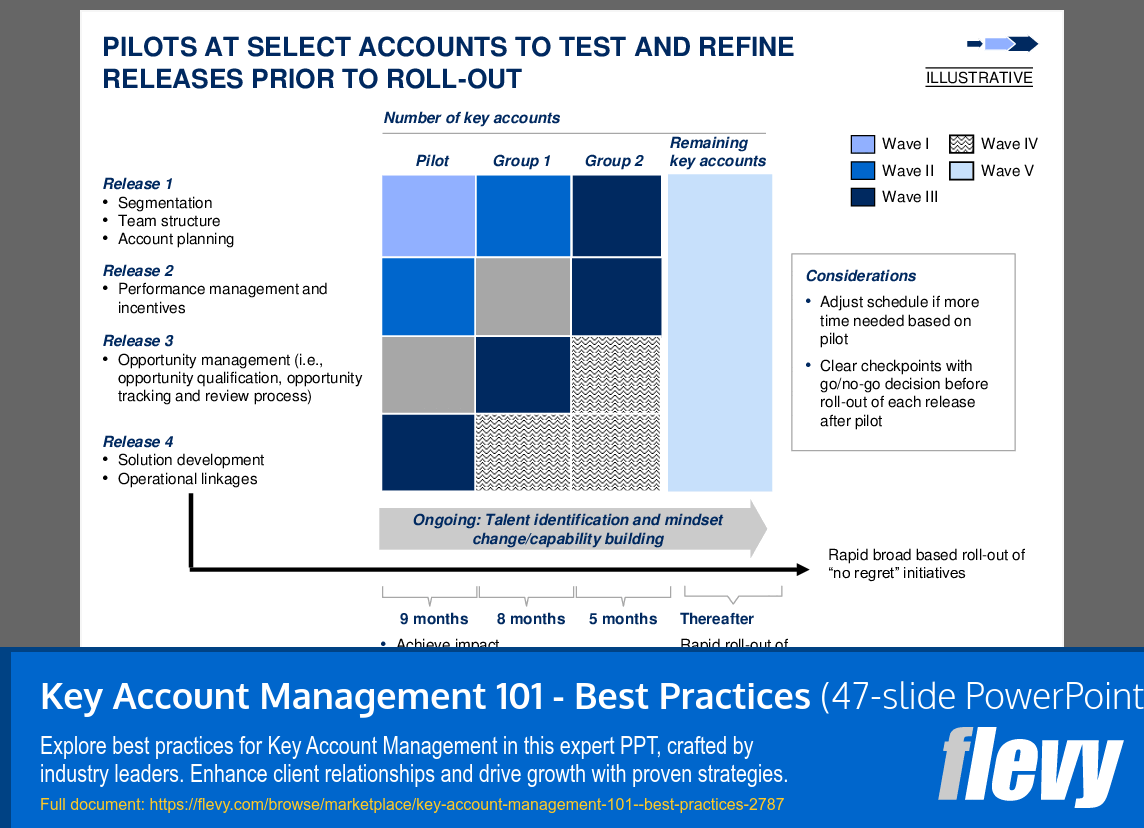
This PPT slide outlines a structured approach for testing and refining releases at select accounts before broader implementation. It categorizes the process into 4 distinct releases, each targeting specific aspects of account management. The first release focuses on segmentation, team structure, and account planning. The second release emphasizes performance management and incentives. The third release addresses opportunity management, which includes opportunity qualification and tracking processes. The final release concentrates on solution development and operational linkages.
Each release is tested across various groups of key accounts, including a pilot group and 2 additional groups, with the remaining accounts being considered for future roll-out. The visual representation shows the progression of releases over time, indicating a timeline of nine months to achieve impact, followed by an eight-month and five-month period leading to rapid roll-out initiatives.
Ongoing efforts are highlighted, particularly in talent identification and capability building, which are essential for sustaining the changes introduced through the releases. The slide also includes considerations for adjusting the schedule based on pilot outcomes and emphasizes the importance of clear checkpoints for go/no-go decisions before advancing to the next phase of roll-out.
This structured approach ensures that each release is validated through practical application, minimizing risks associated with broader implementation. It reflects a commitment to continuous improvement and strategic alignment with client needs, making it a valuable framework for organizations looking to enhance their key account management practices.
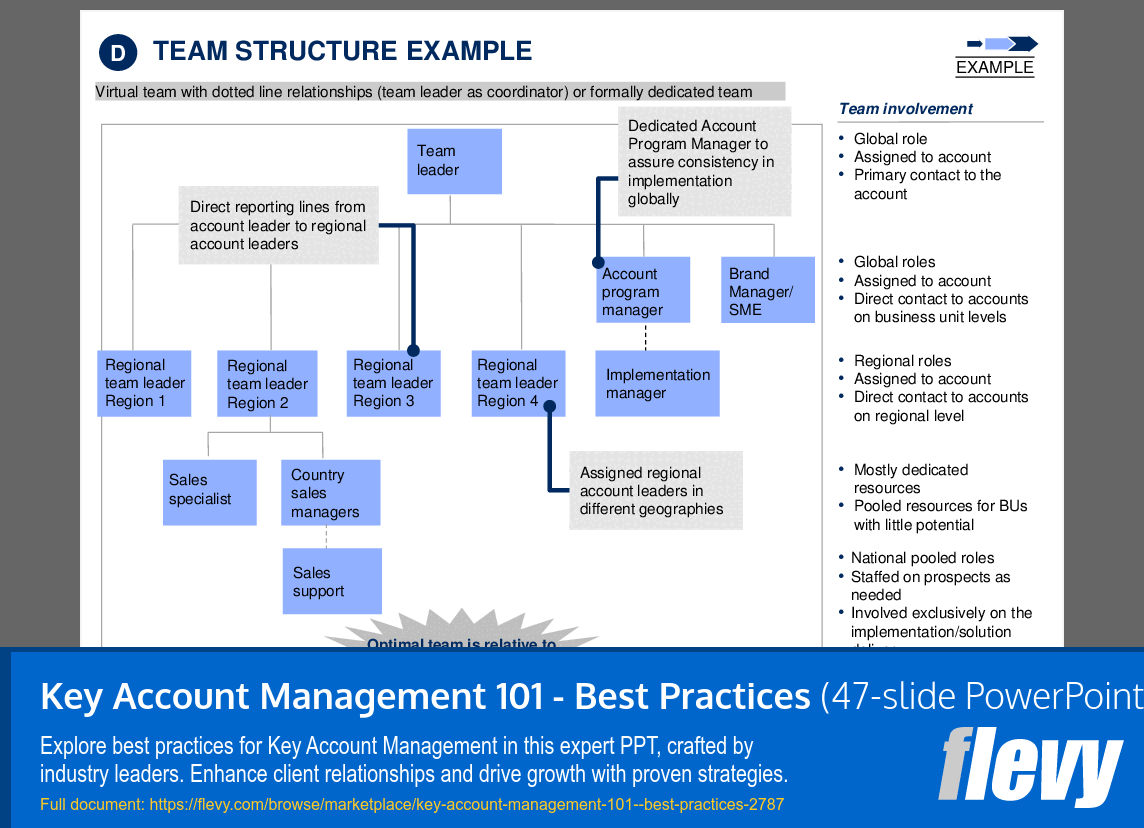
This PPT slide presents a structured overview of a virtual team framework designed for effective account management. It illustrates a hierarchy where a team leader coordinates various regional leaders, each responsible for specific geographic areas. The direct reporting lines from the account leader to regional leaders emphasize a streamlined communication flow, ensuring that regional teams are aligned with overarching account strategies.

Each regional team leader oversees local sales specialists and country sales managers, indicating a layered approach to account management. This structure allows for tailored strategies that cater to regional market dynamics while maintaining global consistency. The inclusion of a dedicated Account Program Manager highlights the importance of having a central figure to ensure uniformity in implementation across different regions.
The slide also delineates roles within the team, distinguishing between global and regional responsibilities. Global roles are assigned to accounts and serve as primary contacts, facilitating direct engagement with accounts at the business unit level. Conversely, regional roles focus on localized interactions, ensuring that the team is responsive to specific client needs within their territories.
The mention of "mostly dedicated resources" and "pooled resources for BUs with little potential" suggests a strategic allocation of personnel based on account value. This indicates a thoughtful approach to resource management, where teams are optimized for both high-potential and lower-potential business units.
Overall, this slide serves as a practical guide for organizations looking to enhance their account management practices through a well-defined team structure that balances global oversight with regional responsiveness.
This PPT slide outlines critical team activities segmented by account type, categorized into 4 main phases: Prepare, Qualify, Propose, and Close. Each phase details specific actions tailored to different account segments: Commodity, Learn/develop, Teach, and Partner.
In the Prepare phase, activities focus on designing an overall strategy for the account and building influence. For Commodity accounts, the emphasis is on internal support to expand product offerings across geographies. In contrast, for Learn/develop, the focus shifts to gaining internal backing for investment to foster relationships. The Teach segment highlights the importance of identifying and cultivating relationships with key decision-makers.
The Qualify phase involves developing a business case that outlines value drivers and estimated benefits. For Commodity accounts, it includes performing due diligence on total cost of ownership. The Learn/develop segment continues this trend by emphasizing the need to explore ways to increase share of wallet and cross-business efforts.

During the Propose phase, the focus is on developing solutions that enhance profitability. The Commodity segment stresses the need for pricing coordination and contract negotiation. In the Learn/develop area, identifying growth opportunities for the company is key, while the Teach segment encourages joint exploration of cross-selling opportunities.
Finally, the Close phase emphasizes execution and retention strategies. For Commodity accounts, the focus is on ensuring profitability and contract terms, while the Partner segment highlights the importance of closely following up on results to ensure alignment with critical business needs.
This structured approach allows organizations to tailor their account management strategies effectively, ensuring that each account segment receives the appropriate attention and resources.
This PPT slide presents a framework for understanding the varying needs of key accounts based on their willingness to engage in value-based discussions. It categorizes accounts into 4 distinct segments: Learn, Partner, Commodity, and Teach, each reflecting different levels of engagement and focus.
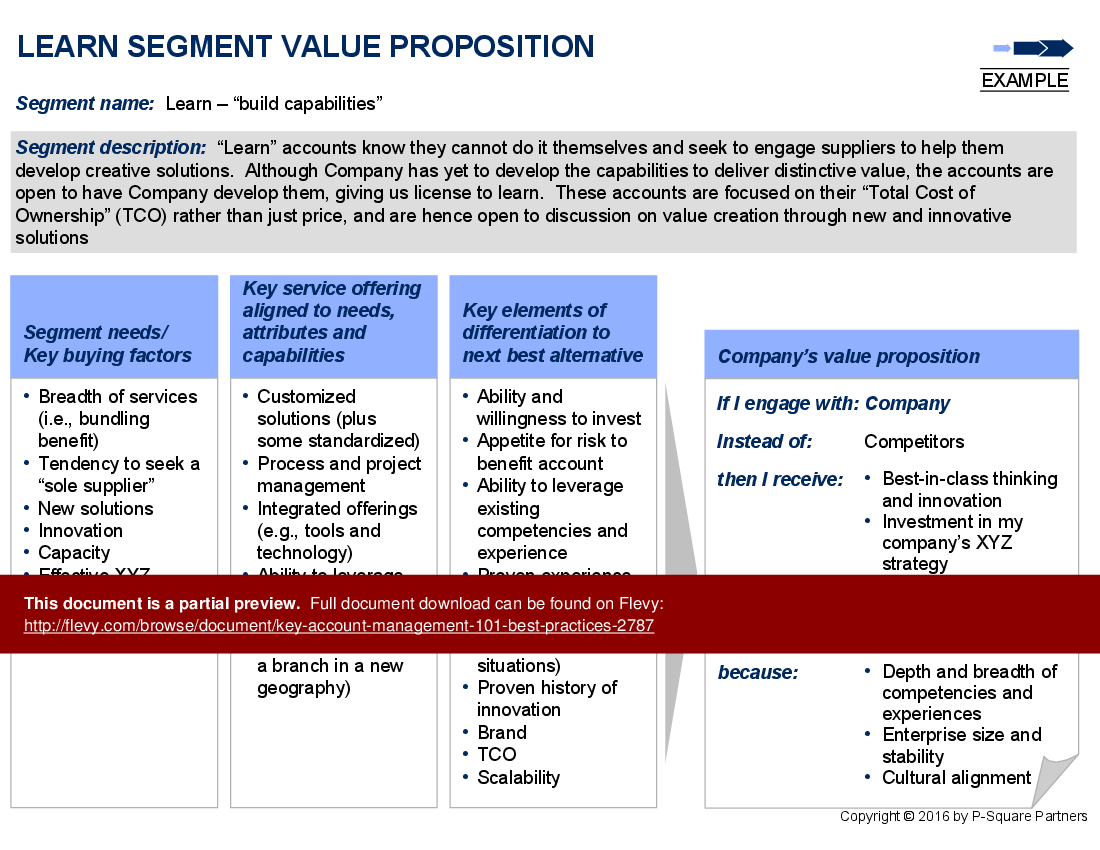
The "Learn" segment targets accounts that are eager to collaborate with suppliers to develop innovative solutions. These accounts are still in the early stages of building their capabilities and prioritize Total Cost of Ownership (TCO) over mere pricing. This indicates a readiness to invest in long-term value creation rather than short-term savings.
In the "Partner" category, accounts are characterized by a strong belief in the supplier's capabilities. They are willing to co-develop solutions and share the risks associated with development. These accounts view the supplier as a strategic partner, emphasizing TCO as a critical factor in their decision-making process.
The "Commodity" segment represents accounts that primarily focus on price. They engage suppliers only after service needs are met and show a limited willingness to pay for added value. This suggests a transactional relationship where cost is the dominant factor.
Lastly, the "Teach" segment includes accounts that recognize the supplier’s domain expertise, but prefer to develop solutions internally. While these accounts acknowledge the potential for significant value creation, they are skeptical about the involvement of third parties, indicating a preference for self-reliance in solution development.
This framework provides insights into how to tailor approaches to different account types, emphasizing the importance of understanding each segment's unique motivations and engagement levels.
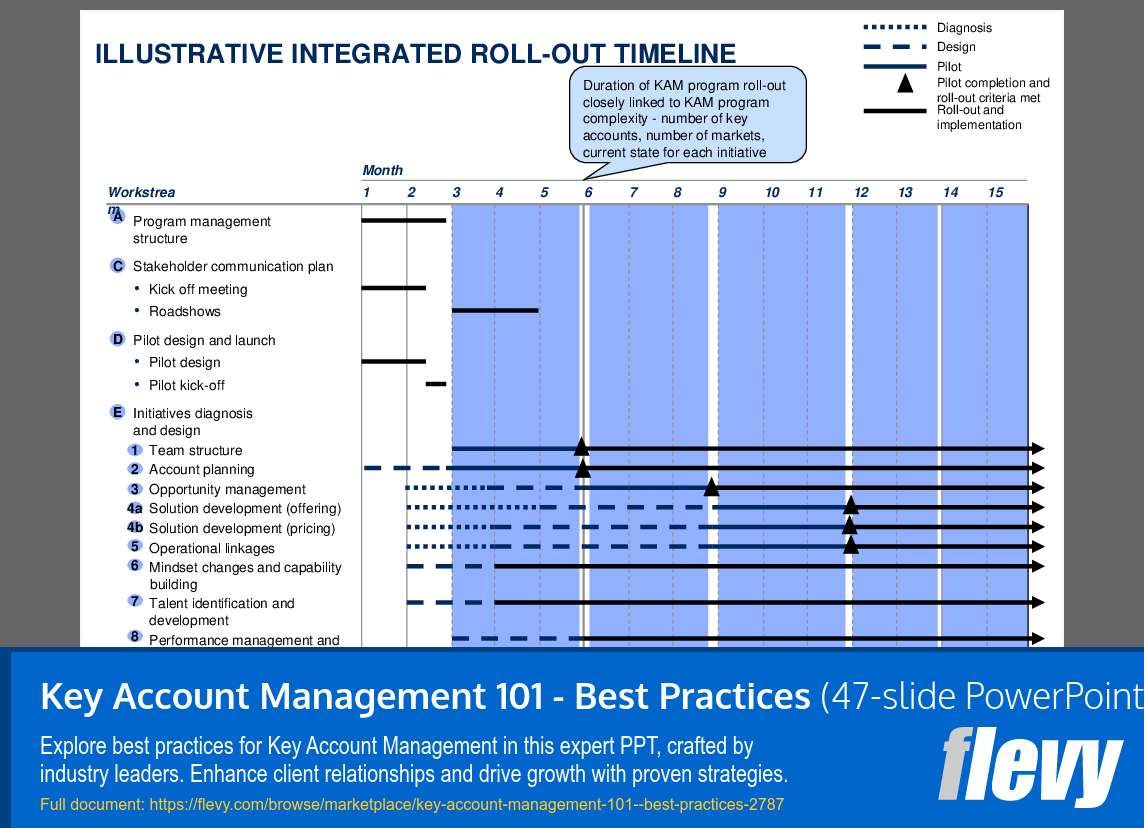
This PPT slide presents an illustrative timeline for the roll-out of a Key Account Management (KAM) program, structured across multiple workstreams over a 15-month period. The timeline is segmented by month, allowing for a clear visual representation of various phases and activities involved in the implementation process.
Key components include program management structure, stakeholder communication, pilot design and launch, and initiatives diagnosis and design. Each workstream is marked with specific tasks, such as kick-off meetings, roadshows, and pilot design activities, which are crucial for ensuring stakeholder alignment and effective execution. The timeline also highlights the importance of pilot testing, indicated by distinct symbols, which suggests that initial trials are essential before full-scale implementation.
The slide emphasizes that the duration of the KAM program roll-out is closely tied to its complexity, which is influenced by factors like the number of key accounts, markets involved, and the current state of each initiative. This insight is critical for executives to understand that a tailored approach is necessary, as the intricacies of each account and market can significantly impact the overall timeline.
The visual format aids in grasping the sequential nature of tasks and the interdependencies among different workstreams. This clarity can help decision-makers allocate resources effectively and anticipate potential bottlenecks. Overall, the slide serves as a strategic guide for executives considering the implementation of a KAM program, providing a structured overview of key phases and considerations.
This PPT slide outlines the concept of a "Key Account," emphasizing its significance in a business context. It defines a key account as one that is substantial enough to justify a systematic and effective management approach. The text highlights that this approach should ensure that the best resources and capabilities of the company are utilized to meet the account's needs.
Key criteria for identifying a key account include thresholds based on potential operating profit and the anticipated spending capacity of the account. This suggests that not all accounts warrant the same level of attention; only those that meet specific financial criteria should be classified as key accounts.
The slide further elaborates on the scalability of account management. It mentions the importance of considering the breadth of geographic presence and the diversity of business lines when managing these accounts. This indicates that a one-size-fits-all strategy is insufficient; rather, a tailored approach is necessary to address the unique characteristics of each key account.
Coordination is also a critical theme. The slide notes that management efforts should be synchronized across different geographies and lines of business. This coordination ensures that the account management strategy is consistent and effective, utilizing standardized tools, metrics, and terminology. Tailored solutions are essential, as they cater to the specific needs and potential of each segment, reinforcing the idea that understanding the account's unique context is vital for success.
Overall, the slide serves as a foundational overview for organizations looking to refine their approach to key account management, stressing the importance of strategic alignment and tailored solutions.
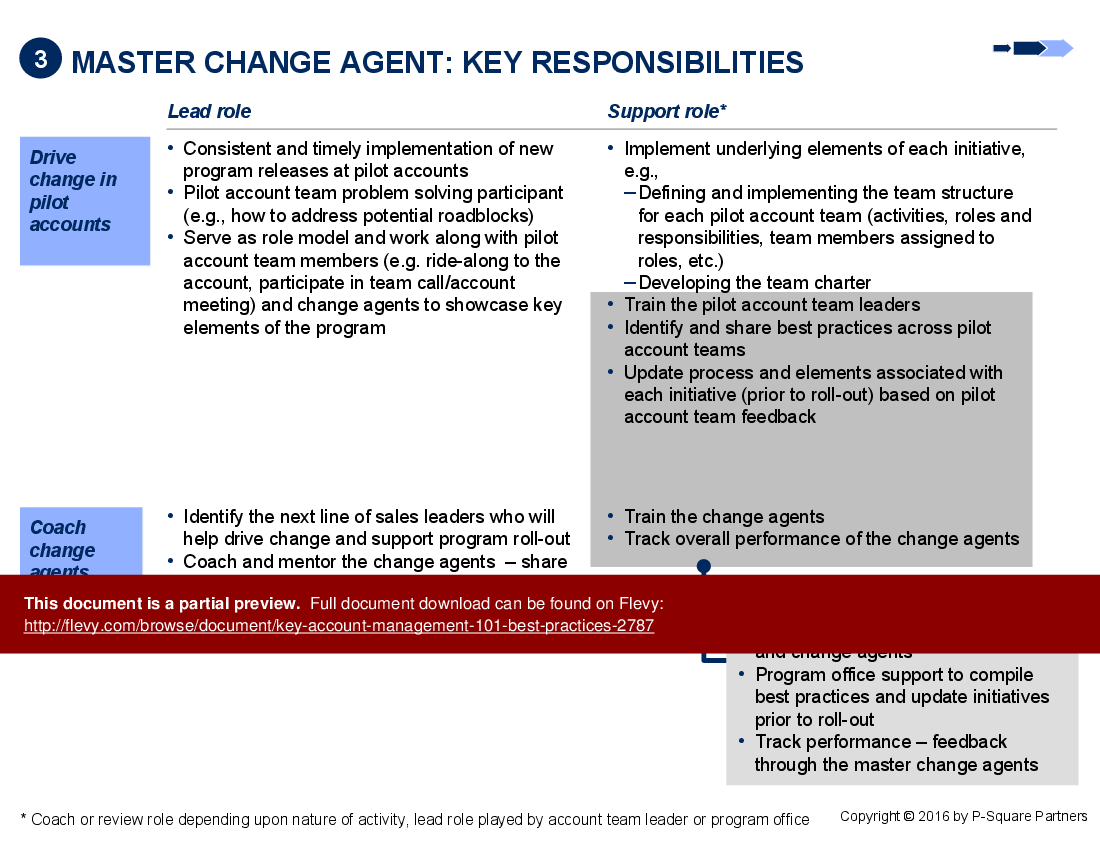
This PPT slide outlines the key responsibilities of a change agent within account teams, divided into lead and support roles. The lead role emphasizes the importance of consistent and timely implementation of program releases. This involves active participation in problem-solving within account teams, addressing potential challenges as they arise. The change agent is also expected to serve as a role model, engaging directly with team members through activities like ride-alongs and meetings. This hands-on approach is designed to demonstrate the key elements of the program effectively.
On the support side, the slide details the implementation of foundational elements for each initiative. This includes defining the team structure for account teams, clarifying roles and responsibilities, and developing team charters. Training for account team leaders is highlighted as a critical component, ensuring they are equipped to lead their teams effectively. The slide also stresses the need to identify and share best practices across account teams, fostering a culture of continuous improvement.
Feedback from account teams is essential for updating processes and elements associated with each initiative. This iterative approach allows for adjustments based on real-world experiences and challenges faced by the teams. Centralized training and program office support are mentioned as resources to compile best practices and refine initiatives. Overall, the slide presents a structured framework for driving change within account teams, emphasizing both leadership and collaborative support. This dual focus is crucial for ensuring successful implementation and alignment with broader organizational goals.
Explore best practices for Key Account Management in this expert PPT, crafted by industry leaders. Enhance client relationships and drive growth with proven strategies.
Since 2012, we have provided best practices to over 10,000 businesses and organizations of all sizes, from startups and small businesses to the Fortune 100, in over 130 countries.
Read Customer Testimonials
"Flevy is our 'go to' resource for management material, at an affordable cost. The Flevy library is comprehensive and the content deep, and typically provides a great foundation for us to further develop and tailor our own service offer."
– Chris McCann, Founder at Resilient.World
"As a small business owner, the resource material available from FlevyPro has proven to be invaluable. The ability to search for material on demand based our project events and client requirements was great for me and proved very beneficial to my clients. Importantly, being able to easily edit and tailor
the material for specific purposes helped us to make presentations, knowledge sharing, and toolkit development, which formed part of the overall program collateral. While FlevyPro contains resource material that any consultancy, project or delivery firm must have, it is an essential part of a small firm or independent consultant's toolbox.
"
– Michael Duff, Managing Director at Change Strategy (UK)
"I am extremely grateful for the proactiveness and eagerness to help and I would gladly recommend the Flevy team if you are looking for data and toolkits to help you work through business solutions."
– Trevor Booth, Partner, Fast Forward Consulting
"Flevy.com has proven to be an invaluable resource library to our Independent Management Consultancy, supporting and enabling us to better serve our enterprise clients.
The value derived from our [FlevyPro] subscription in terms of the business it has helped to gain far exceeds the investment made, making a subscription a no-brainer for any growing consultancy – or in-house strategy team."
– Dean Carlton, Chief Transformation Officer, Global Village Transformations Pty Ltd.
"One of the great discoveries that I have made for my business is the Flevy library of training materials.
As a Lean Transformation Expert, I am always making presentations to clients on a variety of topics: Training, Transformation, Total Productive Maintenance, Culture, Coaching, Tools, Leadership Behavior, etc. Flevy
It is well worth the money to purchase these presentations. Sure, I have the knowledge and information to make my point. It is another thing to create a presentation that captures what I want to say. Flevy has saved me countless hours of preparation time that is much better spent with implementation that will actually save money for my clients.
"
– Ed Kemmerling, Senior Lean Transformation Expert at PMG
"As a consulting firm, we had been creating subject matter training materials for our people and found the excellent materials on Flevy, which saved us 100's of hours of re-creating what already exists on the Flevy materials we purchased."
– Michael Evans, Managing Director at Newport LLC
"Flevy is now a part of my business routine. I visit Flevy at least 3 times each month.
Flevy has become my preferred learning source, because what it provides is practical, current, and useful in this era where the business world is being rewritten.
many challenges and there is the need to make the right decisions in a short time, with so much scattered information, we are fortunate to have Flevy. Flevy investigates, selects, and puts at our disposal the best of the best to help us be successful in our work.
"
– Omar Hernán Montes Parra, CEO at Quantum SFE
"The wide selection of frameworks is very useful to me as an independent consultant. In fact, it rivals what I had at my disposal at Big 4 Consulting firms in terms of efficacy and organization."
– Julia T., Consulting Firm Owner (Former Manager at Deloitte and Capgemini)
Save with Bundles
This document is available as part of the following discounted bundle(s):
Download our free compilation of 50+ Strategy & Transformation slides and templates. Frameworks include McKinsey 7-S, Balanced Scorecard, Disruptive Innovation, BCG Curve, and many more.