
This framework is created by former McKinsey, BCG, Deloitte, EY, and Capgemini consultants. It provides an evaluation of over 200+ activities & items across 8 phases of the Customer Journey.
Provides a structured approach to Customer Journey Assessment, which evaluates over 210+ items across 8 phases of the Customer Journey.
Identifies pain points and friction in the customer's experience, allowing for targeted improvements.
Identifies the core objectives at each phase of the Customer Journey, along with the key activities / checklist items to focus on for each objective.
CUSTOMER JOURNEY PPT DESCRIPTION
Optimize your Customer Journey with this comprehensive assessment framework by ex-McKinsey, BCG, and Deloitte consultants. Evaluate 200+ activities across 8 phases. Customer Journey Assessment & Checklist is a 42-slide PPT PowerPoint presentation slide deck (PPTX) available for immediate download upon purchase.
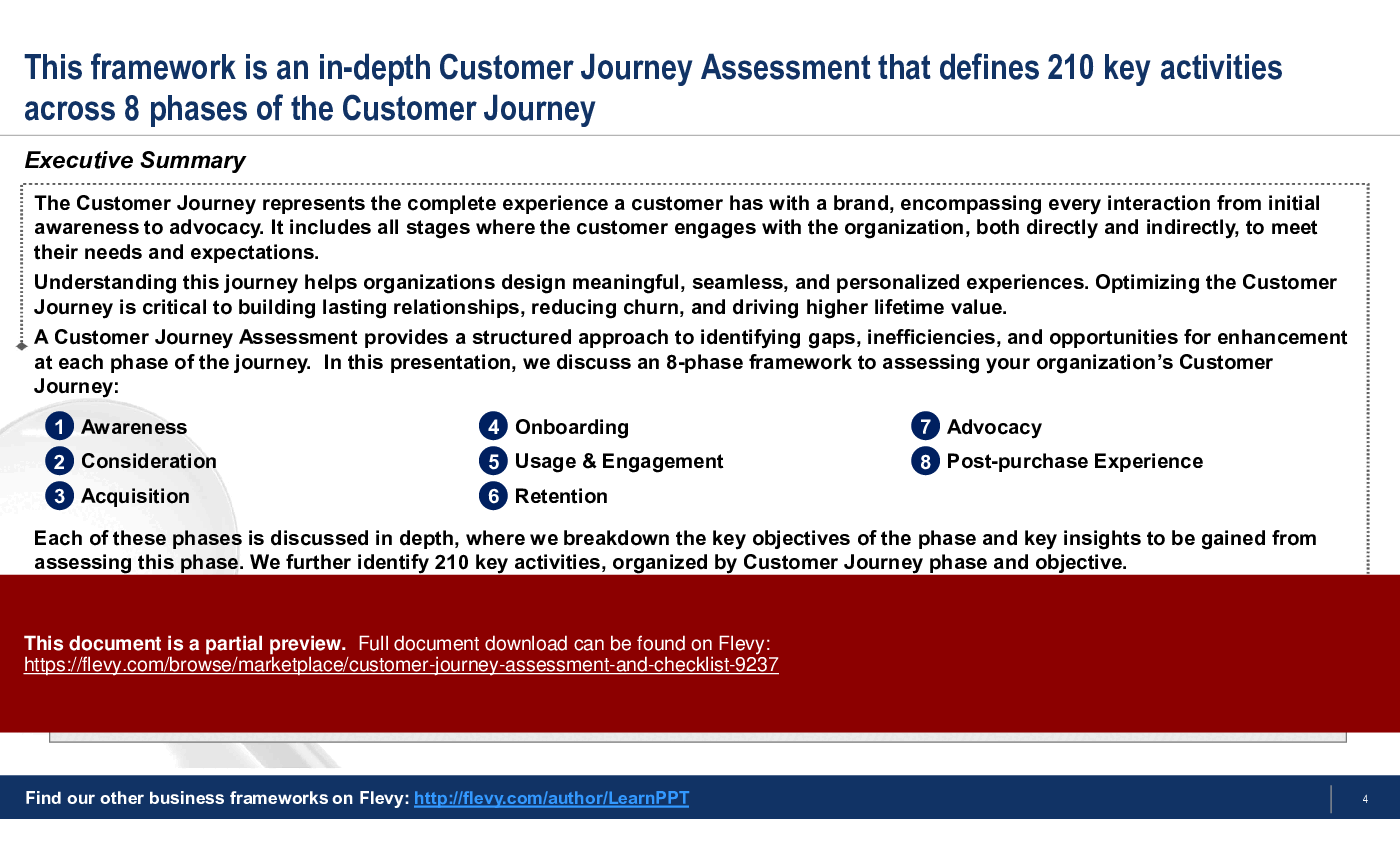
The Customer Journey represents the complete experience a customer has with a brand, encompassing every interaction from initial awareness to advocacy. It includes all stages where the customer engages with the organization, both directly and indirectly, to meet their needs and expectations.
Understanding this journey helps organizations design meaningful, seamless, and personalized experiences. Optimizing the Customer Journey is critical to building lasting relationships, reducing churn, and driving higher lifetime value.
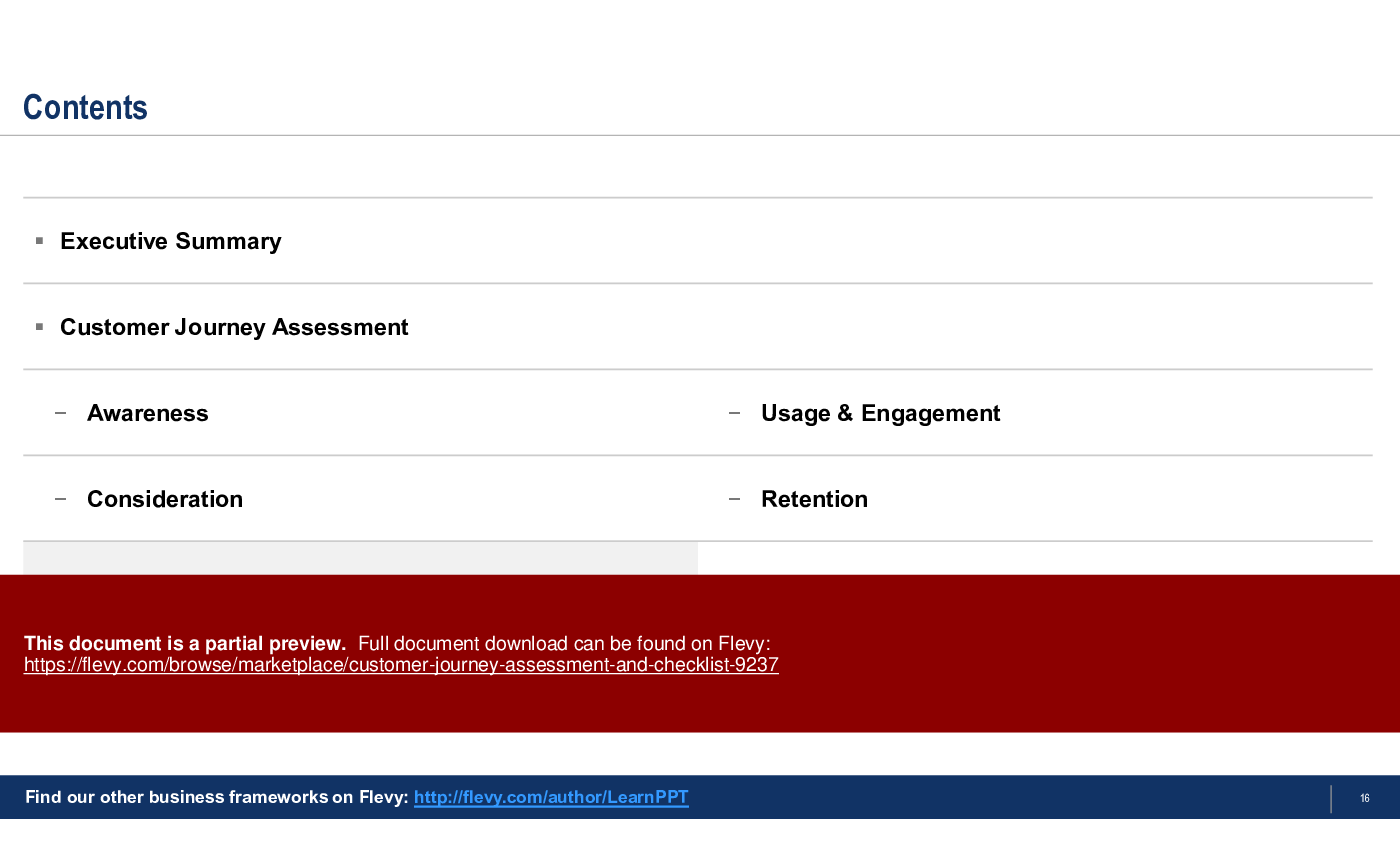
A Customer Journey Assessment provides a structured approach to identifying gaps, inefficiencies, and opportunities for enhancement at each phase of the journey. In this PowerPoint presentation, we discuss an 8-phase framework to assessing your organization's Customer Journey:
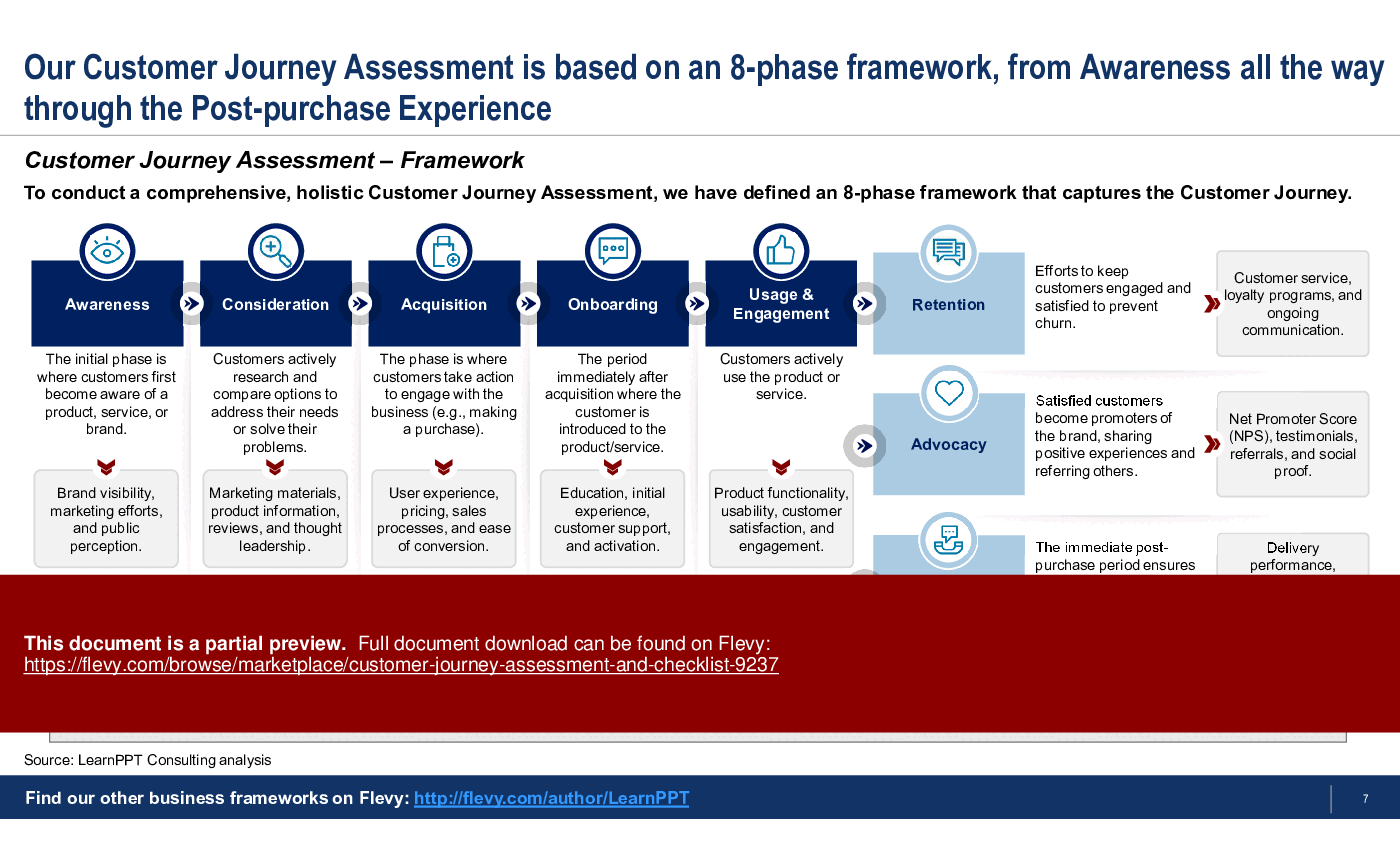
1. Awareness – The initial phase is where customers first become aware of a product, service, or brand. Focus areas include brand visibility, marketing efforts, and public perception.
2. Consideration – Customers actively research and compare options to address their needs or solve their problems. Focus areas include marketing materials, product information, reviews, and thought leadership.
3. Acquisition – The phase is where customers take action to engage with the business (e.g., making a purchase). Activities include user experience, pricing, sales processes, and ease of conversion.
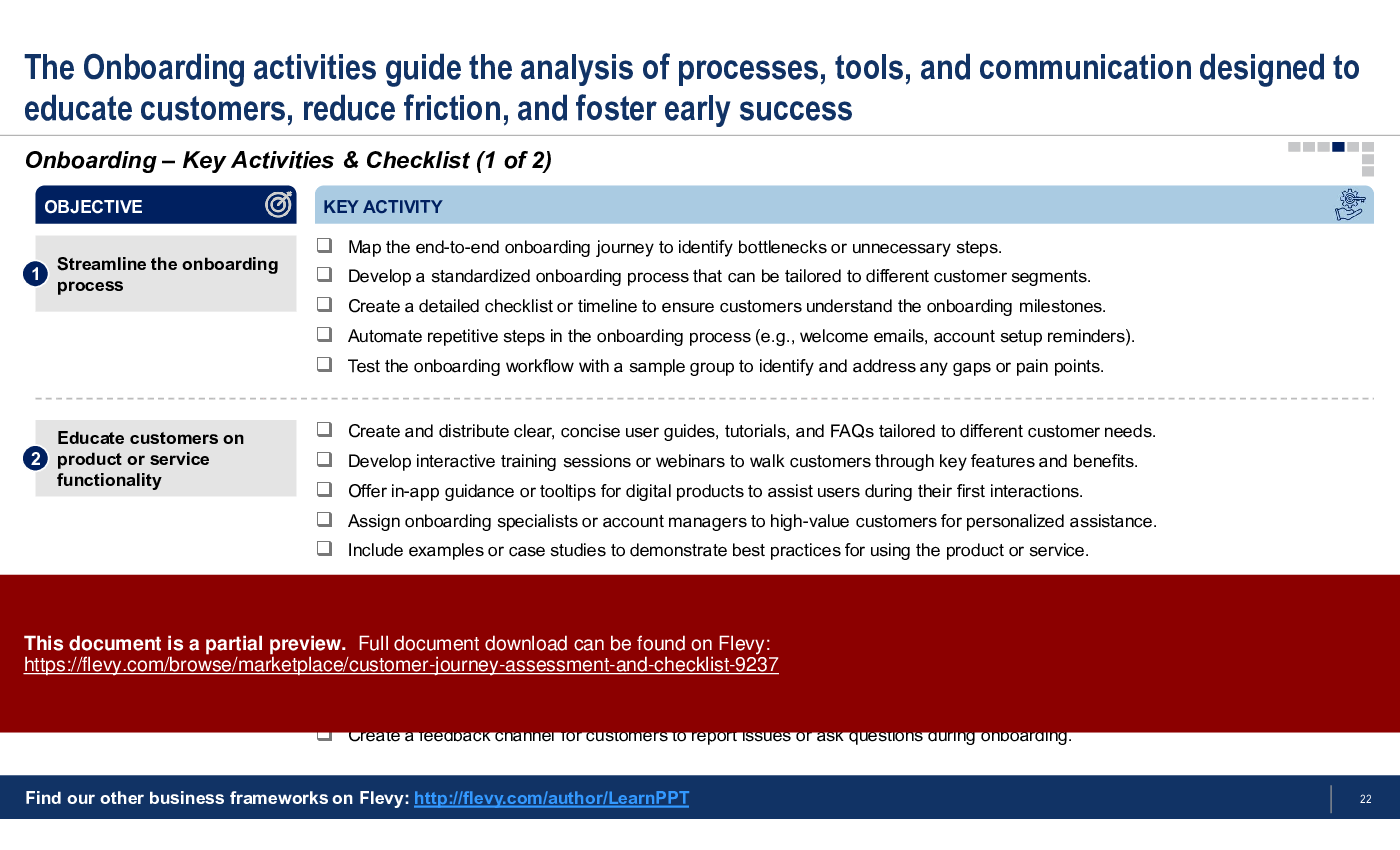
4. Onboarding – The period immediately after acquisition where the customer is introduced to the product/service. Activities include education, initial experience, customer support, and activation.
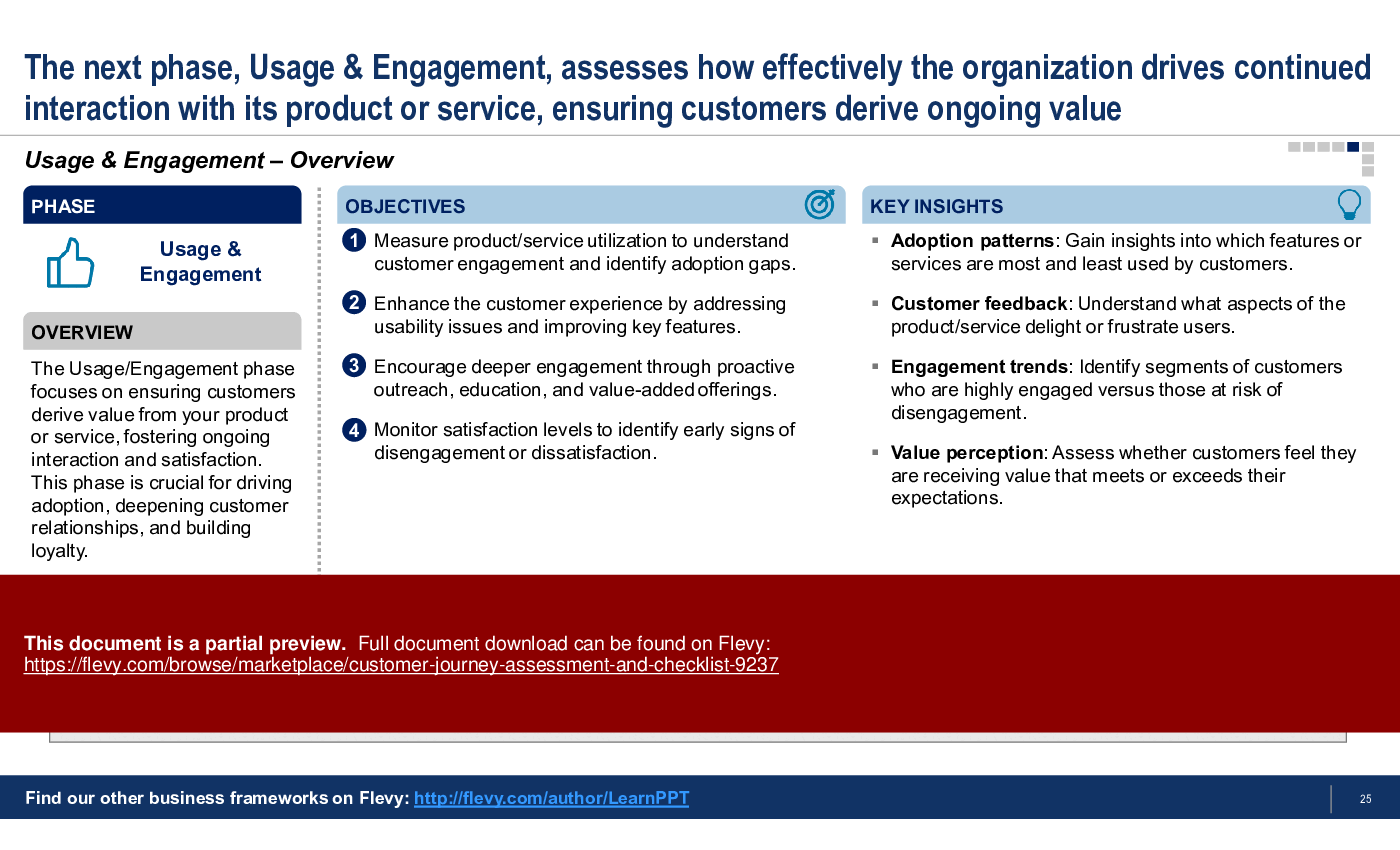
5. Usage & Engagement – Customers actively use the product or service. Focus areas include product functionality, usability, customer satisfaction, and engagement.
6. Retention – Efforts to keep customers engaged and satisfied to prevent churn. Focus areas includes customer service, loyalty programs, and ongoing communication.
7. Advocacy – Satisfied customers become promoters of the brand, sharing positive experiences and referring others. Activities include gathering Net Promoter Score (NPS), testimonials, referrals, and social proof.
8. Post-purchase Experience – The immediate post-purchase period ensures fulfillment of customer expectations, reinforcing trust and satisfaction. Focus areas include delivery performance, proactive support, initial satisfaction, and feedback collection.
Each of these phases is discussed in depth, where we breakdown the key objectives of the phase and key insights to be gained from assessing this phase. Note the first 5 phases are sequential, whereas the last 3 are in parallel. We further identify 210 key activities, organized by Customer Journey phase and objective.
A comprehensive Customer Journey Assessment highlights hidden bottlenecks and inefficiencies that can negatively impact the customer experience. Mapping the Customer Journey reveals critical touchpoints where personalized interactions drive the most value.
Got a question about the product? Email us at support@flevy.com or ask the author directly by using the "Ask the Author a Question" form. If you cannot view the preview above this document description, go here to view the large preview instead.
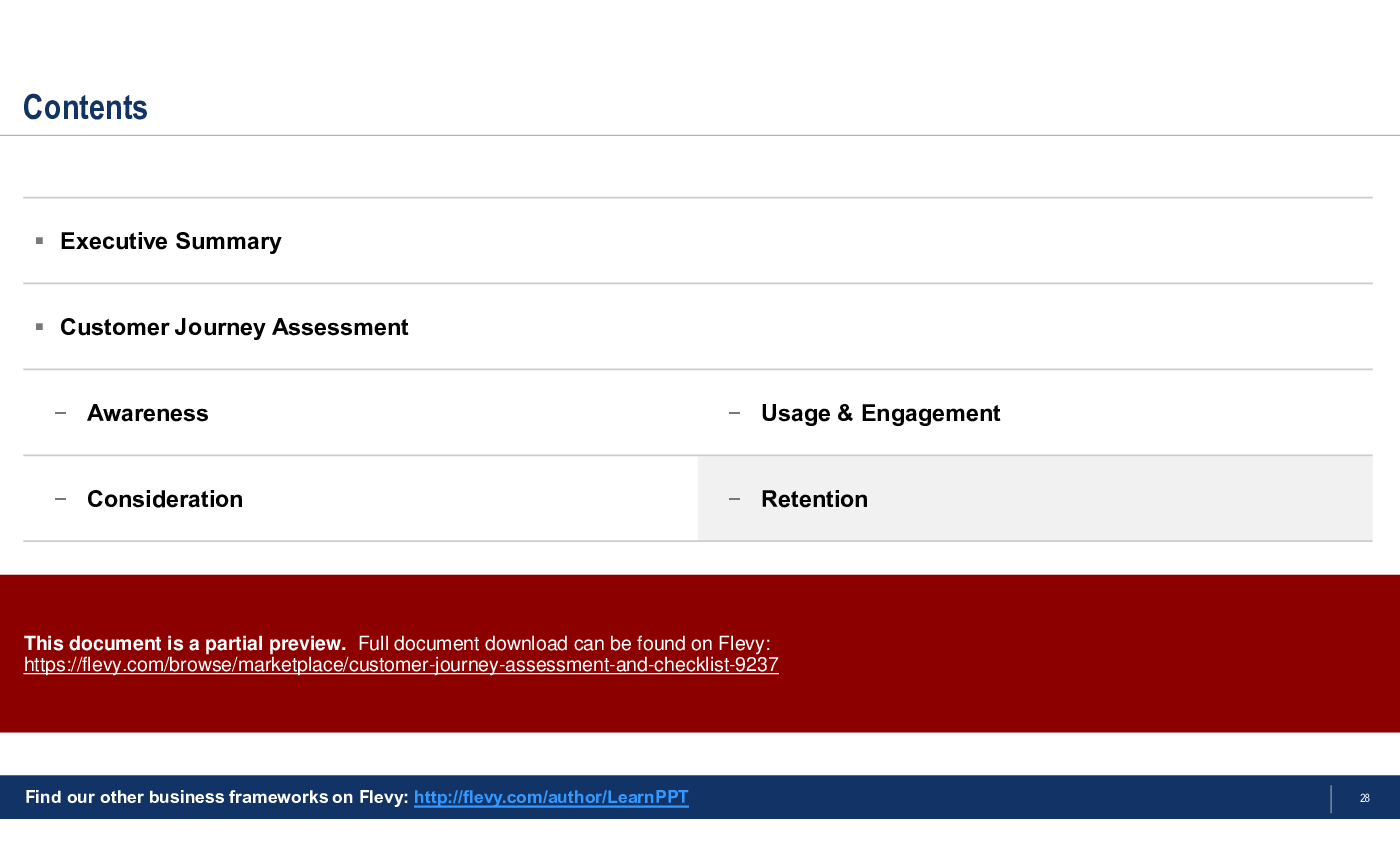
This PPT slide presents a structured framework for assessing the customer journey, encompassing eight phases: Awareness, Consideration, Acquisition, Onboarding, Usage and Engagement, Retention, Advocacy, and Post-purchase Experience. The Awareness phase focuses on brand visibility and marketing efforts that influence customer knowledge. In the Consideration phase, customers research and compare options, where effective marketing materials are crucial. The Acquisition phase involves direct customer engagement, influenced by user experience and pricing. Onboarding introduces customers to the product, emphasizing education and support. Usage and Engagement assess product functionality and satisfaction, while Retention aims to minimize churn through communication and loyalty programs. Advocacy occurs when satisfied customers share positive experiences, contributing to social proof. Finally, the Post-purchase Experience reinforces trust through proactive support and feedback collection, highlighting potential bottlenecks in customer satisfaction.
The Retention phase is vital for maintaining customer loyalty and minimizing churn. Key objectives include analyzing retention trends to identify factors influencing customer loyalty and churn rates, which helps understand customer behavior. Proactive customer support, personalization, and consistent value delivery enhance customer satisfaction. Implementing retention strategies that reward loyal customers encourages repeat engagement, fostering loyalty and driving recurring revenue. Addressing churn risks by identifying and mitigating causes of customer dissatisfaction allows organizations to take corrective actions. Understanding retention drivers amplifies loyalty factors, while identifying churn predictors enables proactive measures. Evaluating loyalty programs highlights how rewards foster loyalty, and assessing Customer Lifetime Value (CLV) is essential for comparing the profitability of retention efforts against acquisition costs. This comprehensive view equips organizations to enhance customer loyalty and drive sustainable growth.


The "Awareness" phase is essential for establishing connections between potential customers and a brand, focusing on visibility, relevance, and engagement. Key objectives include analyzing marketing channel effectiveness across platforms like social media and search engines to drive brand visibility. Evaluating messaging consistency ensures brand identity aligns with customer expectations. Assessing market penetration reveals if the brand reaches intended demographics and geographic regions, identifying strategy gaps. Benchmarking performance against competitors involves measuring brand awareness, share of voice, and media impact. Insights on channel performance highlight which channels yield the highest customer engagement, while understanding brand perception reveals strengths and areas for improvement. Target audience alignment identifies where awareness efforts may not resonate, and content resonance examines which messages lead to the highest engagement and recall. This framework aids organizations in enhancing initial customer interactions.
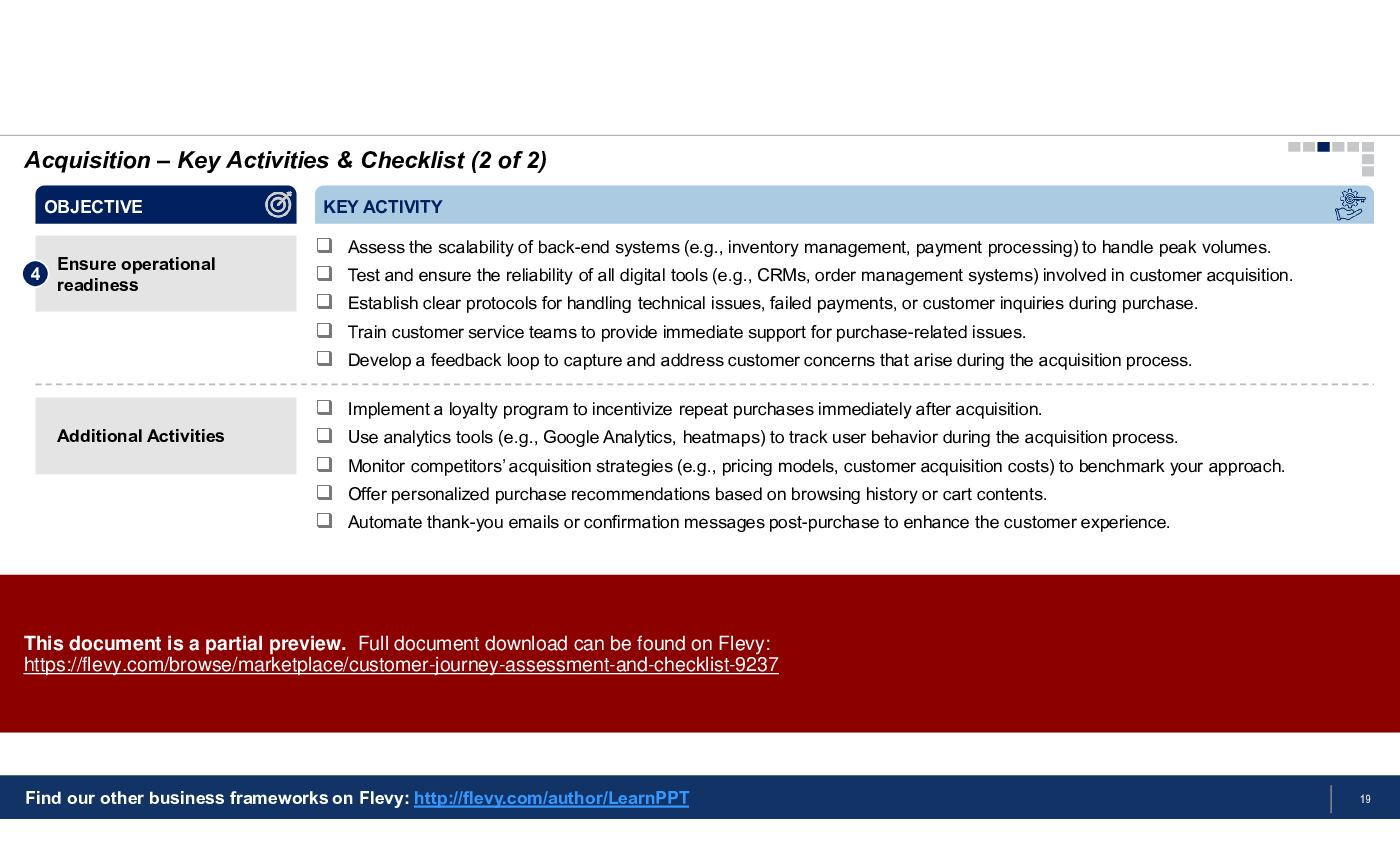
This PPT slide outlines the Acquisition phase, focusing on transforming potential customers into buyers. Key objectives include optimizing the purchase journey to reduce friction, evaluating conversion strategies like promotions and pricing, assessing customer confidence through trust-building measures, and ensuring operational readiness. Identifying friction points is essential for removing barriers in the buying process, while understanding conversion drivers helps prioritize impactful efforts. Trust-building measures, such as guarantees and transparency, are vital for instilling customer confidence. Recognizing operational bottlenecks reveals inefficiencies that can hinder acquisition. These insights guide organizations in refining acquisition strategies and enhancing the customer experience.
The Post-Purchase Experience is the final phase in the customer journey, critical for reinforcing customer satisfaction and loyalty. Key objectives include seamless delivery and follow-through, which involve monitoring fulfillment processes and simplifying customer activation. Proactive support is essential, anticipating common post-purchase issues and providing multiple support channels to enhance satisfaction. Collecting feedback and addressing concerns promptly demonstrates value for customer input, while personalized follow-ups can strengthen relationships. Assessing delivery performance and customer support quality is vital for understanding customer expectations. Identifying repeat purchase drivers and monitoring churn risks helps mitigate potential losses, positioning the Post-Purchase Experience as a strategic area for enhancing customer trust and loyalty.
This PPT slide outlines the significance of the customer journey, encompassing all interactions a customer has with a brand. Recognizing pain points and friction allows organizations to target improvements, enhancing customer satisfaction and loyalty. Aligning marketing, sales, and customer support ensures consistent messaging and service delivery, creating a unified customer experience. Gaining insights into customer behaviors, needs, and preferences at different journey stages drives informed decision-making and enables tailored strategies. Segmenting customers based on their journey stage enhances personalization and engagement. Optimizing the customer journey builds lasting relationships and drives higher lifetime value. A Customer Journey Assessment identifies gaps and opportunities for enhancement, prioritizing changes that significantly impact customer satisfaction, retention, and revenue.
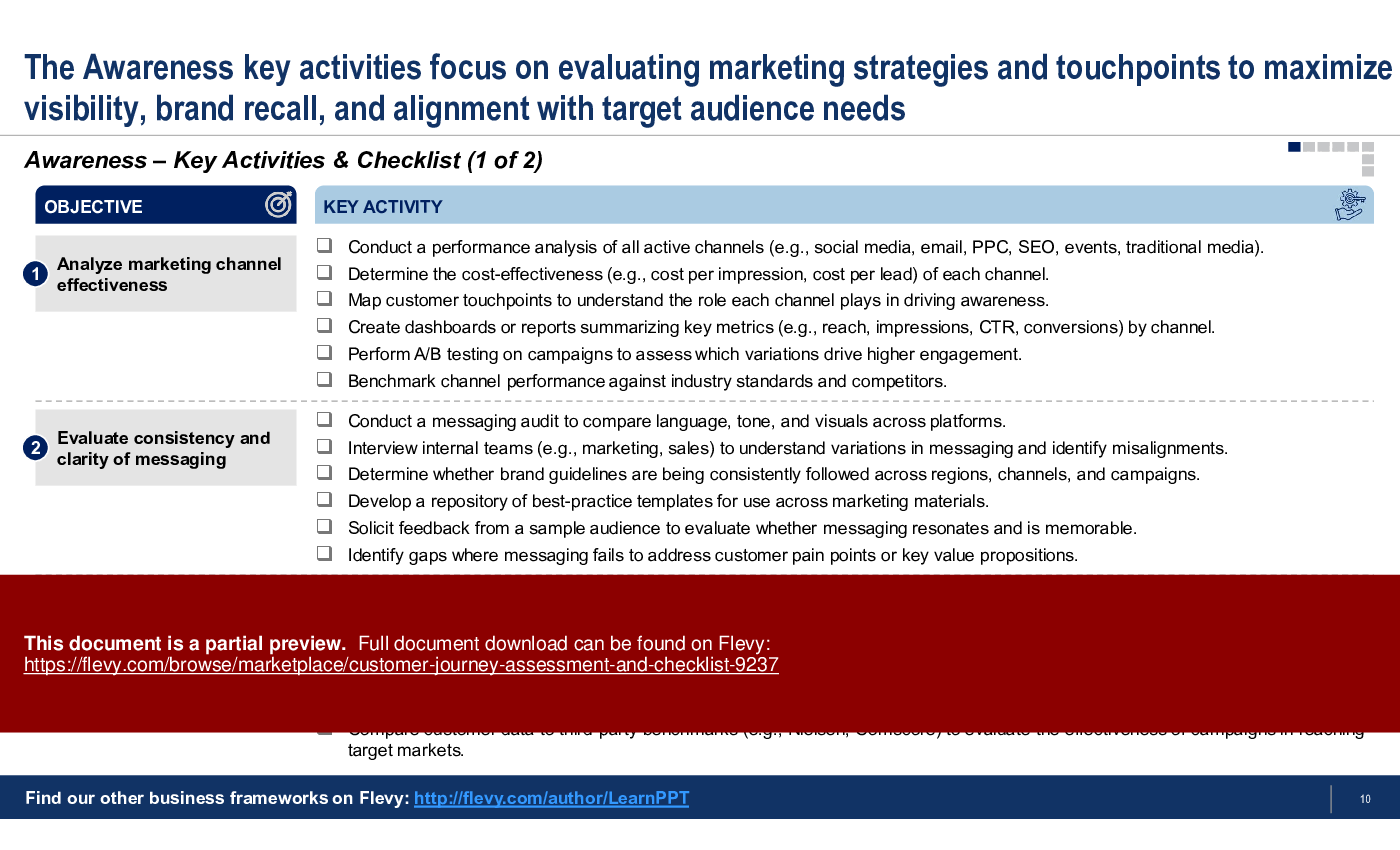
Key activities to enhance brand visibility focus on analyzing marketing channel effectiveness, including social media, email, and traditional media. This involves determining cost-effectiveness metrics, mapping customer touchpoints, and creating dashboards for key performance indicators like reach and conversions. A/B testing evaluates campaign variations for higher engagement.
Additionally, a messaging audit assesses consistency and clarity across platforms, identifying discrepancies through internal interviews and ensuring adherence to brand guidelines. Developing a repository of best practices and gathering audience feedback helps address customer pain points.
Finally, assessing market penetration includes analyzing audience demographics to identify underserved segments and mapping market penetration data for growth opportunities. Surveys and collaboration with sales teams provide insights on brand awareness across regions. These activities create a comprehensive framework for improving marketing strategies and aligning messaging with target audiences.
Source: Best Practices in Customer Journey PowerPoint Slides: Customer Journey Assessment & Checklist PowerPoint (PPTX) Presentation Slide Deck, LearnPPT Consulting
This framework is created by former McKinsey, BCG, Deloitte, EY, and Capgemini consultants. It provides an evaluation of over 200+ activities & items across 8 phases of the Customer Journey.
We are a team of management consultants trained by top tier global consulting firms (including McKinsey, BCG, Deloitte, EY, Capgemini) with a collective experience of several decades. We specialize in business frameworks based on real-life consulting engagements.
We have served 100s of clients that range from Fortune 500 companies to tech startups to
... [read more] $1B+ private companies.
Utilize our consulting frameworks to apply structured thinking & analysis to address your business challenges, uncover strategic insights, and implement workable solutions. Our PowerPoint presentations follow traditional consulting slide design formats, starting with a clear slide headline. Easily customize and repurpose our slides for your own business presentations.
Beyond business frameworks & methodologies, we also offer PowerPoint templates and other business templates. Our templates are professionally designed and have been used in thousands of deliverables & work products across hundreds of clients.
The average daily rate of a McKinsey consultant is $6,625 (not including expenses). The average price of a Flevy document is $65.
Trusted by over 10,000+ Client Organizations
Since 2012, we have provided business templates to over 10,000 businesses and organizations of all sizes, from startups and small businesses to the Fortune 100, in over 130 countries.
"If you are looking for great resources to save time with your business presentations, Flevy is truly a value-added resource. Flevy has done all the work for you and we will continue to utilize Flevy as a source to extract up-to-date information and data for our virtual and onsite presentations!"
– Debbi Saffo, President at The NiKhar Group
"I have used FlevyPro for several business applications. It is a great complement to working with expensive consultants. The quality and effectiveness of the tools are of the highest standards."
– Moritz Bernhoerster, Global Sourcing Director at Fortune 500
"As an Independent Management Consultant, I find Flevy to add great value as a source of best practices, templates and information on new trends. Flevy has matured and the quality and quantity of the library is excellent. Lastly the price charged is reasonable, creating a win-win value for
the customer, Flevy and the various authors. This is truly a service that benefits the consulting industry and associated clients. Thanks for providing this service.
"
– Jim Schoen, Principal at FRC Group
"FlevyPro has been a brilliant resource for me, as an independent growth consultant, to access a vast knowledge bank of presentations to support my work with clients. In terms of RoI, the value I received from the very first presentation I downloaded paid for my subscription many times over! The
quality of the decks available allows me to punch way above my weight – it's like having the resources of a Big 4 consultancy at your fingertips at a microscopic fraction of the overhead.
"
– Roderick Cameron, Founding Partner at SGFE Ltd
"I have used Flevy services for a number of years and have never, ever been disappointed. As a matter of fact, David and his team continue, time after time, to impress me with their willingness to assist and in the real sense of the word. I have concluded in fact
that it is not at all just a repository of documents/resources but, in the way that David and his team manage the firm, it is like dealing with consultants always ready to assist, advise and direct you to what you really need, and they always get it right.
I am an international hospitality accomplished senior executive who has worked and lived during the past 35 years in 23 countries in 5 continents and I can humbly say that I know what customer service is, trust me.
Aside from the great and professional service that Flevy's team provide, their wide variety of material is of utmost great quality, professionally put together and most current.
Well done Flevy, keep up the great work and I look forward to continue working with you in the future and to recommend you to a variety of colleagues around the world.
"
– Roberto Pelliccia, Senior Executive in International Hospitality
"My FlevyPro subscription provides me with the most popular frameworks and decks in demand in today’s market. They not only augment my existing consulting and coaching offerings and delivery, but also keep me abreast of the latest trends, inspire new products and service offerings for my practice, and educate me
in a fraction of the time and money of other solutions. I strongly recommend FlevyPro to any consultant serious about success.
"
– Bill Branson, Founder at Strategic Business Architects
"Flevy is now a part of my business routine. I visit Flevy at least 3 times each month.
Flevy has become my preferred learning source, because what it provides is practical, current, and useful in this era where the business world is being rewritten.
many challenges and there is the need to make the right decisions in a short time, with so much scattered information, we are fortunate to have Flevy. Flevy investigates, selects, and puts at our disposal the best of the best to help us be successful in our work.
"
– Omar Hernán Montes Parra, CEO at Quantum SFE
"The wide selection of frameworks is very useful to me as an independent consultant. In fact, it rivals what I had at my disposal at Big 4 Consulting firms in terms of efficacy and organization."
– Julia T., Consulting Firm Owner (Former Manager at Deloitte and Capgemini)
Download our FREE Digital Transformation Templates
Download our free compilation of 50+ Digital Transformation slides and templates. DX concepts covered include Digital Leadership, Digital Maturity, Digital Value Chain, Customer Experience, Customer Journey, RPA, etc.
Download our FREE Digital Transformation Templates
Get Our FREE Product.
Download our free compilation of 50+ Digital Transformation slides and templates. DX concepts covered include Digital Leadership, Digital Maturity, Digital Value Chain, Customer Experience, Customer Journey, RPA, etc.