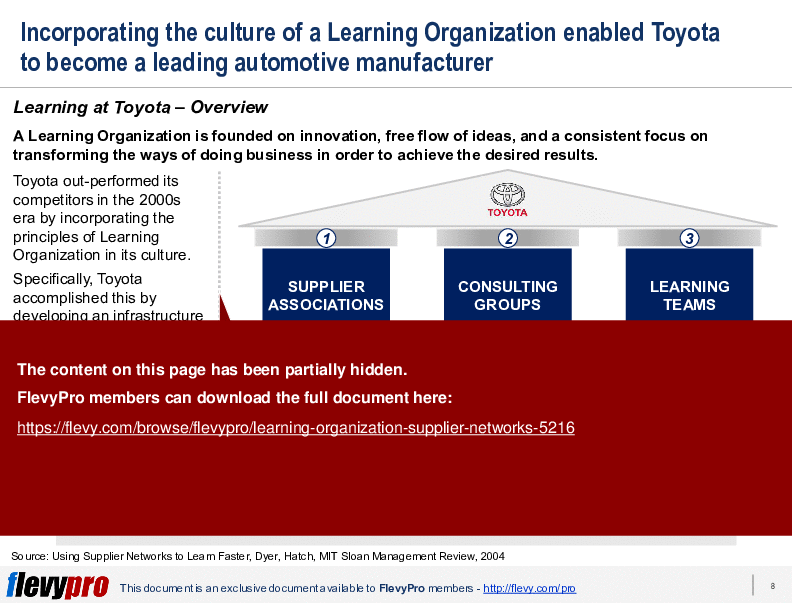
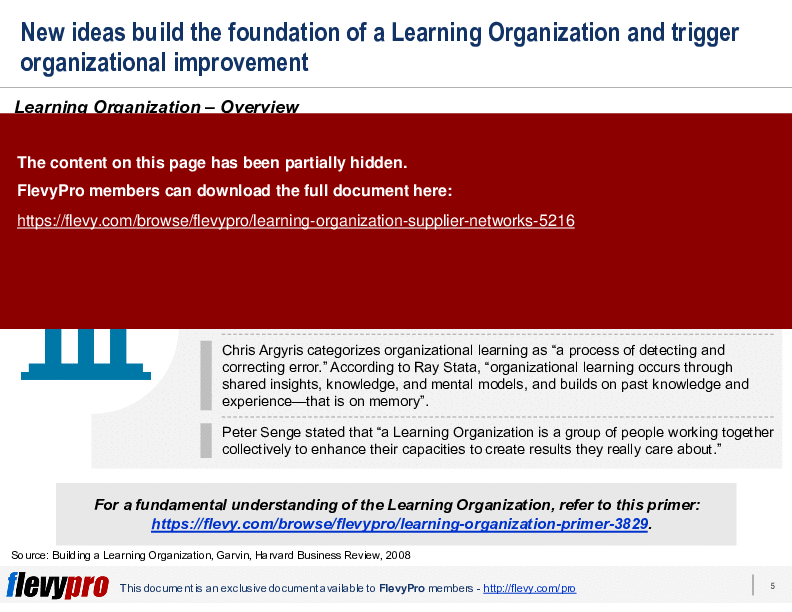

A Learning Organization is founded on innovation, free flow of ideas, and a consistent focus on transforming the ways of doing business in order to achieve the desired results.
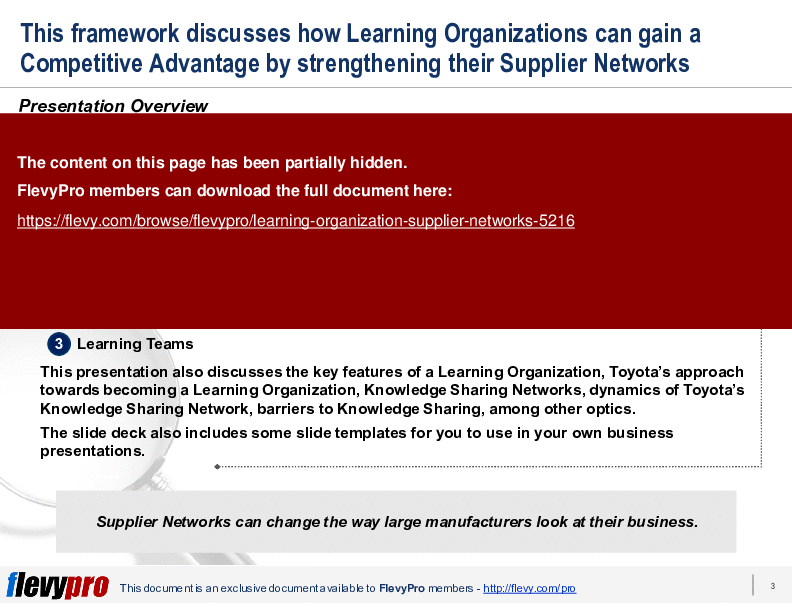
Toyota out-performed its competitors in the 2000s era by incorporating the principles of Learning Organization in its culture. Specifically, Toyota accomplished this by developing an infrastructure and inter-organizational processes that enabled quick and free flow of explicit and tacit knowledge to its Supplier Network. Supplier Networks can change the way large manufacturers look at their business.
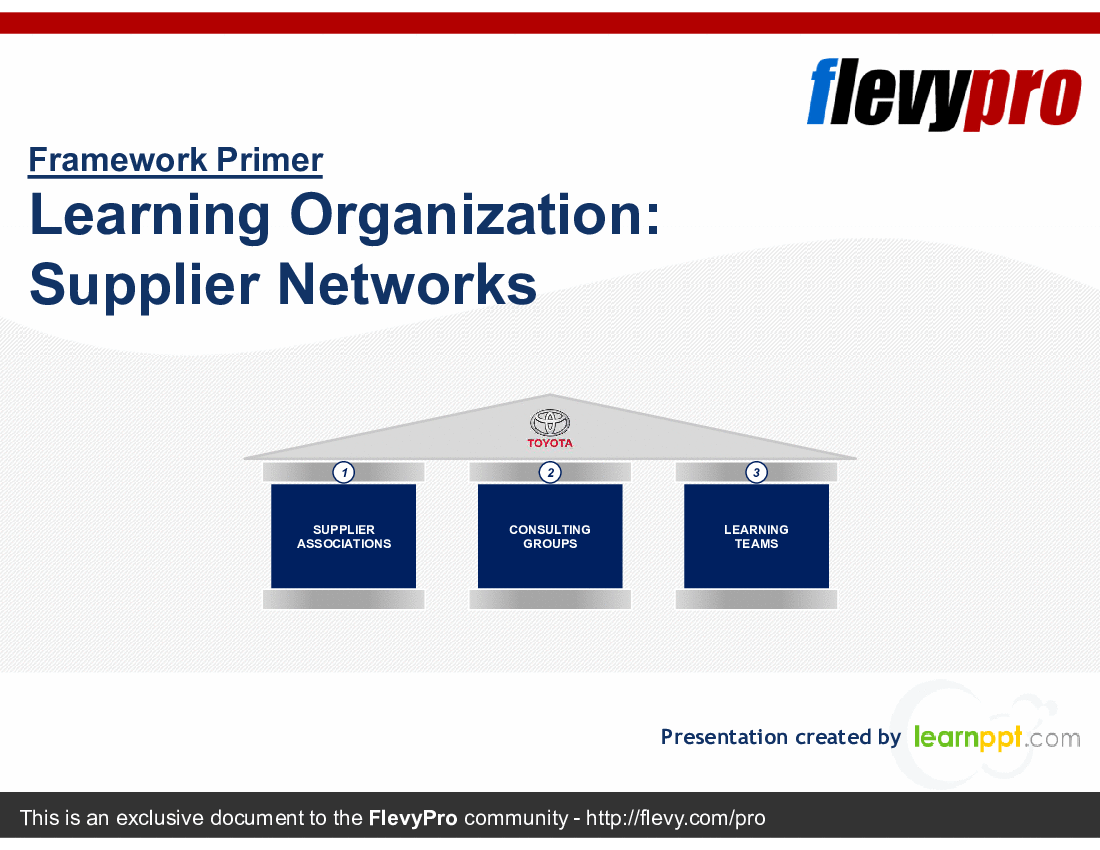
The Learning Organization at Toyota featured:
1. Supplier Associations
2. Consulting Groups
3. Learning Teams
This presentation also discusses the key features of a Learning Organization, Toyota's approach towards becoming a Learning Organization, Knowledge Sharing Networks, dynamics of Toyota's Knowledge Sharing Network, barriers to Knowledge Sharing, among other optics.
The slide deck also includes some slide templates for you to use in your own business presentations.
This PPT delves into the intricacies of how Learning Organizations can leverage Supplier Networks to gain a competitive edge. It provides a comprehensive analysis of the benefits, including strategic flexibility, improved quality of outputs, and enhanced corporate image. The framework emphasizes the importance of candid information flow and shared understanding to drive organizational improvement.
The presentation also highlights the barriers to knowledge sharing, such as network barriers and internal process inflexibilities. It offers practical insights into overcoming these challenges to foster a culture of continuous learning and improvement. This slide deck is an invaluable resource for executives looking to transform their organizations through effective supplier collaboration and knowledge management.
Got a question about this document? Email us at flevypro@flevy.com.
Executive Summary
The "Learning Organization: Supplier Networks" presentation provides an in-depth exploration of how Learning Organizations can leverage Supplier Networks to achieve competitive advantages. Developed by former consultants from McKinsey and Big 4 firms, this presentation outlines the critical components of a Learning Organization, exemplified by Toyota's successful integration of knowledge-sharing practices. It emphasizes the importance of fostering innovation, facilitating the free flow of ideas, and transforming business operations to enhance performance. The insights and frameworks presented will enable executives and consultants to implement effective strategies for optimizing supplier relationships and organizational learning.
Who This Is For and When to Use
• Corporate executives seeking to enhance supplier relationships and operational efficiency
• Integration leaders focused on fostering a culture of continuous learning within their organizations
• Consultants advising clients on best practices for knowledge sharing and supplier management
• Teams responsible for implementing strategic initiatives aimed at improving supplier performance
Best-fit moments to use this deck:
• During strategic planning sessions focused on supplier engagement and collaboration
• When developing training programs aimed at fostering a learning culture within organizations
• In workshops aimed at identifying barriers to knowledge sharing and developing actionable solutions
Learning Objectives
• Define the concept of a Learning Organization and its significance in modern business
• Identify key characteristics that differentiate Learning Organizations from traditional structures
• Analyze Toyota's approach to becoming a Learning Organization through effective supplier networks
• Establish frameworks for creating and maintaining Knowledge Sharing Networks
• Recognize barriers to knowledge sharing and develop strategies to overcome them
• Implement best practices for fostering innovation and continuous improvement within teams
Table of Contents
• Overview (page 3)
• Learning Organization (page 5)
• Learning at Toyota (page 8)
• Knowledge Sharing Network (page 13)
• Barriers to Knowledge Sharing (page 16)
• Templates (page 20)
Primary Topics Covered
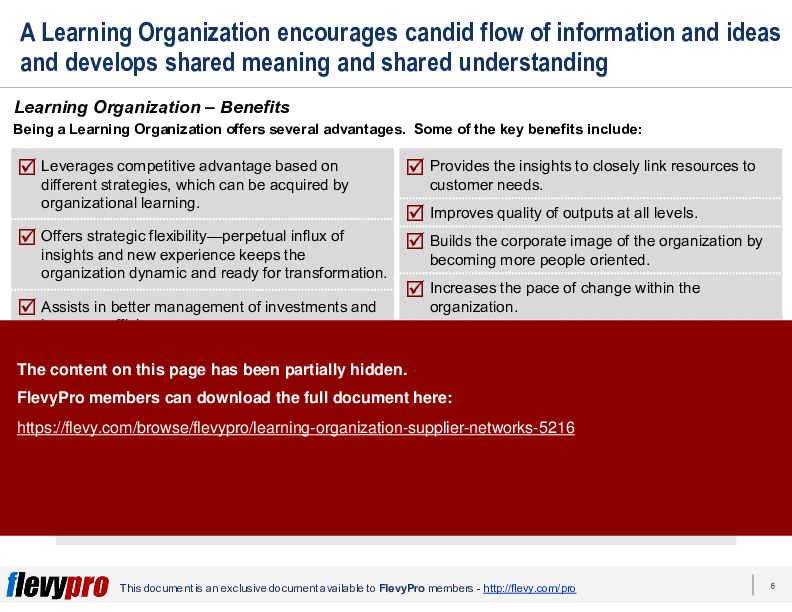
• Learning Organization Definition - A Learning Organization is characterized by its ability to create, acquire, and transfer knowledge while adapting its behavior based on insights gained.
• Toyota's Learning Culture - Toyota exemplifies a Learning Organization by integrating knowledge-sharing practices that enhance supplier performance and drive innovation.
• Knowledge Sharing Networks - These networks facilitate the exchange of information and experiences, fostering a collaborative environment that transcends organizational boundaries.
• Supplier Associations - Toyota's Supplier Associations enable high-level sharing of explicit knowledge among suppliers, enhancing overall performance.
• Consulting Groups - Toyota’s Consulting Groups provide on-site assistance and expertise to suppliers, promoting best practices in production and operational efficiency.
• Learning Teams - Voluntary groups formed by suppliers to collaboratively address challenges and share insights, enhancing productivity and quality.
Deliverables, Templates, and Tools
• Framework for establishing Supplier Associations to facilitate knowledge sharing
• Template for organizing Consulting Groups focused on operational improvement
• Guidelines for forming Learning Teams to enhance collaboration among suppliers
• Best practice examples for implementing Knowledge Sharing Networks
• Tools for assessing barriers to knowledge sharing and developing mitigation strategies
• Templates for documenting and sharing insights gained from supplier interactions
Slide Highlights
• Overview of Learning Organizations and their benefits in fostering innovation
• Case study on Toyota’s successful implementation of a Learning Organization
• Visual representation of the Knowledge Sharing Network dynamics
• Identification of barriers to knowledge sharing and strategies to overcome them
• Templates for practical application in organizational settings
Potential Workshop Agenda
Understanding Learning Organizations (60 minutes)
• Discuss the principles of Learning Organizations and their relevance
• Explore case studies, including Toyota's approach
Building Knowledge Sharing Networks (90 minutes)
• Identify key elements of effective Knowledge Sharing Networks
• Develop action plans for implementing these networks in your organization
Overcoming Barriers to Knowledge Sharing (60 minutes)
• Analyze common barriers and brainstorm solutions
• Create a roadmap for fostering a culture of sharing within teams
Customization Guidance
• Tailor the presentation to reflect your organization’s specific goals and challenges
• Adapt templates to fit the unique context of your supplier relationships
• Modify case studies to include relevant examples from your industry
Secondary Topics Covered
• The role of leadership in fostering a Learning Organization
• Techniques for measuring the effectiveness of Knowledge Sharing Networks
• Strategies for enhancing supplier engagement and collaboration
• The impact of organizational culture on learning and innovation
Topic FAQ
Document FAQ
These are questions addressed within this presentation.
What is a Learning Organization?
A Learning Organization is one that actively promotes a culture of continuous learning, enabling it to adapt and thrive in a changing environment.
How did Toyota implement its Learning Organization principles?
Toyota integrated knowledge-sharing practices through Supplier Associations, Consulting Groups, and Learning Teams, fostering collaboration and innovation.
What are the benefits of Knowledge Sharing Networks?
Knowledge Sharing Networks enhance collaboration, improve supplier performance, and facilitate the exchange of best practices across organizations.
What barriers exist to effective knowledge sharing?
Barriers include internal process inflexibilities and network barriers that hinder communication and collaboration among suppliers.
How can organizations overcome these barriers?
Organizations can foster a culture of sharing by simplifying processes, encouraging open communication, and providing incentives for knowledge exchange.
What tools are available to implement these frameworks?
The presentation includes templates and guidelines for establishing Supplier Associations, Consulting Groups, and Learning Teams tailored to your organization’s needs.
How can I measure the success of a Learning Organization?
Success can be measured through improved supplier performance metrics, enhanced collaboration, and increased innovation within the organization.
What role does leadership play in fostering a Learning Organization?
Leadership is crucial in setting the vision, promoting a culture of learning, and providing the necessary resources and support for knowledge sharing initiatives.
How can I customize the templates provided in this presentation?
Templates can be tailored by incorporating specific organizational goals, metrics, and examples relevant to your industry and supplier relationships.
Glossary
• Learning Organization - An organization that fosters a culture of continuous learning and adaptation.
• Knowledge Sharing Network - A collaborative framework for exchanging information and experiences among members.
• Supplier Association - A group formed to facilitate knowledge sharing and collaboration among suppliers.
• Consulting Group - A team providing expertise and support to improve supplier performance.
• Learning Team - A voluntary group of suppliers working together to enhance productivity and quality.
• Barriers to Knowledge Sharing - Factors that inhibit the exchange of information and collaboration among organizations.
• Internal Process Inflexibilities - Rigid processes that hinder adaptability and responsiveness to change.
• Network Barriers - Obstacles that prevent effective communication and collaboration between organizations.
• Best Practices - Proven methods or techniques that lead to superior performance.
• Innovation - The process of developing new ideas or methods that enhance performance and competitiveness.
• Collaboration - Working together to achieve common goals and share knowledge.
• Continuous Improvement - Ongoing efforts to enhance products, services, or processes.
• Operational Efficiency - The ability to deliver products or services effectively while minimizing waste.
• Supplier Performance - The effectiveness and efficiency of suppliers in meeting organizational needs.
• Organizational Culture - The shared values, beliefs, and practices that shape how an organization operates.
• Strategic Advantage - The edge gained by an organization through unique capabilities or resources.
• Tacit Knowledge - Knowledge gained through experience that is difficult to articulate or transfer.
• Explicit Knowledge - Knowledge that can be easily documented and shared.
• Collaboration Tools - Software or platforms that facilitate communication and teamwork.
• Change Management - The process of managing organizational change effectively.
• Metrics - Standards of measurement used to assess performance or progress.
• Feedback Mechanisms - Processes for gathering and responding to input from stakeholders.
Source: Best Practices in Manufacturing, Supplier Management, Learning Organization, Knowledge Management PowerPoint Slides: Learning Organization: Supplier Networks PowerPoint (PPTX) Presentation Slide Deck, LearnPPT Consulting
Did you need more documents?
Consider a FlevyPro subscription from $39/month. View plans here.
For $10.00 more, you can download this document plus 2 more FlevyPro documents. That's just $13 each.
|
Download our FREE Organization, Change, & Culture, Templates
Download our free compilation of 50+ slides and templates on Organizational Design, Change Management, and Corporate Culture. Methodologies include ADKAR, Burke-Litwin Change Model, McKinsey 7-S, Competing Values Framework, etc. |