Your AI assistant becomes a Flevy-powered consultant, with direct access to our full library of frameworks, templates, and case studies. Free to connect. No account, sign-in, or API key required.
STEP 1 · CHOOSE YOUR ASSISTANT
STEP 2 · CONNECT
1
Copy the Flevy MCP URL below.
2
Open the Claude connector settings and choose Add Custom Connector. Paste the URL and name it Flevy.
This framework is developed by a team of former McKinsey and Big 4 consultants. The presentation follows the headline-body-bumper slide format used by global consulting firms.
Editor Summary
22-slide PowerPoint titled Big Data Enablement Framework by LearnPPT Consulting outlines core components and capabilities for enterprise data programs.
Read moreCovers 3 core components—Data Usage, Data Engine, Data Ecosystem—and 6 capabilities: Identify Opportunities, Build Trust, Deploy Technology Infrastructure, Structure the Organization, Participate in a Big Data Network, and Make Relationships Work. Discusses mastering big data and risks of new technologies and includes slides you can reuse in presentations; sold as a digital download on Flevy with immediate digital download.
Use this framework when an organization needs to move from ad-hoc analytics to coordinated big data capability—such as when deploying open-source data platforms, forming data partnerships, or creating a central data function.
Chief Data Officers designing a Big Data Center of Excellence and securing leadership buy-in with presentation-ready slides.
CIOs evaluating how to deploy scalable, open-source infrastructure that integrates with existing systems.
Data architects mapping Data Engine requirements to Data Usage scenarios and ecosystem connectors.
Partnership or alliances managers structuring data-sharing terms and network participation agreements.
The six-capability sequence reflects a capability-building approach common in management consulting practice.
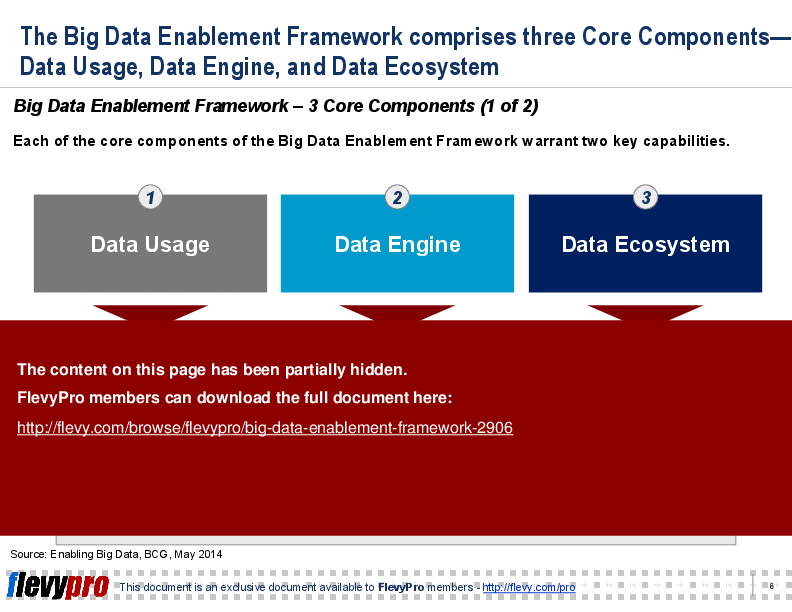
This deck elaborates on the following Core Components of Big Data:
1. Data Usage
2. Data Engine
3. Data Ecosystem
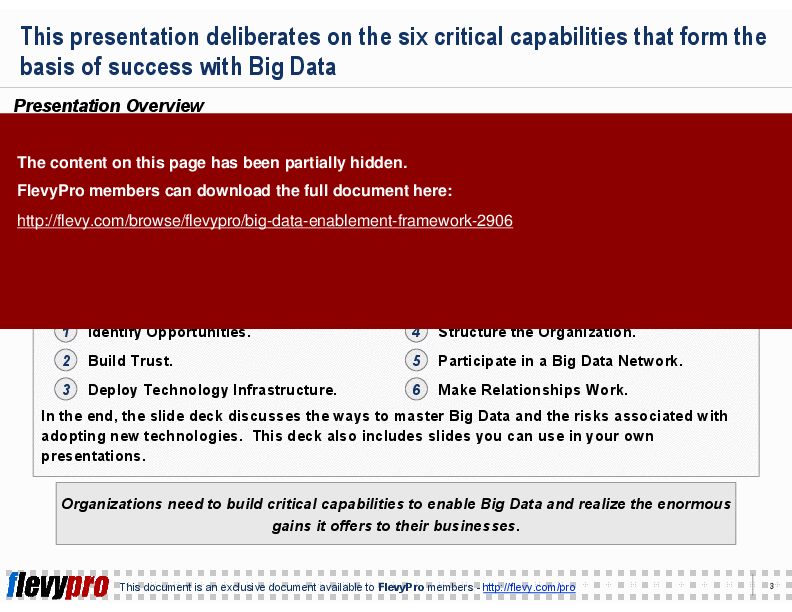
The presentation then talks about the 6 core capabilities that will help organizations identify and pursue new ways to work with data to get ahead of the competition. Specifically, these capabilities are:
1. Identify Opportunities
2. Build Trust
3. Deploy Technology Infrastructure
4. Structure the Organization
5. Participate in a Big Data Network
6. Make Relationships Work
In the end, the slide deck discusses the ways to master Big Data and the risks associated with adopting new technologies. This deck also includes slides you can use in your own presentations.
The Big Data Enablement Framework is essential for organizations aiming to leverage data as a strategic asset. This presentation provides a comprehensive guide to building the necessary infrastructure, fostering a culture of innovation, and establishing trust with stakeholders. It outlines the core components—Data Usage, Data Engine, and Data Ecosystem—each with actionable insights and capabilities to drive data initiatives forward.
Organizations will find detailed strategies on how to deploy scalable, open-source technologies that integrate seamlessly with existing systems. The framework emphasizes the importance of structuring the organization to support data-centric operations, including setting up a Big Data Center of Excellence and obtaining leadership buy-in. These steps ensure that data initiatives are aligned with business objectives and can adapt to evolving technological landscapes.
The PPT also highlights the significance of participating in a Big Data Network and making relationships work. It provides guidance on forming strategic data partnerships, fostering collaboration, and crafting beneficial terms for all parties involved. This approach not only enhances data capabilities, but also ensures long-term success through transparent and mutually beneficial alliances.
What are the core components of a Big Data enablement program?
A Big Data enablement program typically organizes around how data is used, how data is processed and served, and the surrounding ecosystem of systems and partners. The Big Data Enablement Framework defines these as 3 core components: Data Usage, Data Engine, and Data Ecosystem.
What capabilities should organizations develop to leverage big data effectively?
Organizations should build capabilities to identify business opportunities from data, establish trust with stakeholders, deploy appropriate technology infrastructure, structure the organization to support data work, participate in broader data networks, and manage partnerships. The Big Data Enablement Framework lists those 6 capabilities explicitly.
How can organizations build trust around big data initiatives?
Building trust involves leadership buy-in, a clear organizational structure for data responsibilities, and transparent partnership practices. The framework emphasizes establishing governance and an organizational locus such as a Big Data Center of Excellence to centralize accountability and build stakeholder confidence.
What risks should companies consider when adopting new big data technologies?
Key risks include integration challenges with existing systems, inadequate organizational alignment or leadership support, and partnership or contractual issues when sharing data. The deck discusses mastering big data while addressing risks associated with adopting new technologies and integrating them with current systems.
What should I look for when choosing a big data enablement slide deck or toolkit?
Look for explicit coverage of core components (usage, engine, ecosystem), capability-building steps (identify opportunities through making relationships work), practical guidance on technology deployment (including open-source options), organizational structuring advice, and reusable presentation slides—attributes such as a 22-slide PowerPoint by LearnPPT Consulting are concrete markers.
How much time and team effort is typically required to create a Big Data Center of Excellence?
Time and effort vary by organization; the relevant planning work includes securing leadership buy-in, defining roles, and mapping technology and partnership needs. The Big Data Enablement Framework provides slides and capability guidance to support planning and structuring a Big Data Center of Excellence.
I need to integrate scalable open-source technologies with existing systems—what framework helps plan this?
Use a framework that explicitly covers technology deployment and integration strategy, plus organizational and ecosystem considerations. The Big Data Enablement Framework addresses deploying scalable, open-source technologies that integrate with existing systems and aligns that work with Data Usage and Data Ecosystem design.
How should a company approach forming strategic data partnerships?
Approach partnerships by defining network participation goals, crafting transparent and mutually beneficial terms, and embedding partnership management into organizational structure and trust-building activities. The Big Data Enablement Framework addresses participating in a Big Data Network and making relationships work as core capabilities.
Key considerations for deploying an effective Big Data infrastructure include a flexible data platform that enables multiple departments to utilize a single data source, ensuring data consistency across the enterprise. Open-source tools like Hadoop are essential for managing raw and unstructured data in a data-driven environment. A complementary approach to existing systems is necessary; traditional SQL-based tools remain vital for core business data management while integrating new technologies gradually. Revising operational processes is critical, as real-time insights from Big Data must be acted upon immediately to enhance customer experience. Organizations must develop relevant processes alongside new tools to fully harness the benefits of Big Data, maximizing insights from their data investments.
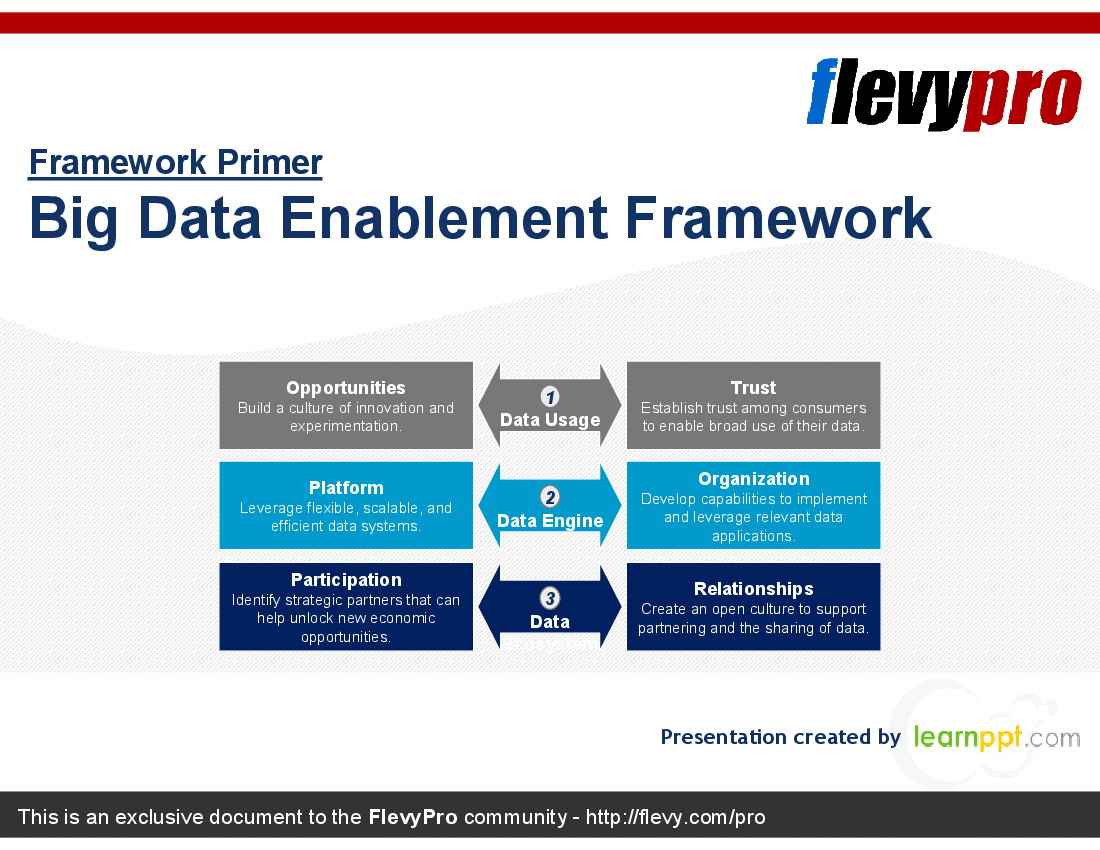
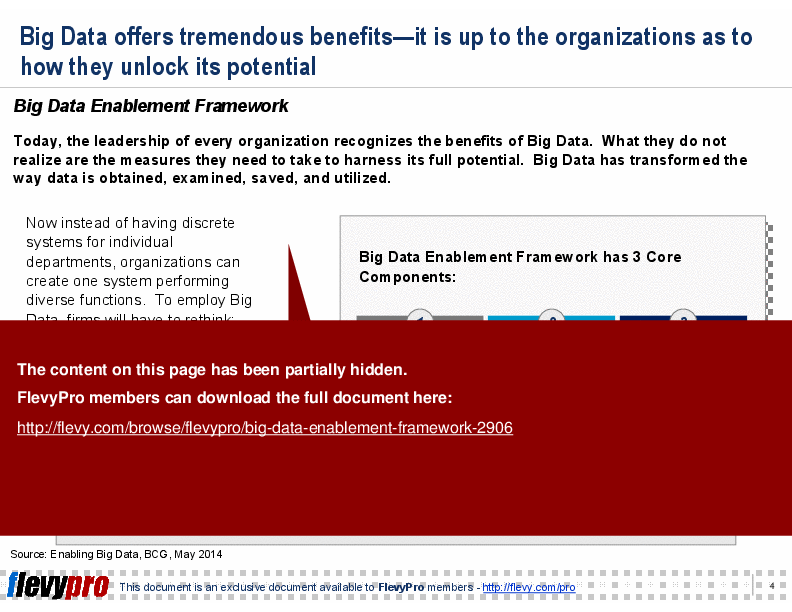
The Big Data Enablement Framework comprises 3 core components: Data Usage, Data Engine, and Data Ecosystem. Data Usage focuses on identifying opportunities and building trust, essential for fostering a culture of data-driven decisions. The Data Engine emphasizes the need for a robust technology infrastructure and organizational structure to process and analyze data efficiently. Without this infrastructure, data initiatives may falter. The Data Ecosystem highlights the importance of collaboration and networking within the data community, urging organizations to engage with external partners to maximize data value. This framework results in 6 capabilities necessary for effective data management and utilization, underscoring the interconnectedness of these components in enhancing data strategies.
This PPT slide template outlines a framework for leveraging strategic data partnerships to enhance data capabilities through 3 key steps for integrating into a Big Data network.
1. "Track Economic Opportunities and Identify your Role" involves assessing current offerings and determining how additional data can drive innovation and new product development across sectors.
2. "Identify Strategic Collaborators" emphasizes selecting the right partners, particularly analytics service providers, to gain insights into data utilization and support Big Data initiatives aligned with strategic objectives.
3. An "Iterative, Empirical Approach" advocates for implementing Big Data solutions through manageable steps, analyzing outcomes, and learning from mistakes to make informed adjustments.
This structured methodology guides firms in navigating data ecosystems while maximizing innovation and growth potential.
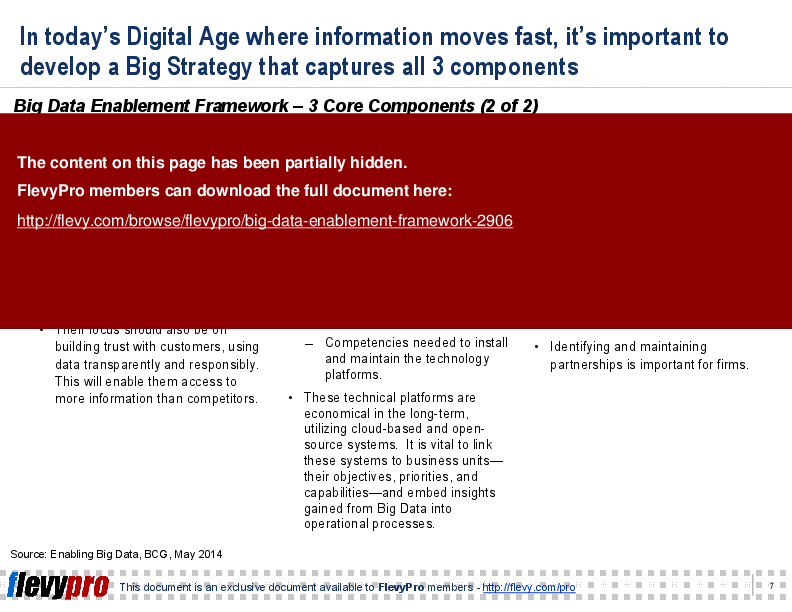
This PPT slide template presents a framework for leveraging big data, focusing on 3 core components: Data Usage, Data Engine, and Data Ecosystem. Data Usage emphasizes fostering a culture of data-driven decision-making, encouraging creativity, and building customer trust through ethical data practices, which can provide strategic advantages. Data Engine highlights the need for scalable technology systems to support big data initiatives, including cloud-based and open-source technologies that align with business objectives. Lastly, the Data Ecosystem addresses the necessity of strategic alliances to access vital information and skills, positioning partnerships as essential for thriving in a data-driven landscape. This comprehensive approach integrates culture, technology, and ecosystem dynamics into organizational strategy.
Consumer skepticism regarding personal data usage is rising, with only 7% of respondents in a BCG survey of 10,000 consumers feeling comfortable about data utilization. Organizations must adopt a conscientious approach to data management to build trust. Key strategies include clear communication about data usage, ensuring transparency on websites to alleviate concerns. Setting permissions and control choices empowers consumers and fosters security, reducing apprehensions about data misuse. Additionally, articulating the benefits of data utilization is critical; successful companies like Facebook and Google provide tangible benefits in exchange for data. Organizations that effectively manage consumer trust are more likely to succeed in leveraging sensitive data.
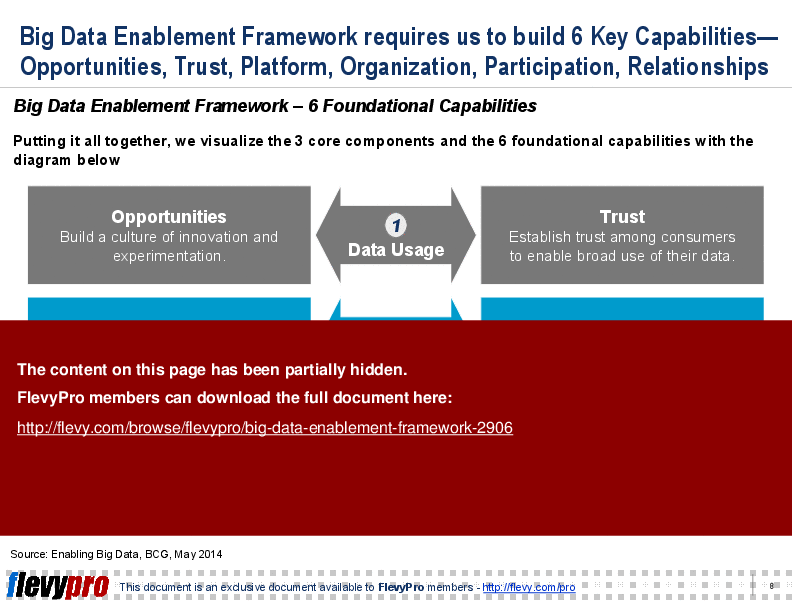
The Big Data Enablement Framework outlines 6 foundational capabilities categorized into 3 core components: Opportunities, Platform, and Participation. Opportunities emphasize fostering a culture of innovation and experimentation to enhance data utilization. The Platform component highlights the need for flexible, scalable, and efficient data systems to manage varying data volumes and types. Participation focuses on strategic partnerships that unlock new economic opportunities, emphasizing collaboration with external entities to maximize data value. Additionally, Trust, Organization, and Relationships are integral to the framework; Trust facilitates data sharing, Organization develops necessary capabilities for data applications, and Relationships foster an open culture for collaboration and data sharing.
Source: Best Practices in Digital Transformation, Big Data PowerPoint Slides: Big Data Enablement Framework PowerPoint (PPT) Presentation Slide Deck, LearnPPT Consulting
This framework is developed by a team of former McKinsey and Big 4 consultants. The presentation follows the headline-body-bumper slide format used by global consulting firms.
For $10.00 more, you can download this document plus 2 more FlevyPro documents. That's just $13 each.
ABOUT FLEVYPRO
This document is part of the FlevyPro Library, a curated knowledge base of documents for our FlevyPro subscribers.
FlevyPro is a subscription service for on-demand business frameworks and analysis tools. FlevyPro subscribers receive access to an exclusive library of curated business documents—business framework primers, presentation templates, Lean Six Sigma tools, and more—among other exclusive benefits.
The average daily rate of a McKinsey consultant is $6,625 (not including expenses). The average price of a Flevy document is $65.
Trusted by over 10,000+ Client Organizations
Since 2012, we have provided business templates to over 10,000 businesses and organizations of all sizes, from startups and small businesses to the Fortune 100, in over 130 countries.
"As a young consulting firm, requests for input from clients vary and it's sometimes impossible to provide expert solutions across a broad spectrum of requirements. That was before I discovered Flevy.com.
Through subscription to this invaluable site of a plethora of topics that are key and crucial to consulting, I
have been able to exceed expectations and deliver quality advice and solutions to my clients. The quality and expertise of the authors are exemplary and gives me great confidence to use as part of my service offerings.
I highly recommend this company for any consultant wanting to apply international best practice standards in their service offerings.
"
– Nishi Singh, Strategist and MD at NSP Consultants
"FlevyPro provides business frameworks from many of the global giants in management consulting that allow you to provide best in class solutions for your clients."
– David Harris, Managing Director at Futures Strategy
"Flevy.com has proven to be an invaluable resource library to our Independent Management Consultancy, supporting and enabling us to better serve our enterprise clients.
The value derived from our [FlevyPro] subscription in terms of the business it has helped to gain far exceeds the investment made, making a subscription a no-brainer for any growing consultancy – or in-house strategy team."
– Dean Carlton, Chief Transformation Officer, Global Village Transformations Pty Ltd.
"As an Independent Management Consultant, I find Flevy to add great value as a source of best practices, templates and information on new trends. Flevy has matured and the quality and quantity of the library is excellent. Lastly the price charged is reasonable, creating a win-win value for
the customer, Flevy and the various authors. This is truly a service that benefits the consulting industry and associated clients. Thanks for providing this service.
"
– Jim Schoen, Principal at FRC Group
"[Flevy] produces some great work that has been/continues to be of immense help not only to myself, but as I seek to provide professional services to my clients, it gives me a large "tool box" of resources that are critical to provide them with the quality of service and outcomes they are expecting."
– Royston Knowles, Executive with 50+ Years of Board Level Experience
"Flevy is now a part of my business routine. I visit Flevy at least 3 times each month.
Flevy has become my preferred learning source, because what it provides is practical, current, and useful in this era where the business world is being rewritten.
many challenges and there is the need to make the right decisions in a short time, with so much scattered information, we are fortunate to have Flevy. Flevy investigates, selects, and puts at our disposal the best of the best to help us be successful in our work.
"
– Omar Hernán Montes Parra, CEO at Quantum SFE
"As a small business owner, the resource material available from FlevyPro has proven to be invaluable. The ability to search for material on demand based our project events and client requirements was great for me and proved very beneficial to my clients. Importantly, being able to easily edit and tailor
the material for specific purposes helped us to make presentations, knowledge sharing, and toolkit development, which formed part of the overall program collateral. While FlevyPro contains resource material that any consultancy, project or delivery firm must have, it is an essential part of a small firm or independent consultant's toolbox.
"
– Michael Duff, Managing Director at Change Strategy (UK)
"Last Sunday morning, I was diligently working on an important presentation for a client and found myself in need of additional content and suitable templates for various types of graphics. Flevy.com proved to be a treasure trove for both content and design at a reasonable price, considering the time I
saved. I encountered a download issue during the ordering process. However, a quick email to Flevy's support team, even on a Sunday (!!!), resulted in assistance within less than an hour, allowing me to download the content I needed. Fantastic job, Flevy! I give 5 stars for both content/price and customer service. Thank you!
"
– M. E., Chief Commercial Officer, International Logistics Service Provider
Download our FREE Digital Transformation Templates
Download our free compilation of 50+ Digital Transformation slides and templates. DX concepts covered include Digital Leadership, Digital Maturity, Digital Value Chain, Customer Experience, Customer Journey, RPA, etc.
Download our FREE Digital Transformation Templates
Get Our FREE Product.
Download our free compilation of 50+ Digital Transformation slides and templates. DX concepts covered include Digital Leadership, Digital Maturity, Digital Value Chain, Customer Experience, Customer Journey, RPA, etc.

 Click main image to view in full screen. Unlock all 9 preview images: