
Having a robust and streamlined Key Account Management (KAM) Program is critical, because it helps organizations build strong and long-lasting relationships with their most important clients.
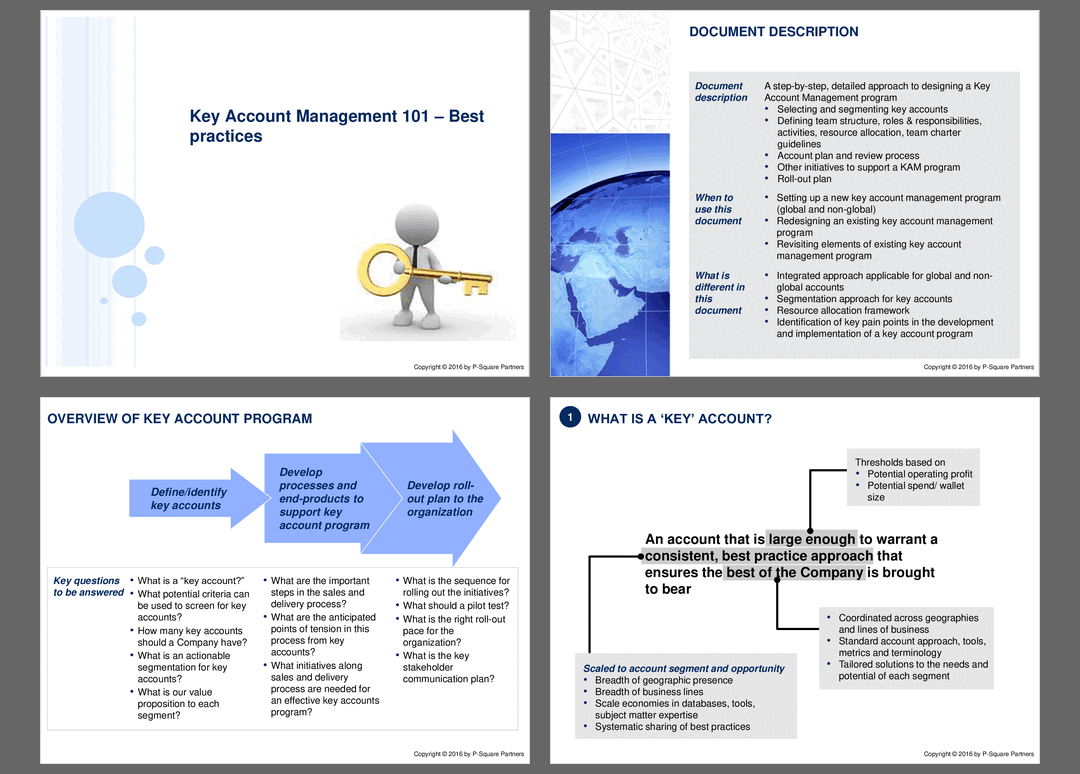
This PowerPoint presentation provides a step-by-step, detailed approach to designing a Key Account Management Program, including:
• selecting and segmenting key accounts
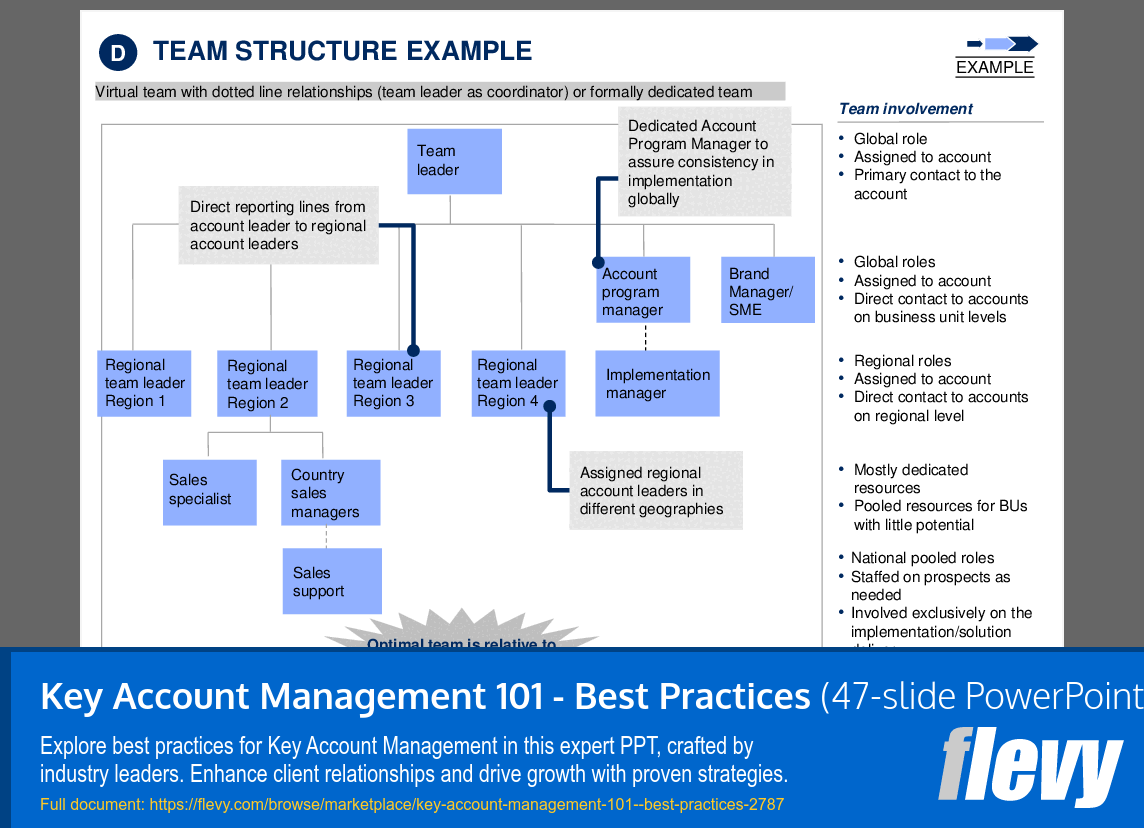
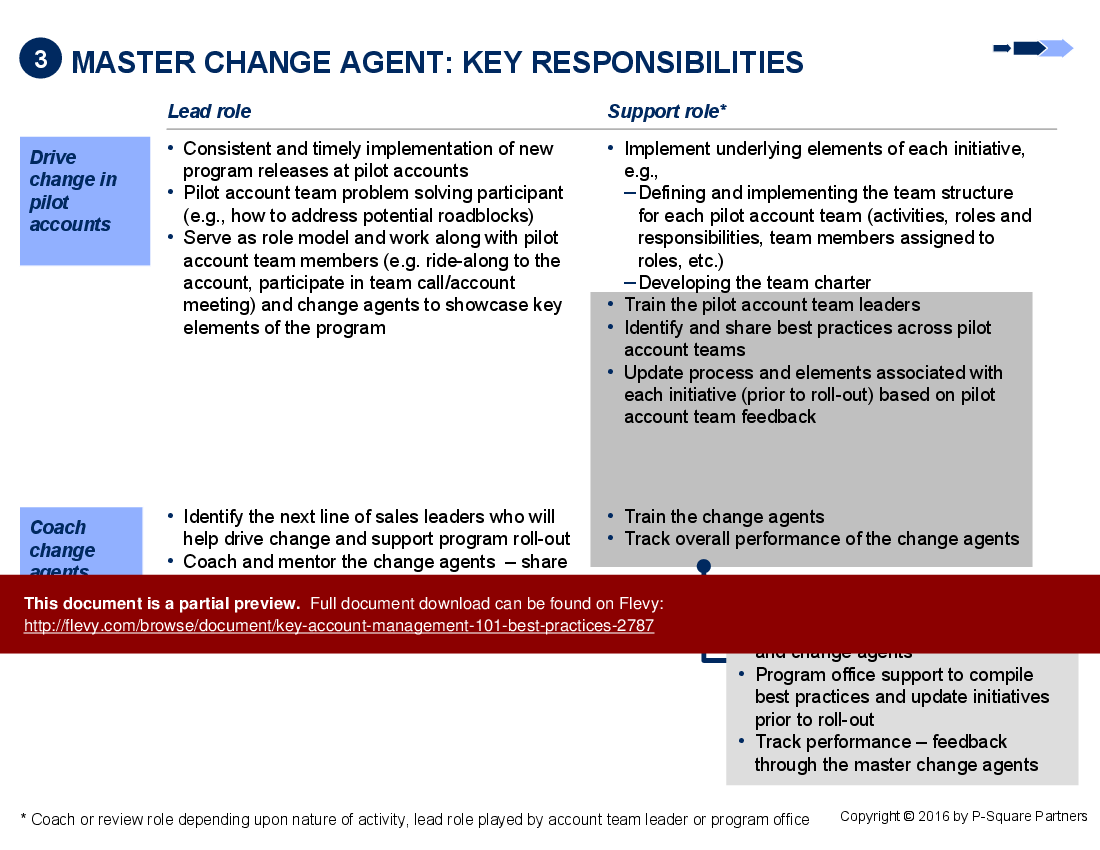
• defining team structure, roles & responsibilities, activities, resource allocation, and team charter guidelines
• account plan and review process
• other initiatives to support a KAM program
• a roll-out plan
This Key Account Management framework and process is the same used by leading organizations, including the Fortune 100, and deployed by global consulting firms for their clients when launching Key Account Management Programs. It contains the following differentiating attributes:
• Integrated approach applicable for global and non-global accounts
• Segmentation approach for key accounts
• Resource allocation framework
• Identification of key pain points in the development and implementation of a Key Account Management Program
By dedicating specific resources and efforts to these key accounts, organizations can better understand their needs, provide personalized solutions, and ultimately increase Client Satisfaction and Loyalty. This, in turn, can lead to increased revenue, repeat business, and referrals.
Your organization can leverage this KAM framework for the following purposes:
Setting up a new KAM Program (global and non-global)
Redesigning an existing Key Account Management Program
Revisiting elements of existing Key Account Management Program
An effective Key Account Management Program can help your organization identify opportunities for Growth and Innovation—and stay ahead of competitors in the market.
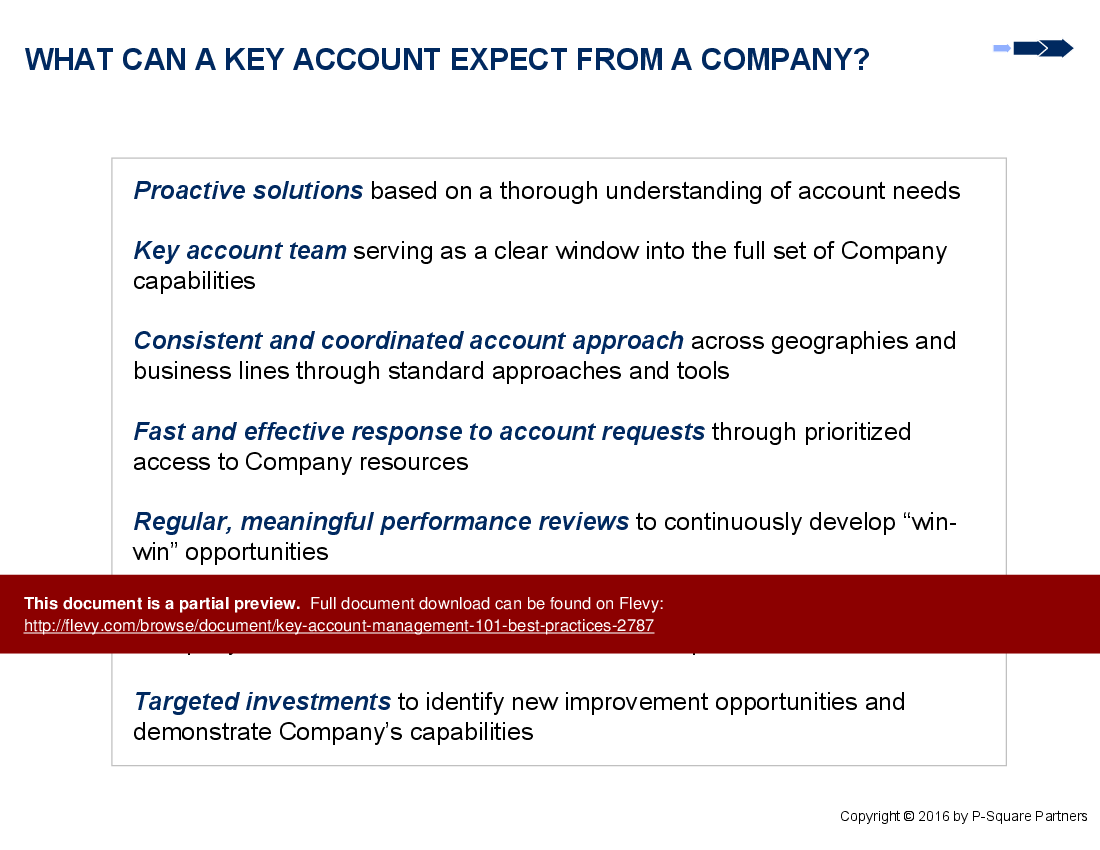
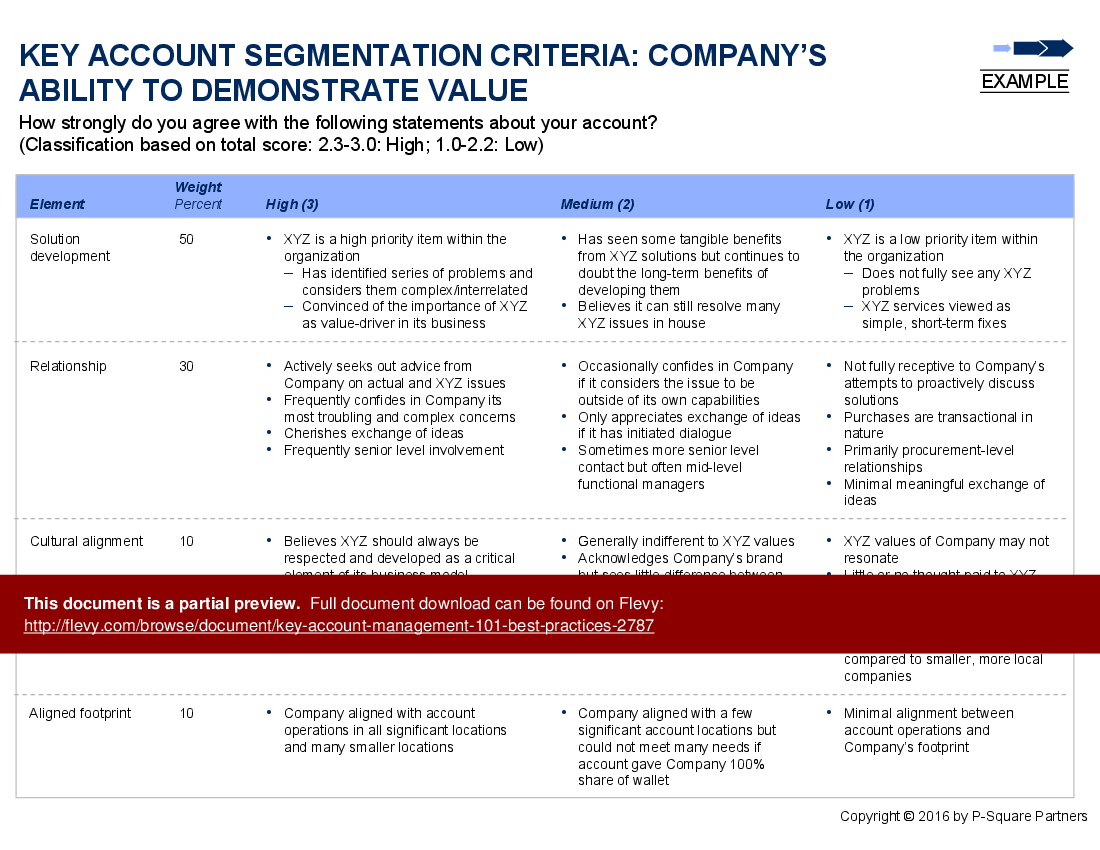
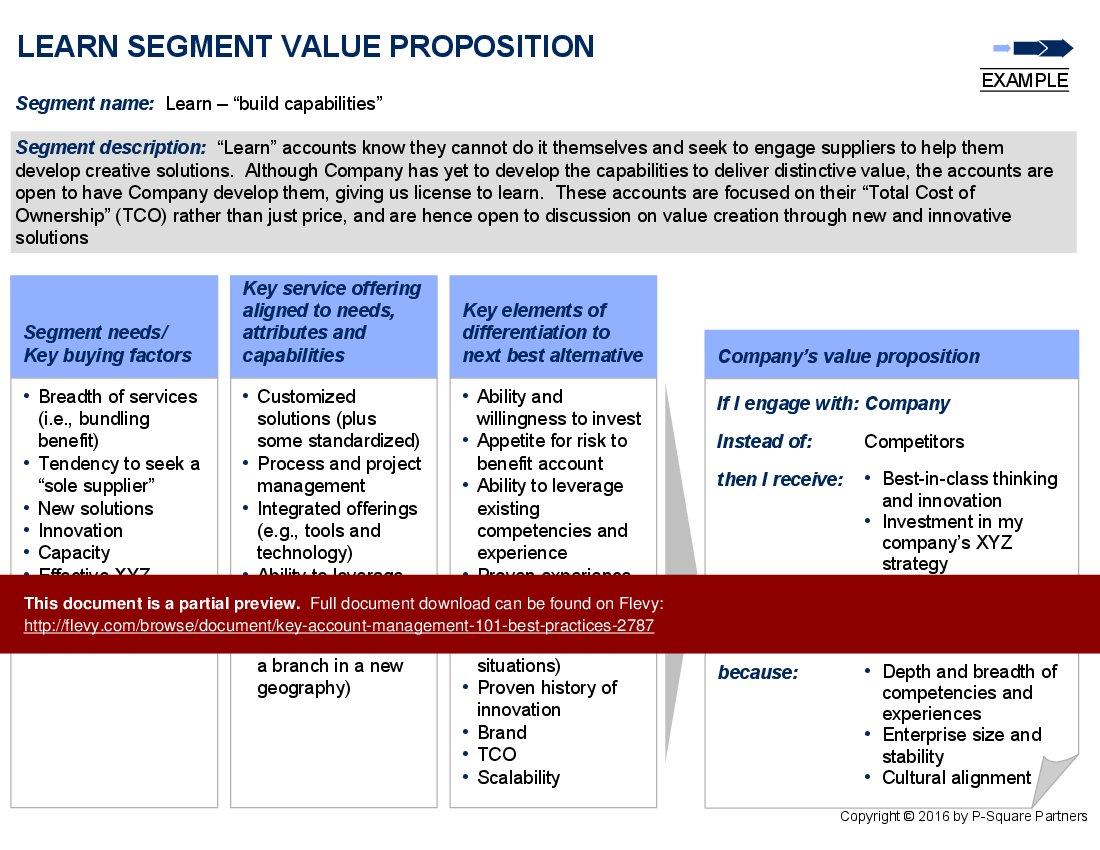
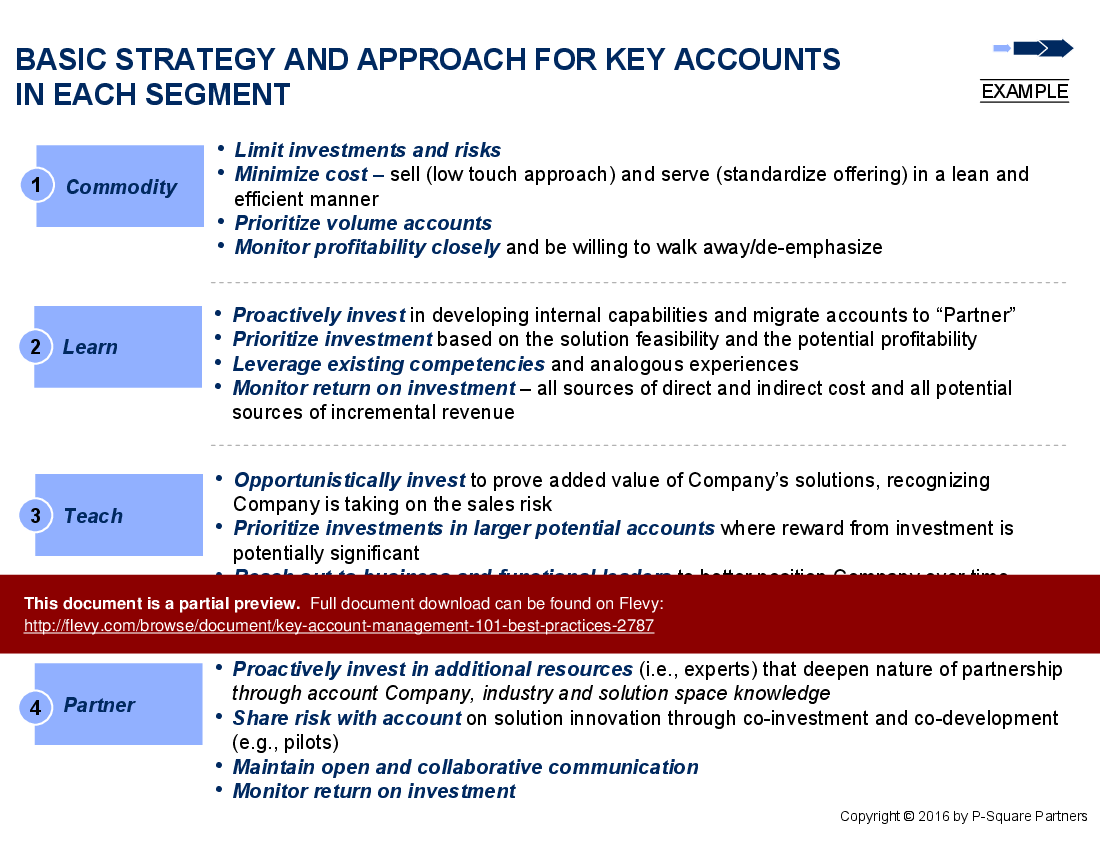
The PPT also outlines a comprehensive approach to segmenting key accounts based on their value and alignment with company objectives. It highlights the importance of proactive solutions and targeted investments to drive account growth and satisfaction.
Got a question about the product? Email us at support@flevy.com or ask the author directly by using the "Ask the Author a Question" form. If you cannot view the preview above this document description, go here to view the large preview instead.
Executive Summary
This presentation, "Key Account Management 101 – Best Practices," offers a structured, consulting-grade approach to developing and refining Key Account Management (KAM) programs. Crafted with insights from industry leaders, it provides a step-by-step guide for selecting and segmenting key accounts, defining team structures, and establishing roles and responsibilities. This document empowers corporate executives and consultants to enhance client relationships, optimize resource allocation, and implement effective KAM strategies, ensuring that organizations can deliver tailored solutions that meet the unique needs of their key accounts.
Who This Is For and When to Use
• Corporate executives overseeing sales and account management teams
• Integration leaders responsible for implementing KAM programs
• Consultants advising organizations on account management strategies
• Sales managers aiming to enhance their team's effectiveness in managing key accounts
Best-fit moments to use this deck:
• Setting up a new key account management program for global and non-global accounts
• Redesigning an existing key account management program to improve effectiveness
• Revisiting elements of an existing key account management program to ensure alignment with current business goals
Learning Objectives
• Define key accounts and establish actionable segmentation criteria
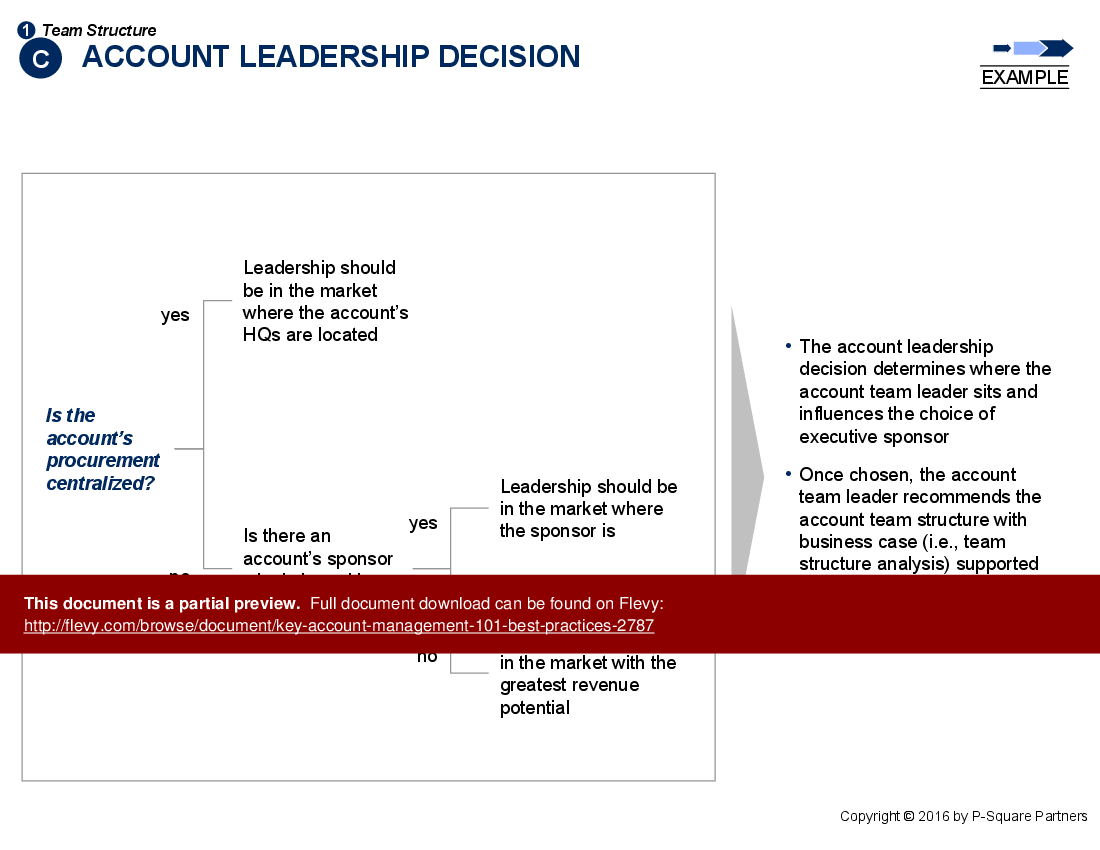
• Build a comprehensive team structure with clearly defined roles and responsibilities
• Develop an effective account plan and review process tailored to key accounts
• Identify and address key pain points in the implementation of a KAM program
• Create a structured roll-out plan for KAM initiatives across the organization
• Establish a communication strategy to engage stakeholders effectively
Table of Contents
• Document Description (page 2)
• Overview of Key Account Program (page 3)
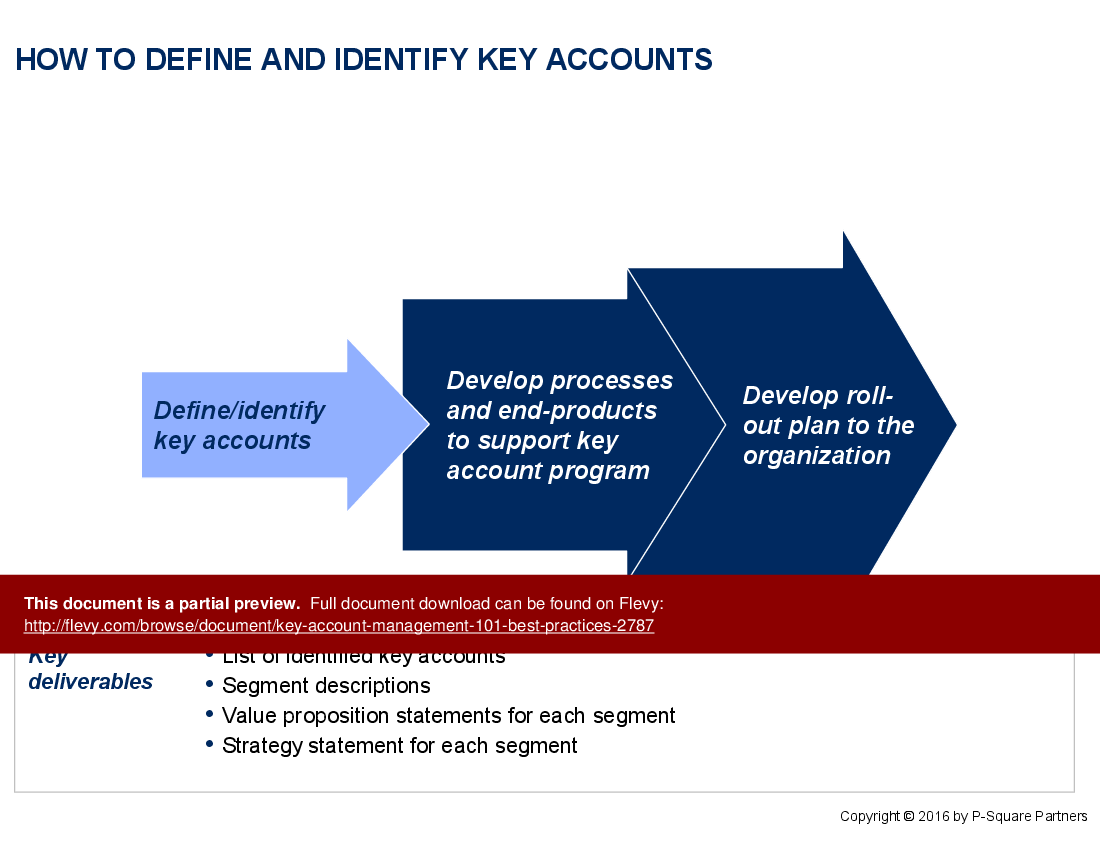
• How to Define and Identify Key Accounts (page 4)
• Summary of Defining and Identifying Key Accounts (page 5)
• What Can a Key Account Expect from a Company? (page 6)
• How Many Key Accounts Should a Company Have? (page 7)
• Key Account Segmentation Criteria (page 8)
• How to Develop Processes and End-Products to Support Key Account Program (page 9)
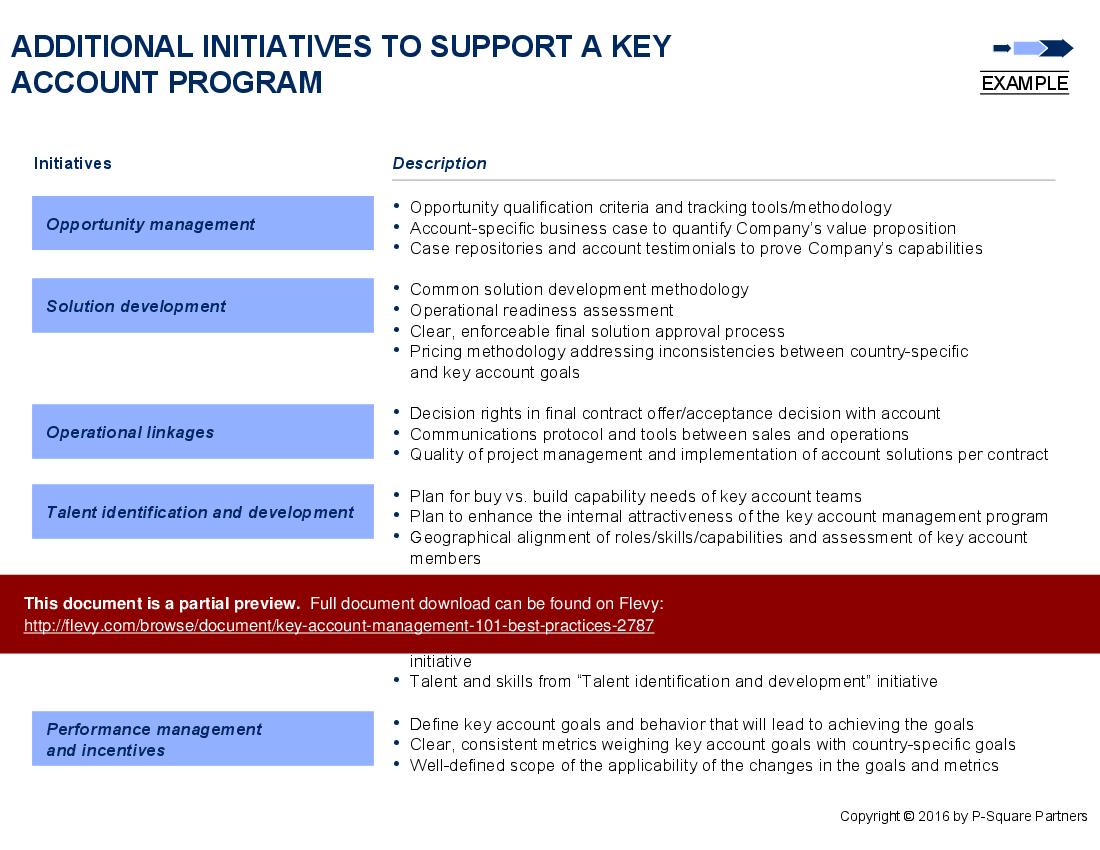
• Additional Initiatives to Support a Key Account Program (page 10)
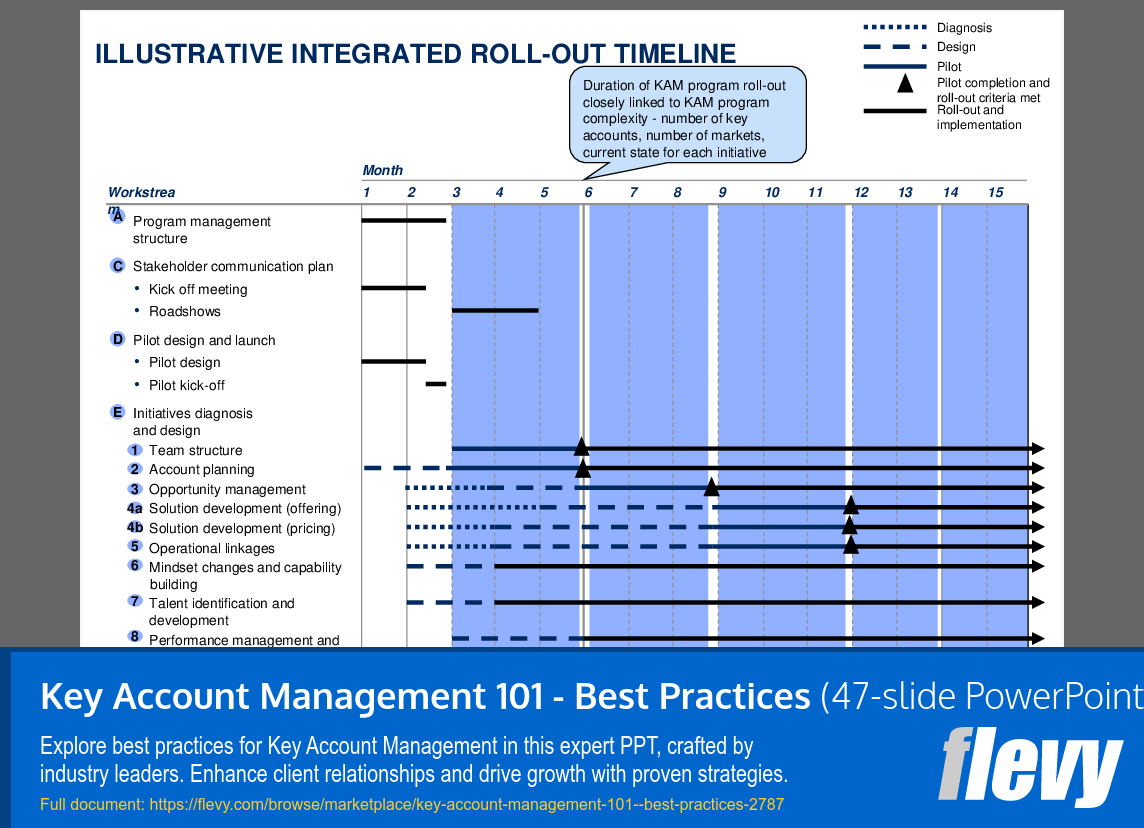
• How to Develop a Key Account Roll-Out Plan (page 11)
Primary Topics Covered
• Key Account Definition - A key account is defined as an account large enough to require a dedicated team providing consistent, high-quality service.
• Segmentation Criteria - Accounts are segmented based on potential operating profit and wallet size, ensuring distinct and actionable categories.
• Team Structure - A structured approach to defining roles and responsibilities within key account teams, ensuring clarity and accountability.
• Account Planning Process - A detailed process for creating and maintaining account plans that align with the needs of key accounts.
• Performance Management - Establishing metrics and performance indicators to track the success of KAM initiatives and account management efforts.
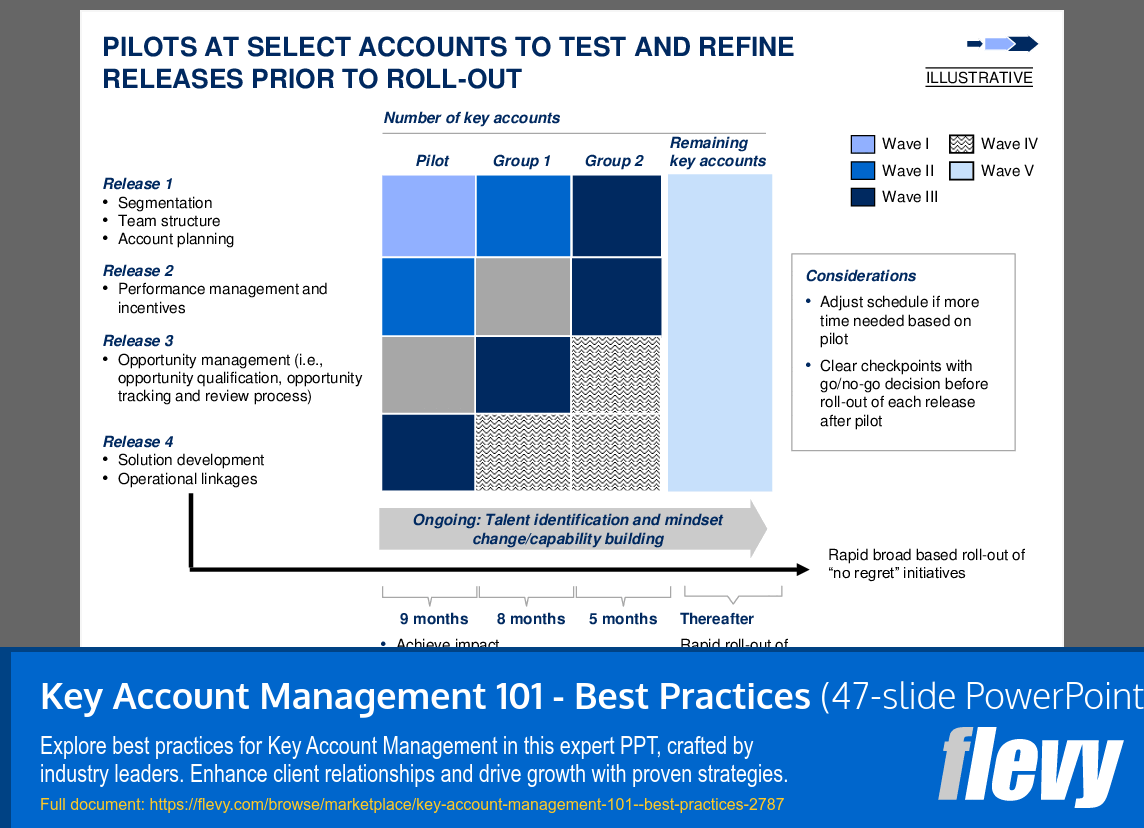
• Roll-Out Strategy - A comprehensive plan for implementing KAM initiatives across the organization, including pilot testing and stakeholder engagement.
Deliverables, Templates, and Tools
• Key account segmentation framework to categorize accounts effectively
• Team charter guidelines outlining roles, responsibilities, and operating principles
• Account planning templates to facilitate structured discussions and documentation
• Communication strategy templates for engaging stakeholders during the roll-out
• Performance management scorecards to track key account metrics and success
• Pilot program design templates to test KAM initiatives before full implementation
Slide Highlights
• Overview of the KAM program, illustrating the integrated approach for global and non-global accounts
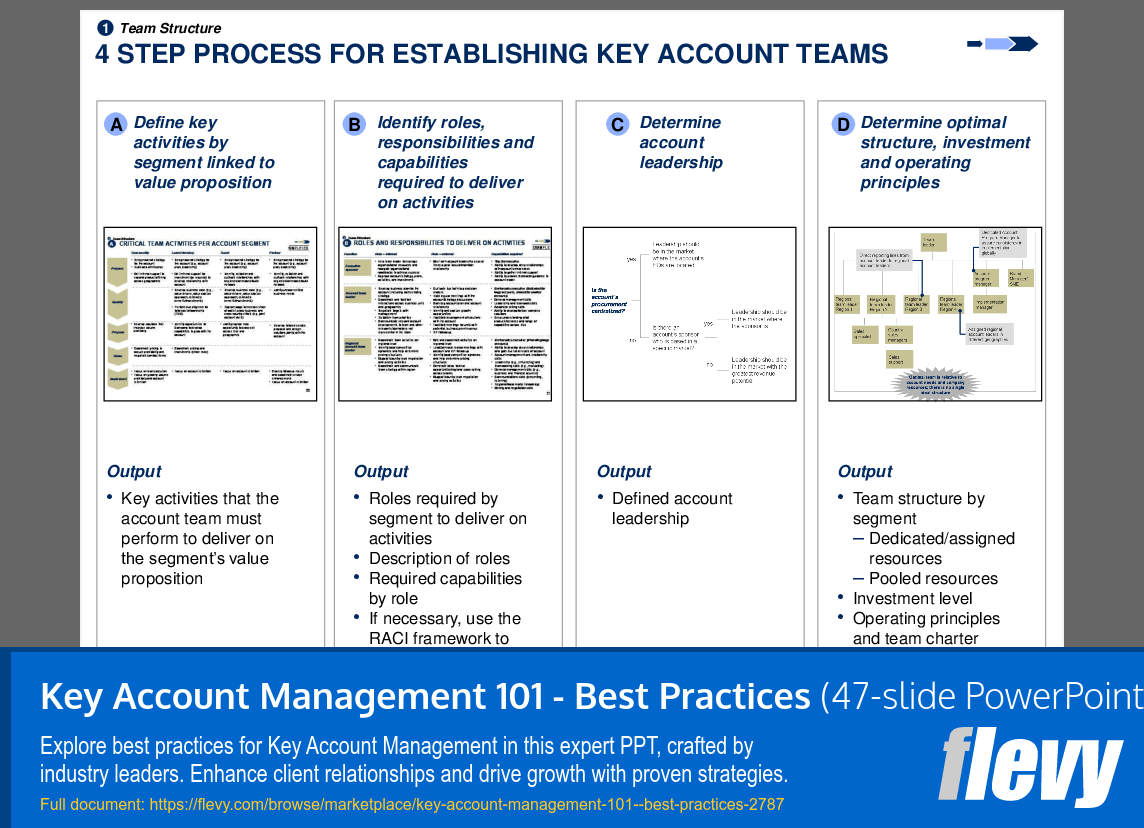
• Step-by-step process for establishing key account teams, detailing activities linked to value propositions
• Illustrative examples of segmentation criteria based on potential operating profit and wallet size
• Visual representation of the integrated roll-out timeline for KAM initiatives across multiple waves
• Key account team operating principles emphasizing collaboration and performance review
Potential Workshop Agenda
KAM Program Overview (60 minutes)
• Introduce the KAM framework and its importance
• Discuss segmentation criteria and identification of key accounts
• Review the roles and responsibilities within key account teams
Account Planning and Review Process (90 minutes)
• Outline the steps for developing effective account plans
• Engage in group exercises to create sample account plans
• Establish performance metrics and review processes
KAM Roll-Out Strategy (60 minutes)
• Define the structure and roles of the project management office
• Discuss communication strategies for stakeholder engagement
• Plan for pilot testing and subsequent roll-out phases
Customization Guidance
• Tailor segmentation criteria based on specific industry needs and customer behaviors
• Adjust team structures and roles to align with organizational capabilities and resources
• Modify the account planning process to reflect unique value propositions for different segments
• Incorporate organizational terminology and metrics into performance management tools
• Adapt communication strategies to fit the culture and preferences of stakeholders
Secondary Topics Covered
• Identification of key pain points in KAM program implementation
• Strategies for addressing anticipated tensions between sales and delivery processes
• Development of initiatives to enhance KAM capabilities within the organization
• Best practices for engaging with stakeholders throughout the KAM program lifecycle
FAQ
What is a key account?
A key account is defined as a customer that is significant enough in size and potential to warrant a dedicated account management approach, ensuring high-quality service and tailored solutions.
How should a company segment its key accounts?
Segmentation should be based on criteria such as potential operating profit and wallet size, ensuring that accounts are distinct and actionable for the organization.
What are the critical roles in a key account team?
Key roles typically include an account team leader, executive sponsor, and various support roles, each with defined responsibilities to ensure effective account management.
What should an account plan include?
An account plan should encompass an overview of the account, strategic objectives, performance metrics, and a clear action plan with assigned responsibilities.
How can a company ensure successful roll-out of KAM initiatives?
Success can be achieved by developing a structured roll-out plan that includes pilot testing, stakeholder engagement, and a clear communication strategy.
What metrics should be used to measure KAM success?
Metrics may include revenue growth, account satisfaction, share of wallet, and the number of new opportunities generated through proactive engagement.
How often should account plans be reviewed?
Account plans should be reviewed regularly, ideally on a quarterly basis, to ensure alignment with changing account needs and organizational goals.
What initiatives can support a KAM program?
Initiatives may include training programs for account teams, performance management frameworks, and tools for opportunity management and solution development.
Glossary
• Key Account - An important customer requiring dedicated management and tailored solutions.
• Segmentation - The process of categorizing accounts based on specific criteria such as potential profit.
• Team Charter - A document outlining the roles, responsibilities, and operating principles of a team.
• Account Plan - A strategic document detailing objectives, actions, and metrics for managing a key account.
• Performance Management - The process of tracking and evaluating the success of KAM initiatives.
• Roll-Out Plan - A structured approach for implementing KAM initiatives across the organization.
• Stakeholder Engagement - The process of communicating and involving key individuals in the KAM program.
• Pilot Testing - A preliminary implementation of KAM initiatives to assess effectiveness before full roll-out.
• Value Proposition - A statement that outlines why a customer should choose a company over its competitors.
• Total Cost of Ownership (TCO) - A financial estimate that helps buyers determine the direct and indirect costs of a product or service.
• Communication Strategy - A plan for how information will be shared with stakeholders during the KAM program.
• Initiative - A specific action or project aimed at improving the KAM program and its effectiveness.
Source: Best Practices in Sales, Key Account Management, Bain PowerPoint PowerPoint Slides: Key Account Management 101 - Best Practices PowerPoint (PPT) Presentation Slide Deck, P-Square Partners
This document is available as part of the following discounted bundle(s):
Save %!
P-Square Partners Best Selling Consulting Frameworks & Tools


This bundle contains 7 total documents. See all the documents to the right.
|
Download our FREE Strategy & Transformation Framework Templates
Download our free compilation of 50+ Strategy & Transformation slides and templates. Frameworks include McKinsey 7-S, Balanced Scorecard, Disruptive Innovation, BCG Curve, and many more. |