
This framework is developed by a team of former McKinsey and Big 4 consultants. The presentation follows the headline-body-bumper slide format used by global consulting firms.
Explore the Difficult Conversations Framework by ex-McKinsey & Big 4 consultants. Master conflict resolution with structured insights and practical tools. Difficult Conversations Framework is a 31-slide PPT PowerPoint presentation slide deck (PPTX) available for immediate download upon purchase.
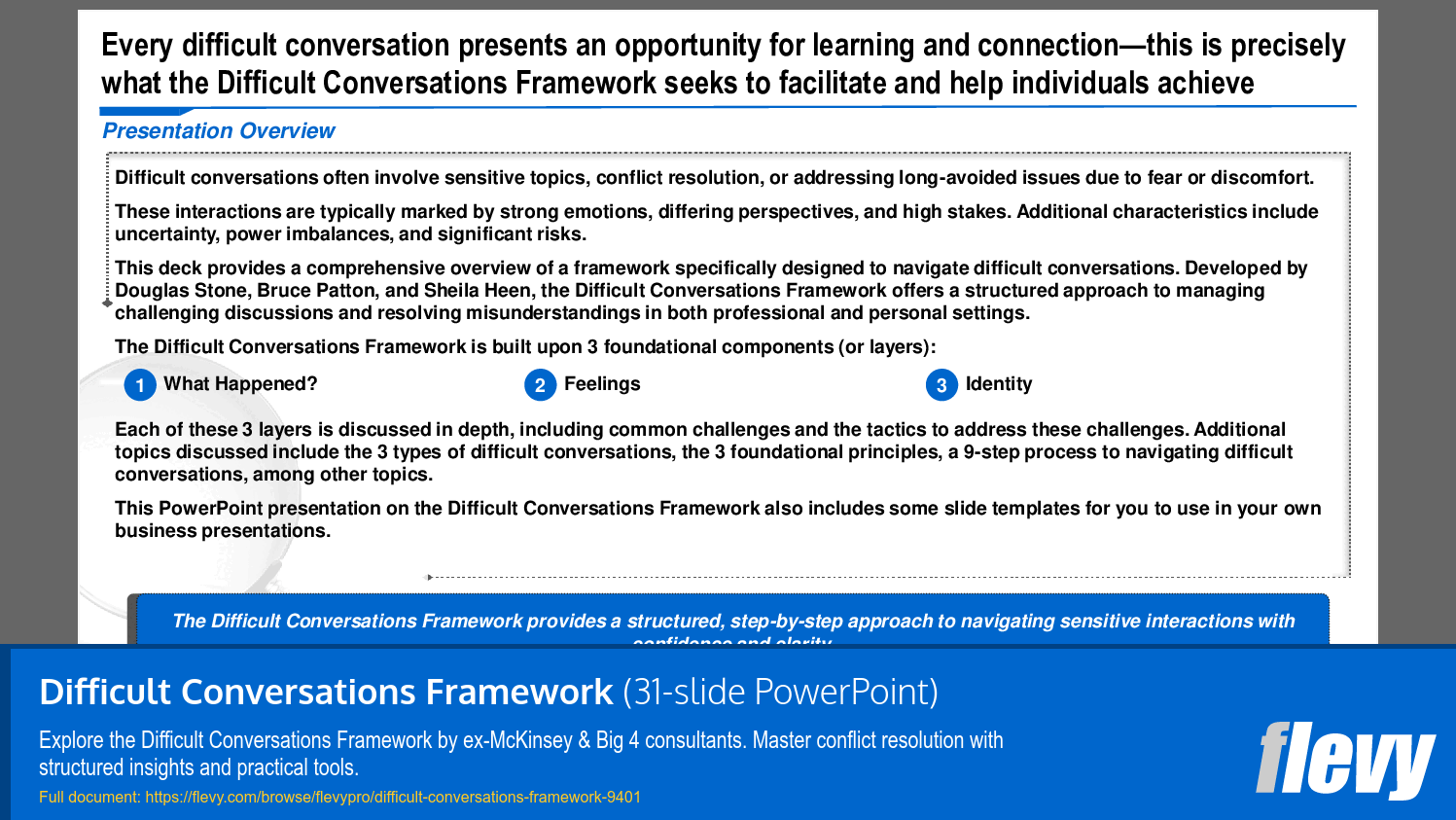
Difficult conversations often involve sensitive topics, conflict resolution, or addressing long-avoided issues due to fear or discomfort.
These interactions are typically marked by strong emotions, differing perspectives, and high stakes. Additional characteristics include uncertainty, power imbalances, and significant risks.
This PPT deck provides a comprehensive overview of a framework specifically designed to navigate difficult conversations. Developed by Douglas Stone, Bruce Patton, and Sheila Heen, the Difficult Conversations Framework offers a structured approach to managing challenging discussions and resolving misunderstandings in both professional and personal settings.
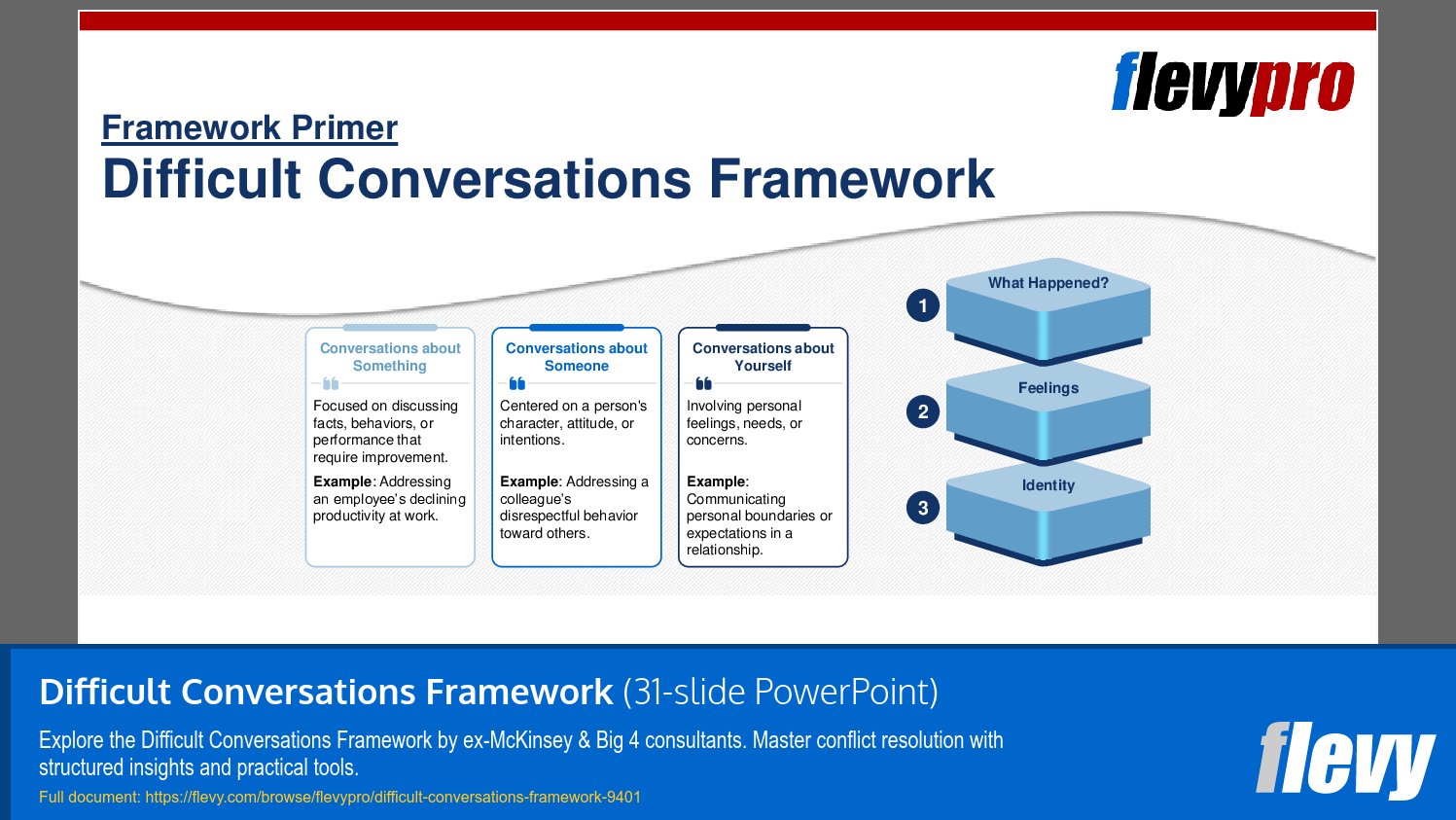
The Difficult Conversations Framework is built upon 3 foundational components (or layers):
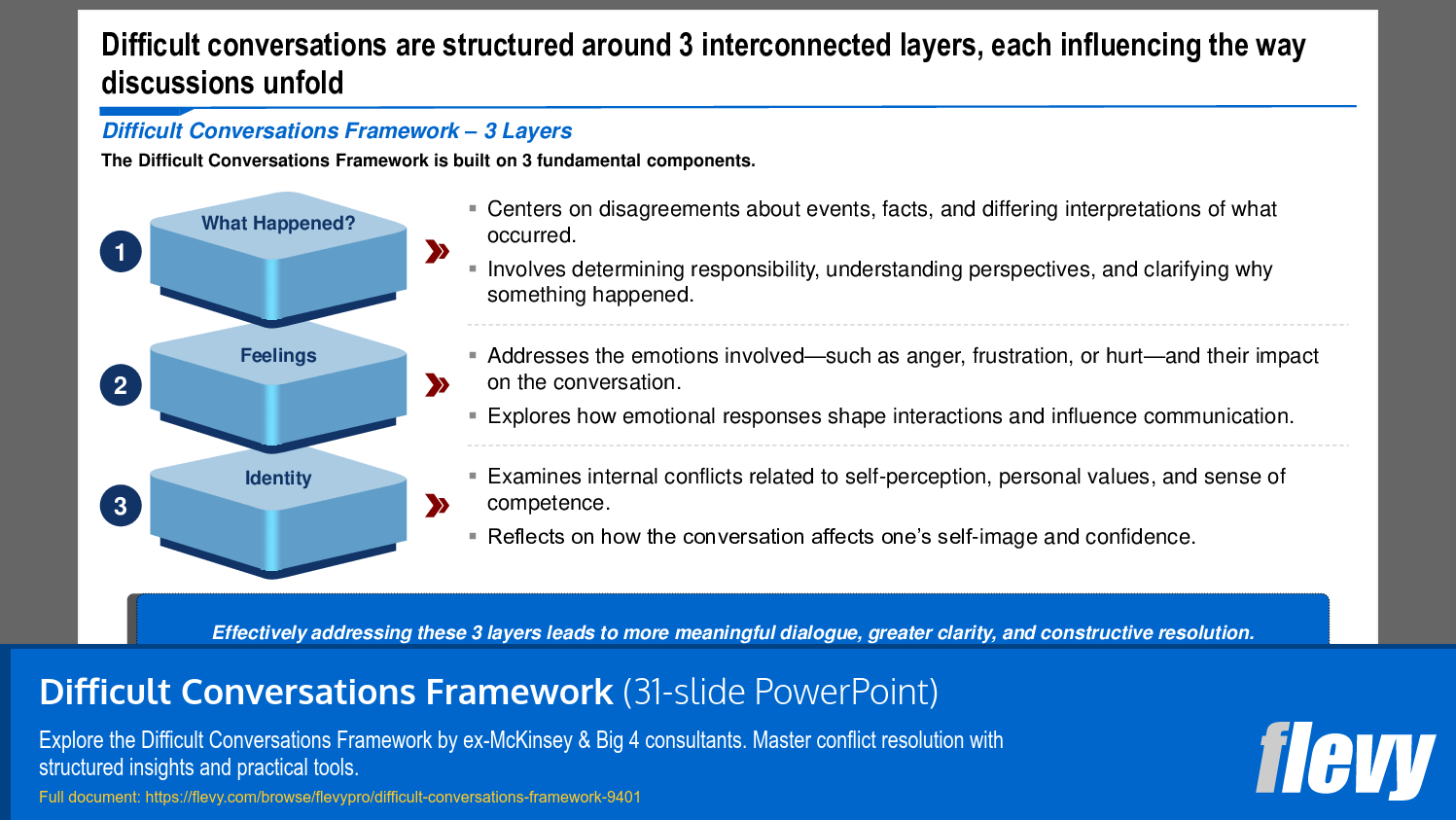
1. What Happened?
• This layer focuses on the factual aspects of the conversation—what occurred, who was involved, and why it happened. It often includes disagreements about events, intentions, and responsibility.
2. Feelings
• This layer focuses on the emotions underlying the issue. Feelings such as frustration, anger, hurt, or fear often intensify the conversation and significantly impact its outcome.
3. Identity
• This layer involves the internal dialogue individuals have about how a situation affects their self-image, values, and sense of competence. It reflects concerns about how others perceive them and their overall sense of self-worth.
Each of these 3 layers is discussed in depth, including common challenges and the tactics to address these challenges. Additional topics discussed include the 3 types of difficult conversations, the 3 foundational principles, a 9-step process to navigating difficult conversations, among other topics.
This PowerPoint presentation on the Difficult Conversations Framework also includes some slide templates for you to use in your own business presentations.
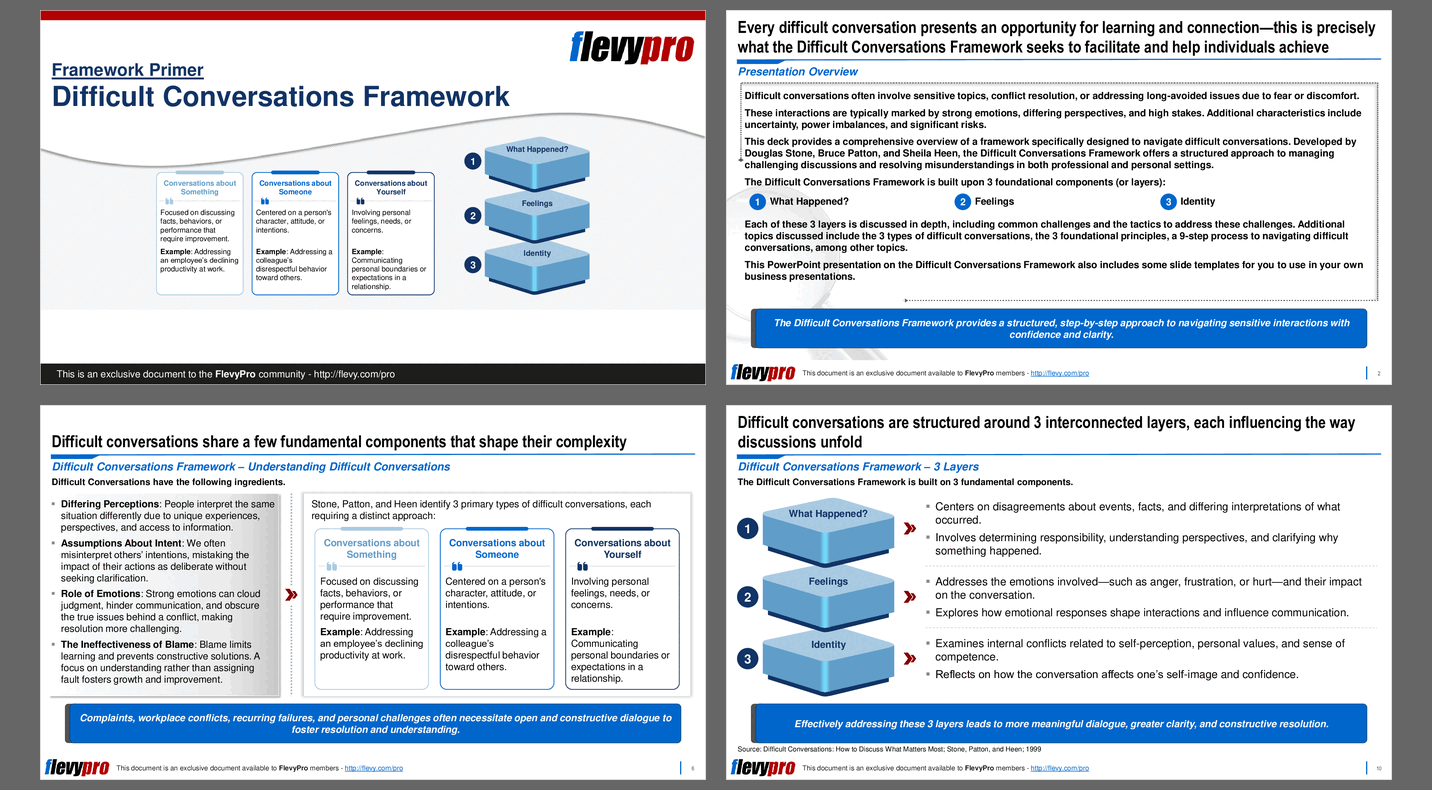
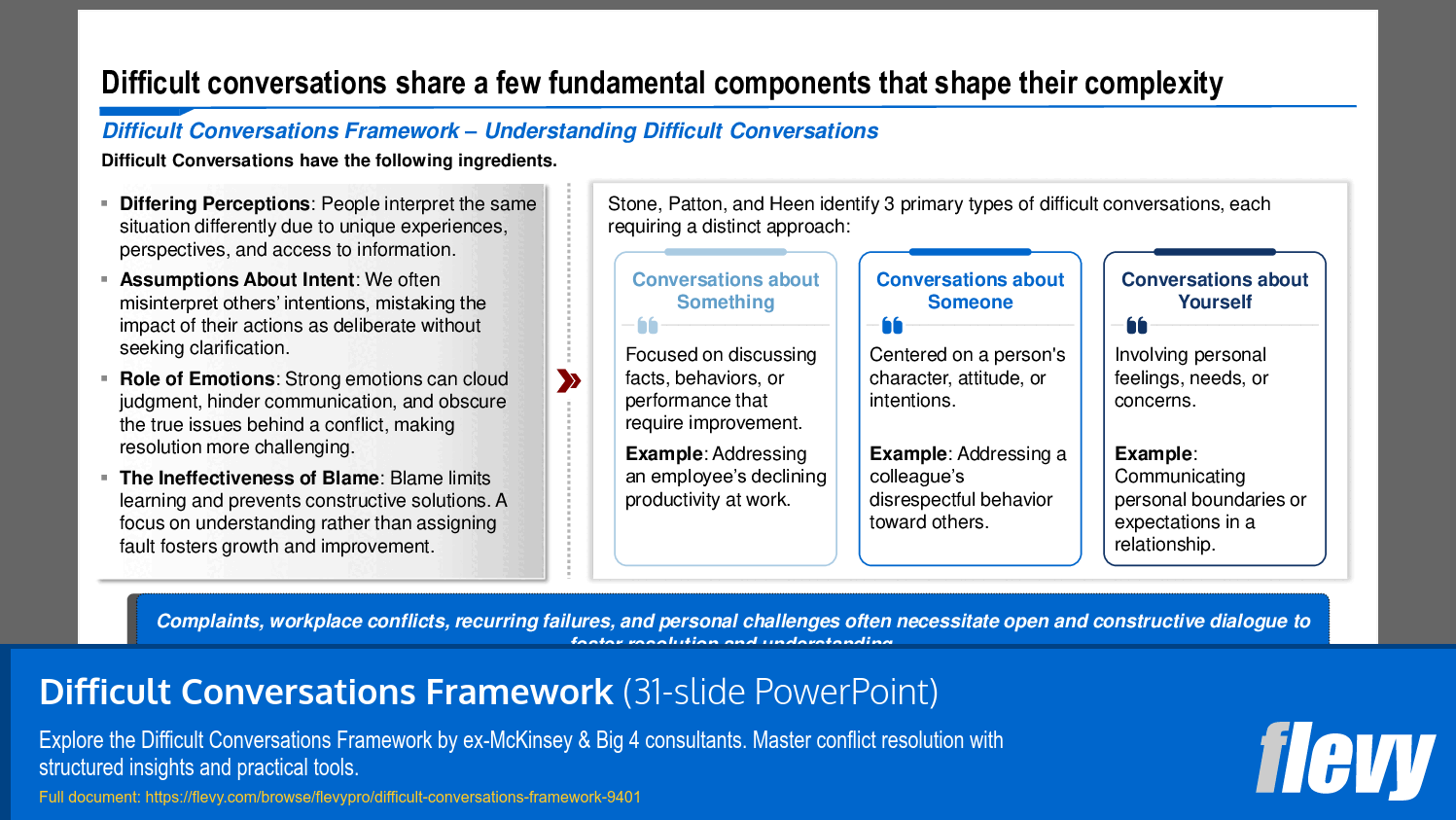
This PPT slide outlines the components of difficult conversations and categorizes them into 3 types. Key ingredients include differing perceptions, which can lead to misunderstandings; assumptions about intent, where actions are misinterpreted; and the role of emotions, which can obscure judgment and complicate conflict resolution. The ineffectiveness of blame hinders learning and constructive dialogue, while focusing on understanding promotes growth. The 3 types of difficult conversations are: "Conversations about Something," addressing specific facts or behaviors; "Conversations about Someone," focusing on character or intentions; and "Conversations about Yourself," involving personal feelings or needs. This framework emphasizes clarity, emotional awareness, and constructive dialogue to enhance communication effectiveness in personal and professional contexts.
The "Difficult Conversations Framework" consists of 3 interconnected layers: What Happened, Feelings, and Identity. The first layer, "What Happened," addresses factual disagreements, emphasizing the need for clarifying events and understanding perspectives to establish a shared understanding. The second layer, "Feelings," explores how emotions like anger and frustration influence communication, highlighting the importance of recognizing and validating these feelings for productive exchanges. The third layer, "Identity," examines internal conflicts related to self-perception and values, which can lead to defensiveness if not addressed. Effectively navigating these layers fosters meaningful dialogue, clarity, and constructive resolution, making the framework a valuable tool for leaders and teams in challenging discussions.
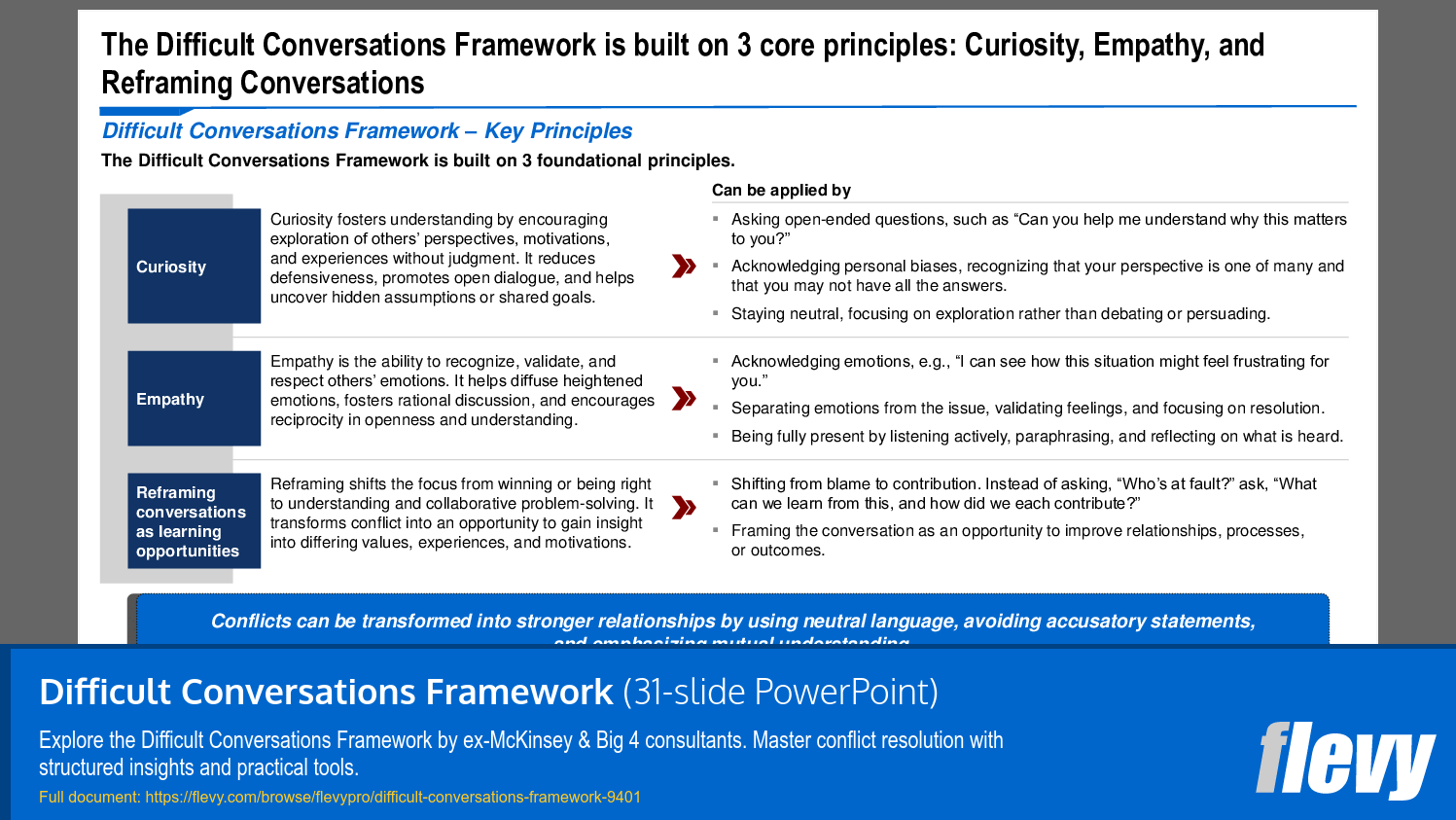
The Difficult Conversations Framework is built on 3 key concepts: Curiosity, Empathy, and Reframing Conversations. Curiosity promotes understanding different perspectives through open-ended questions, reducing defensiveness and uncovering hidden assumptions. Empathy involves recognizing and validating emotions, crucial for diffusing heightened emotions and fostering rational discussions. Acknowledging feelings builds reciprocity and openness, encouraging constructive exchanges. Reframing Conversations shifts focus from blame to contribution, viewing conflicts as opportunities for learning. This approach enhances understanding of differing values and motivations, promoting improved relationships and processes. These principles transform difficult conversations into opportunities for growth and collaboration, valuable for leaders enhancing communication strategies.
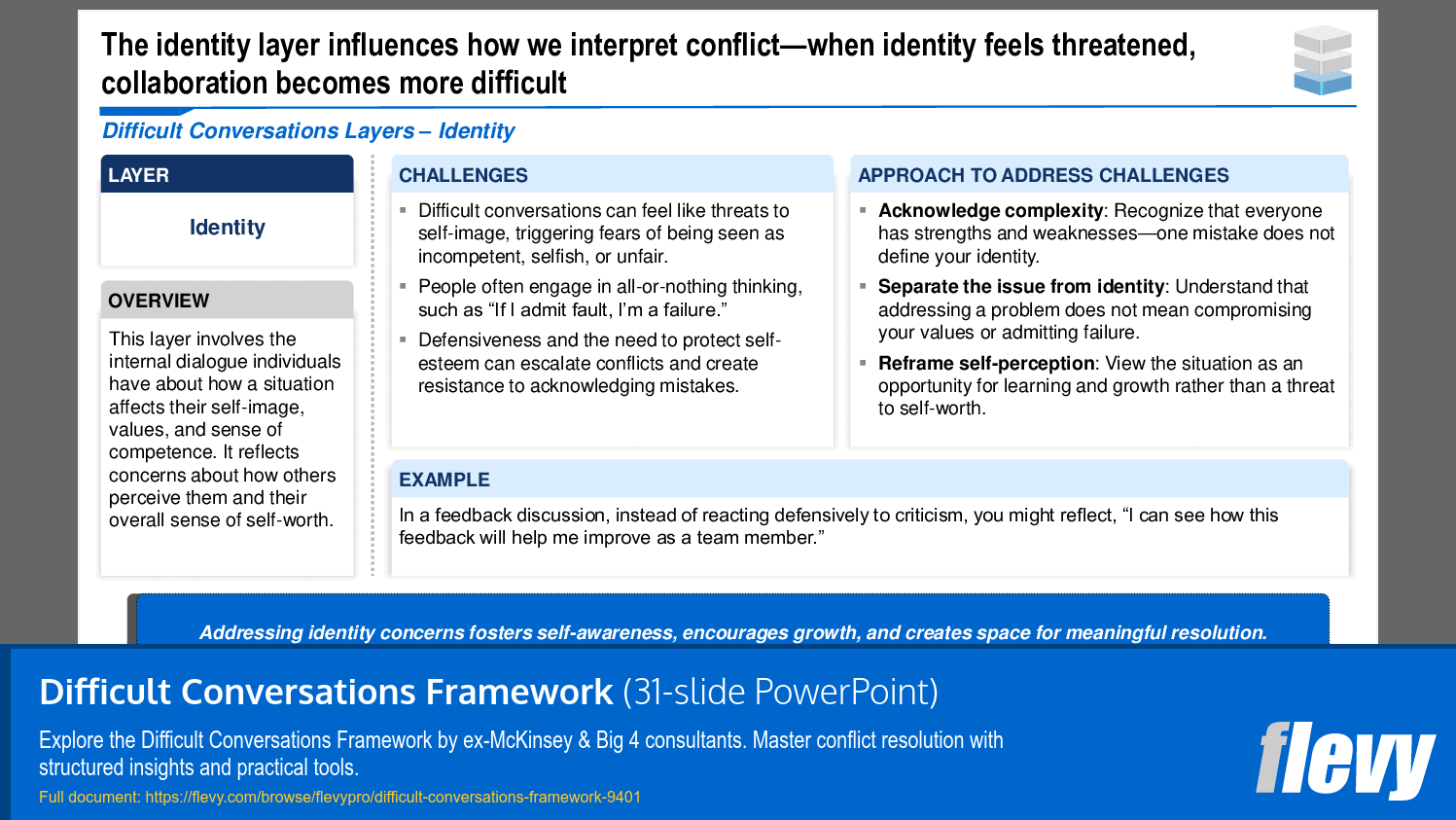
This PPT slide presents a framework for understanding the identity layer in difficult conversations, focusing on how personal perceptions complicate conflict resolution. The identity layer encompasses individuals' internal dialogues about self-image, values, and competence, where concerns about others' perceptions can impact self-worth. Difficult conversations often trigger fears related to self-image, leading to defensiveness and all-or-nothing thinking, which escalates conflicts. To mitigate these challenges, recognizing the complexity of identity is essential; mistakes do not define one's entire self. Separating the issue from personal identity and reframing self-perception can transform conflicts into opportunities for growth. For example, during feedback discussions, viewing feedback as a tool for personal development fosters constructive dialogue and enhances self-awareness, leading to improved conflict resolution.
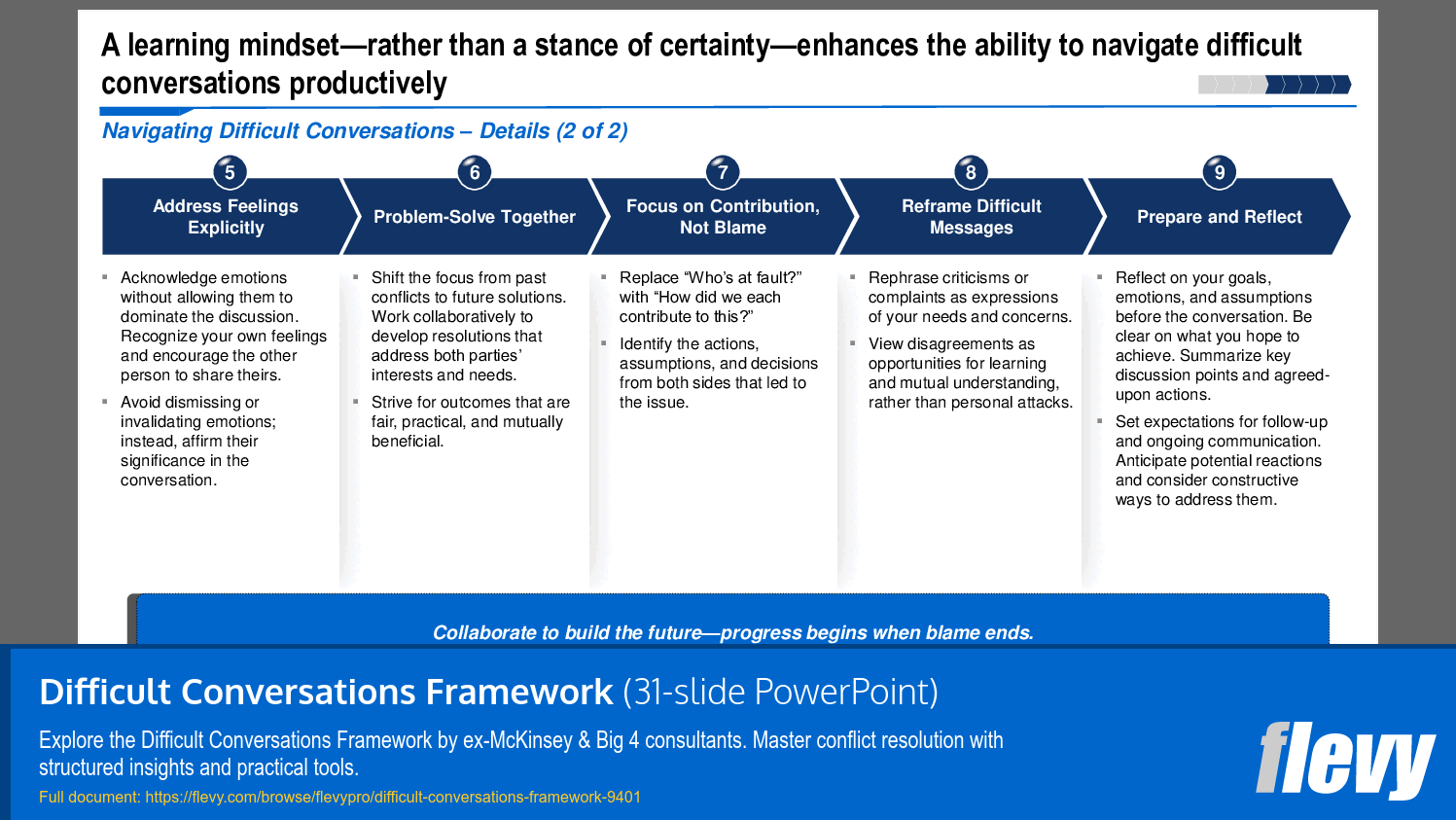
This PPT slide outlines a framework for navigating difficult conversations, featuring 5 key steps to enhance communication and resolution. Step 5, "Address Feelings Explicitly," emphasizes acknowledging emotions without overshadowing the dialogue, validating both parties' feelings. "Problem-Solve Together" shifts focus from blame to collaborative resolution, encouraging participants to ask how they can jointly contribute to solutions. "Focus on Contribution, Not Blame" promotes identifying actions that led to the issue, fostering shared responsibility. "Prepare and Reflect" highlights the importance of pre-conversation preparation, advising on personal goals and summarizing key points for effective follow-up. This framework provides actionable insights for leaders to improve their communication skills during challenging discussions.
Source: Best Practices in Corporate Communications, Soft Skills PowerPoint Slides: Difficult Conversations Framework PowerPoint (PPTX) Presentation Slide Deck, LearnPPT Consulting
This framework is developed by a team of former McKinsey and Big 4 consultants. The presentation follows the headline-body-bumper slide format used by global consulting firms.
For $10.00 more, you can download this document plus 2 more FlevyPro documents. That's just $13 each.
ABOUT FLEVYPRO
This document is part of the FlevyPro Library, a curated knowledge base of documents for our FlevyPro subscribers.

FlevyPro is a subscription service for on-demand business frameworks and analysis tools. FlevyPro subscribers receive access to an exclusive library of curated business documents—business framework primers, presentation templates, Lean Six Sigma tools, and more—among other exclusive benefits.
The average daily rate of a McKinsey consultant is $6,625 (not including expenses). The average price of a Flevy document is $65.
Trusted by over 10,000+ Client Organizations
Since 2012, we have provided business templates to over 10,000 businesses and organizations of all sizes, from startups and small businesses to the Fortune 100, in over 130 countries.
Read Customer Testimonials
"[Flevy] produces some great work that has been/continues to be of immense help not only to myself, but as I seek to provide professional services to my clients, it gives me a large "tool box" of resources that are critical to provide them with the quality of service and outcomes they are expecting."
– Royston Knowles, Executive with 50+ Years of Board Level Experience
"One of the great discoveries that I have made for my business is the Flevy library of training materials.
As a Lean Transformation Expert, I am always making presentations to clients on a variety of topics: Training, Transformation, Total Productive Maintenance, Culture, Coaching, Tools, Leadership Behavior, etc. Flevy
It is well worth the money to purchase these presentations. Sure, I have the knowledge and information to make my point. It is another thing to create a presentation that captures what I want to say. Flevy has saved me countless hours of preparation time that is much better spent with implementation that will actually save money for my clients.
"
– Ed Kemmerling, Senior Lean Transformation Expert at PMG
"I have found Flevy to be an amazing resource and library of useful presentations for lean sigma, change management and so many other topics. This has reduced the time I need to spend on preparing for my performance consultation. The library is easily accessible and updates are regularly provided. A wealth of great information."
– Cynthia Howard RN, PhD, Executive Coach at Ei Leadership
"As a small business owner, the resource material available from FlevyPro has proven to be invaluable. The ability to search for material on demand based our project events and client requirements was great for me and proved very beneficial to my clients. Importantly, being able to easily edit and tailor
the material for specific purposes helped us to make presentations, knowledge sharing, and toolkit development, which formed part of the overall program collateral. While FlevyPro contains resource material that any consultancy, project or delivery firm must have, it is an essential part of a small firm or independent consultant's toolbox.
"
– Michael Duff, Managing Director at Change Strategy (UK)
"The wide selection of frameworks is very useful to me as an independent consultant. In fact, it rivals what I had at my disposal at Big 4 Consulting firms in terms of efficacy and organization."
– Julia T., Consulting Firm Owner (Former Manager at Deloitte and Capgemini)
"As a young consulting firm, requests for input from clients vary and it's sometimes impossible to provide expert solutions across a broad spectrum of requirements. That was before I discovered Flevy.com.
Through subscription to this invaluable site of a plethora of topics that are key and crucial to consulting, I
have been able to exceed expectations and deliver quality advice and solutions to my clients. The quality and expertise of the authors are exemplary and gives me great confidence to use as part of my service offerings.
I highly recommend this company for any consultant wanting to apply international best practice standards in their service offerings.
"
– Nishi Singh, Strategist and MD at NSP Consultants
"I like your product. I'm frequently designing PowerPoint presentations for my company and your product has given me so many great ideas on the use of charts, layouts, tools, and frameworks. I really think the templates are a valuable asset to the job."
– Roberto Fuentes Martinez, Senior Executive Director at Technology Transformation Advisory
"As an Independent Management Consultant, I find Flevy to add great value as a source of best practices, templates and information on new trends. Flevy has matured and the quality and quantity of the library is excellent. Lastly the price charged is reasonable, creating a win-win value for
the customer, Flevy and the various authors. This is truly a service that benefits the consulting industry and associated clients. Thanks for providing this service.
Download our free compilation of 50+ slides and templates on Organizational Design, Change Management, and Corporate Culture. Methodologies include ADKAR, Burke-Litwin Change Model, McKinsey 7-S, Competing Values Framework, etc.