
Introduction:
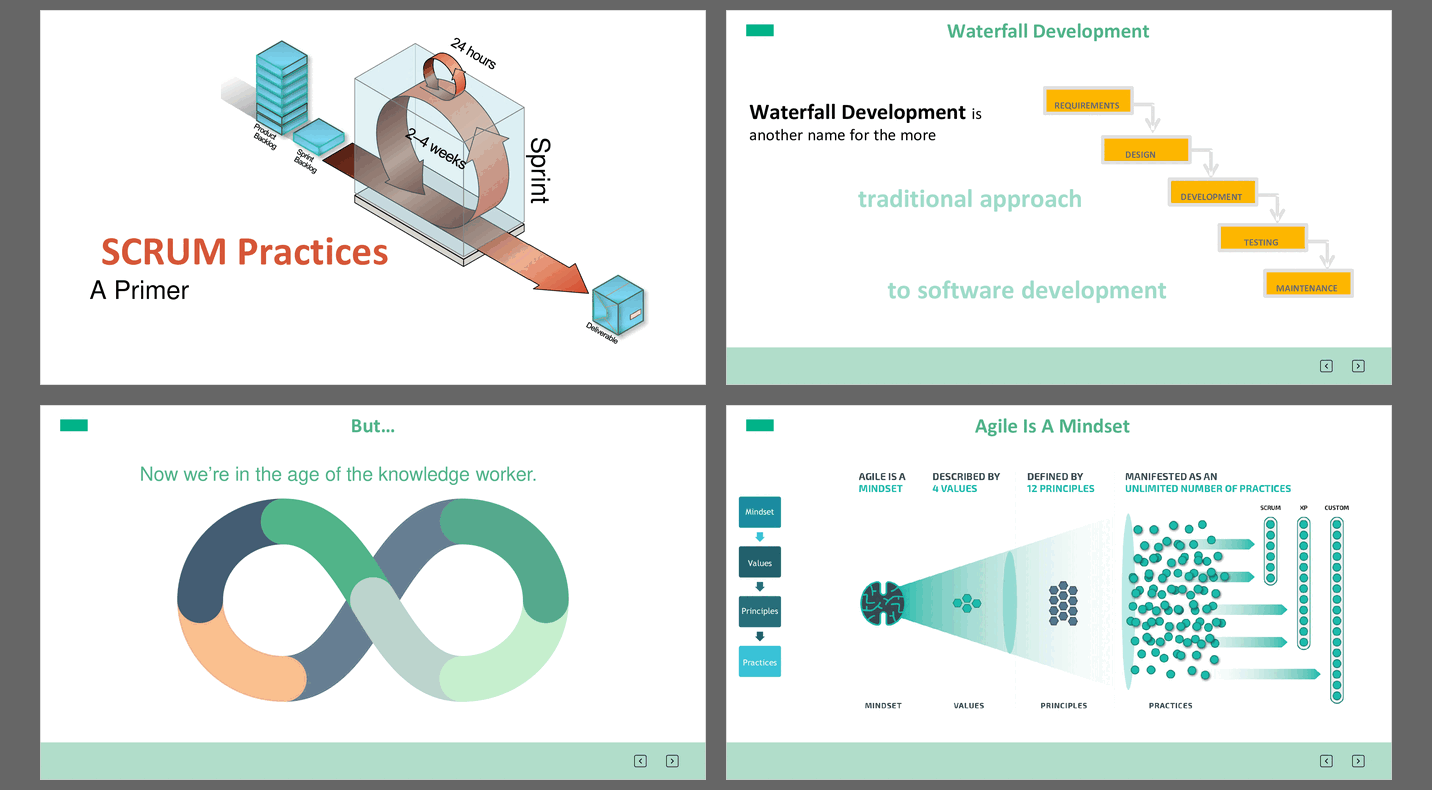
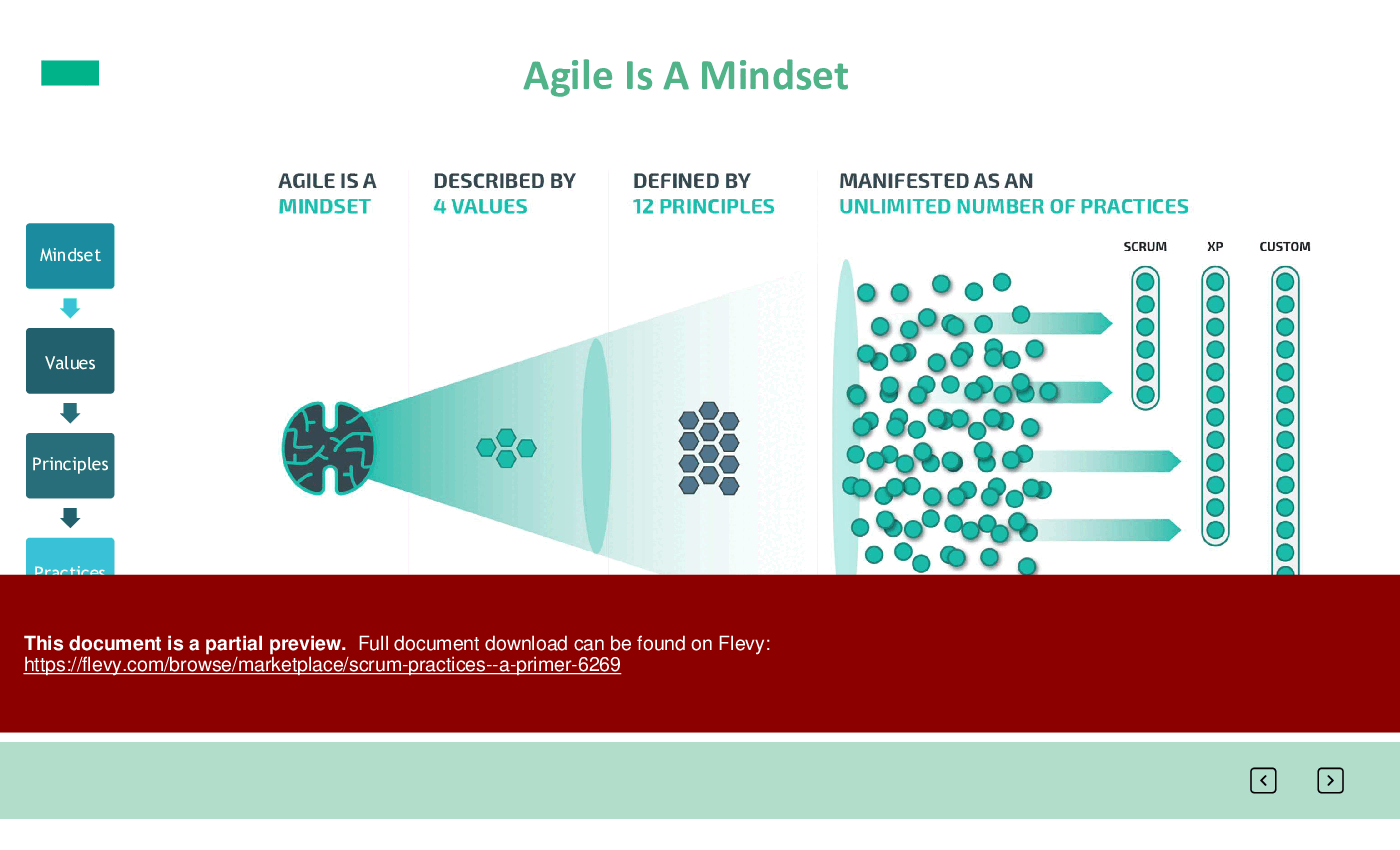
In the fast-paced landscape of modern work and digital transformation, the Agile mindset emerges as a guiding philosophy. It's a mindset that transcends boundaries, enabling teams to work efficiently, deliver high-quality products, and navigate constraints and limitations. At its core, Agile encapsulates 4 values, 12 principles, and a multitude of practices, with Scrum standing out as the most renowned, lightweight, and effective approach.
1. The Essence of Agile:
• A Mindset for Efficiency: Understanding how Agile thinking enhances efficiency and effectiveness.
• Navigating Constraints: Adapting to limitations while ensuring the highest quality outcomes.
2. Scrum Unveiled:
• Scrum in the Agile Universe: Exploring Scrum as the pinnacle of Agile practices.
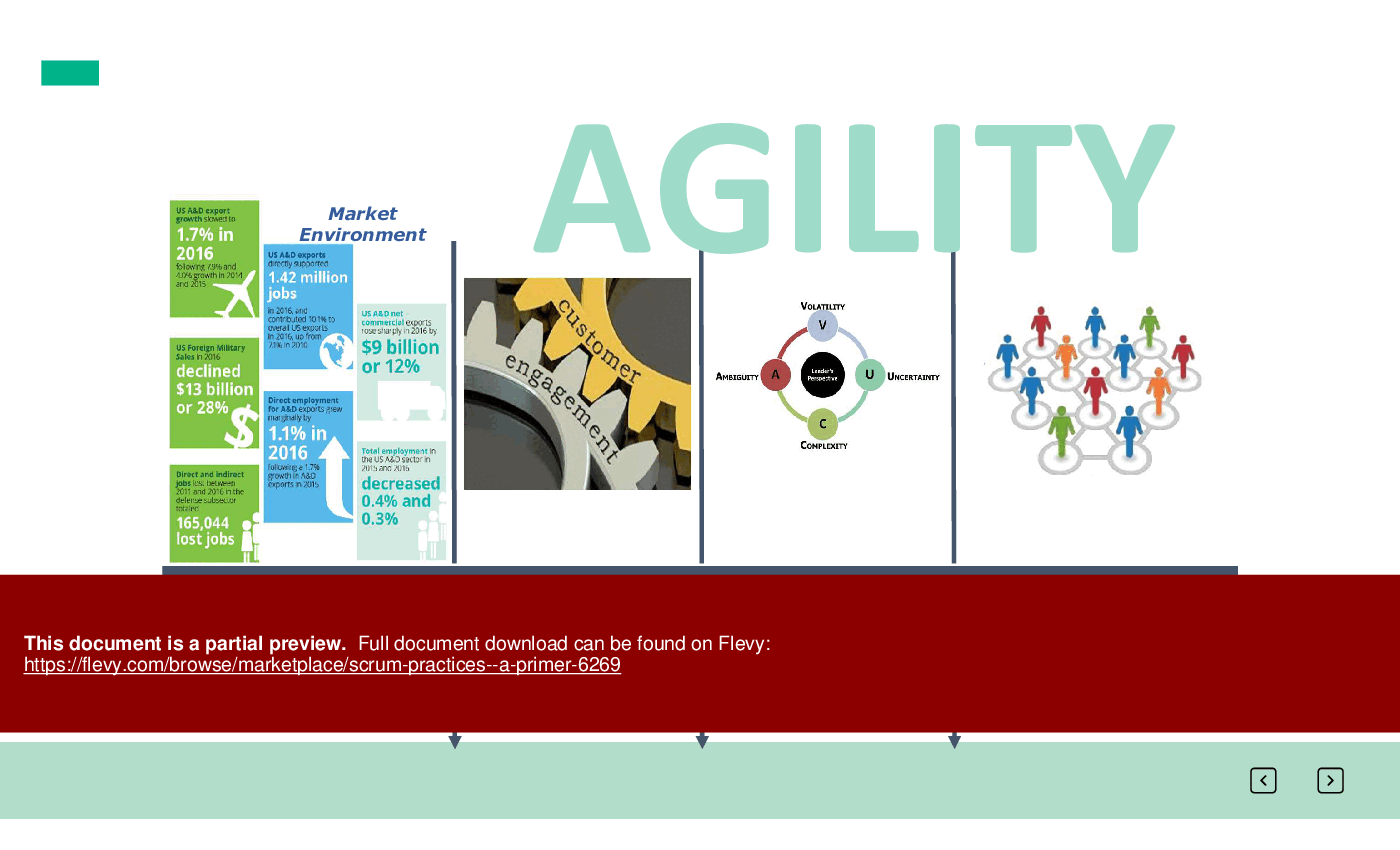
• Digital Transformation and Agility: Embracing agility in the era of digital transformation.
• Navigating Agile Workflows: Simplified figures and schemes elucidate the intricacies of Agile work processes.
3. Primer of Scrum:
• Unpacking Scrum: A detailed exploration of Scrum as a practice.
• Product Owner's Role: Delving into the responsibilities and impact of the Product Owner.
• Scrum Master's Expertise: Understanding the vital role and expertise of the Scrum Master.
• The Power of the Team: Spotlighting the significance of a collaborative and empowered team.
4. Tailor-Made Agility:
• Customizable Content: Customize the presentation to align with your specific audience and objectives.
• Flexibility at Its Core: Select and omit content seamlessly to suit your needs.
• Visual Clarity: Harness the power of graphics to gain a comprehensive understanding of Agile and Scrum.
In the age of digital transformation, embracing the Agile mindset is not just a choice; it's a necessity. This presentation serves as your compass, simplifying the intricate landscape of Agile thinking, with Scrum as the guiding star. Unlock efficiency, deliver excellence, and embrace agility in your daily work and career. Customize the content, explore Agile workflows, and embark on a journey towards a more agile, efficient, and successful future.
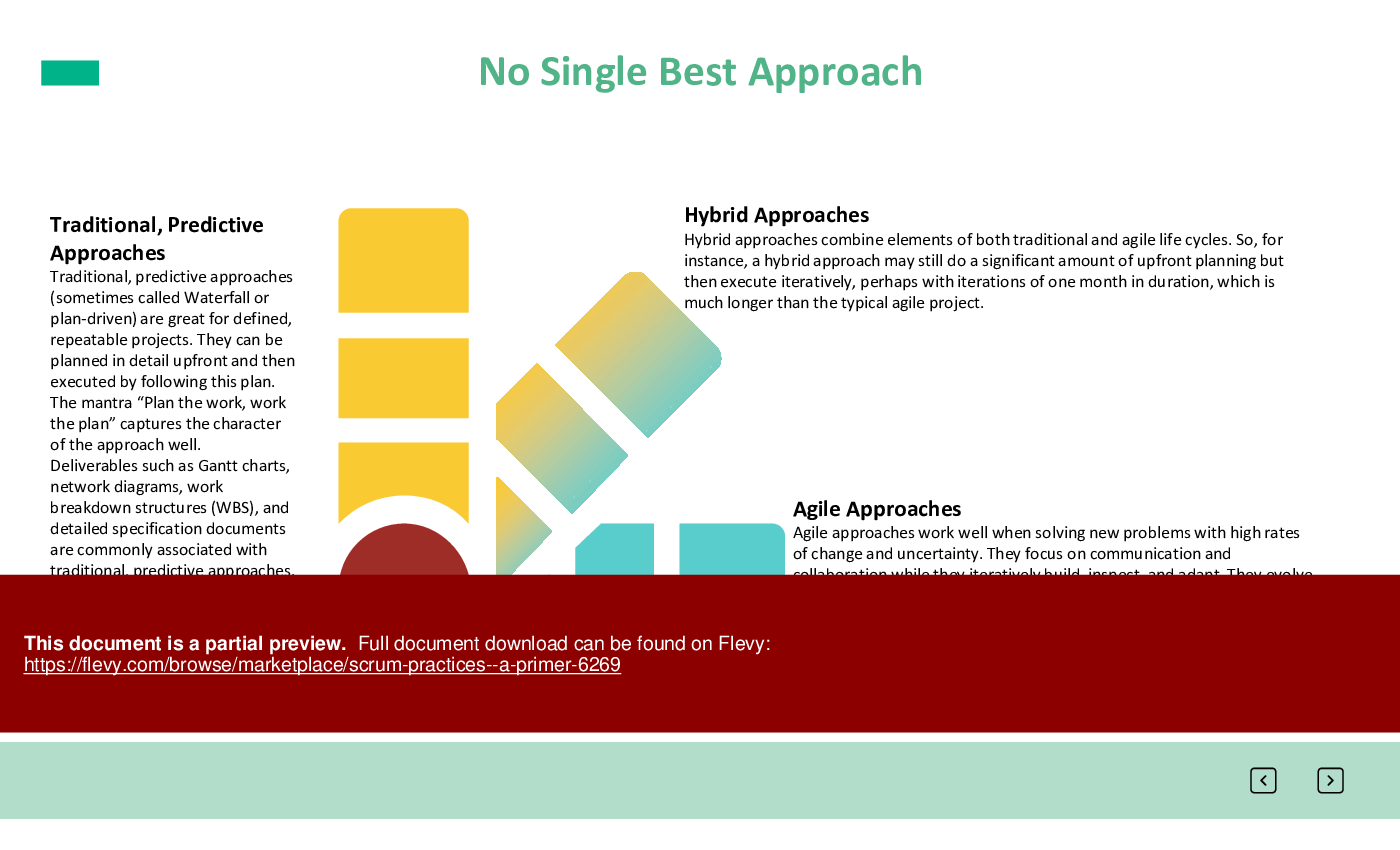
Explore the nuances of traditional, hybrid, and agile approaches to project management. Gain insights into the roles, ceremonies, and metrics that drive successful Scrum implementations.
Got a question about the product? Email us at support@flevy.com or ask the author directly by using the "Ask the Author a Question" form. If you cannot view the preview above this document description, go here to view the large preview instead.
Executive Summary
The "Scrum Practices - A Primer" presentation is a comprehensive introduction to Agile Scrum methodologies, designed to equip teams with the foundational knowledge necessary to implement Scrum effectively. Developed by experts with extensive consulting backgrounds at McKinsey, Deloitte, and Capgemini, this presentation covers essential Scrum roles, ceremonies, and artifacts. Buyers will gain insights into the Agile mindset, the importance of iterative development, and the roles of the Product Owner, Scrum Master, and development team. This resource aims to enhance collaboration and productivity within teams, setting the stage for successful project execution.
Who This Is For and When to Use
• Project Managers seeking to implement Agile methodologies in their teams
• Scrum Masters looking to refine their understanding of Scrum practices
• Product Owners who need to prioritize and manage product backlogs
• Development teams aiming to improve collaboration and efficiency
Best-fit moments to use this deck:
• During Agile transformation initiatives to introduce Scrum practices
• In training sessions for new Scrum teams to establish foundational knowledge
• As a reference for ongoing Scrum ceremonies and roles
Learning Objectives
• Define the core principles of Agile and Scrum methodologies
• Identify the roles and responsibilities of the Scrum Master, Product Owner, and development team
• Explain the significance of Scrum ceremonies and artifacts in project management
• Build a product backlog and prioritize user stories effectively
• Conduct Sprint Planning, Daily Scrums, Sprint Reviews, and Retrospectives
• Recognize the importance of continuous improvement in Agile practices
Table of Contents
• Introduction to Scrum Practices (page 1)
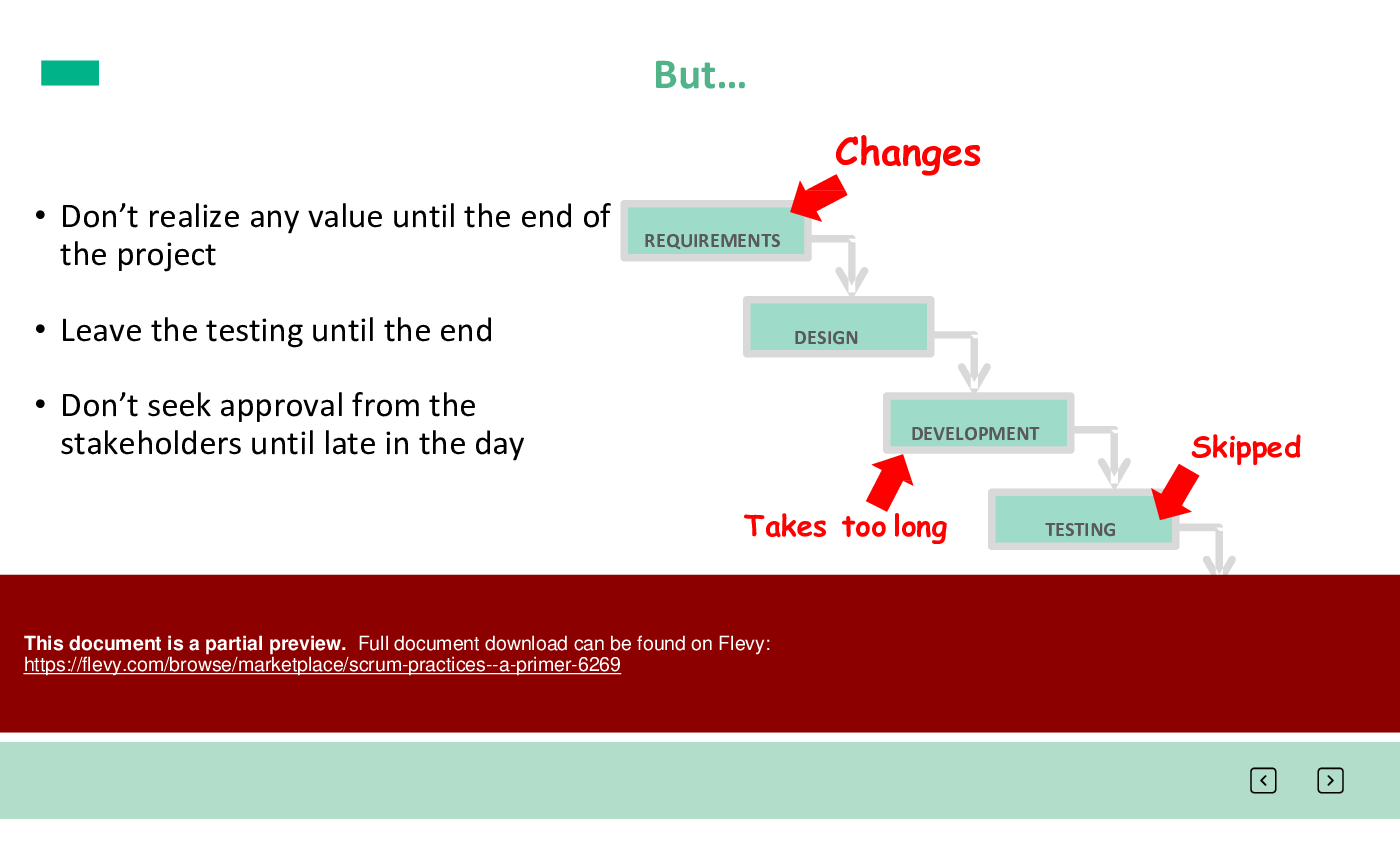
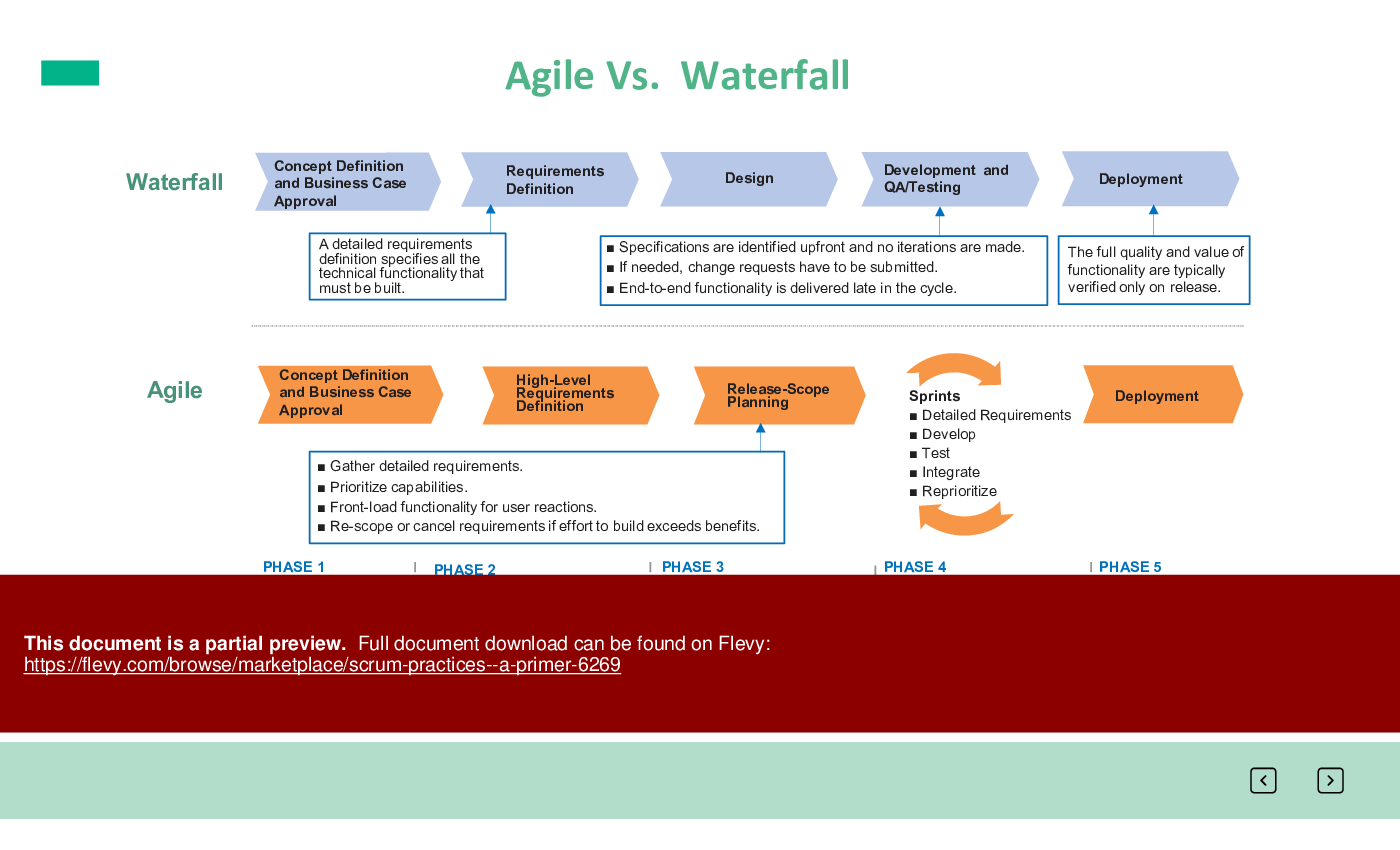
• Agile vs. Waterfall Methodologies (page 5)
• Scrum Roles and Responsibilities (page 10)
• Scrum Ceremonies Overview (page 15)
• The Sprint Process (page 20)
• Tools for Scrum Implementation (page 30)
• Glossary of Terms (page 35)
Primary Topics Covered
• Agile Methodologies - Agile methodologies focus on iterative development and adaptability, emphasizing collaboration and customer feedback.
• Scrum Framework - Scrum is a lightweight framework that facilitates team collaboration and addresses complex adaptive problems.
• Scrum Roles - Key roles include the Scrum Master, Product Owner, and development team, each with distinct responsibilities.
• Scrum Ceremonies - Essential ceremonies include Sprint Planning, Daily Scrum, Sprint Review, and Sprint Retrospective, which foster communication and continuous improvement.
• Product Backlog Management - The Product Owner is responsible for maintaining the product backlog, prioritizing user stories, and ensuring alignment with business goals.
• Continuous Integration - Continuous integration practices ensure that code changes are integrated and tested frequently to maintain software quality.
Deliverables, Templates, and Tools
• Product backlog template for managing user stories and prioritization
• Sprint planning checklist to guide teams in defining sprint goals
• Daily Scrum meeting agenda to facilitate effective communication
• Sprint review and retrospective templates for gathering feedback
• Tools for continuous integration and project management, such as JIRA and Go-Pipelines
Slide Highlights
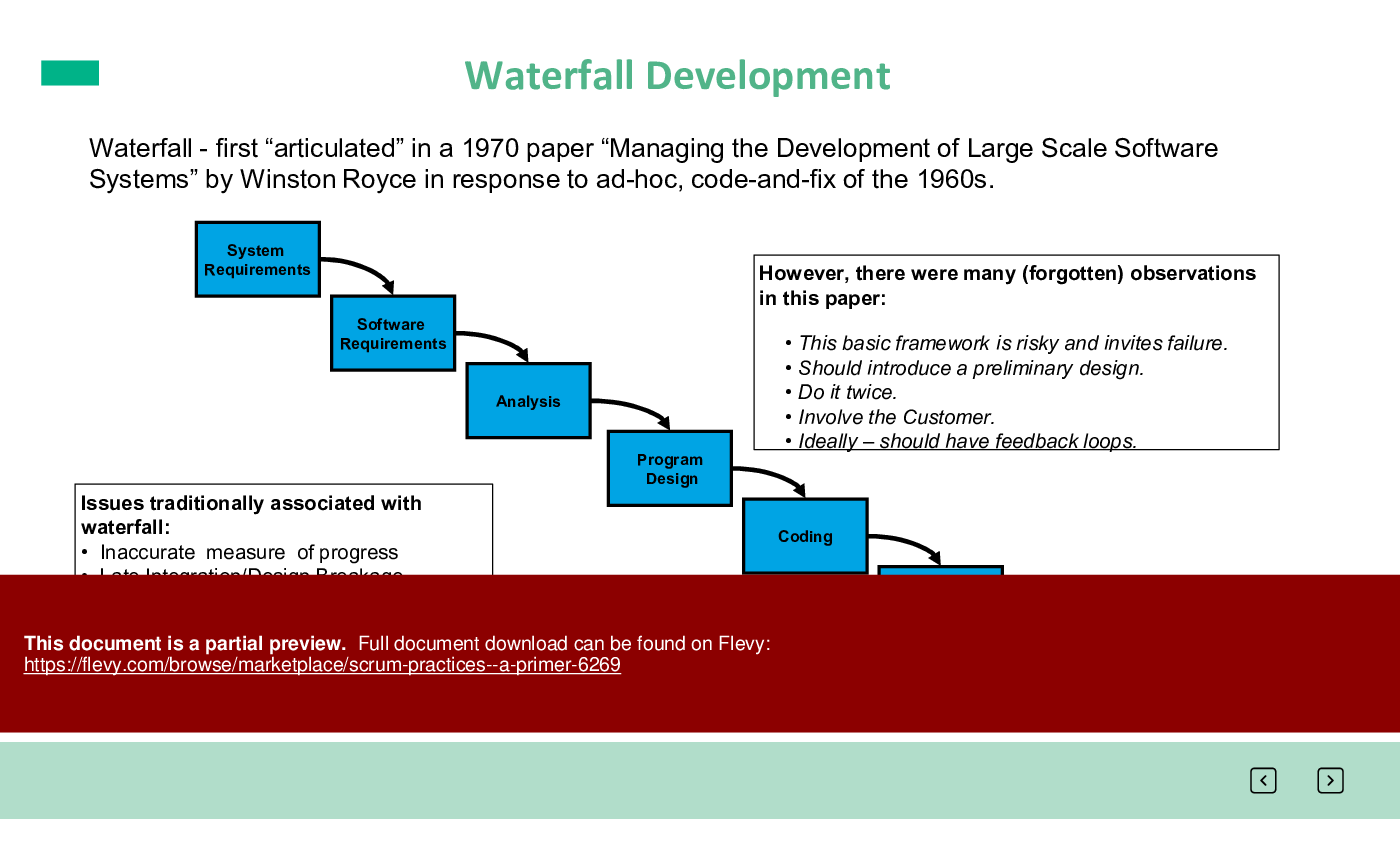
• Overview of Agile vs. Waterfall methodologies, highlighting key differences
• Detailed breakdown of Scrum roles and their responsibilities
• Visual representation of the Sprint process, including planning and review stages
• Key metrics for measuring Scrum team performance and effectiveness
• Examples of tools that support Scrum implementation and team collaboration
Potential Workshop Agenda
Scrum Fundamentals Workshop (90 minutes)
• Introduction to Agile and Scrum principles
• Overview of Scrum roles and responsibilities
• Discussion on the importance of Scrum ceremonies
Sprint Planning Session (60 minutes)
• Define sprint goals and objectives
• Prioritize user stories in the product backlog
• Create a Sprint Backlog with specific tasks
Retrospective and Continuous Improvement Session (45 minutes)
• Review the previous sprint's outcomes
• Identify areas for improvement and action items
• Establish team norms and expectations for the next sprint
Customization Guidance
• Tailor the product backlog template to reflect specific project requirements and stakeholder needs
• Adjust the Sprint Planning checklist to align with team capacity and project timelines
• Modify the retrospective format to focus on team-specific challenges and successes
Secondary Topics Covered
• The Agile Manifesto and its core principles
• Techniques for effective backlog grooming and prioritization
• Strategies for fostering team collaboration and communication
• Best practices for managing stakeholder expectations in Agile projects
Topic FAQ
Document FAQ
These are questions addressed within this presentation.
What is the Agile Manifesto?
The Agile Manifesto is a formal proclamation of 4 key values and twelve principles that guide an iterative and people-centric approach to software development.
What are the main roles in a Scrum team?
The main roles are the Scrum Master, who facilitates the process; the Product Owner, who manages the product backlog; and the development team, which executes the work.
How long is a typical Sprint?
A typical Sprint lasts between 2 to 4 weeks, allowing teams to complete a specific set of tasks within that timeframe.
What is the purpose of the Daily Scrum?
The Daily Scrum is a short meeting where team members share progress, discuss plans for the day, and identify any obstacles they face.
How do I prioritize items in the product backlog?
Prioritization can be based on factors such as business value, customer needs, and technical feasibility, ensuring that the most important items are addressed first.
What is a Sprint Retrospective?
A Sprint Retrospective is a meeting held at the end of each Sprint where the team reflects on their work, discusses what went well, and identifies areas for improvement.
What tools can support Scrum implementation?
Tools like JIRA, Go-Pipelines, and other project management software can help teams manage their backlogs, track progress, and facilitate communication.
How does Scrum support continuous improvement?
Scrum encourages regular reflection through ceremonies like Sprint Retrospectives, allowing teams to identify and implement improvements in their processes.
Glossary
• Agile Manifesto - A formal proclamation of key values and principles guiding Agile development.
• Backlog - An ordered list of items representing everything needed to deliver a specific outcome.
• Scrum Master - The facilitator responsible for ensuring the team adheres to Scrum practices.
• Product Owner - The individual responsible for managing the product backlog and prioritizing work.
• Sprint - A timebox during which a specific group of tasks is completed.
• Daily Scrum - A brief meeting for team members to discuss progress and obstacles.
• Retrospective - A meeting to reflect on the Sprint and identify improvements.
• User Story - A description of a feature from the perspective of the end user.
• Continuous Integration - A practice of frequently integrating code changes to ensure quality.
• Sprint Backlog - A list of tasks selected for completion during a Sprint.
• Increment - The sum of all the completed work during a Sprint, representing a usable product.
• Burndown Chart - A visual representation of work completed versus work remaining in a Sprint.
Source: Best Practices in Agile, Scrum PowerPoint Slides: Scrum Practices - A Primer PowerPoint (PPTX) Presentation Slide Deck, RadVector Consulting
|
Download our FREE Digital Transformation Templates
Download our free compilation of 50+ Digital Transformation slides and templates. DX concepts covered include Digital Leadership, Digital Maturity, Digital Value Chain, Customer Experience, Customer Journey, RPA, etc. |










