Editor Summary
Building a Market Model and Market Sizing is a 22-slide PowerPoint presentation by STRATICX that teaches a five-step market sizing methodology: understanding the issue, gathering sources, deciding relevant details, building the model, and checking integrity.
Read moreIncludes 5 deliverables: market sizing framework template, data source checklist, Excel model structure, validation checklist, and communication plan template. Target users include corporate strategists, market analysts, product managers, and executives. Sold as a digital download on Flevy.
Use this deck when an organization must quantify market potential to inform entry decisions, product prioritization, or strategic planning during launches, competitive reviews, or strategic alignment sessions.
Corporate strategists modeling total addressable and serviceable markets to evaluate entry options.
Market analysts compiling and triangulating industry reports, competitor data, client financials, and expert interviews.
Product managers prioritizing feature roadmaps by segment revenue potential using an Excel market model.
Executives aligning resource allocation based on validated market opportunity estimates.
The five-step, data-triangulation approach—understand issue, gather sources, decide details, build model, check integrity—reflects the hypothesis-driven, validation-focused practice used at McKinsey, Bain, and BCG.
A key choice in any business strategy is 'where to play'. This understanding the market that the business chooses to compete in with a clear understanding of key customer, geographies, products, growth, value, competitors and shares etc.
A fundamental requirement for any market assessment is the ability to 'size' the market to help a business understand and make choices on the dynamics and drivers mentioned before.
Market sizing is an art – being a mixture of hard data and subjective inputs and having a clear methodology is an essential requirement to ensure these elements are managed correctly.
This powerpoint document is a Market Sizing 101 for those interested in developing a basic framework and methodology to build their skills upon.
This document delves into the objectives of market sizing, providing a structured approach to gathering and validating data from various sources such as industry reports, competitor data, and client financials. It emphasizes the importance of conducting thorough interviews to ensure the accuracy and reliability of the data collected. The step-by-step methodology outlined in this presentation ensures that all relevant segments, time periods, and data details are meticulously considered.
The framework presented in this document guides you through the process of building and structuring a market model, using real-world examples to illustrate key concepts. It covers essential aspects like market volume, retail sales value, wholesale value, and market profit, ensuring a comprehensive understanding of the market landscape. The document also highlights the significance of reviewing and validating data sources to maintain the integrity of the market model.
By following the detailed steps and best practices outlined, executives can make informed decisions based on robust market assessments. This document is an invaluable resource for those looking to enhance their market sizing capabilities and drive strategic growth initiatives.
Got a question about the product? Email us at support@flevy.com or ask the author directly by using the "Ask the Author a Question" form. If you cannot view the preview above this document description, go here to view the large preview instead.
MARCUS OVERVIEW
This synopsis was written by Marcus [?] based on the analysis of the full 22-slide presentation.
Executive Summary
This presentation titled "Building a Market Model and Market Sizing" is designed to equip corporate executives and consultants with a structured approach to market sizing, akin to McKinsey, Bain, or BCG-quality methodologies (consulting-grade; not affiliated). It provides a comprehensive framework for understanding market dynamics, identifying growth opportunities, and establishing strategic priorities. By utilizing this presentation, users will be able to effectively measure market potential, validate findings through data triangulation, and draw actionable conclusions to inform business strategy.
Who This Is For and When to Use
• Corporate strategists and business development teams assessing new market opportunities
• Market analysts and consultants tasked with conducting market research and sizing
• Product managers looking to prioritize product development based on market potential
• Executives making strategic decisions regarding resource allocation and market entry
Best-fit moments to use this deck:
• During initial market assessments for new product launches or market entries
• When evaluating competitive positioning and identifying potential growth segments
• In strategic planning sessions to align on market opportunities and priorities
Learning Objectives
• Define the objectives and importance of market sizing in strategic planning
• Build a structured market model using a step-by-step approach
• Identify relevant market segments and data sources for effective analysis
• Validate findings through triangulation of multiple data sources
• Draw actionable conclusions from market sizing results to inform business strategy
• Communicate insights effectively to stakeholders for decision-making
Table of Contents
• Objectives of Market Sizing (page 3)
• Approach to Market Sizing (page 5)
• Drawing Conclusions from Market Sizing (page 15)
Primary Topics Covered
• Objectives of Market Sizing - Market sizing helps businesses understand their market environment, identify growth opportunities, measure market potential, and prioritize strategic initiatives.
• Approach to Market Sizing - The market sizing process consists of 5 steps: understanding the issue, gathering sources, deciding relevant details, building the model, and checking integrity.
• Data Sources for Market Sizing - Key sources include industry reports, competitor data, client data, and interviews with experts to validate findings.
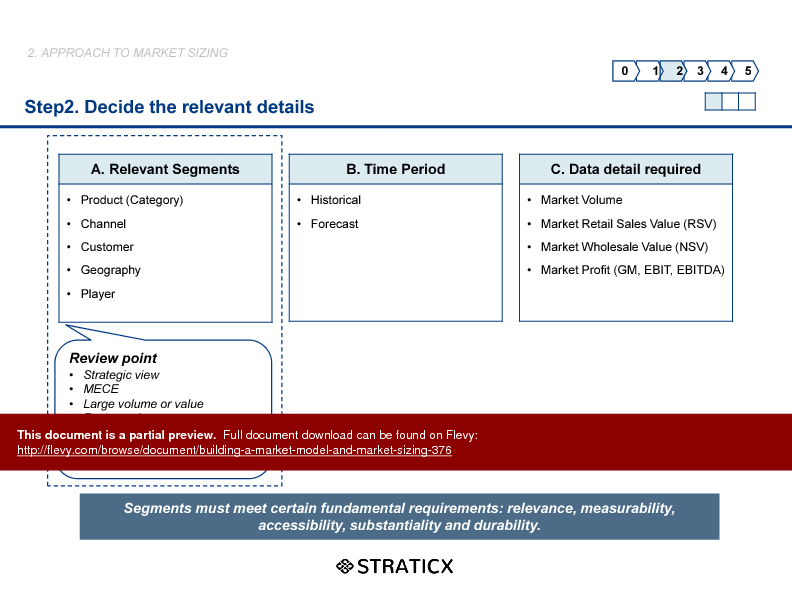
• Relevant Segments - Identifying relevant segments involves categorizing by product, channel, customer, geography, and player to ensure comprehensive market analysis.
• Time Period Considerations - Historical and forecast data are essential for understanding market trends and projecting future growth.
• Model Integrity and Validation - Ensuring the model's integrity through validation of data sources and assumptions is critical for reliable market sizing outcomes.
Deliverables, Templates, and Tools
• Market sizing framework template that outlines the five-step approach
• Data source checklist for gathering relevant market information
• Excel model structure for integrating raw and derived data into a single framework
• Validation checklist for ensuring data integrity and reliability
• Communication plan template for presenting findings to stakeholders
Slide Highlights
• Overview of market sizing objectives emphasizing the importance of understanding market dynamics
• Step-by-step breakdown of the market sizing approach, illustrating each phase of the process
• Examples of relevant segments and data sources for effective market analysis
• Insights on validating findings through triangulation of multiple data points
• Conclusion slide summarizing key findings and actionable initiatives
Potential Workshop Agenda
Market Sizing Overview (60 minutes)
• Discuss the objectives of market sizing and its significance in strategy
• Review the five-step approach to market sizing
Data Gathering Techniques (90 minutes)
• Identify and evaluate various data sources for market analysis
• Conduct brainstorming sessions to gather insights from team members
Building the Market Model (120 minutes)
• Develop a structured market model using Excel
• Validate assumptions and check the integrity of the model
Customization Guidance
• Tailor the market model framework to fit specific industry needs and organizational objectives
• Adjust the data sources checklist based on available internal and external resources
• Modify the communication plan template to align with stakeholder preferences and organizational culture
Secondary Topics Covered
• Importance of triangulating data sources for reliable market sizing
• Strategies for identifying and prioritizing market segments
• Techniques for forecasting market trends based on historical data
• Methods for analyzing competitive positioning within the market
• Best practices for communicating market insights to stakeholders
Topic FAQ
What are the typical steps to build a market sizing model?
A common structured process starts by defining the issue, gathering available data sources, selecting relevant market details, building the framework or Excel model, and finally checking model integrity through validation. Flevy's Building a Market Model and Market Sizing presents this as a five-step approach.
Which data sources should I prioritize when estimating market size?
Prioritize industry reports, competitor data, client financials, and expert interviews to cross-check figures and assumptions. The product specifically calls out these sources and provides a data source checklist to guide collection and verification of inputs.
How do I validate and ensure integrity of market sizing results?
Validate by triangulating multiple independent sources, challenging assumptions, and using a validation checklist to document checks and sensitivity analysis. The presentation emphasizes triangulation and includes a validation checklist for integrity.
How should historical and forecast data be used in market sizing?
Use historical data to identify trends and base rates, then apply forecast data to project future growth and align outcomes with strategic plans. The deck highlights both historical and forecast data as essential for trend analysis and projections.
What should I look for when buying a market sizing template or toolkit?
Look for a clear stepwise framework, a data source checklist, an editable Excel model structure, validation/checklists, and templates for stakeholder communication—features that Building a Market Model and Market Sizing explicitly includes.
How much time should I allocate to an initial facilitated market sizing workshop?
The sample agenda in the presentation suggests a structured workshop of about 270 minutes total: 60 minutes for overview, 90 minutes for data gathering techniques, and 120 minutes for building the market model, with the model build receiving 120 minutes.
I need to size a market after a merger—what practical approach should I follow?
Define the issue, identify relevant segments by product, channel, customer, geography, and player, gather industry and competitor data plus client financials, and triangulate via expert interviews. The material recommends following the five-step approach and segmenting by product and geography.
How can an Excel market model capture retail sales, wholesale value, and market profit?
Structure the workbook to integrate raw inputs and derived calculations, separate measures like market volume, retail sales value, wholesale value, and market profit, and include time-period rows for historical and forecast analysis; the presentation supplies an Excel model structure for this purpose.
Document FAQ
These are questions addressed within this presentation.
What is the primary objective of market sizing?
Market sizing aims to help businesses understand their market environment, identify growth opportunities, measure market potential, and prioritize strategic initiatives.
What are the key steps in the market sizing approach?
The market sizing approach consists of 5 steps: understanding the issue, gathering available sources, deciding relevant details, building the framework, and checking the integrity of the model.
What types of data sources should be considered for market sizing?
Key data sources include industry reports, competitor data, client financials, and interviews with experts to validate findings.
How can I ensure the integrity of my market model?
Validate and challenge the model's assumptions and data sources throughout the process to ensure reliability and accuracy.
What are relevant segments in market sizing?
Relevant segments can include product categories, distribution channels, customer demographics, geographic regions, and competitive players.
How should historical and forecast data be used in market sizing?
Historical data helps capture trends, while forecast data aligns with strategic plans to project future market growth.
What is the significance of triangulating data sources?
Triangulating data sources enhances the reliability of market sizing results by cross-verifying findings from multiple perspectives.
How can I effectively communicate market sizing findings?
Use a structured communication plan that highlights key insights, conclusions, and actionable initiatives tailored to stakeholder preferences.
Glossary
• Market Sizing - The process of estimating the size and potential of a market for a specific product or service.
• Relevant Segments - Categories used to define and analyze specific parts of the market based on product, channel, customer, geography, or player.
• Triangulation - The method of validating findings by cross-referencing multiple data sources to ensure accuracy.
• Data Integrity - The accuracy and reliability of data used in market analysis and modeling.
• Forecast Data - Projections of future market conditions based on historical trends and strategic planning.
• Historical Data - Past market performance data used to identify trends and inform future projections.
• Competitive Positioning - The process of defining how a business differentiates itself from competitors in the market.
• Excel Model - A structured framework in Excel used to integrate and analyze market data.
• Stakeholder Communication - The process of conveying insights and findings to relevant parties involved in decision-making.
• Market Opportunity - The potential for growth and revenue generation within a specific market segment.
• Assumption Validation - The process of confirming the accuracy of assumptions made during market analysis.
• Strategic Planning - The process of defining an organization's direction and making decisions on allocating resources to pursue that strategy.
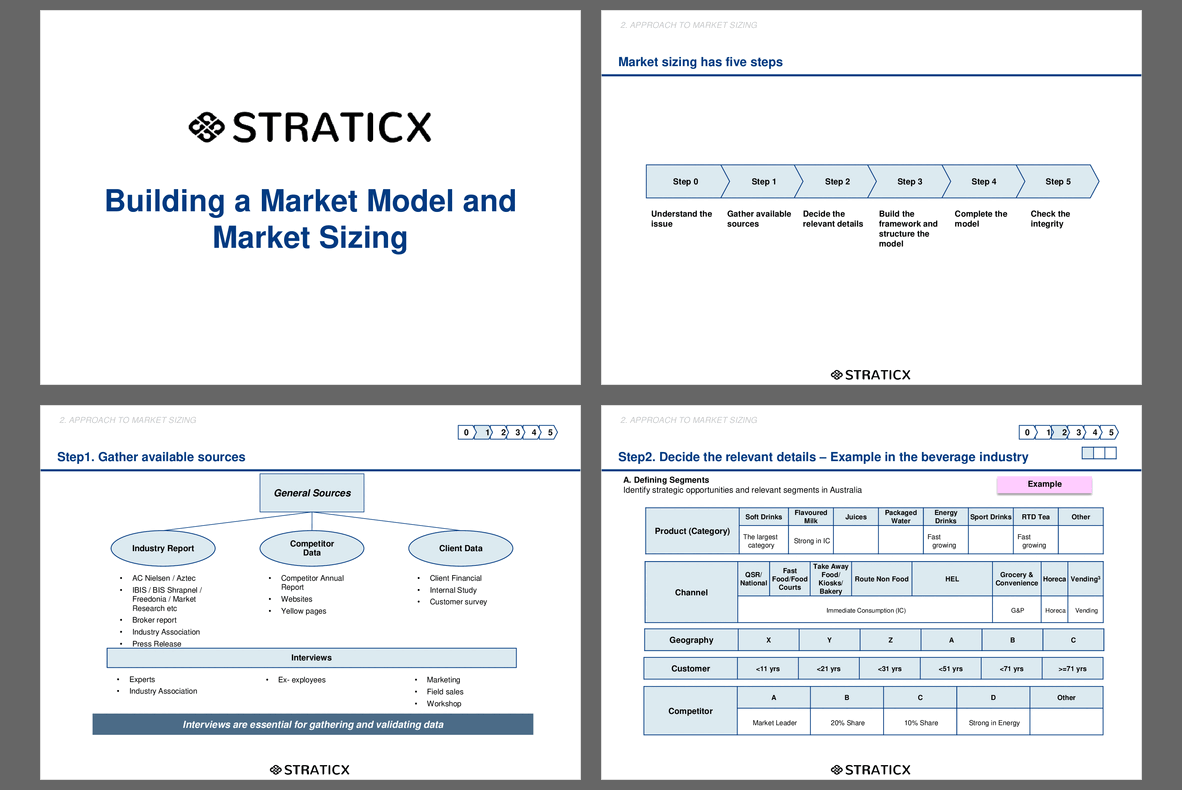
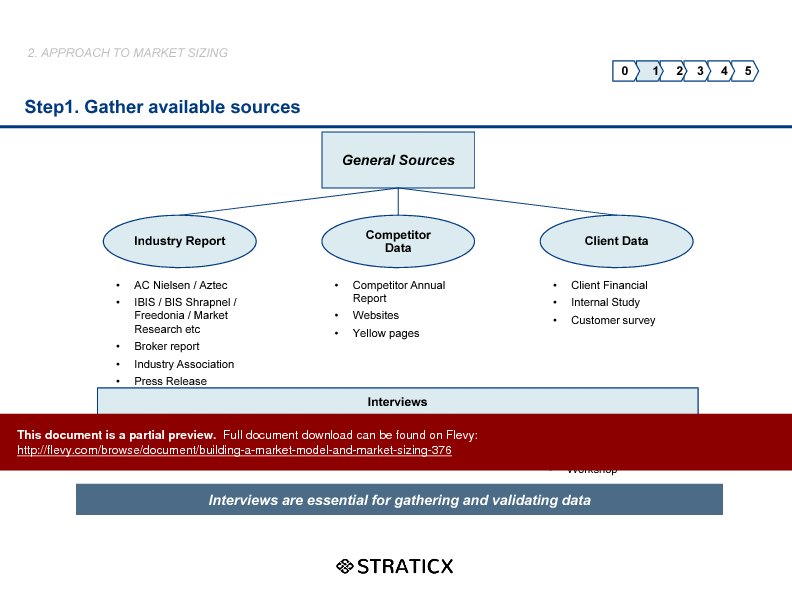
This PPT slide outlines the initial step in market sizing, focusing on gathering diverse information sources categorized into 3 types: Industry Reports, Competitor Data, and Client Data. Industry Reports include sources like AC Nielsen and IBIS, essential for insights into market dynamics. Competitor Data encompasses annual reports, websites, and directories, crucial for analyzing competitor positioning and performance. Client Data involves internal resources such as client financials and customer surveys, vital for aligning strategies with client needs. Additionally, interviews with experts and industry associations validate gathered data, highlighting the importance of qualitative insights alongside quantitative data. This structured approach mitigates risks associated with market entry or expansion.
This PPT slide outlines a structured approach to market sizing in the Australian beverage industry, focusing on key categories: Product, Channel, Geography, Customer, and Competitor. The Product category includes beverage types such as soft drinks, flavored milk, juices, packaged water, energy drinks, sport drinks, and RTD tea, with descriptors highlighting market characteristics like "largest category" for soft drinks and "fast growing" for energy drinks. The Channel section categorizes distribution methods, including QSR/National, fast food/food courts, and grocery & convenience, crucial for understanding immediate consumption behaviors. Geography is segmented into regions (X, Y, Z, A), while the Customer section targets demographics by age, from under 11 to over 71 years. The Competitor section identifies market players and their shares, providing insight into competitive positioning. This structured segmentation enables targeted strategies aligned with consumer preferences and market dynamics.
This PPT slide outlines a structured approach to market sizing using an integrated Excel model. Step 0 identifies the core question guiding the analysis, shaping the modeling process. Step 1 focuses on sourcing reliable data, critical for analysis integrity. Step 2 involves structuring data to ensure effective processing and analysis. The "Integrated Excel Model" synthesizes raw and derived data, facilitating manipulation and analysis. Outputs include 'What-if' results for scenario analysis and outcome distributions that provide insights into market dynamics. The model guides strategic decisions and allows for hypothesis confirmation or rejection. The iterative process ensures continuous improvement, essential for informed market sizing decisions.
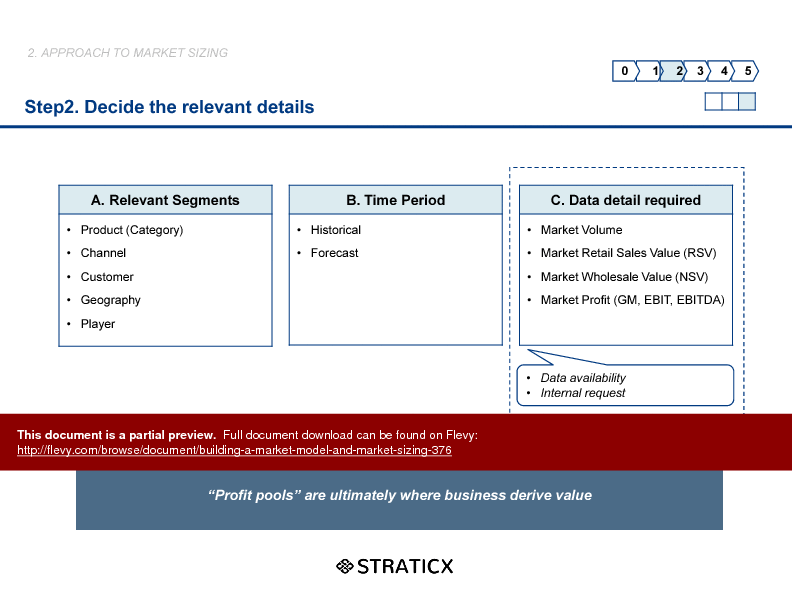
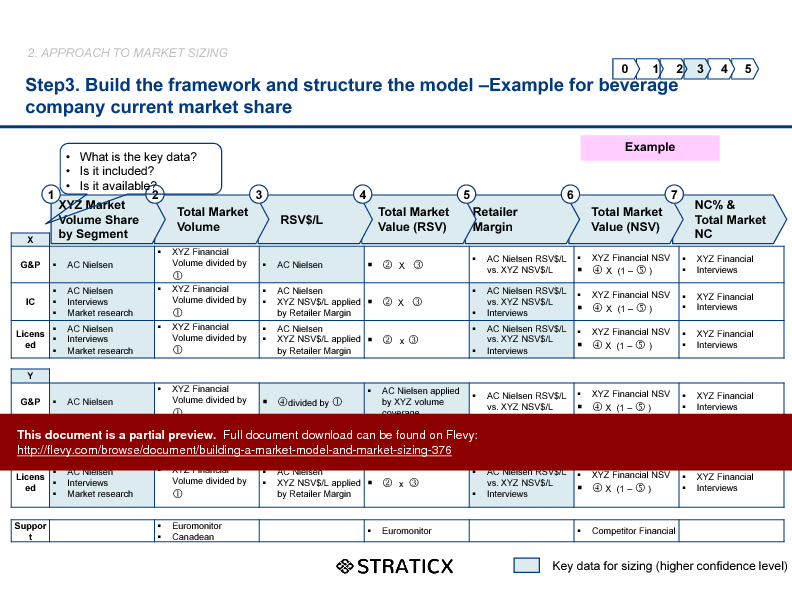
This PPT slide outlines a structured approach to market sizing, consisting of 5 essential steps. Step 0 emphasizes understanding the issue, providing context for the market sizing process. Step 1 involves gathering reliable data sources, as the quality of information impacts the market model's accuracy. Step 2 focuses on filtering relevant details from the gathered data to identify impactful data points. Step 3 is about building the framework and structuring the model, creating a blueprint for analysis. Step 4 involves completing the model by integrating all components effectively. Finally, Step 5 checks the model's integrity, ensuring robustness and credibility of findings.
Source: Best Practices in Market Research PowerPoint Slides: Building a Market Model and Market Sizing PowerPoint (PPTX) Presentation Slide Deck, STRATICX
Straticx is redefining strategy and innovation consulting through online access to high value consulting partners, who work with senior executives and boards of corporations to frame key business issues, develop hypothesis, apply structured problem solving and commercial acumen to drive development of solutions. The partners all have 10+ consulting experience covering a broad range of sectors and
... [read more] have delivered a range of engagements such as corporate and business unit strategy, business transformation, business case development, M&A, and operational improvement.
Since 2012, we have provided business templates to over 10,000 businesses and organizations of all sizes, from startups and small businesses to the Fortune 100, in over 130 countries.
"My FlevyPro subscription provides me with the most popular frameworks and decks in demand in today’s market. They not only augment my existing consulting and coaching offerings and delivery, but also keep me abreast of the latest trends, inspire new products and service offerings for my practice, and educate me
in a fraction of the time and money of other solutions. I strongly recommend FlevyPro to any consultant serious about success.
"
– Bill Branson, Founder at Strategic Business Architects
"If you are looking for great resources to save time with your business presentations, Flevy is truly a value-added resource. Flevy has done all the work for you and we will continue to utilize Flevy as a source to extract up-to-date information and data for our virtual and onsite presentations!"
– Debbi Saffo, President at The NiKhar Group
"The wide selection of frameworks is very useful to me as an independent consultant. In fact, it rivals what I had at my disposal at Big 4 Consulting firms in terms of efficacy and organization."
– Julia T., Consulting Firm Owner (Former Manager at Deloitte and Capgemini)
"I have found Flevy to be an amazing resource and library of useful presentations for lean sigma, change management and so many other topics. This has reduced the time I need to spend on preparing for my performance consultation. The library is easily accessible and updates are regularly provided. A wealth of great information."
– Cynthia Howard RN, PhD, Executive Coach at Ei Leadership
"As a consulting firm, we had been creating subject matter training materials for our people and found the excellent materials on Flevy, which saved us 100's of hours of re-creating what already exists on the Flevy materials we purchased."
– Michael Evans, Managing Director at Newport LLC
"I have used Flevy services for a number of years and have never, ever been disappointed. As a matter of fact, David and his team continue, time after time, to impress me with their willingness to assist and in the real sense of the word. I have concluded in fact
that it is not at all just a repository of documents/resources but, in the way that David and his team manage the firm, it is like dealing with consultants always ready to assist, advise and direct you to what you really need, and they always get it right.
I am an international hospitality accomplished senior executive who has worked and lived during the past 35 years in 23 countries in 5 continents and I can humbly say that I know what customer service is, trust me.
Aside from the great and professional service that Flevy's team provide, their wide variety of material is of utmost great quality, professionally put together and most current.
Well done Flevy, keep up the great work and I look forward to continue working with you in the future and to recommend you to a variety of colleagues around the world.
"
– Roberto Pelliccia, Senior Executive in International Hospitality
"[Flevy] produces some great work that has been/continues to be of immense help not only to myself, but as I seek to provide professional services to my clients, it gives me a large "tool box" of resources that are critical to provide them with the quality of service and outcomes they are expecting."
– Royston Knowles, Executive with 50+ Years of Board Level Experience
"I like your product. I'm frequently designing PowerPoint presentations for my company and your product has given me so many great ideas on the use of charts, layouts, tools, and frameworks. I really think the templates are a valuable asset to the job."
– Roberto Fuentes Martinez, Senior Executive Director at Technology Transformation Advisory
Save with Bundles
This document is available as part of the following discounted bundle(s):
Download our free compilation of 50+ Strategy & Transformation slides and templates. Frameworks include McKinsey 7-S, Balanced Scorecard, Disruptive Innovation, BCG Curve, and many more.










