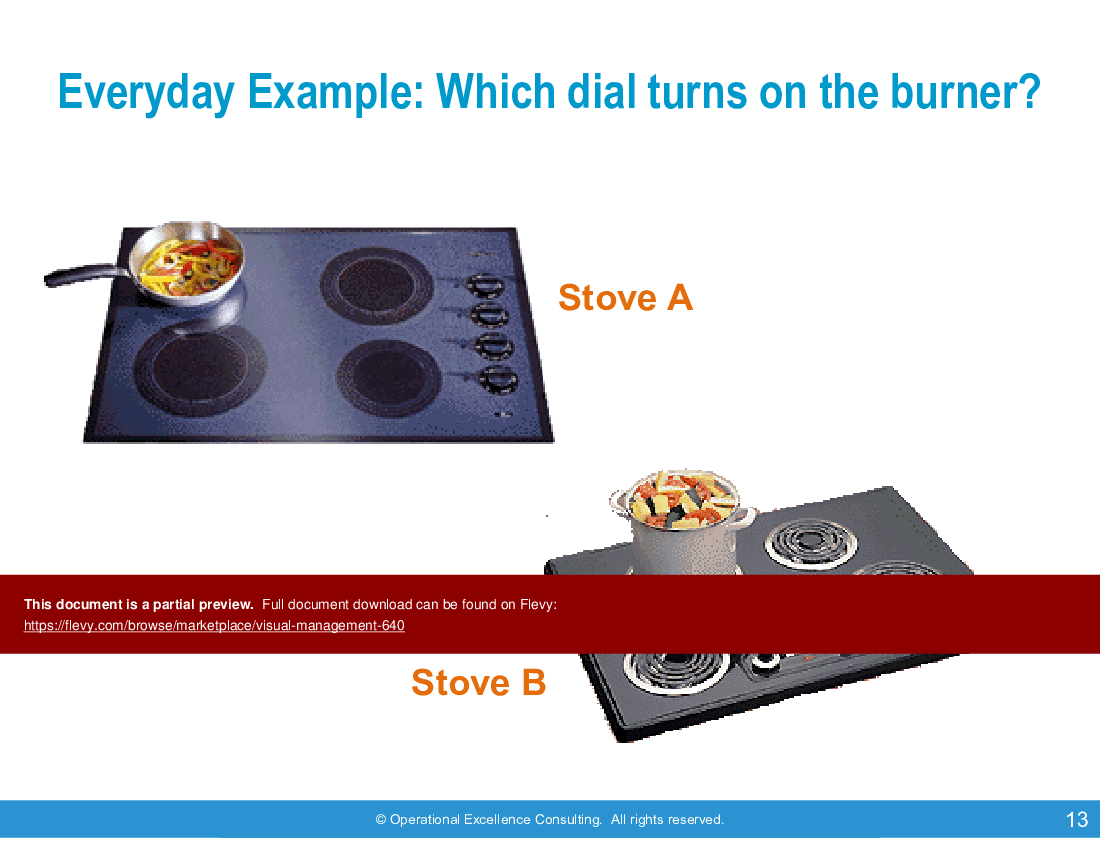

Visual management is a powerful tool for conveying important information in a simple and easy-to-understand format. This practice involves displaying information in a visual format through various tools such as charts, graphs, diagrams, or photographs. By doing so, visual management reduces confusion, errors, and misunderstandings, leading to improved decision-making and process improvement.

The use of visual management is essential for process improvement as it makes information readily available and accessible to everyone in the organization. By providing a visual representation of data, it allows people to quickly understand the current status of a process, identify problems and opportunities, and take appropriate actions. Moreover, visual management enhances communication between different departments and levels of the organization, leading to better teamwork and collaboration.
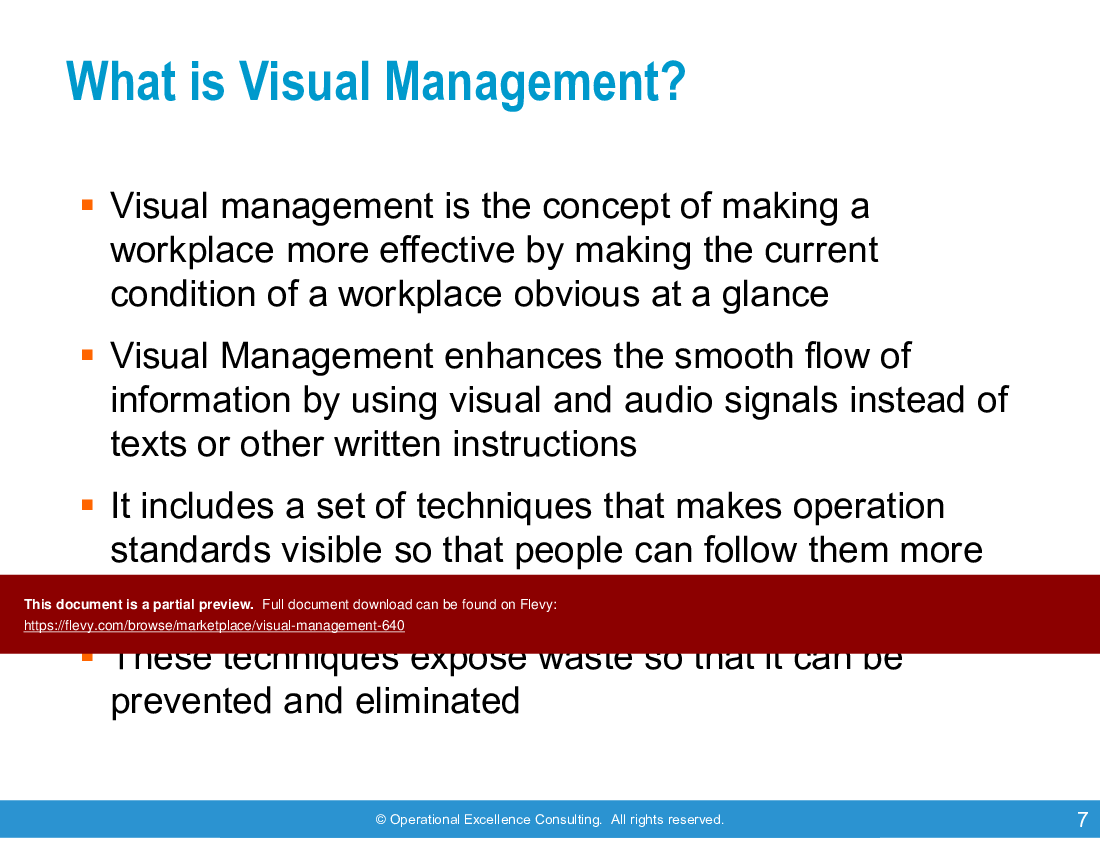
In Lean management, visual management plays a vital role as it establishes and maintains continuous flow by using displays, metrics, and controls. It provides everyone with a view of the work along the value stream and makes operation standards visible, allowing people to follow them more easily. Additionally, visual management helps to expose waste so that it can be prevented and eliminated. By implementing these techniques, organizations can achieve significant process improvements and create a culture of continuous improvement.
In this Visual Management PPT training presentation, you will learn various types of visual management which can be applied to the workplace or office. It includes many examples and common visual tools such as red-tagging, poka-yoke (mistake-proofing), andons, activity boards, A3 storyboards, standard work, kanbans, one-point lessons and takt time versus cycle time.
LEARNING OBJECTIVES
1. Understand that visual management is an integral part of Lean transformation.
2. Familiarize with the common visual tools such as red tagging, activity boards, A3 storyboards, mistake-proofing, one-point lessons, standard work, kanban, etc.
3. Gain knowledge on how to apply visual tools to add structure and stability to operations, reducing variation and increasing efficiency.
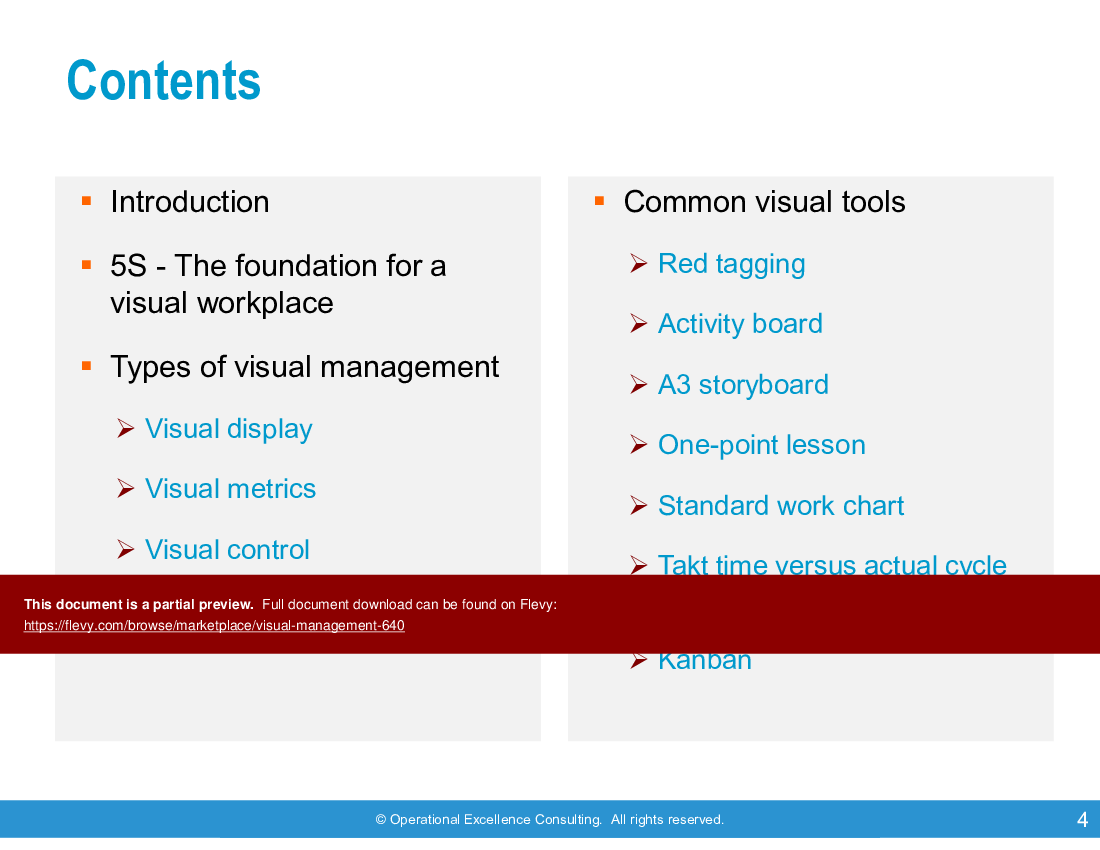
CONTENTS
• Introduction
• 5S – The foundation for a visual workplace
• Types of visual management
• Visual displays
• Visual metrics
• Visual controls
• Mistake-proofing
• Andons
• Warning sensors
• Common visual tools
• Red tagging
• Activity board
• A3 storyboard
• One-point lesson
• Standard work chart
• Takt time versus actual cycle time
• Kanban
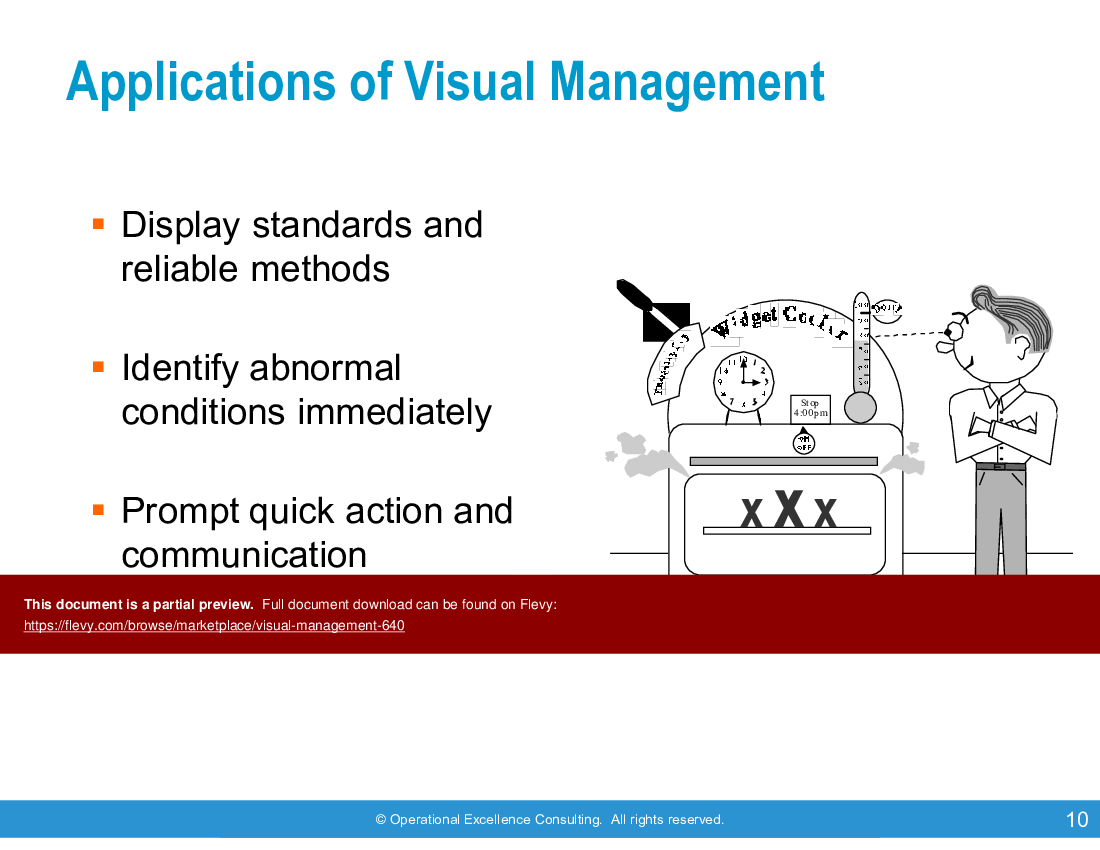
Gain insights into the practical applications of visual management through real-world examples and case studies. Learn to identify abnormal conditions immediately and prompt quick action and communication across your organization.
Got a question about the product? Email us at support@flevy.com or ask the author directly by using the "Ask the Author a Question" form. If you cannot view the preview above this document description, go here to view the large preview instead.
Executive Summary
This Visual Management presentation is designed to enhance operational efficiency through the implementation of Lean methodologies. Developed by Operational Excellence Consulting, it provides a structured approach to utilizing visual tools such as 5S, Kanban, and Poka-Yoke to streamline processes and improve workplace organization. By integrating visual management into daily operations, organizations can achieve better communication, reduce waste, and foster a culture of continuous improvement.
Who This Is For and When to Use
• Operations Managers seeking to implement Lean practices
• Quality Assurance teams focused on error reduction
• Continuous Improvement professionals and Lean practitioners
• Training and Development teams responsible for employee education
Best-fit moments to use this deck:
• During Lean transformation initiatives
• In training sessions for new employees on operational standards
• When conducting workshops aimed at improving workplace organization
Learning Objectives
• Understand the role of visual management in Lean transformation
• Familiarize with common visual tools such as red tagging, activity boards, and Kanban
• Gain knowledge on applying visual tools to enhance operational structure and stability
• Identify methods to reduce variation and increase efficiency in processes
• Develop skills to create and maintain visual displays that communicate effectively
• Learn to implement Poka-Yoke techniques for mistake-proofing
Table of Contents
• Introduction (page 6)
• 5S - The Foundation for a Visual Workplace (page 17)
• Types of Visual Management (page 27)
• Poka Yoke (Mistake-proofing) (page 62)
• Common Visual Tools (page 80)
Primary Topics Covered
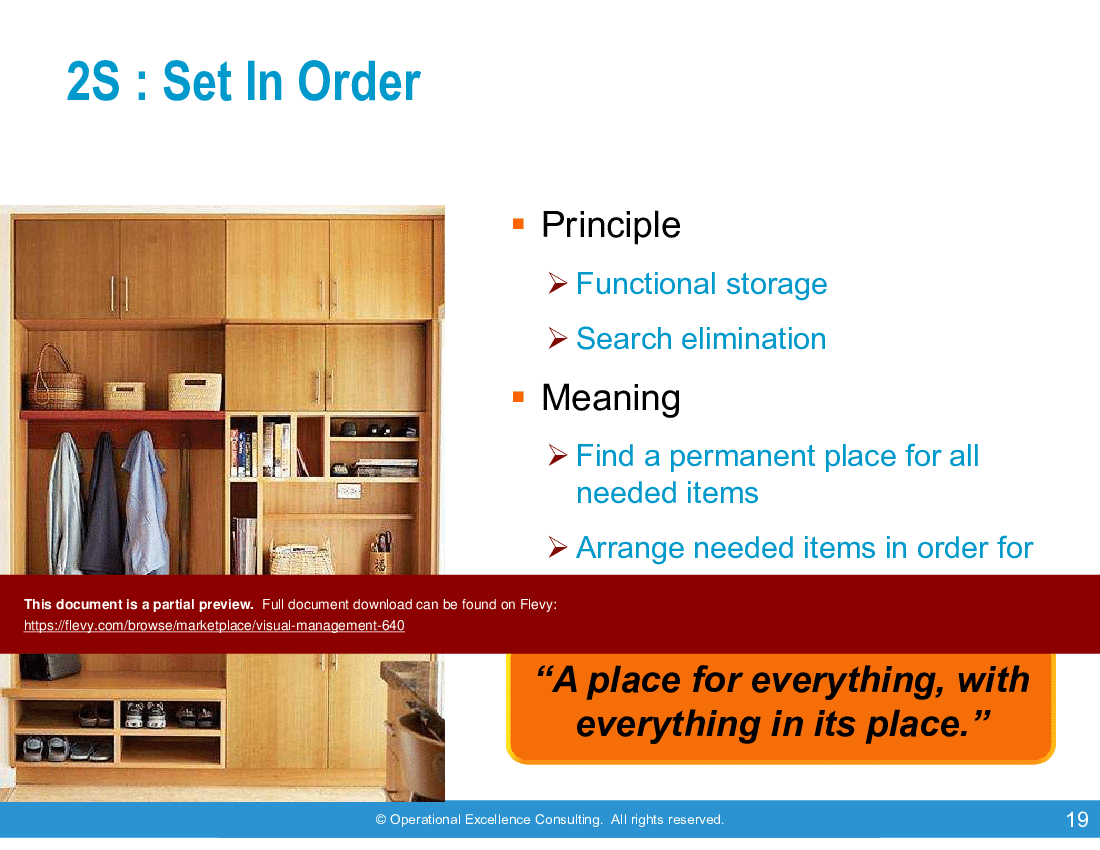
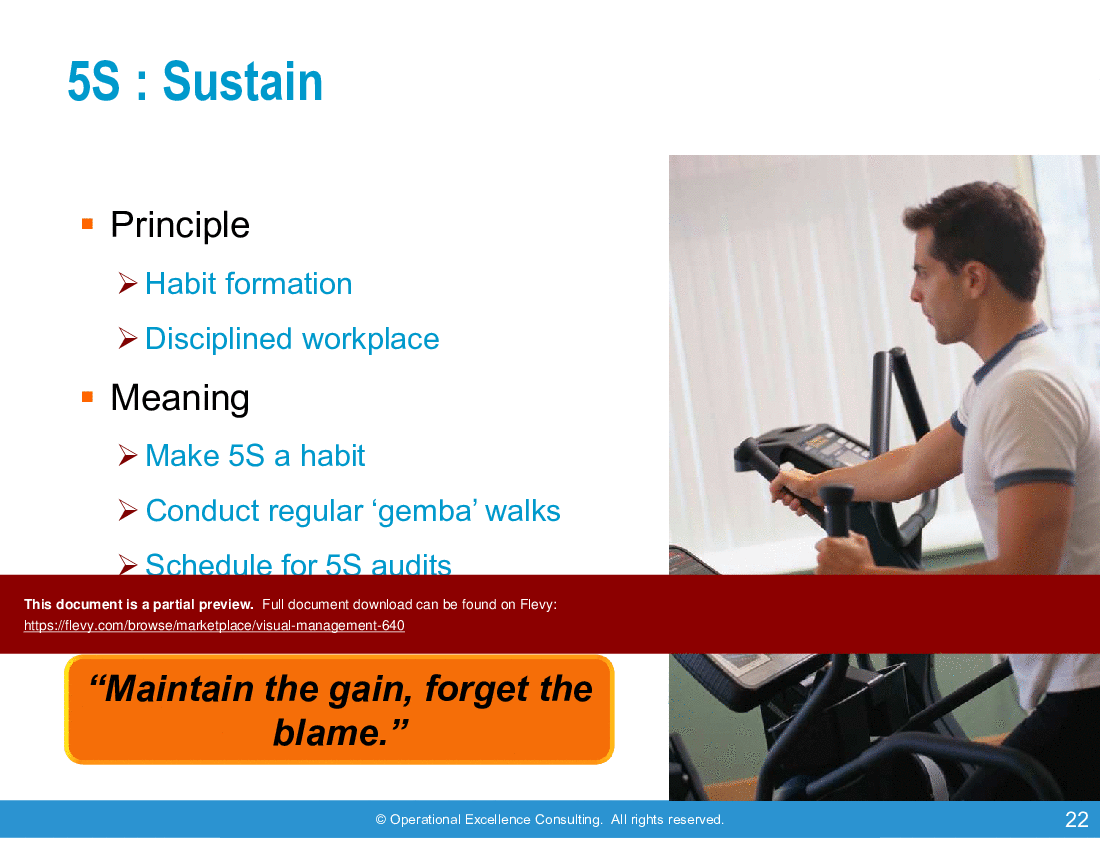
• 5S - A foundational methodology for workplace organization that includes Sort, Set in Order, Shine, Standardize, and Sustain.
• Visual Displays - Tools that make it clear where items belong and how procedures should be followed.
• Visual Metrics - Graphs and charts that quantify performance and highlight deviations from standards.
• Visual Controls - Techniques that promote adherence to operational standards through visible signals.
• Poka-Yoke - Error-proofing methods designed to prevent mistakes in processes.
• Kanban - A visual control system that manages inventory and production flow.
Deliverables, Templates, and Tools
• Visual management boards for tracking progress and metrics
• Red tagging templates for sorting unnecessary items
• Activity boards for team project management
• A3 storyboards for problem-solving documentation
• Standard work charts for outlining best practices
• Kanban cards for inventory control
Slide Highlights
• Introduction to Visual Management and its importance in Lean systems
• Detailed explanation of the 5S methodology and its principles
• Examples of effective visual displays and their applications
• Insights into Poka-Yoke techniques for error prevention
• Case studies showcasing successful implementation of Kanban systems
Potential Workshop Agenda
Visual Management Overview (60 minutes)
• Introduction to visual management principles
• Discussion of Lean transformation benefits
5S Implementation Workshop (90 minutes)
• Hands-on sorting and organizing activities
• Group exercises on creating visual displays
Poka-Yoke Techniques Session (60 minutes)
• Identifying common errors in processes
• Developing Poka-Yoke solutions
Customization Guidance
• Tailor visual tools to align with specific operational needs and standards
• Adjust metrics and KPIs displayed on visual boards to reflect organizational goals
• Incorporate company-specific terminology and branding into visual materials
Secondary Topics Covered
• The role of visual communication in team alignment
• Techniques for maintaining visual management systems
• Strategies for engaging employees in continuous improvement efforts
• The impact of visual management on safety and quality assurance
FAQ
What is visual management?
Visual management is a Lean practice that uses visual signals to communicate information about processes, performance, and standards effectively.
How does 5S contribute to visual management?
5S provides a structured approach to organizing the workplace, making it easier to identify abnormalities and maintain operational efficiency.
What are some common visual tools?
Common visual tools include red tagging, activity boards, A3 storyboards, standard work charts, and Kanban systems.
How can Poka-Yoke improve quality?
Poka-Yoke techniques help prevent errors by designing processes that make it impossible to make mistakes, thereby enhancing product quality.
What is the purpose of an activity board?
An activity board serves as a visual scorecard to track team progress toward goals and facilitate communication during meetings.
How can I implement visual management in my organization?
Start by assessing current processes, identifying areas for improvement, and introducing visual tools that align with Lean principles.
What challenges might I face when implementing visual management?
Common challenges include resistance to change, lack of training, and difficulties in maintaining visual systems over time.
How often should visual tools be updated?
Visual tools should be reviewed and updated regularly to ensure they reflect current processes and performance metrics.
Glossary
• 5S - A Lean methodology for workplace organization.
• Kanban - A visual system for managing inventory and production flow.
• Poka-Yoke - Techniques designed to prevent errors in processes.
• Visual Metrics - Graphs or charts that display performance data.
• Visual Controls - Signals used to ensure adherence to standards.
• Activity Board - A visual tool for tracking team progress and activities.
• Red Tagging - A method for identifying unnecessary items in the workplace.
• A3 Storyboard - A one-page visual tool for problem-solving.
• Standard Work - Documented best practices for operational processes.
• Visual Displays - Tools that communicate information clearly in the workplace.
• Continuous Improvement - Ongoing efforts to enhance processes and performance.
• Lean Transformation - The process of adopting Lean principles to improve efficiency and reduce waste.
Source: Best Practices in Lean, Visual Workplace, Takt Time PowerPoint Slides: Visual Management PowerPoint (PPTX) Presentation Slide Deck, Operational Excellence Consulting
This document is available as part of the following discounted bundle(s):
Save %!
5S Essentials Toolkit
This bundle contains 2 total documents. See all the documents to the right.
Save %!
5S Leader Toolkit
This bundle contains 3 total documents. See all the documents to the right.
Save %!
5S Facilitator Toolkit
This bundle contains 4 total documents. See all the documents to the right.
Save %!
Lean Leadership Essentials
This bundle contains 3 total documents. See all the documents to the right.
Save %!
Complete 5S Toolkit
This bundle contains 7 total documents. See all the documents to the right.
|
Receive our FREE presentation on Operational Excellence
This 50-slide presentation provides a high-level introduction to the 4 Building Blocks of Operational Excellence. Achieving OpEx requires the implementation of a Business Execution System that integrates these 4 building blocks. |