
OBEYA (from Japanese Ōbeya 大部屋 "large room") originated in the 1990s at Toyota during the G21 (Globe 21st century) Project, while building the Prius. Chief Engineer of the G21 project, Takeshi Uchiyamada "felt that he lacked the necessary authority to make the optimal decisions, and thought he could be overrun by experienced discipline leaders in a way that was not optimal for the project as such".
It is considered a component of lean manufacturing and in particular the Toyota Production System.[Analogies have been drawn between an obeya and the bridge of a ship or a war room, and an obeya has been described as "the brain of the system".
The use of OBEYA Rooms has been proven by many companies to be successful. Some examples of large businesses that use such a room are Toyota, Nike, Boeing, and Volvo. These rooms help to promote problem solving among teams, as well as building communication and encourage team building. Silos are sections of companies that only communicate within their specific divisions or departments. Obeya rooms are designed to reduce silos within companies and increase communication.
An OBEYA room gives leaders a clear view of what everyone is working on, as well as why and how. They also can see how their own department's efforts support or hinder their colleagues.
This document helps you understand all concepts related to this important component of LEAN manufacturing "OBEYA".
The 29-slide PowerPoint document helps you design your own "War Room" in the context of a Project or Program.
It contains many well-designed diagrams and graphics to customize to your own needs and requirements to build your system brain "OBEYA ROOM".
Got a question about the product? Email us at support@flevy.com or ask the author directly by using the "Ask the Author a Question" form. If you cannot view the preview above this document description, go here to view the large preview instead.
Executive Summary
The "Obeya - The Brain of Your Project" presentation is designed to enhance project management through the Obeya concept, a critical component of Lean Production Systems (LPS). This ready-to-use PowerPoint presentation provides insights into how Obeya rooms facilitate effective project steering, improve communication, and streamline decision-making processes. By implementing the principles of Obeya, teams can better visualize project performance, identify issues, and foster a culture of continuous improvement, ultimately leading to successful project outcomes.
Who This Is For and When to Use
• Project Managers overseeing complex projects
• Lean Practitioners implementing Lean methodologies
• Cross-functional teams requiring enhanced collaboration
• Executives seeking to improve project governance and performance tracking
Best-fit moments to use this deck:
• During project kick-off meetings to establish governance structures
• For regular project review sessions to assess performance and address challenges
• When introducing Lean methodologies to teams unfamiliar with Obeya concepts
Learning Objectives
• Define the Obeya concept and its role in Lean project management
• Build effective Obeya rooms that enhance project visibility and communication
• Establish routines for regular performance reviews and root cause analysis
• Identify key performance indicators (KPIs) relevant to project success
• Foster a culture of continuous improvement through structured problem-solving
• Develop actionable plans to address project challenges in real-time
Table of Contents
• Introduction to Obeya (page 1)
• Differences Between Traditional Management and Leadership in Obeya (page 3)
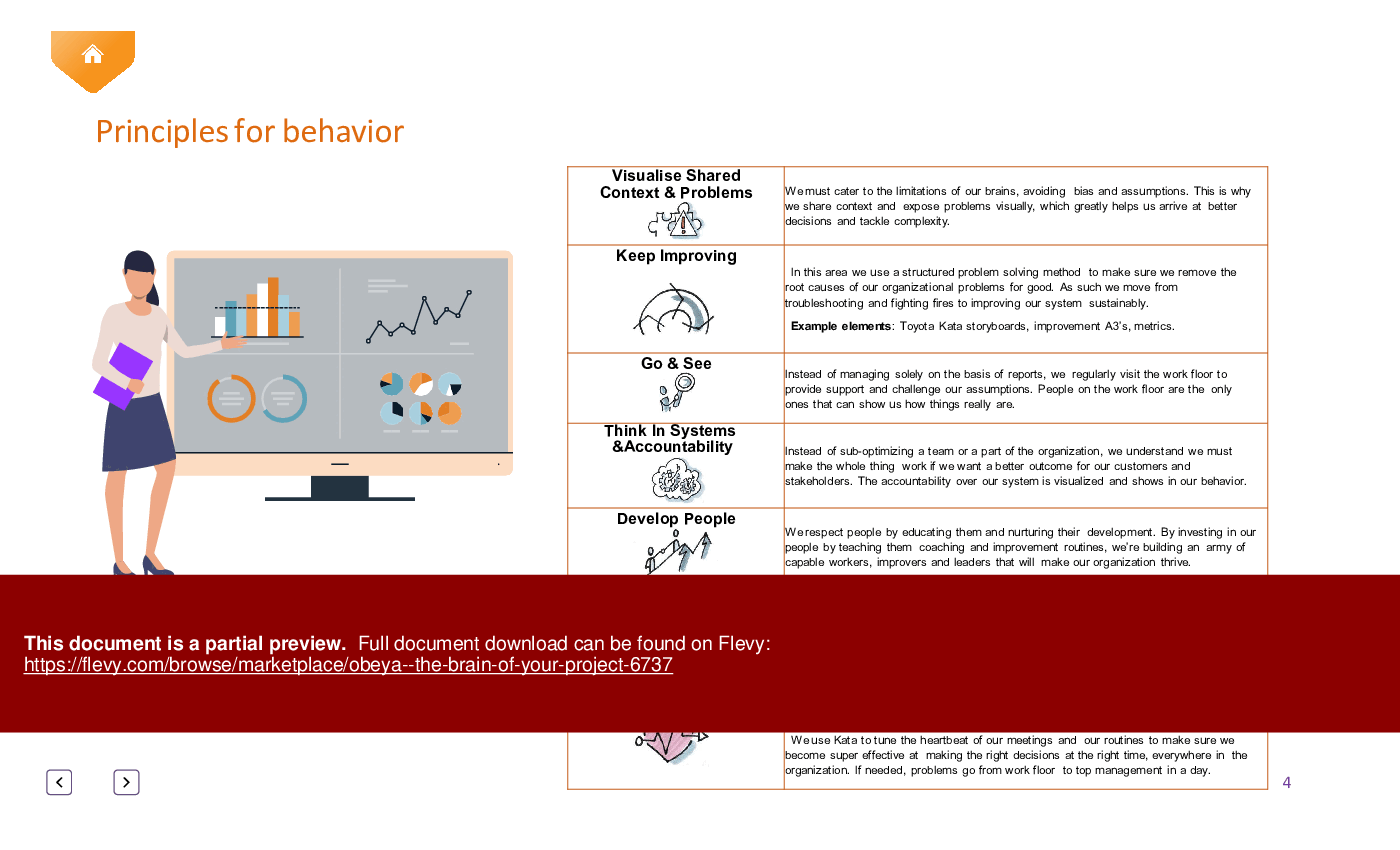
• Principles for Behavior in Obeya (page 4)
• Visual Areas for the Obeya (page 5)
• Aims of Lean Manufacturing (page 6)
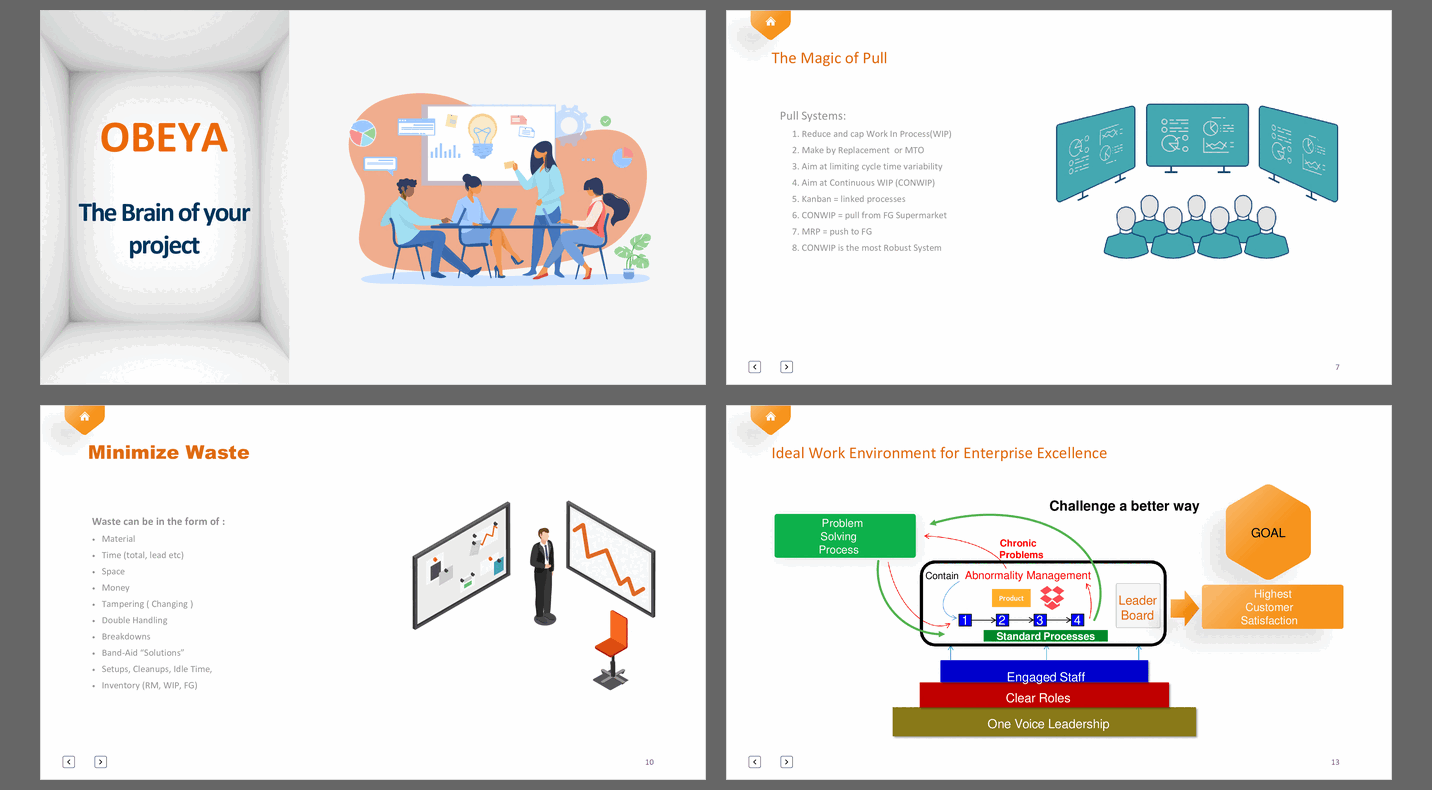
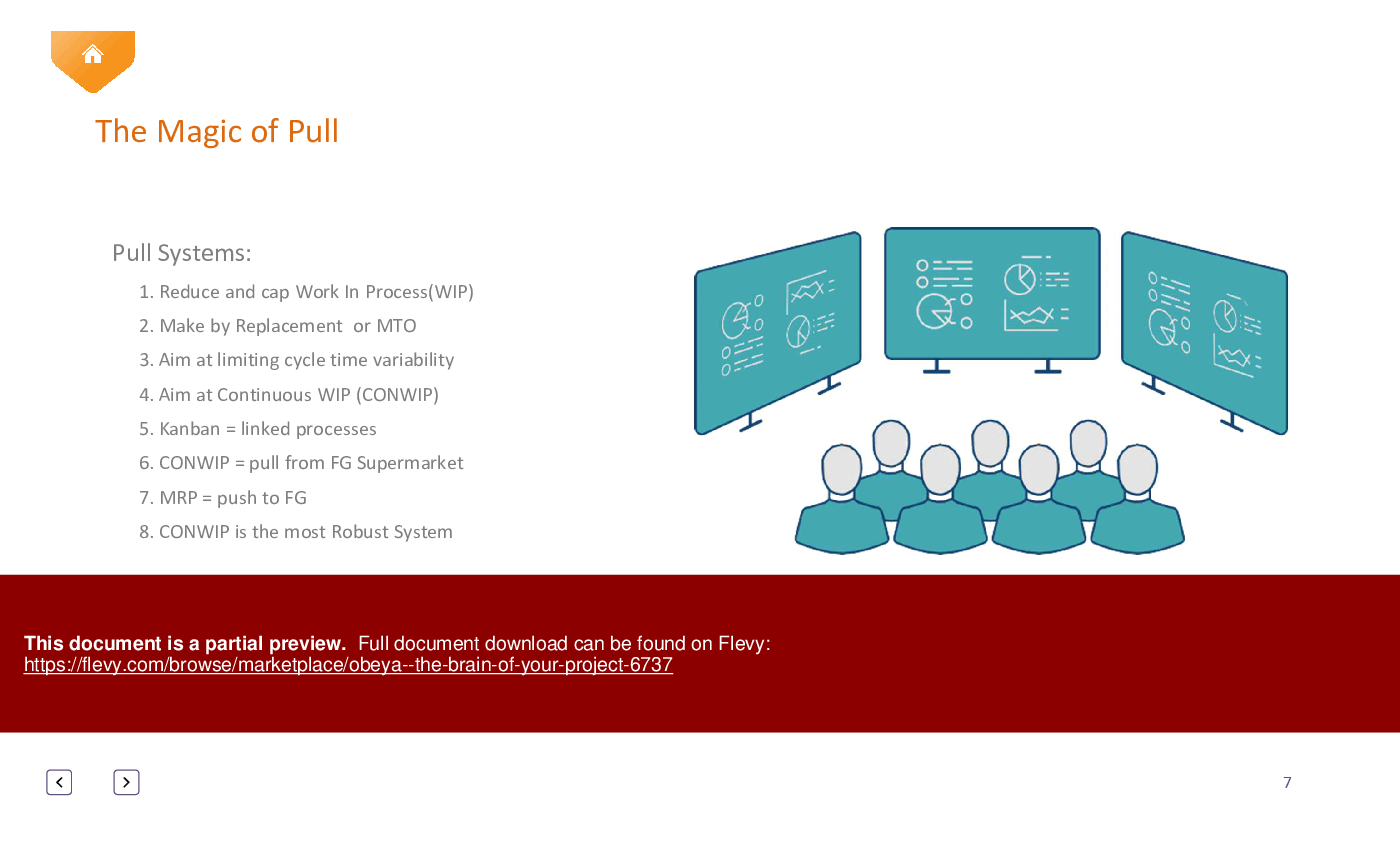
• The Magic of Pull (page 7)
• Continuous Flow (page 8)
• Key Performance Indicators (page 9)
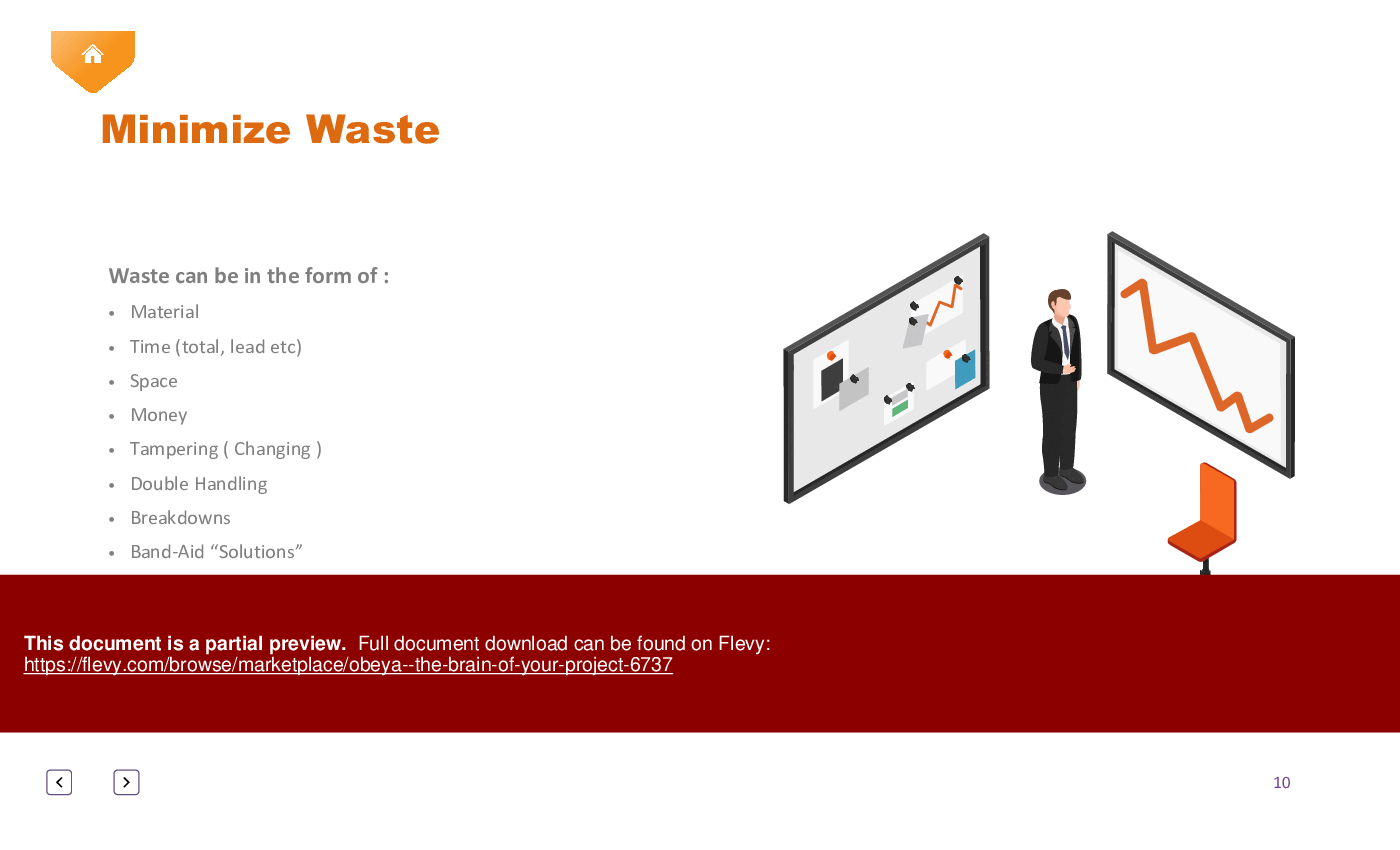
• Minimize Waste (page 10)
• Reasons for Using Obeya (page 11)
• Value Chain (page 12)
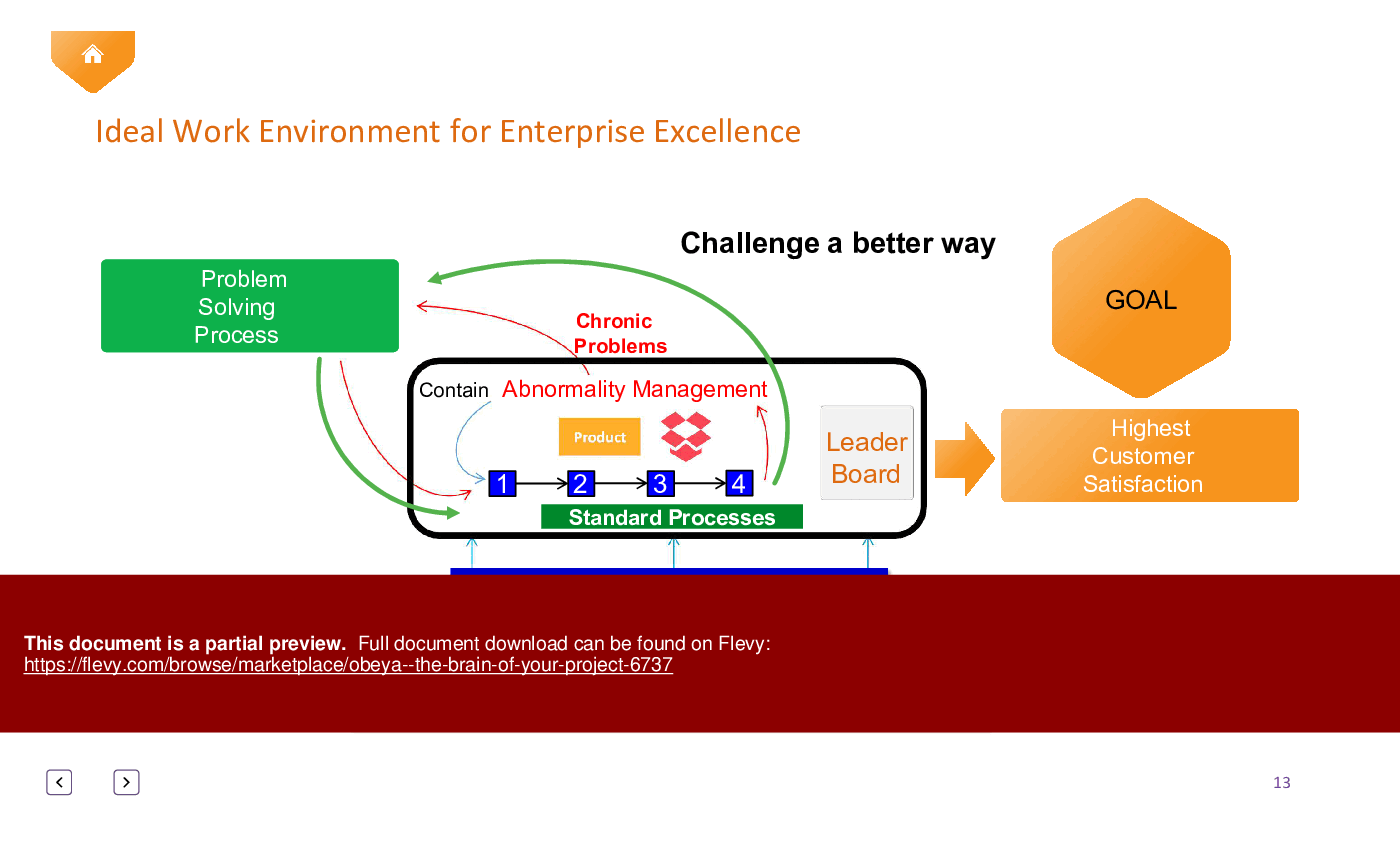
• Ideal Work Environment for Enterprise Excellence (page 13)
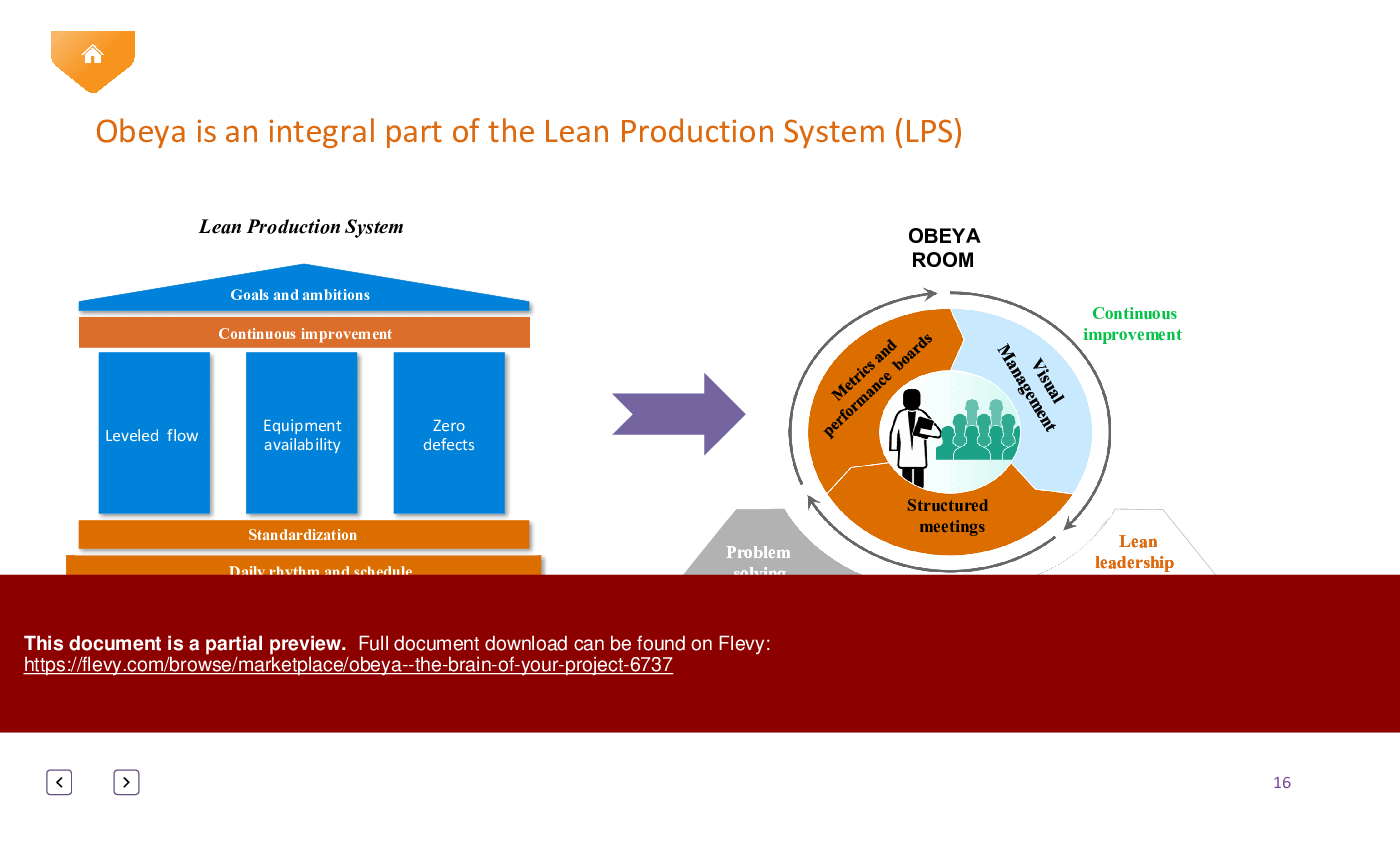
• Lean Production System (LPS) Overview (page 14)
• Obeya Room Structure (page 23)
• Change Management in Obeya (page 24)
• Lessons Learned from Obeya Implementation (page 28)
Primary Topics Covered
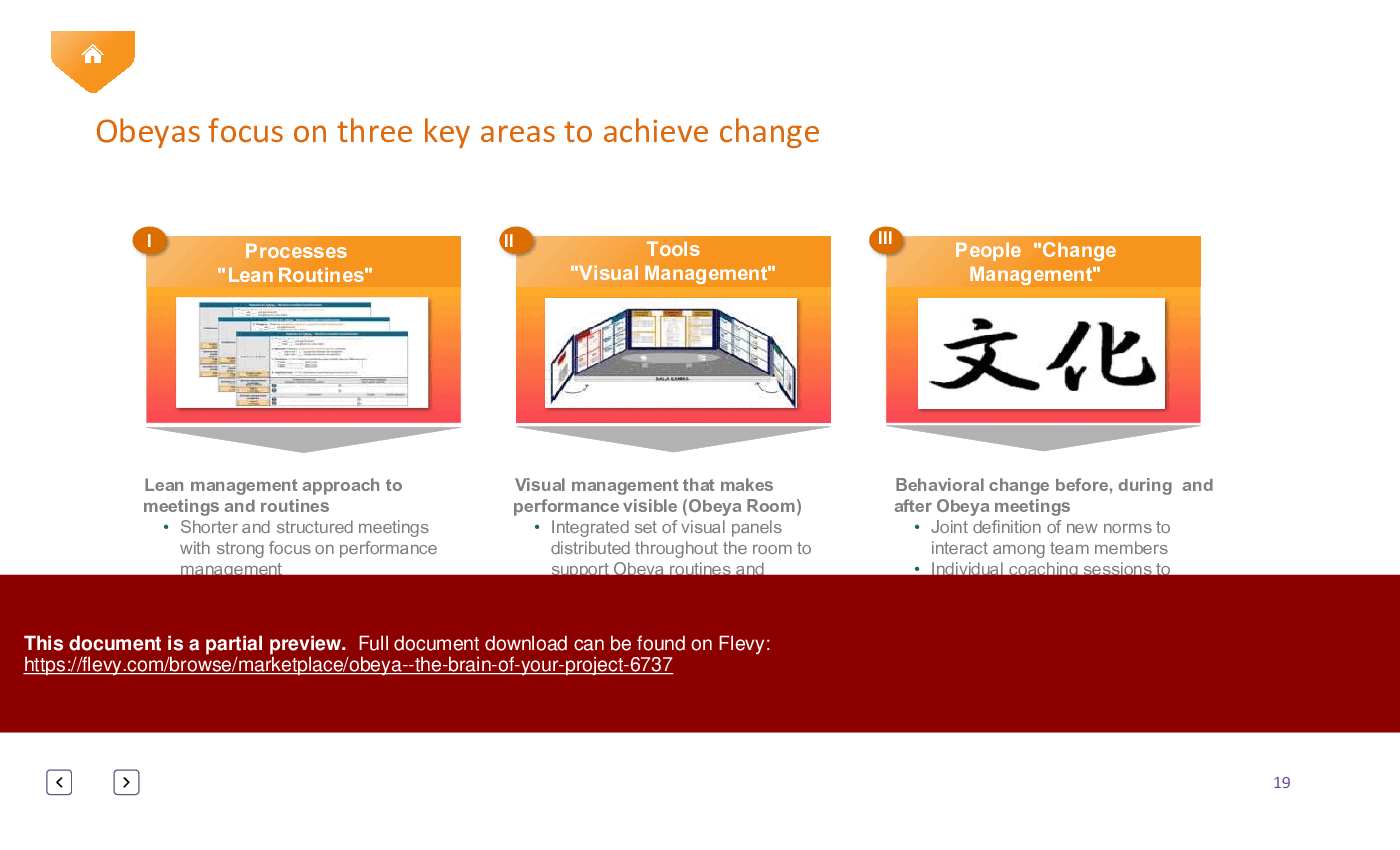
• Obeya Concept - Obeya is a collaborative space that enhances project management by visualizing performance metrics and facilitating structured discussions among team members.
• Lean Production System - The framework within which Obeya operates, focusing on continuous improvement, waste reduction, and efficient resource allocation.
• Performance Management - Utilizing KPIs and visual management tools to track project progress and identify areas for improvement.
• Behavioral Change - Encouraging a shift from traditional management styles to a more collaborative, problem-solving approach within teams.
• Visual Management - Implementing visual tools and boards in the Obeya room to enhance communication and decision-making processes.
• Project Governance - Establishing clear roles and responsibilities for team members to ensure accountability and effective project execution.
Deliverables, Templates, and Tools
• Obeya room layout template for effective visual management
• KPI tracking boards to monitor project performance
• Structured meeting agendas for regular performance reviews
• Problem-solving templates to facilitate root cause analysis
• Change management frameworks to guide team interactions
• Continuous improvement checklists for ongoing project assessment
Slide Highlights
• Overview of the Obeya concept and its significance in Lean management
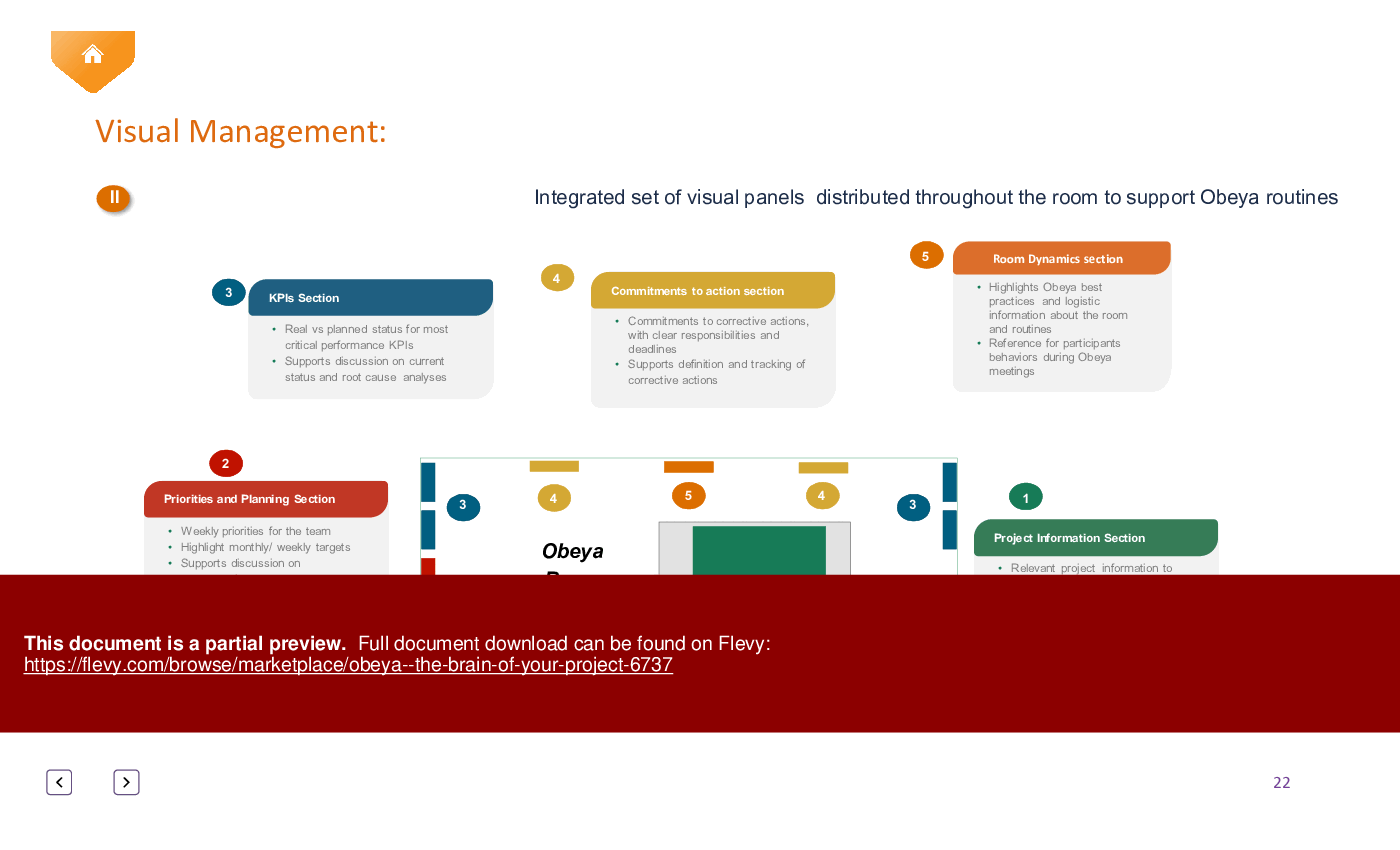
• Visual representation of the Obeya room structure, including planning and metric boards
• Key performance indicators that drive project success
• Examples of effective change management practices within Obeya meetings
• Lessons learned from previous Obeya implementations to guide future efforts
Potential Workshop Agenda
Obeya Introduction Session (60 minutes)
• Introduce the Obeya concept and its benefits
• Discuss the structure and elements of an effective Obeya room
• Explore the role of KPIs in project management
Performance Review Workshop (90 minutes)
• Review current project metrics and performance indicators
• Conduct root cause analysis on identified issues
• Develop actionable plans for improvement
Change Management Strategies (60 minutes)
• Define roles and responsibilities within the Obeya framework
• Discuss best practices for facilitating effective Obeya meetings
• Explore techniques for fostering a culture of continuous improvement
Customization Guidance
• Adapt the Obeya room layout to fit your team's specific project needs
• Tailor KPIs to align with organizational goals and project objectives
• Modify meeting agendas to reflect the unique challenges faced by your team
• Incorporate team-specific terminology and processes into the presentation
Secondary Topics Covered
• Lean methodologies and their application in project management
• The importance of visual management in enhancing communication
• Strategies for effective team collaboration and engagement
• Techniques for minimizing waste and improving efficiency
• The role of leadership in fostering a culture of continuous improvement
Topic FAQ
Document FAQ
These are questions addressed within this presentation.
What is the Obeya concept?
Obeya is a collaborative workspace designed to enhance project management by visualizing performance metrics and facilitating structured discussions among team members.
How can I implement an Obeya room?
Start by defining the purpose of the Obeya room, then design the layout to include visual management tools, performance boards, and designated areas for team discussions.
What are the key performance indicators (KPIs) for projects?
KPIs can include metrics such as quality, cost, delivery, lead times, and waste percentage, tailored to the specific goals of your project.
How does Obeya support continuous improvement?
Obeya encourages regular performance reviews, root cause analysis, and collaborative problem-solving, fostering a culture of continuous improvement within teams.
What roles are essential in an Obeya meeting?
Key roles include the leader who guides the meeting, the moderator who facilitates discussions, and participants who contribute insights and updates on their commitments.
What are the benefits of using visual management in Obeya?
Visual management enhances communication, provides at-a-glance status updates, and supports effective decision-making by making performance metrics easily accessible.
How can I ensure effective change management in Obeya?
Establish clear roles, encourage open communication, and regularly review commitments and performance metrics to facilitate effective change management.
What lessons can be learned from previous Obeya implementations?
Key lessons include the importance of having a suitable space, robust kick-off processes, and active involvement from leadership to ensure successful execution.
Glossary
• Obeya - A collaborative workspace for project management.
• Lean Production System (LPS) - A framework focused on continuous improvement and waste reduction.
• KPI - Key Performance Indicator used to measure project success.
• Visual Management - Tools and techniques to visualize project performance.
• Change Management - Processes to guide team interactions and adaptations.
• Root Cause Analysis - A method for identifying the underlying causes of issues.
• Continuous Improvement - Ongoing efforts to enhance processes and outcomes.
• Performance Metrics - Quantitative measures used to assess project performance.
• Team Collaboration - Working together effectively to achieve common goals.
• Project Governance - Structures and processes that guide project management.
• Behavioral Change - Shifts in team dynamics and management styles.
• Planning Board - A visual tool for tracking project plans and timelines.
• Metric Board - A visual representation of performance metrics.
• Countermeasure Board - A tool for tracking corrective actions and commitments.
• Gemba Walk - A practice of observing work processes in their natural environment.
• PDCA Cycle - Plan-Do-Check-Act, a framework for continuous improvement.
• Lean Methodologies - Techniques aimed at improving efficiency and reducing waste.
• Engagement - The level of involvement and commitment from team members.
• Value Stream Mapping - A visual tool for analyzing the flow of materials and information.
• Standard Work - Documented procedures for consistent execution of tasks.
• Cross-Functional Teams - Groups composed of members from different departments working together.
• Project Milestones - Significant points in a project timeline that indicate progress.
Source: Best Practices in Lean, Visual Workplace, Obeya PowerPoint Slides: Obeya - The Brain of your Project PowerPoint (PPTX) Presentation Slide Deck, RadVector Consulting
|
Receive our FREE presentation on Operational Excellence
This 50-slide presentation provides a high-level introduction to the 4 Building Blocks of Operational Excellence. Achieving OpEx requires the implementation of a Business Execution System that integrates these 4 building blocks. |