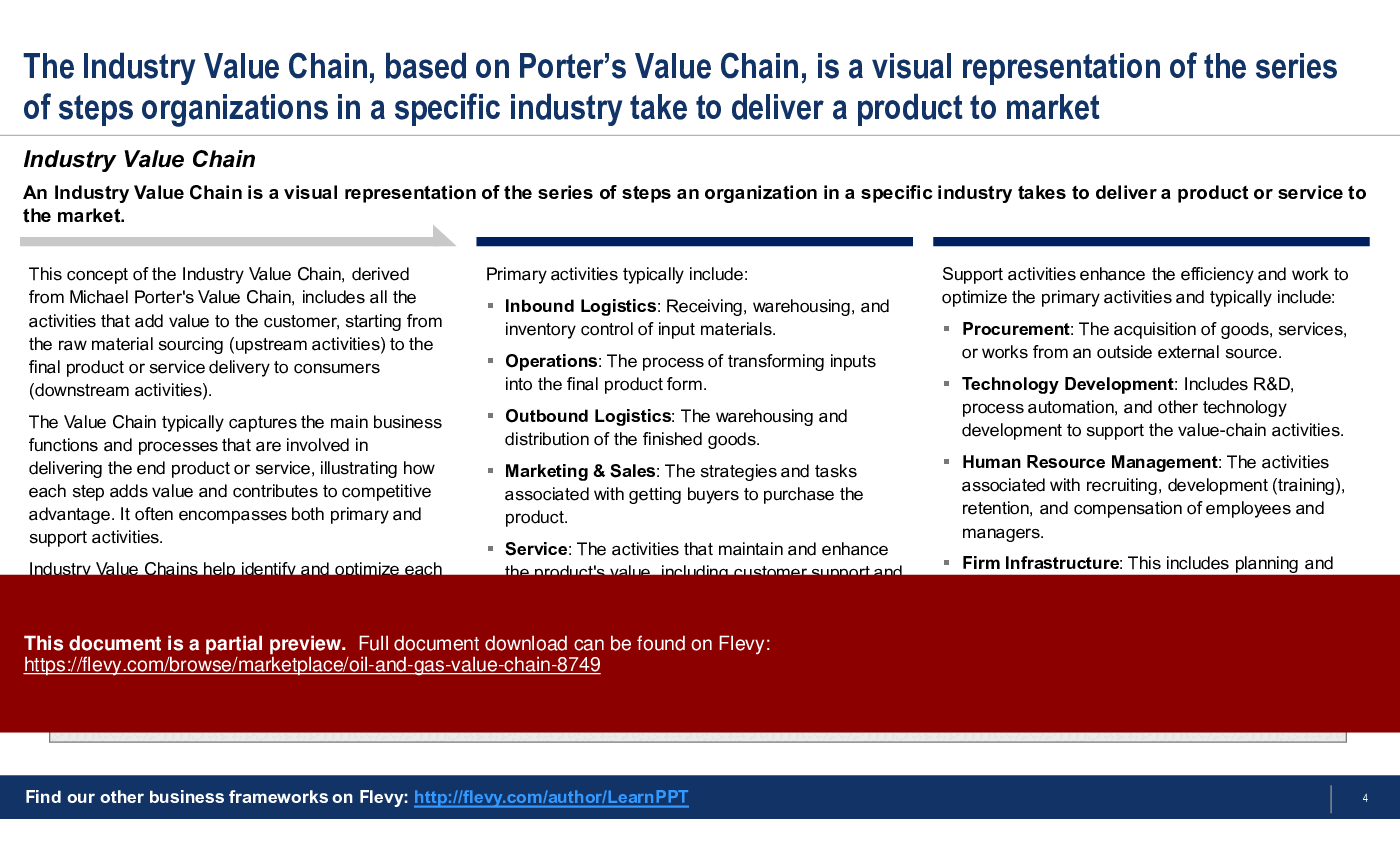

An Industry Value Chain is a visual representation of the series of steps an organization in a specific industry takes to deliver a product or service to the market. It captures the main business functions and processes that are involved in delivering the end product or service, illustrating how each step adds value and contributes to a Competitive Advantage. It often encompasses both primary and support activities.
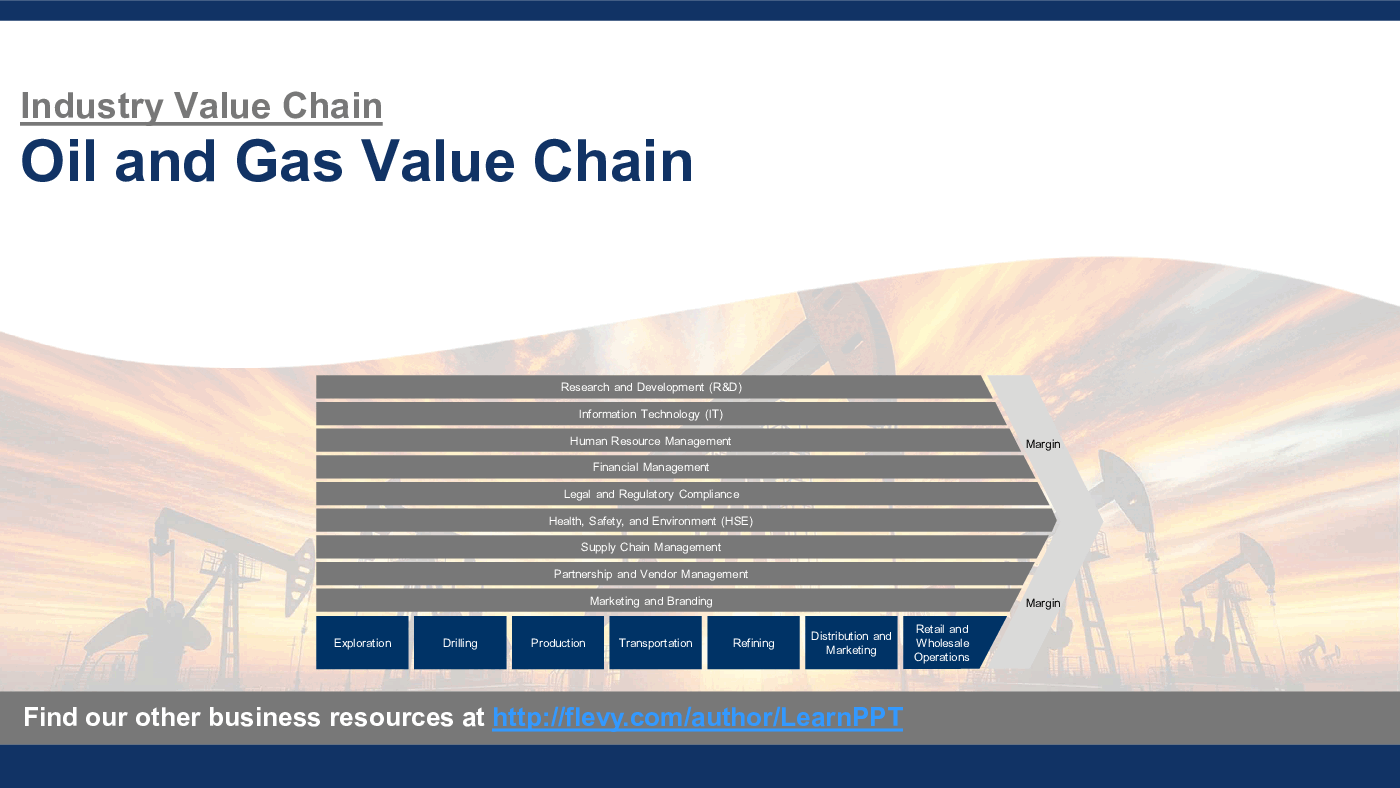
This presentation captures the Oil and Gas Industry Value Chain, which includes the following primary and support activities for Oil and Gas:
Primary Activities
1. Exploration
2. Drilling
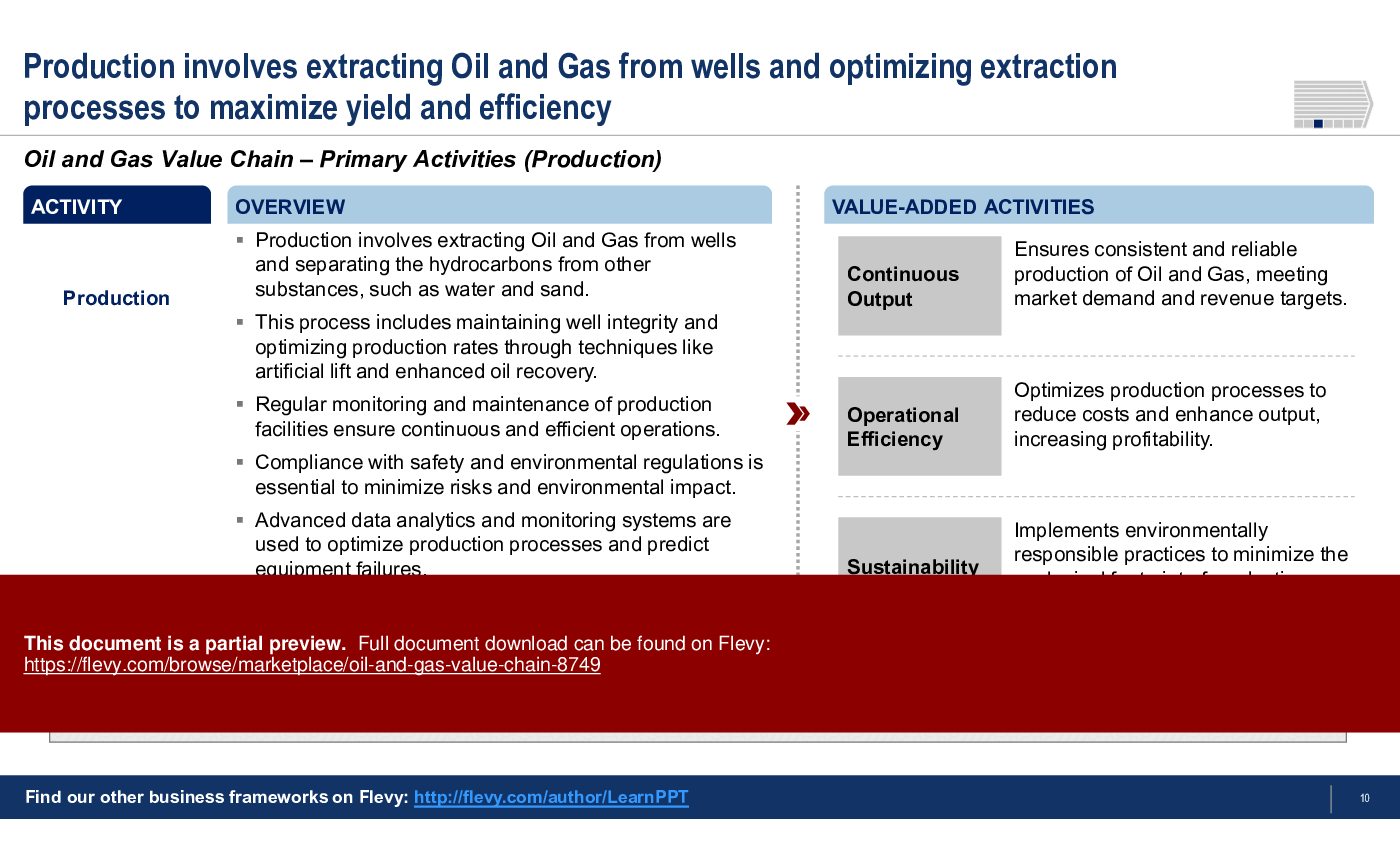
3. Production
4. Transportation
5. Refining
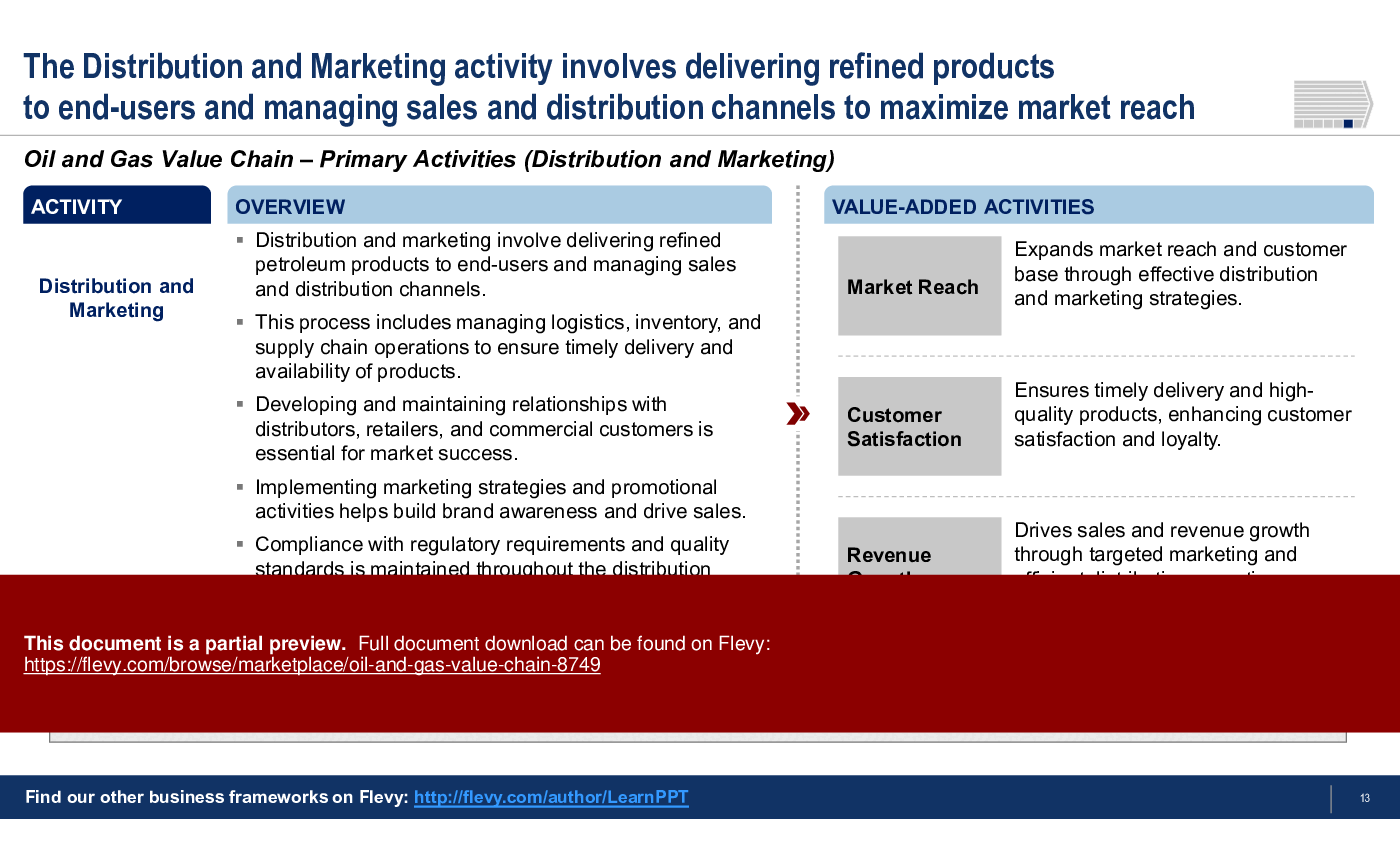
6. Distribution and Marketing
7. Retail and Wholesale Operations
Support Activities
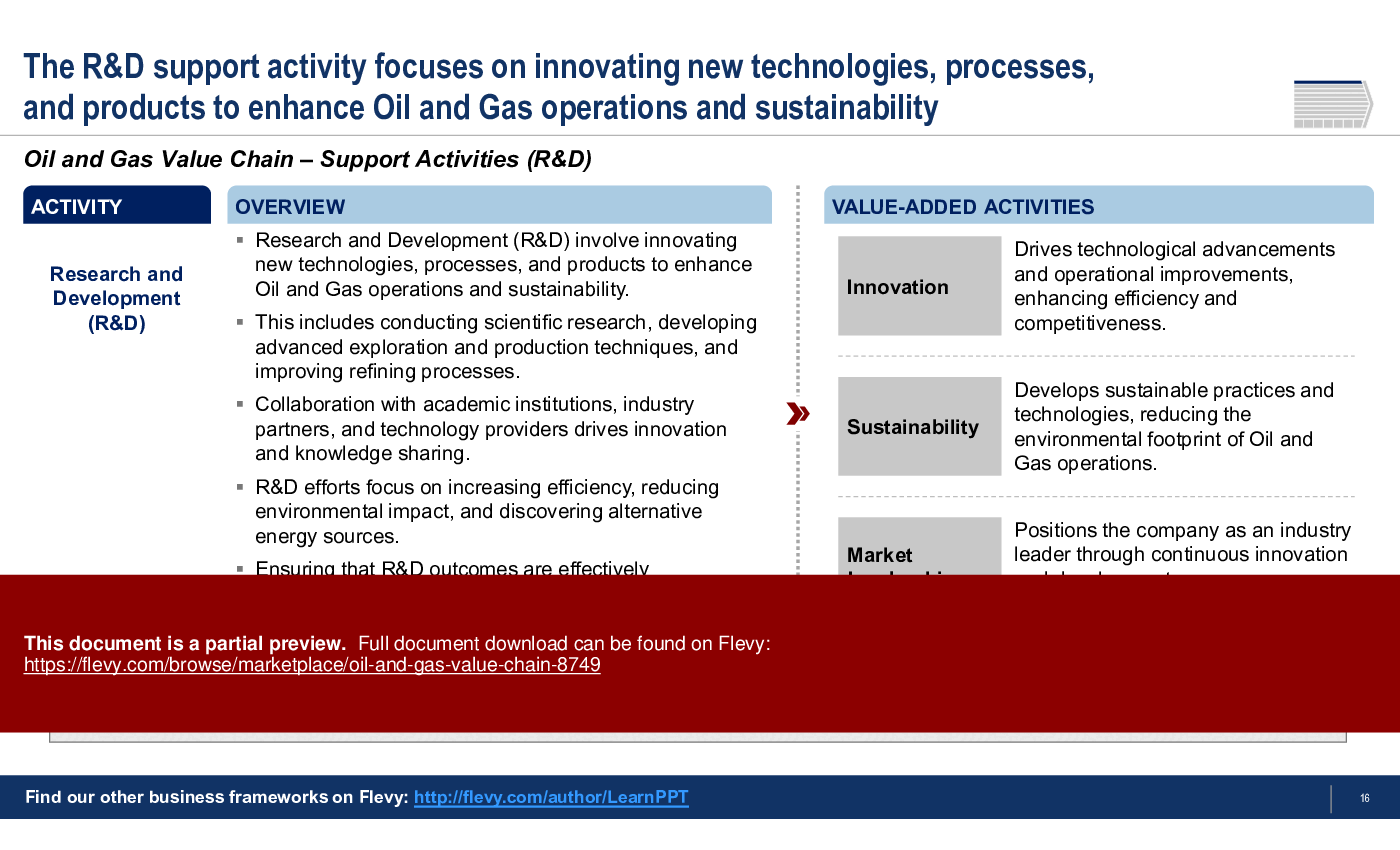
1. Research and Development (R&D)
2. Information Technology (IT)
3. Human Resource Management
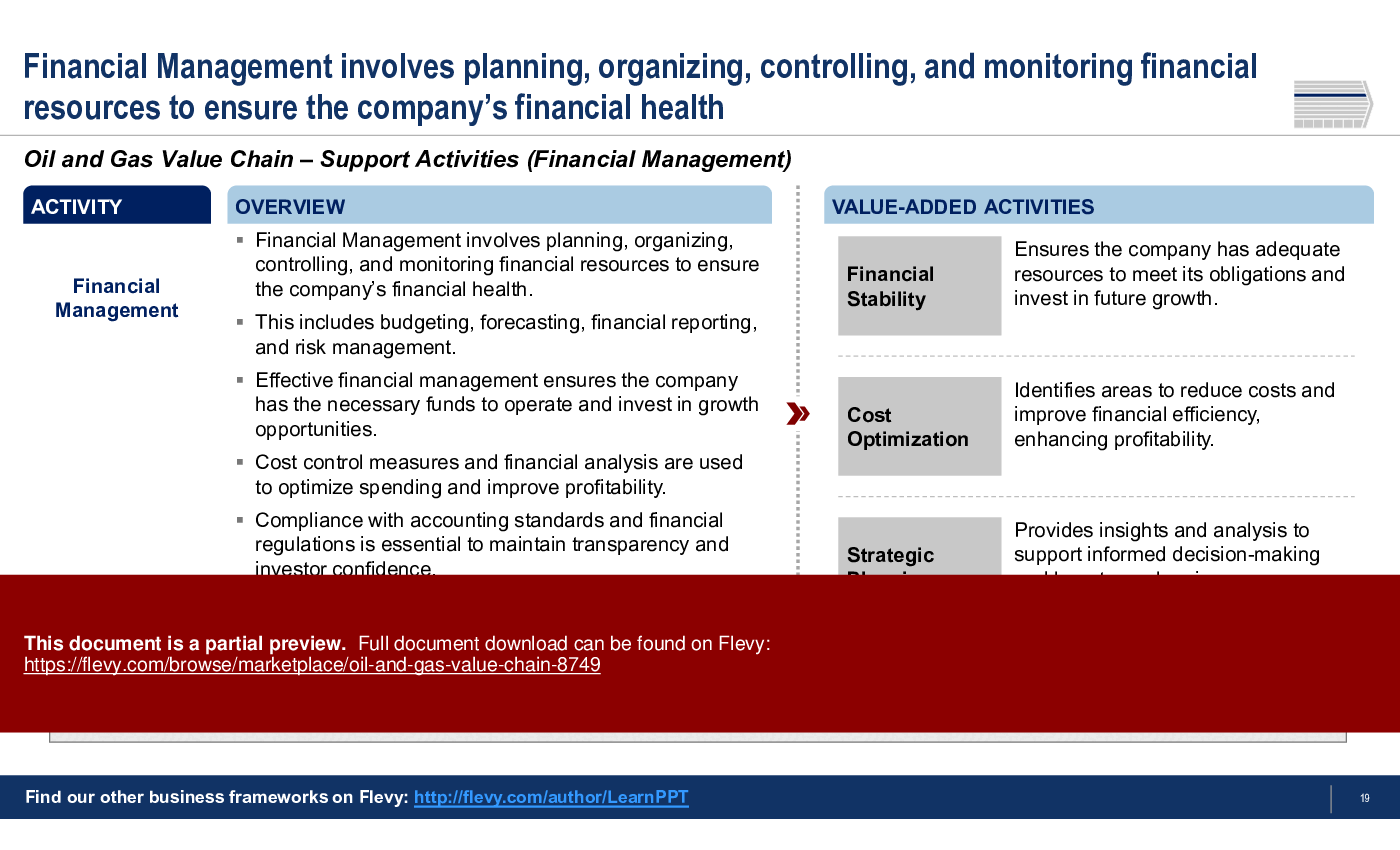
4. Financial Management
5. Legal and Regulatory Compliance
6. Health, Safety, and Environment (HSE)
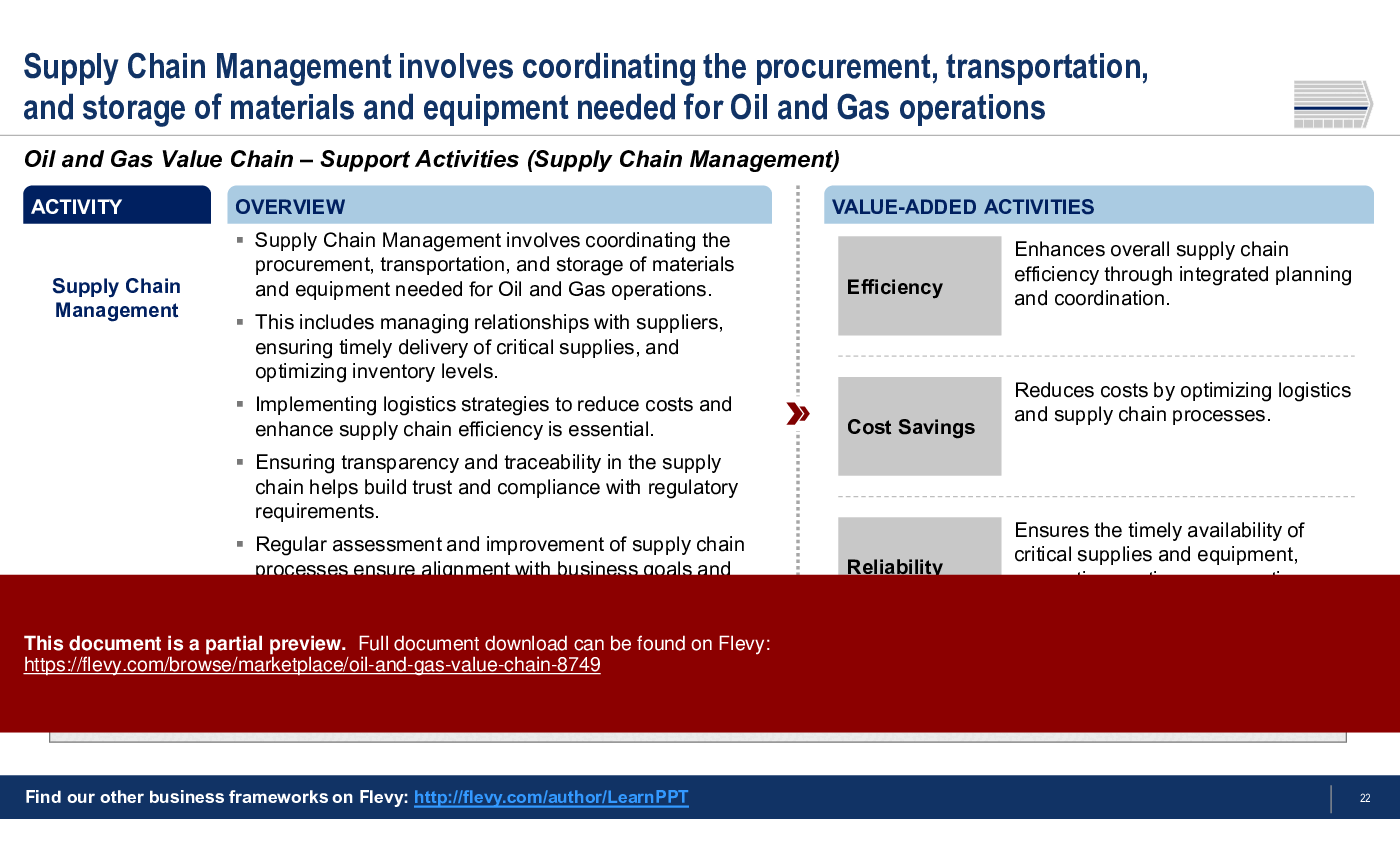
7. Supply Chain Management
8. Partnership and Vendor Management
9. Marketing and Branding
This presentation dives deeper into each of these activities, highlighting key elements.
The Oil and Gas Value Chain integrates exploration, production, refining, and distribution to transform raw hydrocarbons into valuable end products. Effective management of each Value Chain stage ensures operational efficiency, cost control, and timely delivery of high-quality petroleum products. Advanced technologies and strategic partnerships drive innovation, sustainability, and profitability in the Oil and Gas industry.
This presentation also discusses Oil and Gas Value Chain Analysis, highlighting a multitude of key considerations and potential insights to pay attention to. We further discuss the significant impact of Digital Transformation and various specific emergent technologies on the Telecom Industry.
This presentation not only outlines the Oil and Gas Value Chain, but also emphasizes the critical importance of each activity in driving operational success. It provides a granular look at how exploration, drilling, refining, and distribution interconnect to create a seamless flow from raw material to market-ready products. The insights into emerging technologies and best practices equip leaders with the knowledge to make informed decisions that enhance efficiency and sustainability. This PPT serves as a vital resource for executives aiming to optimize their operations and respond effectively to the evolving demands of the industry.
Got a question about the product? Email us at support@flevy.com or ask the author directly by using the "Ask the Author a Question" form. If you cannot view the preview above this document description, go here to view the large preview instead.
Executive Summary
This presentation provides a detailed analysis of the Oil and Gas Value Chain, structured in a consulting-grade format akin to McKinsey, Bain, or BCG-quality. It outlines the primary and support activities essential for transforming raw hydrocarbons into valuable end products. The framework enables executives to understand how each stage—ranging from exploration to retail—contributes to operational efficiency, cost management, and product quality. By leveraging advanced technologies and strategic partnerships, organizations can drive innovation and sustainability within the Oil and Gas sector.

Who This Is For and When to Use
• Corporate executives in the Oil and Gas industry
• Supply chain managers focused on operational efficiency
• Consultants analyzing industry frameworks and best practices
• Project managers overseeing exploration and production activities
• Business analysts evaluating market dynamics and trends
Best-fit moments to use this deck:
• Strategic planning sessions to assess value chain efficiencies
• Workshops aimed at optimizing operational processes
• Presentations to stakeholders on industry best practices
• Training sessions for teams on Oil and Gas operations
Learning Objectives
• Define the Oil and Gas Value Chain and its significance in operational success
• Analyze primary and support activities that drive efficiency and profitability
• Identify key considerations for effective value chain management
• Evaluate the impact of digital transformation on the Oil and Gas sector
• Develop strategies for enhancing sustainability and innovation
• Implement best practices for risk management and regulatory compliance
Table of Contents
• Executive Summary (page 1)
• Oil and Gas Value Chain (page 2)
• Primary Activities (page 3)
• Support Activities (page 4)
• Oil and Gas Value Chain Analysis (page 5)
Primary Topics Covered
• Exploration - Identifying potential Oil and Gas reserves through geological surveys and seismic studies.
• Drilling - Creating wells to access identified reserves using advanced techniques and equipment.
• Production - Extracting Oil and Gas from wells and optimizing processes for maximum yield.
• Transportation - Moving hydrocarbons from production sites to refineries and processing facilities.
• Refining - Processing crude oil into various petroleum products through advanced techniques.
• Distribution and Marketing - Delivering refined products to end-users and managing sales channels.
• Retail and Wholesale Operations - Selling petroleum products directly to consumers and businesses.
Deliverables, Templates, and Tools
• Value chain analysis framework for Oil and Gas operations
• Templates for assessing operational efficiency at each stage
• Guidelines for implementing digital transformation technologies
• Checklists for regulatory compliance and risk management
• Best practice templates for supply chain management and vendor relations
• Tools for monitoring environmental impact and sustainability efforts
Slide Highlights
• Overview of the Oil and Gas Value Chain with visual representations of primary and support activities
• Detailed breakdown of each primary activity, including exploration, drilling, and refining
• Insights on the impact of digital transformation technologies on operational efficiency
• Key considerations for effective Oil and Gas Value Chain Analysis
• Visuals illustrating the integration of advanced technologies in each stage of the value chain
Potential Workshop Agenda
Understanding the Oil and Gas Value Chain (90 minutes)
• Overview of primary and support activities
• Discussion on operational efficiencies and cost management strategies
• Case studies on successful value chain optimization
Digital Transformation in Oil and Gas (60 minutes)
• Exploring the role of emerging technologies
• Best practices for implementing digital solutions
• Interactive session on real-world applications
Customization Guidance
• Tailor the framework to specific organizational needs by incorporating unique operational metrics
• Adjust the templates to reflect local regulatory requirements and compliance standards
• Update case studies and examples to align with current market conditions and trends
Secondary Topics Covered
• Environmental impact assessments and sustainability practices
• Risk management strategies for navigating market volatility
• The role of strategic partnerships in enhancing value chain efficiency
• Innovations in technology and their implications for the Oil and Gas industry
FAQ
What are the primary activities in the Oil and Gas Value Chain?
The primary activities include exploration, drilling, production, transportation, refining, distribution and marketing, and retail and wholesale operations.
How does digital transformation impact the Oil and Gas sector?
Digital transformation enhances operational efficiency, improves decision-making, and enables real-time monitoring across the value chain.
What are the key considerations for effective value chain management?
Key considerations include resource availability, regulatory compliance, environmental impact, and operational efficiency.
How can organizations optimize their supply chain in the Oil and Gas industry?
Organizations can optimize their supply chain by implementing integrated planning, enhancing supplier relationships, and utilizing advanced logistics strategies.
What role does R&D play in the Oil and Gas Value Chain?
R&D drives innovation, enhances operational efficiency, and develops sustainable practices within the Oil and Gas sector.
How can companies ensure compliance with legal and regulatory standards?
Companies can ensure compliance by implementing robust compliance programs, conducting regular audits, and educating employees on legal requirements.

What are the benefits of effective vendor management?
Effective vendor management ensures high-quality products and services, reduces costs, and fosters strategic partnerships for business growth.
How can organizations assess the environmental impact of their operations?
Organizations can assess environmental impact through regular monitoring, implementing sustainable practices, and adhering to regulatory standards.
Glossary
• Value Chain - A series of steps an organization takes to deliver a product or service to the market.
• Exploration - The process of identifying potential Oil and Gas reserves.
• Drilling - Creating wells to access identified Oil and Gas reserves.
• Production - Extracting Oil and Gas from wells.
• Transportation - Moving hydrocarbons from production sites to processing facilities.
• Refining - Processing crude oil into valuable petroleum products.
• Distribution - Delivering refined products to end-users.
• Retail Operations - Selling petroleum products directly to consumers.
• R&D - Research and Development focused on innovation in Oil and Gas operations.
• Compliance - Adhering to legal and regulatory standards in Oil and Gas activities.
• Sustainability - Practices aimed at minimizing environmental impact.
• Supply Chain Management - Coordinating procurement and logistics for Oil and Gas operations.
• Vendor Management - Managing relationships with suppliers and partners.
• Digital Transformation - Integrating advanced technologies into Oil and Gas operations.
• Operational Efficiency - Maximizing productivity while minimizing costs.
• Market Dynamics - Analyzing trends and consumer demand in the Oil and Gas sector.
• Risk Management - Developing strategies to mitigate potential risks.
• Customer Satisfaction - Meeting or exceeding customer expectations in product delivery.
• Innovation - The process of developing new technologies and practices in Oil and Gas.
Source: Best Practices in Oil & Gas PowerPoint Slides: Oil and Gas Value Chain PowerPoint (PPTX) Presentation Slide Deck, LearnPPT Consulting
|
Download our FREE Strategy & Transformation Framework Templates
Download our free compilation of 50+ Strategy & Transformation slides and templates. Frameworks include McKinsey 7-S, Balanced Scorecard, Disruptive Innovation, BCG Curve, and many more. |