
The Lean – Standard Work Training Module includes:
1. MS PowerPoint Presentation including 113 slides covering
• History of Lean Manufacturing,
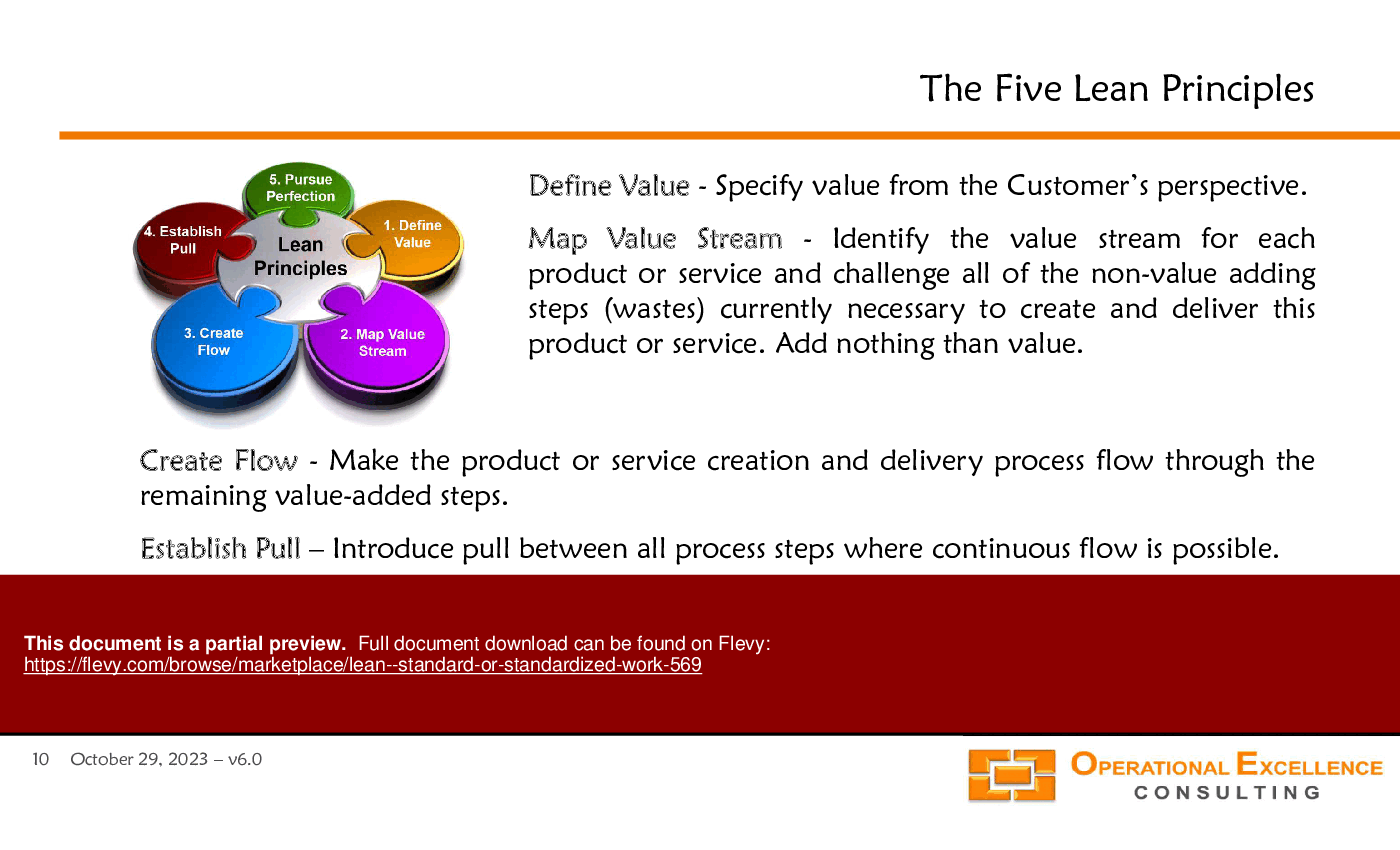
• The Five Lean Principles,
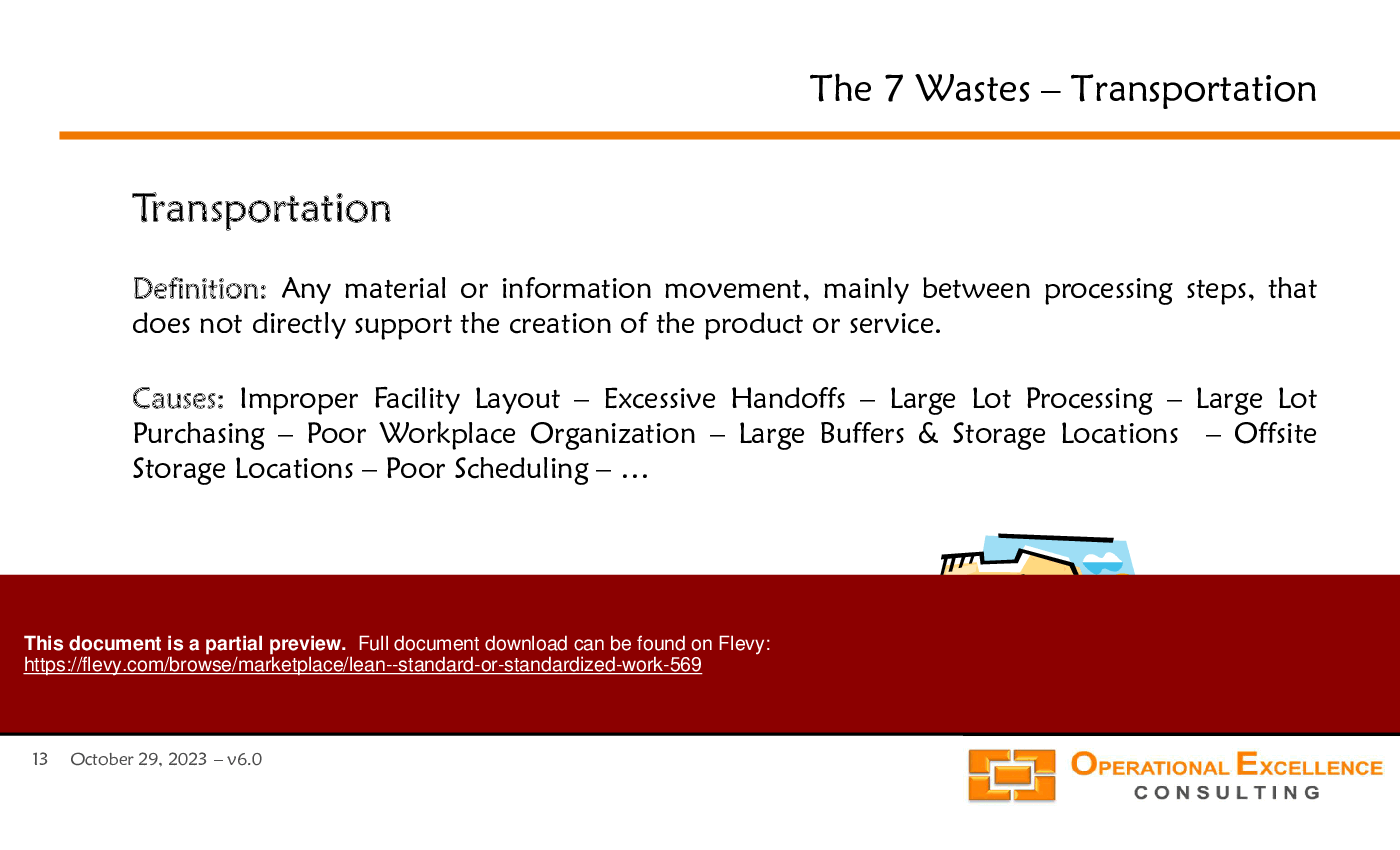
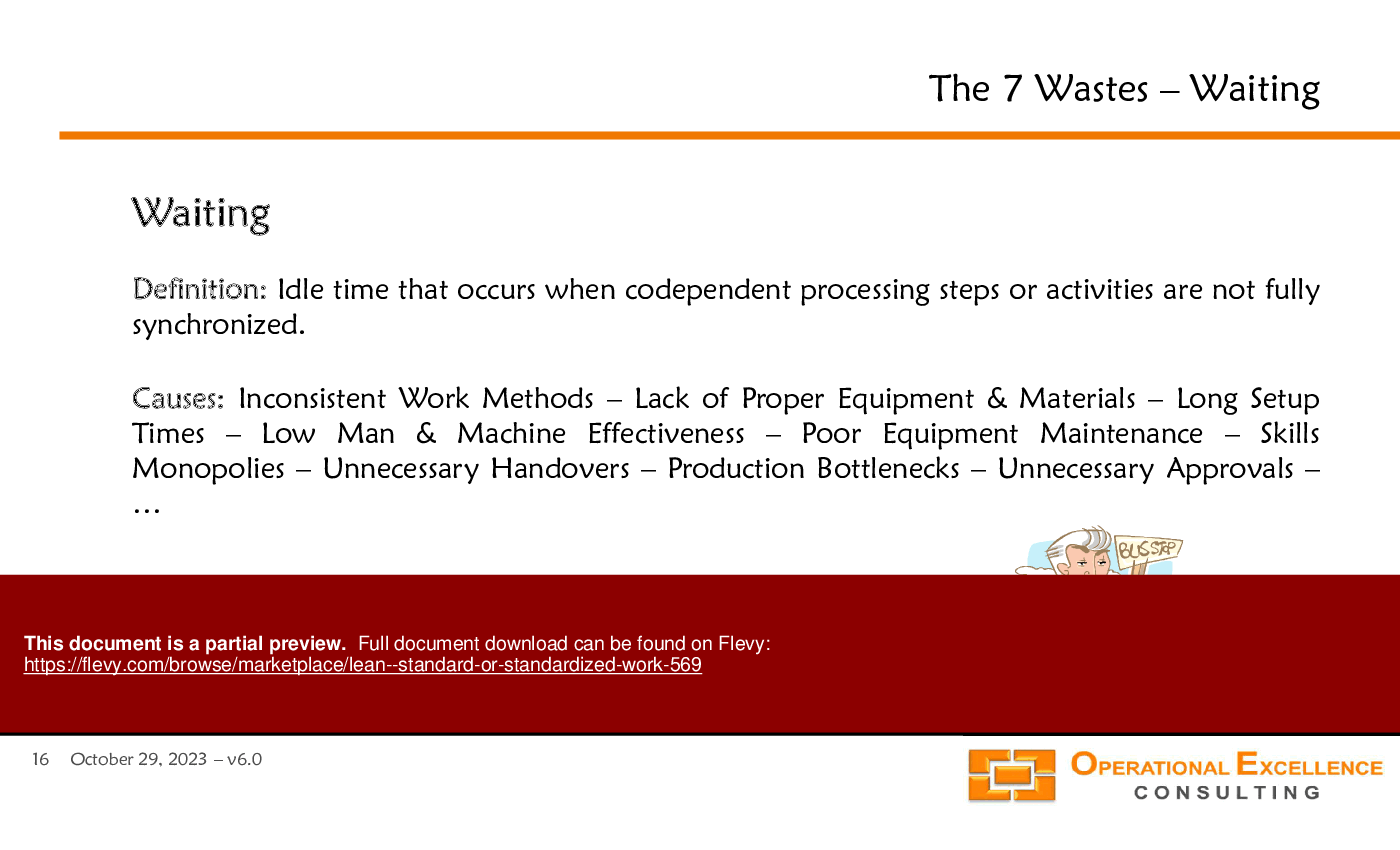
• The Seven Lean Wastes,
• Lean Kaizen Events,
• Introduction to Lean Standard Work (Introduction, Objectives, Benefits),
• Basic Requirements of Lean Standard Work,
• A Step-by-Step Lean Standard Work Implementation Process using Standard Work Worksheets & Examples,
• Takt & Cycle Time, Work Balancing, Quick Changeovers, and Kanban Solutions.
2. MS Excel Process Study Worksheet Template, Process Capacity Worksheet Template & Example, Work Chart Template & Example, and Work Combination Table Template & Examples
"After you have downloaded the training material, you can change any part of the training material and remove all logos and references to Operational Excellence Consulting. You can share the material with your colleagues and clients, and re-use it as you need. The only restriction is that you cannot publicly re-distribute, sell, rent or license the material as though it is your own. Thank you."
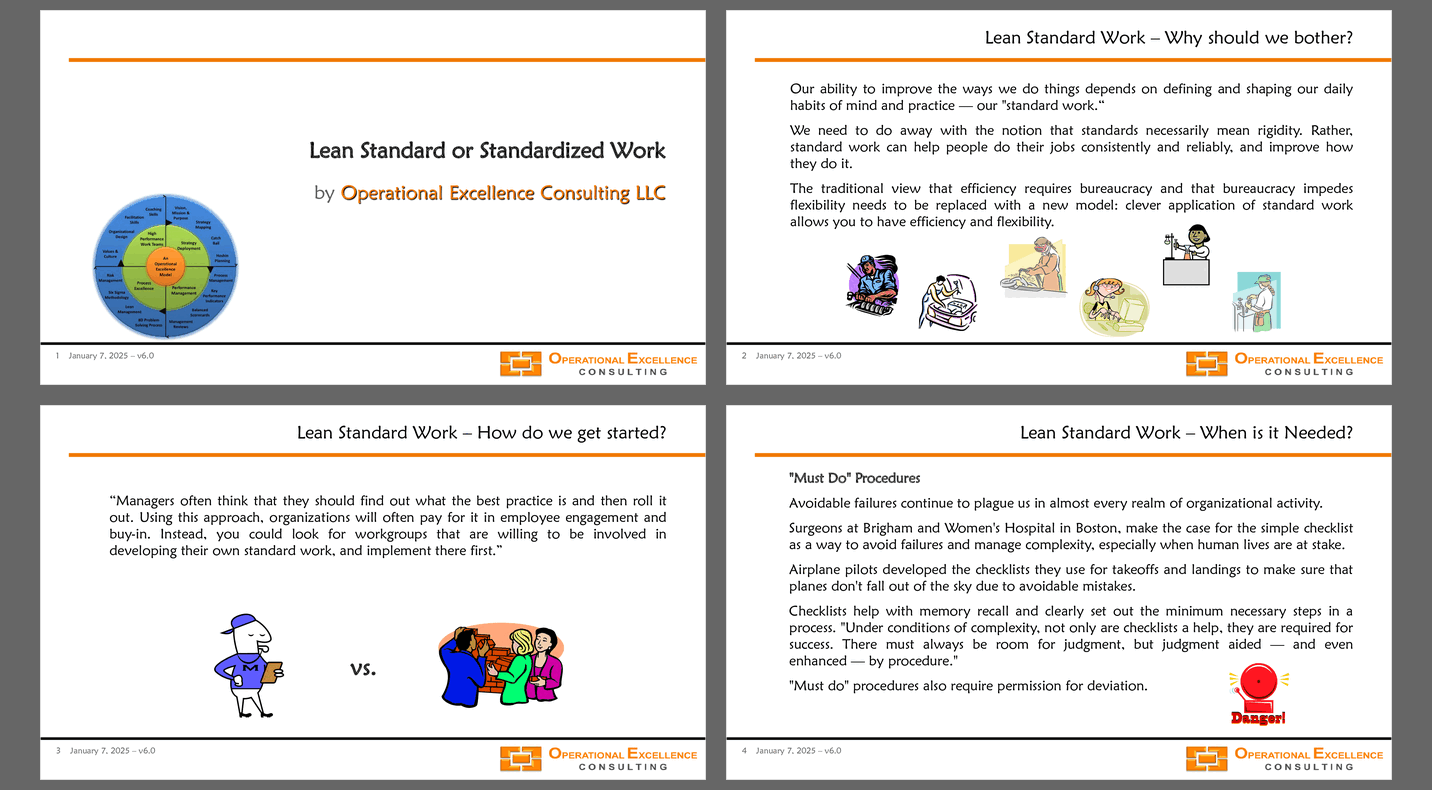
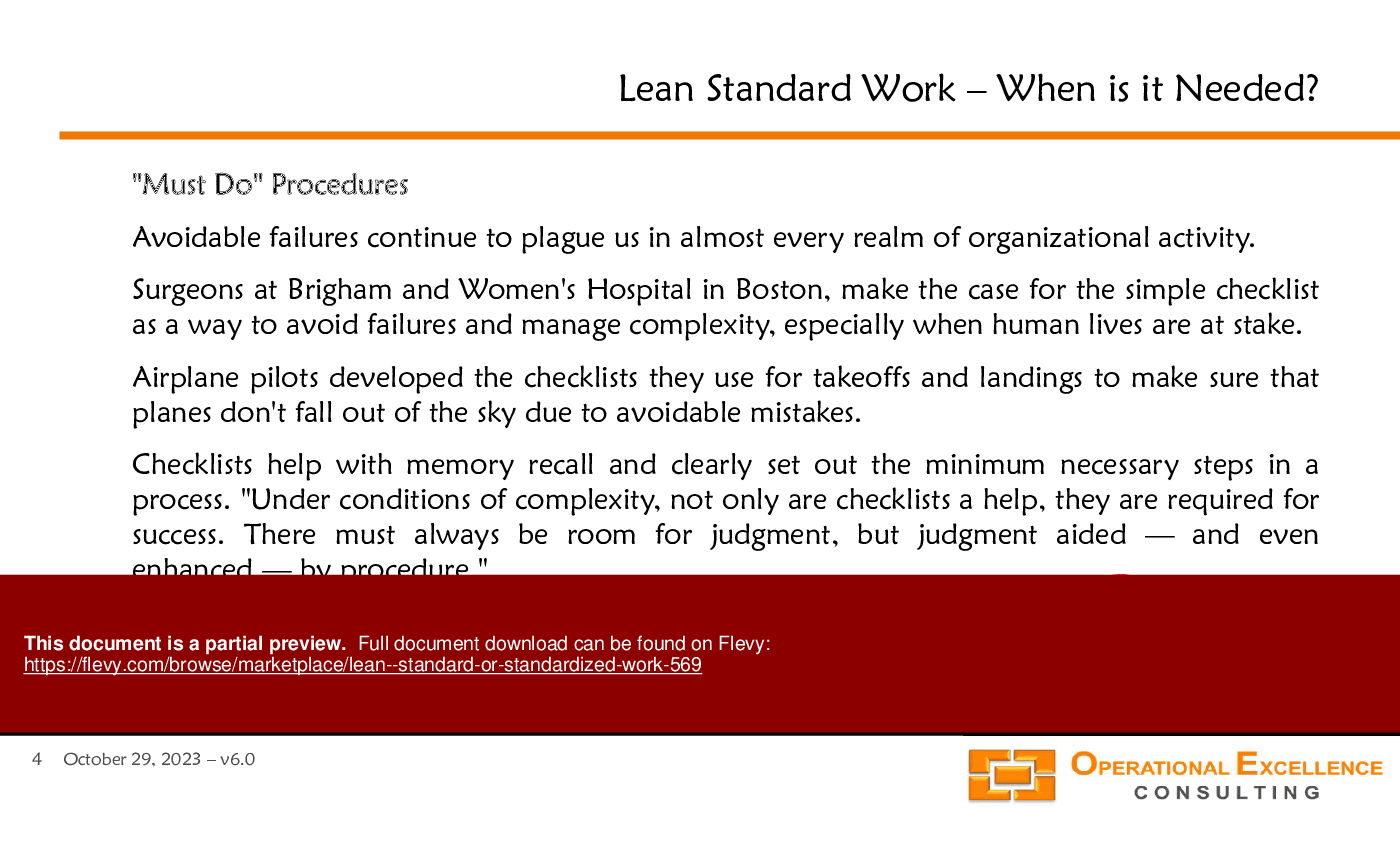
The Lean – Standard or Standardized Work module also delves into the critical role of checklists in mitigating avoidable failures and managing complexity in high-stakes environments, such as hospitals and aviation. It emphasizes the importance of memory recall and judgment, aided by well-structured procedures. This training material ensures that your team can effectively implement and sustain Lean Standard Work processes, enhancing operational efficiency and reducing waste.
The module covers the collection and analysis of data using Lean Standard Work templates, enabling front-line leaders and engineers to design and improve workflows. By the end of the workshop, participants will have a solid understanding of Lean principles, the ability to optimize processes, and the skills to implement quick changeovers and Kanban solutions. This comprehensive approach ensures that your organization can achieve and maintain world-class efficiency levels.
Got a question about the product? Email us at support@flevy.com or ask the author directly by using the "Ask the Author a Question" form. If you cannot view the preview above this document description, go here to view the large preview instead.
Executive Summary
The Lean Standard or Standardized Work presentation is a comprehensive training resource designed to enhance operational efficiency through the implementation of Lean principles. Developed by an experienced Operational Excellence Coach, this presentation equips organizations with the tools to define and standardize work processes, thereby improving consistency and reliability in operations. Users will learn to utilize templates and tools for analyzing cycle times, work sequences, and implementing Kanban systems, ultimately leading to improved productivity and reduced waste.
Who This Is For and When to Use
• Operational Excellence leaders focused on process improvement
• Manufacturing engineers and team leaders responsible for workflow optimization
• Quality assurance teams aiming to enhance product reliability
• Training and development professionals implementing Lean methodologies
Best-fit moments to use this deck:
• During Lean training sessions for new employees
• When initiating a Lean transformation project
• For workshops aimed at improving specific operational processes
• In team meetings focused on problem-solving and process optimization
Learning Objectives
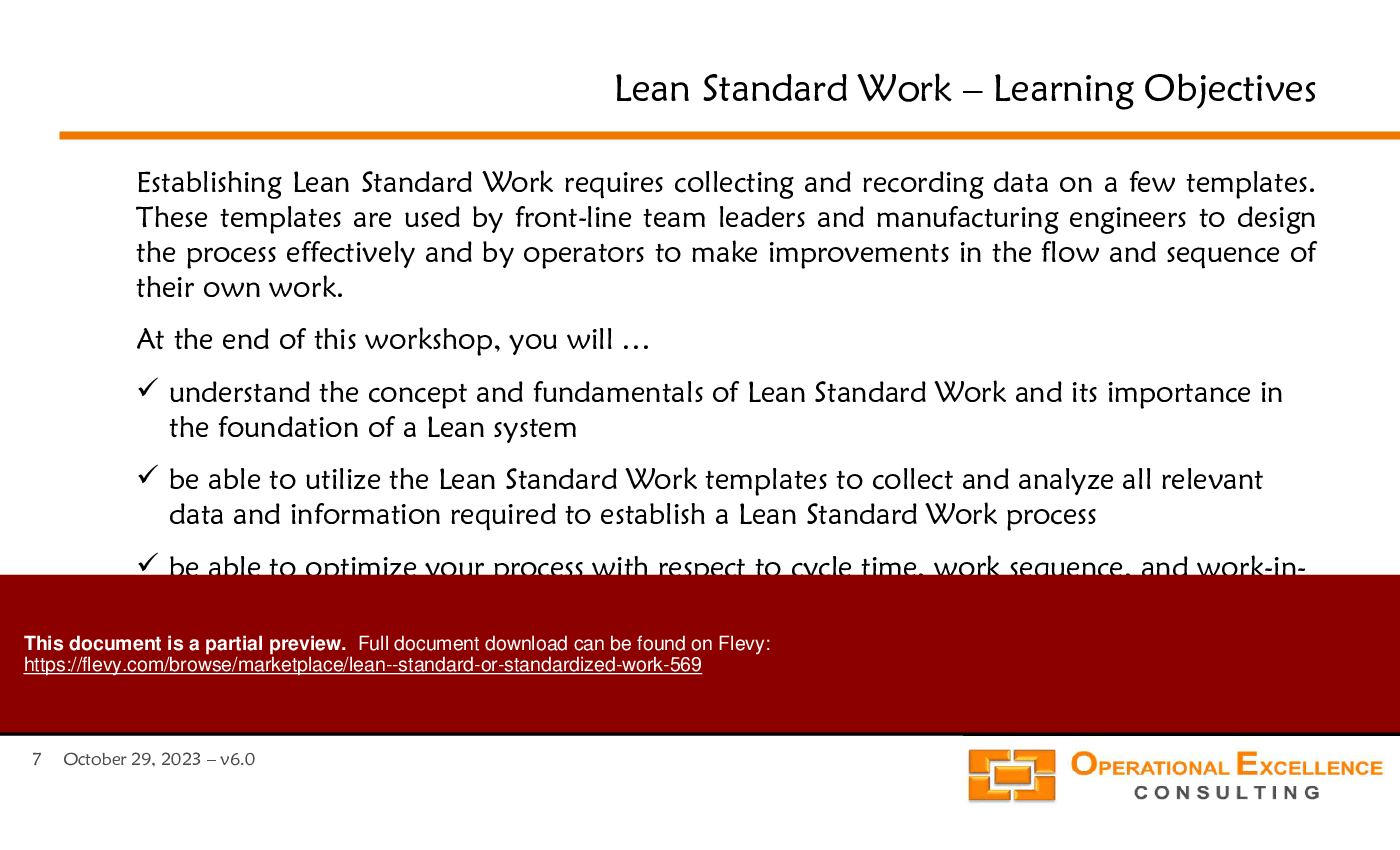
• Define Lean Standard Work and its significance in operational excellence
• Utilize Lean Standard Work templates for data collection and analysis
• Optimize processes concerning cycle time, work sequence, and work-in-process
• Implement additional Lean tools, including Kanban and work balancing
• Analyze and improve existing workflows to eliminate waste
Table of Contents
• The History of Lean Manufacturing (page 9)
• The Five Lean Principles (page 10)
• Lean and The Seven Wastes (page 12)
• Lean Standard Work – Introduction, Objectives, Benefits (page 46)
• Three Basic Requirements of Lean Standard Work (page 50)
• Lean Process Study – Template, Takt & Cycle Time, Work Balancing (page 51)
• Lean Process Capacity – Template, Quick Changeover (page 60)
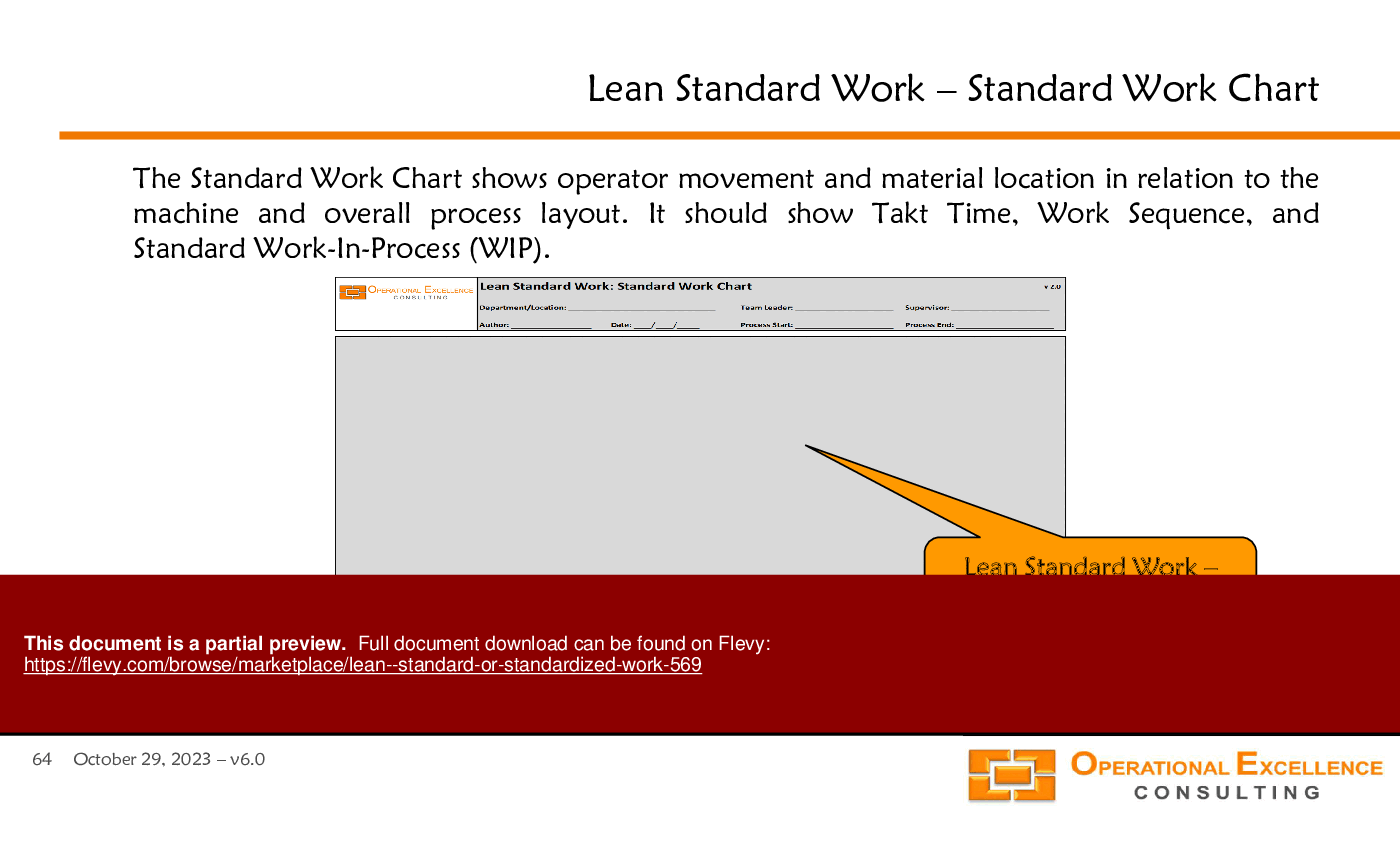
• Lean Standard Work Chart – Template, Work Sequencing (page 64)
• Lean Standard Work-In-Process – Kanban (page 69)
• Lean Standard Work Combination Table – Template (page 82)
• Summary (page 86)
Primary Topics Covered
• Lean Principles - Lean principles focus on maximizing customer value while minimizing waste, emphasizing continuous improvement.
• Standard Work Definition - Standard Work is defined as the most effective combination of manpower, materials, and machinery to complete a specific task.
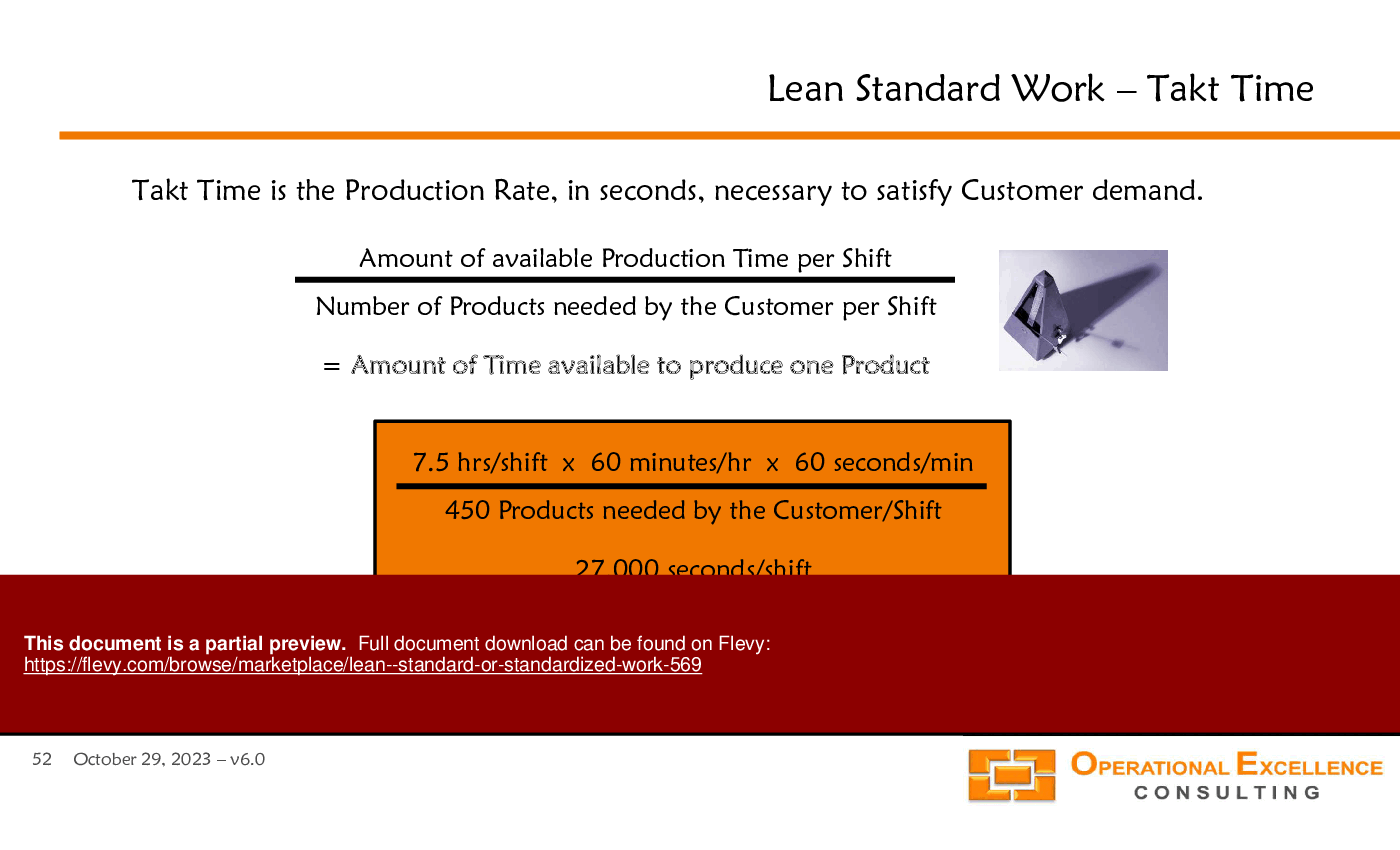
• Takt Time - Takt Time is the production rate necessary to meet customer demand, calculated based on available production time and required output.
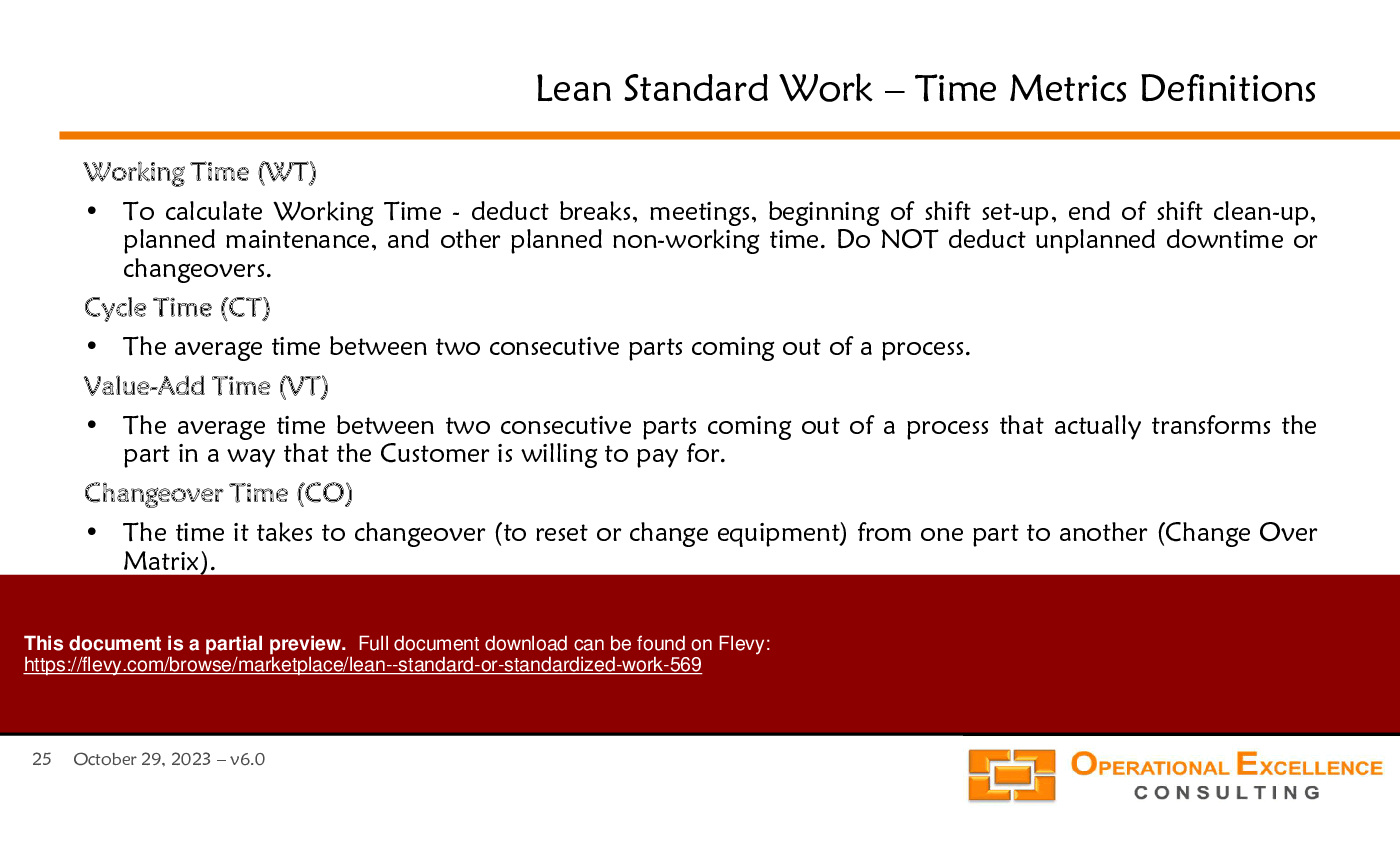
• Cycle Time - Cycle Time measures the time necessary to process one unit, including all work and waiting times.
• Work Balancing - Work Balancing ensures that cycle times for all process steps are similar and below the required Takt Time.
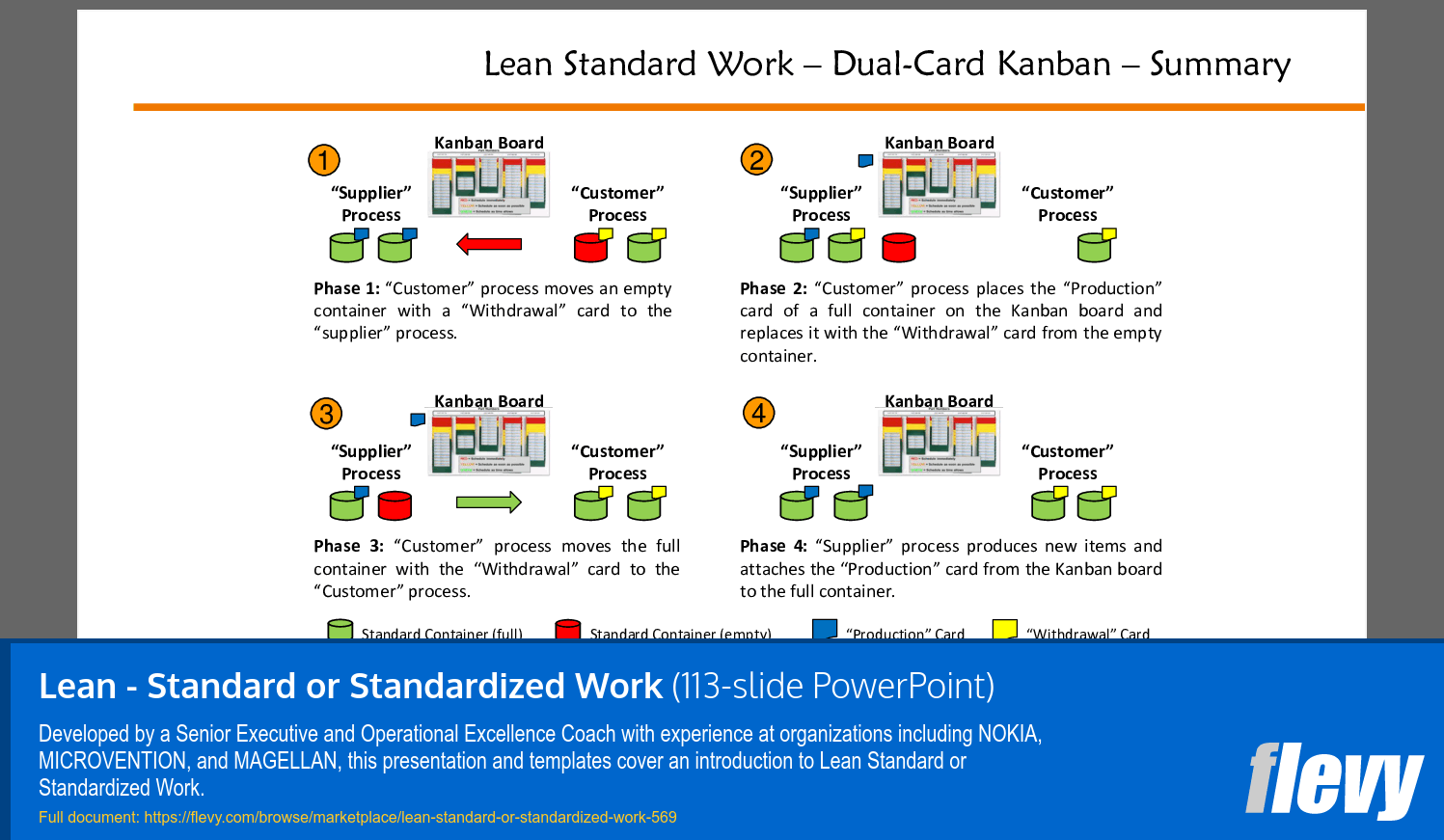
• Kanban Systems - Kanban is a visual scheduling system that helps manage workflow and inventory levels effectively.
Deliverables, Templates, and Tools
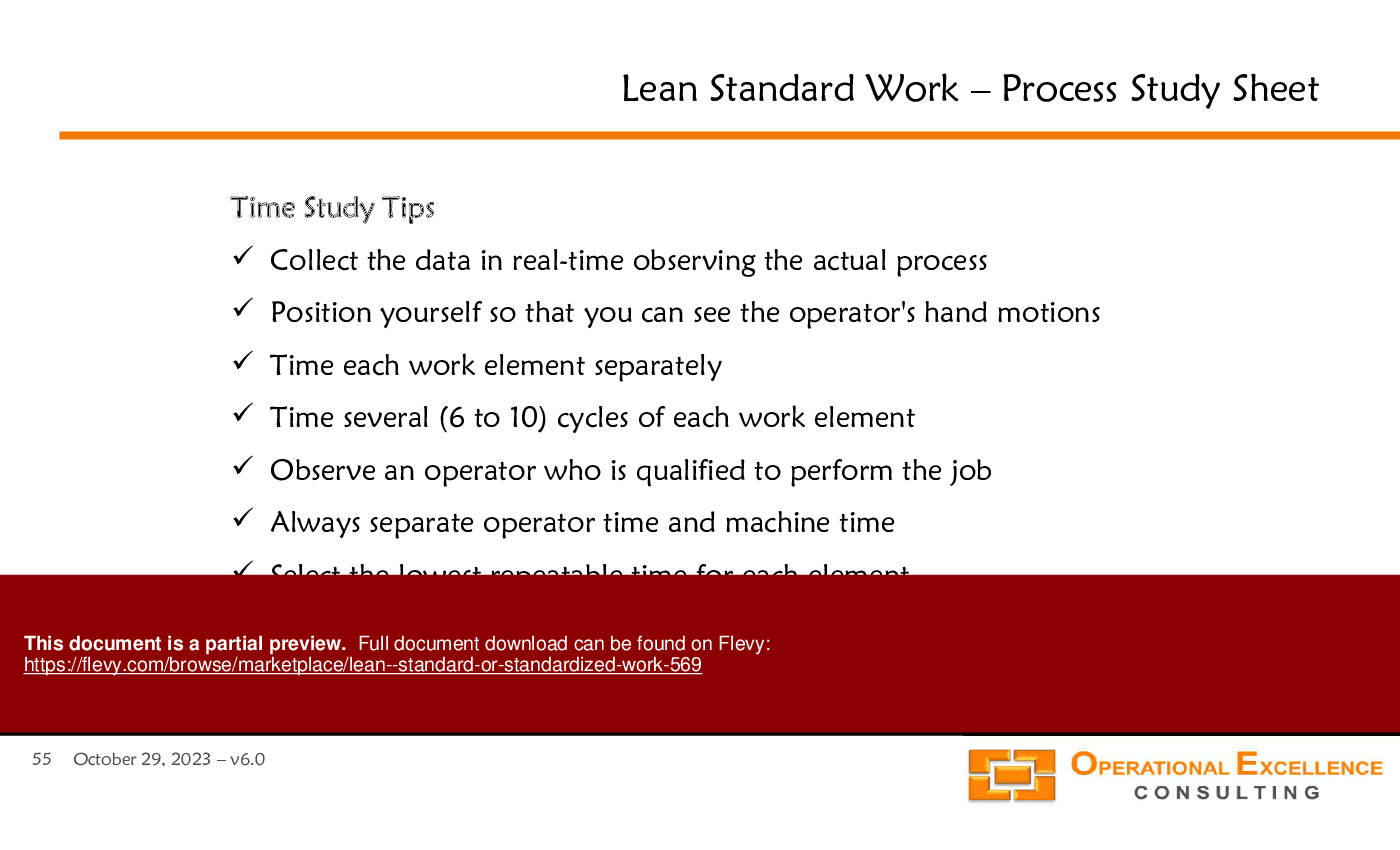
• Standard Work Process Study Sheet for documenting process steps
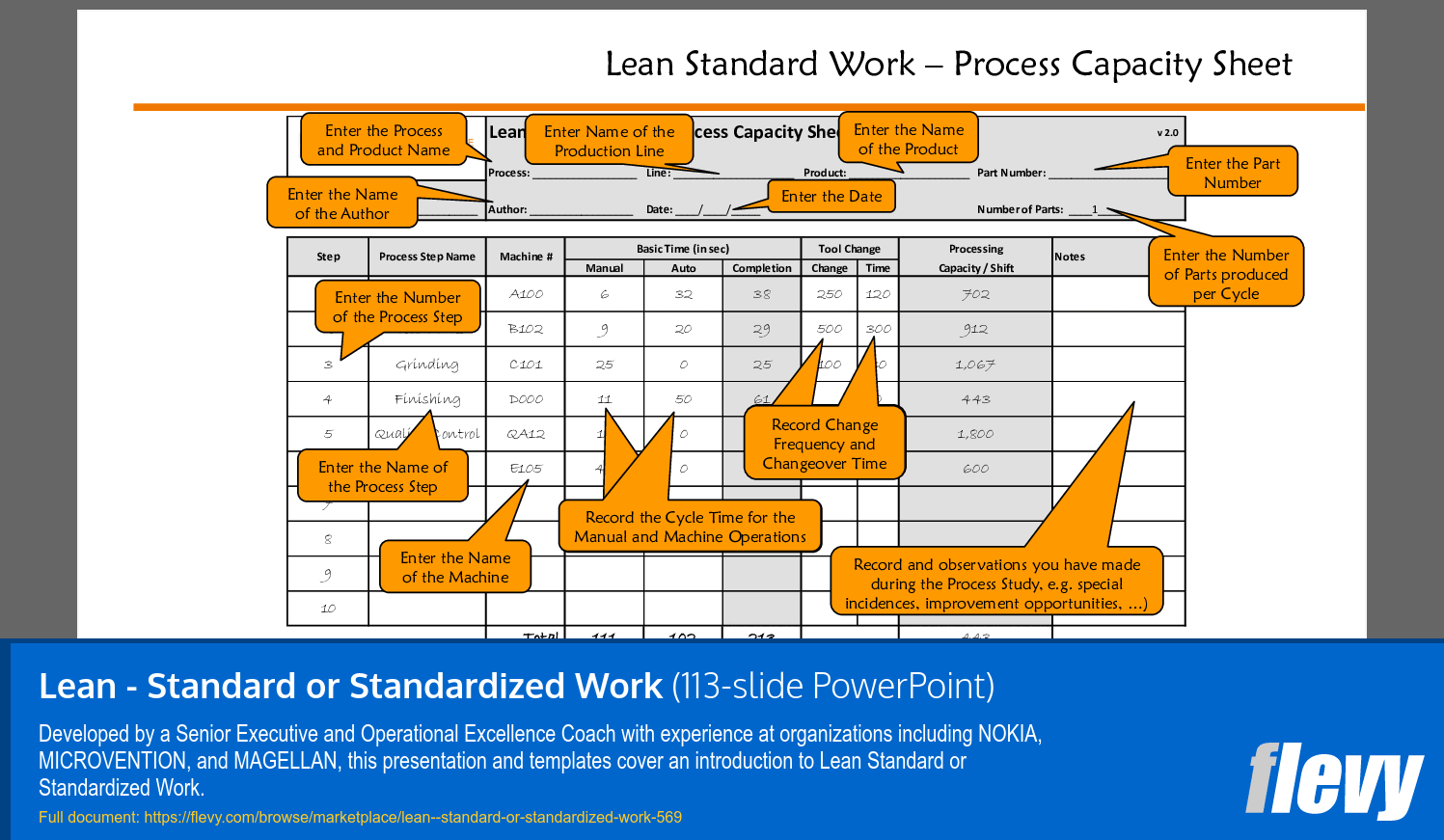
• Standard Work Process Capacity Sheet for calculating process capacity
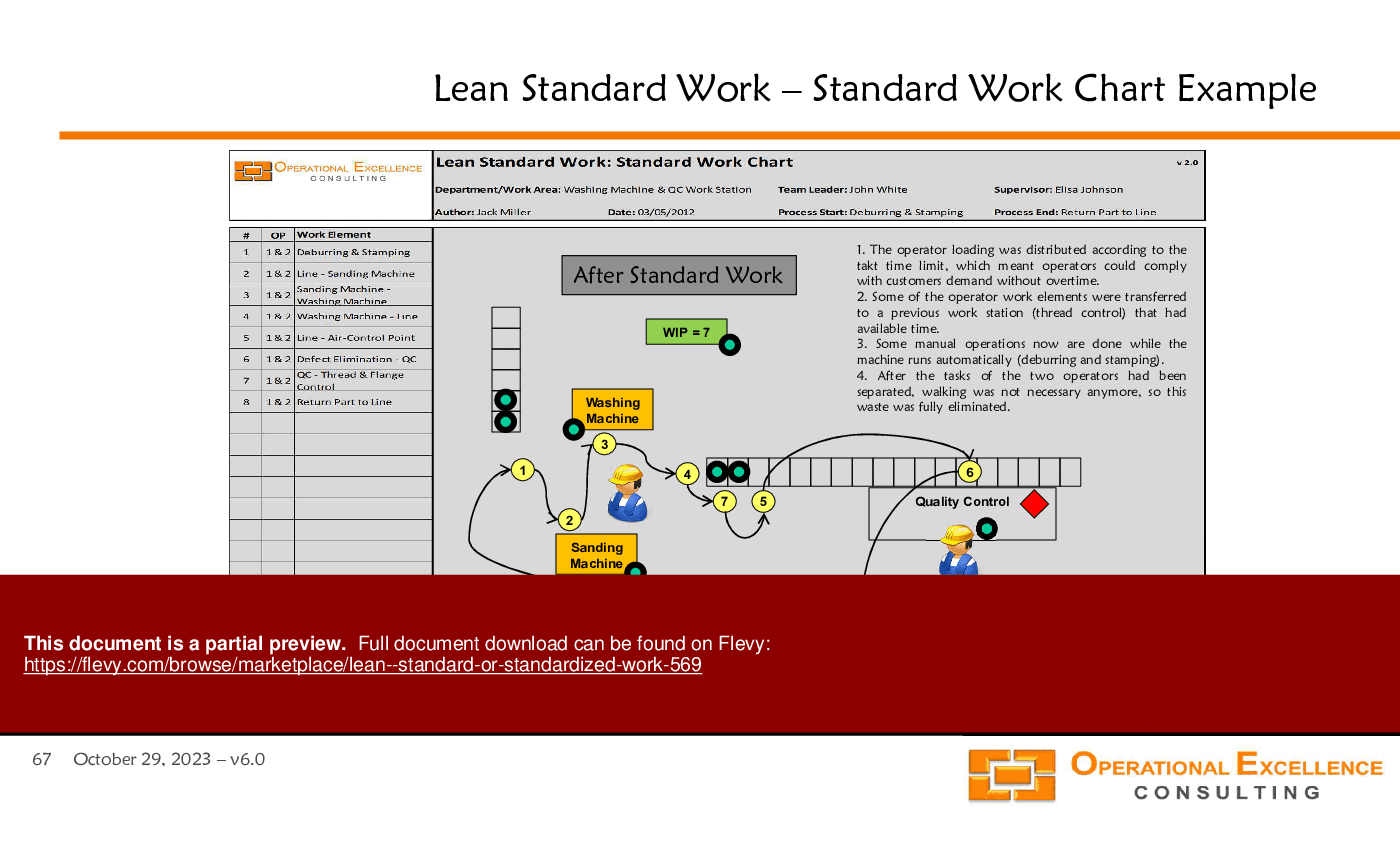
• Standard Work Chart for visualizing operator movements and material locations
• Lean Process Study templates for analyzing cycle times and work sequences
• Kanban cards for managing inventory and workflow
• Standard Work Combination Table for combining manual and machine processing times
Slide Highlights
• Overview of Lean principles and their application in manufacturing
• Detailed explanation of the Seven Wastes and their impact on efficiency
• Visual representation of Takt Time versus Cycle Time to identify process imbalances
• Examples of successful work balancing techniques and their outcomes
• Case studies demonstrating the application of Lean Standard Work in real-world scenarios
Potential Workshop Agenda
Lean Principles Overview (60 minutes)
• Introduce Lean principles and their significance
• Discuss the history and evolution of Lean manufacturing
• Explore case studies of successful Lean implementations
Lean Standard Work Implementation (90 minutes)
• Define Standard Work and its components
• Review templates for process analysis and optimization
• Conduct group exercises to apply Lean tools
Kaizen Event Planning (60 minutes)
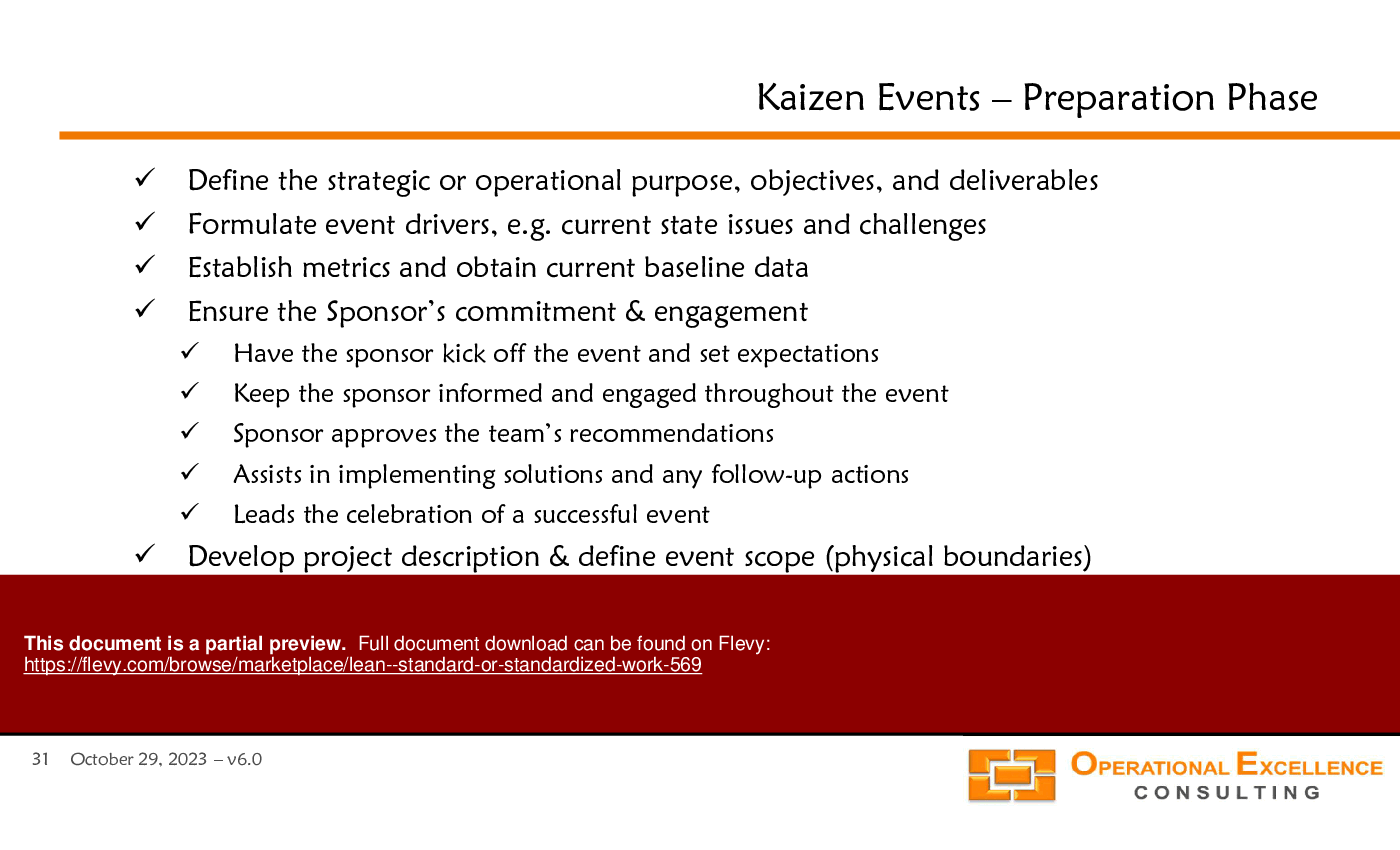
• Discuss the Kaizen philosophy and its role in continuous improvement
• Outline steps for planning and executing a Kaizen event
• Identify potential areas for improvement within participants' organizations
Customization Guidance
• Adjust templates to reflect specific organizational processes and terminology
• Incorporate company-specific metrics for tracking performance improvements
• Tailor case studies to align with industry-specific challenges and solutions
• Modify the workshop agenda to fit the time constraints and objectives of the audience
Secondary Topics Covered
• The role of employee engagement in Lean transformations
• Techniques for sustaining Lean improvements over time
• The relationship between Lean and Six Sigma methodologies
• Strategies for addressing resistance to change within teams
FAQ
What is Lean Standard Work?
Lean Standard Work is a methodology that defines the most efficient way to perform a task, ensuring consistency and quality while minimizing waste.
How can I implement Lean Standard Work in my organization?
Begin by training your team on Lean principles, then utilize the provided templates to document and analyze current processes, followed by identifying areas for improvement.
What are the benefits of using Standard Work?
Standard Work leads to improved efficiency, reduced variability, easier training of new employees, and enhanced safety by clearly defining processes.
What is Takt Time, and why is it important?
Takt Time is the rate at which products must be completed to meet customer demand. It helps organizations align production rates with customer needs.
How does Kanban work?
Kanban is a visual system that signals when to replenish inventory or start production, ensuring that resources are used efficiently and waste is minimized.
What are the Seven Wastes in Lean?
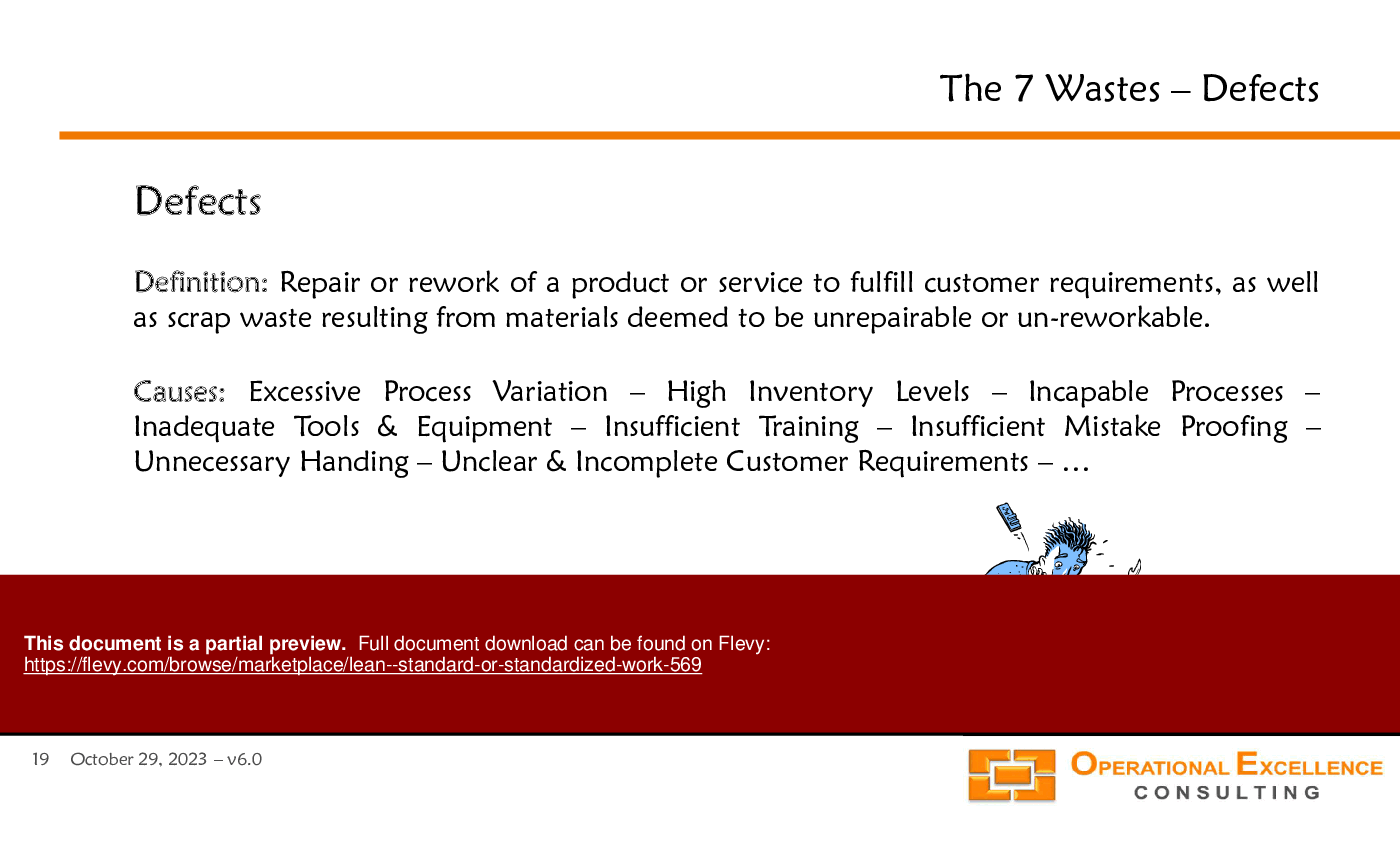
The Seven Wastes include defects, overproduction, waiting, non-value added processing, transportation, inventory, and motion, all of which should be minimized to enhance efficiency.
How can I measure the effectiveness of Lean Standard Work?
Use metrics such as cycle time, lead time, and process efficiency to evaluate improvements and identify areas for further enhancement.
What is a Kaizen event?
A Kaizen event is a focused, short-term project aimed at improving a specific process through team collaboration and problem-solving.
Glossary
• Lean - A systematic approach to eliminating waste and improving efficiency.
• Standard Work - The most effective combination of manpower, materials, and machinery to complete a specific task.
• Takt Time - The production rate necessary to meet customer demand.
• Cycle Time - The total time required to produce a single unit, including all processing and waiting times.
• Kanban - A visual scheduling system used to manage workflow and inventory.
• Kaizen - A philosophy of continuous improvement involving all employees.
• Work Balancing - The process of ensuring that all steps in a workflow have similar cycle times.
• Value Stream Mapping - A tool used to visualize and analyze the flow of materials and information.
• Waste - Any activity that does not add value to the product or service.
• Process Efficiency - A measure of how effectively a process converts inputs into outputs.
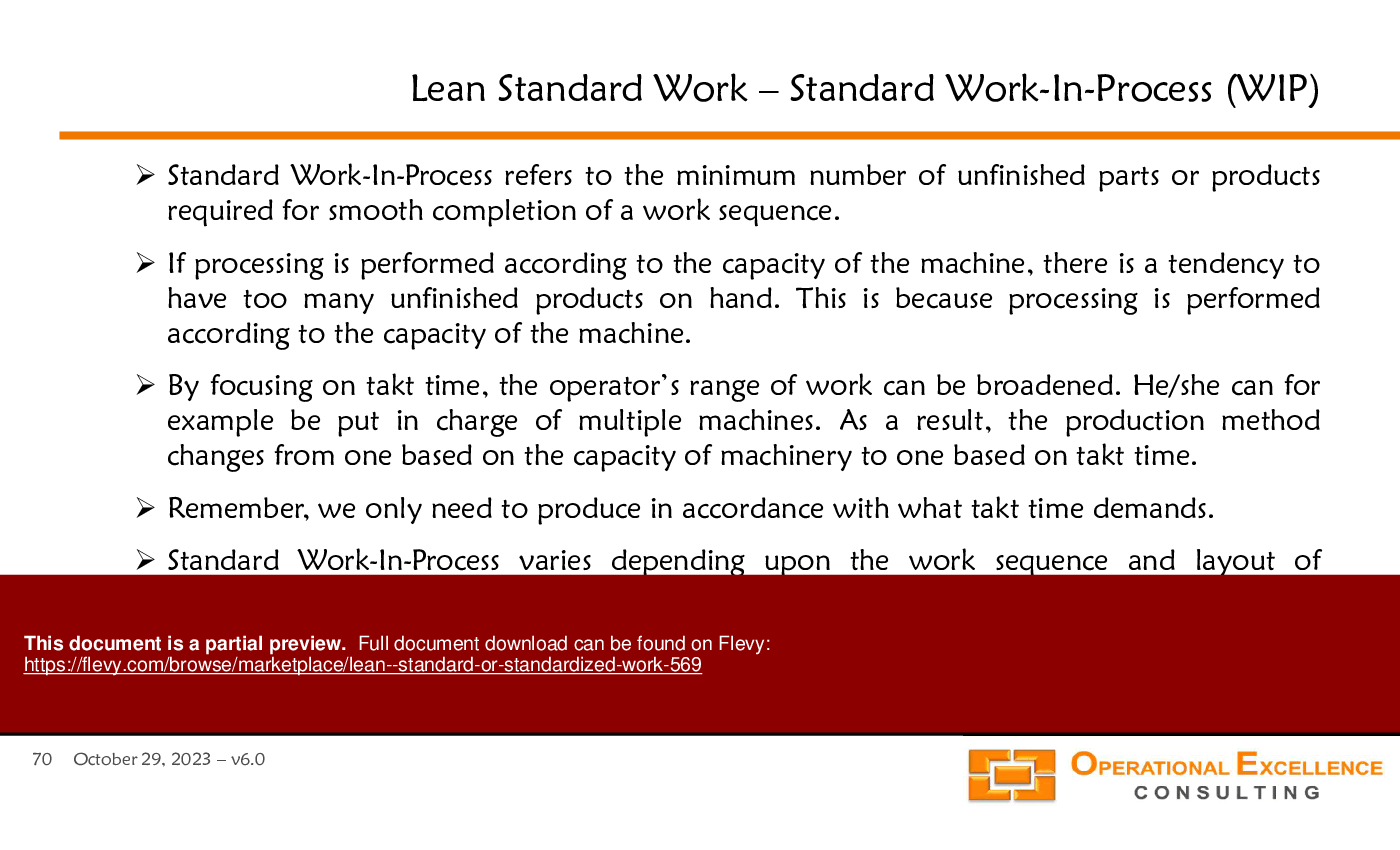
• Work-in-Process (WIP) - The minimum number of unfinished products required for smooth workflow.
• Quick Changeover (SMED) - Techniques to reduce the time required to switch from one product to another.
• 5S - A methodology for organizing and managing the workspace effectively.

• Total Productive Maintenance (TPM) - A system for maintaining and improving the integrity of production and quality systems.
• Defects - Products or services that do not meet quality standards and require rework.
• Overproduction - Producing more than is needed, leading to excess inventory.
• Waiting - Idle time when processes are not synchronized, causing delays.
• Non-Value Added Activities - Tasks that do not contribute to the final product or service.
Source: Best Practices in Operational Excellence, Lean, Takt Time, Standard Work PowerPoint Slides: Lean - Standard or Standardized Work PowerPoint (PPTX) Presentation Slide Deck, Operational Excellence Consulting LLC
This document is available as part of the following discounted bundle(s):
Save %!
LEAN MANAGEMENT Training Module Library
This bundle contains 8 total documents. See all the documents to the right.
Save %!
OPERATIONAL EXCELLENCE Training Module Library
This bundle contains 18 total documents. See all the documents to the right.
|
Receive our FREE presentation on Operational Excellence
This 50-slide presentation provides a high-level introduction to the 4 Building Blocks of Operational Excellence. Achieving OpEx requires the implementation of a Business Execution System that integrates these 4 building blocks. |