
Developed by a Senior Executive and Operational Excellence Coach with experience at organizations including NOKIA, MICROVENTION, and MAGELLAN, this presentation provides a detailed Introduction to Statistical Process Control (SPC) Charts.
This product (Six Sigma - Statistical Process Control [SPC]) is a 138-slide PPT PowerPoint presentation slide deck (PPTX) with a supplemental Excel document, which you can download immediately upon purchase.
The Six Sigma – Statistical Process Control (SPC) Training Module includes:
1. MS PowerPoint Presentation including 136 slides covering
• Introduction to Statistical Process Thinking,
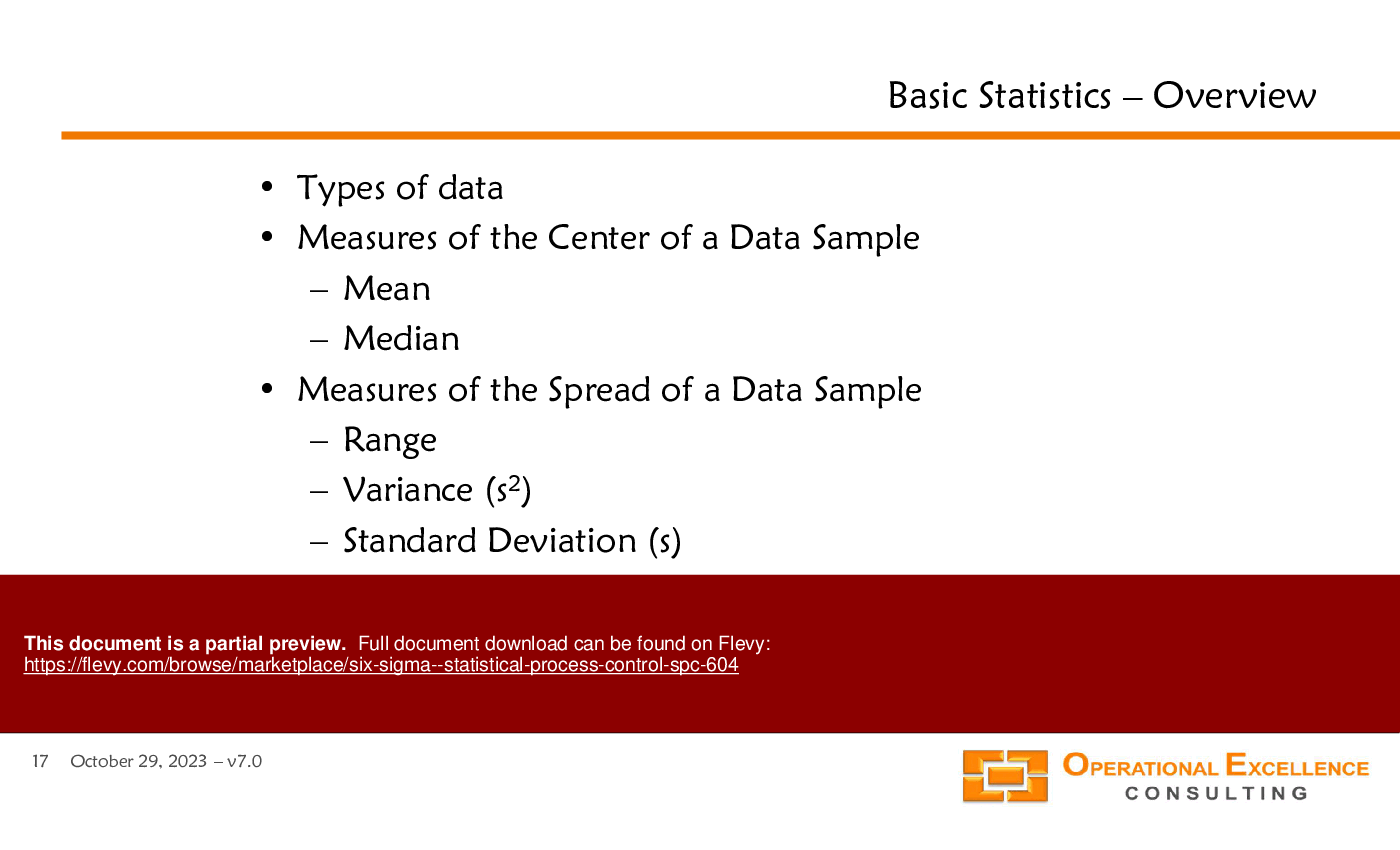
• Basic Statistics,
• Introduction to Statistical Process Control,
• Statistical Process Control Charts,
• Sample Size & Frequency,
• Out-of-Control Action Plan, and
• Process Control Plan.
2. MS Excel Confidence Interval Analysis Calculator making it really easy to calculate confidence intervals (mean value, standard deviation, capability indices, proportion, count) and perform a Comparison of two statistics (mean values, standard deviations, proportions, counts).
"After you have downloaded the training material, you can change any part of the training material and remove all logos and references to Operational Excellence Consulting. You can share the material with your colleagues and clients, and re-use it as you need. The only restriction is that you cannot publicly re-distribute, sell, rent or license the material as though it is your own. Thank you."
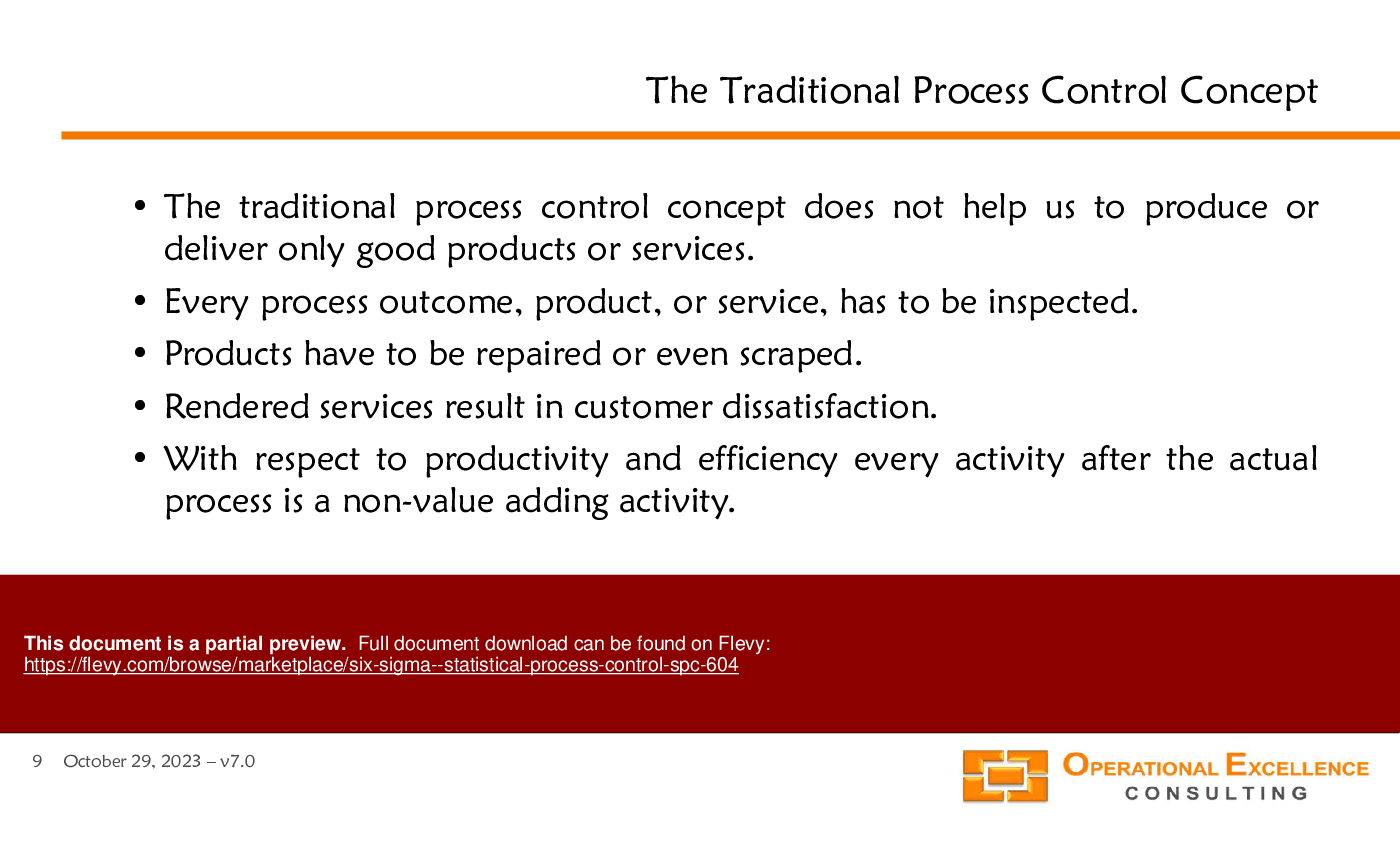
This comprehensive training module delves into the intricacies of Statistical Process Control (SPC), providing a historical context and a detailed examination of traditional process control concepts. It outlines the limitations of conventional methods and introduces the critical importance of identifying and addressing process variations. The module emphasizes practical applications, ensuring that your team can implement these strategies effectively to enhance productivity and customer satisfaction.
The presentation also covers advanced statistical techniques, including the creation and interpretation of control charts, and the application of various statistical tests to ensure process stability and capability. By integrating these tools into your operational framework, you can proactively manage process performance, reduce variability, and achieve higher levels of operational excellence. This training is an essential resource for any organization committed to continuous improvement and operational efficiency.
Got a question about the product? Email us at support@flevy.com or ask the author directly by using the "Ask the Author a Question" form. If you cannot view the preview above this document description, go here to view the large preview instead.
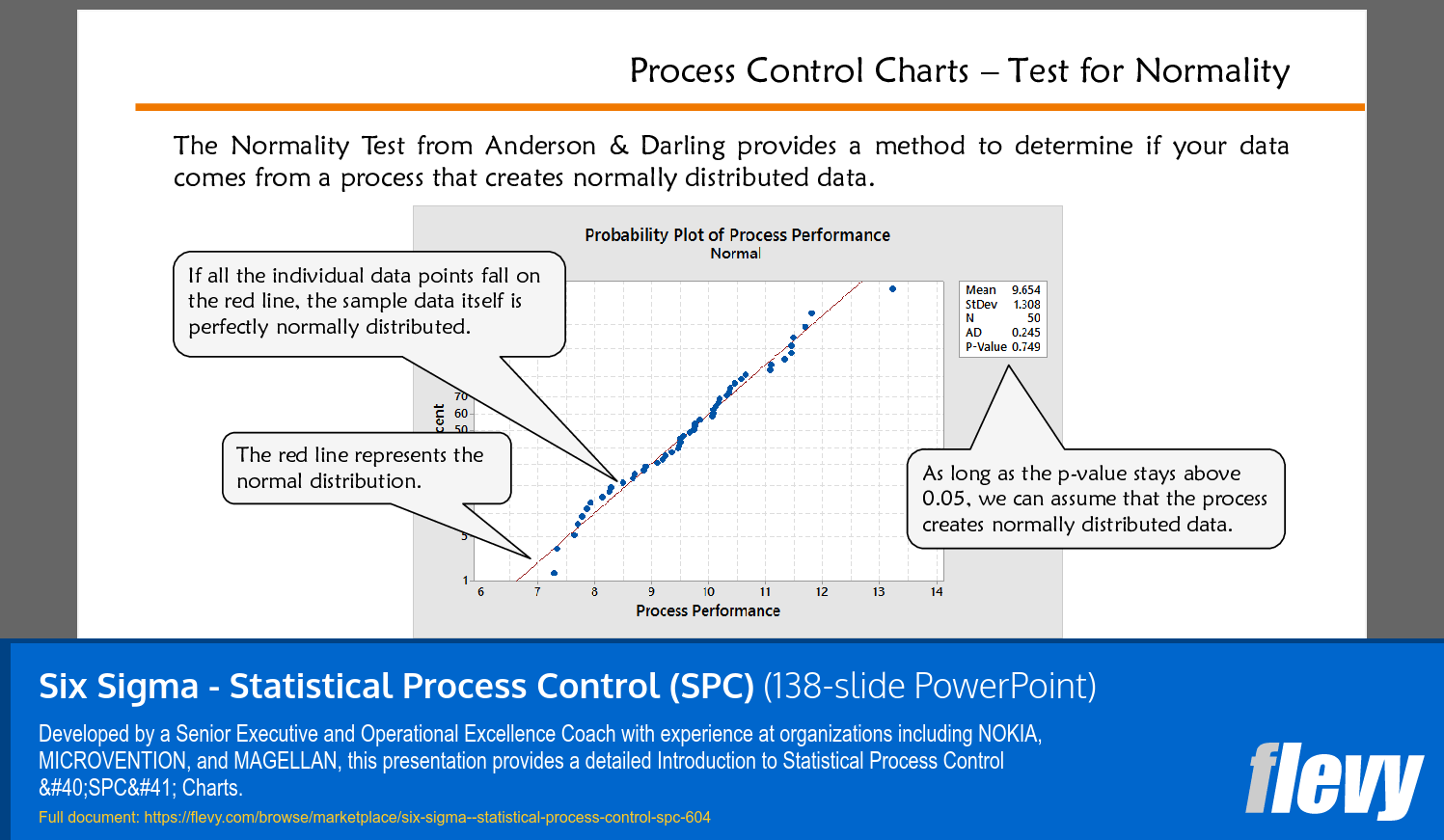
The slide presents the Normality Test from Anderson & Darling, a statistical method for evaluating if a dataset follows a normal distribution. The probability plot features process performance on the x-axis and the percentage of data points on the y-axis, with a red line representing the normal distribution. Data points aligning with this line indicate a perfectly normally distributed sample. Key statistical metrics include mean, standard deviation, sample size (N), Anderson-Darling statistic (AD), and p-value, with a p-value above 0.05 suggesting normality. This assessment is critical for organizations using statistical process control, informing the reliability of further statistical analyses and enhancing operational decision-making.
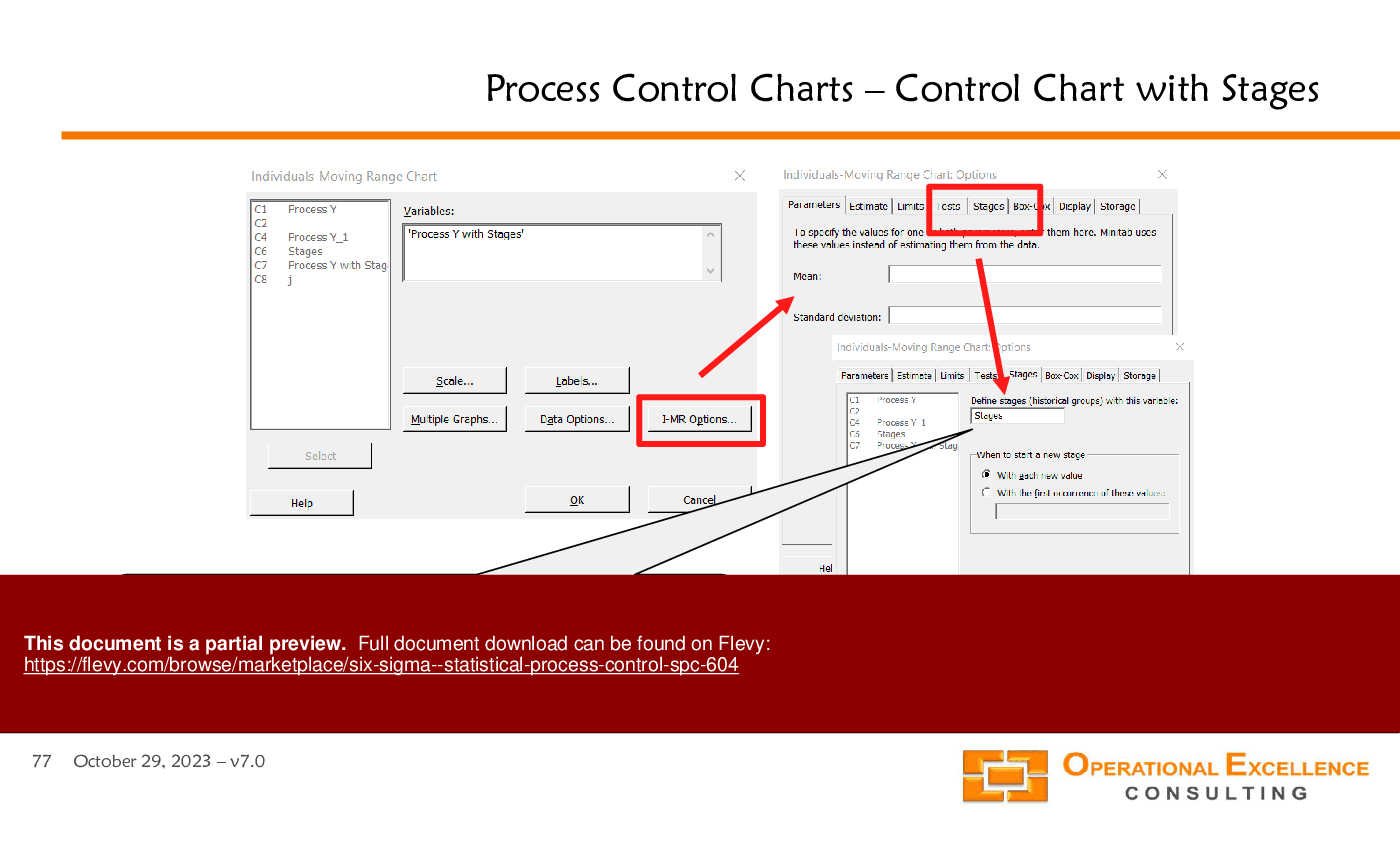
This slide illustrates the use of Minitab software for creating Individual-Moving Range (I-MR) control charts, essential in statistical process control. The Minitab interface path for accessing the I-MR chart is: Stat > Control Charts > Variable Charts for Individuals > I-MR. Users can customize the I-MR chart by selecting specific variables, such as "Process Y." Configuration options include limits, tests for special causes, and data display types. A key feature is the list of out-of-control criteria, based on Walter Shewhart's foundational work in statistical process control, which helps users identify process deviations and maintain stability.
This slide illustrates Statistical Process Control (SPC), focusing on common versus special causes of variation. In the common causes scenario, the process output forms a stable, predictable distribution, represented by green curves, indicating reliable performance predictions. In contrast, the special causes scenario shows erratic output, depicted by red curves, highlighting instability due to external factors. The prediction line's question mark signals uncertainty, emphasizing the need to address special causes for effective process control. Identifying the root causes of variation is essential for improving operational efficiency and guiding process improvement initiatives.
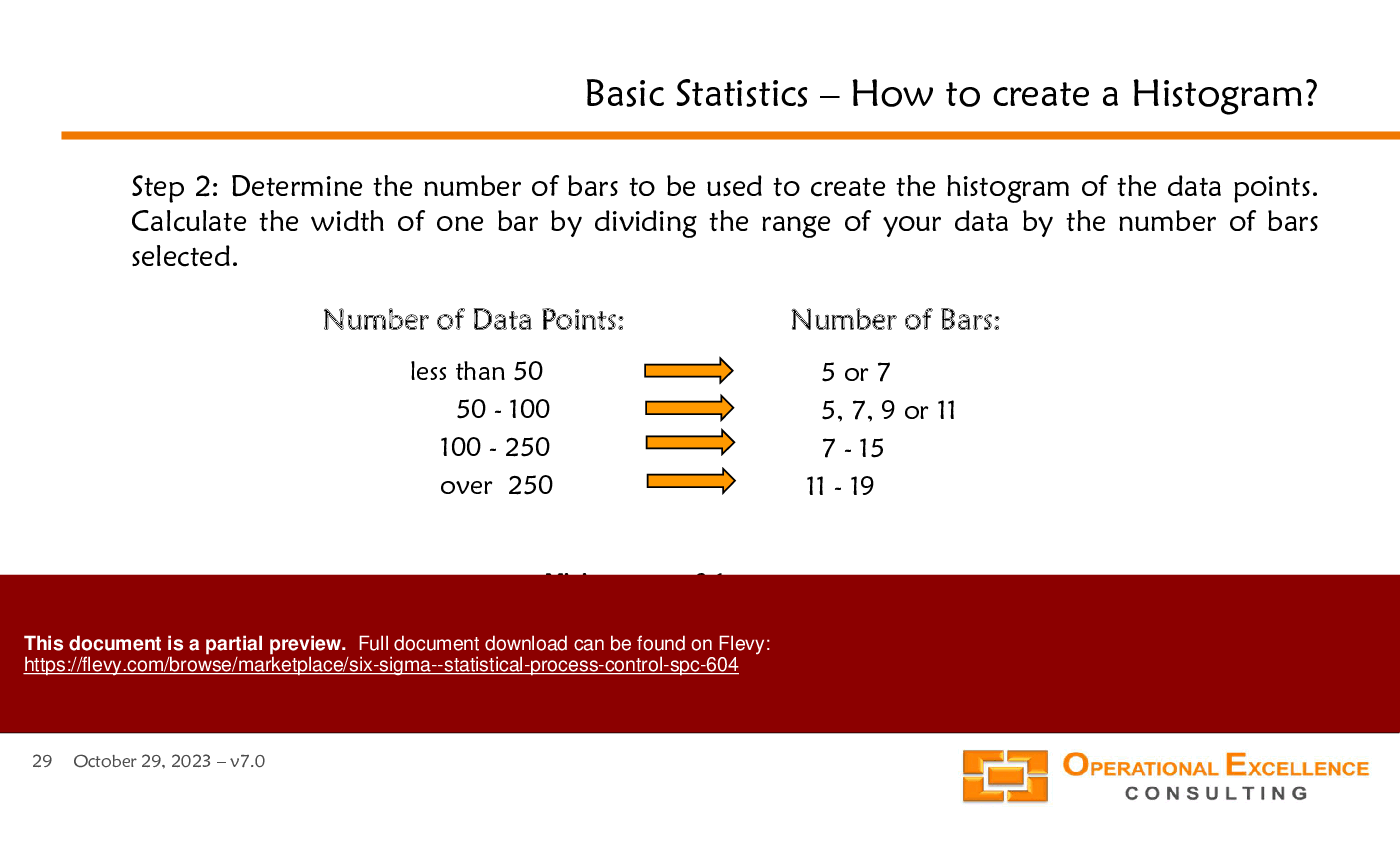
This slide provides a practical guide to creating a histogram, emphasizing data collection and organization. It highlights the importance of gathering a substantial dataset, ideally 50 to 100 data points, with a minimum of 25 for effective statistical analysis. The slide illustrates 2 columns: "Actual Measurements" with ten raw hole size data points, and "Sorted Measurements," which organizes these values from smallest to largest, aiding in visualizing data distribution. Additionally, it covers the calculation of the range, defined as the difference between the maximum (3.1) and minimum (2.1) values, resulting in a range of 1.0. This numerical summary is essential for understanding data variability, particularly in the context of Six Sigma and Statistical Process Control.
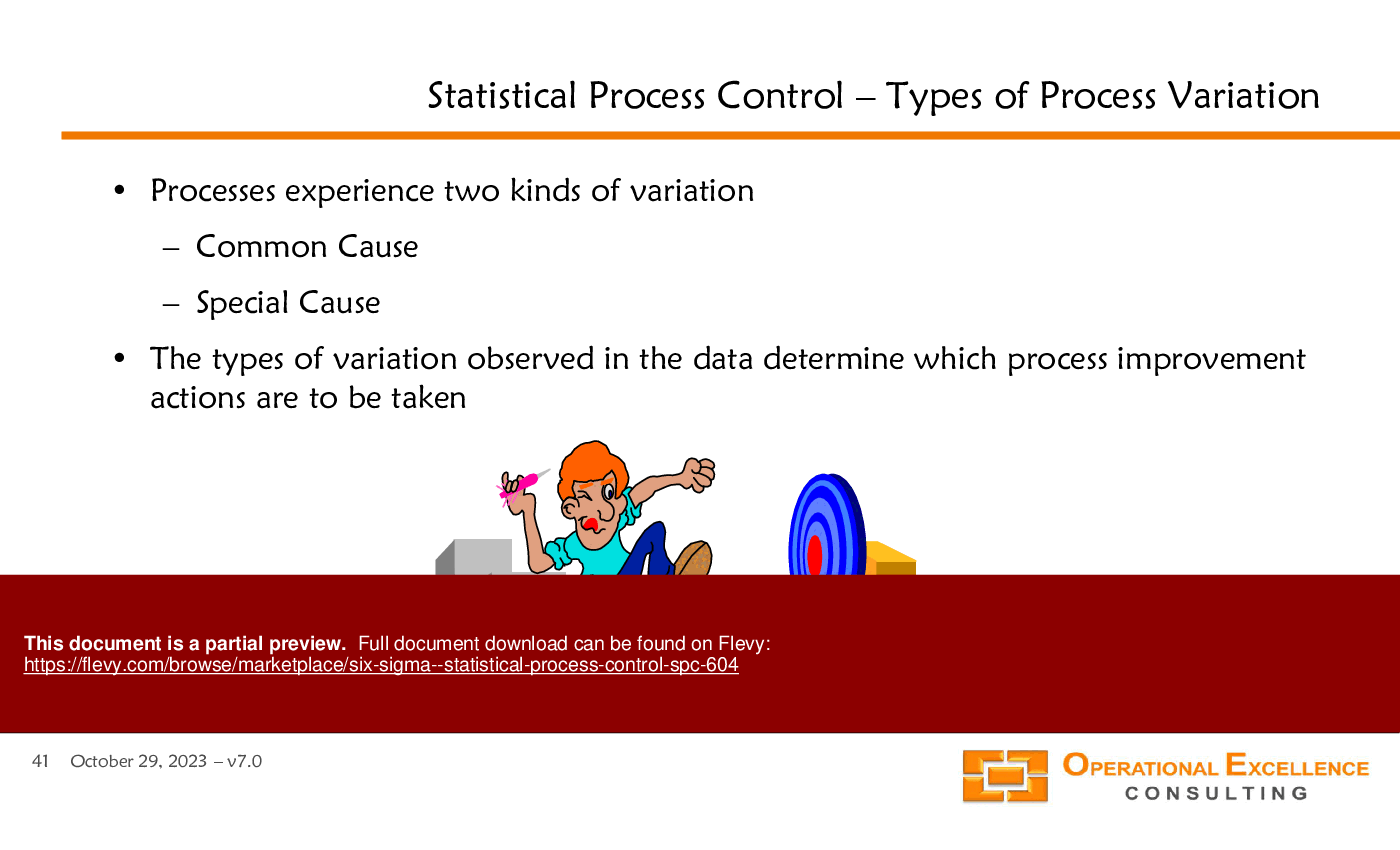
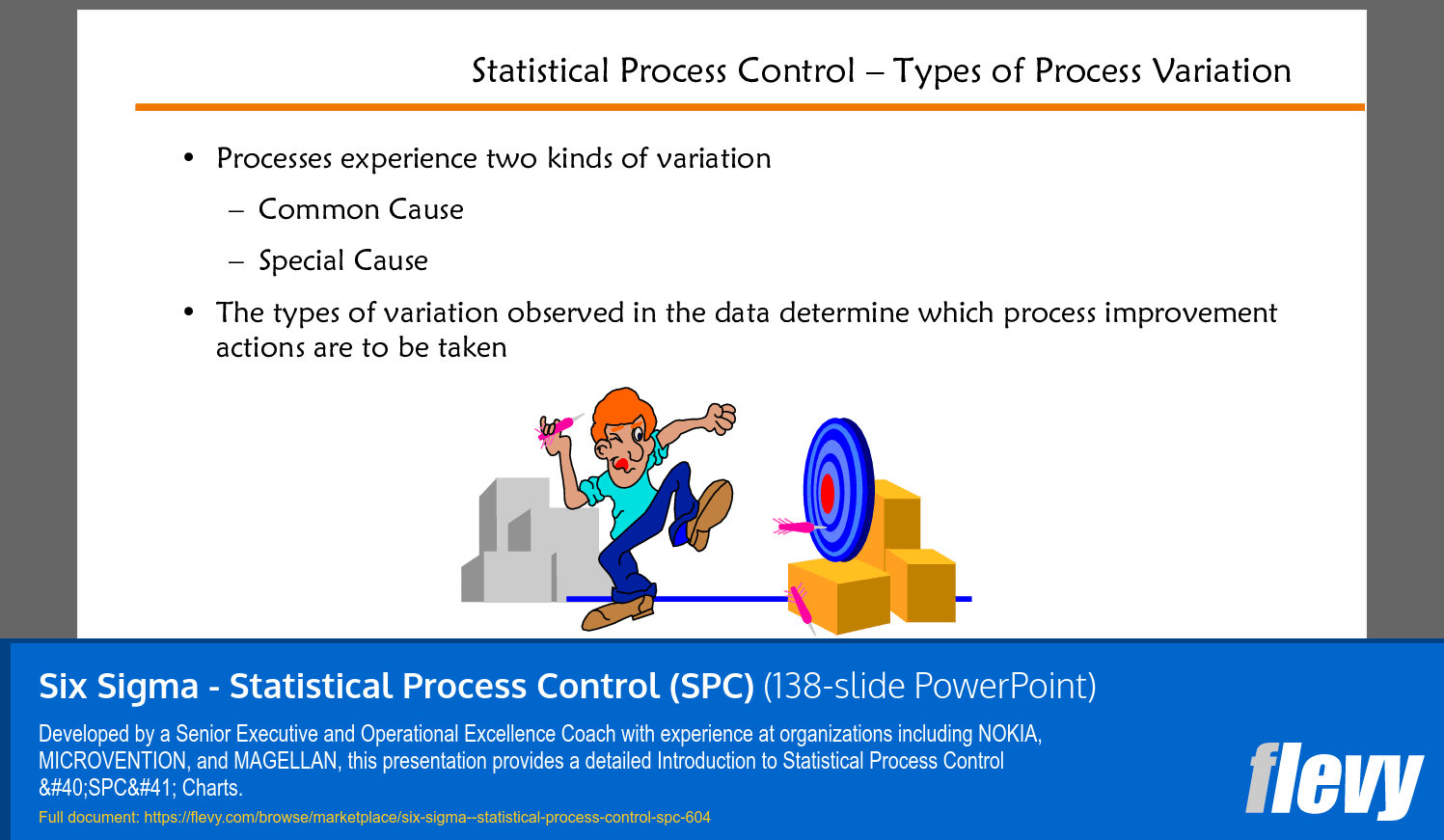
This slide provides an overview of Statistical Process Control (SPC) and identifies 2 primary types of variation: Common Cause and Special Cause. Common Cause variation refers to inherent fluctuations due to natural variability, while Special Cause variation arises from specific, identifiable factors leading to unexpected changes. Recognizing these variations is essential for determining appropriate process improvement actions. If variations stem from Common Causes, organizations should implement systemic changes; if from Special Causes, targeted interventions are necessary. This framework enables effective prioritization of improvement initiatives, allowing teams to allocate resources efficiently and ensure timely, relevant interventions in process management.
This slide provides an overview of 2 primary data types for statistical analysis: Attribute Data and Continuous Data. Attribute Data, or discrete data, includes qualitative measures such as classifications ("good" or "bad") and specific identifiers (e.g., Machine 1, Machine 2). It is essential for quality control and categorical assessments. Continuous Data, also known as variable data, encompasses quantitative measures like time, speed, pressure, height, and weight, allowing for nuanced analysis of variations and trends. The distinction between these data types influences the selection of statistical tools for analysis, making it vital for organizations implementing statistical process control. Understanding these categories enhances analytical capabilities in a business context.
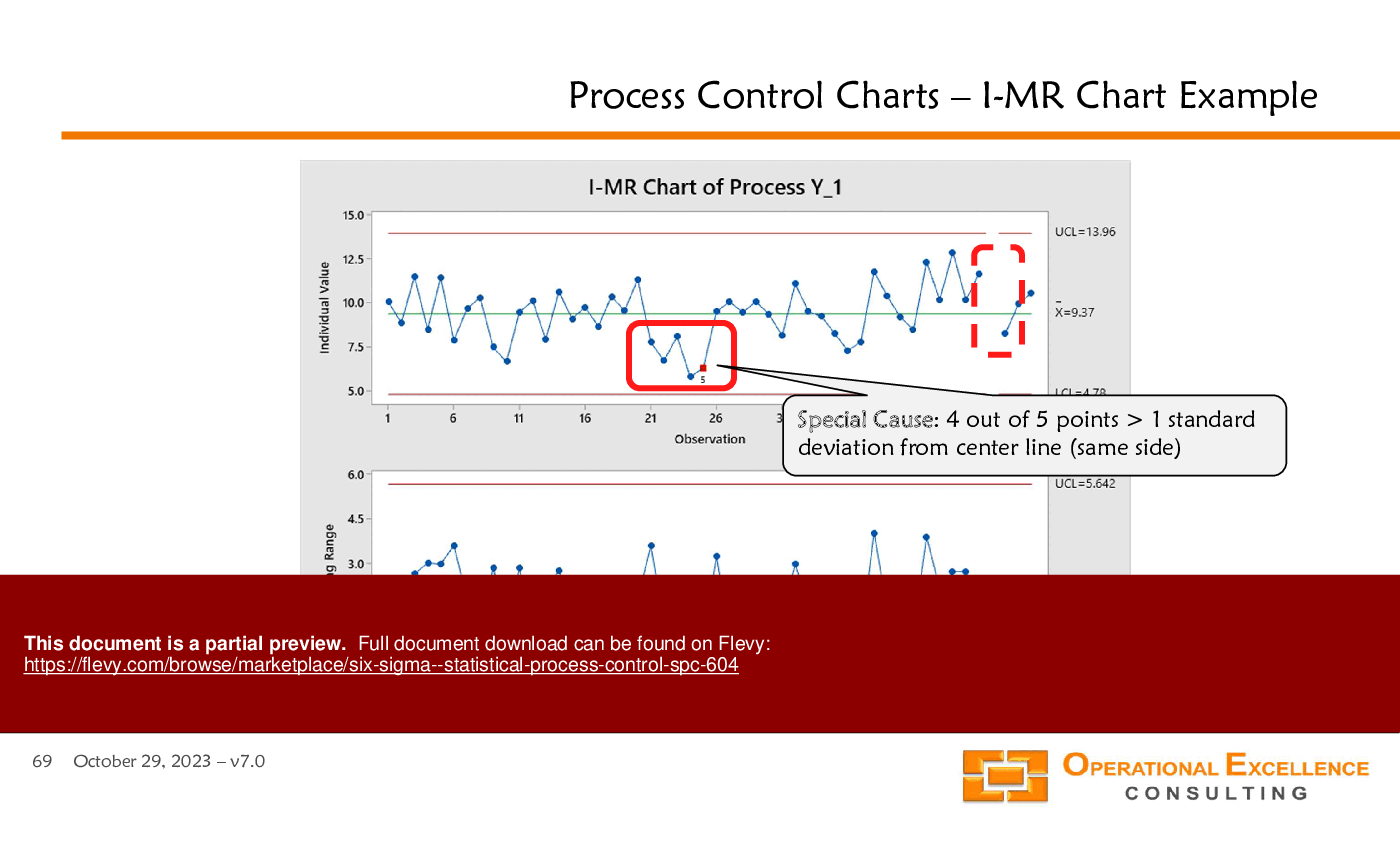
This slide illustrates an I-MR (Individual-Moving Range) chart used in statistical process control. The upper section displays the I-MR chart for Process Y, featuring individual data points, with key reference lines: upper control limit (UCL) at 14.21, average (X) at 9.45, and a lower control limit (LCL) below the average. This setup monitors process stability and variability over time. The lower section presents the Moving Range chart, focusing on differences between consecutive data points, with a UCL of 5.848 and a lower control limit at 0. This dual approach enables quick identification of trends, shifts, or anomalies in process performance, enhancing operational efficiency and quality management.
This slide provides an overview of control charts in process control within Six Sigma methodologies. It categorizes metrics by data type and corresponding chart type for analysis. The "Monthly average 'Days to Payment'" is a continuous data type represented by an Individual/Moving Range (I/MR) chart, crucial for cash flow management. "Total monthly sales of a product" also emphasizes monitoring sales trends. Discrete data metrics like "Number of late planes per day in Dallas" and "Number of incomplete orders in a month" use p-charts, aiding operational efficiency. The "Percent of invoices that are correct" and "Number of units with defects per 1000 produced" focus on quality control and error reduction. Metrics related to call times and product thickness ensure a comprehensive monitoring approach, with each chart type tailored for specific data analysis.
A histogram is a visual tool for summarizing and analyzing data distributions, providing a graphical representation of data characteristics. It assesses data's location, spread, and overall shape. The slide features a dot plot labeled "Dotplot of Brightness," illustrating brightness values from 543 to 558, with bar heights indicating frequency within specific ranges. This format enables quick identification of patterns or anomalies, facilitating data-driven decision-making. Mastering histogram creation and interpretation is essential for organizations aiming to leverage data for strategic initiatives, enhancing insights into operational processes and outcomes.
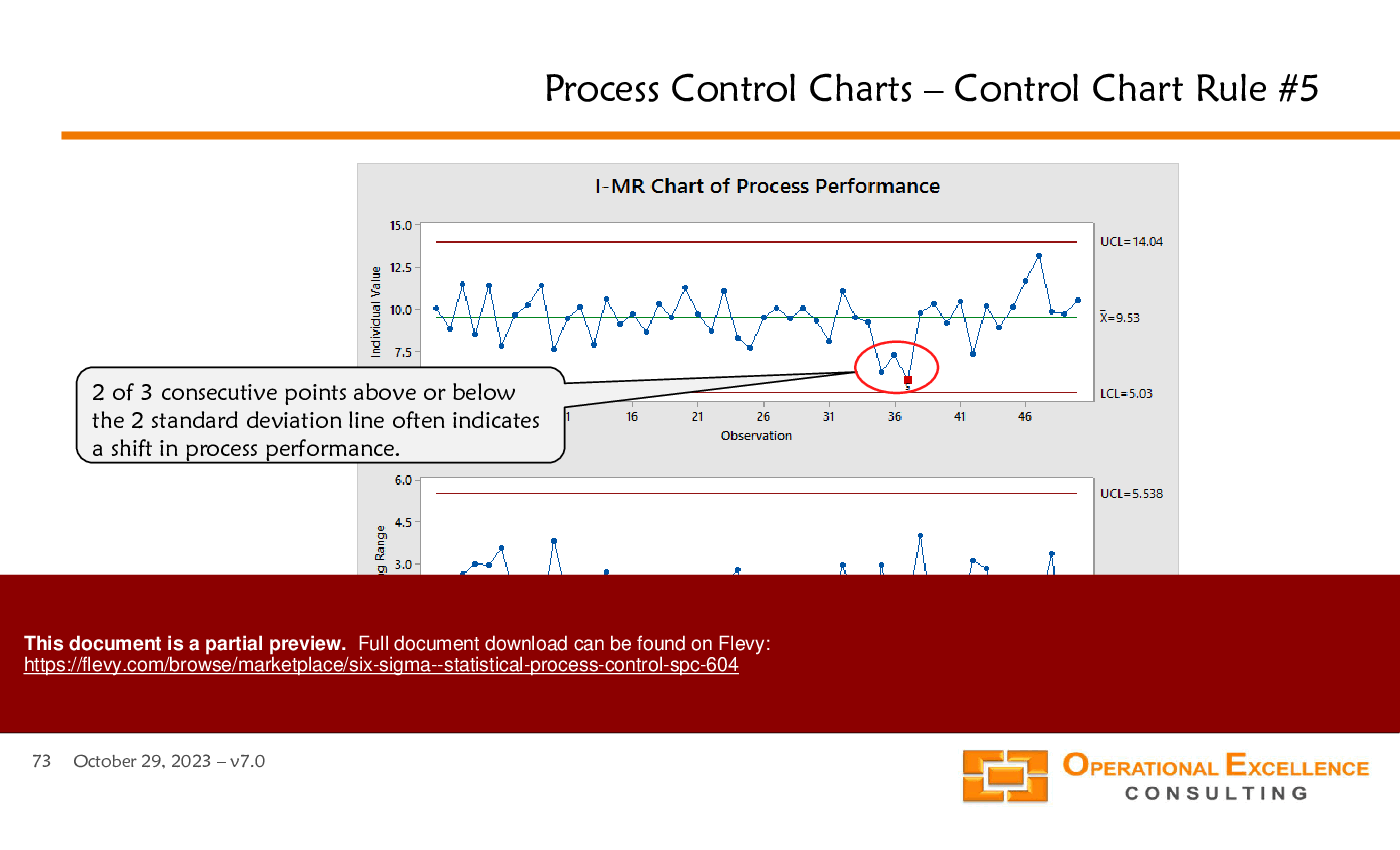
This slide illustrates an I-MR chart, a tool in statistical process control for monitoring process performance. The I-chart tracks individual measurements, while the MR chart monitors the moving range. A special cause identified in the process performance data is reflected in the MR chart, leading to an increased average moving range (MR) and affecting the short-term standard deviation, crucial for calculating control limits (UCL = 5.72, LCL = 3.05) for the I-chart. Excluding special causes in the MR chart is essential for accurate identification in the I-chart. The MR chart's control limits (UCL = 7.42, MR = 2.27) are vital for understanding process variability. This example emphasizes distinguishing between common and special causes in process monitoring to enhance quality and operational efficiency.
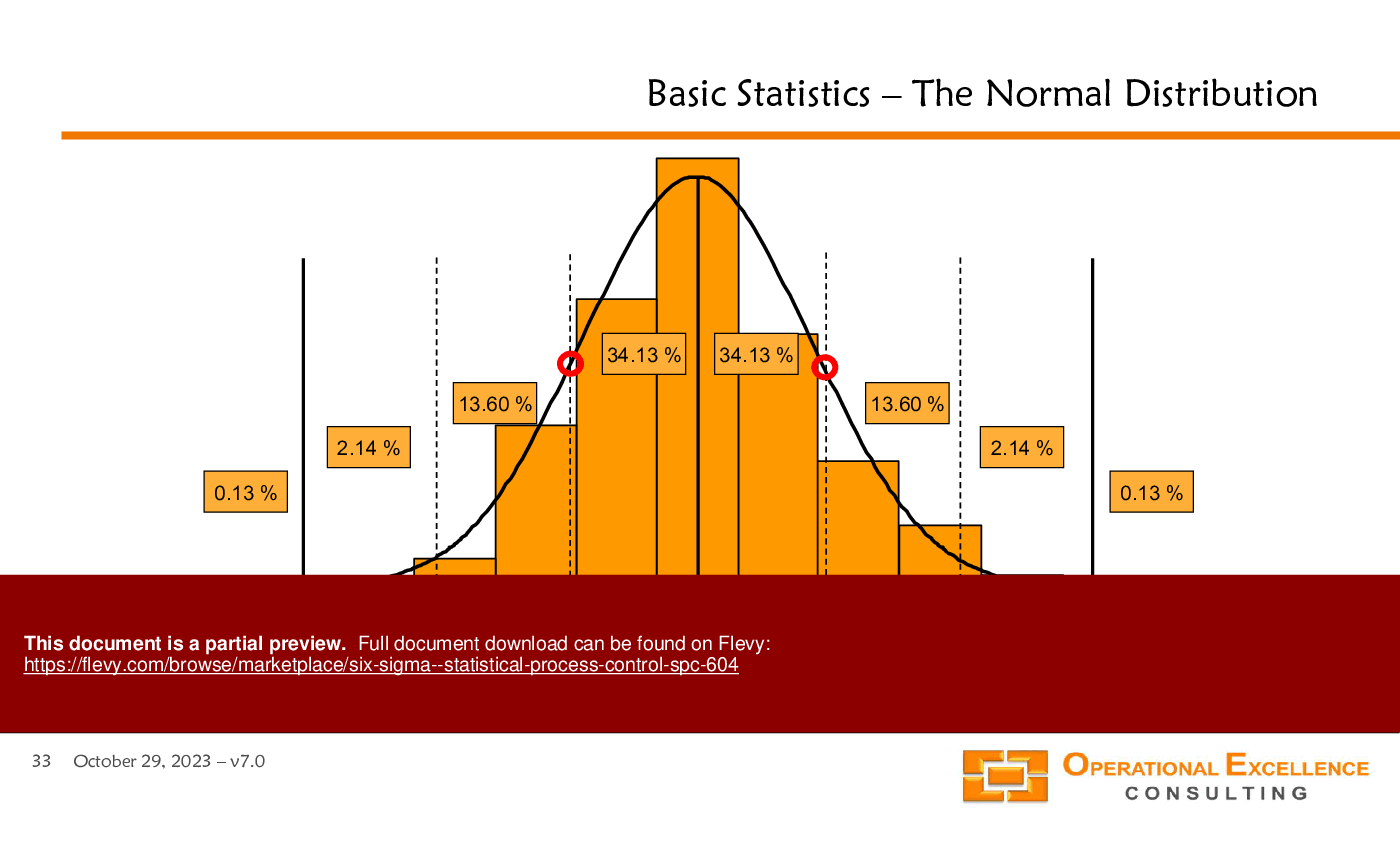
This slide analyzes the determination of normally distributed data through 4 histograms representing sample sizes of 10, 100, 500, and 10,000. Each histogram displays frequency on the vertical axis and sample size on the horizontal axis, overlaid by a red curve indicating the normal distribution. The histogram for sample size 10 shows irregular distribution, while sample size 100 begins to resemble a bell curve, indicating stronger alignment with normal distribution characteristics. Sample size 500 showcases a more pronounced bell shape. However, the histogram for sample size 10,000, despite its bell shape, is skewed, demonstrating that large sample sizes can still yield non-normal distributions. This highlights the critical role of sample size in statistical analysis and the necessity for ongoing evaluation of data distribution.
The I-MR (Individual-Moving Range) chart is a key tool in Statistical Process Control (SPC) for analyzing process performance, exemplified here by Process Y. The upper section plots individual values against observation numbers, with a central line for the average and control limits set at UCL 14.21 and LCL 4.69. A significant pattern emerges around observation 6, where 4 out of 5 points exceed one standard deviation from the center line, indicating a potential special cause that requires investigation. The lower section displays the moving range, with UCL 5.848 and LCL 0, showing less fluctuation and suggesting overall process stability despite individual value variability. Identifying special causes is crucial for maintaining process stability and enhancing operational efficiency.
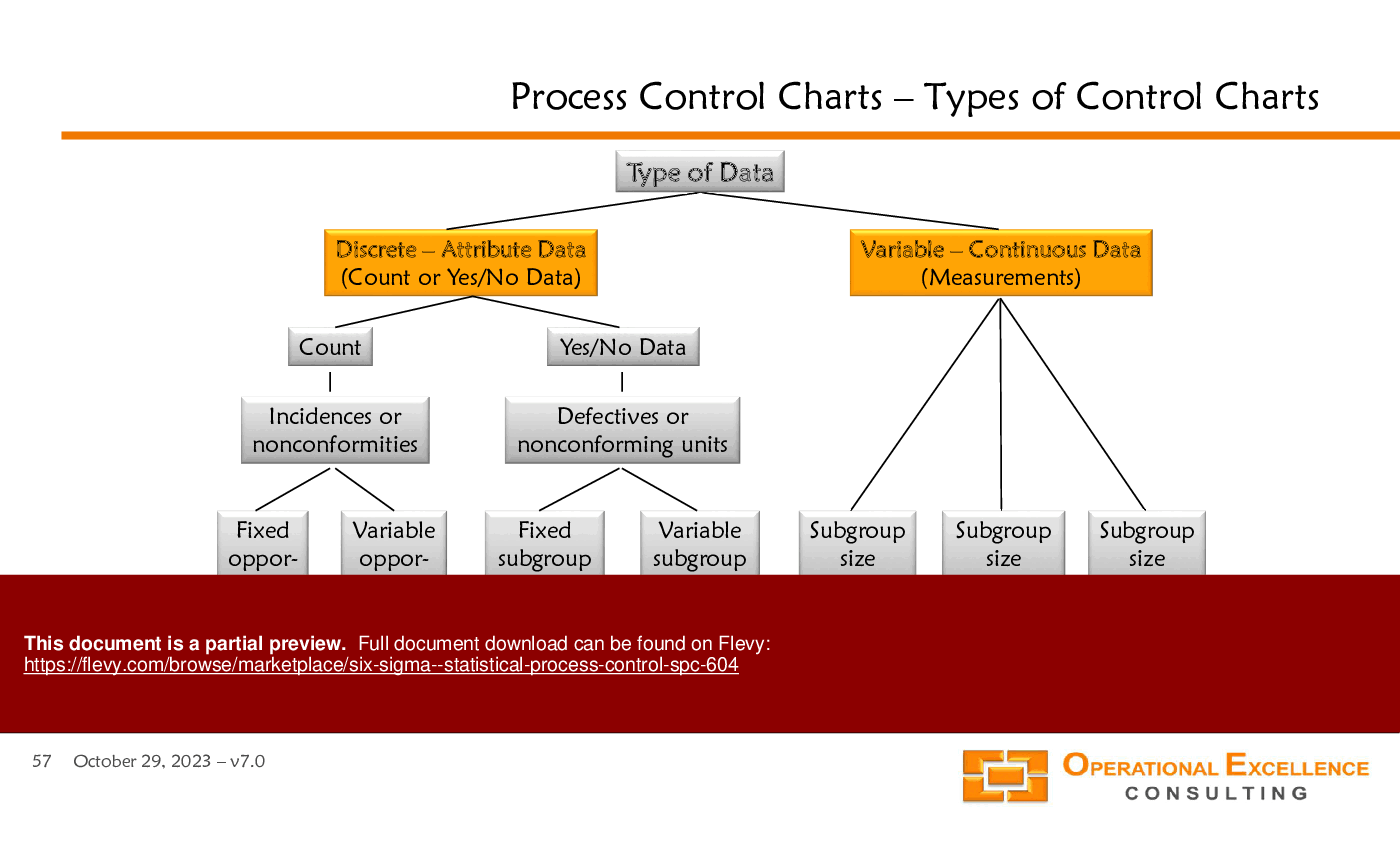
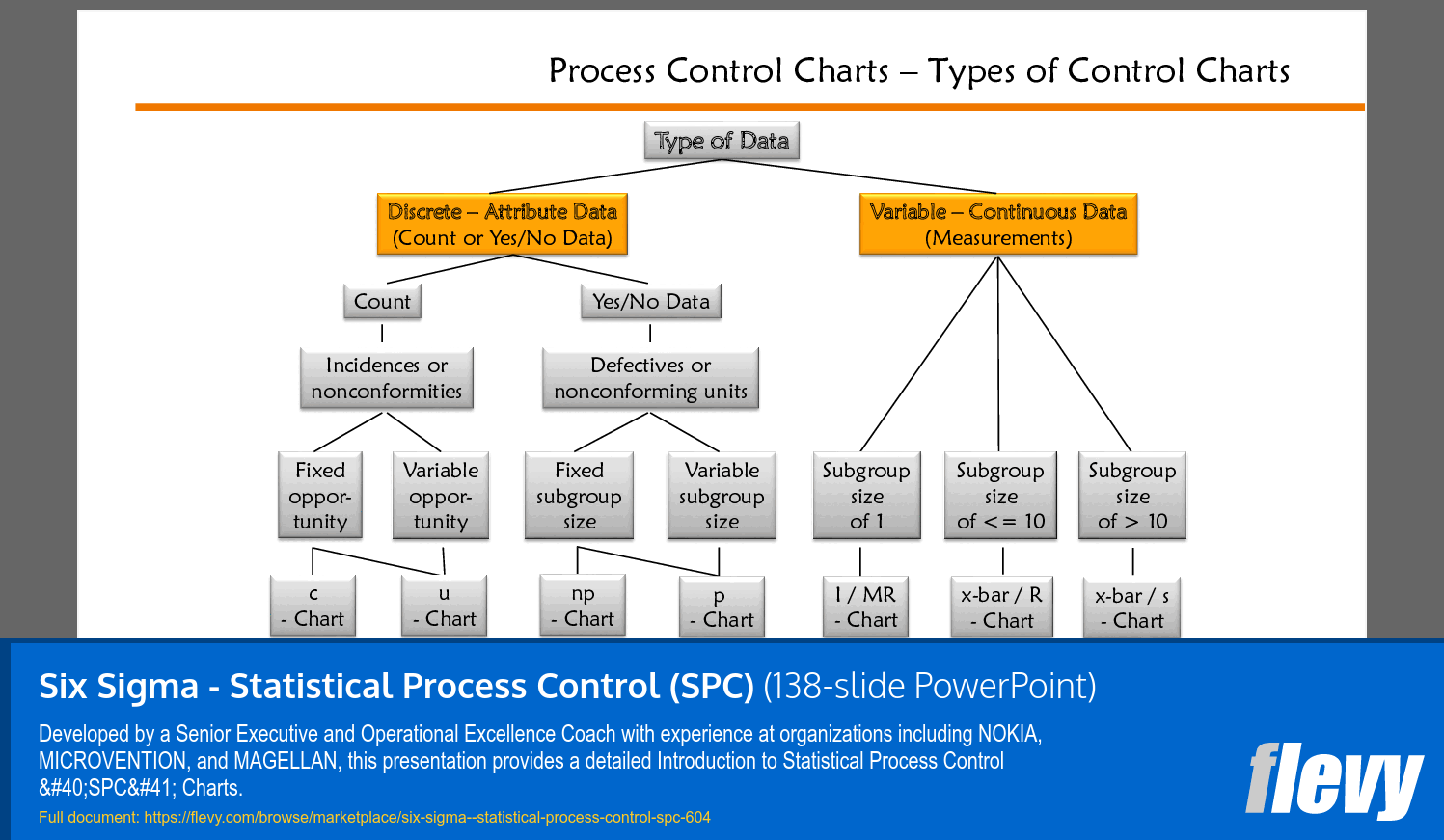
This slide categorizes process control charts based on data types: discrete (attribute) data and variable (continuous) data. Discrete data includes "Count" and "Yes/No Data." The "Count" category features c-charts and u-charts for tracking defects in defined sample sizes, while "Yes/No Data" uses np-charts and p-charts to monitor defective item proportions. Variable data is segmented by subgroup sizes: one, ≤10, and >10, determining the use of I/MR charts and x-bar charts. Selecting the appropriate chart based on data type is critical for effective quality control and process improvement initiatives.
A Control Plan is a foundational document outlining an organization’s quality planning for processes, products, or services. Its objectives include ensuring consistent process operation to minimize variation, reduce waste, and lower rework, which enhances productivity and reduces costs. Institutionalizing product and process improvements is essential for sustaining benefits over time, leading to operational excellence. Adequate training on standard operating procedures and tools is necessary for personnel to execute processes effectively. The slide visually represents the flow from customer requirements through product characteristics to process controls, highlighting the interconnectedness of components in achieving quality and operational goals.
This slide presents a model for Statistical Process Thinking, illustrating the relationship between inputs, processes, and outputs. Inputs are categorized into manpower, measures, methods, materials, machines, and environmental factors. "The Process" is divided into 4 sequential steps, emphasizing a systematic method for transforming inputs into outputs. Outputs include reports, products, and services, applicable across various contexts. The mathematical representation \( Y = f(X_1, X_2, X_3, \ldots, X_n) \) indicates that outputs (Y) are a function of inputs (Xs), encapsulating the essence of process thinking. This model guides organizations in refining processes to enhance efficiency and effectiveness.
Source: Best Practices in SPC, Six Sigma Project PowerPoint Slides: Six Sigma - Statistical Process Control (SPC) PowerPoint (PPTX) Presentation Slide Deck, Operational Excellence Consulting LLC
Developed by a Senior Executive and Operational Excellence Coach with experience at organizations including NOKIA, MICROVENTION, and MAGELLAN, this presentation provides a detailed Introduction to Statistical Process Control (SPC) Charts.
Operational Excellence Consulting LLC provides assessments, training solutions, kaizen event facilitation, and implementation support to enable our clients to achieve superior performance through Operational Excellence - Strategy Deployment & Hoshin Planning, Performance Management & Balanced Scorecards, Process Excellence & Lean Six Sigma, and High
... [read more] Performance Work Teams.
Frank Adler co-founded OEC LLC in 2009 to follow his passion for Operational Excellence and to be able to work with individuals and organizations that share this passion.
He is an accomplished and recognized Operational Excellence, Lean Management, and Six Sigma coach, with over 20 years of domestic and international executive leadership experience in General Management, multi-site Operations & Supply Chain Management, and Quality & Customer Support Management.
Frank is a certified and experienced Lean Six Sigma Master Black Belt with a proven track record of implementing these methods, concepts, and tools in various organizations and industries.
He holds a Master of Science in Mathematics & Physics from the Freie University of Berlin (Germany) and a Doctor of Philosophy in Applied Mathematics & Industrial Economics from the Helsinki University of Technology (Finland).
Since 2012, we have provided best practices to over 10,000 businesses and organizations of all sizes, from startups and small businesses to the Fortune 100, in over 130 countries.
"Last Sunday morning, I was diligently working on an important presentation for a client and found myself in need of additional content and suitable templates for various types of graphics. Flevy.com proved to be a treasure trove for both content and design at a reasonable price, considering the time I
saved. I encountered a download issue during the ordering process. However, a quick email to Flevy's support team, even on a Sunday (!!!), resulted in assistance within less than an hour, allowing me to download the content I needed. Fantastic job, Flevy! I give 5 stars for both content/price and customer service. Thank you!
"
– M. E., Chief Commercial Officer, International Logistics Service Provider
"As a niche strategic consulting firm, Flevy and FlevyPro frameworks and documents are an on-going reference to help us structure our findings and recommendations to our clients as well as improve their clarity, strength, and visual power. For us, it is an invaluable resource to increase our impact and value."
– David Coloma, Consulting Area Manager at Cynertia Consulting
"As a consultant requiring up to date and professional material that will be of value and use to my clients, I find Flevy a very reliable resource.

The variety and quality of material available through Flevy offers a very useful and commanding source for information. Using Flevy saves me time, enhances my expertise and ends up being a good decision."
– Dennis Gershowitz, Principal at DG Associates
"As a small business owner, the resource material available from FlevyPro has proven to be invaluable. The ability to search for material on demand based our project events and client requirements was great for me and proved very beneficial to my clients. Importantly, being able to easily edit and tailor
the material for specific purposes helped us to make presentations, knowledge sharing, and toolkit development, which formed part of the overall program collateral. While FlevyPro contains resource material that any consultancy, project or delivery firm must have, it is an essential part of a small firm or independent consultant's toolbox.
"
– Michael Duff, Managing Director at Change Strategy (UK)
"The wide selection of frameworks is very useful to me as an independent consultant. In fact, it rivals what I had at my disposal at Big 4 Consulting firms in terms of efficacy and organization."
– Julia T., Consulting Firm Owner (Former Manager at Deloitte and Capgemini)
"Flevy is our 'go to' resource for management material, at an affordable cost. The Flevy library is comprehensive and the content deep, and typically provides a great foundation for us to further develop and tailor our own service offer."
– Chris McCann, Founder at Resilient.World
"One of the great discoveries that I have made for my business is the Flevy library of training materials.
As a Lean Transformation Expert, I am always making presentations to clients on a variety of topics: Training, Transformation, Total Productive Maintenance, Culture, Coaching, Tools, Leadership Behavior, etc. Flevy
It is well worth the money to purchase these presentations. Sure, I have the knowledge and information to make my point. It is another thing to create a presentation that captures what I want to say. Flevy has saved me countless hours of preparation time that is much better spent with implementation that will actually save money for my clients.
"
– Ed Kemmerling, Senior Lean Transformation Expert at PMG
"If you are looking for great resources to save time with your business presentations, Flevy is truly a value-added resource. Flevy has done all the work for you and we will continue to utilize Flevy as a source to extract up-to-date information and data for our virtual and onsite presentations!"
– Debbi Saffo, President at The NiKhar Group
Save with Bundles
This document is available as part of the following discounted bundle(s):
Receive our FREE presentation on Operational Excellence
This 50-slide presentation provides a high-level introduction to the 4 Building Blocks of Operational Excellence. Achieving OpEx requires the implementation of a Business Execution System that integrates these 4 building blocks.
Receive our FREE presentation on Operational Excellence
Get Our FREE Product.
This 50-slide presentation provides a high-level introduction to the 4 Building Blocks of Operational Excellence. Achieving OpEx requires the implementation of a Business Execution System that integrates these 4 building blocks.