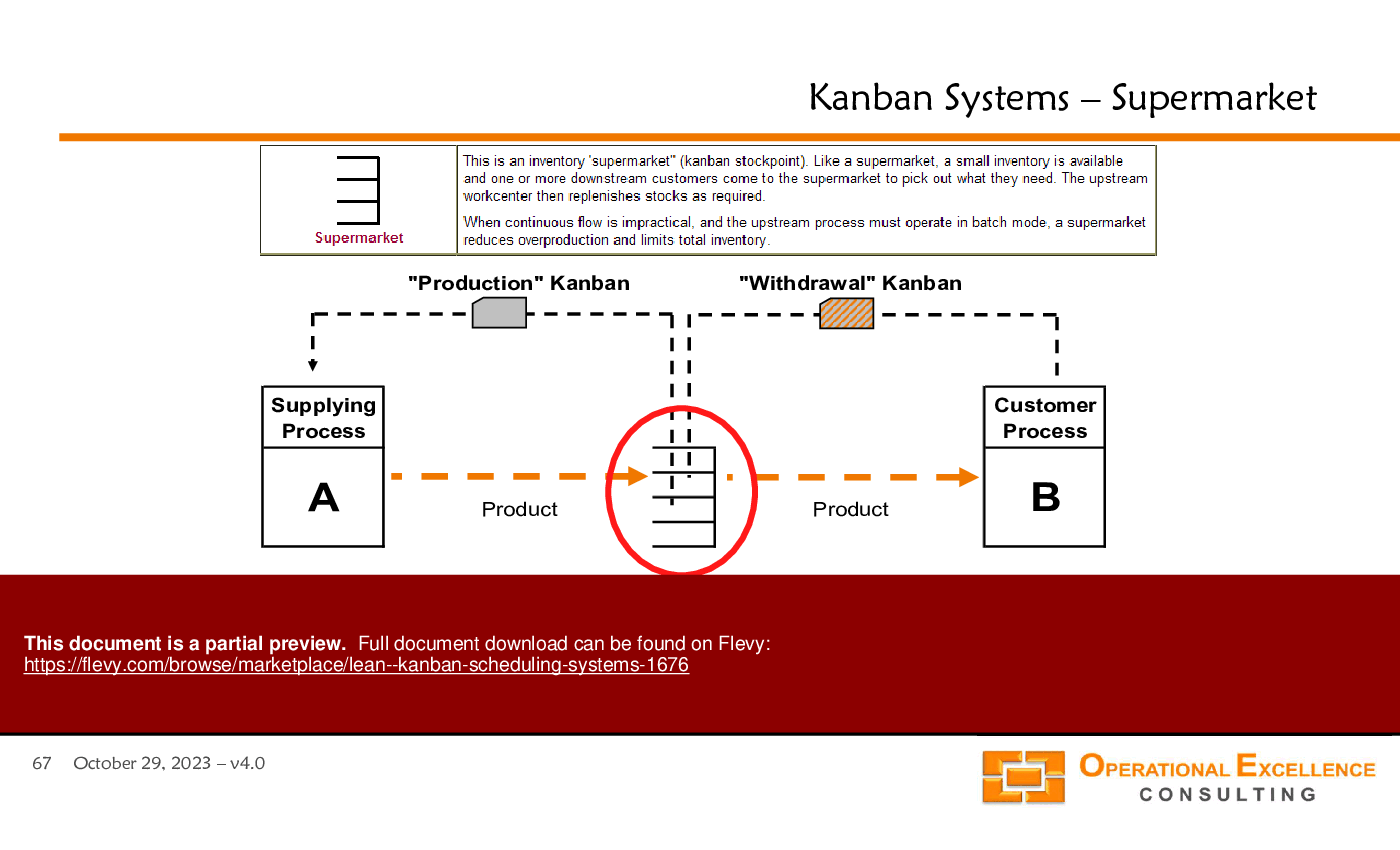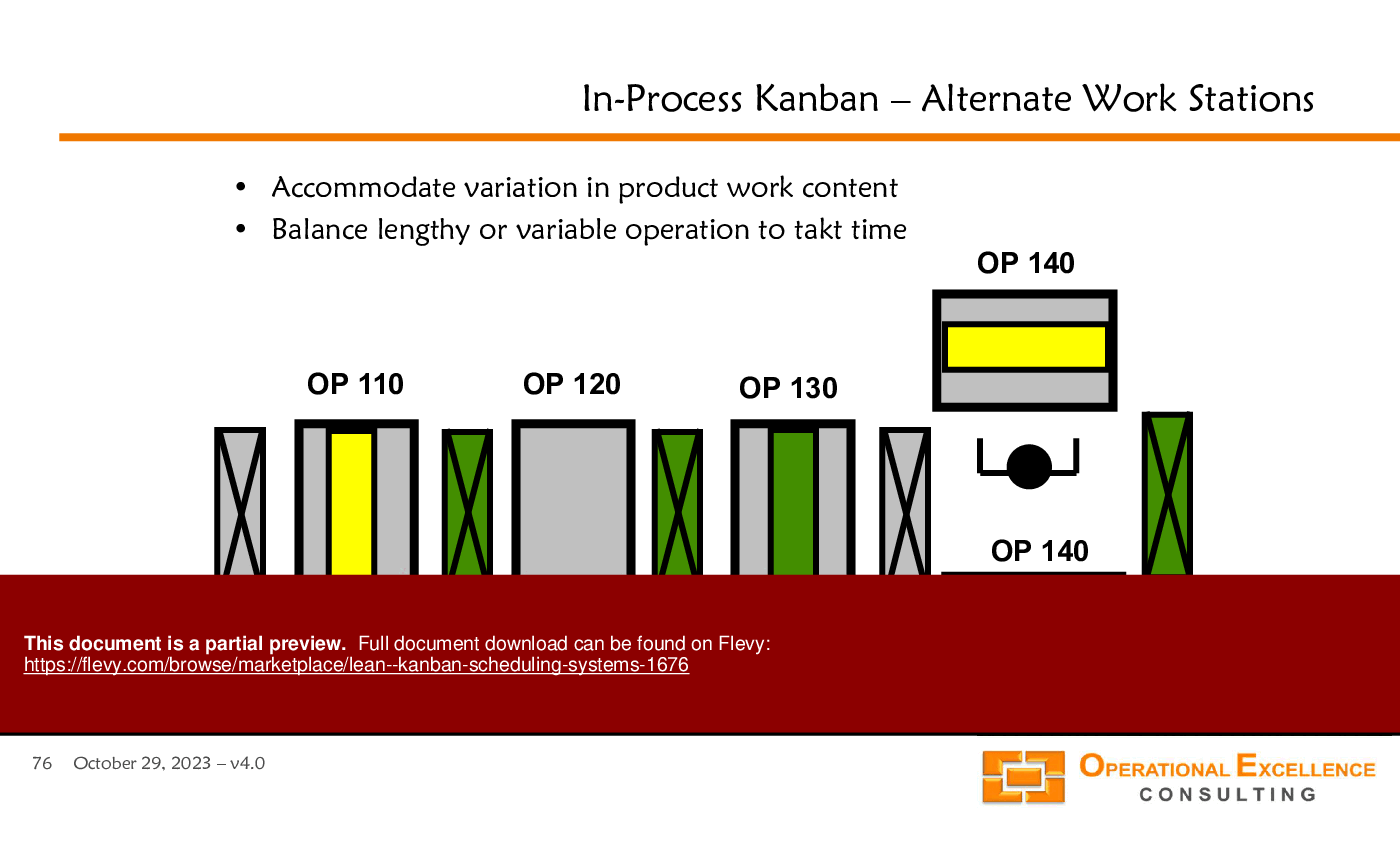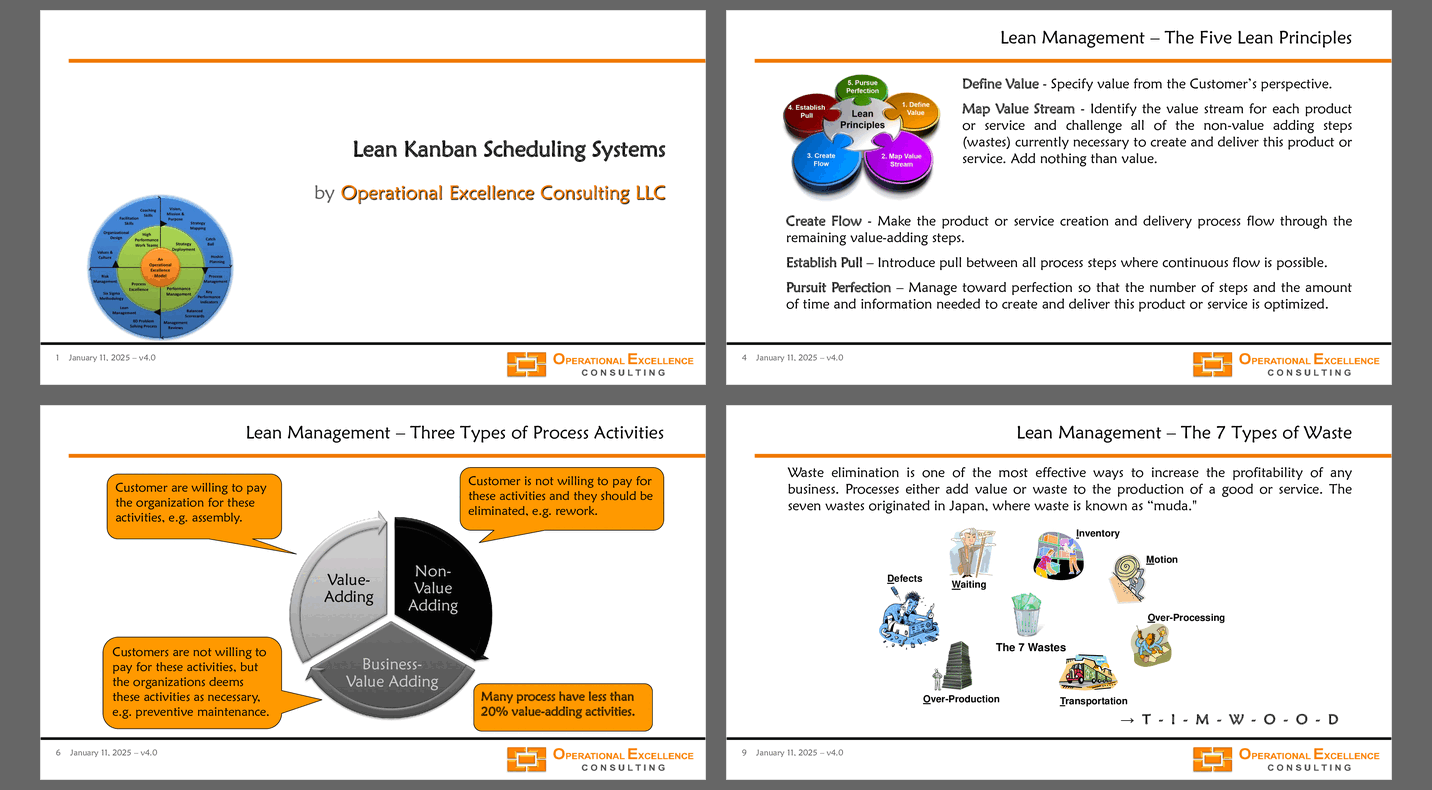

A Lean Kanban System is a scheduling system that helps determine what to produce, when to produce it, and how much to produce. Kanban scheduling systems are useful when
• lot sizes differ between process steps,
• process cycle times are unbalanced, or
• when distance introduces time lag or variability.
Some of the key benefits of Lean Kanban Scheduling Systems include
• over-production (waste) will be at a minimum
• work in process between processes is always maintained and managed
• less finished goods inventory is required
• quicker quality feedback loop
• workplace is better organized, more comfortable, and safer
Our Lean – Kanban Scheduling Systems Training Module includes:
1. MS PowerPoint Presentation including 105 slides covering
• Introduction to Lean Management,
• Benefits of Lean Kanban Systems,
• Kanban Size Calculations,
• Types of Kanban Systems (Single-Card Kanban – Dual-Card Kanban – In-Process Kanban),
• Kaizen Events, and
• A Step-by-Step Kanban Implementation Process.
"After you have downloaded the training material, you can change any part of the training material and remove all logos and references to Operational Excellence Consulting. You can share the material with your colleagues and clients, and re-use it as you need. The only restriction is that you cannot publicly re-distribute, sell, rent or license the material as though it is your own. Thank you."
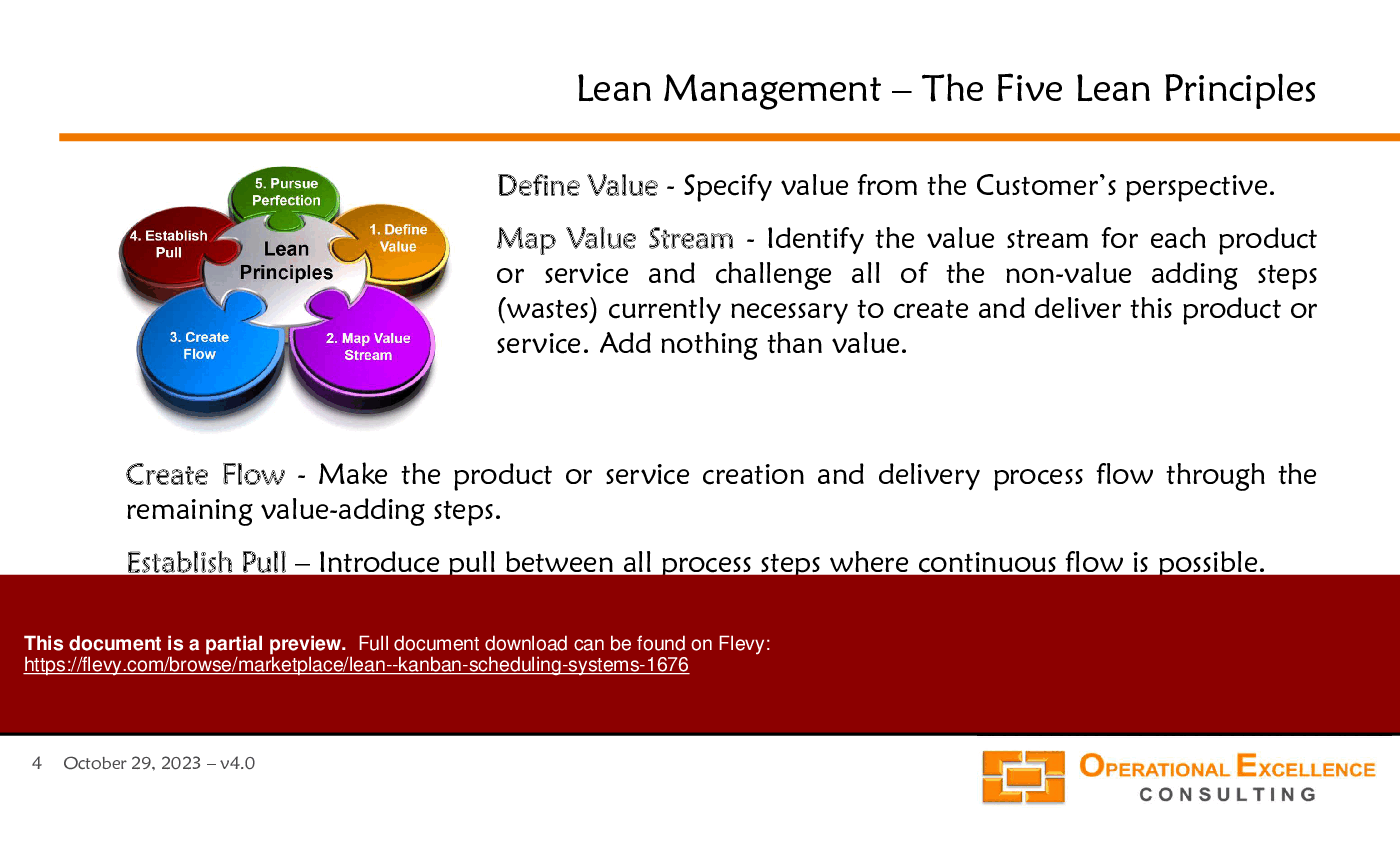
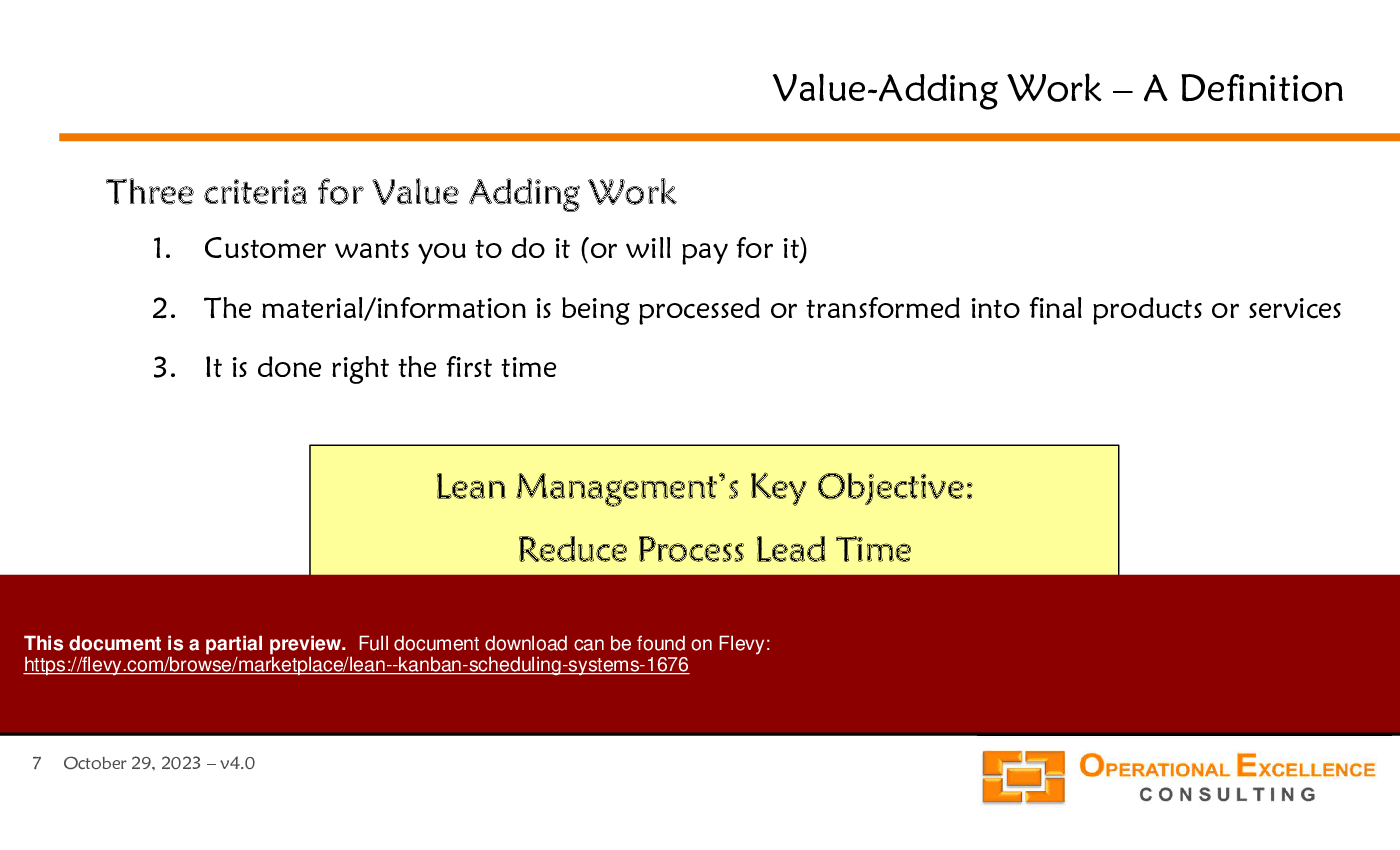
This comprehensive training module also delves into the critical Lean principles, such as defining value, mapping value streams, and establishing pull systems. It highlights the importance of reducing process lead time and identifies the seven wastes that hinder efficiency. The PPT provides practical insights into single-card and dual-card Kanban systems, along with step-by-step implementation guidelines. Real-world success stories illustrate the transformative impact of Lean Kanban systems on productivity and inventory management. This resource is essential for any organization aiming to streamline operations and enhance value delivery.
Got a question about the product? Email us at support@flevy.com or ask the author directly by using the "Ask the Author a Question" form. If you cannot view the preview above this document description, go here to view the large preview instead.
Executive Summary
This presentation on Lean Kanban Scheduling Systems offers a structured approach to implementing Lean principles and Kanban methodologies in various operational settings. Developed by an experienced Operational Excellence Coach, the material provides insights into the Lean management framework, emphasizing waste reduction and efficiency improvement. Users will learn to apply Kanban systems effectively, enhancing workflow and productivity while minimizing waste. This resource is essential for organizations aiming to streamline processes and achieve continuous improvement through practical, actionable strategies.
Who This Is For and When to Use
• Operations Managers seeking to optimize workflow and reduce waste
• Lean Practitioners implementing Lean methodologies in their organizations
• Project Managers overseeing process improvement initiatives
• Teams involved in continuous improvement and Kaizen events
• Consultants advising clients on Lean practices and Kanban systems
Best-fit moments to use this deck:
• During Lean transformation initiatives to establish Kanban systems
• In training sessions focused on Lean principles and waste reduction
• When conducting Kaizen events aimed at process improvement
• For workshops on implementing pull systems within various workflows
Learning Objectives
• Define Lean principles and their application in operational contexts
• Identify and eliminate the 7 types of waste in processes
• Create flow and establish pull within operational workflows
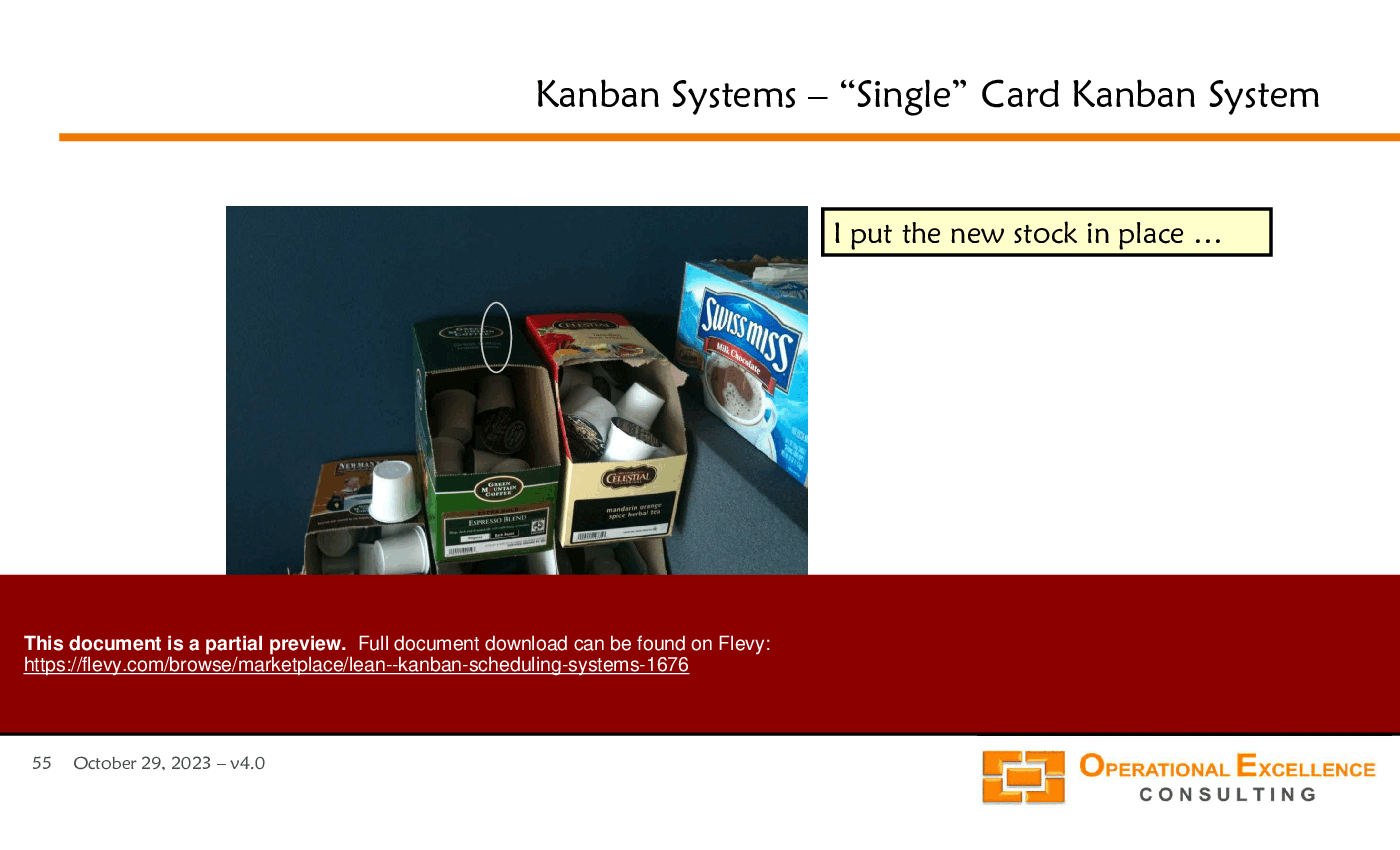
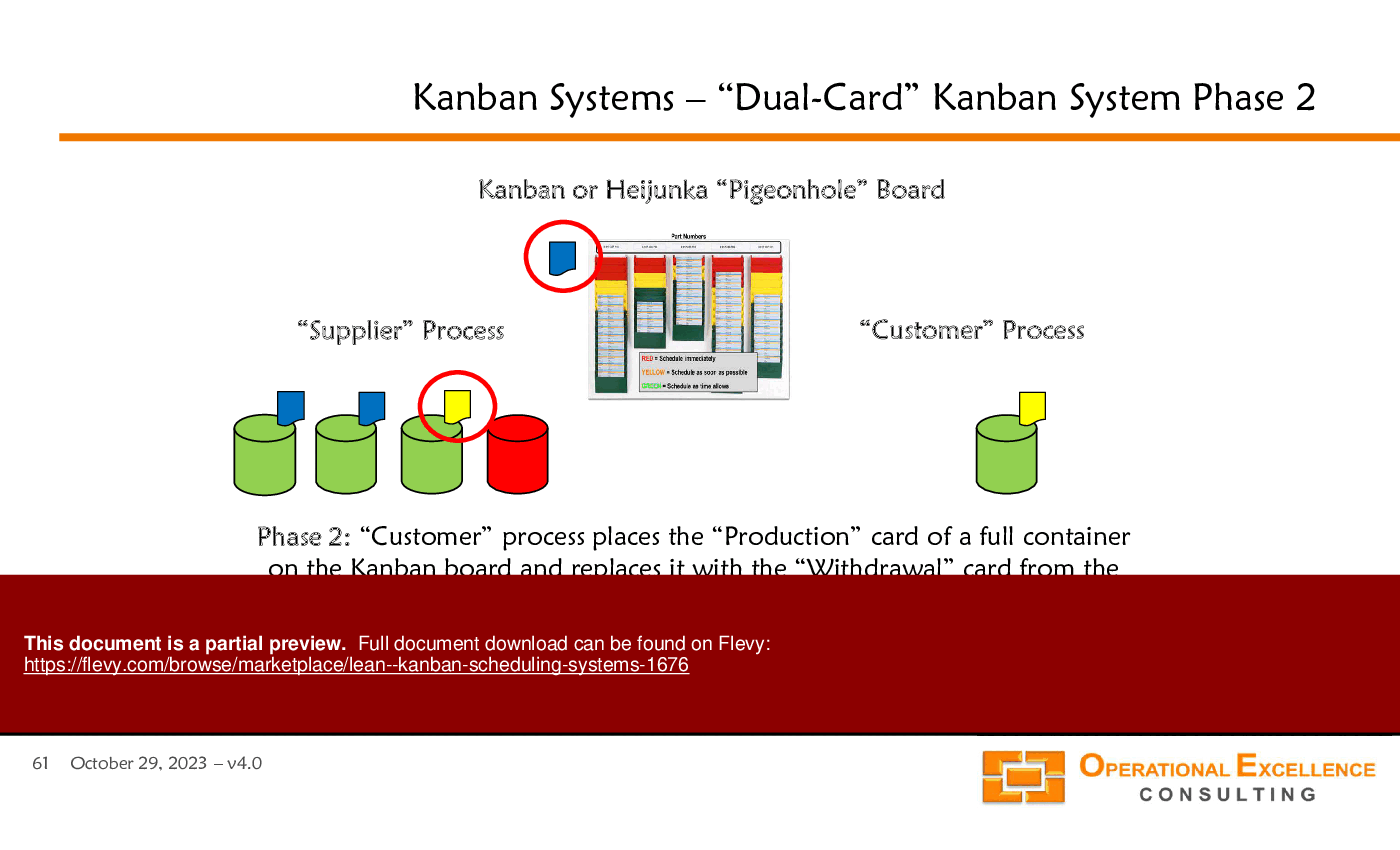
• Implement various Kanban systems, including single and dual-card Kanban
• Conduct Kaizen events to drive continuous improvement
• Measure and analyze performance indicators related to Lean practices
Table of Contents
• Introduction to Lean Management & The 7 Types of Wastes (page 1)
• Lean Metrics & Performance Indicators (page 22)
• Create Flow & Establish Pull (page 30)
• Lean Kanban Systems (page 36)
• Kaizen Events & Step-by-Step Kanban Implementation Process (page 85)
Primary Topics Covered
• Lean Principles - The core principles of Lean management focus on value creation, waste elimination, and continuous improvement.
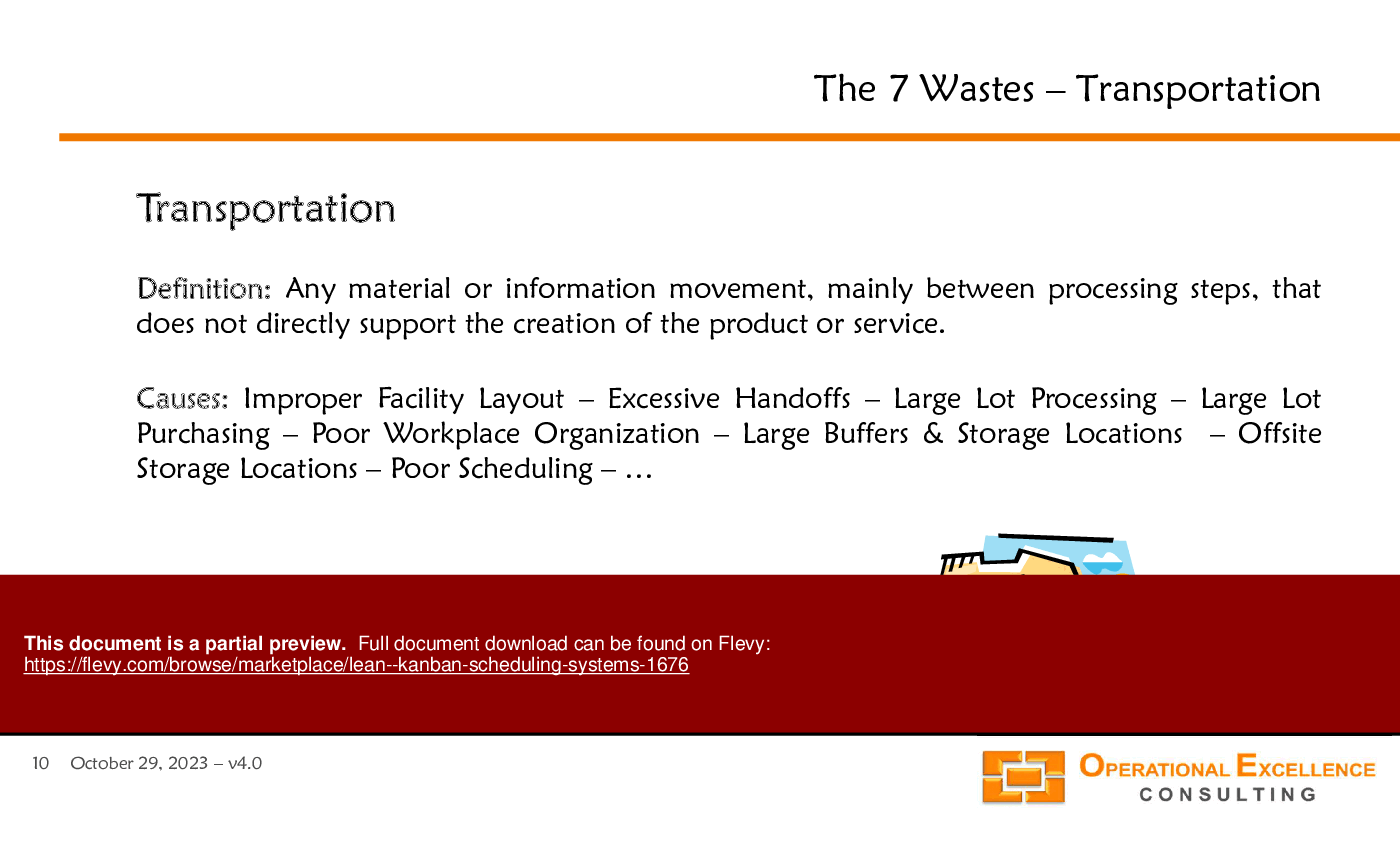
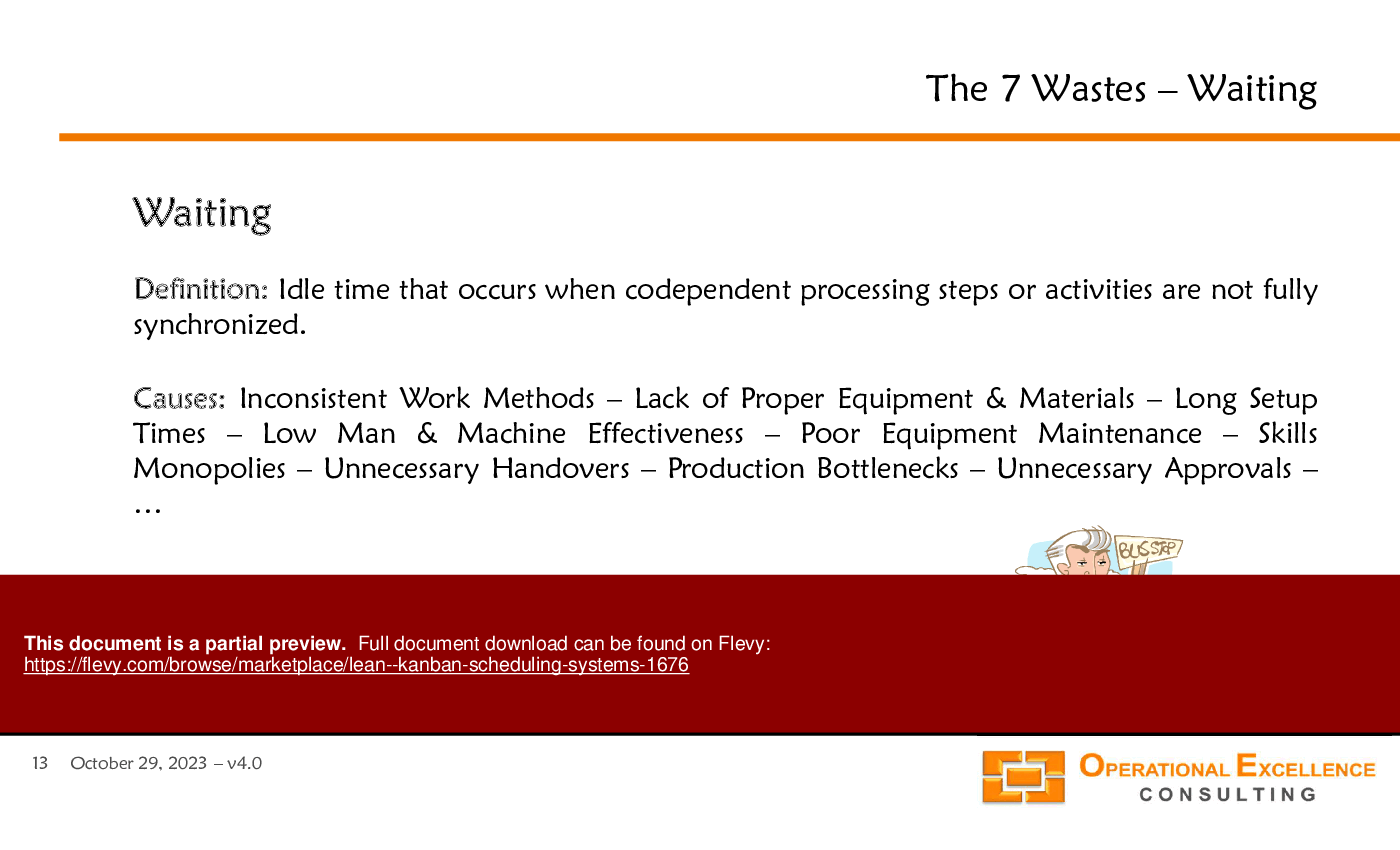
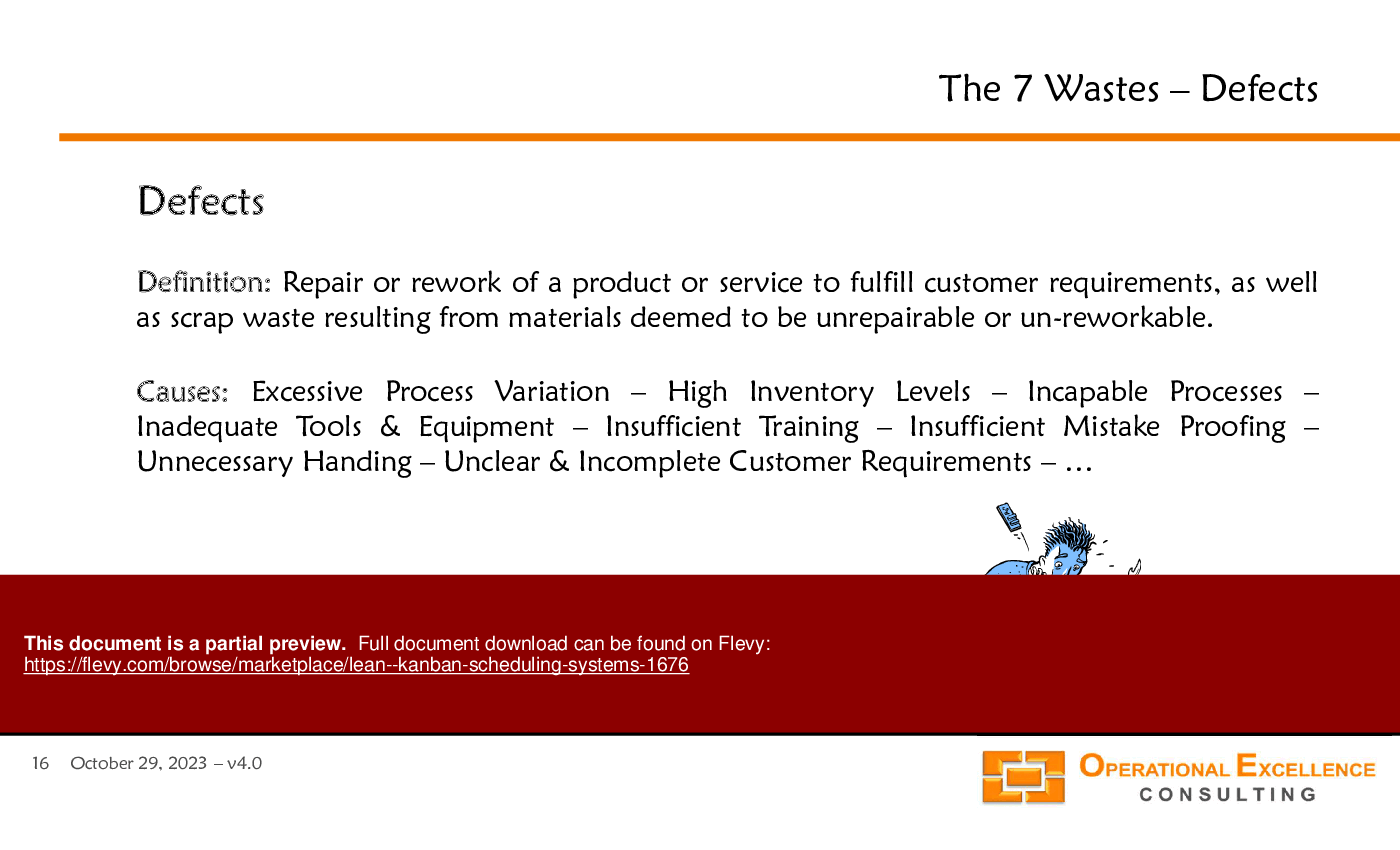
• Seven Types of Waste - Identification of waste types: Inventory, Over-Processing, Waiting, Transportation, Defects, Motion, and Over-Production.
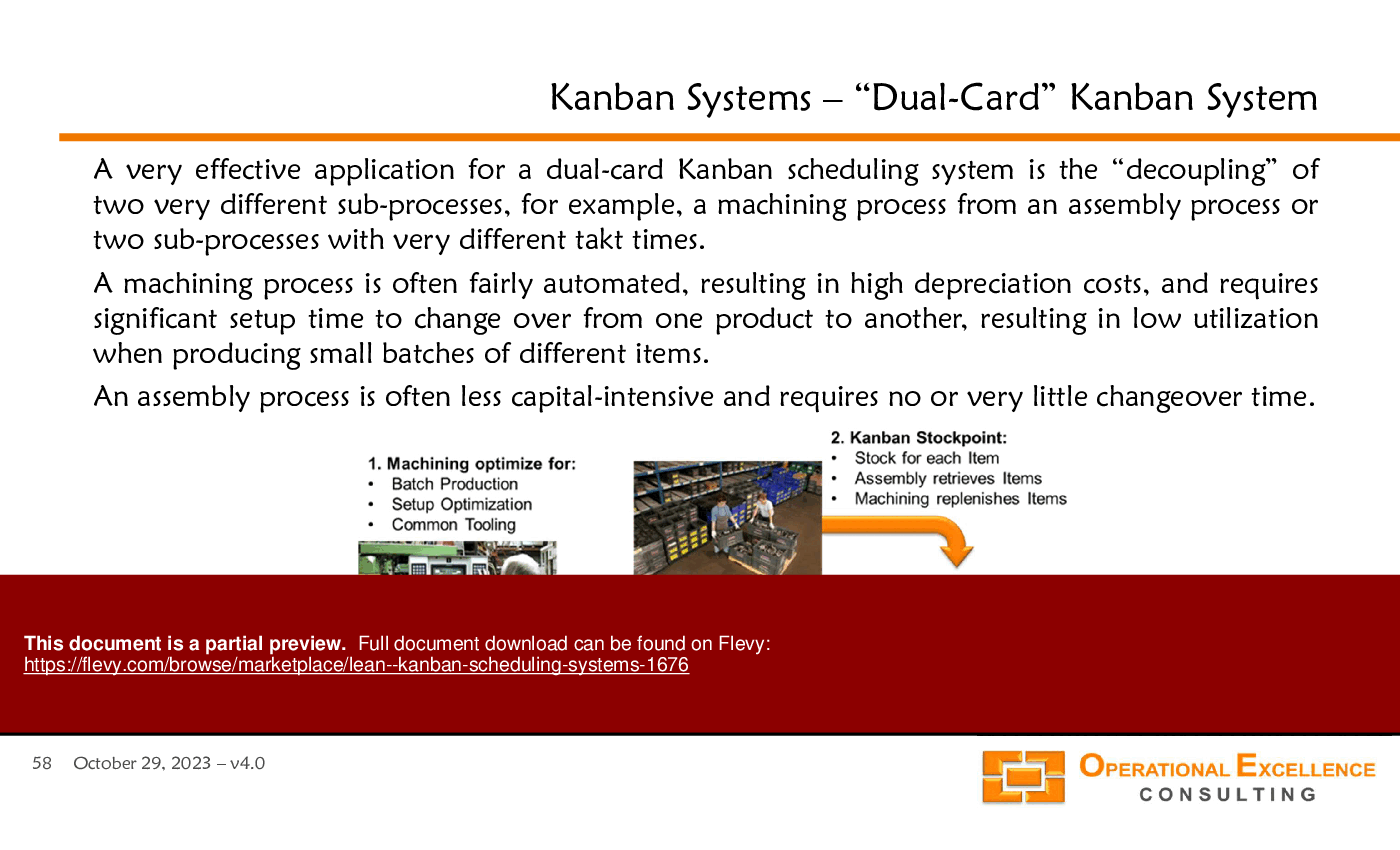
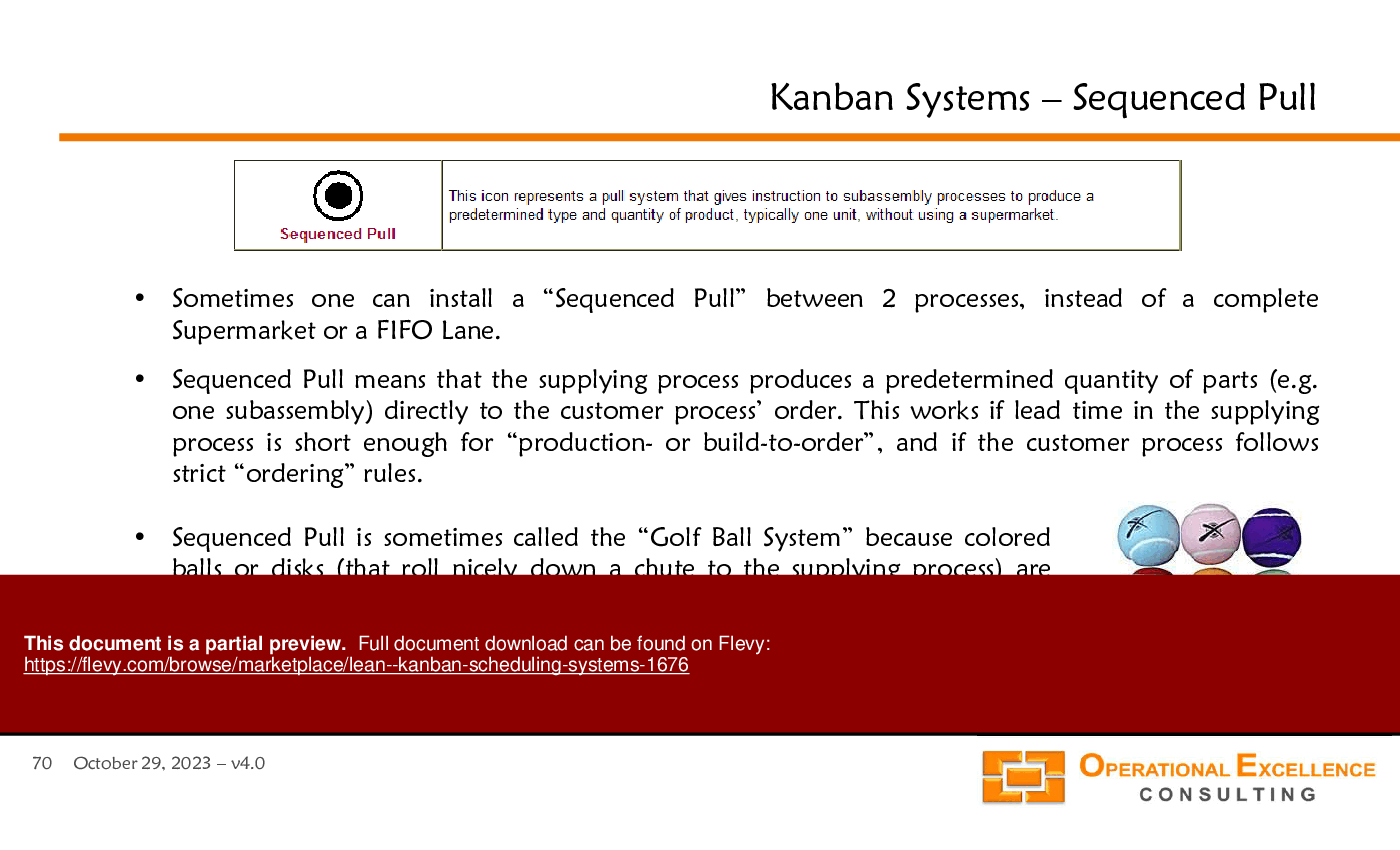
• Kanban Systems - Overview of Kanban as a scheduling system, including single-card and dual-card systems for managing workflow.
• Kaizen Events - Structured approach for continuous improvement through short, focused events aimed at enhancing processes.
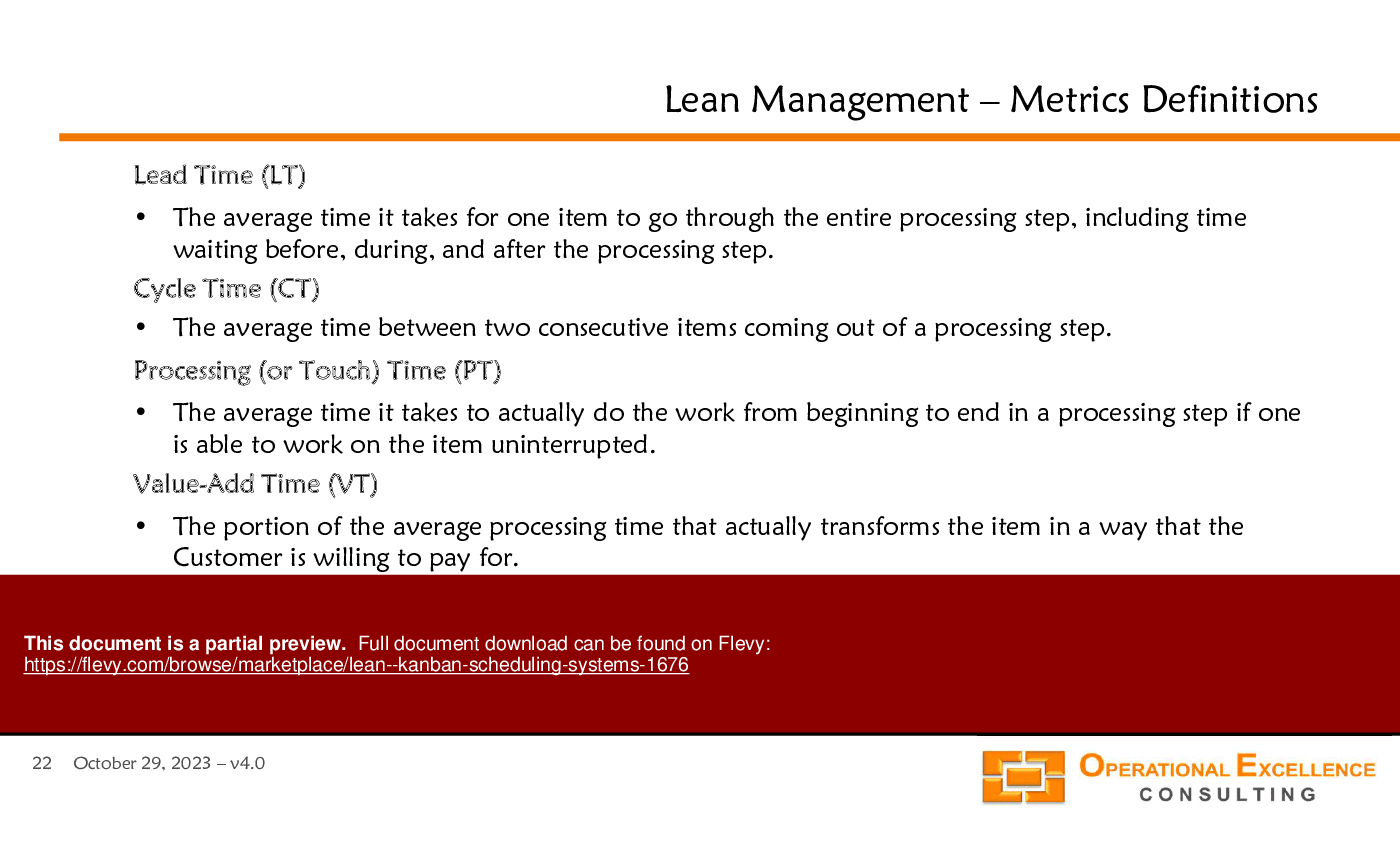
• Metrics and Performance Indicators - Key metrics to evaluate Lean performance, including Lead Time, Cycle Time, and Process Efficiency Ratio.
• Implementation Steps - A step-by-step guide on designing and implementing a Kanban system tailored to specific operational needs.
Deliverables, Templates, and Tools
• Kanban card templates for various types of Kanban systems
• Flowcharts illustrating the Kanban process and its components
• Metrics tracking templates for measuring Lean performance
• Guidelines for conducting Kaizen events and documenting outcomes
• Checklists for identifying and eliminating waste in processes
• Visual aids for training sessions on Lean principles and Kanban systems
Slide Highlights
• Overview of Lean principles and their impact on operational efficiency
• Detailed breakdown of the 7 types of waste with examples
• Visual representation of Kanban systems and their functionality
• Step-by-step guide for conducting effective Kaizen events
• Metrics definitions and their relevance to Lean practices
Potential Workshop Agenda
Introduction to Lean Principles (60 minutes)
• Discuss the core concepts of Lean management
• Identify the 7 types of waste in current processes
• Group activity: Analyze case studies
Kanban System Implementation (90 minutes)
• Overview of Kanban systems and their benefits
• Hands-on activity: Create Kanban cards and boards
• Discuss best practices for managing Kanban systems
Kaizen Event Planning (60 minutes)
• Define the purpose and objectives of Kaizen events
• Group exercise: Plan a Kaizen event for a specific process
• Share insights and strategies for successful implementation
Customization Guidance
• Adjust the Kanban card templates to fit specific inventory items and workflows
• Tailor the metrics tracking templates to align with organizational goals
• Modify the Kaizen event framework to address unique operational challenges
• Incorporate company-specific terminology and examples throughout the presentation
Secondary Topics Covered
• Lean metrics and their importance in performance evaluation
• The role of leadership in fostering a Lean culture
• Strategies for employee engagement in Lean initiatives
• Case studies showcasing successful Lean transformations
FAQ
What is Lean management?
Lean management focuses on maximizing customer value while minimizing waste. It emphasizes continuous improvement and efficiency in processes.
What are the 7 types of waste?
The 7 types of waste include Inventory, Over-Processing, Waiting, Transportation, Defects, Motion, and Over-Production.
How does a Kanban system work?
A Kanban system uses visual signals (cards) to manage workflow, indicating when to produce or move items based on demand.
What is a Kaizen event?
A Kaizen event is a focused, short-term initiative aimed at improving a specific process through team collaboration and problem-solving.
How can I measure Lean performance?
Lean performance can be measured using metrics such as Lead Time, Cycle Time, and Process Efficiency Ratio, which track efficiency and waste.
What are the benefits of implementing Lean principles?
Benefits include improved lead times, reduced inventory, enhanced productivity, better quality, and increased employee engagement.
Can Kanban systems be applied in service industries?
Yes, Kanban systems can be effectively applied in service industries to manage workflows and improve efficiency.
What is Takt Time?
Takt Time is the rate at which products must be produced to meet customer demand, calculated based on available production time and required output.
Glossary
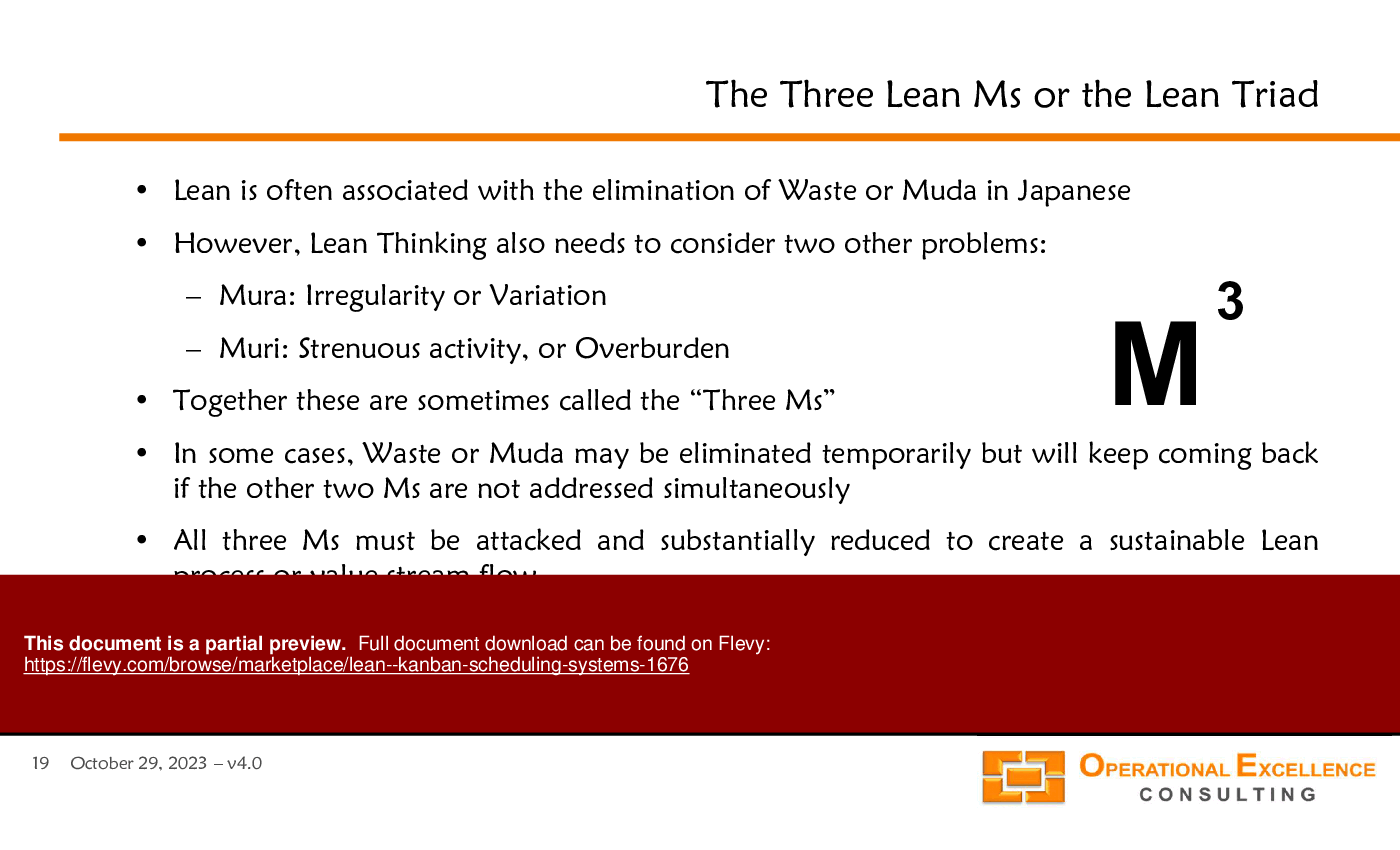
• Lean Management - A methodology focused on improving efficiency by eliminating waste.
• Kanban - A visual signaling system used to manage workflow and inventory.
• Kaizen - A philosophy of continuous improvement through incremental changes.
• Takt Time - The time required to produce a product to meet customer demand.
• Value Stream - The series of steps that add value to a product from creation to delivery.
• Waste - Any activity that does not add value to the product or service.
• Process Efficiency Ratio - A metric that measures the efficiency of a process by comparing value-added time to total lead time.
• Cycle Time - The total time from the beginning to the end of a process.
• Lead Time - The total time taken from the initiation of a process to its completion.
• Continuous Improvement - Ongoing efforts to improve products, services, or processes.
• Pull System - A system where production is based on actual demand rather than forecasts.
• Visual Management - The use of visual signals to communicate information about processes and performance.
• Work In Progress (WIP) - Inventory that is in the process of being transformed into finished goods.
• Standard Work - Documented best practices for performing a task to ensure consistency and efficiency.
• 5S - A methodology for organizing and managing the workspace effectively.
• Process Mapping - A visual representation of the steps involved in a process.
• Root Cause Analysis - A problem-solving method used to identify the underlying causes of issues.
• Employee Engagement - The level of commitment and involvement an employee has towards their organization and its goals.
• Supplier Kanban - A card that signals the need for replenishment from a supplier.
• Production Kanban - A card that authorizes the production of a specific quantity of items.

• Withdrawal Kanban - A card that signals the movement of items from one process to another.
Source: Best Practices in Kanban, Scheduling PowerPoint Slides: Lean - Kanban Scheduling Systems PowerPoint (PPTX) Presentation Slide Deck, Operational Excellence Consulting LLC
This document is available as part of the following discounted bundle(s):
Save %!
LEAN MANAGEMENT Training Module Library
This bundle contains 8 total documents. See all the documents to the right.
Save %!
OPERATIONAL EXCELLENCE Training Module Library
This bundle contains 18 total documents. See all the documents to the right.
|
Receive our FREE presentation on Operational Excellence
This 50-slide presentation provides a high-level introduction to the 4 Building Blocks of Operational Excellence. Achieving OpEx requires the implementation of a Business Execution System that integrates these 4 building blocks. |