
 Click main image to view in full screen.
Design Thinking Overview (PowerPoint PPTX Slide Deck)
PowerPoint (PPTX) + supplemental PDF 185 Slides


BENEFITS OF THIS POWERPOINT DOCUMENT
- Provides an overview of Design Thinking - the creative approach to innovation and problem solving.
- Introduces Design Thinking mindsets, methods and tools for creating business and customer value.
- Ideal for briefing management and staff who are interested to explore how to adopt Design Thinking in their organizations.
SERVICE DESIGN PPT DESCRIPTION
Design Thinking is a process for creative problem solving. It allows everyone to use creative tools to address a vast range of challenges. The process is action-oriented, embraces simple mindset shifts and tackles problems from a new direction.
Some of the world's leading brands, such as Apple, Nike, Starbucks and GE, have rapidly adopted the Design Thinking approach. What's more, Design Thinking is being taught at leading universities around the world, including Stanford, Harvard and MIT.
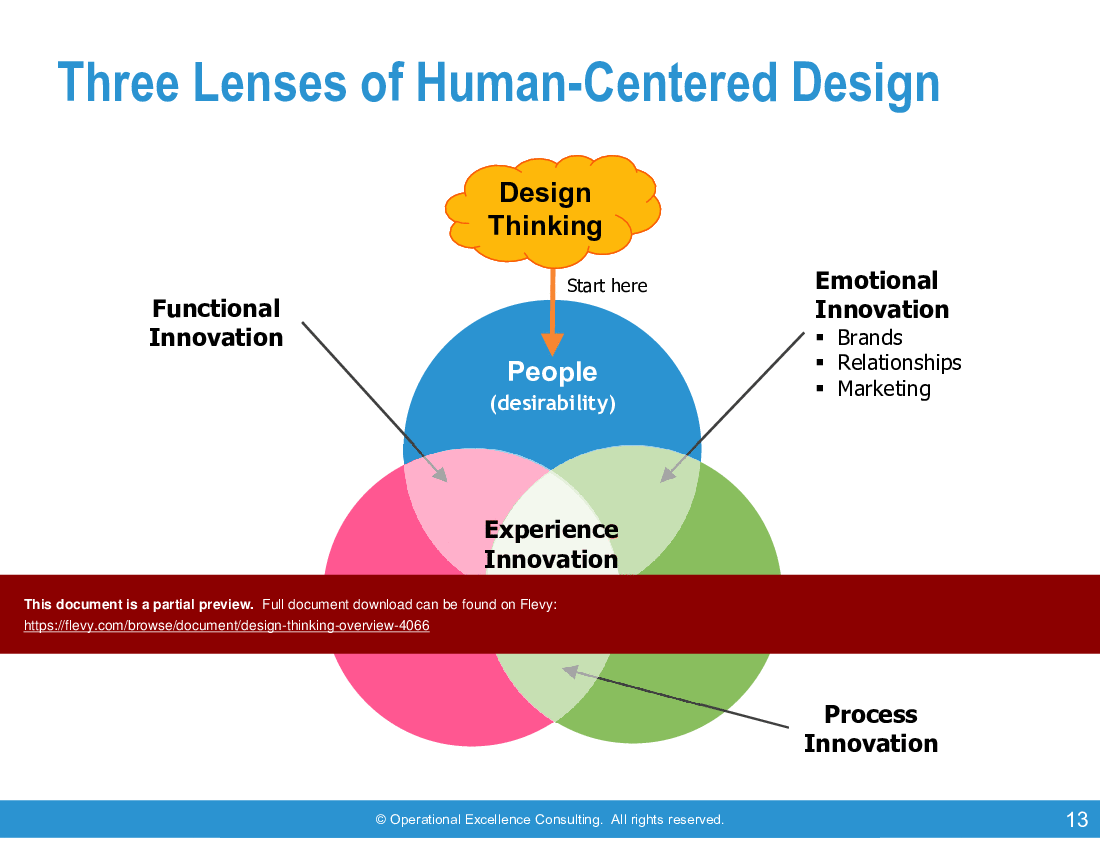
Design Thinking encourages organizations to focus on the people they are creating for, which leads to better products, services, and internal processes. The framework is fully compatible with Lean and Six Sigma approaches.
This overview presentation is ideal for beginners as well as management and staff who are interested to explore into the mindsets and methodology of Design Thinking.
||||||||||||||||||||||||||||||||||||||||||||||||||||||||||||||||||||||||||||||||||||||||||||||||||||||||||||||||||||||||||||||||||||||||||||||||||||||
NOTE: This training package includes:
1. Design Thinking Overview training presentation (PowerPoint format)
2. Design Thinking templates (PowerPoint format)
3. Design Thinking poster (PDF format, in color and monochrome, printable in A3 size)
||||||||||||||||||||||||||||||||||||||||||||||||||||||||||||||||||||||||||||||||||||||||||||||||||||||||||||||||||||||||||||||||||||||||||||||||||||||
Learning Objectives:
1. Acquire knowledge on the key concepts and principles of Design Thinking
2. Understand the mindsets of a Design Thinker
3. Gain an overview of the Design Thinking process, methods and tools
4. Learn how to apply the Design Thinking approach to problem solving
Contents:
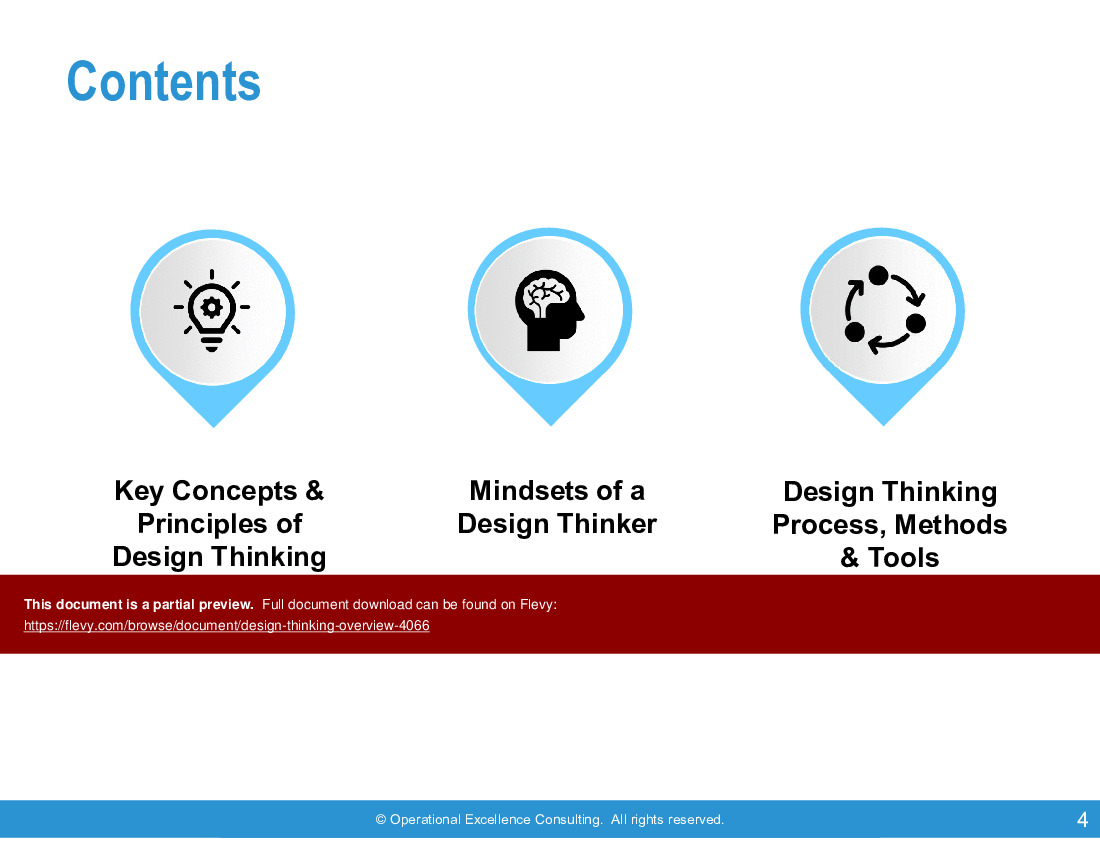
1. Key Concepts and Principles of Design Thinking
• What is Design Thinking?
• What Design Thinking Is Not
• Some Applications of Design Thinking
• Benefits of Design Thinking
• Framework of Design Thinking
• Case Study: Design Thinking & Innovation at Apple
2. Mindsets of a Design Thinker
• Think Users First
• Ask the Right Questions
• Believe You Can Draw
• Commit to Explore
• Prototype to Test
3. Design Thinking Process, Methods & Tools
• Empathize – Understand Your Customers/Users
• Define – Define Clear Project/Business Objectives
• Ideate – Explore Ideas and Solutions
• Prototype – Build and Visualize Ideas and Solutions
• Test – Review and Decide
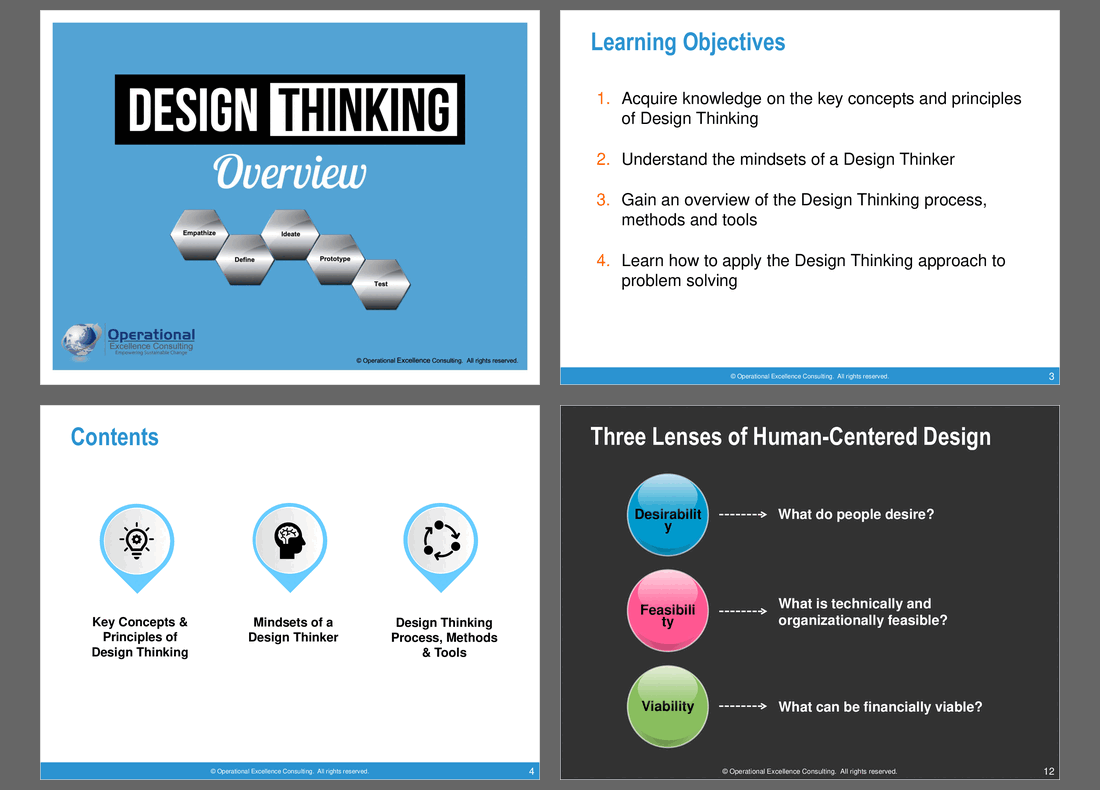
This presentation provides a comprehensive summary of the five action phases of Design Thinking: Empathize, Define, Ideate, Prototype, and Test. It also highlights the importance of iterative processes and collaboration from all team members to achieve successful outcomes.
Got a question about the product? Email us at support@flevy.com or ask the author directly by using the "Ask the Author a Question" form. If you cannot view the preview above this document description, go here to view the large preview instead.
MARCUS OVERVIEW
This synopsis was written by Marcus [?] based on the analysis of the full 185-slide presentation.
Executive Summary
This Design Thinking Overview presentation is crafted to equip organizations with the essential principles and methodologies of Design Thinking, a human-centered approach to innovation. Developed by Operational Excellence Consulting, this training resource provides insights into understanding user needs, ideation processes, prototyping, and testing. By utilizing this presentation, corporate executives and consultants can foster a culture of creativity and problem-solving, ultimately enhancing customer experiences and driving business success.
Who This Is For and When to Use
• Corporate executives seeking to implement innovative strategies within their organizations
• Design teams aiming to enhance their problem-solving capabilities
• Consultants focused on delivering customer-centric solutions
• Training facilitators looking for structured content on Design Thinking principles
Best-fit moments to use this deck:
• During workshops aimed at fostering innovation and creativity
• In training sessions for teams adopting Design Thinking methodologies
• When developing new products or services that require user insights
Learning Objectives
• Acquire knowledge on the key concepts and principles of Design Thinking
• Understand the mindsets of a Design Thinker
• Gain an overview of the Design Thinking process, methods, and tools
• Learn how to apply the Design Thinking approach to problem-solving
Table of Contents
• Key Concepts & Principles of Design Thinking (page 5)
• Mindsets of a Design Thinker (page 50)
• Design Thinking Process, Methods & Tools (page 59)
Primary Topics Covered
• Key Concepts of Design Thinking - Design Thinking is defined as a process for creative problem-solving that emphasizes understanding user needs.
• Human-Centered Approach - This approach focuses on the motivations and problems of users, ensuring solutions are relevant and impactful.
• Design Thinking Process - The process consists of 5 phases: Empathize, Define, Ideate, Prototype, and Test, each with specific objectives and deliverables.
• Mindsets of a Design Thinker - Essential traits include thinking users first, asking the right questions, and committing to explore innovative solutions.
• Iterative Nature of Design Thinking - The process is not linear, but involves continuous feedback and refinement through prototyping and testing.
• Collaboration and Team Engagement - Successful Design Thinking requires collaboration among team members to leverage diverse perspectives and insights.
Deliverables, Templates, and Tools
• Persona Template for defining user characteristics
• Empathy Map Template for understanding user feelings and needs
• Design Brief Template for clarifying project objectives and scope
• Customer Journey Map for visualizing user experiences
• Prototyping tools including storyboards and wireframes
• Feedback Capture Grid for collecting user insights
Slide Highlights
• Overview of the Design Thinking process with visual representations of each phase
• Examples of successful applications of Design Thinking in leading companies like Apple and Google
• Key quotes from thought leaders in design and innovation, emphasizing the importance of user-centered design
Potential Workshop Agenda
Introduction to Design Thinking (30 minutes)
• Overview of key concepts and principles
• Discussion on the importance of a human-centered approach
Empathize Phase Workshop (60 minutes)
• User interviews and observation techniques
• Creating personas and empathy maps
Define Phase Workshop (45 minutes)
• Developing Point of View (POV) statements
• Crafting How Might We (HMW) questions
Ideation Session (60 minutes)
• Brainstorming techniques and methods
• Using SCAMPER and other ideation tools
Prototyping and Testing (60 minutes)
• Building simple prototypes
• Gathering feedback and refining ideas
Customization Guidance
• Tailor the presentation to include specific case studies relevant to your industry.
• Modify templates to reflect organizational branding and terminology.
• Adjust the workshop agenda to fit the time constraints and specific needs of your team.
Secondary Topics Covered
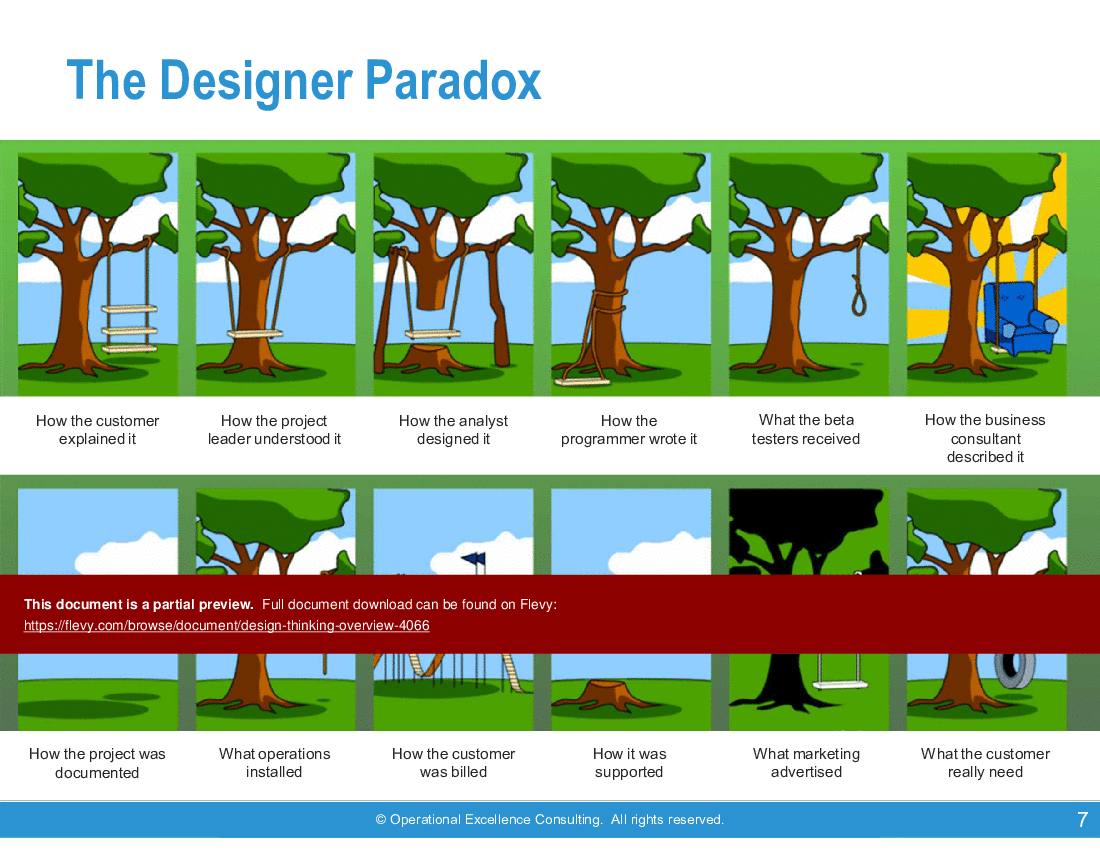
• The Designer Paradox and its implications for product development
• The impact of Design Thinking on business performance and customer satisfaction
• Techniques for fostering a culture of innovation within organizations
FAQ
What is Design Thinking?
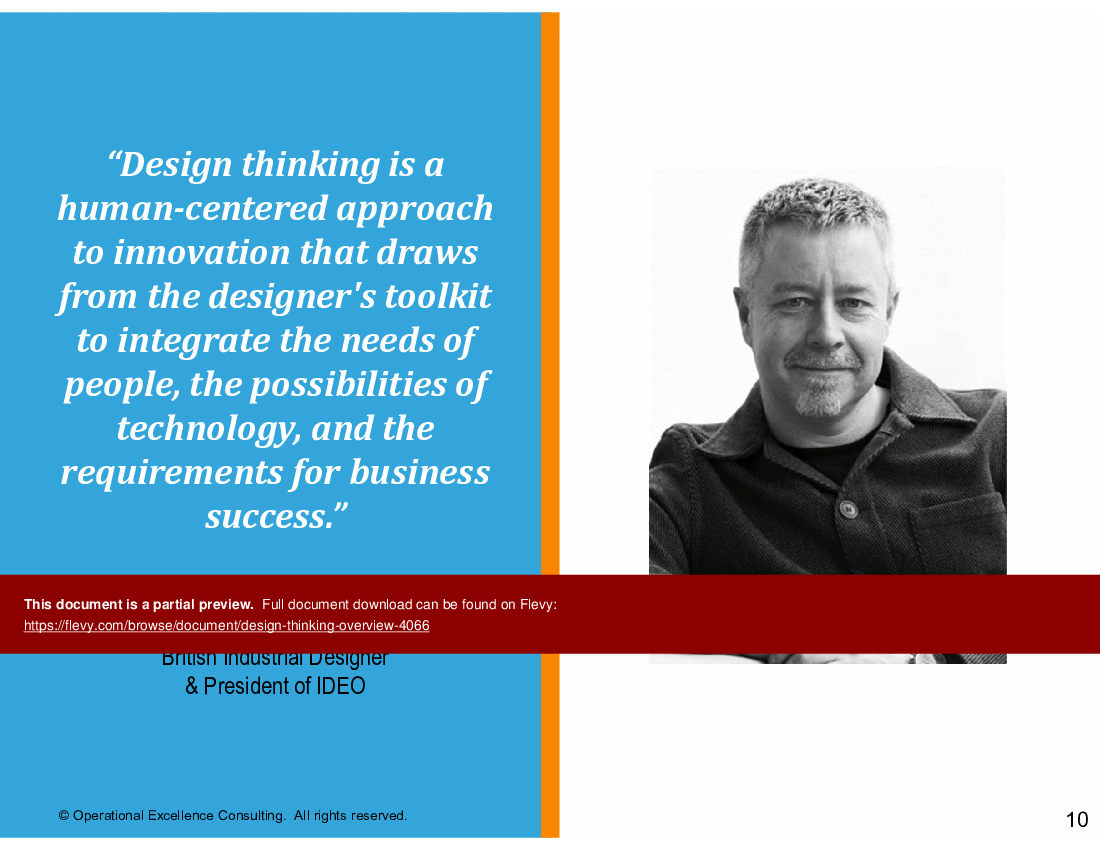
Design Thinking is a human-centered approach to innovation that integrates the needs of people, the possibilities of technology, and the requirements for business success.
Who can use Design Thinking?
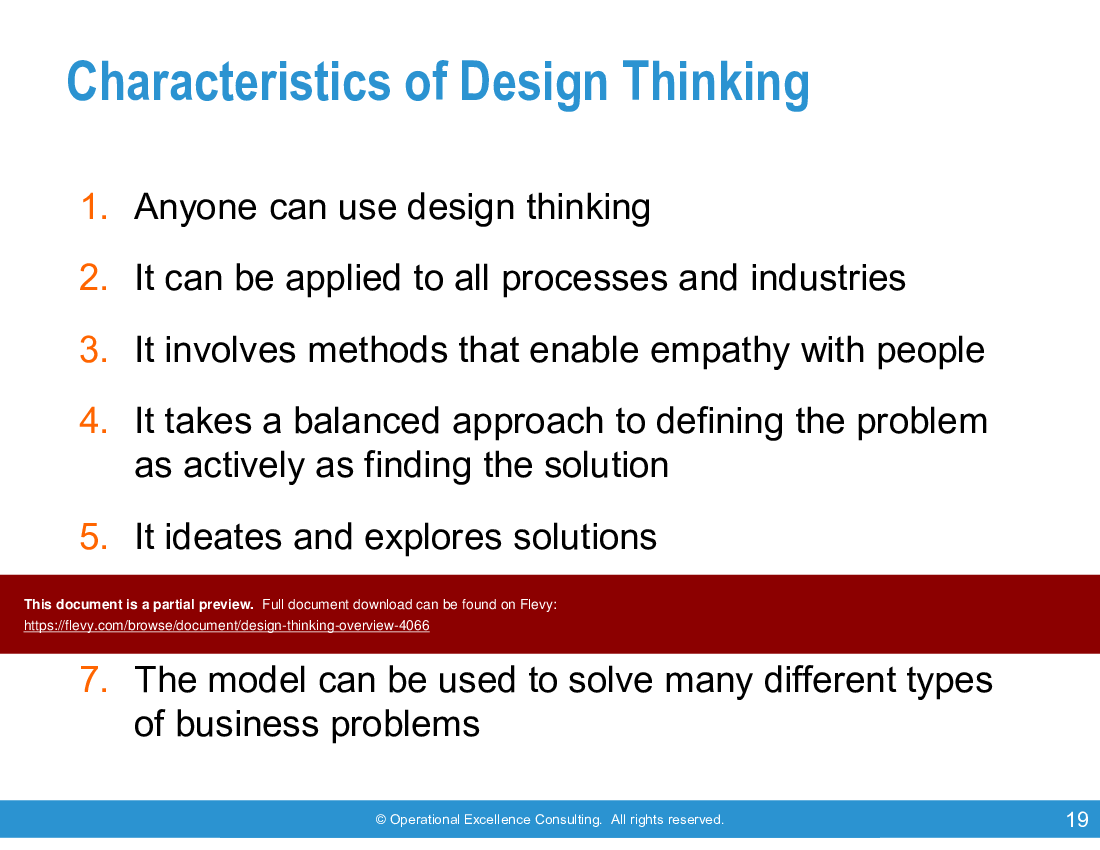
Anyone can utilize Design Thinking principles, regardless of their role or industry, as it can be applied to various processes and challenges.
How does Design Thinking differ from traditional problem-solving?
Design Thinking emphasizes empathy, iterative testing, and collaboration, whereas traditional methods often rely on rigid analysis and predefined solutions.
What are the key phases of the Design Thinking process?
The process consists of 5 phases: Empathize, Define, Ideate, Prototype, and Test, each focusing on different aspects of problem-solving.
Why is prototyping important in Design Thinking?
Prototyping allows teams to visualize and test ideas quickly, gather user feedback, and iterate on designs, ultimately leading to better solutions.
How can I apply Design Thinking in my organization?
Start by fostering a culture of empathy and collaboration, provide training on Design Thinking methodologies, and incorporate user feedback into product development processes.
What tools are commonly used in Design Thinking?
Common tools include empathy maps, personas, journey maps, and various brainstorming techniques to facilitate ideation and prototyping.
How do I measure the success of Design Thinking initiatives?
Success can be measured through user satisfaction, the effectiveness of solutions, and the overall impact on business performance and innovation.
Glossary
• Design Thinking - A human-centered approach to innovation focused on understanding user needs.
• Empathy - The ability to understand and share the feelings of others, crucial for user-centered design.
• Prototype - A preliminary model of a product used to test concepts and gather feedback.
• Point of View (POV) - A statement that defines the user, their needs, and insights for problem-solving.
• How Might We (HMW) - A question format used to frame design challenges and stimulate brainstorming.
• Persona - A fictional character representing a user segment, used to guide design decisions.
• Customer Journey Map - A visual representation of a user's experience with a product or service.
• SCAMPER - A brainstorming technique that prompts creative thinking through 7 action words.
• Feedback Capture Grid - A tool for organizing user feedback into actionable categories.
• Affinity Map - A method for grouping ideas based on shared themes or relationships.
• Iterative Process - A cyclical approach to design that involves repeated testing and refinement.
• Human-Centered Design - Design practices that prioritize the needs and experiences of users.
Source: Best Practices in Service Design PowerPoint Slides: Design Thinking Overview PowerPoint (PPTX) Presentation Slide Deck, Operational Excellence Consulting
ABOUT THE AUTHOR

Operational Excellence Consulting, founded in 2009 by Allan Ung, draws from extensive experience at Microsoft, IBM, and Underwriters Laboratories (UL). We specialize in strategy deployment, customer experience design, and operational excellence, applying Design Thinking, Lean, and Systems Thinking to maximize customer value and minimize waste.
Our
... [read more]
Ask the Author a Question
You must be logged in to contact the author.




























