
 Click main image to view in full screen. Unlock all 22 preview images:
Design Thinking - Introduction – PowerPoint PPTX Template
PowerPoint (PPTX) 80 Slides


BENEFITS OF THIS DOWNLOADABLE POWERPOINT DOCUMENT
- Design thinking - Practical Guide
- Design thinking - Awareness
- Design thinking - Workshop material
DESIGN THINKING PPT TEMPLATE DESCRIPTION
What is Design Thinking?
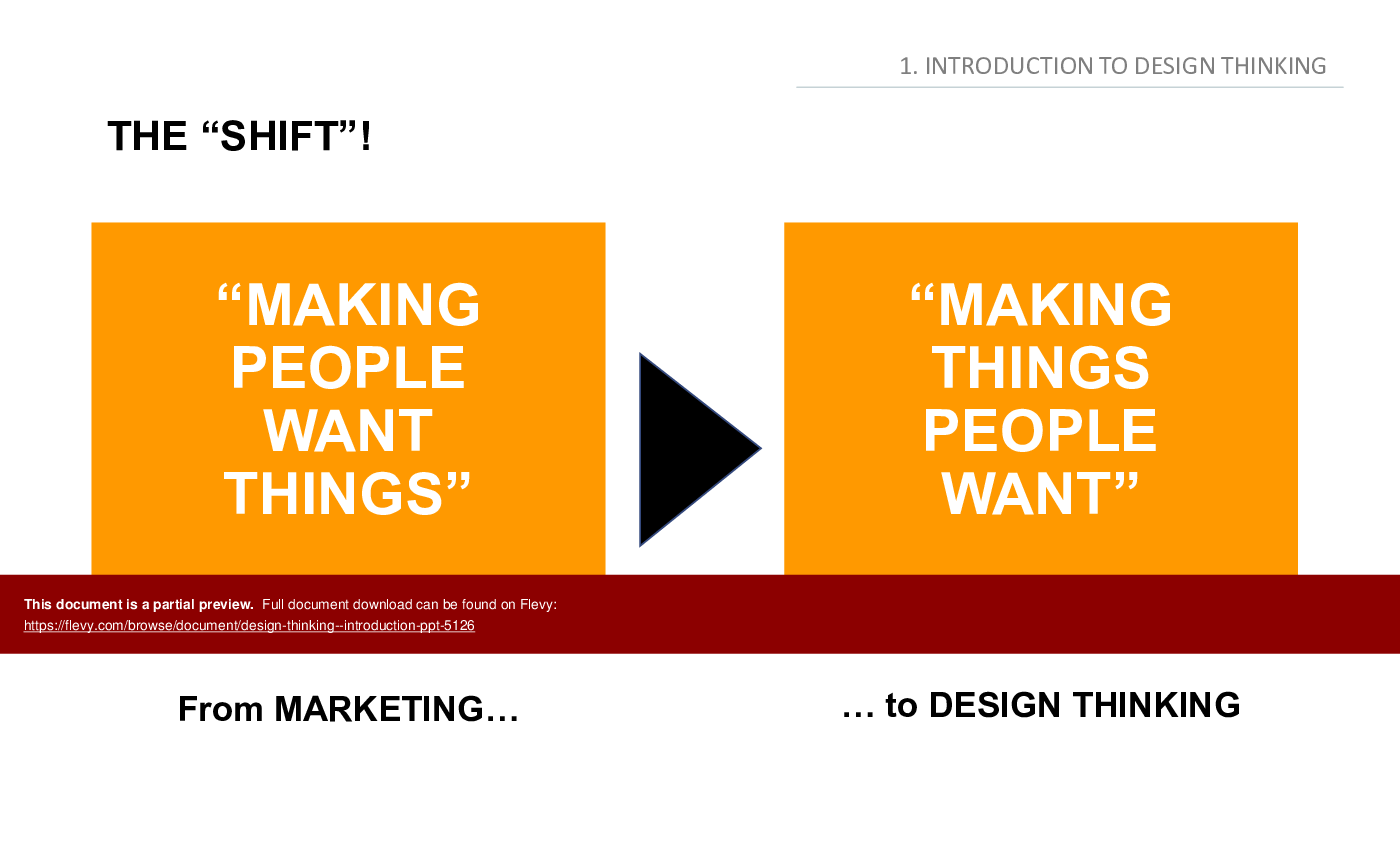
• Design Thinking is a human-centered approach to problem solving and innovation.
• Design Thinking helps us to gain a deep understanding of customers' unmet needs and wants.
• It encourages creative consideration of a wide array of innovative solutions.
• It is as much a mindset as a process.
The concept of empathy in Design Thinking is fundamental and is the focus of the initial first stage of the Design Thinking process. Design teams conduct research to get personal grasps of their customers' needs. They set aside assumptions to obtain insights into the customers' world by observing, consulting, and engaging with customers. This way, we can more fully understand customers' experiences, motivations, and problems/challenges to make informed, insightful decisions.
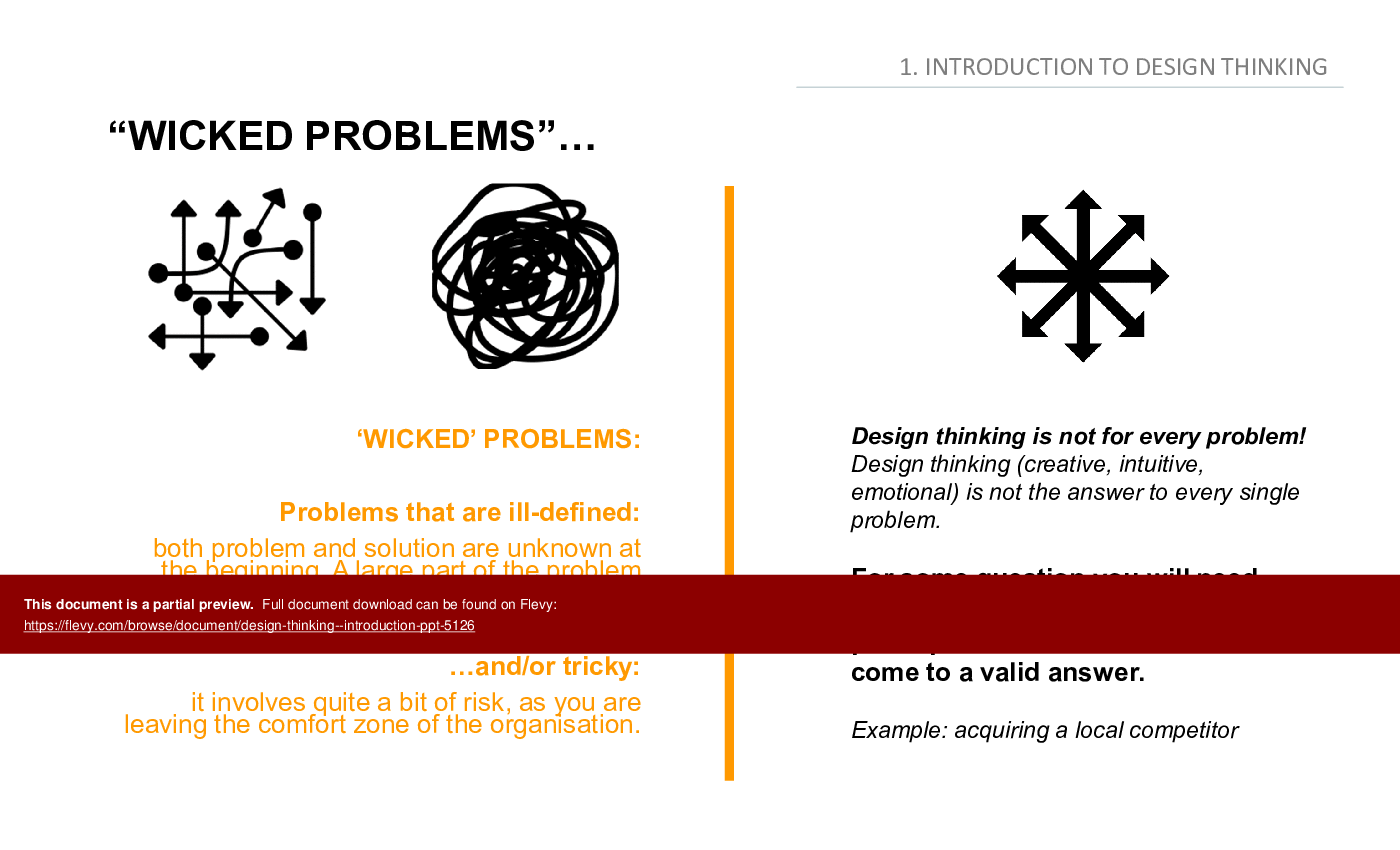
Design Thinking can be helpful with "Wicked" Problems: Problems that are ill-defined and/or tricky:
• Problems that are ill-defined: both problem and solution are unknown at the beginning. A large part of the problem solving is actually defining the problem.
• ... and/or tricky: it involves quite a bit of risk, as you are leaving the comfort zone of the organization.
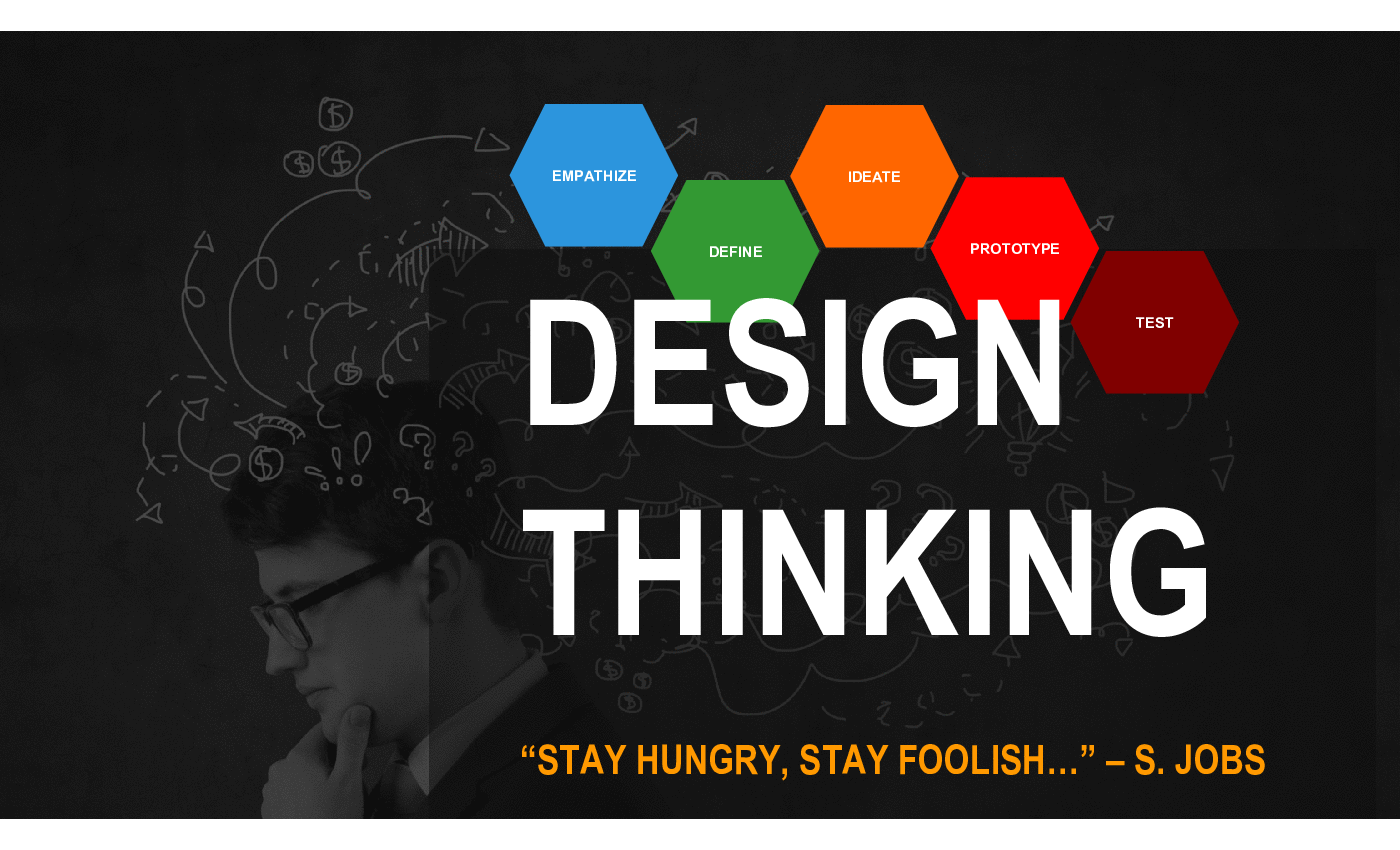
This PowerPoint presentation serves as an introduction to Design Thinking. The Design Thinking presentation explains the full Design Thinking process, which includes 5 activities:
1. Empathize
2. Ideate
3. Define
4. Prototype
5. Test
... and...
Additional concepts included in this PPT include: Empathy map, Personas, Customer Journey, Space Saturation, Point of View (POV) / Problem Statement, How Might We (HMW) Questions / Design Goal, Opportunity Map, Ideation, Feedback Capture Grid, among others. This Design Thinking and Innovation PPT also includes several Design Thinking Workshop ideas.
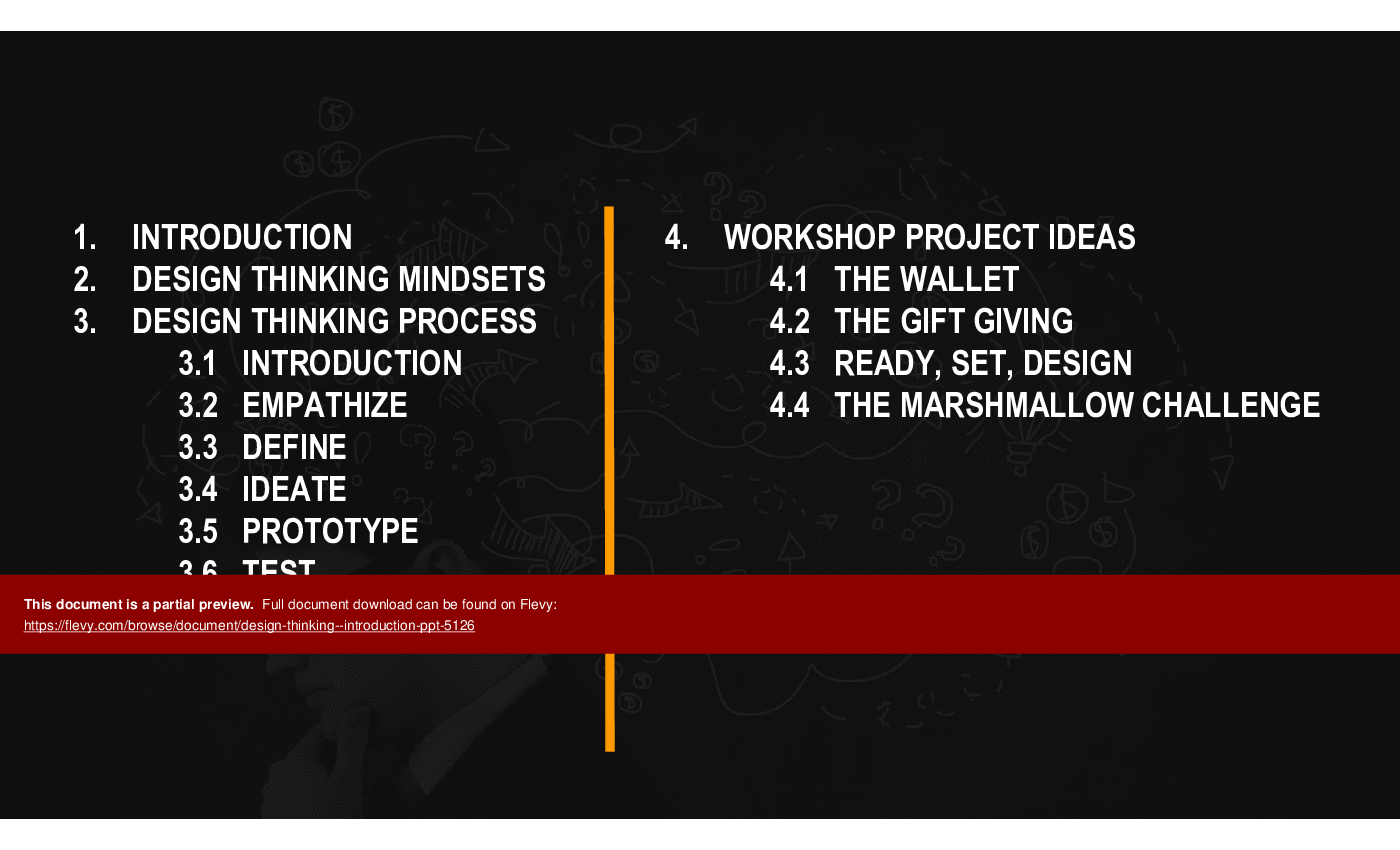
This Design Thinking PPT is organized into the following sections:
1. Introduction
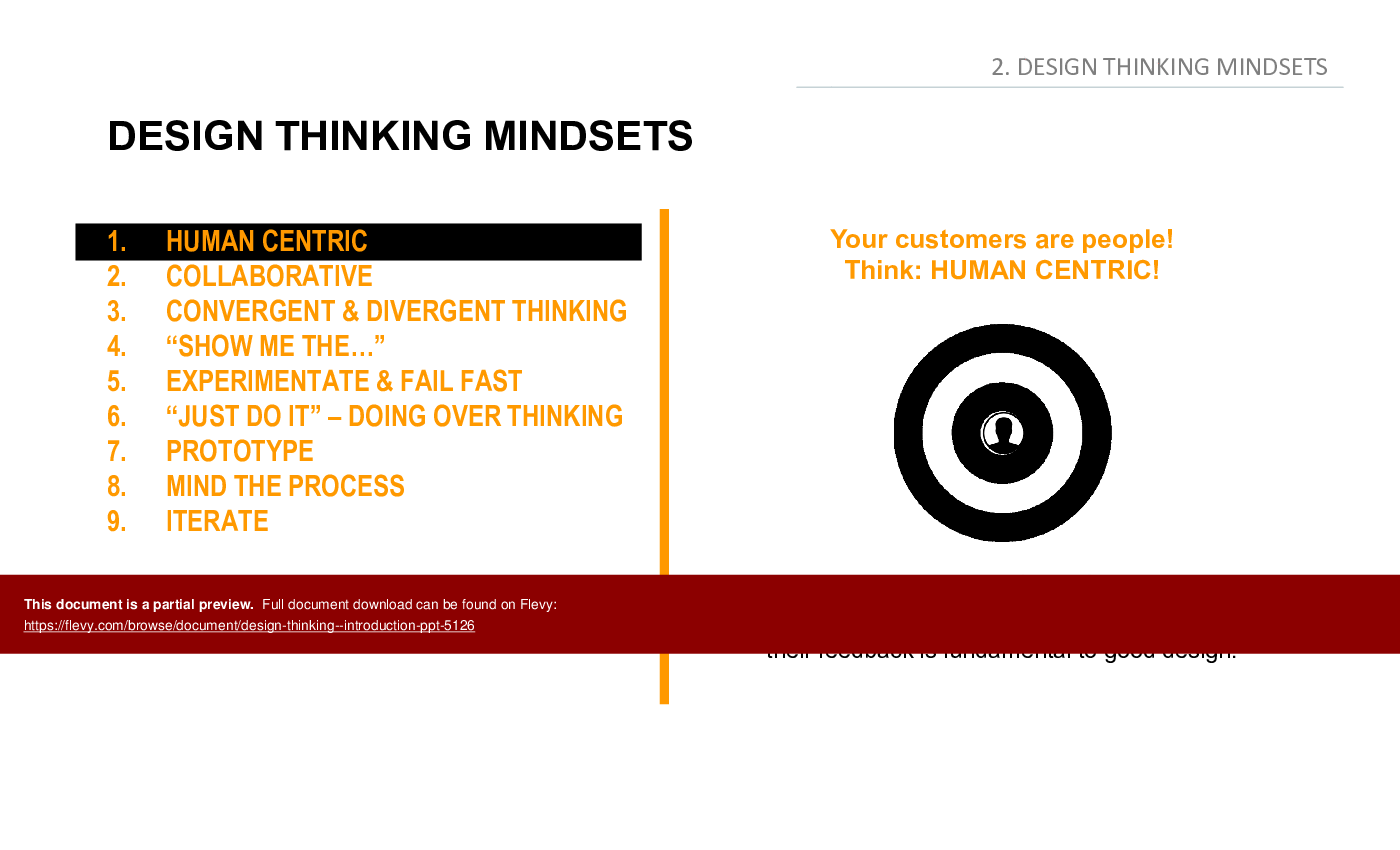
2. Design Thinking Mindsets
3. Design Thinking Process
3.1 Introduction
3.2 Empathize
3.3 Define
3.4 Ideate
3.5 Prototype
3.6 Test
4. Workshop Project Ideas
4.1 The Wallet
4.2 The Gift Giving
4.3 Ready, Set, Design
4.4 The Marshmallow Challenge
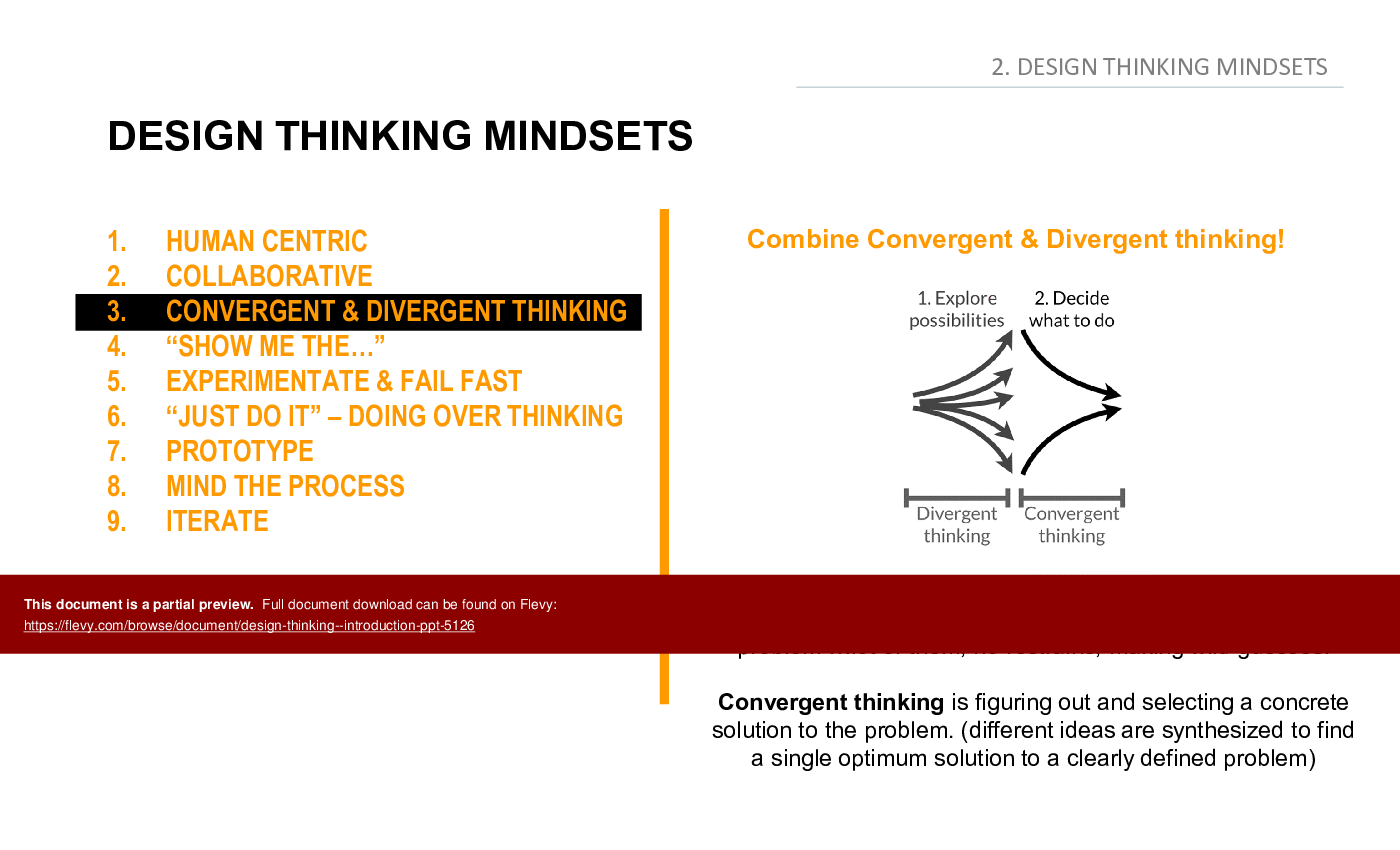
This presentation also delves into the critical mindsets necessary for effective Design Thinking, such as human-centricity and rapid prototyping. It highlights the importance of iterative processes to refine and improve solutions continuously.
Got a question about the product? Email us at support@flevy.com or ask the author directly by using the "Ask the Author a Question" form. If you cannot view the preview above this document description, go here to view the large preview instead.
TOPIC FAQ
What are the core phases of the Design Thinking process I should teach my team?
Design Thinking typically follows 5 core activities: Empathize, Ideate, Define, Prototype, and Test. These stages guide teams from discovering users' unmet needs through generating and validating solutions, ending with user testing and iteration across 5 distinct phases.How should empathy research be conducted in Design Thinking workshops?
Empathy research focuses on observing, consulting, and engaging with customers while setting aside assumptions to understand experiences, motivations, and challenges. Teams translate those insights into artifacts such as Empathy Maps and Personas to inform problem definition in the Empathize phase.What tools can help capture user insights and map customer experience?
Common tools include Empathy Maps, Personas, Customer Journey maps, and Space Saturation to record observations and motivations. The Design Thinking - Introduction presentation documents these tools and their use in the Empathize and Define activities, including the Empathy Map.How do I turn user insights into actionable ideation prompts?
Convert user observations and a Point of View/problem statement into How Might We (HMW) questions to frame ideation, then use an Opportunity Map to prioritize solution areas. This sequence links Define to Ideate using HMW questions and an Opportunity Map.What should I look for when choosing a Design Thinking PowerPoint template?
Look for explicit coverage of the 5 Design Thinking activities, inclusion of user-insight tools (Empathy Map, Personas, Customer Journey), clear facilitation slides for ideation and prototyping, and sample workshop exercises to support hands-on sessions, such as the Empathize and Prototype slides.How does Design Thinking create value for organizations tackling ambiguous problems?
Design Thinking helps teams surface unmet customer needs via human-centered research, encourages a wide set of potential solutions through ideation, and reduces risk by iterating through prototypes and tests; its value can be seen in tools like Empathy Maps and rapid prototypes.I need to run an introductory Design Thinking workshop — which activities and exercises should I include?
Include Empathize activities (interviews, observations), Define artifacts (POV/problem statements, Personas), Ideation sessions using HMW questions, rapid Prototype building, and Test with feedback capture. Consider hands-on projects such as the Wallet, Gift Giving, Ready Set Design, or Marshmallow Challenge.How can Design Thinking help solve a "wicked" problem in my organization?
For ill-defined or risky problems, Design Thinking starts with empathic research to define the problem, then iterates through ideation, prototyping, and user testing to reduce uncertainty and refine solutions, particularly using Empathize and Prototype stages.Source: Best Practices in Design Thinking PowerPoint Slides: Design Thinking - Introduction PowerPoint (PPTX) Presentation Slide Deck, ITSM Consulting




























