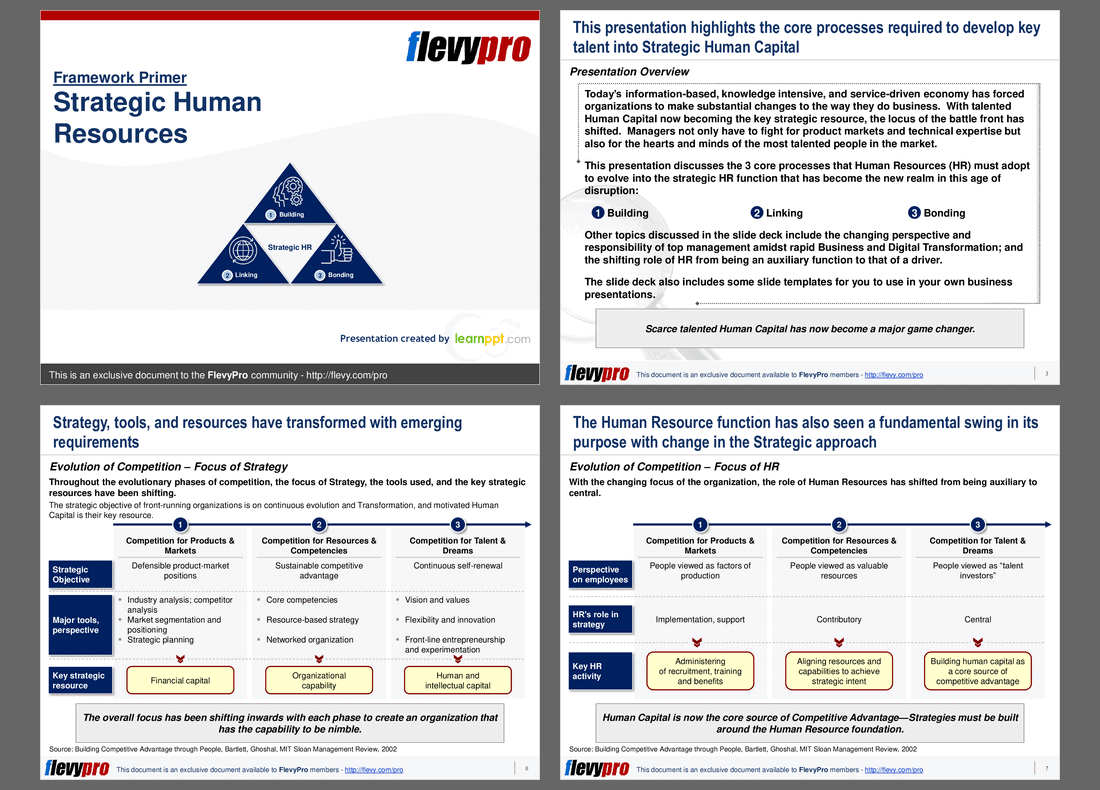

Today's information-based, knowledge intensive, and service-driven economy has forced organizations to make substantial changes to the way they do business. With talented Human Capital now becoming the key strategic resource, the locus of the battle front has shifted. Managers not only have to fight for product markets and technical expertise but also for the hearts and minds of the most talented people in the market.
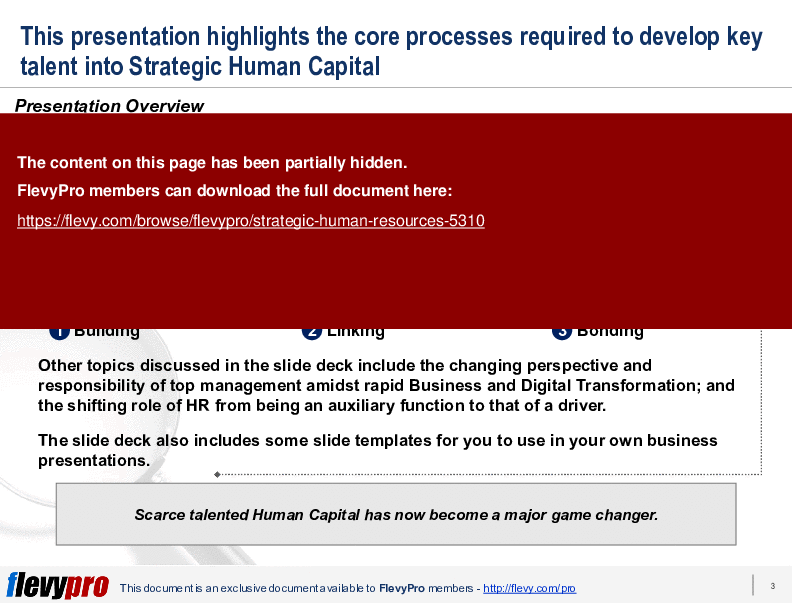
This presentation discusses the 3 core processes that Human Resources (HR) must adopt to evolve into the strategic HR function that has become the new realm in this age of disruption:
1. Building
2. Linking
3. Bonding
Other topics discussed in the slide deck include the changing perspective and responsibility of top management amidst rapid Business and Digital Transformation; and the shifting role of HR from being an auxiliary function to that of a driver.
The slide deck also includes some slide templates for you to use in your own business presentations.
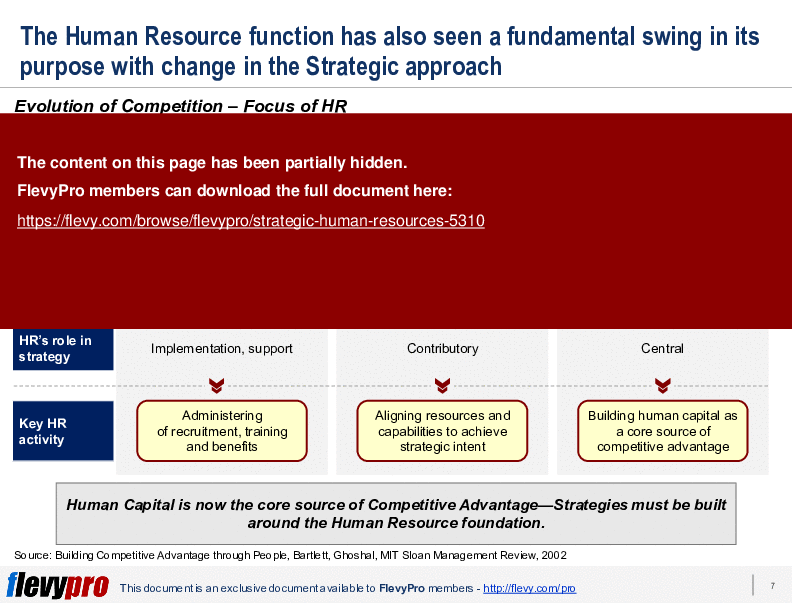
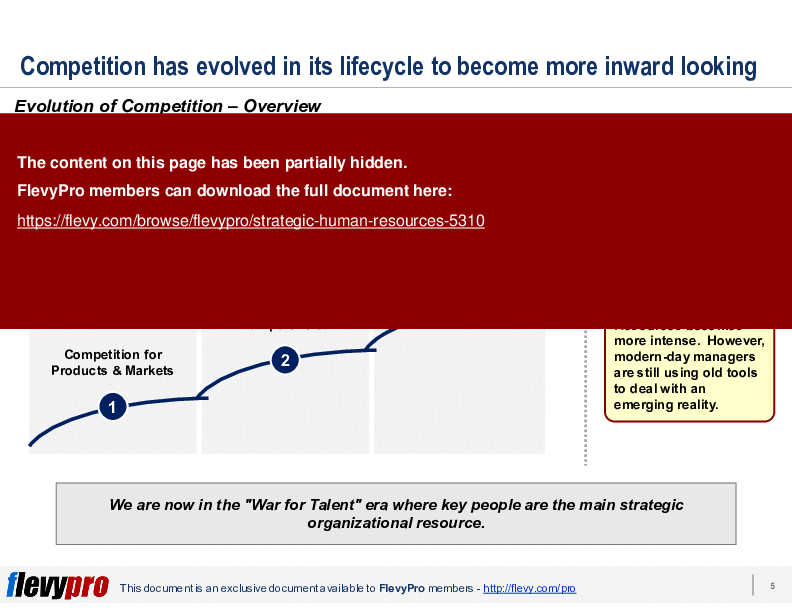
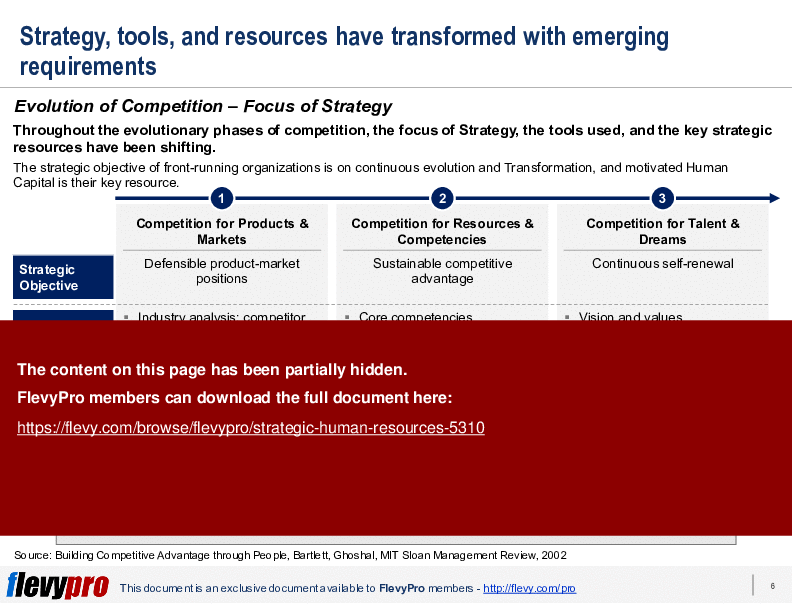
The PPT delves into the evolution of competition, emphasizing the shift from traditional product and market battles to the current "War for Talent." It highlights the necessity for organizations to adapt their strategies, tools, and resources to stay competitive. The focus is now on leveraging Human Capital as the primary strategic resource, requiring a transformation in HR practices.
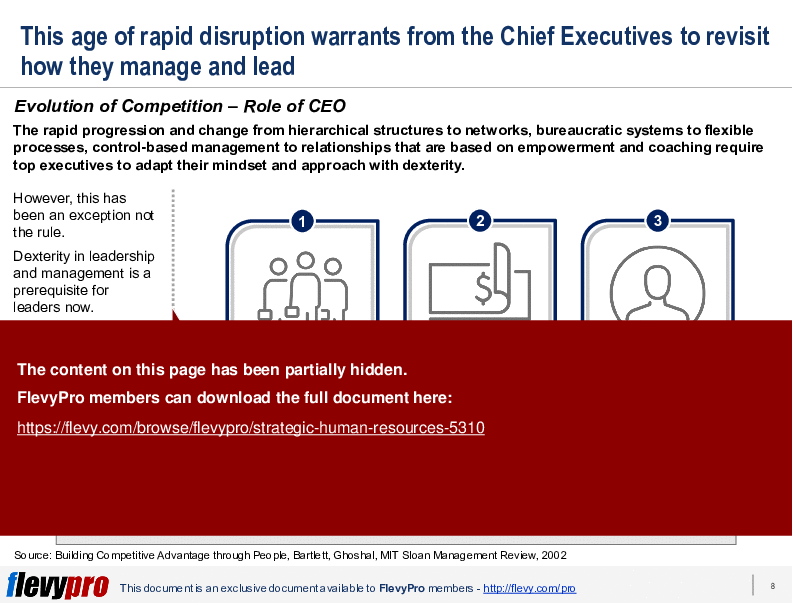
The presentation also outlines the role of CEOs in navigating this new landscape. It stresses the importance of dexterity in leadership and the need for top executives to foster a culture of empowerment and coaching. This age of rapid disruption demands a reevaluation of management and leadership approaches to effectively harness and develop talent.
Got a question about this document? Email us at flevypro@flevy.com.
Executive Summary
The "Strategic Human Resources" presentation provides a comprehensive framework for transforming HR into a pivotal function in today's talent-driven economy. Developed by experts with backgrounds in top consulting firms, this presentation outlines essential processes HR must adopt to evolve strategically. It emphasizes the importance of viewing human capital as a core asset, shifting from traditional administrative roles to a more strategic partnership within organizations. By leveraging the insights and frameworks presented, executives can effectively navigate the complexities of talent management and organizational development.
Who This Is For and When to Use
• HR Executives and Leaders seeking to align HR strategies with business objectives
• CEOs and Senior Management aiming to foster a talent-centric organizational culture
• Change Management Professionals focused on integrating HR into broader transformation initiatives
• Business Consultants advising organizations on HR strategy and talent management
Best-fit moments to use this deck:
• During strategic planning sessions to redefine HR's role in the organization
• When implementing new talent management frameworks or systems
• In workshops aimed at enhancing HR capabilities and leadership development
• For training sessions focused on aligning HR practices with business strategy
Learning Objectives
• Define the role of HR in a talent-centric economy
• Build frameworks for integrating human capital into strategic business planning
• Establish processes for continuous talent development and engagement
• Create effective knowledge-sharing networks within the organization
• Develop strategies for fostering employee loyalty and commitment
• Implement metrics to measure HR effectiveness and organizational impact
Table of Contents
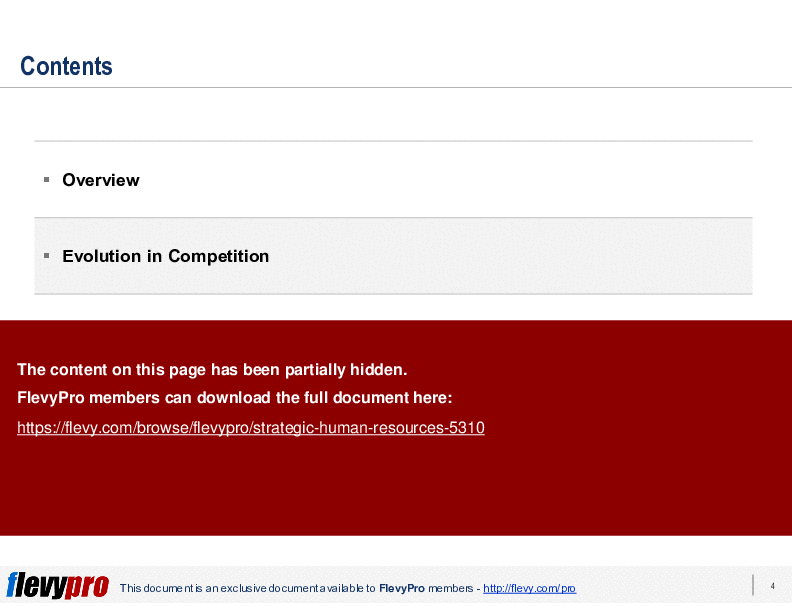
• Overview (page 3)
• Evolution in Competition (page 5)
• CEO Changes in View (page 11)
• Strategic HR (page 15)
• Templates (page 19)
Primary Topics Covered
• Evolution of Competition - Discusses the shift in competitive focus from products to talent, emphasizing the need for organizations to adapt their strategies accordingly.
• CEO Perspective Changes - Outlines how CEOs must transition from traditional management roles to becoming people-oriented leaders who prioritize human capital.
• Strategic HR Framework - Introduces the 3 core processes of Building, Linking, and Bonding that HR must adopt to become a strategic partner in business.
• Building Human Capital - Focuses on the importance of rigorous hiring practices and continuous talent development as strategic imperatives.
• Linking Knowledge Sharing - Highlights the significance of developing informal networks for knowledge sharing to leverage human capital effectively.
• Bonding Culture - Discusses the necessity of creating a supportive organizational culture that fosters employee loyalty and commitment.
Deliverables, Templates, and Tools
• Strategic HR framework templates for organizational alignment
• Knowledge-sharing network models for enhancing collaboration
• Employee engagement strategies to foster loyalty and retention
• Talent development plans that integrate continuous learning
• Metrics and KPIs for measuring HR effectiveness and impact
Slide Highlights
• Overview of the evolution of competition and its impact on HR
• Key changes in CEO perspectives regarding talent management
• Visual representation of the Strategic HR framework (Building, Linking, Bonding)
• Case studies illustrating successful HR transformations in leading organizations
• Templates for strategic HR planning and implementation
Potential Workshop Agenda
Strategic HR Transformation Session (90 minutes)
• Discuss the evolving role of HR in the organization
• Identify key talent management challenges and opportunities
• Develop an action plan for implementing strategic HR frameworks
Knowledge Sharing and Culture Building Workshop (60 minutes)
• Explore effective knowledge-sharing practices within the organization
• Create strategies for enhancing employee engagement and loyalty
• Define metrics for measuring the success of HR initiatives
Customization Guidance
• Tailor the strategic HR framework to align with your organization's specific goals and culture
• Adjust templates to reflect your unique talent management processes and metrics
• Incorporate industry-specific examples to enhance relevance and applicability
Secondary Topics Covered
• The impact of digital transformation on HR practices
• Best practices for integrating HR into organizational strategy
• The role of HR in driving business innovation and agility
• Strategies for managing workforce diversity and inclusion
Topic FAQ
Document FAQ
These are questions addressed within this presentation.
What is the main focus of the Strategic Human Resources presentation?
The presentation focuses on transforming HR into a strategic partner that drives organizational success through effective talent management and engagement strategies.
How can this presentation help HR leaders?
It provides frameworks and actionable insights to align HR practices with business objectives, enhance talent development, and foster a culture of engagement and loyalty.
What are the core processes HR must adopt according to the presentation?
HR must focus on Building, Linking, and Bonding to effectively manage human capital and drive organizational success.
How can organizations measure the effectiveness of their HR strategies?
By implementing metrics and KPIs that assess talent development, employee engagement, and overall HR impact on business outcomes.
What role do CEOs play in transforming HR?
CEOs must shift from traditional management roles to becoming people-oriented leaders who prioritize human capital as a key strategic resource.
What are some examples of successful HR transformations?
The presentation includes case studies of organizations that have effectively integrated HR into their strategic planning and talent management processes.
How can organizations foster a culture of knowledge sharing?
By developing informal networks and leveraging technology to facilitate communication and collaboration among employees.
What strategies can HR use to enhance employee loyalty?
Creating a supportive culture, offering competitive compensation, and providing opportunities for professional development are key strategies.
Glossary
• Human Capital - The collective skills, knowledge, and experience of an organization's workforce.
• Strategic HR - The alignment of human resource practices with business strategy to drive organizational success.
• Knowledge Sharing Networks - Informal networks that facilitate the exchange of information and expertise among employees.
• Employee Engagement - The emotional commitment an employee has to their organization, influencing their performance and retention.
• Talent Development - The continuous process of enhancing employees' skills and competencies to meet organizational goals.
• Organizational Culture - The shared values, beliefs, and behaviors that shape how work gets done within an organization.
• Metrics and KPIs - Quantitative measures used to assess the effectiveness of HR initiatives and overall organizational performance.
• Digital Transformation - The integration of digital technology into all areas of a business, fundamentally changing how it operates and delivers value.
• Retention Strategies - Initiatives designed to keep employees engaged and committed to the organization, reducing turnover.
• Leadership Development - Programs aimed at enhancing the skills and capabilities of current and future leaders within an organization.
• Diversity and Inclusion - Efforts to create a workforce that reflects a variety of backgrounds, perspectives, and experiences.
• Agility - The ability of an organization to adapt quickly to changes in the market or environment.
• Employee Loyalty - The commitment of employees to remain with an organization over time, often influenced by organizational culture and engagement practices.
• Talent Management - The strategic approach to attracting, developing, and retaining skilled employees to meet organizational needs.
• Performance Management - The process of ensuring that employees' activities align with the organization's goals and objectives.
• Workforce Planning - The process of analyzing and forecasting the talent needs of an organization to ensure it has the right people in the right roles.
• Change Management - The approach to transitioning individuals, teams, and organizations to a desired future state.
• Strategic Planning - The process of defining an organization's direction and making decisions on allocating resources to pursue that direction.
• Employee Experience - The sum of all interactions an employee has with their employer, influencing their engagement and satisfaction.
• Succession Planning - The process of identifying and developing internal personnel to fill key positions within the organization.
• Organizational Development - The practice of improving an organization's capability through the alignment of strategy, structure, and processes.
Source: Best Practices in Leadership, HR Strategy, Talent Strategy, Talent Management PowerPoint Slides: Strategic Human Resources PowerPoint (PPTX) Presentation Slide Deck, LearnPPT Consulting
Did you need more documents?
Consider a FlevyPro subscription from $39/month. View plans here.
For $10.00 more, you can download this document plus 2 more FlevyPro documents. That's just $13 each.
|
Download our FREE Organization, Change, & Culture, Templates
Download our free compilation of 50+ slides and templates on Organizational Design, Change Management, and Corporate Culture. Methodologies include ADKAR, Burke-Litwin Change Model, McKinsey 7-S, Competing Values Framework, etc. |