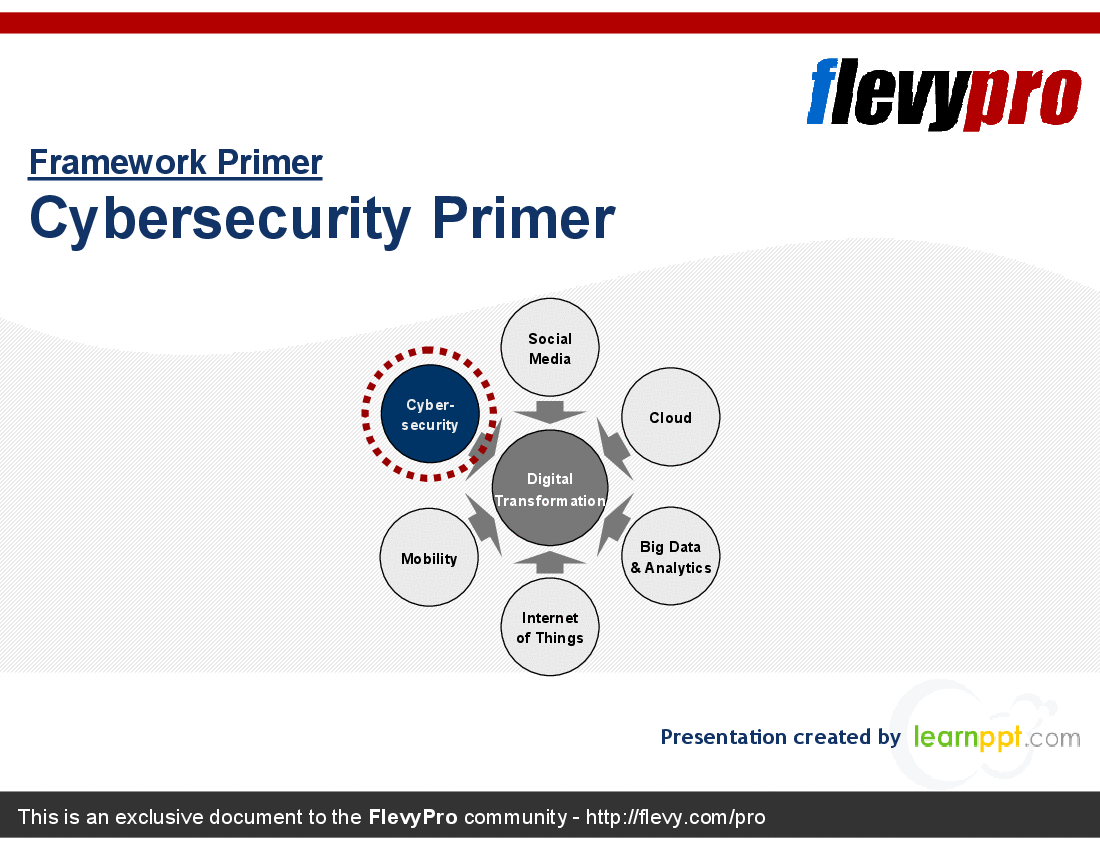
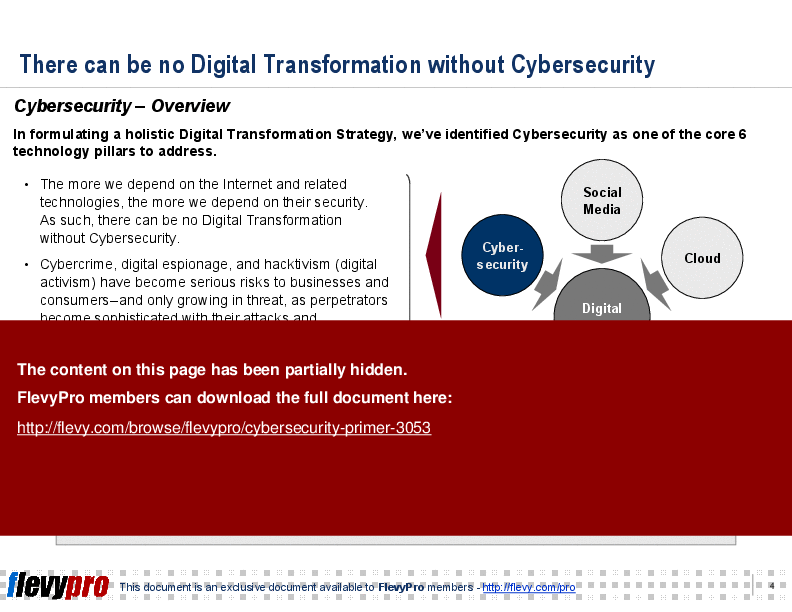

Cybersecurity is the protection of information systems from theft or damage to the hardware, the software, and to the information on them. The more we depend on the Internet and related technologies, the more we depend on their security.
As such, there can be no Digital Transformation without cybersecurity. Cybercrime, digital espionage, and hacktivism (digital activism) have become serious risks to businesses and consumers.
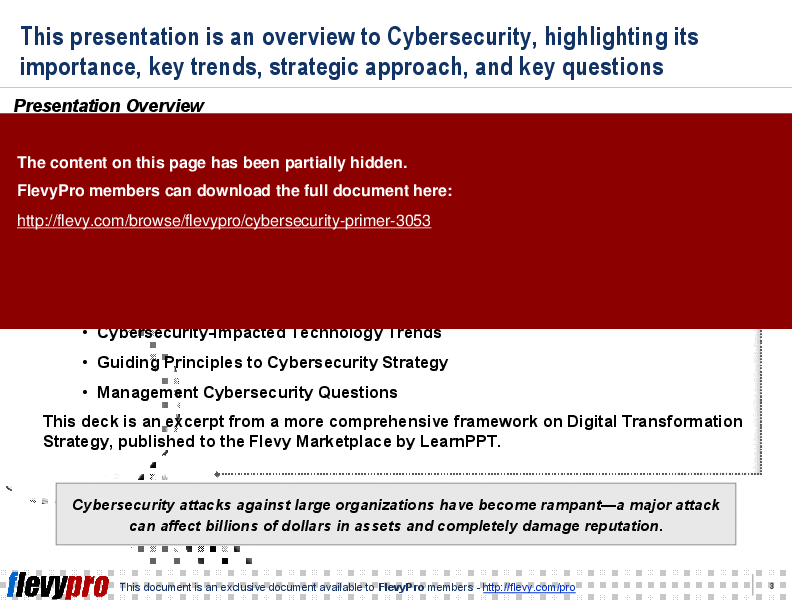
This presentation presents an overview to Cybersecurity. Specific topics addressed include:
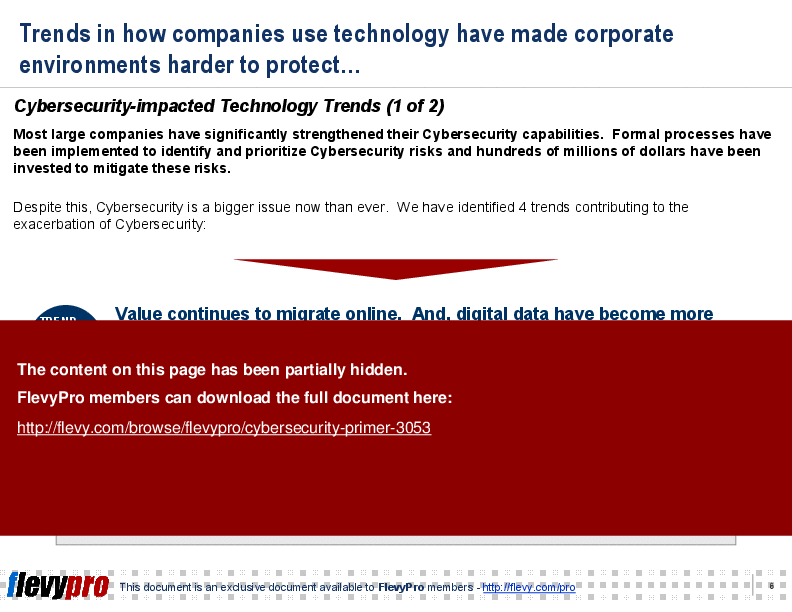
• Cybersecurity-impacted Technology Trends
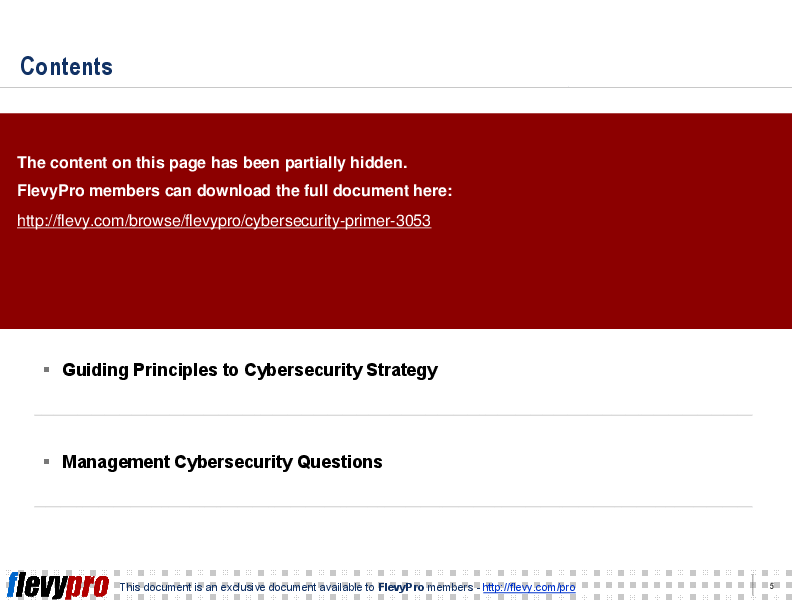
• Guiding Principles to Cybersecurity Strategy
• Management Cybersecurity Questions
Cybersecurity attacks against large organizations have become rampant—a major attack can affect billions of dollars in assets and completely damage reputation.
This deck is an excerpt from our more comprehensive framework, Digital Transformation Strategy.
This Cybersecurity Primer delves into the critical trends impacting technology and how they exacerbate cybersecurity challenges. It identifies four key trends, providing insights into the evolving threat landscape. The PPT emphasizes the need for organizations to stay ahead of these trends to protect their assets and maintain operational integrity.
The presentation also outlines guiding principles for developing a robust cybersecurity strategy. It advocates for a "business-back" approach, focusing on protecting critical business assets rather than merely addressing technological vulnerabilities. This shift in perspective is essential for organizations aiming to build a resilient cybersecurity posture.
Management's role in cybersecurity is underscored through a series of strategic questions designed to foster ongoing dialogue and continuous improvement. By addressing these questions, executives can ensure that cybersecurity remains a top priority, integrated into every aspect of the business, from vendor relationships to industry collaboration.
Got a question about this document? Email us at flevypro@flevy.com.
Executive Summary
The Cybersecurity Primer is an essential presentation designed to equip corporate executives and management teams with a foundational understanding of cybersecurity's critical role in digital transformation. Developed by seasoned consultants from top firms, this deck outlines the increasing threats posed by cybercrime, digital espionage, and hacktivism. It emphasizes the necessity for organizations to integrate cybersecurity into their strategic discussions, ensuring that protection measures align with business objectives. By utilizing this primer, leaders will be able to identify key technology trends, formulate effective cybersecurity strategies, and address pressing management questions to safeguard their organizations.
Who This Is For and When to Use
• C-suite executives responsible for strategic decision-making and risk management
• IT leaders tasked with implementing and overseeing cybersecurity measures
• Risk management teams focused on identifying and mitigating cybersecurity threats
• Business unit leaders looking to integrate cybersecurity into their operational strategies
Best-fit moments to use this deck:
• During strategic planning sessions to incorporate cybersecurity into business objectives
• When assessing the impact of technology trends on organizational security
• In discussions about risk management and the implications of cybersecurity breaches
Learning Objectives
• Define the critical role of cybersecurity in digital transformation
• Identify key technology trends impacting cybersecurity strategies
• Establish guiding principles for developing a robust cybersecurity strategy
• Formulate management questions to drive ongoing cybersecurity discussions
• Assess the organizational impact of cybersecurity threats and vulnerabilities
• Develop a cross-functional approach to cybersecurity that aligns with business goals
Table of Contents
• Overview (page 3)
• Cybersecurity-impacted Technology Trends (page 6)
• Guiding Principles to Cybersecurity Strategy (page 9)
• Management Cybersecurity Questions (page 12)
Primary Topics Covered
• Cybersecurity Overview - An introduction to the significance of cybersecurity in protecting information systems and supporting digital transformation.
• Cybersecurity-impacted Technology Trends - A discussion of trends such as the migration of value online, increased connectivity, and the sophistication of cybercriminals.
• Guiding Principles to Cybersecurity Strategy - Key principles that emphasize the need for senior-level engagement and a business-back approach to cybersecurity.
• Management Cybersecurity Questions - Critical questions for management to consider in developing and maintaining a cross-functional cybersecurity strategy.
Deliverables, Templates, and Tools
• Cybersecurity strategy framework template for aligning business objectives with security measures
• Risk assessment model to evaluate the potential impact of cybersecurity breaches
• Management discussion guide to facilitate ongoing cybersecurity dialogues
• Technology trend analysis tool to identify and prioritize cybersecurity risks
Slide Highlights
• Overview of the increasing importance of cybersecurity in the context of digital transformation
• Identification of key technology trends that exacerbate cybersecurity challenges
• Guiding principles emphasizing a business-centric approach to cybersecurity
• Management questions designed to provoke critical discussions about cybersecurity strategy
Potential Workshop Agenda
Cybersecurity Strategy Development Session (90 minutes)
• Discuss the importance of cybersecurity in digital transformation
• Identify key technology trends impacting the organization
• Develop guiding principles for a robust cybersecurity strategy
Management Engagement Workshop (60 minutes)
• Review management questions related to cybersecurity
• Facilitate discussions on aligning cybersecurity with business objectives
• Establish a framework for ongoing cybersecurity dialogues
Customization Guidance
• Tailor the cybersecurity strategy framework to reflect specific organizational risks and priorities
• Update technology trend analysis tools with industry-specific data and insights
• Adapt management discussion guides to align with organizational culture and communication styles
Secondary Topics Covered
• The role of digital transformation in shaping cybersecurity strategies
• The impact of cybercrime on organizational reputation and financial stability
• Best practices for fostering a culture of cybersecurity awareness within the organization
Topic FAQ
Document FAQ
These are questions addressed within this presentation.
What is the significance of cybersecurity in digital transformation?
Cybersecurity is essential for protecting information systems and ensuring that organizations can safely leverage digital technologies without compromising sensitive data.
How can organizations assess their cybersecurity risks?
Organizations should conduct regular risk assessments to identify vulnerabilities, evaluate potential impacts, and prioritize cybersecurity measures based on business objectives.
What are the key technology trends impacting cybersecurity?
Key trends include the increasing migration of value online, the demand for mobile device access, interconnected supply chains, and the sophistication of cybercriminals.
How should management engage with cybersecurity issues?
Management should prioritize cybersecurity discussions in strategic planning, ensuring that it is integrated into overall business objectives and risk management practices.
What principles should guide cybersecurity strategy development?
Cybersecurity strategies should be addressed at the senior management level and adopt a business-back approach, focusing on protecting critical business assets.
How can organizations foster a culture of cybersecurity awareness?
Organizations can promote cybersecurity awareness through training programs, regular communications, and by integrating cybersecurity considerations into daily operations.
What role does collaboration with partners play in cybersecurity?
Collaboration with partners is essential for mutual protection, as vulnerabilities in one organization can impact the entire network.
How can organizations ensure their cybersecurity strategies evolve?
Regular reviews and updates of cybersecurity strategies, informed by emerging threats and technology trends, are crucial for maintaining effective defenses.
Glossary
• Cybersecurity - The protection of information systems from theft or damage.
• Digital Transformation - The integration of digital technology into all areas of business.
• Cybercrime - Criminal activities carried out by means of computers or the internet.
• Risk Assessment - The process of identifying and evaluating potential risks.
• Business-back Approach - A strategy that prioritizes protecting critical business assets over merely addressing technological vulnerabilities.
• Management Dialogue - Ongoing discussions among leadership regarding cybersecurity strategy and risks.
• Technology Trends - Emerging patterns in technology that impact business operations and security.
• Interconnected Supply Chains - Networks of suppliers and customers that are linked through technology, increasing security risks.
• Cybercriminals - Individuals or groups that engage in illegal activities using computers or the internet.
• Vulnerabilities - Weaknesses in a system that can be exploited by threats.
• Cross-functional Approach - A strategy that involves collaboration across different departments or teams.
• Customer Value Proposition - The promise of value to be delivered to customers, which can be impacted by cybersecurity practices.
Source: Best Practices in Digital Transformation, Cybersecurity PowerPoint Slides: Cybersecurity Primer PowerPoint (PPT) Presentation Slide Deck, LearnPPT Consulting
Did you need more documents?
Consider a FlevyPro subscription from $39/month. View plans here.
For $10.00 more, you can download this document plus 2 more FlevyPro documents. That's just $13 each.
|
Download our FREE Digital Transformation Templates
Download our free compilation of 50+ Digital Transformation slides and templates. DX concepts covered include Digital Leadership, Digital Maturity, Digital Value Chain, Customer Experience, Customer Journey, RPA, etc. |










