
Restructuring (or Reorganization) becomes essential at some stage in the lifecycle of any organization. In order to emerge triumphant through this tumultuous challenge, it is necessary that the focus remains on the challenges impeding the organization, devising approaches to tackle the challenges, and prioritizing strategic initiatives to deliver radical results.
Redeployment is the most critical phase in the Restructuring process. The Assessment phase of Redeployment is a critical one as the revitalization of the whole organization is dependent on correct assessments and right placement of employees based on those assessments.
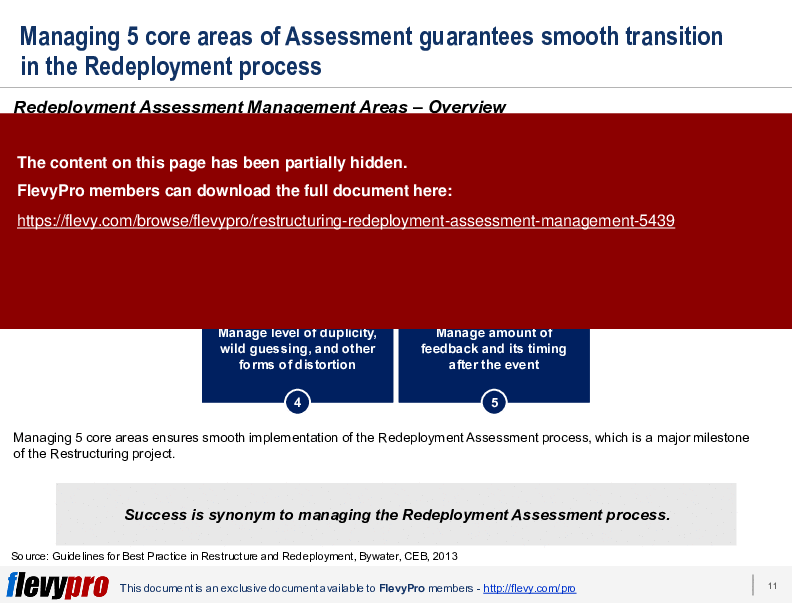
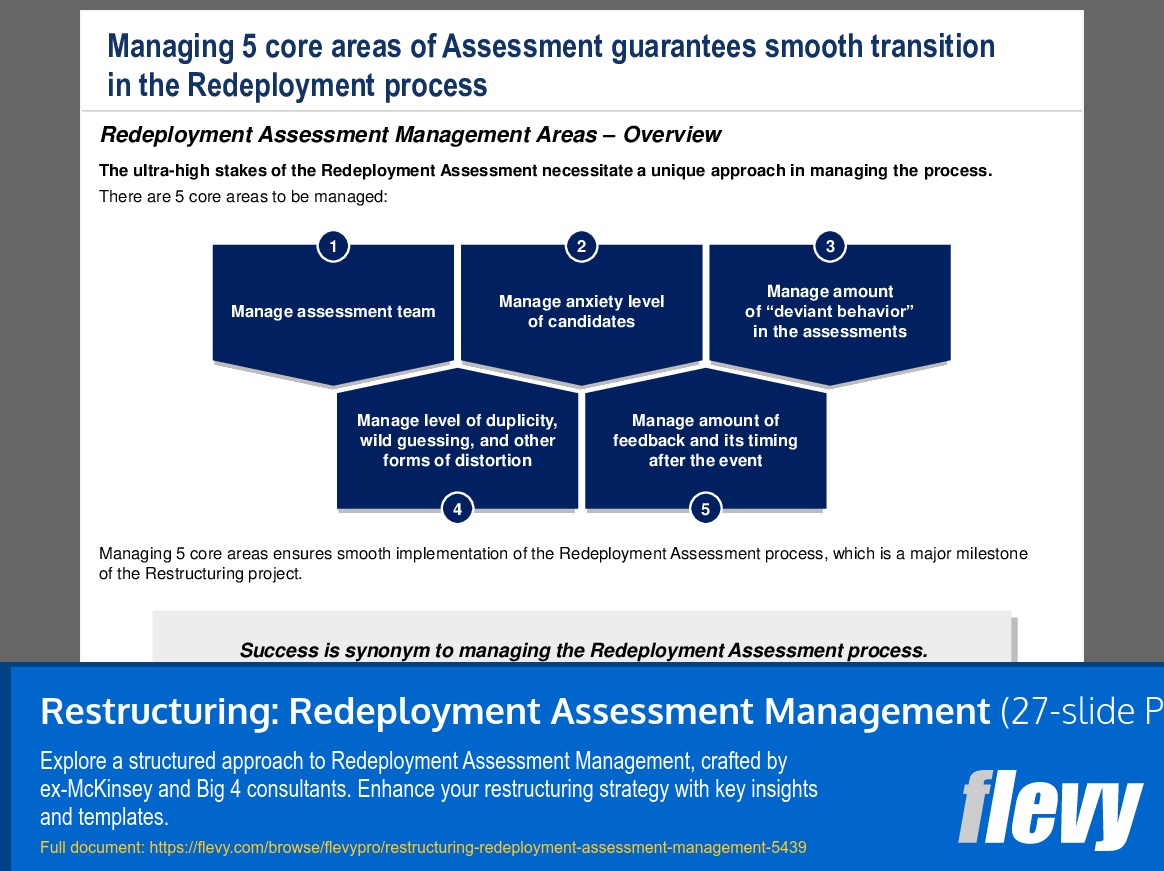
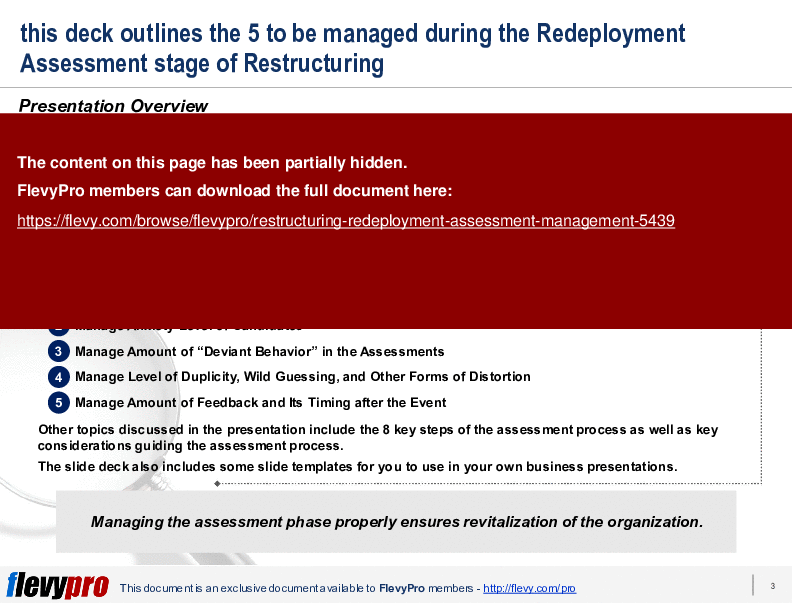
Managing the assessment phase properly is of vital importance in Restructuring, and it should follow a structured approach. This presentation discusses the 5 core areas of Redeployment Assessment Management.
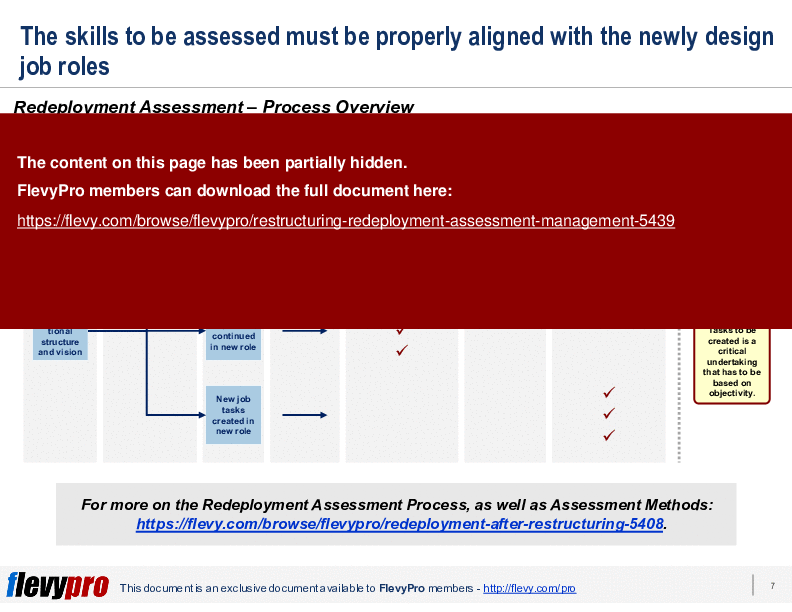
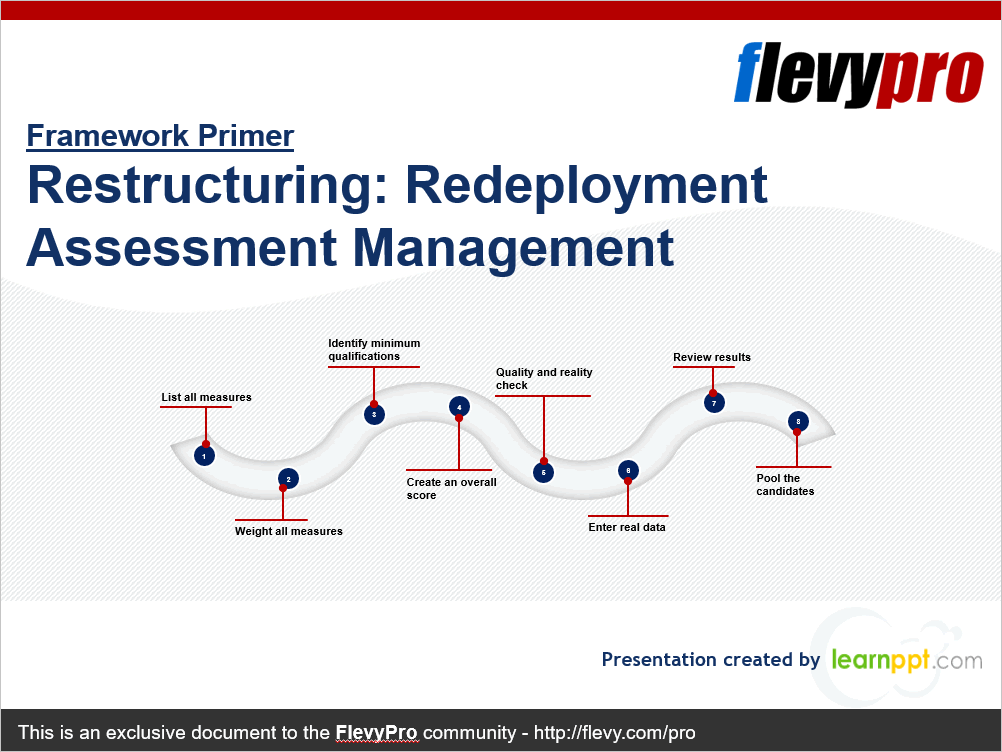
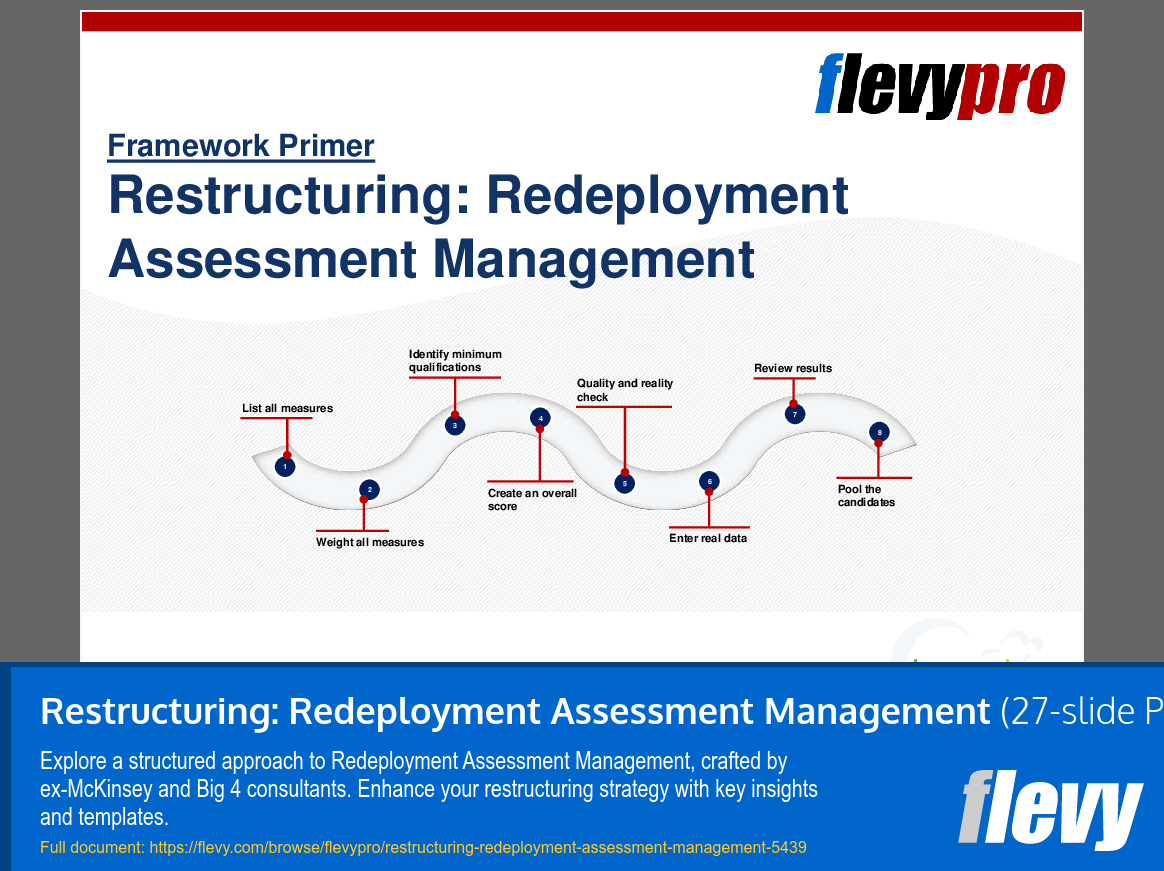
Other topics discussed in the presentation include the 8 key steps of the assessment process as well as key considerations guiding the assessment process.
The slide deck also includes some slide templates for you to use in your own business presentations.
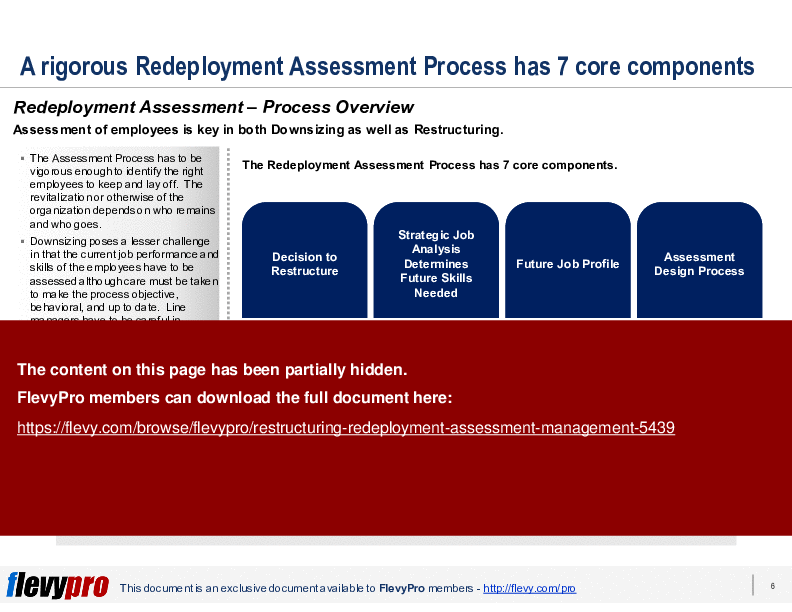
This PPT provides an in-depth analysis of the 5 core areas crucial for managing the Redeployment Assessment stage during restructuring. It emphasizes the importance of managing the anxiety levels of candidates, controlling deviant behavior, and ensuring feedback is timely and effective. The presentation also outlines the 7 core components of the Redeployment Assessment Process, ensuring a structured and rigorous approach to employee assessment.
The document also delves into the key considerations necessary for a high-stakes assessment process, including psychological involvement and social network visibility. It highlights the need for accurate data integration and adherence to guiding principles to ensure effective assessments. The slide deck includes detailed steps and templates to facilitate the assessment process, making it a comprehensive guide for any organization undergoing restructuring.
Got a question about this document? Email us at flevypro@flevy.com.
Executive Summary
The "Restructuring: Redeployment Assessment Management" presentation provides a structured approach to managing the redeployment assessment phase during organizational restructuring. Developed by experienced consultants, this presentation emphasizes the importance of accurate assessments and employee placement to revitalize the organization. It outlines 5 core areas of focus, including managing the assessment team and addressing candidate anxiety. The deck also includes templates and key steps for conducting effective assessments, ensuring that organizations can navigate the complexities of restructuring with confidence.
Who This Is For and When to Use
• Corporate executives overseeing restructuring initiatives
• HR leaders responsible for employee redeployment strategies
• Integration leaders managing workforce transitions
• Consultants advising organizations on restructuring processes
Best-fit moments to use this deck:
• During the planning phase of a restructuring initiative
• When implementing redeployment assessments for affected employees
• To train assessment teams on best practices and methodologies
• For workshops focused on managing candidate anxiety and assessment integrity
Learning Objectives
• Define the key components of a successful redeployment assessment process
• Build a structured approach to managing assessment teams effectively
• Establish strategies to mitigate candidate anxiety during assessments
• Identify and manage behaviors that may distort assessment outcomes
• Create a comprehensive scoring system for candidate evaluations
• Develop a clear communication plan for feedback delivery post-assessment
Table of Contents
• Overview (page 1)
• Redeployment Assessment (page 3)
• Redeployment Assessment Management Areas (page 11)
• Making the Assessments (page 15)
• Templates (page 19)
Primary Topics Covered
• Redeployment Assessment Overview - This section outlines the critical importance of the redeployment assessment phase in organizational restructuring, emphasizing its role in employee placement and organizational revitalization.
• Core Areas of Assessment Management - Focuses on managing 5 key areas: assessment team, candidate anxiety, deviant behavior, duplicity, and feedback timing.
• Assessment Process Steps - Details the structured steps necessary for conducting effective assessments, including identifying qualifications and reviewing results.
• Assessment Inputs - Discusses the need for both retrospective data and future-oriented assessment methods to ensure comprehensive evaluations.
• Key Considerations - Highlights critical factors to consider during the assessment process, particularly when dealing with internal candidates.
Deliverables, Templates, and Tools
• Assessment team management template for effective oversight
• Candidate anxiety management communication script
• Scoring system template for candidate evaluations
• Feedback delivery framework for post-assessment discussions
• Assessment process checklist to ensure thorough execution
Slide Highlights
• Overview of the redeployment assessment process and its significance
• Visual representation of the 5 core areas of assessment management
• Step-by-step guide for making assessments, emphasizing data integration
• Key considerations for managing internal candidates during assessments
• Templates for managing assessment teams and candidate communications
Potential Workshop Agenda
Introduction to Redeployment Assessment (30 minutes)
• Overview of the assessment process and its importance
• Discussion on the role of assessment teams
Managing Candidate Anxiety (60 minutes)
• Strategies for effective communication with candidates
• Role-playing scenarios to practice anxiety management techniques
Assessment Process Deep Dive (90 minutes)
• Step-by-step walkthrough of the assessment process
• Group activity to develop scoring systems and feedback frameworks
Customization Guidance
• Tailor communication scripts to reflect organizational culture and values
• Adjust scoring criteria based on specific job roles and competencies
• Incorporate unique organizational metrics into assessment templates
Secondary Topics Covered
• Legal considerations in the redeployment assessment process
• Best practices for ensuring fairness and objectivity in assessments
• Techniques for managing feedback and communication post-assessment
• Strategies for integrating assessment results into workforce planning
Topic FAQ
Document FAQ
These are questions addressed within this presentation.
What is the main objective of the redeployment assessment?
The primary objective is to ensure the proper placement of employees during restructuring, which is critical for organizational revitalization.
How can we manage candidate anxiety during assessments?
Clear communication about the assessment process and providing opportunities for practice can significantly reduce candidate anxiety.
What are the 5 core areas of assessment management?
The 5 areas include managing the assessment team, candidate anxiety, deviant behavior, duplicity, and feedback timing.
What steps are involved in the assessment process?
Key steps include identifying minimum qualifications, listing measures, conducting quality checks, entering real data, and reviewing results.
How do we ensure the assessments are fair and unbiased?
Using structured guidelines, engaging external assessors, and maintaining confidentiality can help ensure fairness in the assessment process.
What templates are included in the presentation?
Templates for managing assessment teams, candidate communication scripts, and scoring systems are provided.
How can we customize the assessment process for our organization?
Customization can be achieved by adapting communication scripts, adjusting scoring criteria, and incorporating specific organizational metrics.
What are the key considerations when assessing internal candidates?
Understanding their familiarity with the organization, managing psychological involvement, and addressing potential biases are crucial.
Glossary
• Redeployment Assessment - The process of evaluating employees for potential reassignment during restructuring.
• Assessment Team - A group responsible for conducting employee evaluations during the redeployment process.
• Candidate Anxiety - The stress or apprehension experienced by employees undergoing assessment.
• Deviant Behavior - Actions by candidates that may distort the assessment process, such as dishonesty or non-compliance.
• Scoring System - A structured method for evaluating candidates based on defined criteria.
• Feedback Timing - The strategic timing of delivering assessment results to candidates.
• Assessment Inputs - Data and criteria used to evaluate employee performance and potential.
• Key Considerations - Factors that must be taken into account during the assessment process to ensure fairness and accuracy.
• Templates - Pre-designed documents that can be customized for use in the assessment process.
• Legal Considerations - Legal aspects that must be adhered to during the redeployment assessment process.
• Data Integration - The process of combining various data points to create a comprehensive assessment of candidates.
• Behavioral Evidence - Observable actions and performance indicators used to inform assessments.
• Weightage - The importance assigned to different assessment measures in the scoring process.
Source: Best Practices in Business Transformation, Restructuring, Redeployment PowerPoint Slides: Restructuring: Redeployment Assessment Management PowerPoint (PPTX) Presentation Slide Deck, LearnPPT Consulting
Did you need more documents?
Consider a FlevyPro subscription from $39/month. View plans here.
For $10.00 more, you can download this document plus 2 more FlevyPro documents. That's just $13 each.
|
Download our FREE Strategy & Transformation Framework Templates
Download our free compilation of 50+ Strategy & Transformation slides and templates. Frameworks include McKinsey 7-S, Balanced Scorecard, Disruptive Innovation, BCG Curve, and many more. |