
 Click main image to view in full screen. Unlock all 17 preview images:


BENEFITS OF THIS DOWNLOADABLE POWERPOINT DOCUMENT
- Provide a framework for Improving Organizational Performance: Aligns employee behavior with organizational goals for better results.
- Provide a diagram for building Competitive Advantage: Builds a unique, skilled workforce that is difficult for competitors to replicate.
- Provide a HRM Strategies to create Better Employee Value: Boosts engagement, retention, and satisfaction through better career paths and culture.
HUMAN RESOURCES PPT TEMPLATE DESCRIPTION
World Class HRM Strategy
Increase Organizational Effectiveness
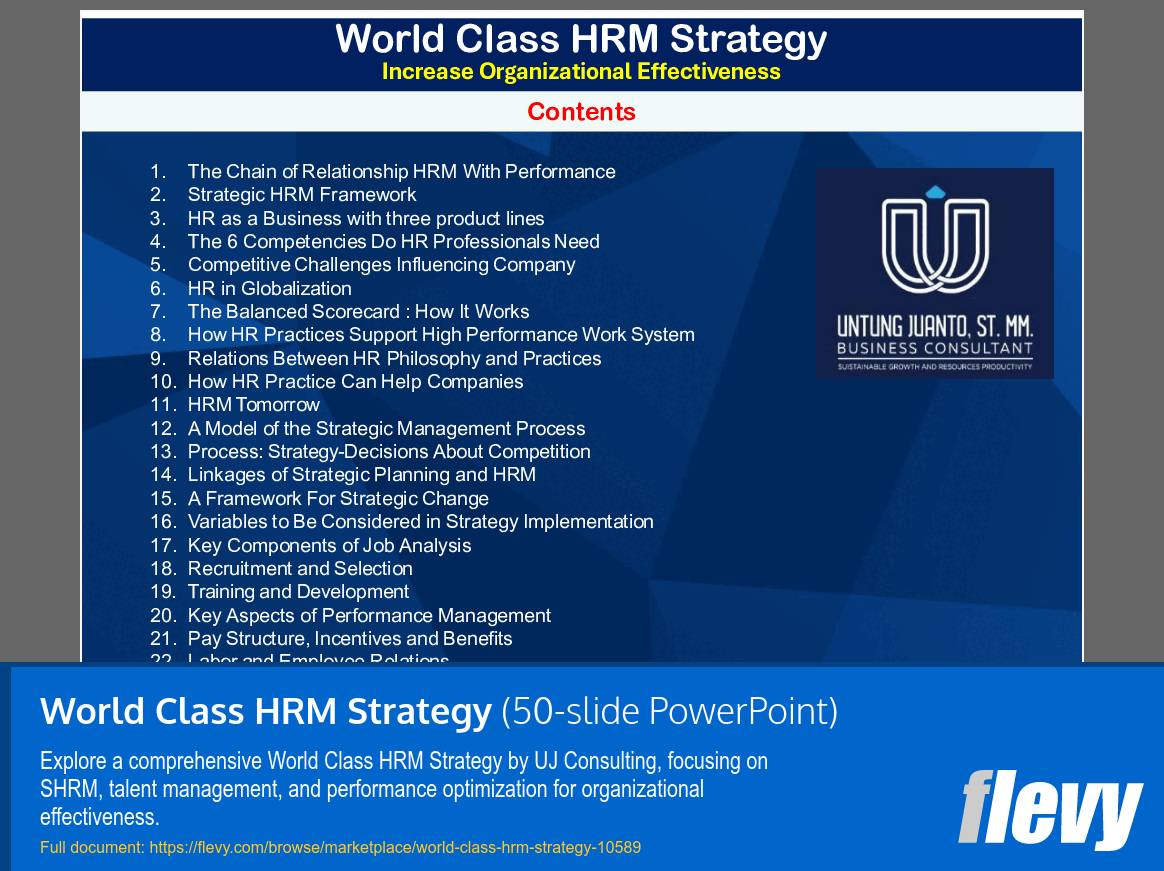
Contents
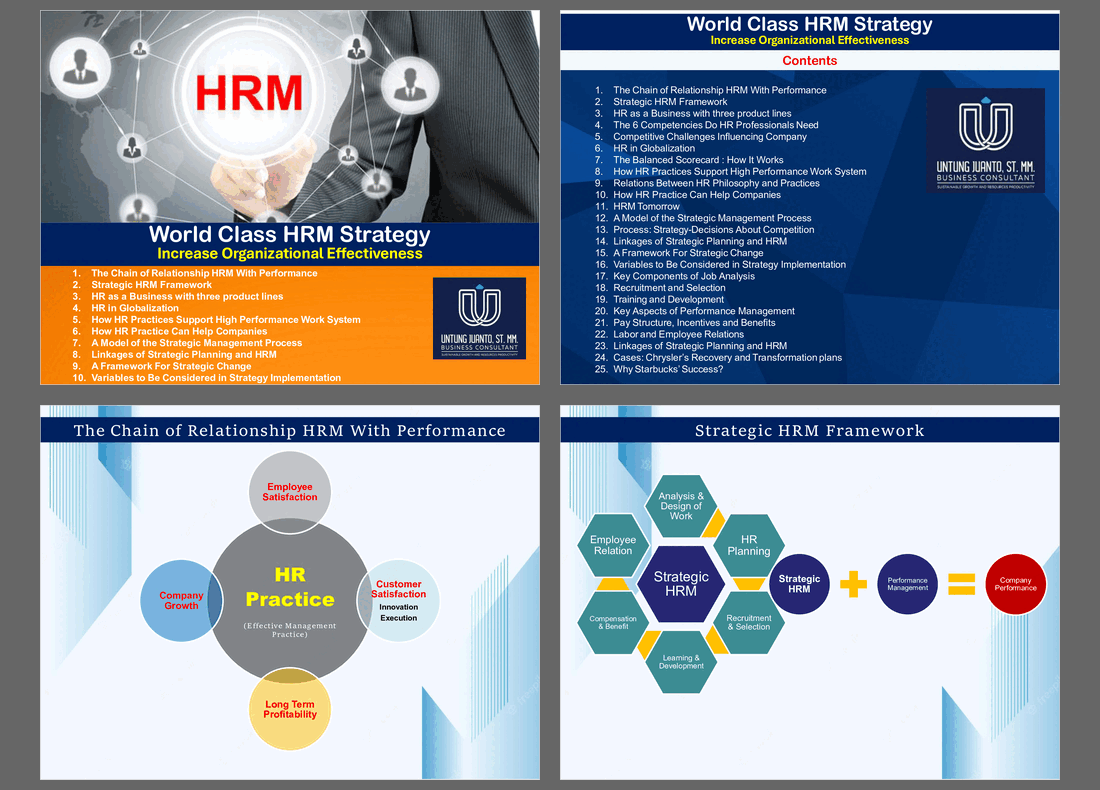
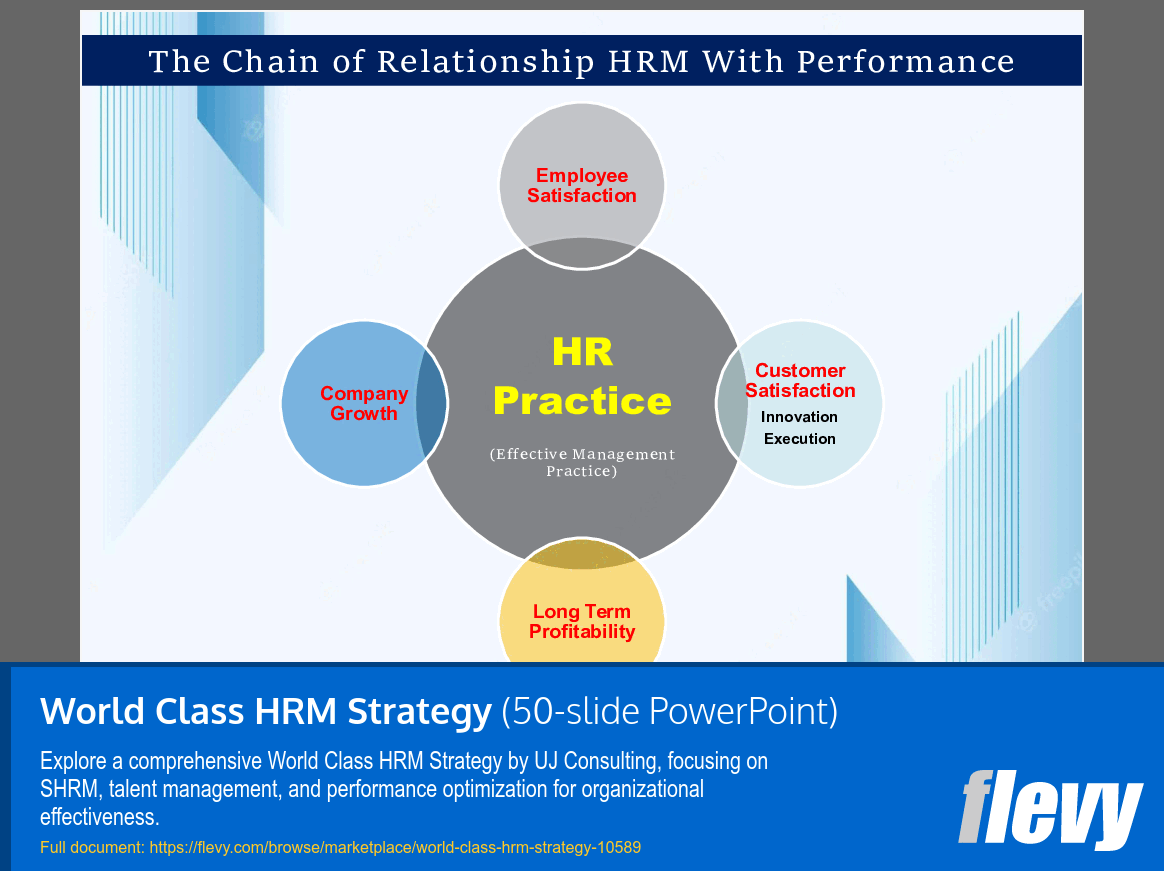
1. The Chain of Relationship HRM With Performance
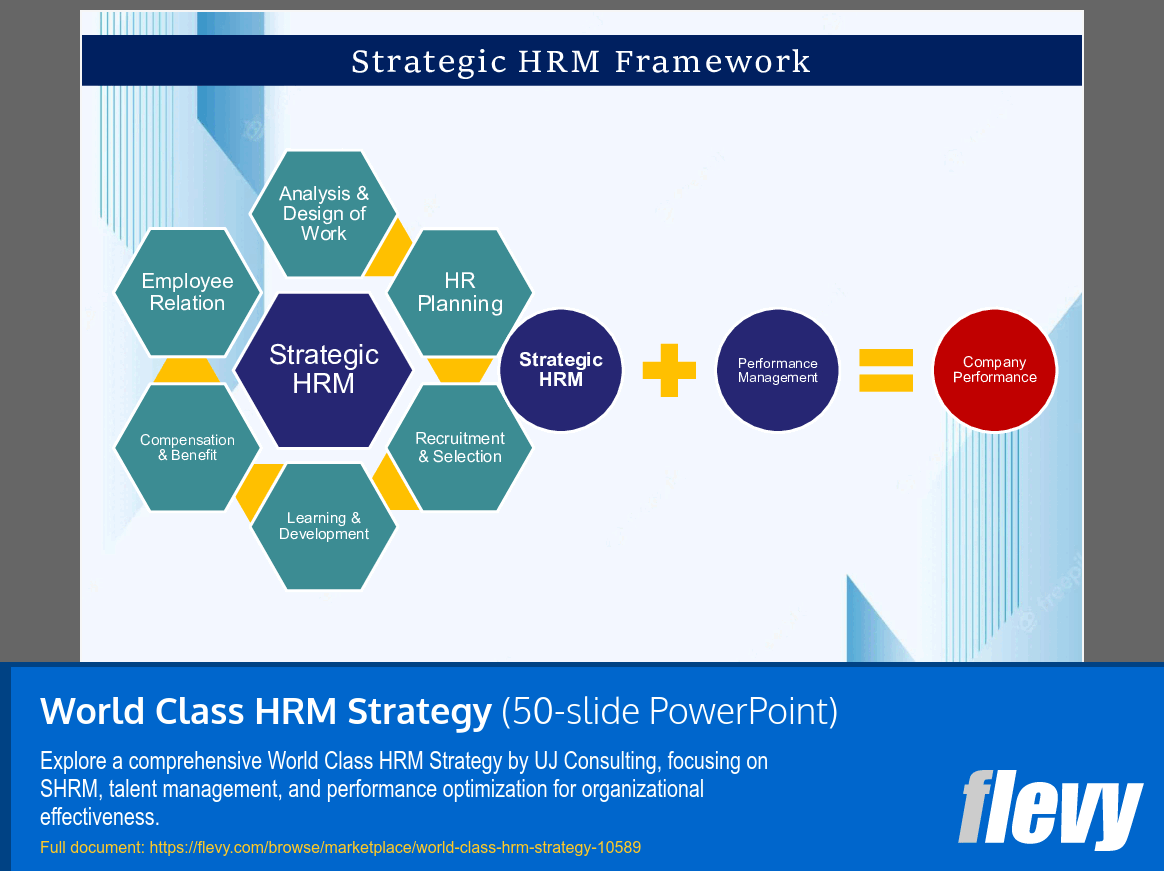
2. Strategic HRM Framework
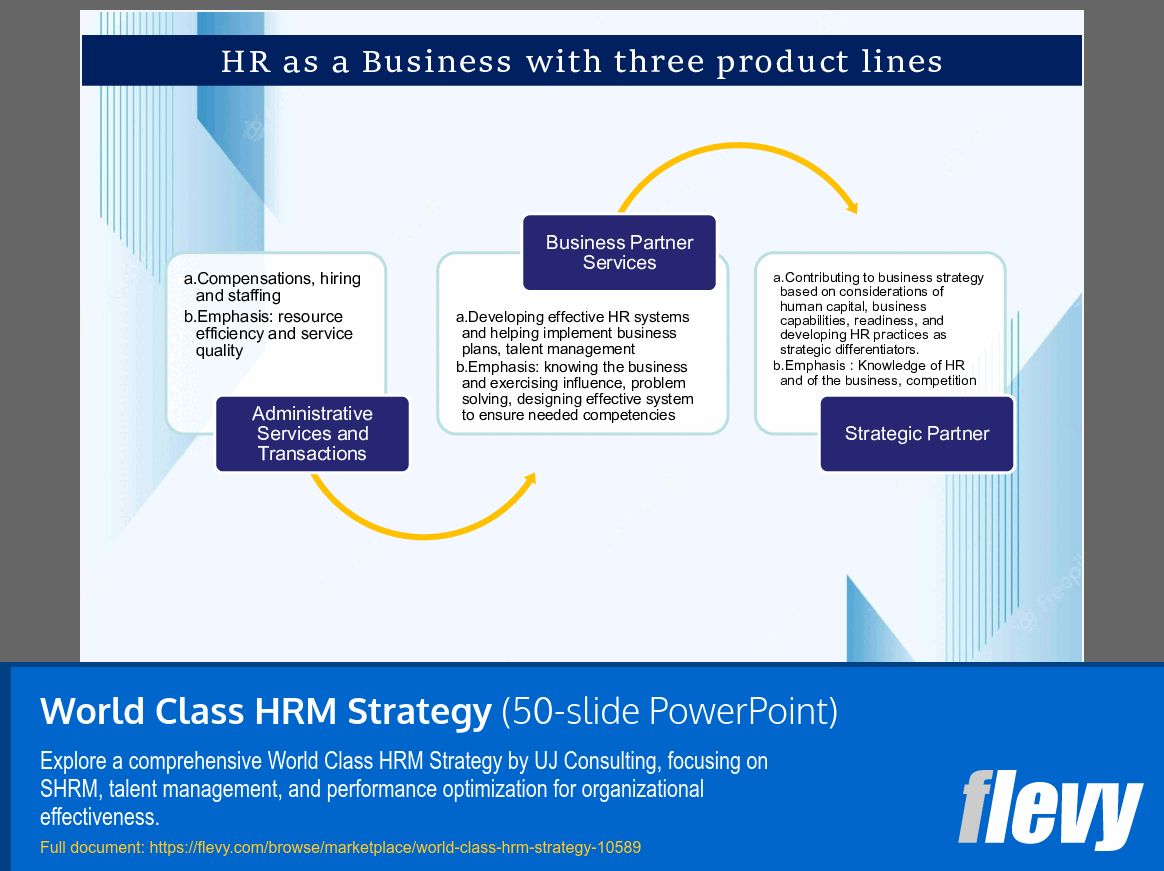
3. HR as a Business with three product lines
4. The 6 Competencies Do HR Professionals Need
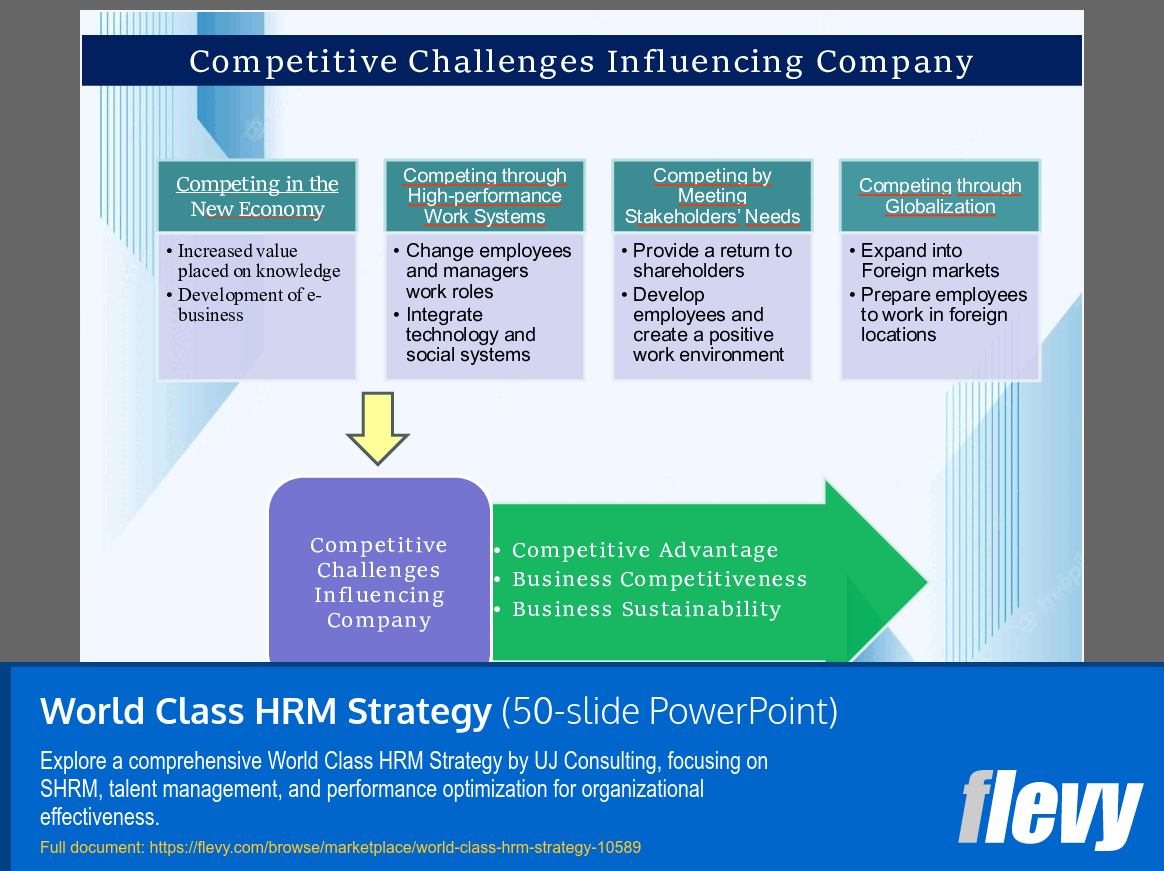
5. Competitive Challenges Influencing Company
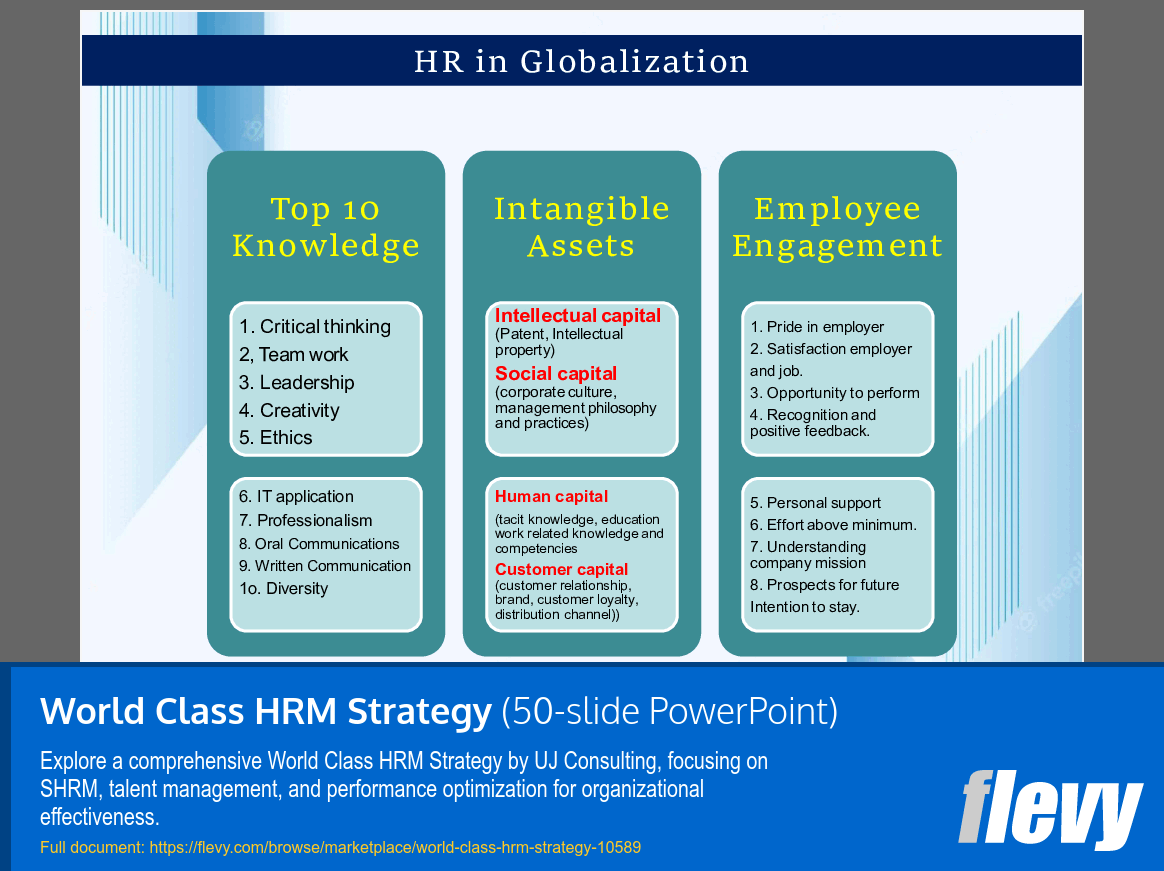
6. HR in Globalization
7. The Balanced Scorecard : How It Works
8. How HR Practices Support High Performance Work System
9. Relations Between HR Philosophy and Practices
10. How HR Practice Can Help Companies
11. HRM Tomorrow
12. A Model of the Strategic Management Process
13. Process: Strategy-Decisions About Competition
14. Linkages of Strategic Planning and HRM
15. A Framework For Strategic Change
16. Variables to Be Considered in Strategy Implementation
17. Key Components of Job Analysis
18. Recruitment and Selection
19. Training and Development
20. Key Aspects of Performance Management
21. Pay Structure, Incentives and Benefits
22. Labor and Employee Relations
23. Linkages of Strategic Planning and HRM
24. Cases: Chrysler's Recovery and Transformation plans
25. Why Starbucks' Success?
Strategic Human Resource Management (SHRM) aligns human capital with long-term business goals to gain a competitive advantage, focusing on proactive, future-oriented planning rather than just daily administration. It involves creating a cohesive framework for hiring, training, and retaining employees to drive performance, culture, and innovation.
Key Aspects of HRM Strategy
1, Alignment with Business Goals: HR strategies are designed to directly support the company's overall objectives.
2. Talent Management: Proactively attracting, developing, and retaining high-value employees.
3. Performance Management: Implementing systems that motivate staff, maximize potential, and improve productivity.
4. Organizational Culture & Structure: Shaping a culture that encourages innovation, diversity, and engagement.
5. Forward-Looking: Typically involves a 3 to 5-year outlook rather than day-to-day operational focus
Key Steps to Develop an HR Strategy
1. Analyze the Business Strategy: Understand the company's goals to identify what HR needs to deliver.
2. Environmental Scanning: Analyze internal (strengths/weaknesses) and external (competitors, labor market) factors.
3. Identify Capability Gaps: Determine the skills and talent required for future success.
4. Develop HR Initiatives: Create specific programs for hiring, development, compensation, and retention.
5. Measure and Monitor: Use data to track the impact of HR initiatives on business performance.
Benefits of Strategic HRM
1. Improved Organizational Performance: Aligns employee behavior with organizational goals for better results.
2. Competitive Advantage: Builds a unique, skilled workforce that is difficult for competitors to replicate.
3. Enhanced Employee Value: Boosts engagement, retention, and satisfaction through better career paths and culture.
Thank you,
UJ Consulting
Got a question about the product? Email us at support@flevy.com or ask the author directly by using the "Ask the Author a Question" form. If you cannot view the preview above this document description, go here to view the large preview instead.
Source: Best Practices in Human Resources PowerPoint Slides: World Class HRM Strategy PowerPoint (PPTX) Presentation Slide Deck, UJ Consulting _ Strategy-Insight-Impact
ABOUT THE AUTHOR

UJ Consulting | Strategy • Insight • Impact
UJ Consulting is an executive management consulting and business transformation practice founded by Untung Juanto, ST., MM., a senior executive, consultant, and transformation practitioner with more than 25 years of professional experience across local and multinational companies and diverse industries.
His career progressed from frontline
... [read more]
Ask the Author a Question
You must be logged in to contact the author.




























