
Employees feel that their potential is misjudged at some point in their careers. Perception of negative bias can lead to loss of commitment and enthusiasm among our employees. Elimination of perception of negative bias enables our company to reap the gains of a more motivated and committed workforce.
The ACE Model can measure misjudgment perceived by our employees. The factors assessed by the ACE Model are:
• Ability
• Ambition
• Commitment
• Emotional Intelligence
• Executive Presence
The "ACE" Model is derived from the first letters of these attributes.
Using the ACE model, our employees can rate both their own potential and how they believe their superior judge them.
Perception of negative bias occurs when employees' self rating is high while perceived rating of superiors is low.
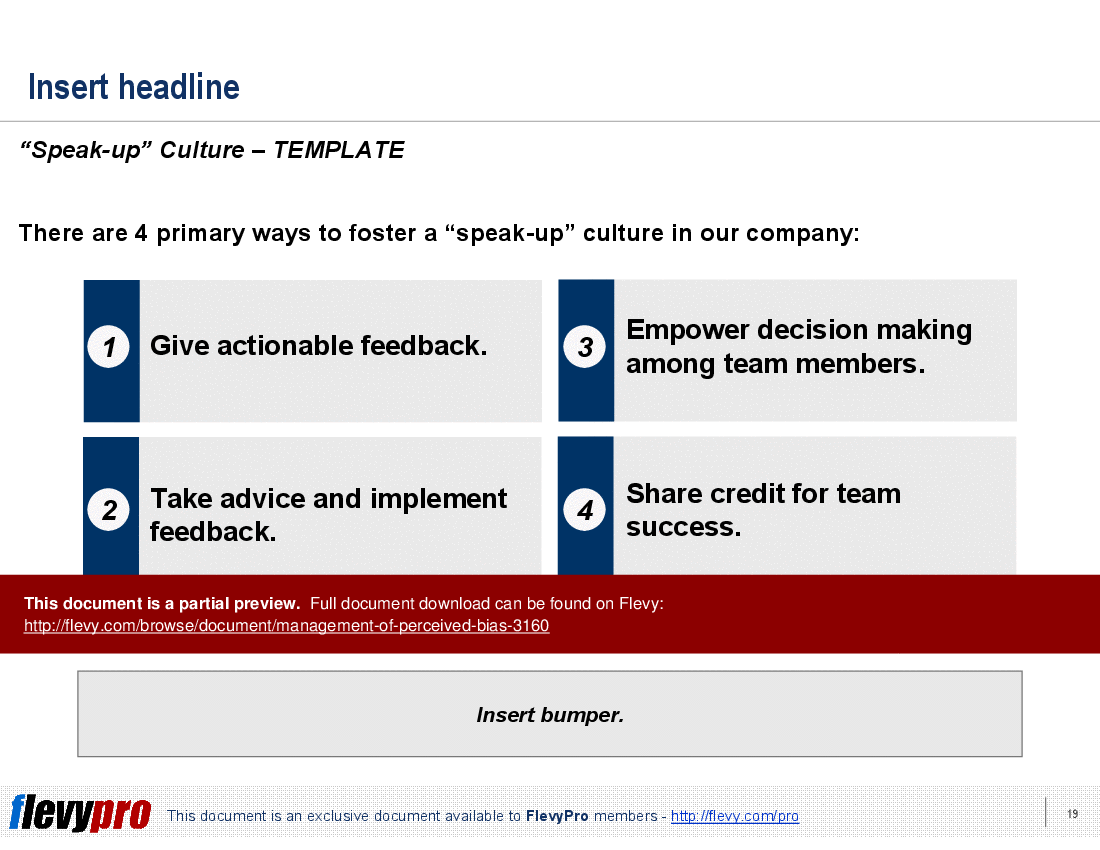
Culture of inclusion can be achieved with the following:
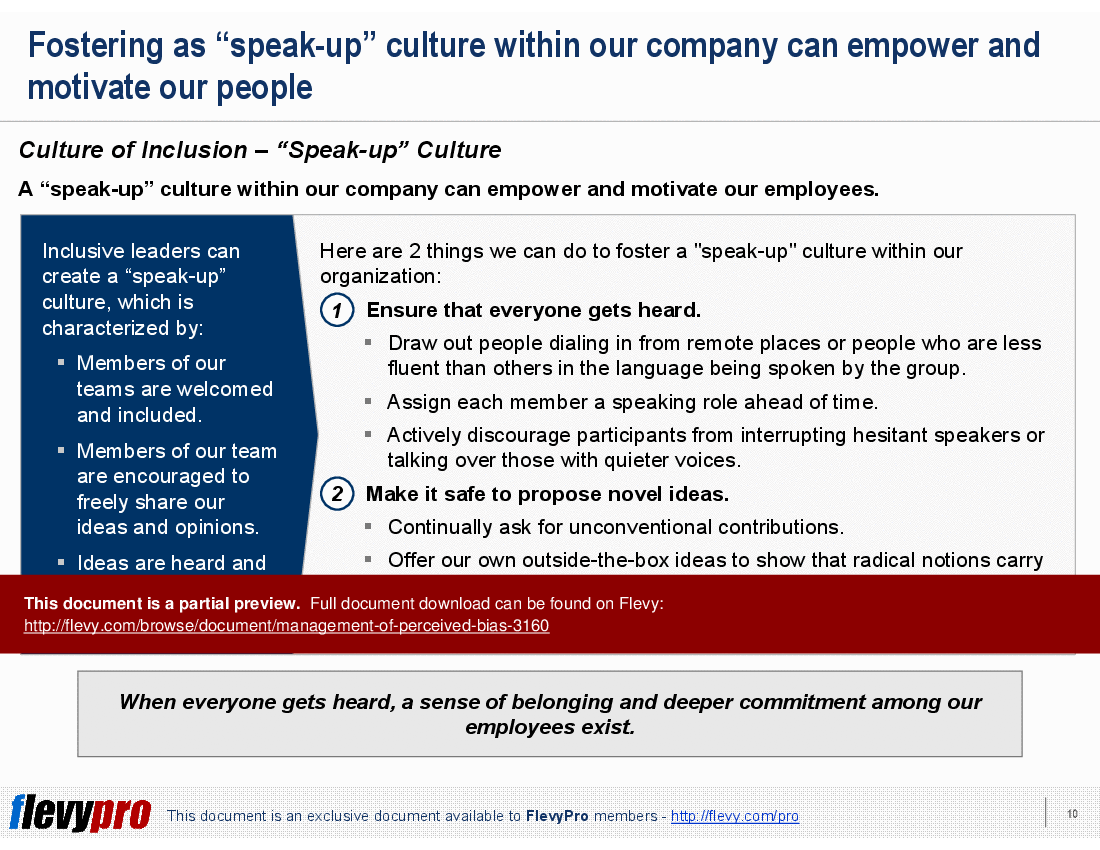
1. Inclusive leaders that create a "speak-up" culture
2. Wider range of diversity among leaders
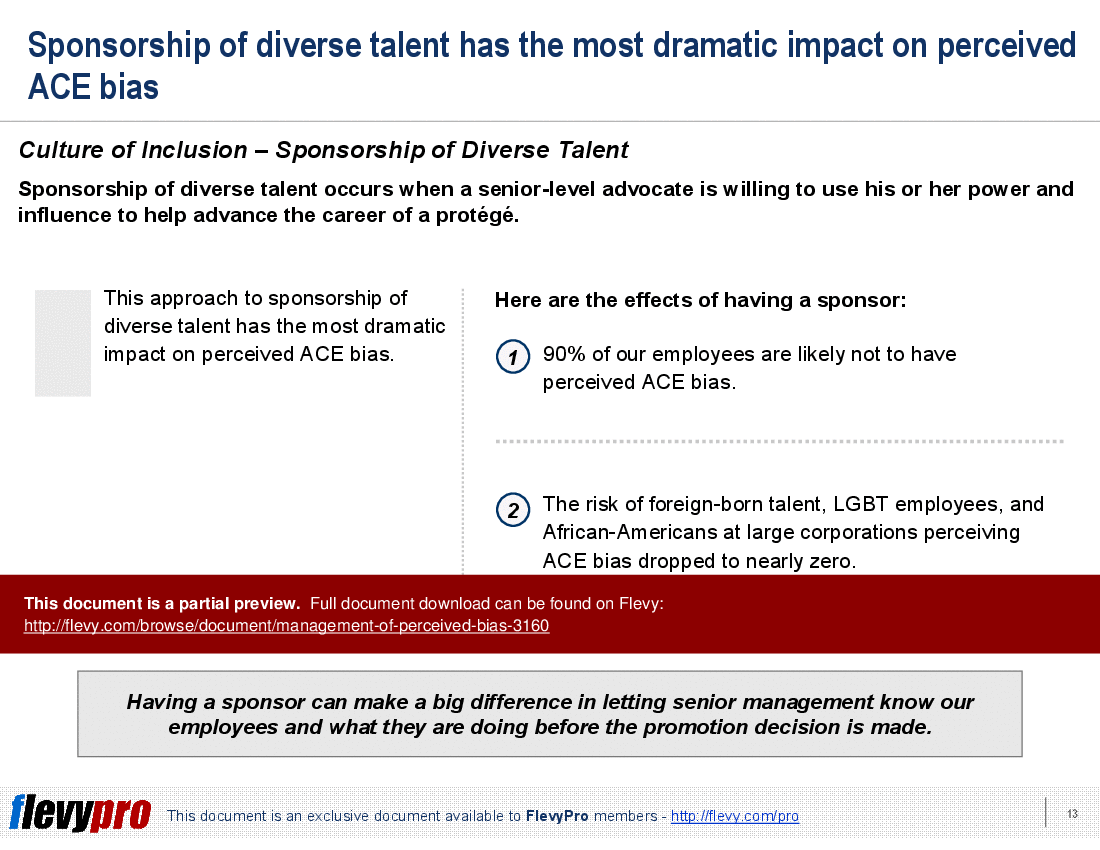
3. Sponsorship of diverse talent
This deck also includes slide templates for you to use in your own business presentations.
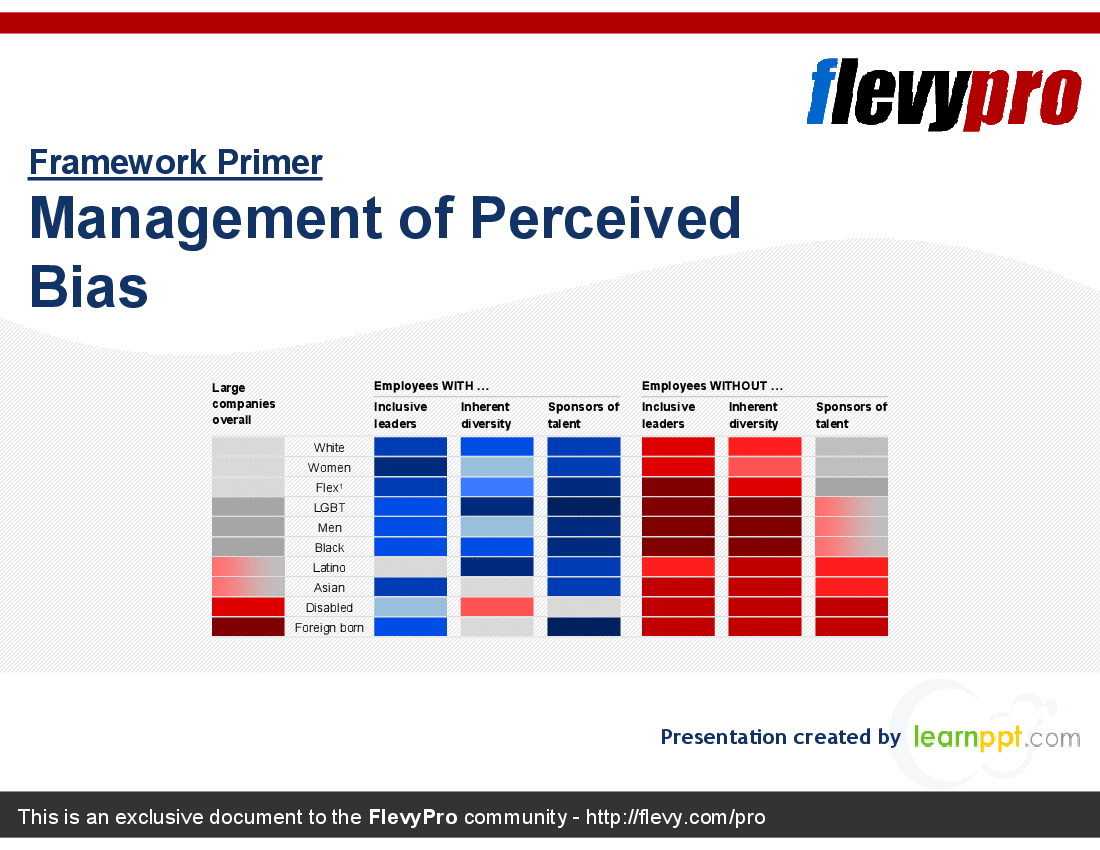
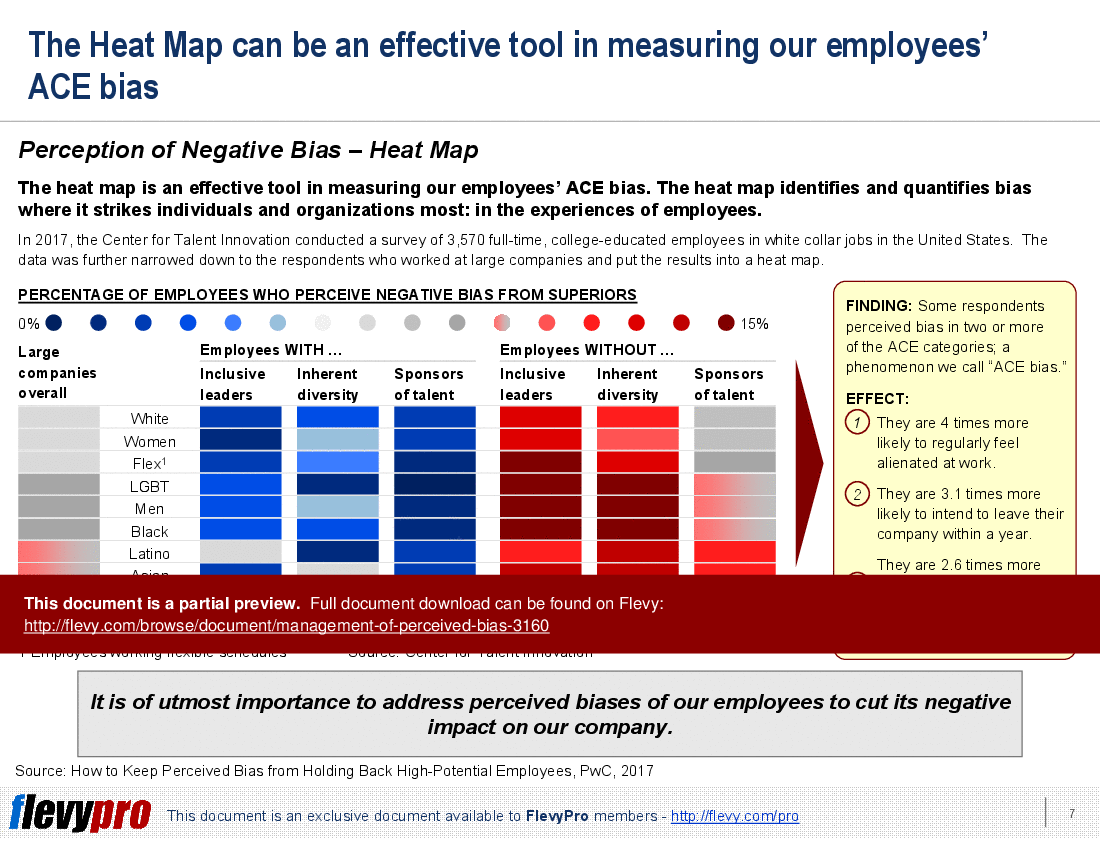
The heat map included in this PPT is a powerful diagnostic tool that quantifies and visualizes perceived bias across various demographics within your organization. By leveraging this data, leaders can pinpoint areas requiring immediate attention and implement targeted interventions. This approach ensures that bias is addressed systematically, leading to a more inclusive and equitable workplace.
A "speak-up" culture is essential for fostering an environment where all employees feel valued and heard. This document provides actionable strategies for leaders to create such a culture, including assigning speaking roles and encouraging unconventional ideas. These steps are crucial for empowering employees and driving innovation within the company.
Got a question about this document? Email us at flevypro@flevy.com.
Executive Summary
The "Management of Perceived Bias" presentation provides a structured approach to understanding and mitigating perceived bias in the workplace. Utilizing the ACE Model, this framework enables organizations to assess employee perceptions of bias, which can hinder high-potential talent. By fostering a culture of inclusion through leadership behaviors and sponsorship of diverse talent, companies can enhance employee engagement and commitment. This presentation equips leaders with actionable insights and templates to create a more inclusive environment, ultimately driving organizational success.
Who This Is For and When to Use
• Diversity and Inclusion Officers focused on enhancing workplace culture
• HR leaders responsible for talent management and employee engagement
• Executive teams aiming to improve organizational performance
• Managers seeking to understand and address perceived bias within their teams
Best-fit moments to use this deck:
• During diversity and inclusion training sessions
• In leadership workshops focused on employee engagement
• When developing strategies to improve workplace culture
Learning Objectives
• Define perceived bias and its impact on employee engagement
• Build an understanding of the ACE Model for measuring perceived bias
• Establish strategies for fostering a culture of inclusion
• Identify actionable steps for leaders to mitigate perceived bias
• Create a framework for ongoing assessment and improvement of workplace culture
• Develop templates for measuring and addressing perceived bias
Table of Contents
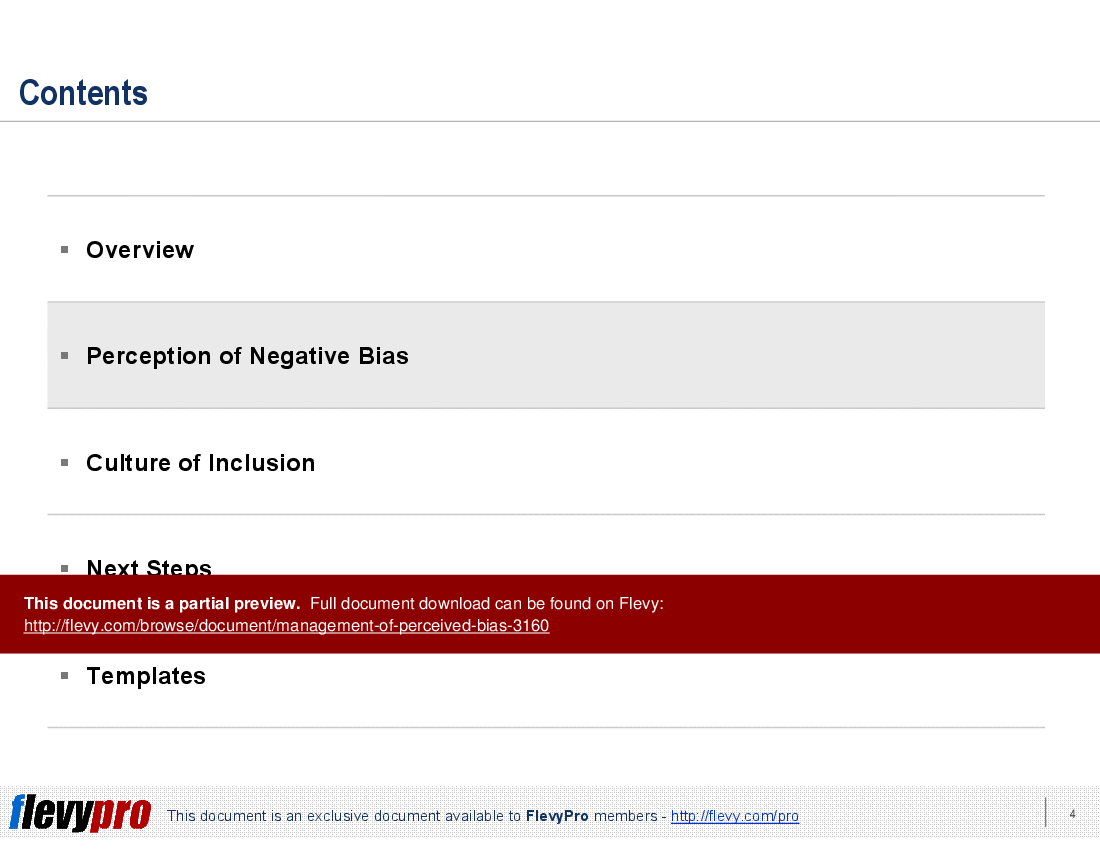
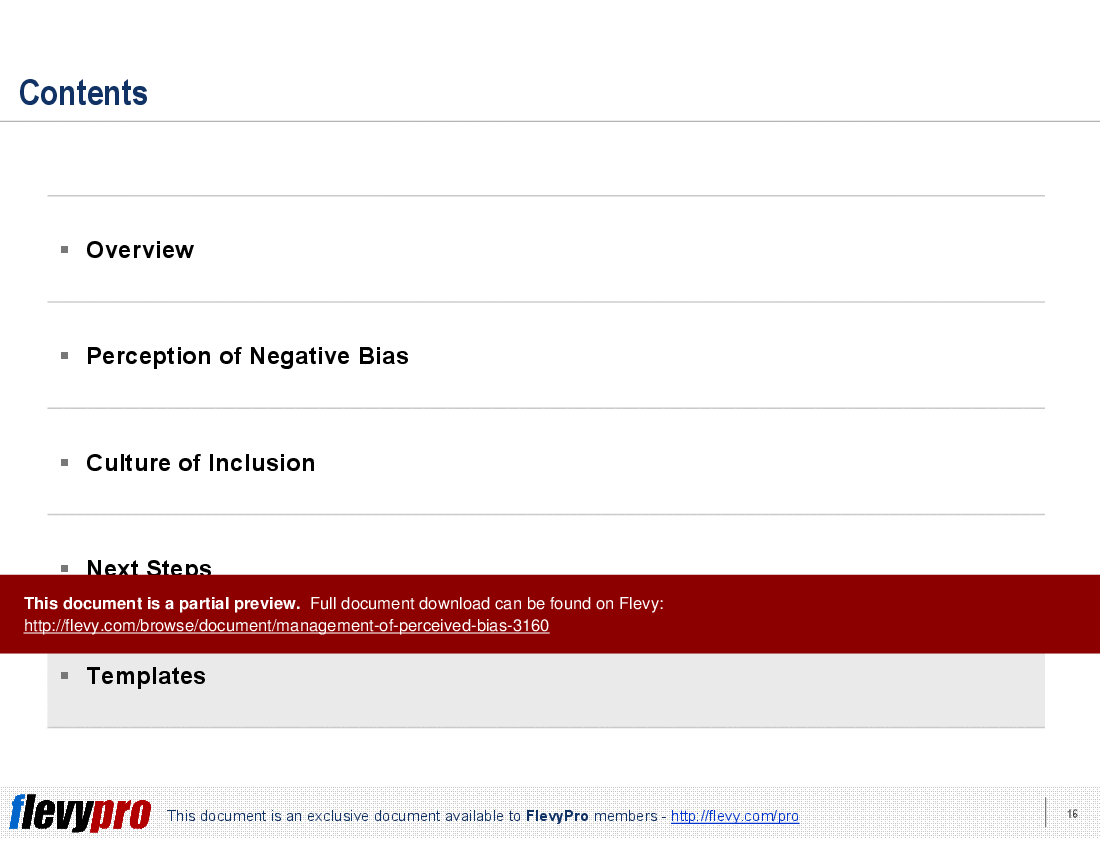
• Overview (page 1)
• Perception of Negative Bias (page 3)
• Culture of Inclusion (page 9)
• Next Steps (page 15)
• Templates (page 17)
Primary Topics Covered
• Perceived Bias - Understanding how perceived bias can hold back high-potential employees and affect organizational performance.
• ACE Model - A framework for assessing employee perceptions of ability, commitment, emotional intelligence, and executive presence.
• Culture of Inclusion - Strategies for fostering an inclusive environment that minimizes perceived bias through leadership behaviors and diverse representation.
• Sponsorship of Diverse Talent - The importance of senior-level advocates in advancing diverse talent and reducing perceptions of bias.
• Heat Map Analysis - Utilizing heat maps to visualize and quantify perceived bias within the organization.
• Next Steps for Implementation - Actionable strategies for leaders to disrupt perceived bias and enhance workplace culture.
Deliverables, Templates, and Tools
• ACE Model assessment template for measuring perceived bias
• Heat map template for visualizing bias perceptions across employee demographics
• Action plan template for fostering a culture of inclusion
• Feedback mechanism template for leaders to gather employee insights
• Workshop agenda template for conducting training on perceived bias
• Communication plan template for promoting diversity initiatives
Slide Highlights
• Overview of the ACE Model and its components
• Heat map visualizing employee perceptions of bias
• Strategies for fostering a "speak-up" culture within organizations
• Key findings on the impact of diverse leadership on perceived bias
• Actionable next steps for leaders to address perceived bias
Potential Workshop Agenda
Understanding Perceived Bias (60 minutes)
• Introduction to perceived bias and its implications
• Discussion on the ACE Model and its application
Fostering Inclusion (90 minutes)
• Strategies for creating a "speak-up" culture
• Role of leadership in mitigating perceived bias
Action Planning Session (60 minutes)
• Develop actionable steps for addressing perceived bias
• Create a communication plan to promote diversity initiatives
Customization Guidance
• Tailor the ACE Model assessment to align with specific organizational values and goals
• Modify the heat map template to reflect unique employee demographics
• Adjust workshop agendas based on organizational needs and time constraints
• Incorporate specific case studies or examples relevant to the organization
Secondary Topics Covered
• The role of emotional intelligence in leadership
• Best practices for inclusive decision-making
• The impact of organizational culture on employee perceptions
• Strategies for ongoing assessment of workplace inclusivity
Topic FAQ
Document FAQ
These are questions addressed within this presentation.
What is the ACE Model?
The ACE Model assesses employee perceptions of their ability, commitment, emotional intelligence, and executive presence to identify areas of perceived bias.
How can leaders foster a culture of inclusion?
Leaders can foster inclusion by creating a "speak-up" culture, promoting diverse leadership, and sponsoring diverse talent.
What are the consequences of perceived bias in the workplace?
Perceived bias can lead to decreased employee engagement, higher turnover rates, and reduced organizational performance.
How can we measure perceived bias effectively?
Utilizing tools like the ACE Model and heat maps can help quantify and visualize employee perceptions of bias within the organization.
What steps can be taken to address perceived bias?
Organizations can conduct diagnostics, implement targeted interventions, and continuously assess the effectiveness of their initiatives.
Why is sponsorship of diverse talent important?
Sponsorship helps elevate diverse talent within the organization, reducing perceptions of bias and enhancing career advancement opportunities.
How often should we assess our workplace culture?
Regular assessments should be conducted at least annually to track progress and identify areas for improvement.
What resources are available for further training on this topic?
This presentation includes templates and actionable strategies that can be adapted for training sessions and workshops.
Glossary
• Perceived Bias - The belief that an individual's potential is misjudged due to bias.
• ACE Model - A framework for assessing employee perceptions of ability, commitment, emotional intelligence, and executive presence.
• Culture of Inclusion - An organizational environment where all employees feel valued and included.
• Sponsorship - The act of a senior leader advocating for and supporting the career advancement of a protégé.
• Heat Map - A visual representation of data used to identify areas of perceived bias within an organization.
• Speak-up Culture - An environment where employees feel safe to share their ideas and concerns without fear of reprisal.
• Emotional Intelligence (EQ) - The ability to recognize, understand, and manage one's own emotions and the emotions of others.
• Executive Presence - The ability to project confidence, poise, and authority in professional settings.
• Commitment - The level of dedication and engagement an employee has towards their organization.
• Ability - The skills and competencies an employee possesses that contribute to their performance.
• Ambition - The drive and desire of an employee to achieve success and advance in their career.
• Diversity - The inclusion of individuals from various backgrounds, experiences, and perspectives within an organization.
• Inclusion - The practice of creating environments in which any individual or group can be and feel welcomed, respected, supported, and valued.
• Diagnostics - Assessments conducted to identify areas of bias within an organization.
• Interventions - Targeted actions taken to address identified issues of bias and promote inclusivity.
• Feedback Mechanism - A system for gathering and responding to employee input regarding workplace culture and practices.
• Action Plan - A detailed strategy outlining steps to achieve specific goals related to diversity and inclusion.
• Training Session - A structured program designed to educate employees on specific topics, such as bias and inclusion.
• Workshop - An interactive session focused on skill-building and knowledge-sharing among participants.
• Organizational Culture - The shared values, beliefs, and practices that shape the behavior and mindset of employees within an organization.
• Employee Engagement - The emotional commitment an employee has to their organization and its goals.
• Turnover Rate - The percentage of employees who leave an organization over a specified period.
• Leadership Diversity - The representation of individuals from various backgrounds in leadership positions within an organization.
• Advocacy - The act of supporting or recommending a particular cause or policy, particularly in the context of promoting diverse talent.
Source: Best Practices in Corporate Culture, HR Strategy, ACE Model PowerPoint Slides: Management of Perceived Bias PowerPoint (PPT) Presentation Slide Deck, LearnPPT Consulting
Did you need more documents?
Consider a FlevyPro subscription from $39/month. View plans here.
For $10.00 more, you can download this document plus 2 more FlevyPro documents. That's just $13 each.
|
Download our FREE Organization, Change, & Culture, Templates
Download our free compilation of 50+ slides and templates on Organizational Design, Change Management, and Corporate Culture. Methodologies include ADKAR, Burke-Litwin Change Model, McKinsey 7-S, Competing Values Framework, etc. |