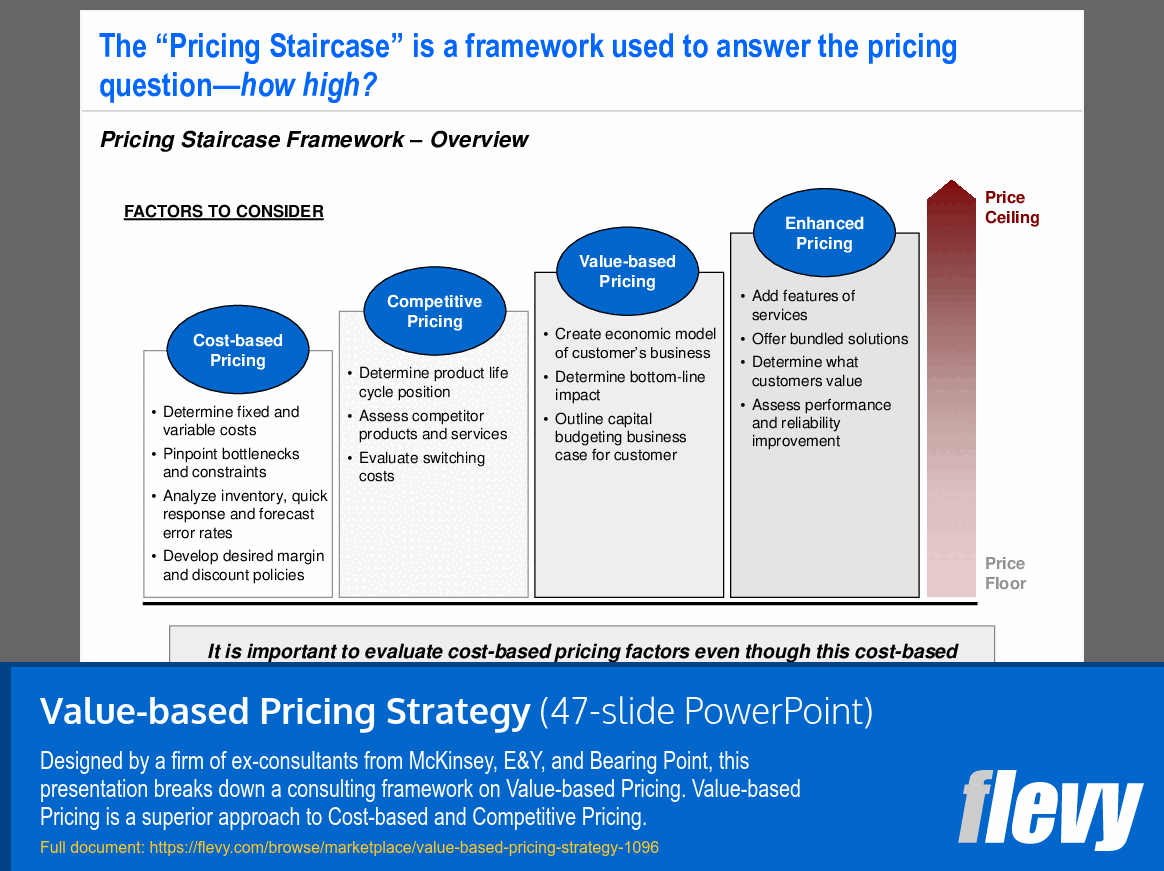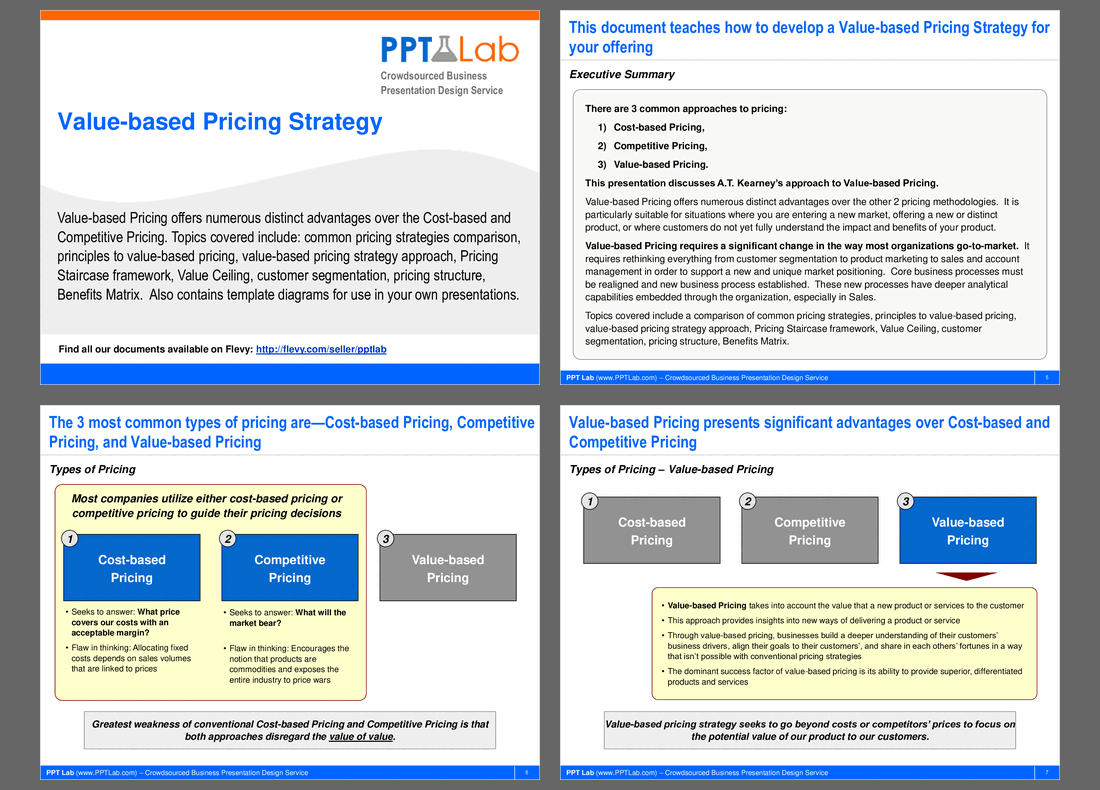
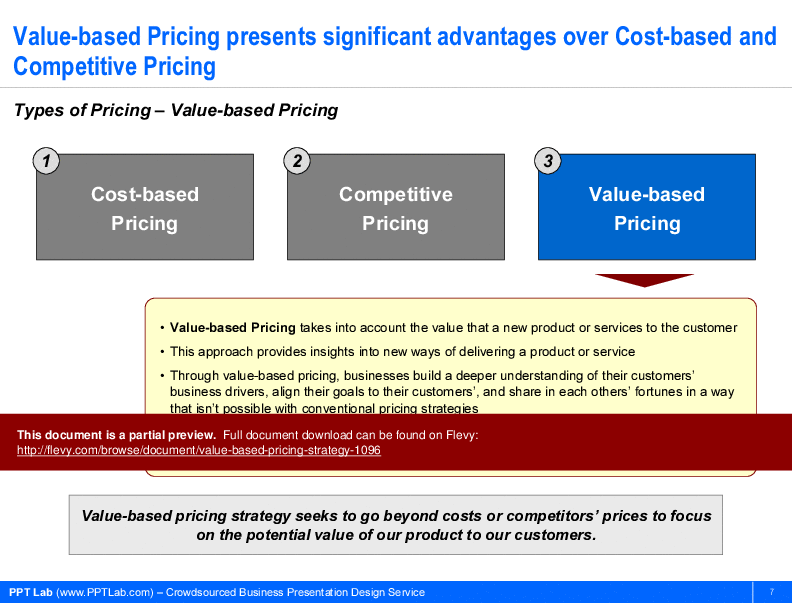
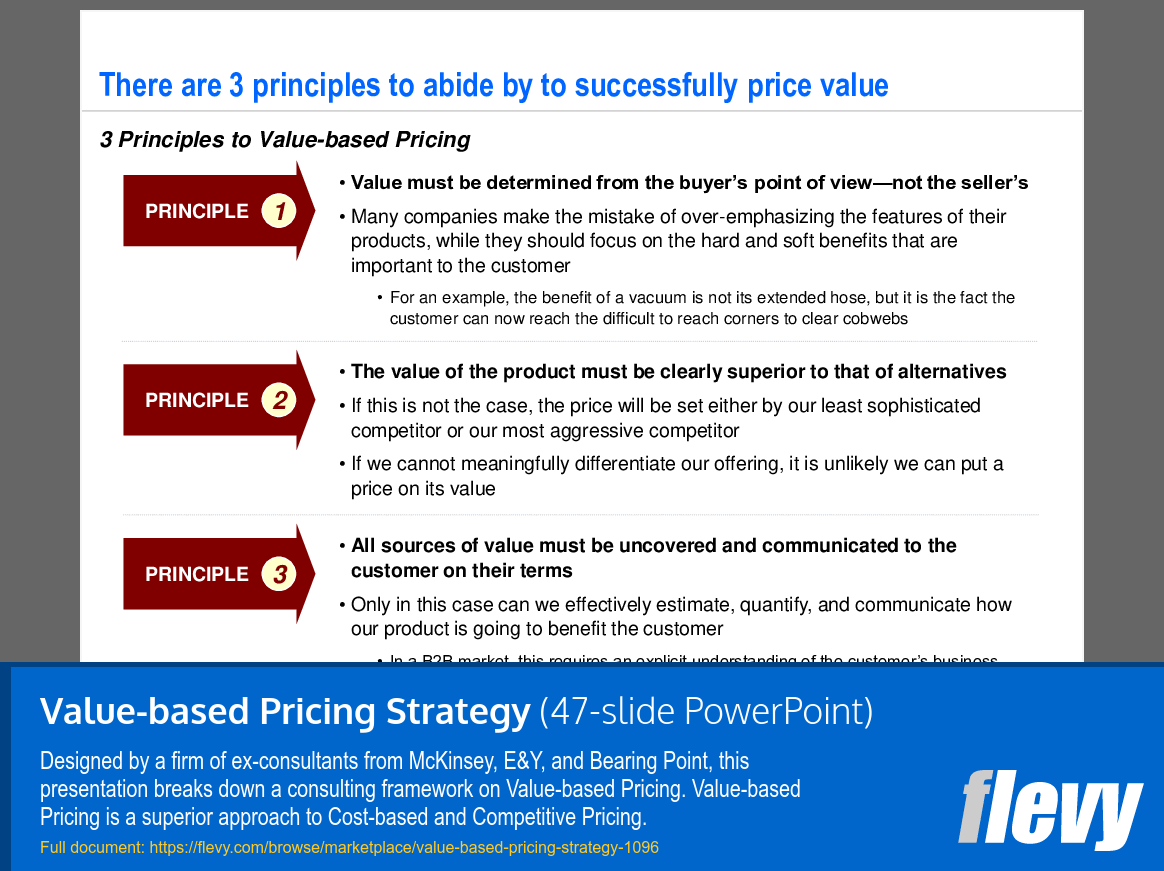

There are 3 common approaches to pricing: Cost-based Pricing, Competitive Pricing, and Value-based Pricing.
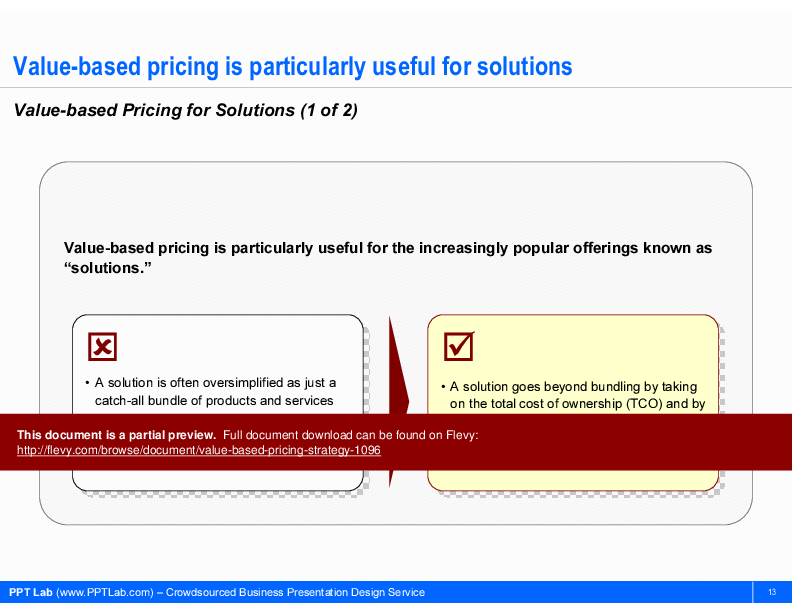
Value-based Pricing offers numerous distinct advantages over the other 2 pricing methodologies. It is particularly suitable for situations where you are entering a new market, offering a new or distinct product, or where customers do not yet fully understand the impact and benefits of your product. Value-based pricing allows companies to build a deeper understanding of their customers' business drivers, align their goals with the customers' goals, and, ultimately, share in each others' attained value in a way that isn't possible with traditional pricing approaches.
Value-based Pricing requires a significant change in the way most organizations go-to-market. It requires rethinking everything from customer segmentation to product marketing to sales and account management in order to support a new and unique market positioning. Core business processes must be realigned and new business process established. These new processes have deeper analytical capabilities embedded through the organization, especially in Sales.
Topics covered include a comparison of common pricing strategies, principles to value-based pricing, value-based pricing strategy approach, Pricing Staircase framework, Value Ceiling, customer segmentation, pricing structure, Benefits Matrix.
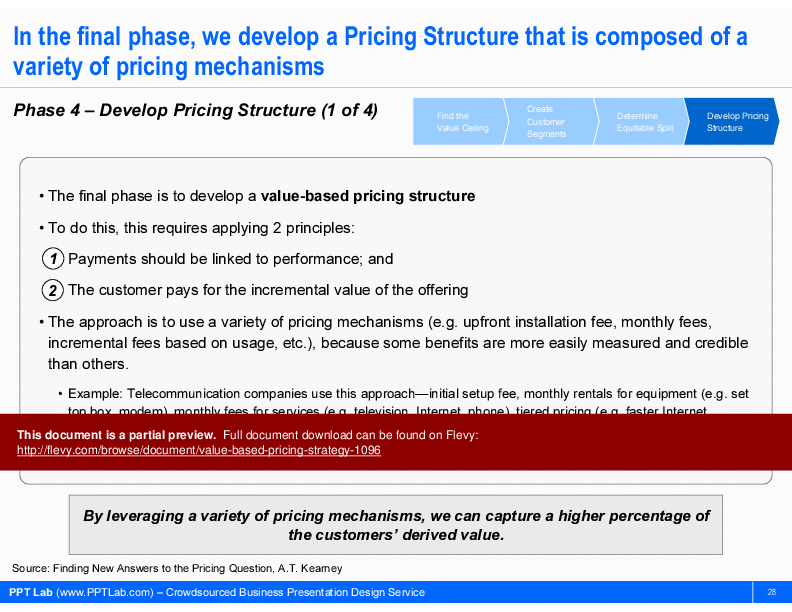
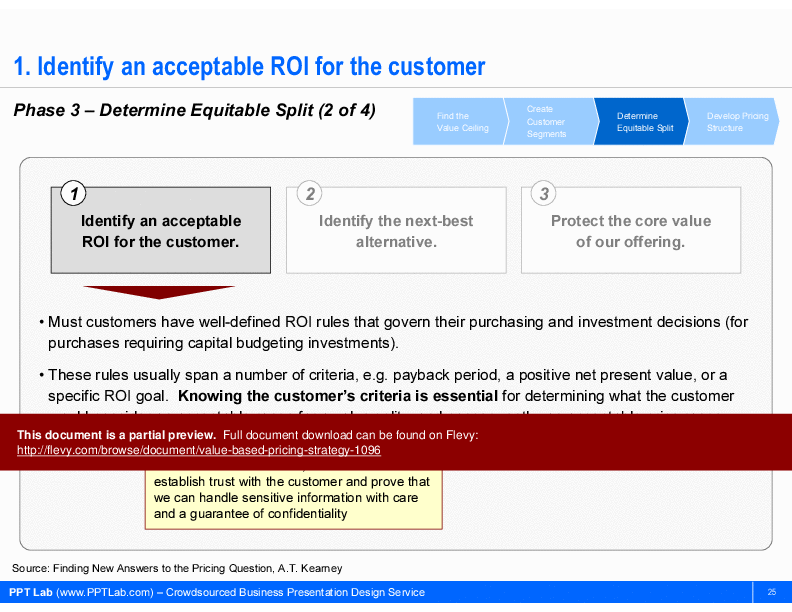
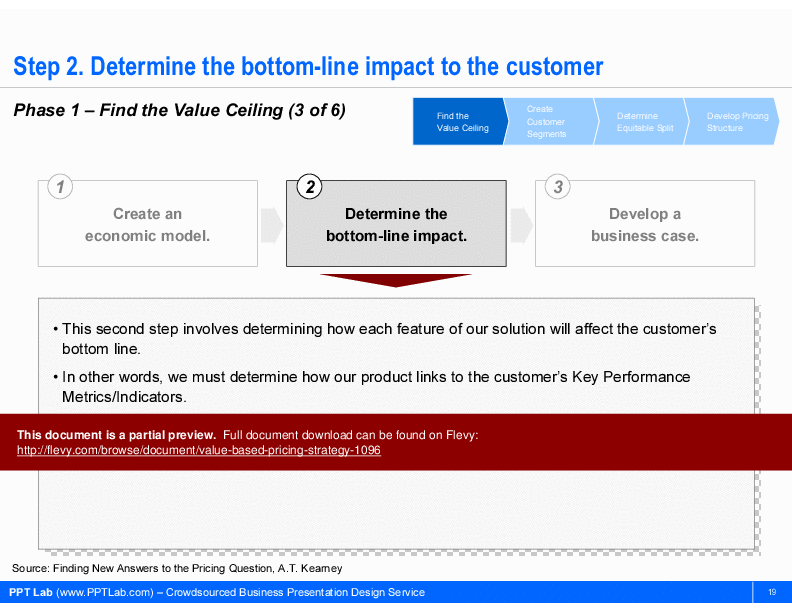
This PPT delves into the intricacies of implementing a value-based pricing strategy, outlining a comprehensive 4-phase approach. It emphasizes the importance of determining the value ceiling, creating customer segments, determining an equitable split, and developing a robust pricing structure. The step-by-step methodology ensures that businesses can effectively align their pricing strategies with customer value, thereby maximizing profitability and customer satisfaction.
The presentation also includes a detailed case study on an automated call center solution, showcasing the practical application of the value-based pricing strategy. This real-world example highlights how advanced speech recognition technology can enhance customer interactions and operational efficiency. Key performance metrics and areas of value creation are meticulously analyzed, providing actionable insights for businesses looking to adopt a value-based pricing approach.
Got a question about the product? Email us at support@flevy.com or ask the author directly by using the "Ask the Author a Question" form. If you cannot view the preview above this document description, go here to view the large preview instead.
Executive Summary
The Value-based Pricing Strategy presentation is crafted by a team of ex-consultants from McKinsey, E&Y, and Bearing Point, offering a consulting-grade resource that empowers organizations to redefine their pricing strategies. This presentation elucidates the advantages of Value-based Pricing over traditional Cost-based and Competitive Pricing methods. It is particularly beneficial for companies entering new markets or launching unique products. By leveraging this framework, buyers will gain insights into customer value perception, enabling them to realign their pricing strategies and optimize revenue generation.
Who This Is For and When to Use
• Pricing Strategy Managers aiming to enhance revenue models
• Product Managers launching new offerings or entering new markets
• Sales Leaders seeking to communicate product value effectively
• Marketing Teams focused on aligning pricing with customer expectations
Best-fit moments to use this deck:
• During strategic planning sessions for new product launches
• When conducting market analysis for pricing adjustments
• In workshops focused on customer segmentation and value communication
• For training sessions on implementing Value-based Pricing frameworks
Learning Objectives
• Define Value-based Pricing and its advantages over traditional methods
• Build a comprehensive pricing strategy that aligns with customer value
• Establish customer segments based on value perception and willingness to pay
• Create a pricing structure that reflects the value delivered to customers
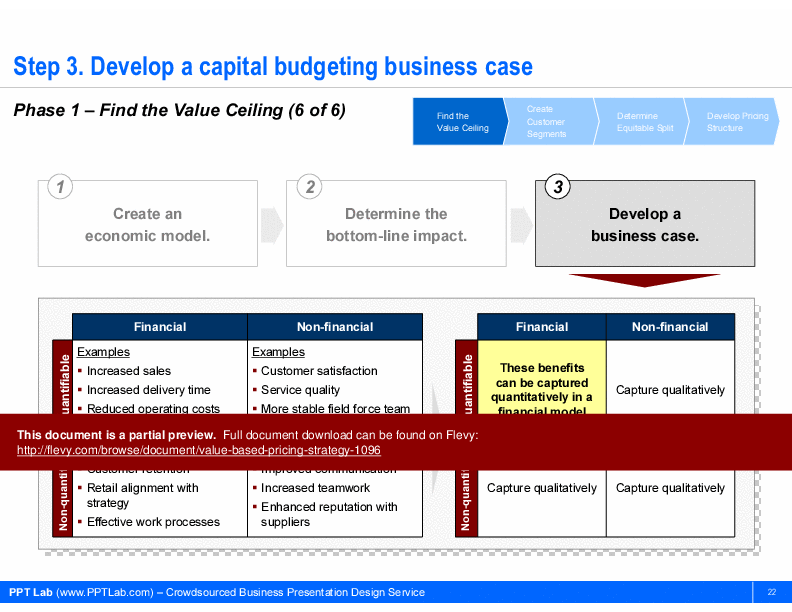
• Develop a Benefits Matrix to quantify financial and non-financial gains
• Implement the Pricing Staircase framework to identify optimal pricing strategies
Table of Contents
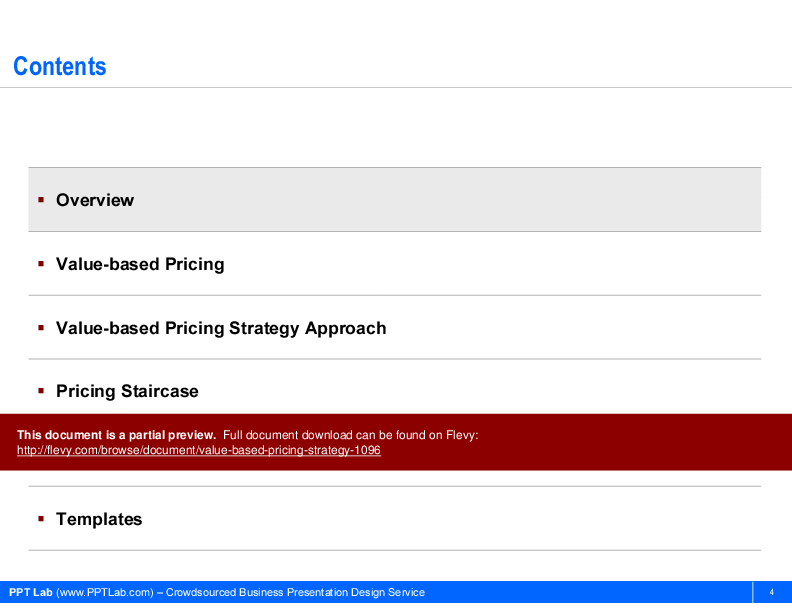
• Overview (page 4)
• Value-based Pricing (page 8)
• Value-based Pricing Strategy Approach (page 15)
• Pricing Staircase (page 32)
• Case Example (page 36)
• Templates (page 41)
Primary Topics Covered
• Value-based Pricing Overview - An introduction to the concept of Value-based Pricing and its significance in modern pricing strategies.
• Value-based Pricing Strategy Approach - A structured methodology for developing a Value-based Pricing strategy, including key phases.
• Pricing Staircase Framework - A visual representation of the steps involved in determining optimal pricing levels.
• Customer Segmentation - Techniques for identifying and categorizing customers based on their value perceptions and needs.
• Benefits Matrix - A tool for assessing both financial and non-financial benefits associated with pricing decisions.
• Case Example - A real-world application of the Value-based Pricing strategy in an automated call center solution.
Deliverables, Templates, and Tools
• Pricing Strategy Framework template for structuring Value-based Pricing approaches
• Customer Segmentation model to categorize clients based on value perception
• Benefits Matrix template for quantifying and qualifying value delivered
• Pricing Staircase diagram to visualize pricing strategy development
• Case Study documentation to illustrate practical application of the strategy
• Presentation slides for internal training on Value-based Pricing concepts
Slide Highlights
• Overview of Value-based Pricing advantages over traditional pricing methods
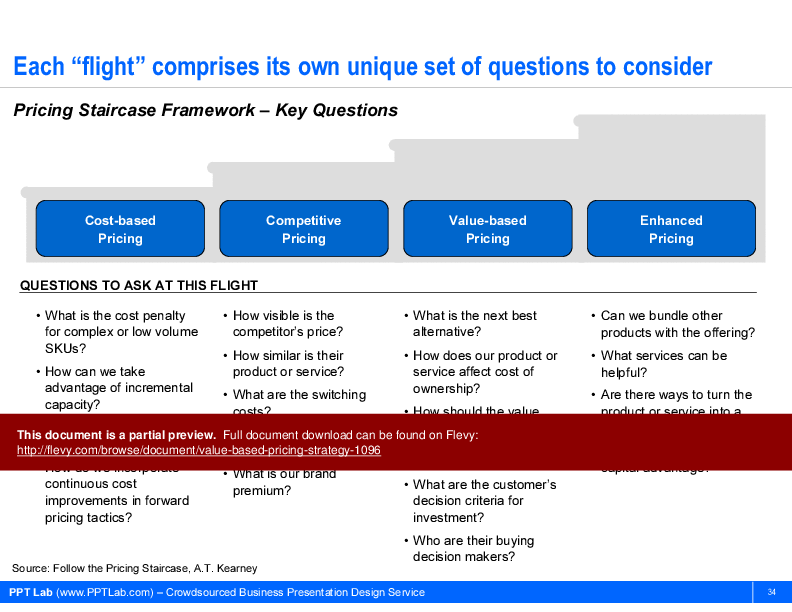
• Detailed explanation of the Pricing Staircase framework
• Customer segmentation strategies and their implications on pricing
• Real-world case study showcasing successful implementation of Value-based Pricing
• Visual templates for Benefits Matrix and Pricing Structure development
Potential Workshop Agenda
Value-based Pricing Strategy Workshop (2 hours)
• Introduction to Value-based Pricing concepts and benefits
• Group activity on customer segmentation and value identification
• Discussion on developing a Benefits Matrix for pricing decisions
Case Study Analysis Session (1 hour)
• Review of the automated call center solution case study
• Breakout groups to discuss insights and applications
• Presentation of group findings and recommendations
Customization Guidance
• Tailor the Benefits Matrix to reflect specific industry metrics and customer needs
• Adjust customer segmentation criteria based on market research and insights
• Modify the Pricing Staircase framework to align with organizational goals and strategies
• Incorporate company-specific examples into case studies for relevance
Secondary Topics Covered
• Comparison of Cost-based, Competitive, and Value-based Pricing strategies
• Insights into customer economics and how they influence pricing decisions
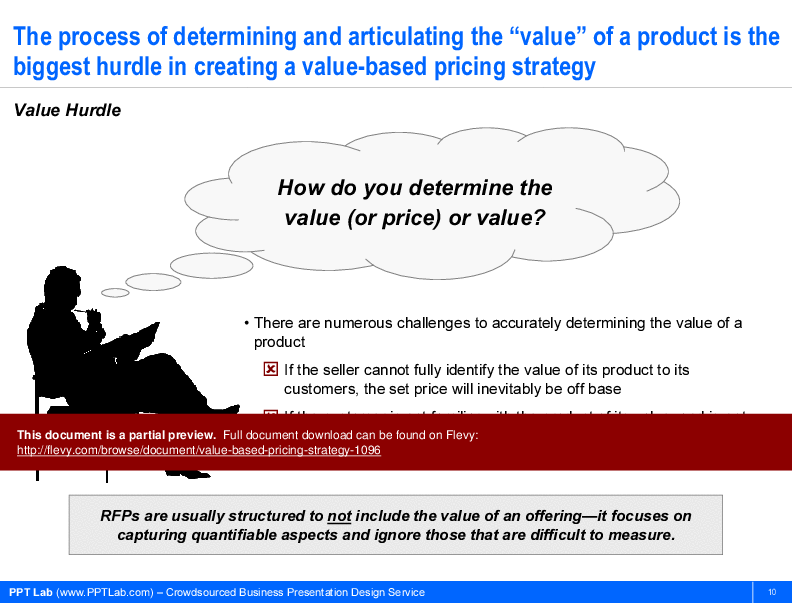
• Challenges in articulating and quantifying product value
• Techniques for communicating value effectively to customers
• Strategies for managing pricing integrity and sales team alignment
FAQ
What is Value-based Pricing?
Value-based Pricing is a strategy that sets prices primarily based on the perceived or estimated value of a product or service to the customer rather than on the cost of production or competitive prices.
How does Value-based Pricing differ from Cost-based Pricing?
Cost-based Pricing focuses on covering production costs plus a margin, while Value-based Pricing emphasizes the value that the product delivers to the customer, allowing for potentially higher pricing.
What are the key phases in developing a Value-based Pricing strategy?
The key phases include finding the value ceiling, creating customer segments, determining an equitable split of value, and developing a pricing structure that reflects the value delivered.
How can I effectively communicate value to customers?
Communicating value involves understanding customer needs, articulating the benefits of your product, and demonstrating how it meets their specific requirements and improves their bottom line.
What is a Benefits Matrix?
A Benefits Matrix is a tool used to categorize and quantify the financial and non-financial benefits of a product or service, helping to justify pricing decisions.
How do I segment customers for Value-based Pricing?
Customer segmentation can be based on factors such as economic impact, urgency of needs, and willingness to pay, allowing for tailored pricing strategies that reflect the unique value for each segment.
What challenges might I face when implementing Value-based Pricing?
Challenges include accurately determining the value of your product, aligning internal processes to support the strategy, and effectively communicating value to customers who may not fully understand it.
How can the Pricing Staircase framework assist in pricing decisions?
The Pricing Staircase framework provides a structured approach to evaluating pricing options, ensuring that all relevant factors are considered in determining optimal pricing levels.
What role does customer feedback play in Value-based Pricing?
Customer feedback is crucial for understanding perceived value, refining pricing strategies, and ensuring that the pricing structure aligns with customer expectations and market conditions.
Glossary
• Value-based Pricing - A pricing strategy that sets prices based on the perceived value to the customer.
• Cost-based Pricing - A pricing method that determines price based on production costs plus a margin.
• Competitive Pricing - A strategy that sets prices based on competitors' pricing.
• Benefits Matrix - A tool for assessing financial and non-financial benefits of a product.
• Customer Segmentation - The process of dividing customers into groups based on shared characteristics.
• Pricing Staircase - A framework for determining optimal pricing levels through structured evaluation.
• Value Ceiling - The maximum price a customer is willing to pay based on perceived value.
• Equitable Split - The division of value created between the seller and the customer.
• Total Cost of Ownership (TCO) - The total cost of acquiring, operating, and maintaining a product over its lifecycle.
• Return on Investment (ROI) - A measure used to evaluate the efficiency of an investment.
• Key Performance Indicators (KPIs) - Metrics used to assess the success of an organization or a particular activity.
• Economic Model - A representation of the economic factors that influence customer decisions and value perception.
• Performance-based Fees - Charges that are contingent on the performance outcomes achieved by the product or service.
• Bundled Solutions - A combination of products or services offered together at a single price.
• Market Positioning - The process of establishing a brand or product in the minds of consumers.
• Sales Team Alignment - Ensuring that the sales team understands and adheres to the pricing strategy.
• Non-price Discounting - Strategies that offer value without reducing the price, such as enhanced service or features.
• Sensitivity Analysis - An analysis used to predict the outcome of a decision given a certain range of variables.
• Customer Economics - The financial aspects that influence customer purchasing decisions.
• Value Proposition - A statement that explains how a product solves customers' problems or improves their situation.
Source: Best Practices in Pricing Strategy PowerPoint Slides: Value-based Pricing Strategy PowerPoint (PPT) Presentation Slide Deck, PPT Lab
This document is available as part of the following discounted bundle(s):
Save %!
Product Strategy
This bundle contains 3 total documents. See all the documents to the right.
|
Download our FREE Strategy & Transformation Framework Templates
Download our free compilation of 50+ Strategy & Transformation slides and templates. Frameworks include McKinsey 7-S, Balanced Scorecard, Disruptive Innovation, BCG Curve, and many more. |