
 Click main image to view in full screen. Unlock all 13 preview images:
Supply Chain Fundamentals Module 4 - Scheduling – PowerPoint PPTX Template
PowerPoint (PPTX) 43 Slides


BENEFITS OF THIS DOWNLOADABLE POWERPOINT DOCUMENT
- Understand how to schedule jobs
SCHEDULING PPT TEMPLATE DESCRIPTION
The Supply Chain Fundamentals Series has 5 modules in all as below:
Module 1 – Forecasting – 73 Slides
Module 2 – Aggregate Planning – 28 Slides
Module 3 – Materials Requirement Planning – 36 Slides
Module 4 – Scheduling – 43 Slides
Module 5 – Inventory Management – 69 Slides
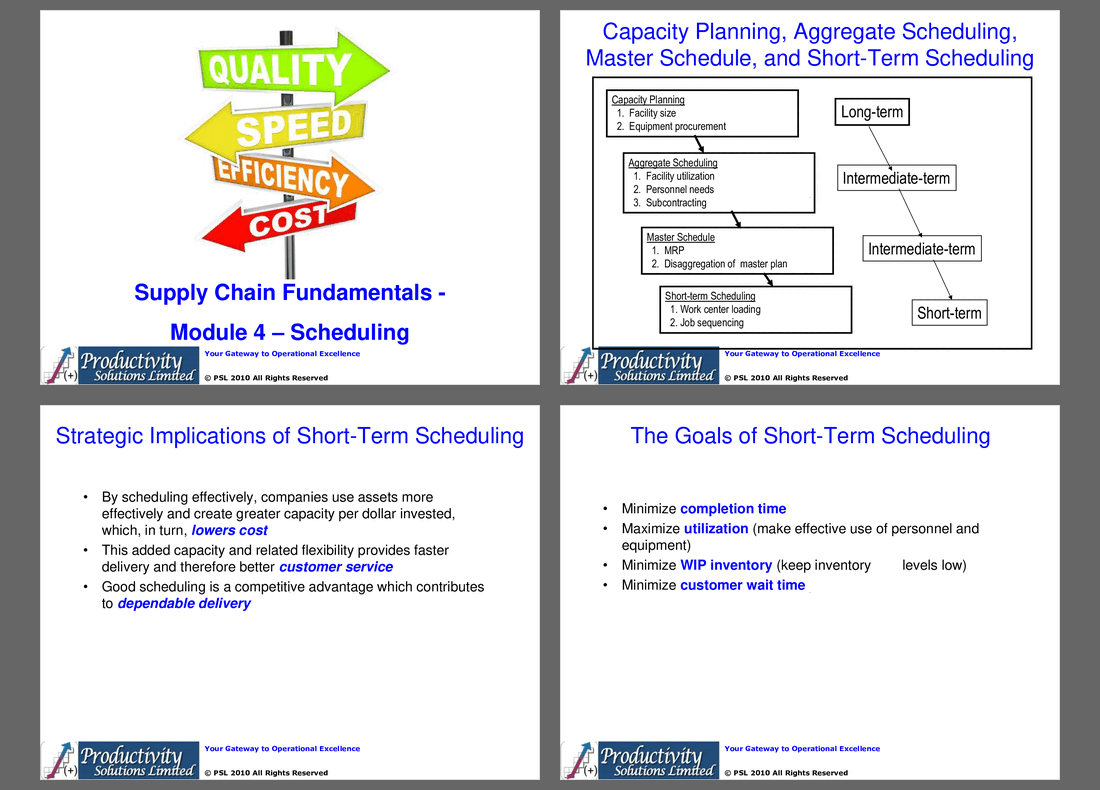
The 4th Module on Scheduling covers the following topics:
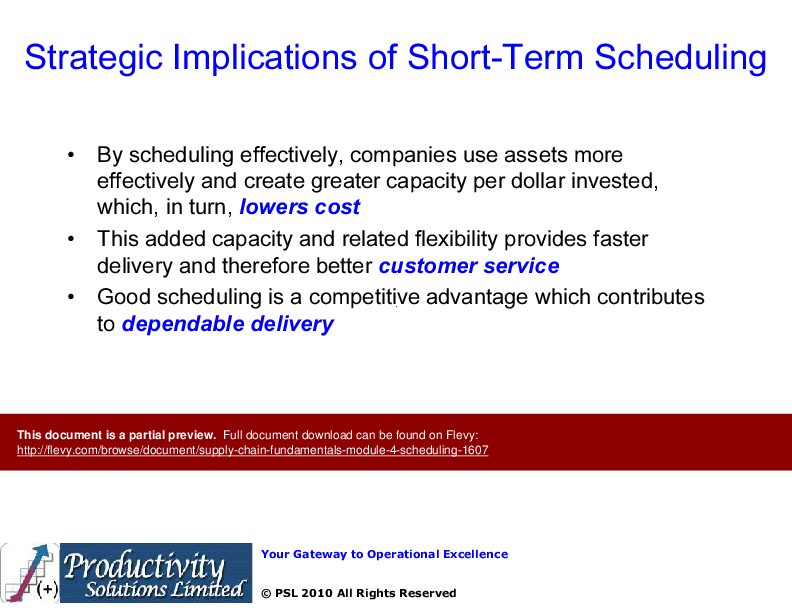
Scheduling Implications
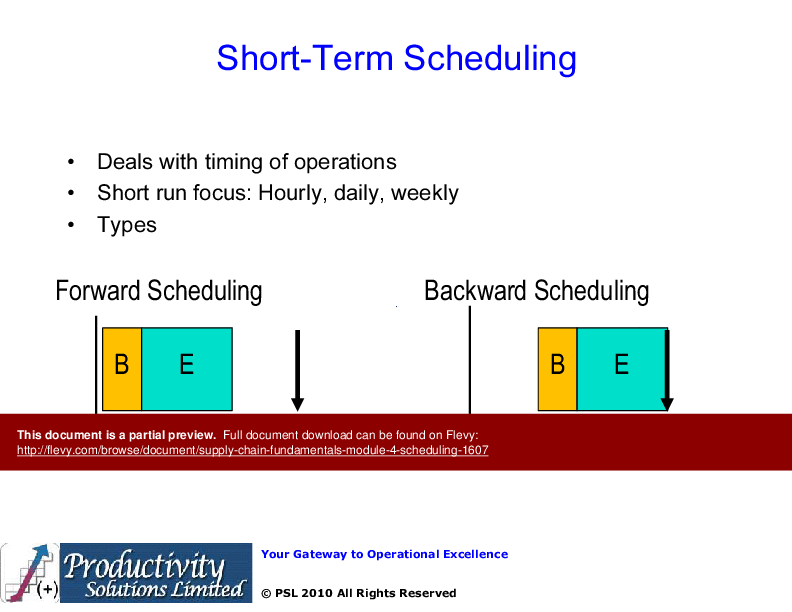
Forward and Backward Scheduling
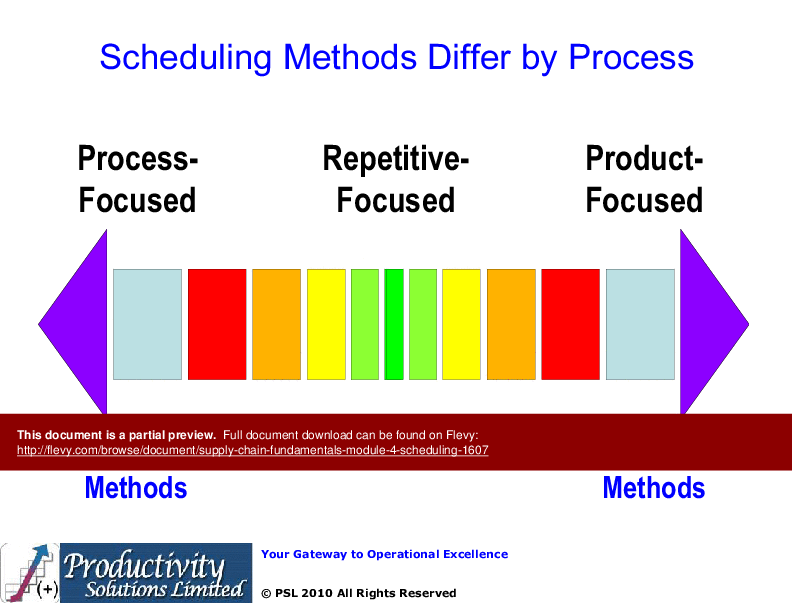
Scheduling Methods
Types of Planning Files
Item Master File
Routing File
Work Centre Master File
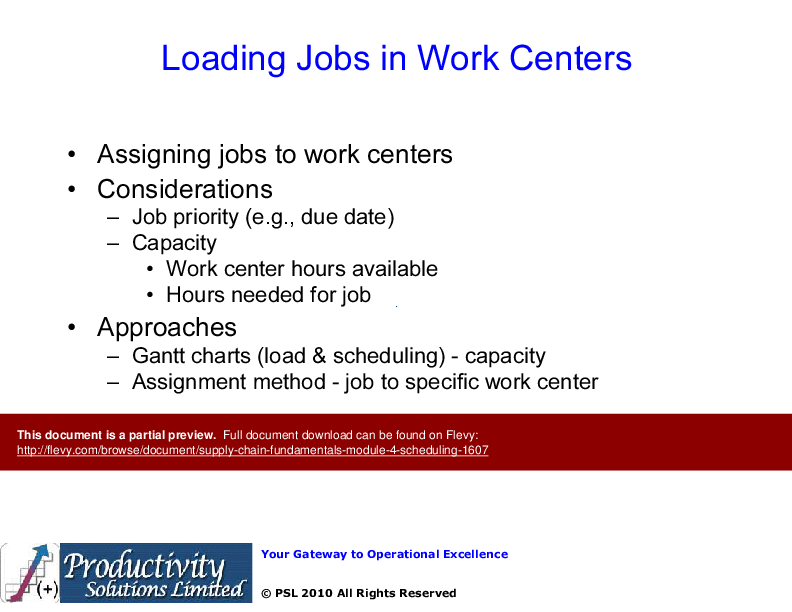
Loading Jobs in Work Centres
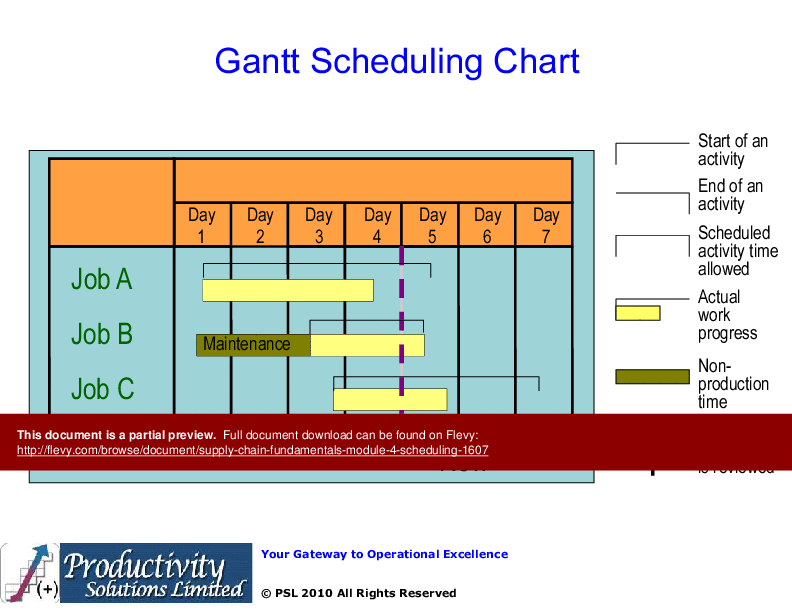
Gantt Charts
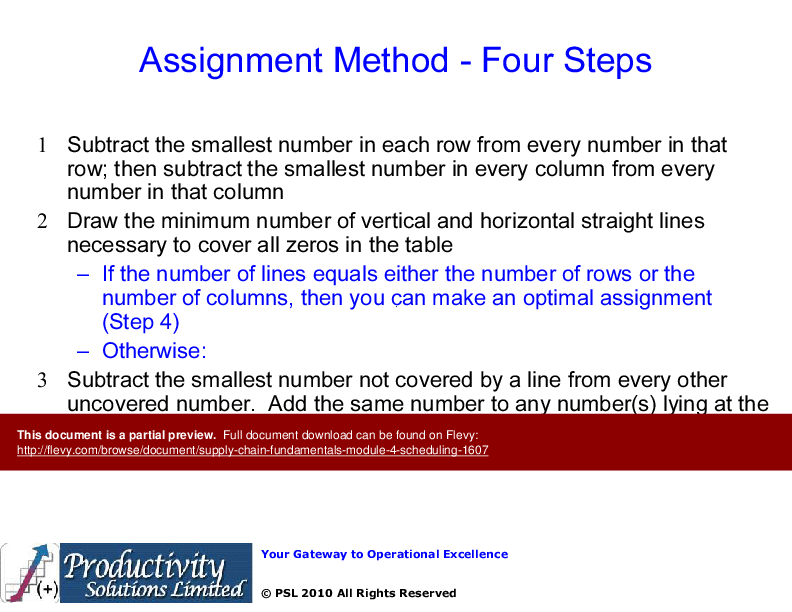
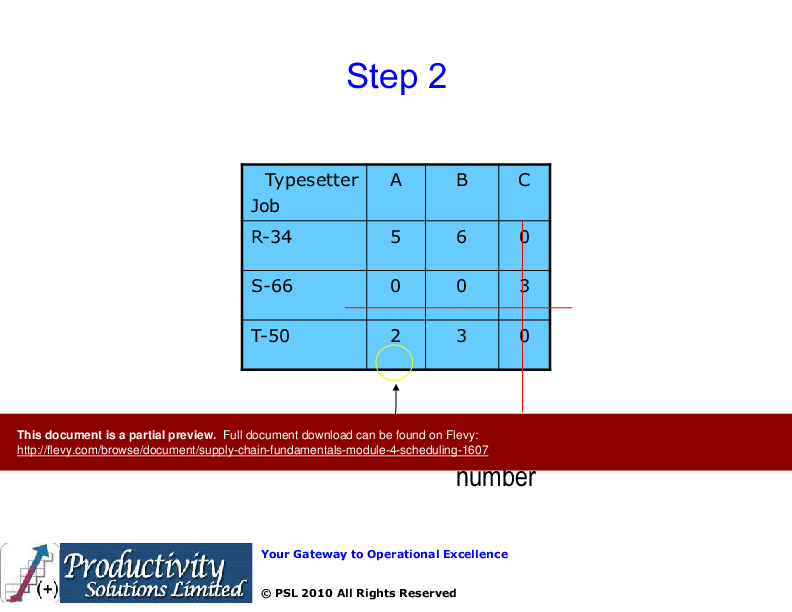
Assignment Methods
Sequencing
Buy all the 5 modules as a bundle and receive 25% discount!
Got a question about the product? Email us at support@flevy.com or ask the author directly by using the "Ask the Author a Question" form. If you cannot view the preview above this document description, go here to view the large preview instead.
PRESENTATION DEEP DIVE ANALYSIS
This deep-dive analysis was generated from the full 43-slide PowerPoint presentation.
Source: Best Practices in Scheduling PowerPoint Slides: Supply Chain Fundamentals Module 4 - Scheduling PowerPoint (PPTX) Presentation Slide Deck, OpEx Academy NZ
ABOUT THE AUTHOR

Vishnu Rayapeddi is an experienced management consultant and trainer specializing in implementing continuous process improvements. Vishnu is a pioneer in Lean Management which combines the power of Lean Thinking, TOC, Six Sigma, TQM, TWI, Balanced Scorecard, cGMP and other best-class methodologies such as, DMAIC, Value Stream Mapping, Root Cause Analysis, 5S, Quick Changeovers, Quality and ... [read more]
Ask the Author a Question
You must be logged in to contact the author.




























