
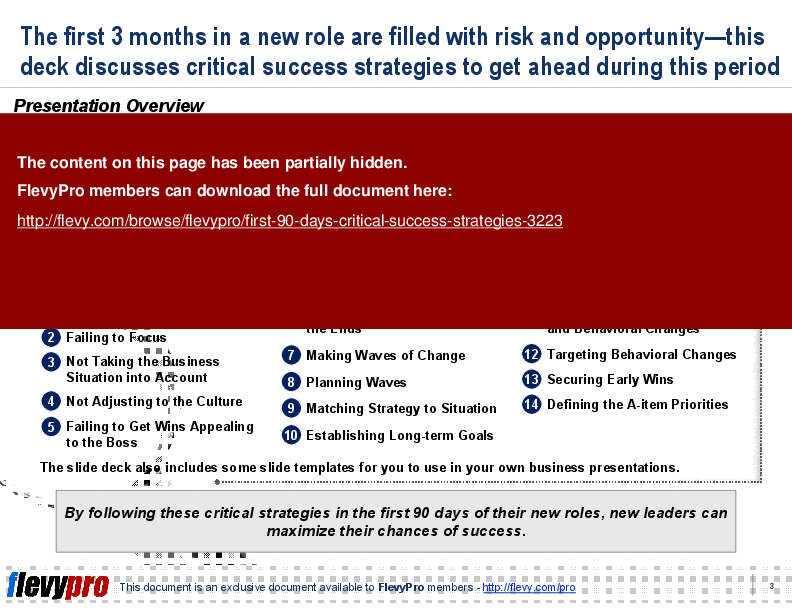

Leaders are often appointed into new positions to transform their organizations. But there isn't much guidance available on how to manage transitions effectively particularly if the incumbent is new to the organization. A "sink or swim" managerial culture is often prevalent in most companies. Transitions are treated as testing grounds for the new leaders.
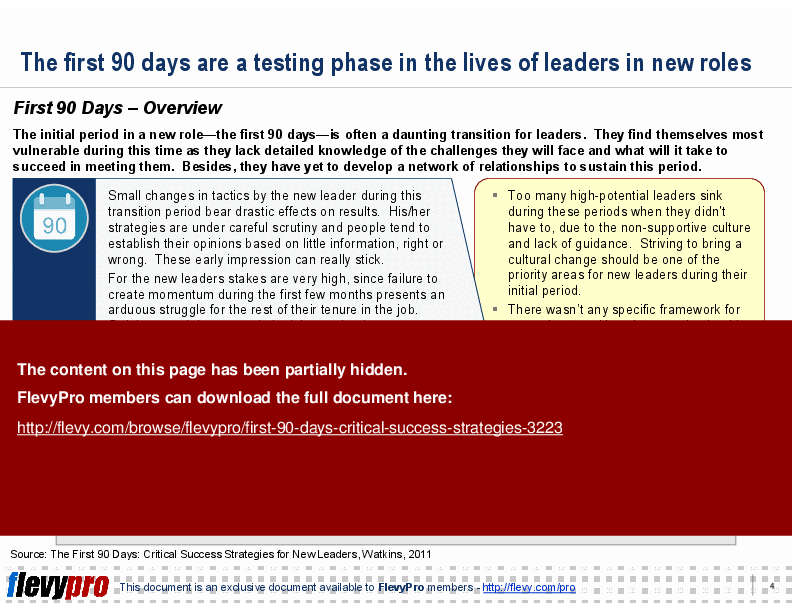
Too many high-potential leaders sink during these periods when they didn't have to, due to the non-supportive culture and lack of guidance. There wasn't any specific methodology or framework available for managing transitions into new leadership roles because of the different types of transition situations involved.
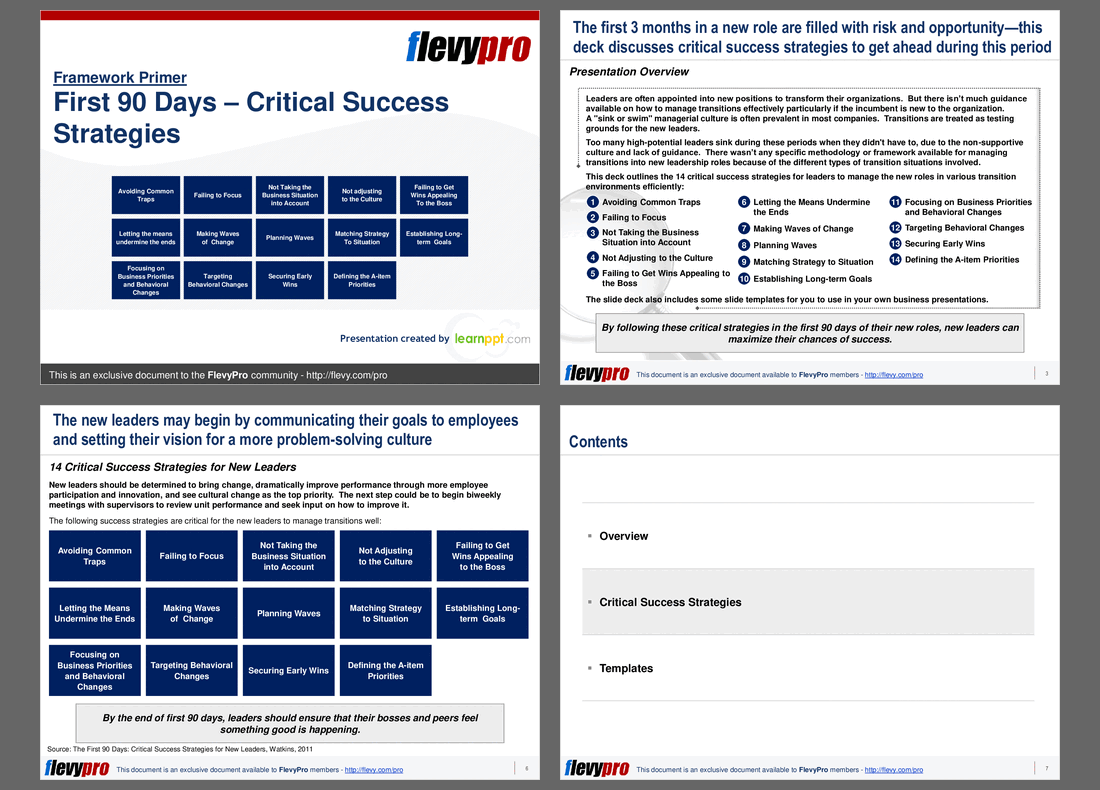
This deck outlines the 14 critical success strategies for leaders to manage the new roles in various transition environments efficiently. By following these critical strategies in the first 90 days of their new roles, new leaders can maximize their chances of success. These success strategies are:
1. Avoiding Common Traps
2. Failing to Focus
3. Not Taking the Business Situation into Account
4. Not Adjusting to the Culture
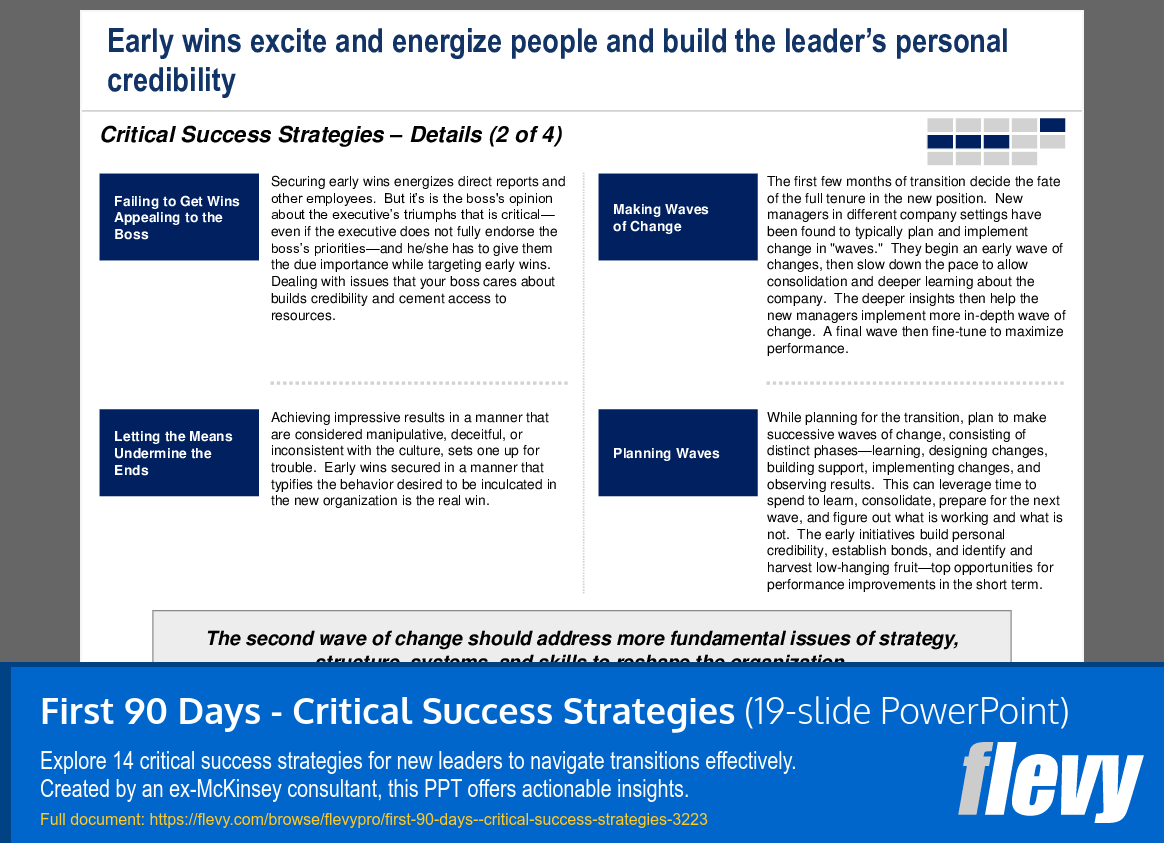
5. Failing to Get Wins Appealing to the Boss
6. Letting the Means Undermine the Ends
7. Making Waves of Change
8. Planning Waves
9. Matching Strategy to Situation
10. Establishing Long-term Goals
11. Focusing on Business Priorities and Behavioral Changes
12. Targeting Behavioral Changes
13. Securing Early Wins
14. Defining the A-item Priorities
The slide deck also includes some slide templates for you to use in your own business presentations.
This presentation also delves into six fundamental leadership principles tailored to help new leaders navigate diverse situations effectively. Emphasizing the importance of establishing key priorities and creating supporting alliances, the deck provides actionable insights to build a robust leadership foundation. Leaders are guided on how to leverage early wins to energize their teams and expand the scope of subsequent actions. The PPT also highlights the significance of adapting strategies to specific business contexts, ensuring that new leaders can tailor their approach to maximize impact.
Got a question about this document? Email us at flevypro@flevy.com.
Executive Summary
The "First 90 Days - Critical Success Strategies" presentation is a vital resource for new leaders navigating their initial transition into leadership roles. This deck outlines 14 critical success strategies designed to help leaders maximize their effectiveness during the first 3 months in a new position. Developed by an ex-McKinsey consultant, it provides actionable insights and frameworks to avoid common pitfalls, secure early wins, and align strategies with organizational culture. By leveraging these strategies, leaders can establish credibility, build relationships, and set the stage for long-term success.
Who This Is For and When to Use
• New executives transitioning into leadership roles
• Integration leaders managing organizational change
• Consultants advising clients on leadership transitions
• HR professionals supporting leadership development
Best-fit moments to use this deck:
• During onboarding processes for new leaders
• In leadership training programs focused on transition management
• When developing strategic plans for organizational change initiatives
• For coaching sessions aimed at enhancing leadership effectiveness
Learning Objectives
• Define critical success strategies for effective leadership transitions
• Identify common traps that new leaders encounter
• Develop a plan to secure early wins and build credibility
• Align strategies with organizational culture and business priorities
• Establish long-term goals that reflect desired outcomes
• Create a framework for ongoing behavioral change within teams
Table of Contents
• Overview (page 3)
• Critical Success Strategies (page 3)
• Templates (page 3)
Primary Topics Covered
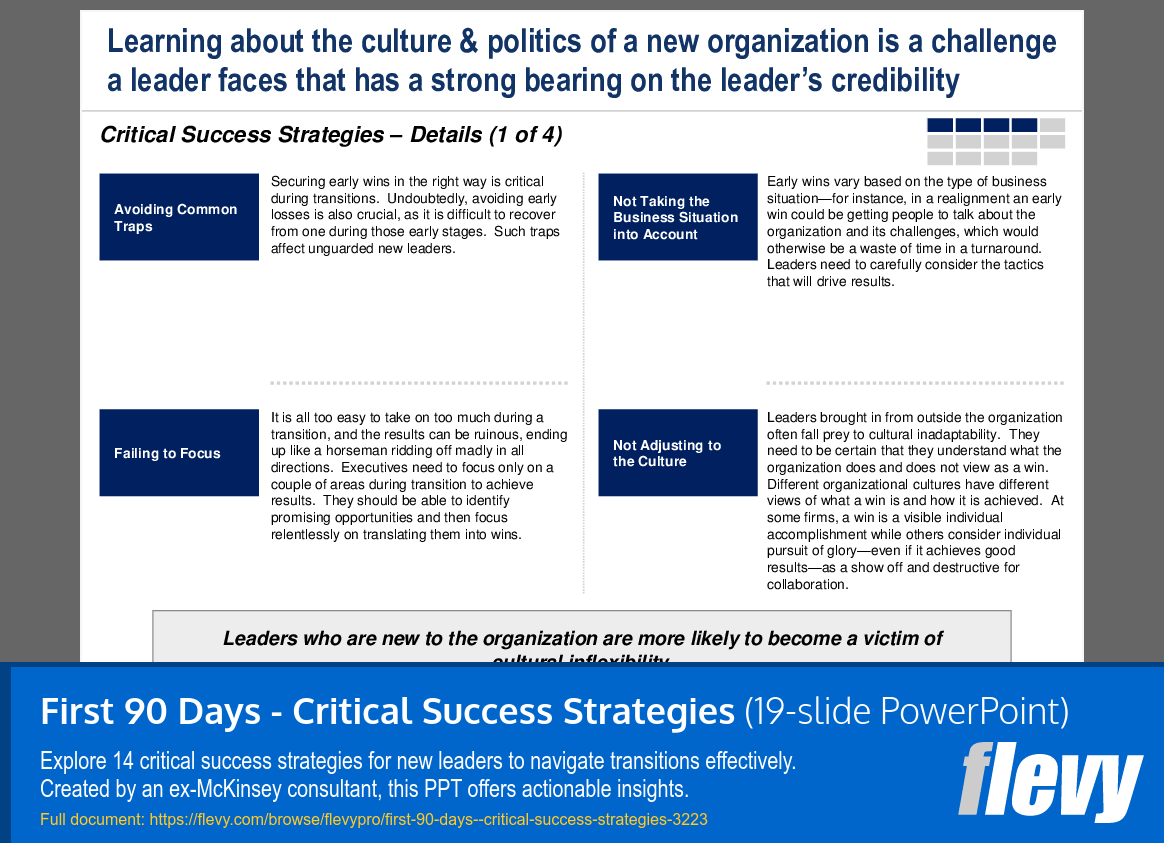
• Avoiding Common Traps - Strategies to prevent new leaders from falling into pitfalls that can jeopardize their success.
• Failing to Focus - The importance of concentrating on key priorities rather than spreading efforts too thin.
• Not Taking the Business Situation into Account - Tailoring approaches based on the specific challenges of the organization.
• Not Adjusting to the Culture - Understanding and adapting to the existing organizational culture to foster acceptance.
• Securing Early Wins - Techniques for achieving quick successes to build momentum and credibility.
• Defining the A-item Priorities - Identifying and focusing on the most critical objectives that drive performance.
• Making Waves of Change - Implementing changes in phases to allow for consolidation and learning.
• Establishing Long-term Goals - Setting ambitious yet flexible goals that guide the leader's tenure.
Deliverables, Templates, and Tools
• Framework for identifying A-item priorities
• Checklist for avoiding common traps during transitions
• Template for planning waves of change
• Guide for securing early wins and building credibility
• Strategy map for aligning goals with organizational culture
• Communication plan template for engaging stakeholders
Slide Highlights
• Overview of the 14 critical success strategies for new leaders
• Visual representation of the STARS framework for transition management
• Key principles for effective leadership transitions
• Case studies illustrating successful application of strategies
• Templates for practical implementation of strategies
Potential Workshop Agenda
Introduction to Leadership Transitions (30 minutes)
• Overview of the challenges faced by new leaders
• Discussion on the importance of the first 90 days
Critical Success Strategies Overview (60 minutes)
• Review of the 14 strategies
• Group discussion on personal experiences and insights
Action Planning Session (90 minutes)
• Identify personal A-item priorities
• Develop a plan for securing early wins
Wrap-Up and Q&A (30 minutes)
• Address participant questions
• Discuss next steps and resources available
Customization Guidance
• Tailor the A-item priorities to reflect specific organizational goals
• Adjust the communication plan to align with stakeholder expectations
• Modify the wave planning template to fit the unique context of the organization
• Incorporate specific metrics for measuring success based on organizational standards
Secondary Topics Covered
• The impact of organizational culture on leadership effectiveness
• Strategies for building coalitions and alliances
• Techniques for fostering a collaborative work environment
• Insights on managing resistance to change
• Best practices for ongoing leadership development
Topic FAQ
Document FAQ
These are questions addressed within this presentation.
What are the critical success strategies for new leaders?
The critical success strategies include avoiding common traps, securing early wins, and aligning strategies with organizational culture, among others.
How can new leaders secure early wins?
New leaders can secure early wins by identifying quick, impactful actions that resonate with their teams and align with organizational goals.
What is the STARS framework?
The STARS framework categorizes transition situations into Start-up, Turnaround, Realignment, and Sustaining Success, guiding leaders in tailoring their strategies.
Why is focusing on business priorities important?
Focusing on business priorities ensures that leaders direct their efforts toward the most impactful areas, facilitating quicker results and establishing credibility.
How can leaders adapt to organizational culture?
Leaders can adapt by observing existing practices, engaging with team members, and aligning their actions with the values and norms of the organization.
What are A-item priorities?
A-item priorities are the most critical objectives that leaders must focus on to drive performance and achieve desired outcomes during their tenure.
How should leaders plan for waves of change?
Leaders should plan for waves of change by breaking down initiatives into phases, allowing for learning and consolidation before implementing further changes.
What role does communication play in leadership transitions?
Effective communication is vital for engaging stakeholders, building trust, and ensuring alignment with organizational goals during transitions.
Glossary
• A-item Priorities - The most critical objectives for leaders to focus on during their tenure.
• STARS Framework - A model for categorizing transition situations to guide leadership strategies.
• Early Wins - Quick successes that help establish credibility and momentum for new leaders.
• Organizational Culture - The shared values, beliefs, and practices that shape how work is done within an organization.
• Behavioral Change - The process of altering patterns of behavior within teams to enhance performance.
• Waves of Change - A phased approach to implementing changes, allowing for learning and adjustment.
• Coalitions - Alliances formed to support initiatives and drive change within the organization.
• Transition Management - The process of guiding individuals and organizations through periods of change.
• Leadership Credibility - The trust and confidence that stakeholders have in a leader's abilities and intentions.
• Performance Improvement - Enhancements in efficiency, effectiveness, or outcomes within an organization.
• Stakeholders - Individuals or groups with an interest in the outcomes of a leader's actions and decisions.
• Change Resistance - The reluctance of individuals or groups to accept or implement changes within an organization.
• Collaboration - Working together across teams and functions to achieve common goals.
• Strategic Intent - A clear vision and plan for achieving desired outcomes within an organization.
• Learning Organization - An organization that actively promotes and facilitates learning among its members.
• Trust Building - The process of establishing confidence and reliability in relationships within the organization.
• Feedback Mechanisms - Systems for collecting input and insights from stakeholders to inform decision-making.
• Goal Alignment - Ensuring that individual and team objectives are consistent with organizational priorities.
• Cultural Adaptability - The ability of leaders to adjust their behaviors and strategies to fit the culture of their organization.
• Integration Leadership - The role of leaders in managing the integration of teams, processes, and cultures during transitions.
• Vision Communication - The process of articulating a clear and compelling vision to inspire and guide teams.
Source: Best Practices in Leadership PowerPoint Slides: First 90 Days - Critical Success Strategies PowerPoint (PPT) Presentation Slide Deck, LearnPPT Consulting
Did you need more documents?
Consider a FlevyPro subscription from $39/month. View plans here.
For $10.00 more, you can download this document plus 2 more FlevyPro documents. That's just $13 each.
|
Download our FREE Organization, Change, & Culture, Templates
Download our free compilation of 50+ slides and templates on Organizational Design, Change Management, and Corporate Culture. Methodologies include ADKAR, Burke-Litwin Change Model, McKinsey 7-S, Competing Values Framework, etc. |










