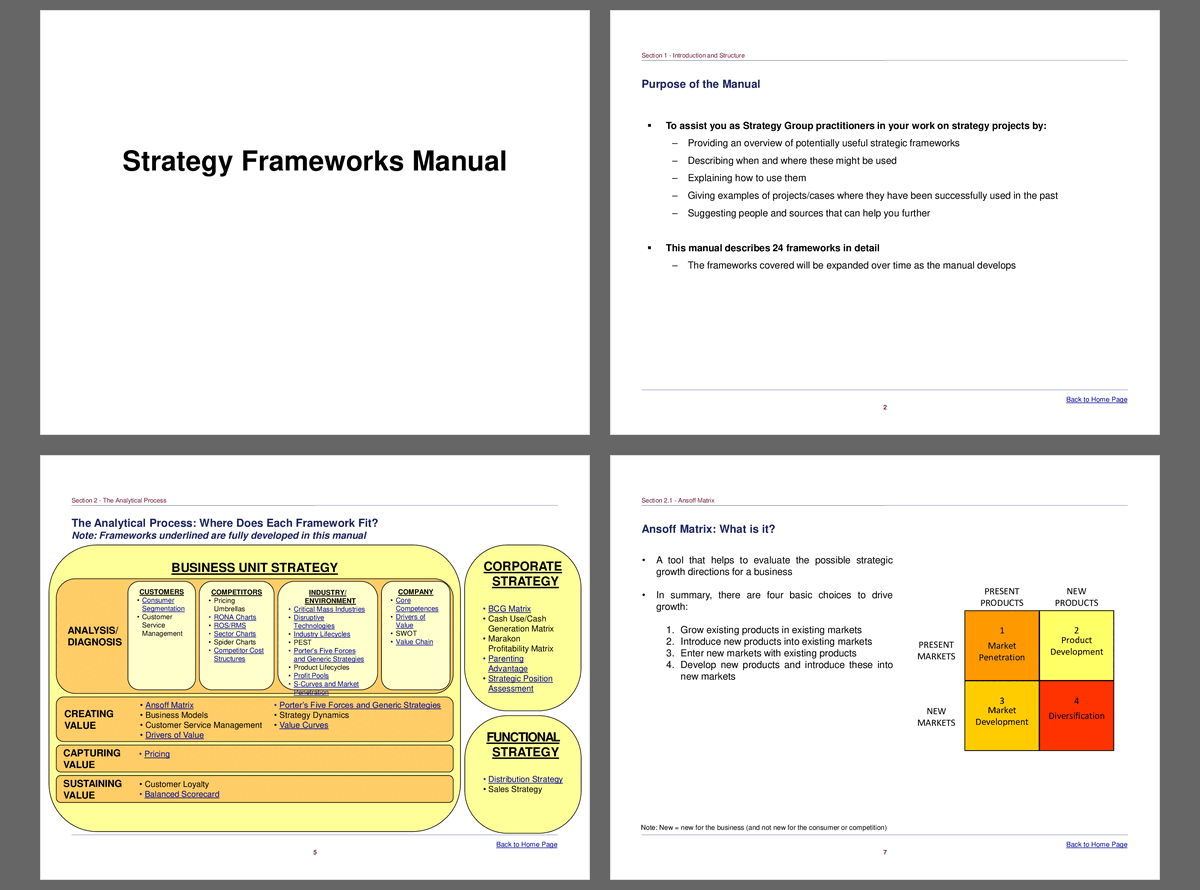



Explore this Strategy Frameworks Manual, crafted by industry experts, featuring essential frameworks, tools, and methodologies for effective strategic analysis and implementation. Strategy Frameworks Manual is a 159-slide PPT PowerPoint presentation slide deck (PPT) available for immediate download upon purchase.
This manual was developed to assist you as Strategy Group practitioners in your work on strategy projects by:
• Providing an overview of potentially useful strategic frameworks
• Describing when and where these might be used
• Explaining how to use them
• Giving examples of projects/cases where they have been successfully used in the past
• Suggesting people and sources that can help you further
This manual is structured to guide you through the strategy making process in a flexible way:
• Section 2: Analytical Process sets out a number of frameworks which can potentially be used to assist you in your strategic analysis and design. This section includes frameworks for use in the development of: Business Unit Strategy, Corporate Strategy and Functional Strategy
• Section 3: Project Process sets out a number of frameworks which can potentially be used to help you manage each stage of the strategy process. This section splits the project process into four key stages: Hypothesis Generation, Option Generation, Option Selection, Implementation
• Section 4: Other Useful Tools will in time grow to include other helpful information and tools to assist you on strategy projects/DDs. At this stage, we have included a section on Least Squares CAGRs
This manual also delves into the intricacies of various strategic tools like the Ansoff Matrix, Balanced Scorecard, and BCG Matrix, offering clear guidance on their application and relevance. You'll find detailed instructions on constructing and interpreting charts such as the RONA and Profit Pools, essential for financial analysis. The document covers critical mass industries and disruptive technologies, providing strategies to navigate these complex areas. With sections on distribution strategy and value chains, it ensures a comprehensive understanding of market dynamics. This manual is a robust resource for anyone looking to refine their strategic approach and drive business success.
Got a question about the product? Email us at support@flevy.com or ask the author directly by using the "Ask the Author a Question" form. If you cannot view the preview above this document description, go here to view the large preview instead.
MARCUS OVERVIEW
This synopsis was written by Marcus [?] based on the analysis of the full 159-slide presentation.
Executive Summary
The Strategy Frameworks Manual is a meticulously crafted resource designed to enhance strategic analysis and implementation, embodying the quality and rigor associated with McKinsey, Bain, or BCG-quality consulting frameworks (not affiliated). This manual serves as a comprehensive guide for corporate executives, integration leaders, and consultants, providing essential frameworks, tools, and methodologies that facilitate effective strategic decision-making. Users will gain the ability to navigate complex strategic landscapes, assess competitive environments, and implement actionable strategies tailored to their organizational needs.
Who This Is For and When to Use
• Corporate strategists and executives seeking to refine their strategic planning processes.
• Integration leaders managing mergers, acquisitions, or business transformations.
• Consultants providing strategic advisory services to clients across various industries.
• Project managers overseeing strategic initiatives requiring structured frameworks.
Best-fit moments to use this deck:
• During strategic planning sessions to identify and evaluate potential growth opportunities.
• When conducting market analysis and competitive assessments to inform decision-making.
• In workshops aimed at aligning teams around strategic objectives and methodologies.
Learning Objectives
• Define and apply key strategic frameworks to enhance decision-making processes.
• Analyze competitive landscapes using tools like the BCG Matrix and Ansoff Matrix.
• Develop actionable strategies based on insights from value chain analysis.
• Implement effective project management methodologies to drive strategic initiatives.
• Assess organizational capabilities and identify areas for improvement using the Balanced Scorecard.
• Utilize market definition frameworks to explore new business opportunities.
Table of Contents
• Introduction and Structure (page 1)
• The Analytical Process (page 4)
• Ansoff Matrix (page 6)
• BCG Matrix (page 16)
• Competitor Cost Structures (page 23)
• Consumer Segmentation (page 29)
• Core Competencies (page 33)
• Critical Mass Industries (page 37)
• Disruptive Technologies (page 44)
• Distribution Strategy (page 49)
• Drivers of Value/Profit Tree (page 67)
• Industry Lifecycle (page 73)
• Parenting Advantage (page 77)
• Porter’s Five Forces and Generic Strategies (page 82)
• Pricing Strategies (page 88)
• Profit Pools (page 96)
• RONA Charts (page 100)
• ROS/RMS Matrix (page 107)
• S-Curves and Market Penetration (page 113)
• Sector Charts (page 118)
• Strategic Positioning Assessment (McKinsey/GE Matrix) (page 123)
• Value Chains (page 129)
• Value Curves (page 136)
• The Project Process (page 141)
• Market Definition Dartboard (page 143)
• Retail Store Turnaround Strategy (page 147)
• Other Useful Tools (page 151)
• Least Squares CAGR (page 152)
Primary Topics Covered
• Ansoff Matrix - A strategic tool for evaluating growth options through existing and new products and markets.
• BCG Matrix - A framework for assessing business unit performance based on market growth and relative market share.
• Competitor Cost Structures - An analysis method to understand operational efficiencies and cost management among competitors.
• Consumer Segmentation - A technique for categorizing consumers based on behavior and attitudes to tailor marketing strategies.
• Core Competencies - Identification of unique strengths that provide competitive advantages in the marketplace.
• Disruptive Technologies - Insights into how emerging technologies can redefine market dynamics and competitive landscapes.
Deliverables, Templates, and Tools
• Ansoff Matrix template for strategic growth planning.
• BCG Matrix framework for portfolio analysis and resource allocation.
• Competitor cost structure analysis template for benchmarking.
• Consumer segmentation models for targeted marketing strategies.
• Core competencies assessment framework for strategic alignment.
• Value chain analysis tool for identifying operational efficiencies.
Slide Highlights
• Visual representation of the BCG Matrix illustrating business unit positioning.
• Ansoff Matrix slide detailing growth strategies with practical examples.
• Competitor cost structure charts highlighting operational efficiencies.
• Value chain diagrams showcasing key activities that add value.
• RONA charts comparing financial performance across competitors.
Potential Workshop Agenda
Strategic Frameworks Overview (60 minutes)
• Introduce key strategic frameworks and their applications.
• Discuss the importance of aligning strategy with organizational goals.
Hands-on Application Session (90 minutes)
• Breakout groups to analyze case studies using the BCG and Ansoff matrices.
• Present findings and strategic recommendations to the larger group.
Value Chain Analysis Workshop (60 minutes)
• Guide participants through value chain mapping for their organizations.
• Identify areas for improvement and competitive advantage.
Customization Guidance
• Tailor the frameworks to specific industry contexts and organizational needs.
• Adjust terminology and metrics to align with internal reporting standards.
• Incorporate company-specific case studies to enhance relevance and engagement.
Secondary Topics Covered
• Market Definition Dartboard for exploring business opportunities.
• Retail Store Turnaround Strategy for operational improvements.
• Pricing Strategies for optimizing revenue generation.
• Profit Pools analysis for understanding industry profitability dynamics.
FAQ What is the purpose of the Strategy Frameworks Manual?
The manual provides structured frameworks and methodologies to assist in strategic analysis and decision-making for corporate executives and consultants.
How can I apply the BCG Matrix in my organization?
Use the BCG Matrix to assess the performance of different business units based on their market growth and relative market share, guiding resource allocation decisions.
What is the significance of the Ansoff Matrix?
The Ansoff Matrix helps organizations evaluate potential growth strategies by analyzing existing and new products in current and new markets.
How does the RONA chart assist in competitor analysis?
RONA charts provide insights into how effectively competitors manage their assets and profitability, allowing for benchmarking against industry standards.
What are core competencies, and why are they important?
Core competencies are unique strengths that enable a firm to achieve competitive advantages, guiding strategic decisions and resource allocation.
How can I implement the Balanced Scorecard in my organization?
The Balanced Scorecard can be implemented by defining strategic objectives across financial, customer, internal processes, and learning perspectives, aligning them with performance measures.
What is the role of disruptive technologies in strategic planning?
Disruptive technologies can redefine markets and competitive landscapes, necessitating proactive strategies to adapt and leverage emerging trends.
How can I use the Value Chain analysis for operational improvement?
Value Chain analysis allows organizations to identify key activities that add value, assess operational efficiencies, and pinpoint areas for cost reduction and improvement.
Glossary
• Ansoff Matrix - A strategic tool for evaluating growth options.
• BCG Matrix - A framework for assessing business unit performance.
• Core Competencies - Unique strengths that provide competitive advantages.
• RONA - Return on net assets, a measure of investment performance.
• Value Chain - A series of activities that add value to products or services.
• Disruptive Technologies - Innovations that redefine markets.
• Profit Pools - Areas within an industry where profits are concentrated.
• Consumer Segmentation - Categorizing consumers based on behavior.
• Balanced Scorecard - A strategic planning tool for performance measurement.
• Pricing Strategies - Approaches to setting product prices.
• Market Definition Dartboard - A tool for exploring market opportunities.
• ROS/RMS Matrix - A matrix plotting return on sales against relative market share.
• S-Curves - Graphical representations of market penetration over time.
• Sector Charts - Visual tools for assessing competitive dynamics in a market.
• Strategic Positioning Assessment - A framework for evaluating business units.
• Drivers of Value - Factors influencing profitability and performance.
• Critical Mass Industries - Industries where network effects enhance value.
• Distribution Strategy - The method of delivering products to customers.
• Retail Store Turnaround Strategy - A model for improving retail performance.
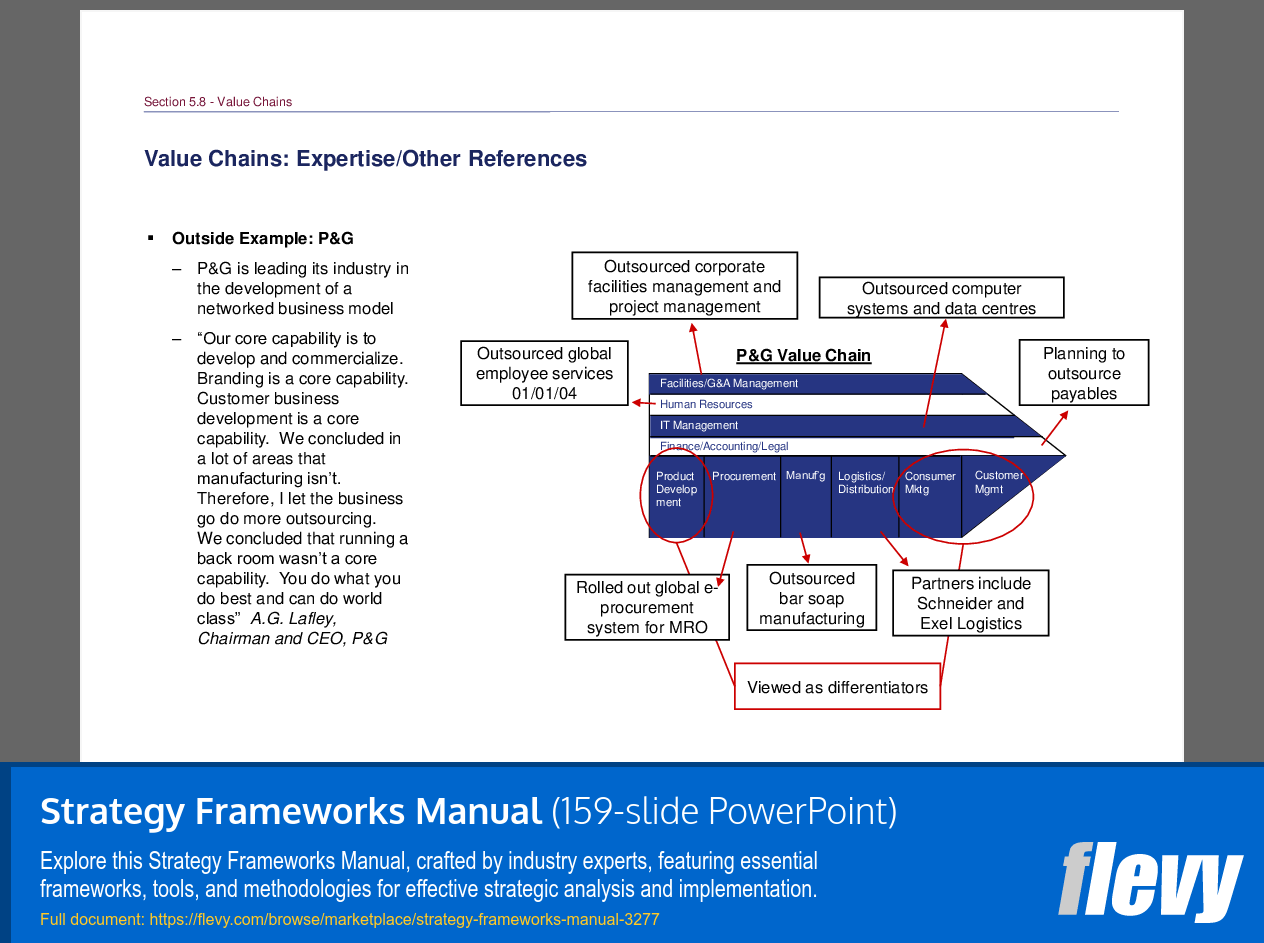
This PPT slide analyzes Procter & Gamble's (P&G) value chain, showcasing its leadership in adopting a networked business model. P&G emphasizes core capabilities in product development and commercialization while outsourcing non-core functions to focus on branding and customer business development. The value chain diagram includes functions such as product development, procurement, manufacturing, logistics, and customer marketing, linked to outsourced services like global employee services and IT management. P&G's implementation of an e-procurement system for maintenance, repair, and operations (MRO) enhances efficiency in procurement processes. Partnerships with Schneider and Exel Logistics differentiate P&G's operational strategy, while plans to outsource payables reflect a commitment to streamline operations and enhance strategic focus. This serves as a practical example for organizations aiming to optimize value chains through outsourcing and strategic partnerships.
This PPT slide analyzes the ROS/RMS (Return on Sales/Return on Market Share) matrix, highlighting how business size and experience affect profitability across industries. In asset-rich sectors requiring significant machinery investments, scale enhances financial performance by spreading high fixed costs over a larger customer base. Companies selling commodities or mass-market products, like grocery stores, leverage scale to negotiate lower prices, gaining a competitive edge. Conversely, businesses focusing on differentiated, luxury, or niche products are less dependent on size for profitability, thriving on unique offerings that attract specific customer segments and maintain higher margins. The visual representation illustrates scenarios where scale drives profitability versus where it does not, providing executives with a framework for evaluating strategic positioning within their industries.
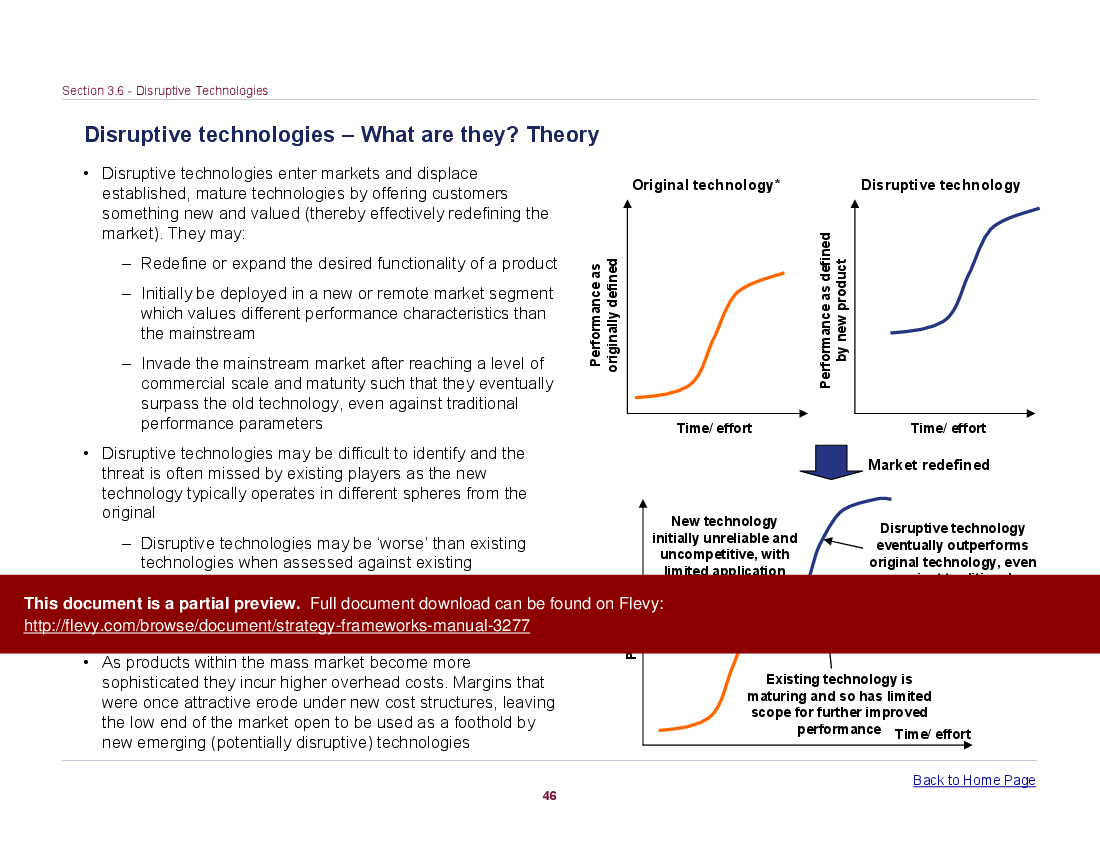
This PPT slide illustrates disruptive technologies using the disk drive market as an example. It details the evolution of disk drives, focusing on performance parameters like capacity and speed. Initially, traditional drives see rapid performance improvements,, but this growth plateaus as technology matures. As consumer demand shifts towards cheaper, lighter drives, a secondary niche market emerges, where these drives initially underperform against traditional metrics. Over time, their capacity and speed improve significantly due to increased production volumes and learning effects. Eventually, these lighter drives surpass traditional technology in performance, leading to the displacement of incumbents who underestimate the threat of these disruptive innovations. This pattern has recurred in the disk drive sector, highlighting the need for vigilance and adaptability in response to technological advancements.
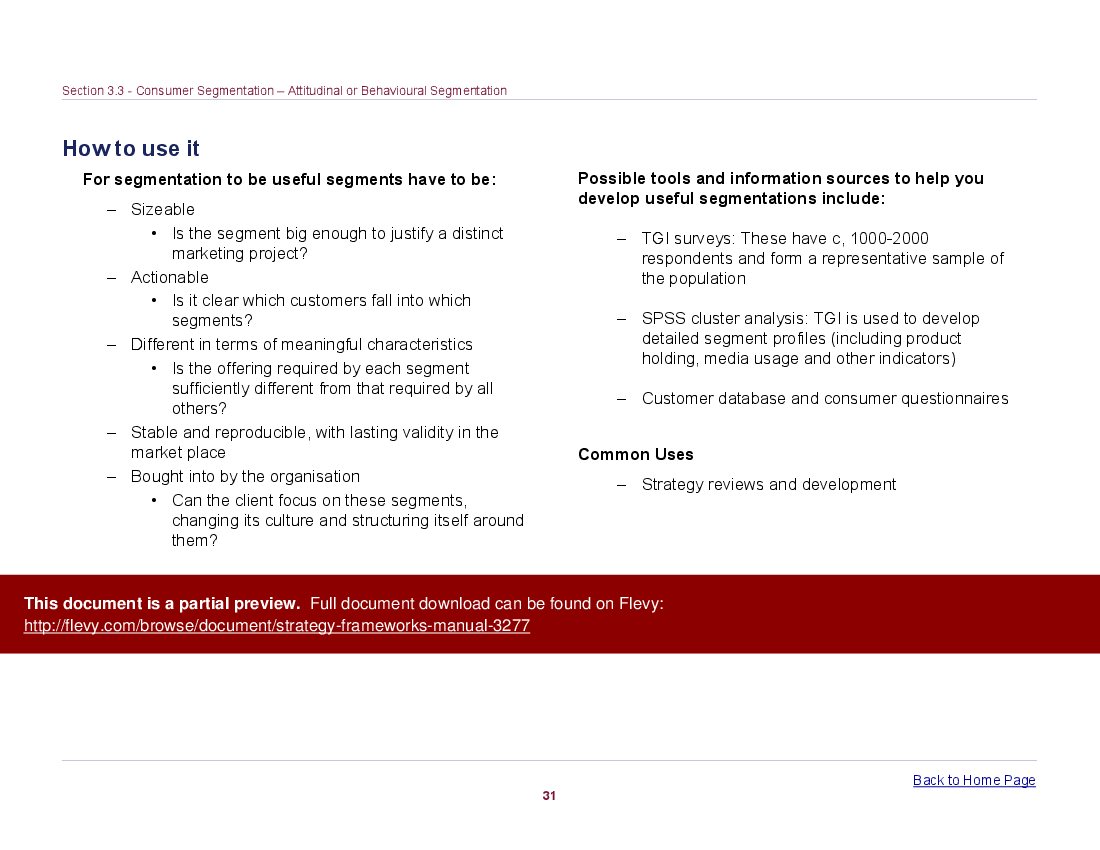
This PPT slide focuses on attitudinal and behavioral segmentation in financial services, emphasizing its role in tailoring product characteristics and marketing strategies to distinct consumer groups. Traditional demographic methods are limited, failing to capture consumer behavior and motivations. Attitudinal segmentation categorizes consumers based on their attitudes towards products, both pre- and post-purchase, allowing companies to analyze segments against behavioral parameters. This enables assessment of segment attractiveness based on profitability, market size trends, and targeting ease. Four consumer segments are defined: "Pressured Providers," "Confident Investors," "Traditionalists," and "Free Thinkers," each characterized by product interest and buying expertise. For instance, "Pressured Providers" require advisory marketing due to their time constraints. This framework enhances targeting and marketing strategy effectiveness, improving engagement and conversion rates.
This PPT slide presents a balanced scorecard framework for a semiconductor company, focusing on 4 key perspectives: Financial, Customer, Learning & Innovation, and Internal Business. The Financial Perspective emphasizes metrics like cash flow, quarterly sales growth by division, and market share to ensure financial health for sustainable growth. The Customer Perspective highlights the importance of new products and responsive supply chains, using metrics such as sales from new products and on-time delivery. The Learning & Innovation Perspective targets technology leadership, measuring time to develop new products and sales from innovations. The Internal Business Perspective stresses operational efficiency, with metrics like internal capability versus competition and cycle time, indicating a need for process improvement and enhanced information systems.
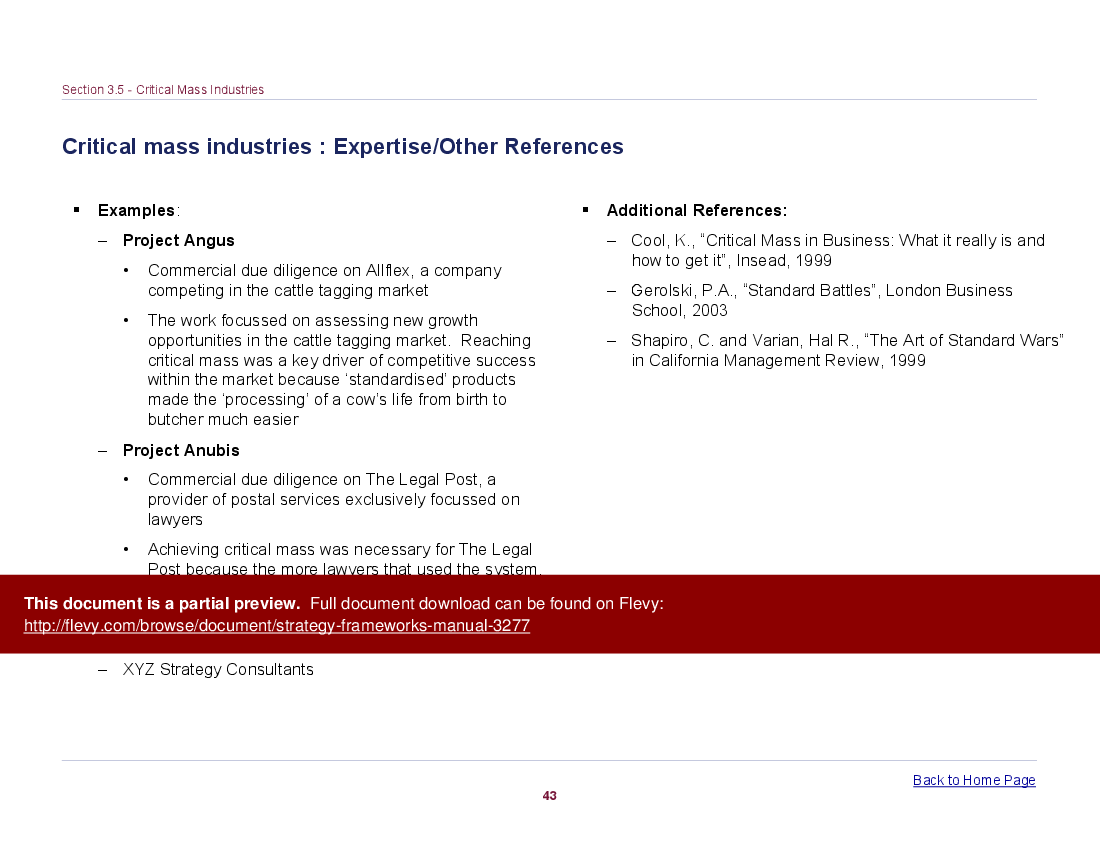
This PPT slide explores critical mass industries, focusing on the interaction between actual and perceived market penetration. It illustrates a curve plotting actual penetration against perceived penetration, highlighting a tipping point that signifies the 'critical mass' threshold. Below this threshold, lower actual penetration than perceived can lead to customer disappointment, negative word-of-mouth, and reduced adoption rates. Conversely, exceeding perceived penetration fosters customer satisfaction and encourages recommendations. Key insights include the behavior of different customer segments, where early adopters may engage despite low penetration, while others wait for higher levels. The curve's shape indicates that small positioning differences can significantly impact product success or failure, with a risk of declining penetration until critical mass is achieved, after which rapid traction and self-reinforcing growth can occur. This framework aids in evaluating market opportunities and guiding product development decisions.
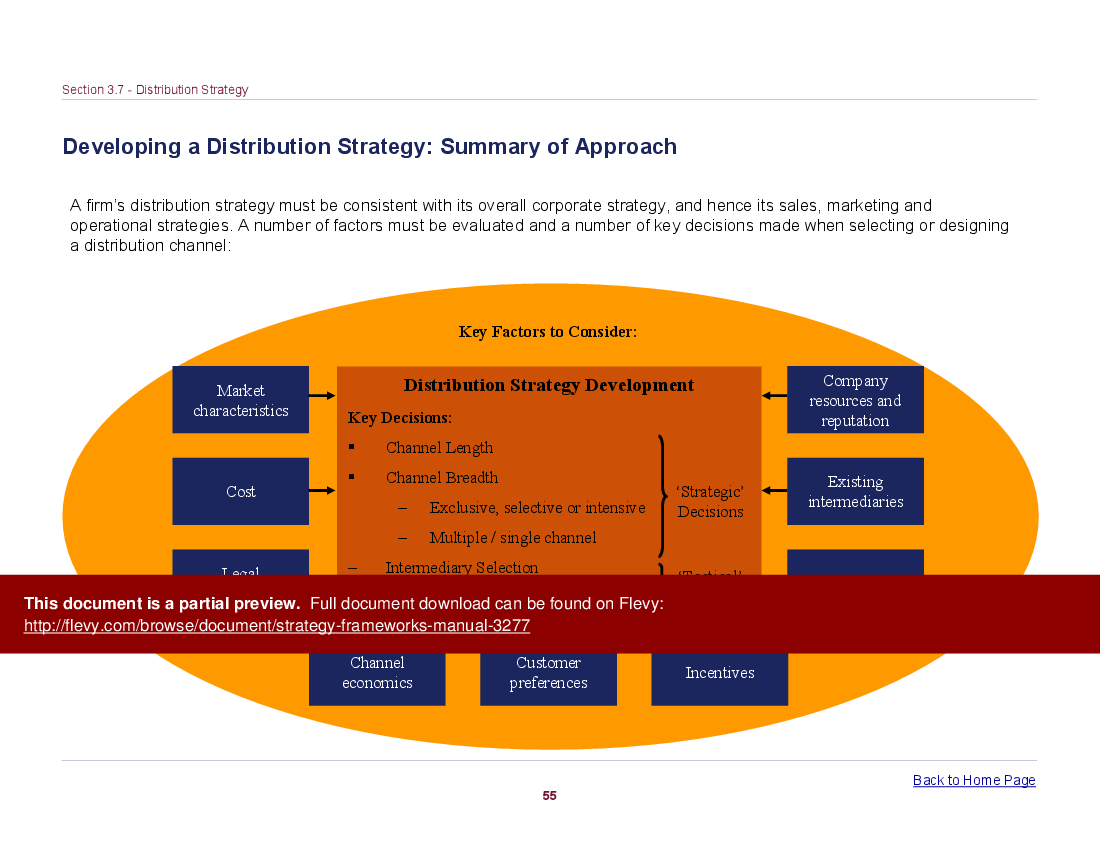
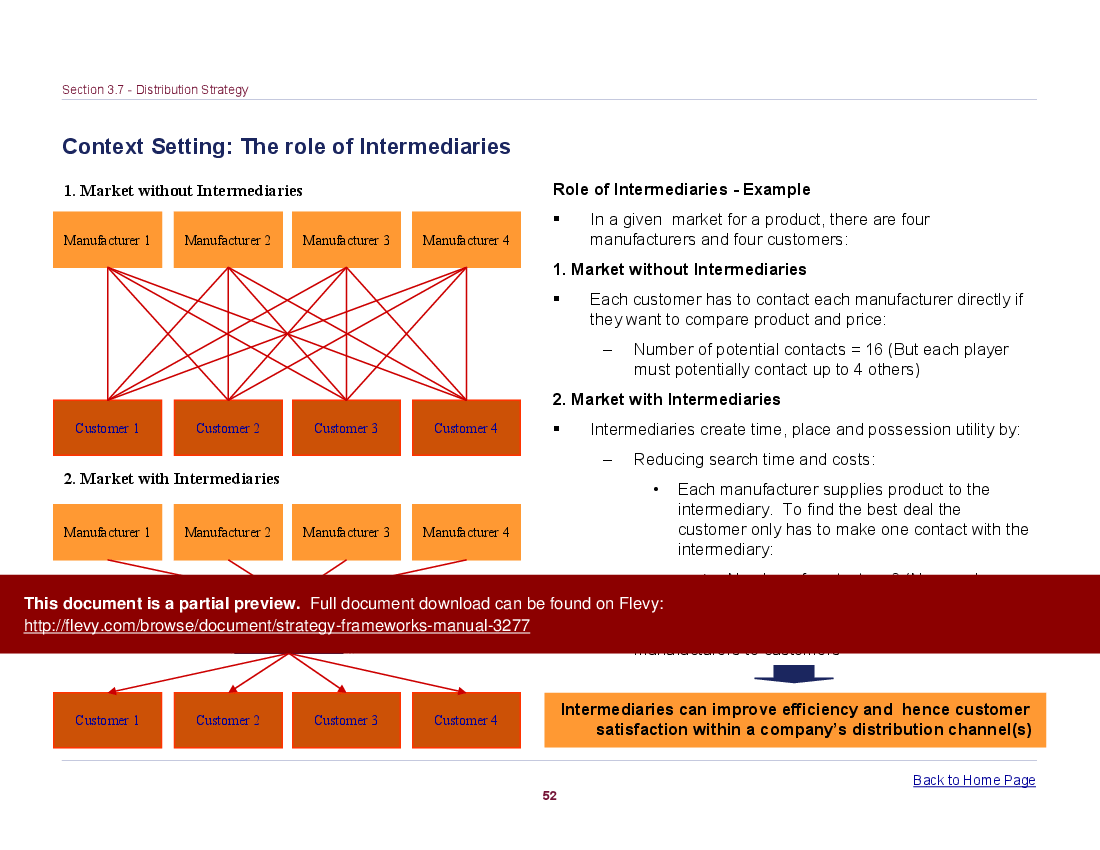
This PPT slide categorizes intermediaries in distribution strategy, illustrating their roles in the supply chain. Manufacturers initiate the process, connecting to sales offices for product distribution. Brokers and agents facilitate connections without taking ownership of goods, while merchant wholesalers take title to merchandise, engaging in selling, storing, and delivering products. Retailers serve as the final intermediary before reaching consumers, also not taking ownership, but facilitating transactions. A key insight is that shorter distribution channels provide manufacturers greater control over marketing processes, guiding strategic decisions on intermediary selection and distribution channel design. Understanding these dynamics optimizes distribution strategies and enhances market reach.
This PPT slide breaks down RONA (Return on Net Assets) into its components: Return on Sales, Net Asset Turnover, and PBIT (Profit Before Interest and Taxes). RONA is expressed as the product of Return on Sales and Net Asset Turnover. Net Asset Turnover measures how effectively a company converts capital into sales revenue, highlighting issues such as poor debtor management or overinvestment in assets that can hinder performance. The slide categorizes asset turnover into Sales/Working Capital and Sales/Fixed Assets, allowing for a detailed analysis of asset contributions. Metrics can include various constituents of the asset base, providing measurement flexibility. This framework aids executives in interpreting RONA charts to identify areas for improvement in asset utilization and operational efficiency.
This PPT slide categorizes analytical frameworks into Business Unit Strategy, Corporate Strategy, and Functional Strategy. The "Analysis/Diagnosis" section features frameworks like Consumer Segmentation and Customer Service Management for understanding customer dynamics, alongside competitor analysis tools such as Pricing Umbrellas and Competitor Cost Structures for market positioning. The "Creating Value" section highlights the Ansoff Matrix and Business Models for growth opportunities. "Capturing Value" focuses on Pricing strategies as key levers for profitability. The "Sustaining Value" section introduces Customer Loyalty and the Balanced Scorecard for long-term success. The Corporate Strategy section includes the BCG Matrix and SWOT analysis for assessing capabilities, while the Functional Strategy emphasizes Distribution and Sales Strategies for operational execution.
This PPT slide presents a framework for retail turnaround processes, particularly in private equity investments, structured into 3 stages. The initial stage focuses on reducing risk exposure by improving cash flow management to stabilize the business. The second stage emphasizes operational effectiveness and profitability, highlighting the importance of a strong store proposition to transition from survival to profitability. The final stage promotes growth and formulates a viable exit strategy for the equity house, ensuring effective investment realization. The visual representation includes a growth and profit axis illustrating the transition from low growth and profitability to a fully revitalized business. This framework serves as a roadmap for stakeholders in retail turnaround strategies.
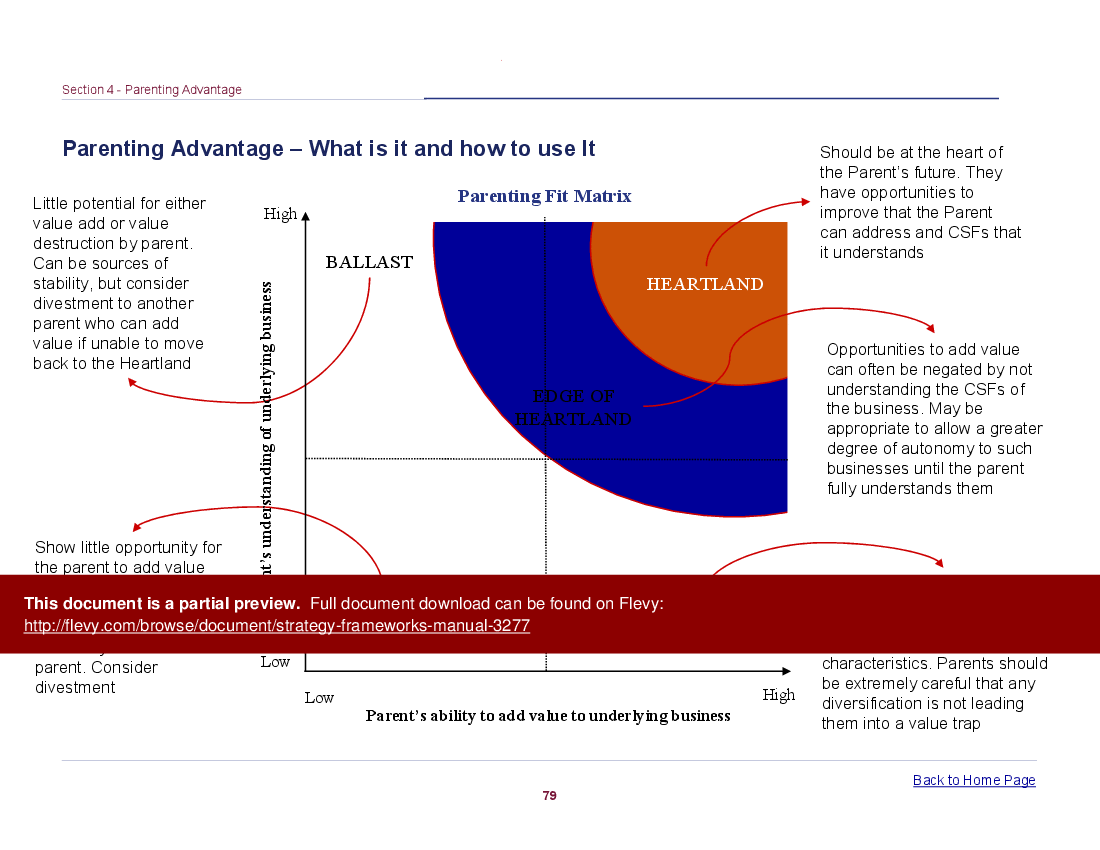
This PPT slide analyzes Grand Met's corporate strategy in 1992, focusing on its diverse business portfolio and the "parenting advantage" concept. The Grand Met Parenting Fit Matrix categorizes businesses into 4 quadrants based on the parent’s understanding and ability to add value. The upper right quadrant, "Premium Drinks," indicates strong alignment with Grand Met's capabilities in global drinks branding. Conversely, "Burger King" in the lower left quadrant shows misalignment, as Grand Met lacked a parenting advantage in fast food, leading to divestment despite profitability. The acquisition of Pillsbury highlights the evolution of Grand Met's skills through managing underperforming brands. The turnaround of UK brewing exemplifies value creation through improved business understanding, underscoring the need for aligning corporate strategy with core competencies.
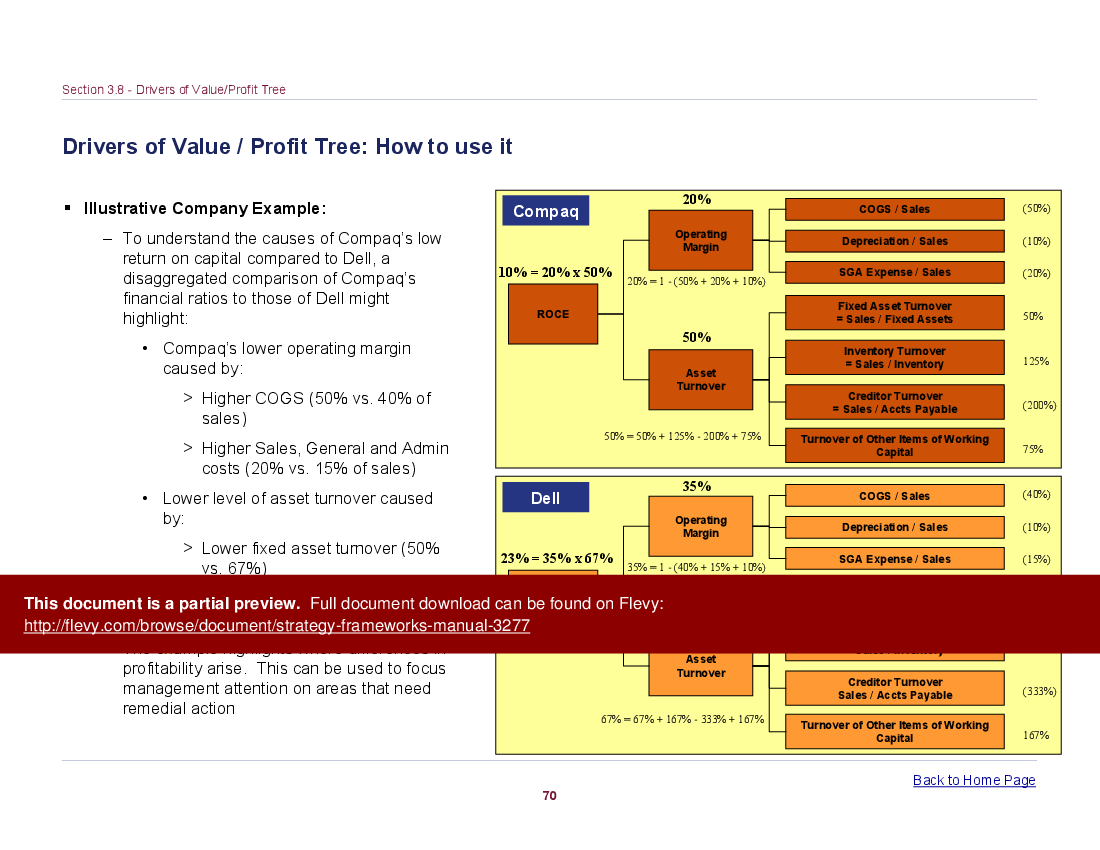
This PPT slide outlines the profit tree model for analyzing profit growth at both industry and company levels. It categorizes key components influencing profit, focusing on revenue and costs. Profit growth can occur without changes in the cost base, highlighting the importance of revenue drivers: market growth and market share gain, with decreasing competition facilitating market share increases. Revenue is further dissected into price and volume, allowing for granular analysis of their contributions. Visual indicators of trends provide quick references for performance assessment. This analytical framework aids executives in strategic decision-making, identifying areas for improvement through pricing strategies, volume enhancements, or market positioning.
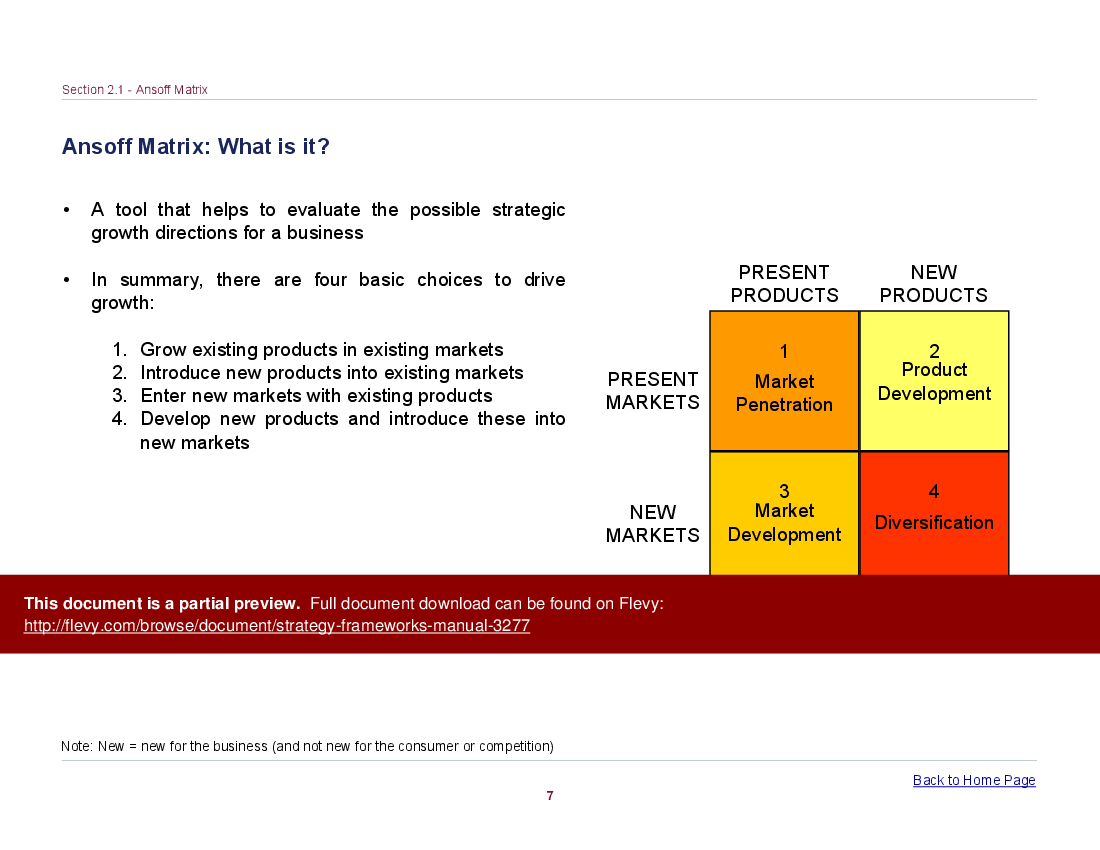
The Ansoff Matrix is a strategic tool for assessing growth avenues, outlining 4 key strategies: Market Penetration, Product Development, Market Development, and Diversification. Market Penetration focuses on increasing market share with existing products. Product Development involves introducing new products in existing markets, leveraging established customer bases. Market Development entails entering new markets with existing products, targeting new customer segments or geographical areas. Diversification is the riskiest strategy, involving new products in new markets, requiring innovation and exploration. The matrix is structured into 4 quadrants, with Present Products and New Products on the horizontal axis, and Present Markets and New Markets on the vertical axis, aiding executives in evaluating strategic options.
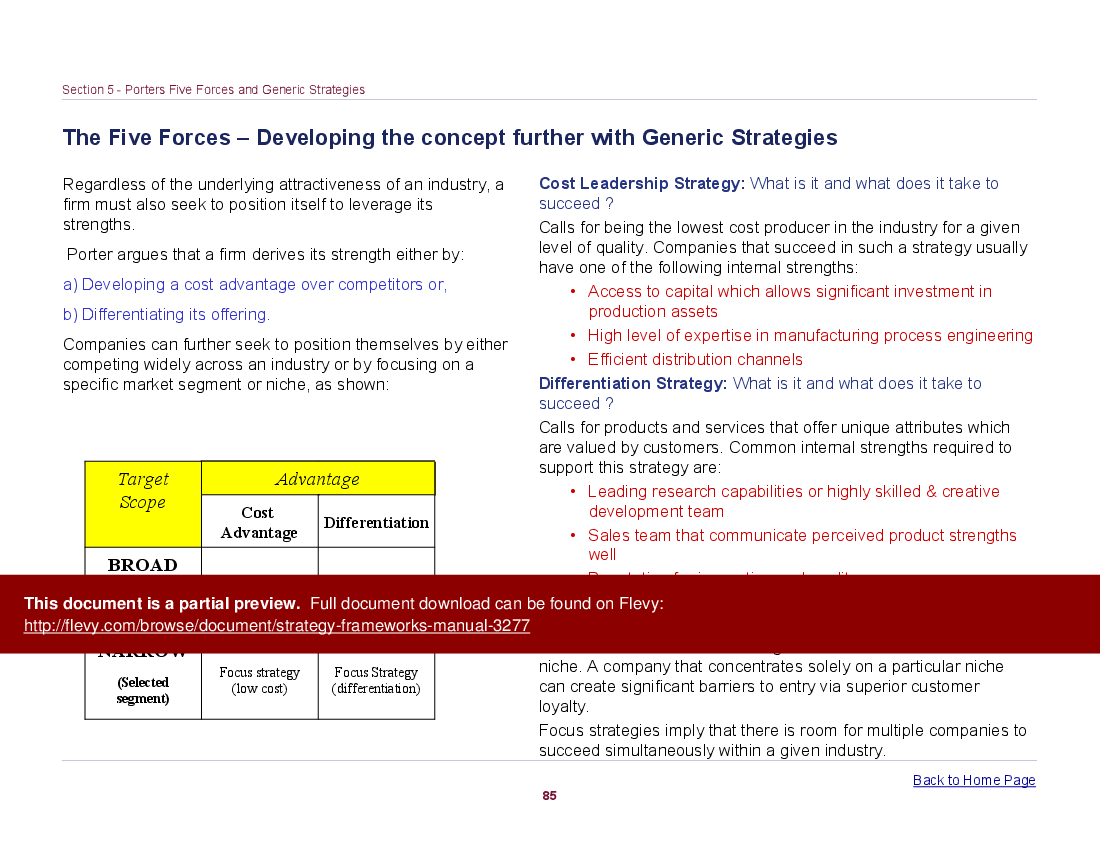
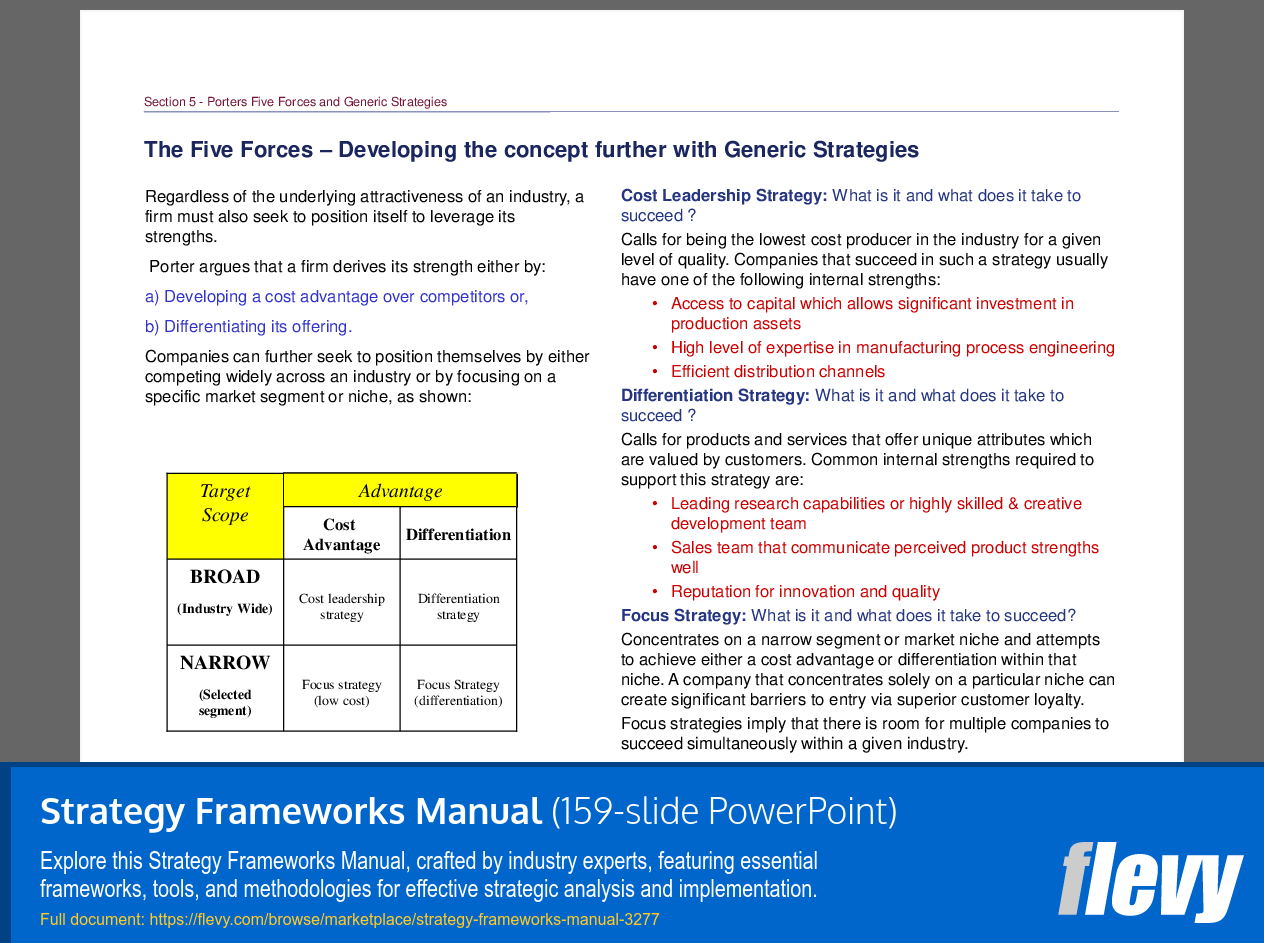
Porter's Five Forces framework emphasizes strategic positioning within an industry. Companies can achieve competitive strength through Cost Leadership or Differentiation strategies. Cost Leadership focuses on being the lowest cost producer while maintaining quality, relying on internal strengths like capital access and manufacturing expertise. Efficient distribution channels are critical. Differentiation Strategy involves offering unique attributes valued by customers, supported by strong research capabilities and effective communication of product strengths. The Focus Strategy targets a niche market, aiming for cost advantage or differentiation, creating barriers to entry through superior customer loyalty. Multiple firms can thrive in an industry by leveraging unique strengths effectively.
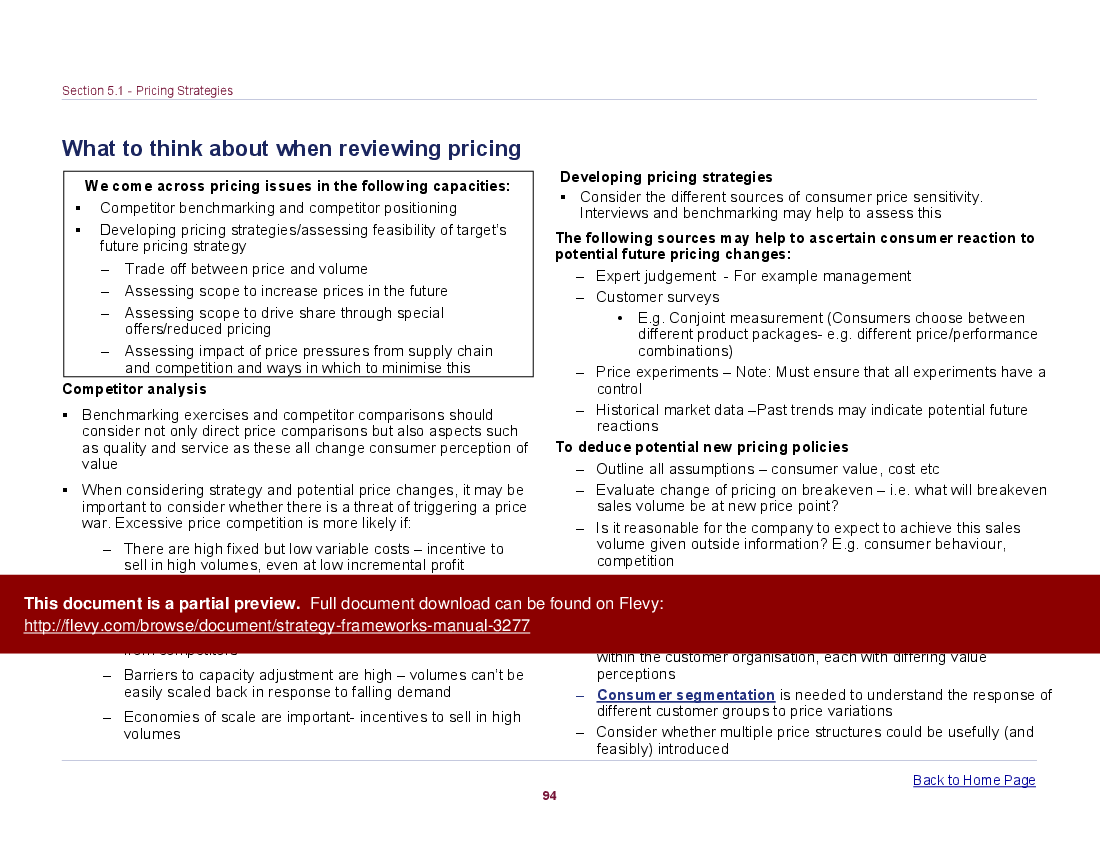
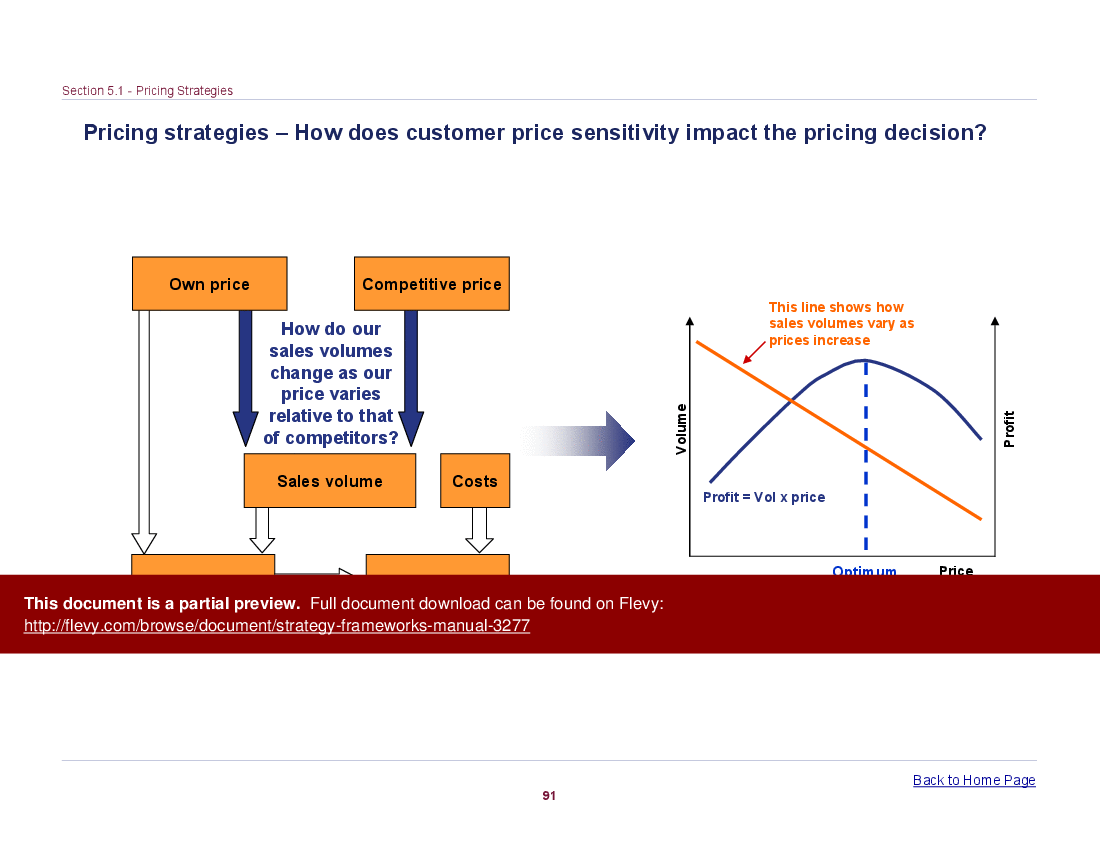
This PPT slide focuses on pricing strategies and their impact on profitability. A 10% increase in price can yield a greater profit increase than a similar rise in volume or reduction in costs. Key questions for determining product pricing include understanding consumer value, the significance of product attributes, potential price premiums, and brand support for pricing decisions. A graphical representation illustrates the relationship between price, cost, and performance, showing diminishing customer value after a certain performance level. This indicates an optimal price point where the gap between chargeable price and production cost is maximized. Additionally, the cost of performance often increases non-linearly, complicating pricing decisions and reinforcing the need for a strategic approach to balance perceived value against production costs.
This PPT slide presents a framework for interpreting market structures, highlighting 3 market types: Fragmented, Consolidating, and Mature Consolidated. In Fragmented Markets, numerous small players exist, with a significant portion of sales attributed to "Others," indicating a diverse competitive environment. Consolidating Markets show a mix of company sizes, where larger firms grow faster than smaller ones, suggesting a gradual consolidation process. The Mature Consolidated Market features a few dominant players, with "Others" comprising a minimal sales portion, and growth rates aligning closely with the market average. Understanding these market dynamics is essential for strategic positioning.
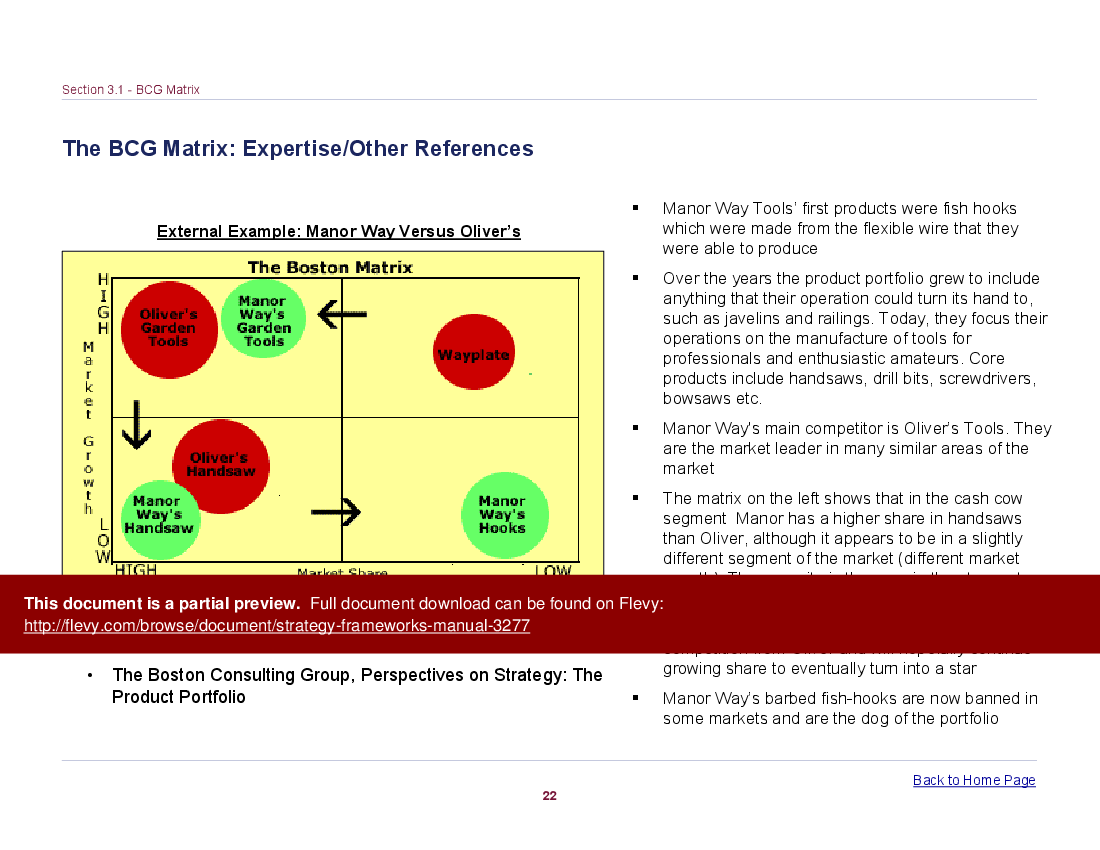
The BCG Matrix is a strategic tool for evaluating business units within a portfolio, categorizing them into 4 quadrants: Stars, Question Marks, Cash Cows, and Dogs. Stars generate significant cash, but require ongoing investment; if successful, they can transition into Cash Cows as market growth slows. Question Marks need funding to grow market share, with potential for success. Cash Cows generate cash with minimal investment, but require enough to remain competitive. Dogs do not generate significant cash and may need divestment. The BCG Matrix aids in resource allocation, assessing strategic importance, and comparing performance against competitors, guiding investment decisions and overall strategic direction.
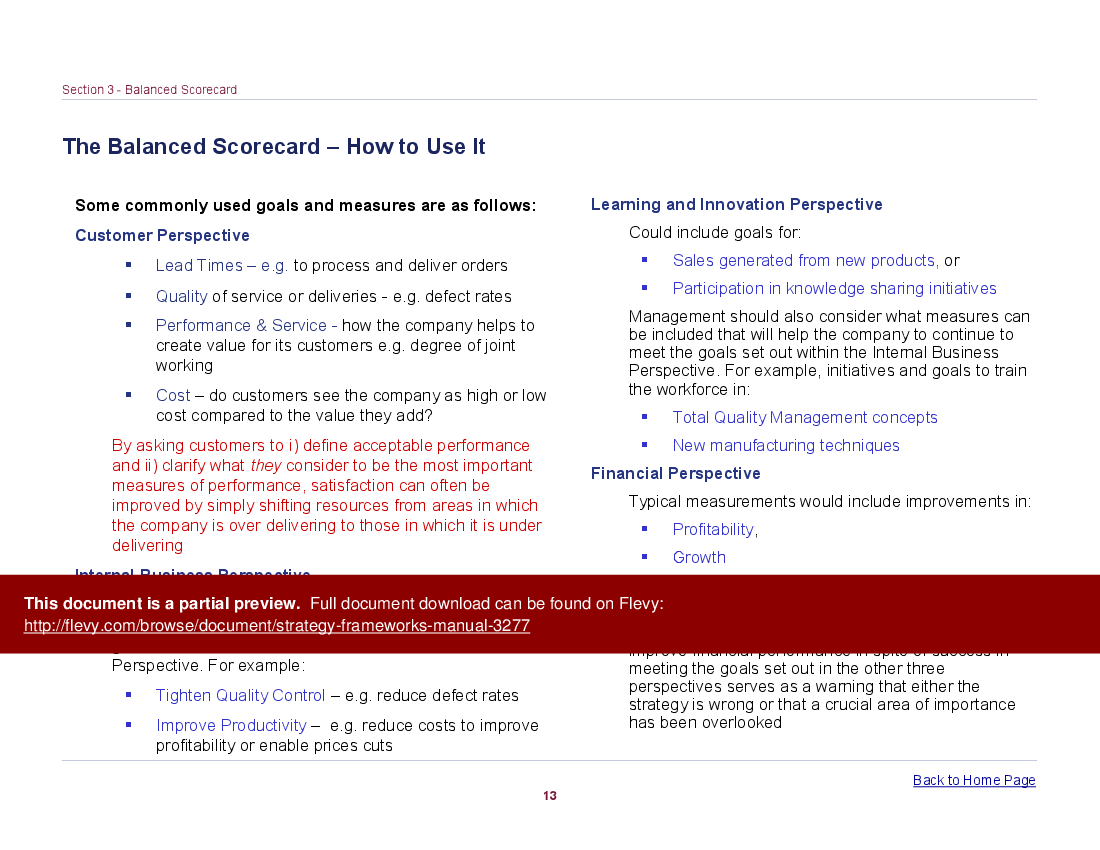
The Balanced Scorecard is a performance assessment framework that extends beyond traditional financial metrics. It critiques the reliance on financial measures, which evaluate past performance, but lack insights into future trajectories. The Balanced Scorecard incorporates 4 key perspectives: Financial, Customer, Internal Business, and Innovation & Learning, each with specific goals and measures that highlight their interconnectedness in driving overall performance. Senior management involvement is essential for establishing relevant goals aligned with the organization's strategic vision. A focused set of metrics within each perspective promotes clarity and effectiveness in performance measurement. Goals and measures should reflect the organization’s strategy, enhancing alignment of activities with strategic objectives and ultimately improving performance.
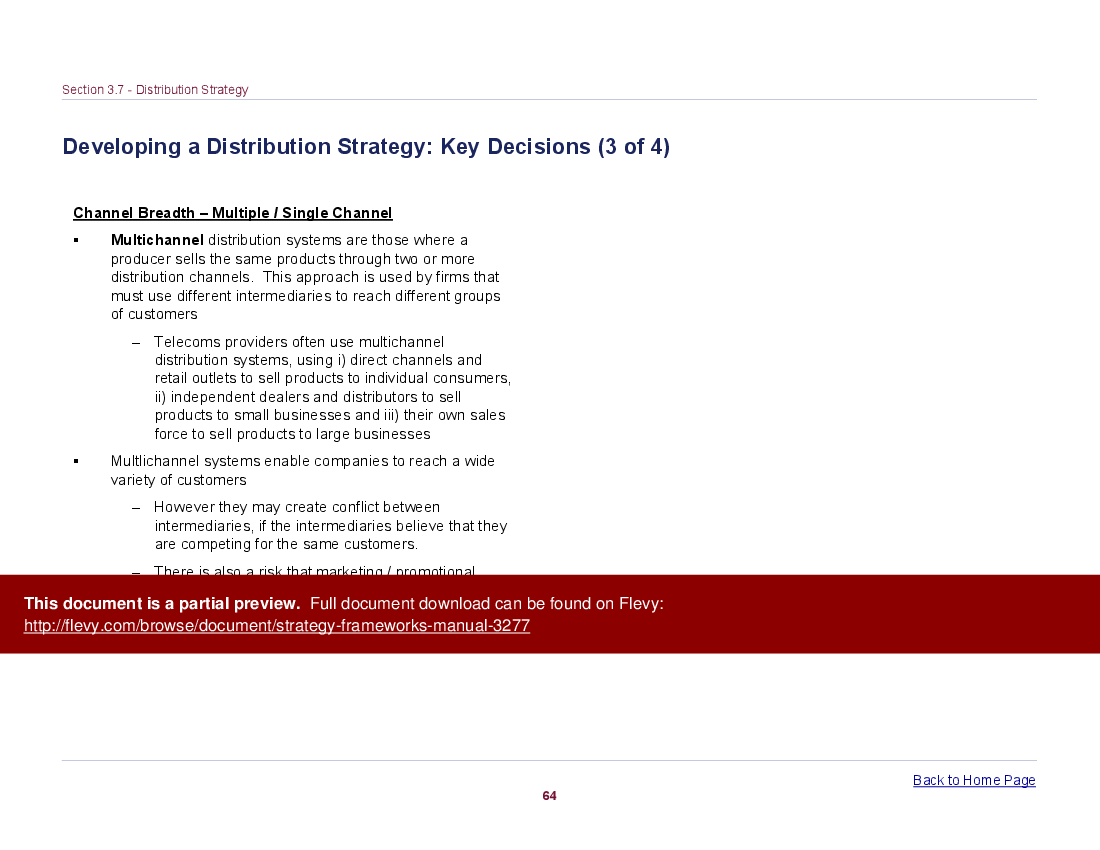
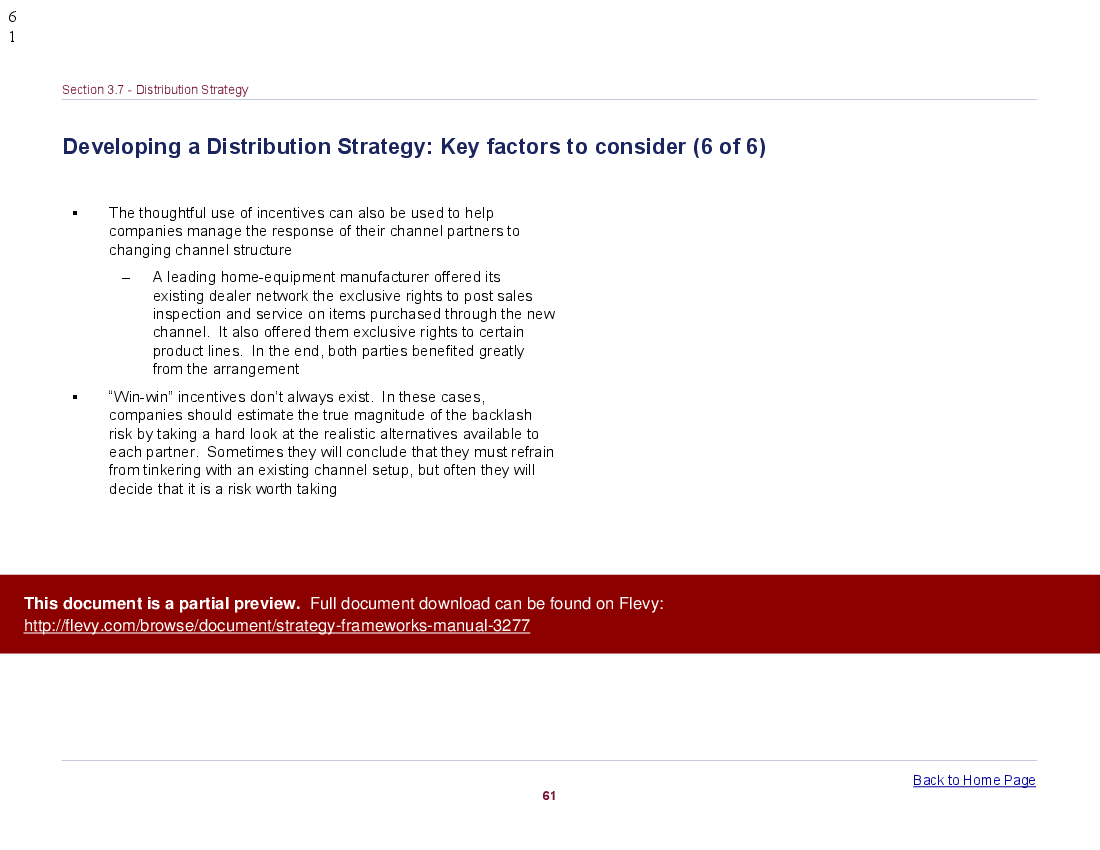
This PPT slide outlines critical decisions in developing a distribution strategy, focusing on channel length and breadth. Three main factors influence channel length: customer requirements, account concentration, and control over direct customer contact. Direct relationships are essential in industries like aerospace, where service and repair are crucial. Account concentration indicates that direct selling is more efficient when a few customers dominate sales. Broader markets, like consumer goods, benefit from indirect channels for managing multiple products. Channel breadth is categorized into exclusive, selective, and intensive distribution types. Exclusive distribution limits the number of distributors, enhancing dealer loyalty and control,, but market dynamics can shift, as seen in the automotive sector, where diverse purchasing options are preferred. Aligning distribution choices with customer needs and market conditions influences sales performance and customer satisfaction.
The Balanced Scorecard framework outlines cause-and-effect relationships that define strategy, emphasizing the alignment of various perspectives to achieve organizational vision. The Financial Perspective measures success from shareholders' viewpoints, assessing the impact of strategic initiatives on financial performance. The Customer Perspective focuses on customer perceptions and expectations, highlighting the importance of understanding customer value for loyalty and satisfaction. The Internal Perspective identifies essential processes for meeting customer needs, underscoring the significance of operational efficiency. Finally, the Learning & Innovation Perspective emphasizes continuous improvement and adaptation to achieve strategic goals. The Balanced Scorecard serves as a comprehensive tool for aligning strategic objectives across dimensions, enhancing performance and fostering a culture of accountability.
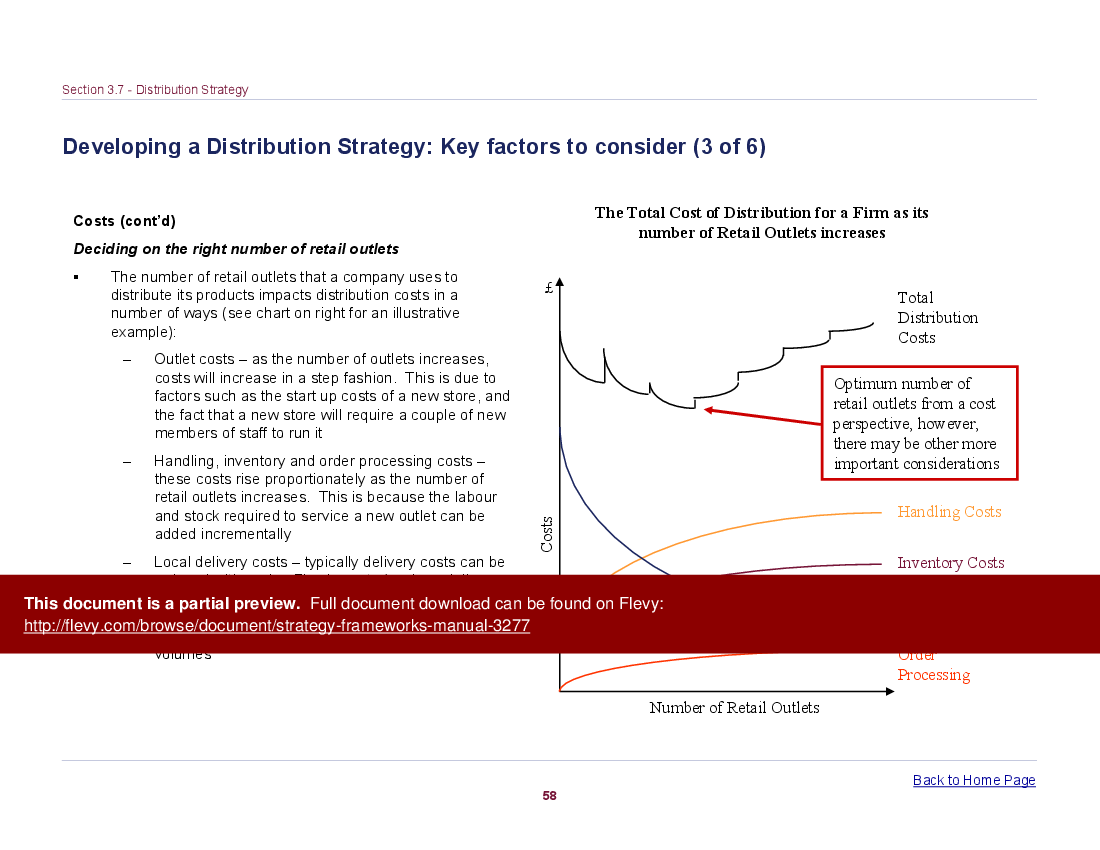
This PPT slide analyzes the impact of retail outlet numbers on distribution costs. As a business expands its retail presence, outlet costs increase due to setup expenses and staffing needs. Handling, inventory, and order processing costs also rise proportionately with more outlets, necessitating effective management of operational complexities. Local delivery costs can decrease with scale, as fixed assets like delivery vehicles are utilized more efficiently, and partnerships with logistics providers can yield better rates. The concept of the "optimum number of retail outlets" is introduced, highlighting that while cost is critical, other strategic factors must also be considered in distribution planning.
This PPT slide presents a framework for understanding S-curves in market penetration strategies. Organizations can leverage S-curves to identify growth opportunities and assess product positioning within its lifecycle. Key actions include determining a product's current S-curve status and analyzing the return on investment from R&D and marketing expenditures. Different focus areas are required at various product lifecycle stages; early stages necessitate aggressive marketing and R&D to capture market share. The Investment S-Curve graph illustrates the relationship between investment and product maturity. In due diligence, a thorough business plan analysis is essential, addressing product lifecycle status, support adequacy, and complementary products. Competitor analysis reveals first mover advantages, noting that early entrants may face long-term challenges from disruptive technologies and lower risks for new entrants. This framework guides executives in evaluating growth prospects and making informed product development decisions.
The Parenting Advantage framework assists corporations in strategic decision-making regarding business portfolios by addressing 2 key questions: which businesses to own and how to maximize their value. It utilizes a "Parenting Fit Matrix" to evaluate the relationship between a corporate parent and its subsidiaries, focusing on the parent's characteristics and the critical success factors (CSFs) of business units. The framework categorizes outcomes into high potential to add value and low potential to destroy value. In high potential scenarios, it analyzes how the parent's resources can enhance subsidiary opportunities, while in low potential situations, it emphasizes aligning on CSFs to prevent friction. A retrospective analysis of past successes is recommended to validate the parenting approach and inform future decisions, leading to improved strategic alignment and performance across the portfolio.
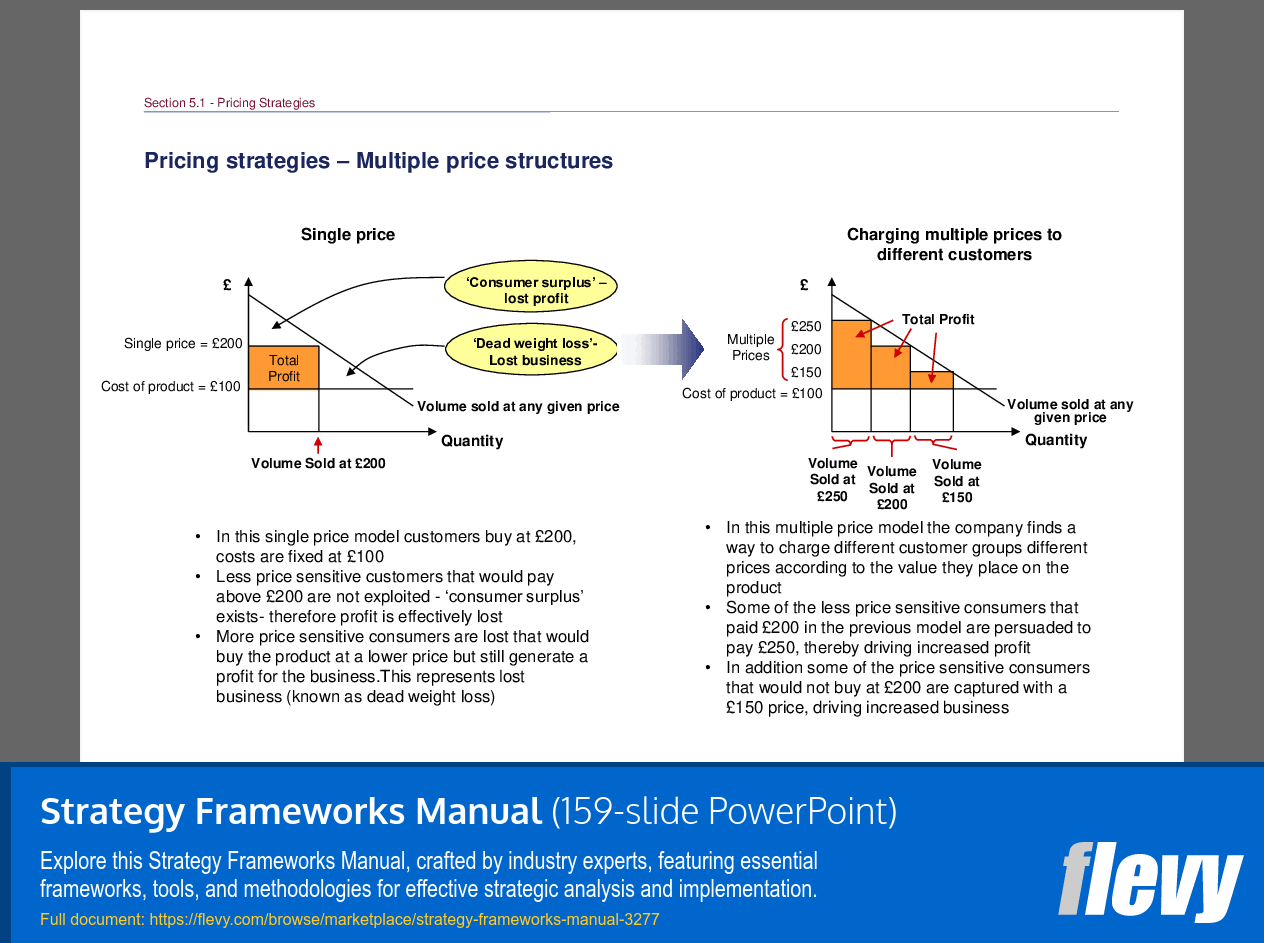
This PPT slide presents a comparative analysis of pricing strategies: single pricing versus multiple price structures. The single price model is priced at £200 with a fixed cost of £100, highlighting 'consumer surplus'—potential profit lost from customers willing to pay more—and 'dead weight loss' from untapped price-sensitive consumers. The accompanying graph indicates that total profit maximization occurs at a certain sales volume,, but segments of the market remain unaddressed. The multiple price model allows charging £250, £200, and £150 based on customer willingness to pay, capturing more value from less price-sensitive customers while attracting price-sensitive segments. This strategy can increase overall profit by aligning prices with customer value perception.
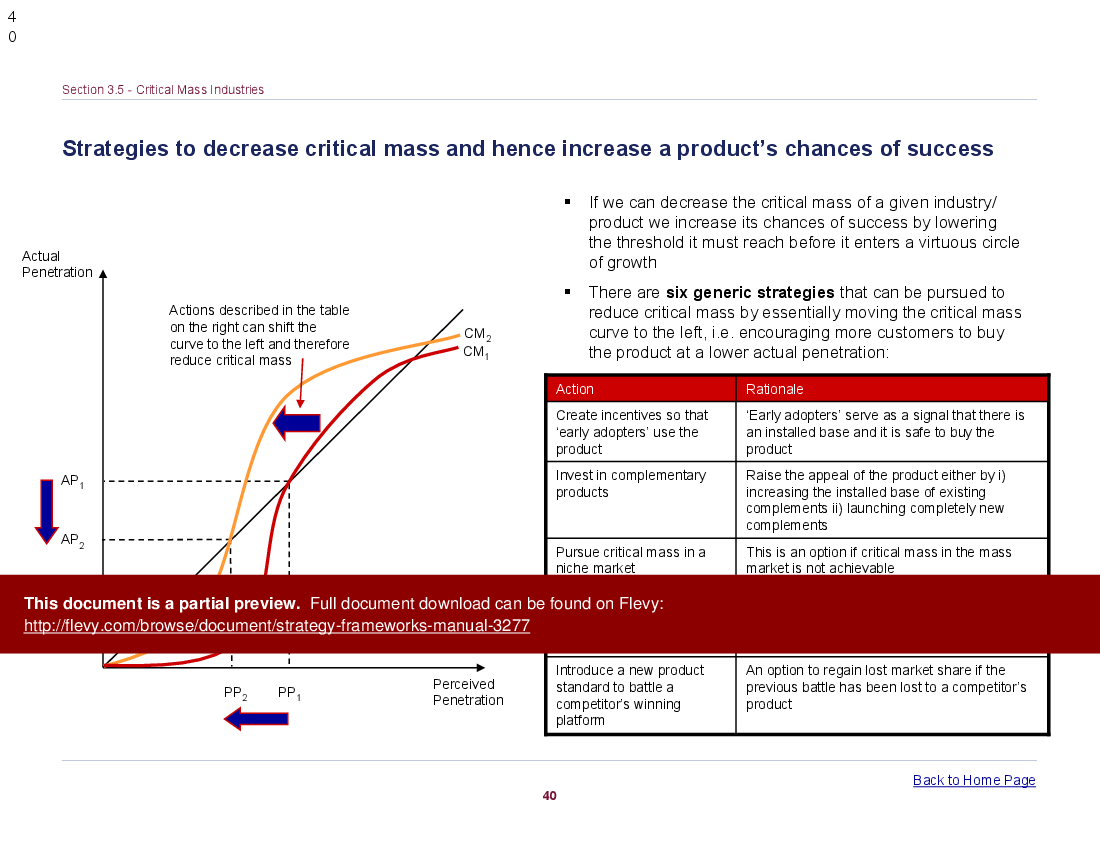
This PPT slide presents strategies for decreasing critical mass to enhance product success. Reducing the critical mass threshold is essential for entering a growth phase. Shifting the critical mass curve left allows products to gain traction at lower penetration levels. Six strategies are outlined:
1. Create incentives for early adopters to signal product viability.
2. Invest in complementary products to build an appealing ecosystem.
3. Target niche markets when mass market penetration is challenging.
4. Ensure compatibility with existing successful offerings to attract established user bases.
5. Introduce a new product standard to compete against rival platforms.
These actionable strategies provide a framework for executives to boost market entry success.
The "Market Definition Dartboard" is a strategic tool for clarifying market positioning and enhancing management discussions. It serves 2 primary purposes: challenging existing business assumptions and facilitating management meetings to explore market perceptions. The dartboard broadens thinking about business scope and encourages reflective dialogue on market definitions. Key questions include "which business are we in?" and "how could we define our market more broadly?" This structured approach aids in identifying competitive sets, uncovering growth opportunities, and recognizing essential skills for effective competition. Ultimately, it fosters strategic thinking and aligns management on critical market dynamics for informed decision-making.
The Ansoff Matrix is a qualitative tool for evaluating growth strategies, structured into 4 quadrants based on existing products and markets. The first option, market penetration, is the least risky, leveraging existing competencies, but may face challenges like market saturation. The second and third options involve product development and market expansion, relying on core competencies such as R&D and marketing strategies. The fourth option, diversification, is the riskiest, suited for adaptable businesses managing uncertainties in new markets or product lines. Common applications of the Ansoff Matrix include generating growth ideas, assessing strategy feasibility, and deciding on growth paths. This framework helps executives balance risk and potential reward in strategic planning.
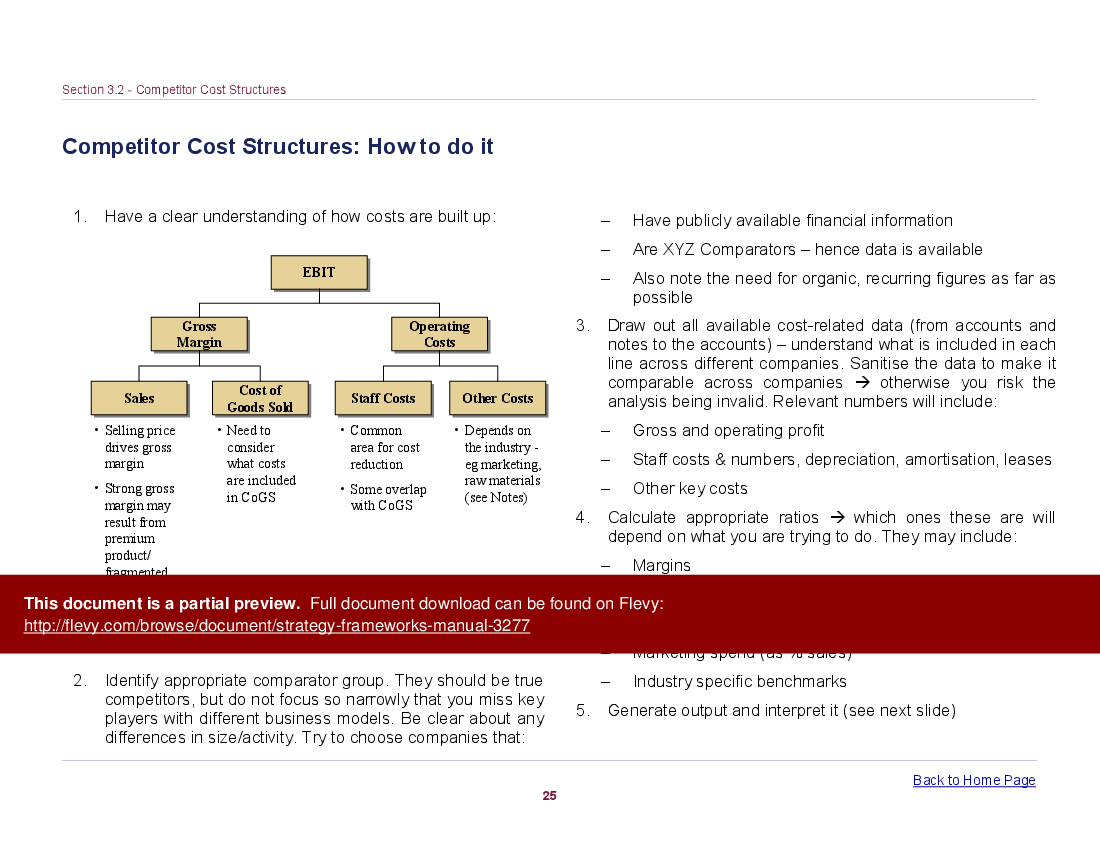
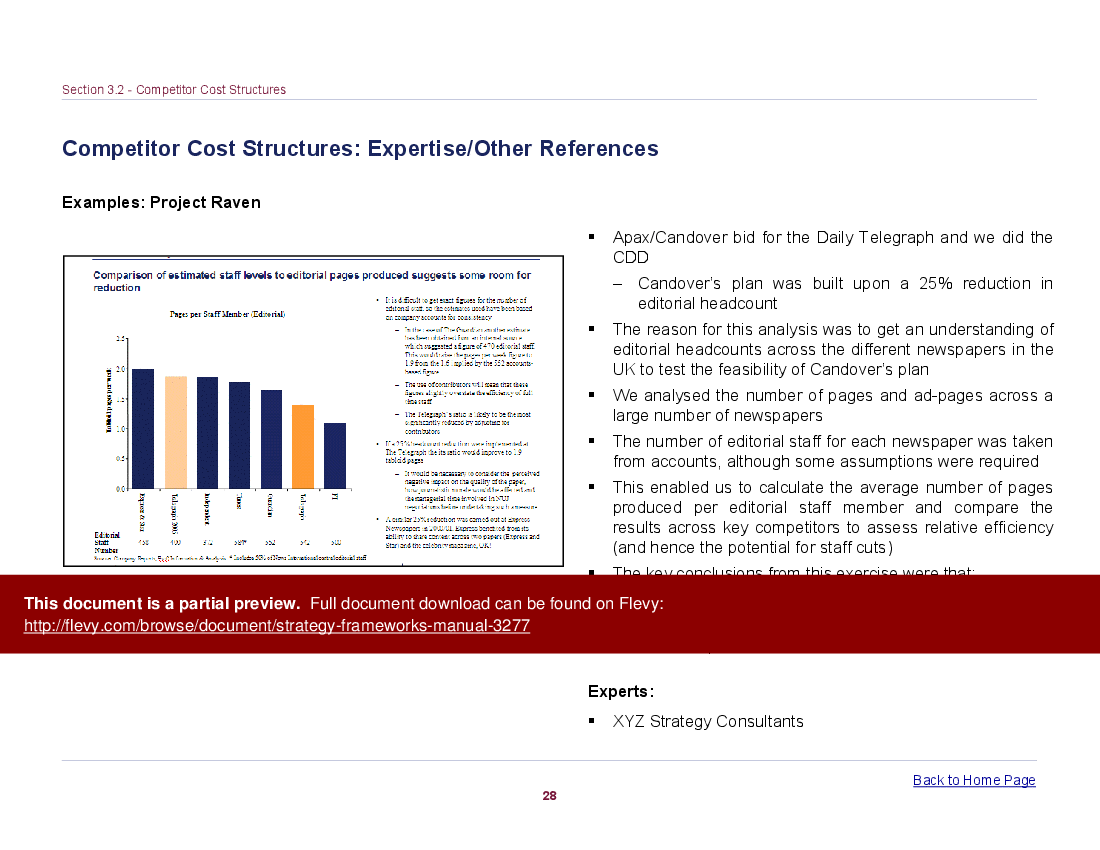
This PPT slide analyzes competitor cost structures, highlighting the lack of standardized output for such analyses. The effectiveness depends on the scope of the analysis and data availability. Defining analysis objectives is essential for tailoring the approach. Visual representation of results through charts enhances comprehension of complex data, showcasing cost components in the value chain, including sourcing, picking, packaging, and distribution, expressed as a percentage of sales. The chart titled "Benchmark Ranges for Costs as a % of Sales for a Newspaper Company" illustrates cost categories—editorial, production, advertising, marketing, and back office—as percentages of sales, with editorial costs ranging from 8% to 16%. This visual underscores variability in cost structures and provides benchmarks for comparison, aiding in strategic decision-making and operational optimization.
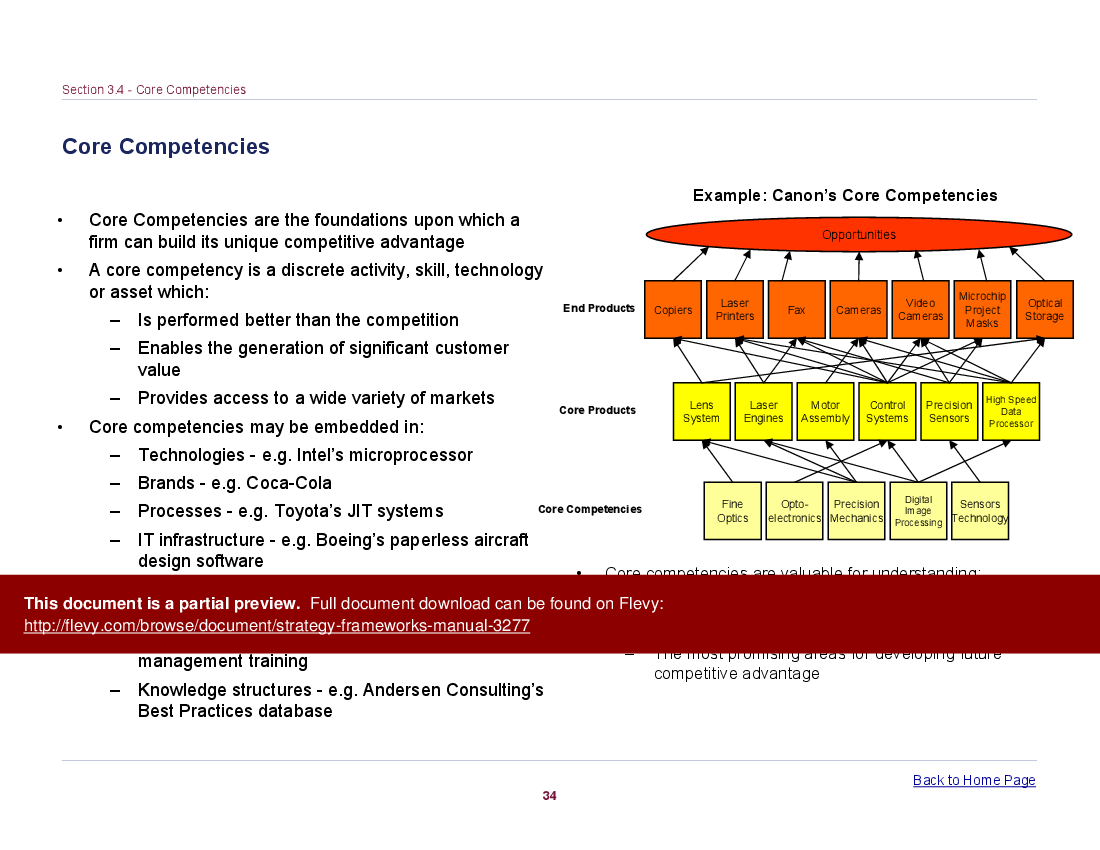
Core competencies are defined as discrete activities, skills, technologies, or assets in which a company excels, providing significant customer value and enabling market access. They include categories such as technologies, brands, processes, IT infrastructure, managerial systems, training, and knowledge structures. Examples include Intel’s microprocessor for technology and Coca-Cola for branding. Canon illustrates how core competencies connect to products like copiers and cameras, highlighting their interrelationship with product offerings. Identifying core competencies is essential for leveraging strengths and assessing sustainability, guiding strategic decisions for product development and market expansion.
Source: Best Practices in Strategy Frameworks PowerPoint Slides: Strategy Frameworks Manual PowerPoint (PPT) Presentation Slide Deck, Documents & Files
The average daily rate of a McKinsey consultant is $6,625 (not including expenses). The average price of a Flevy document is $65.
Trusted by over 10,000+ Client Organizations
Since 2012, we have provided business templates to over 10,000 businesses and organizations of all sizes, from startups and small businesses to the Fortune 100, in over 130 countries.

"My FlevyPro subscription provides me with the most popular frameworks and decks in demand in today’s market. They not only augment my existing consulting and coaching offerings and delivery, but also keep me abreast of the latest trends, inspire new products and service offerings for my practice, and educate me
in a fraction of the time and money of other solutions. I strongly recommend FlevyPro to any consultant serious about success.
"
– Bill Branson, Founder at Strategic Business Architects
"As a consulting firm, we had been creating subject matter training materials for our people and found the excellent materials on Flevy, which saved us 100's of hours of re-creating what already exists on the Flevy materials we purchased."
– Michael Evans, Managing Director at Newport LLC
"As a small business owner, the resource material available from FlevyPro has proven to be invaluable. The ability to search for material on demand based our project events and client requirements was great for me and proved very beneficial to my clients. Importantly, being able to easily edit and tailor
the material for specific purposes helped us to make presentations, knowledge sharing, and toolkit development, which formed part of the overall program collateral. While FlevyPro contains resource material that any consultancy, project or delivery firm must have, it is an essential part of a small firm or independent consultant's toolbox.
"
– Michael Duff, Managing Director at Change Strategy (UK)
"One of the great discoveries that I have made for my business is the Flevy library of training materials.
As a Lean Transformation Expert, I am always making presentations to clients on a variety of topics: Training, Transformation, Total Productive Maintenance, Culture, Coaching, Tools, Leadership Behavior, etc. Flevy
It is well worth the money to purchase these presentations. Sure, I have the knowledge and information to make my point. It is another thing to create a presentation that captures what I want to say. Flevy has saved me countless hours of preparation time that is much better spent with implementation that will actually save money for my clients.
"
– Ed Kemmerling, Senior Lean Transformation Expert at PMG
"I like your product. I'm frequently designing PowerPoint presentations for my company and your product has given me so many great ideas on the use of charts, layouts, tools, and frameworks. I really think the templates are a valuable asset to the job."
– Roberto Fuentes Martinez, Senior Executive Director at Technology Transformation Advisory
"Flevy is now a part of my business routine. I visit Flevy at least 3 times each month.
Flevy has become my preferred learning source, because what it provides is practical, current, and useful in this era where the business world is being rewritten.
many challenges and there is the need to make the right decisions in a short time, with so much scattered information, we are fortunate to have Flevy. Flevy investigates, selects, and puts at our disposal the best of the best to help us be successful in our work.
"
– Omar Hernán Montes Parra, CEO at Quantum SFE
"Last Sunday morning, I was diligently working on an important presentation for a client and found myself in need of additional content and suitable templates for various types of graphics. Flevy.com proved to be a treasure trove for both content and design at a reasonable price, considering the time I
saved. I encountered a download issue during the ordering process. However, a quick email to Flevy's support team, even on a Sunday (!!!), resulted in assistance within less than an hour, allowing me to download the content I needed. Fantastic job, Flevy! I give 5 stars for both content/price and customer service. Thank you!
"
– M. E., Chief Commercial Officer, International Logistics Service Provider
"As a niche strategic consulting firm, Flevy and FlevyPro frameworks and documents are an on-going reference to help us structure our findings and recommendations to our clients as well as improve their clarity, strength, and visual power. For us, it is an invaluable resource to increase our impact and value."
– David Coloma, Consulting Area Manager at Cynertia Consulting
Download our free compilation of 50+ Strategy & Transformation slides and templates. Frameworks include McKinsey 7-S, Balanced Scorecard, Disruptive Innovation, BCG Curve, and many more.