
 Click main image to view in full screen. Unlock all 9 preview images:
Guide to Hedge Fund Strategies and Best Practices – PowerPoint PPT Template
PowerPoint (PPT) 27 Slides


BENEFITS OF THIS DOWNLOADABLE POWERPOINT DOCUMENT
- Understand what a hedge fund is
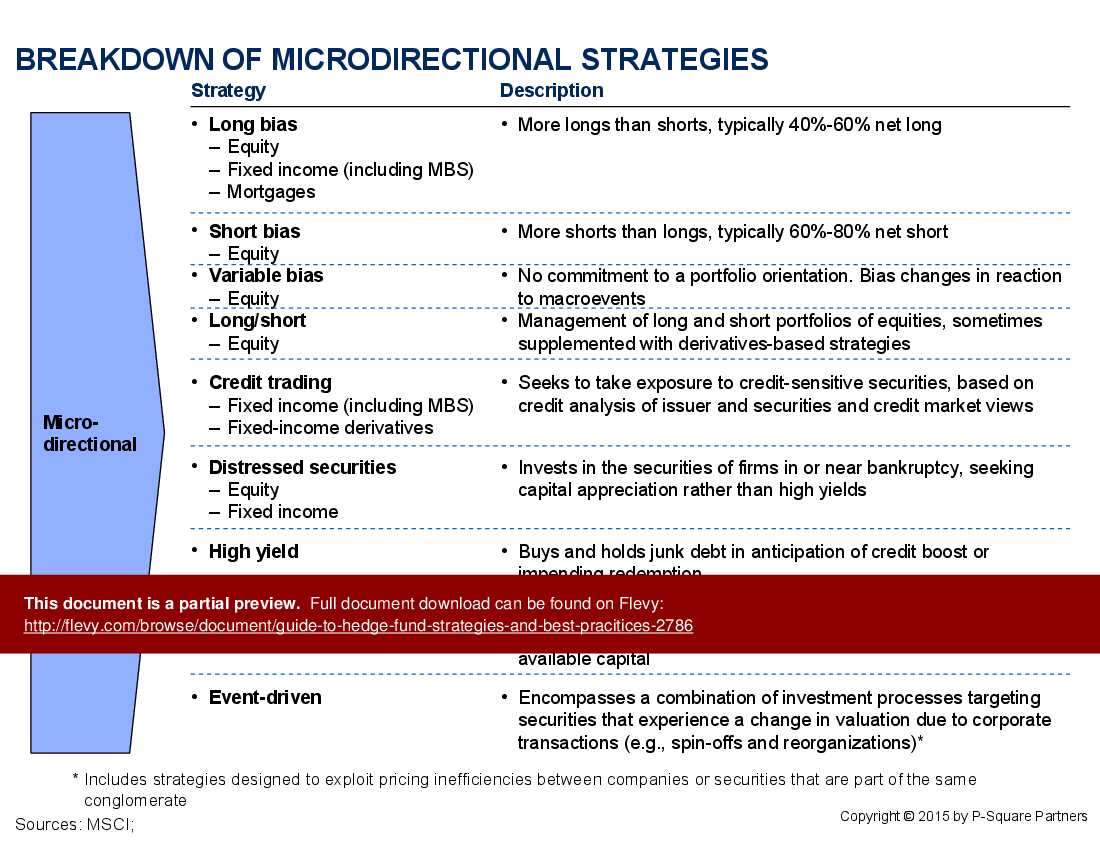
- Learn about a taxonomy of hedge fund strategies
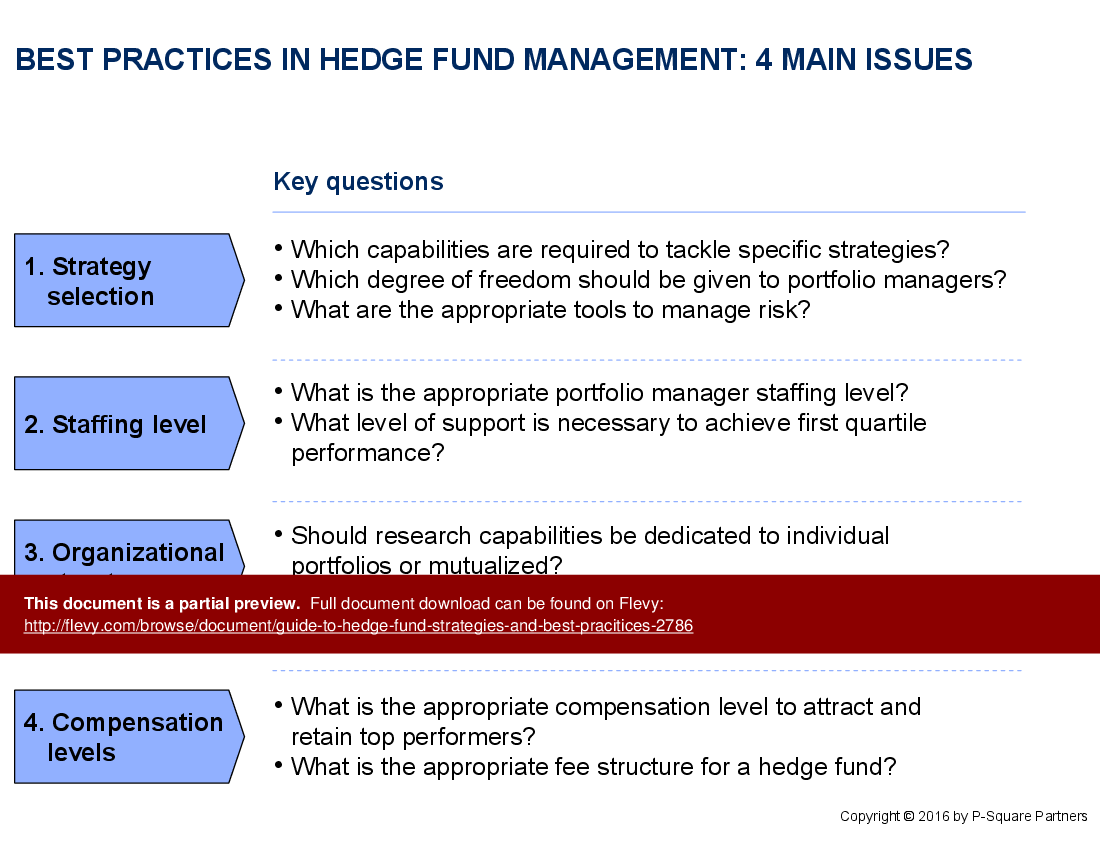
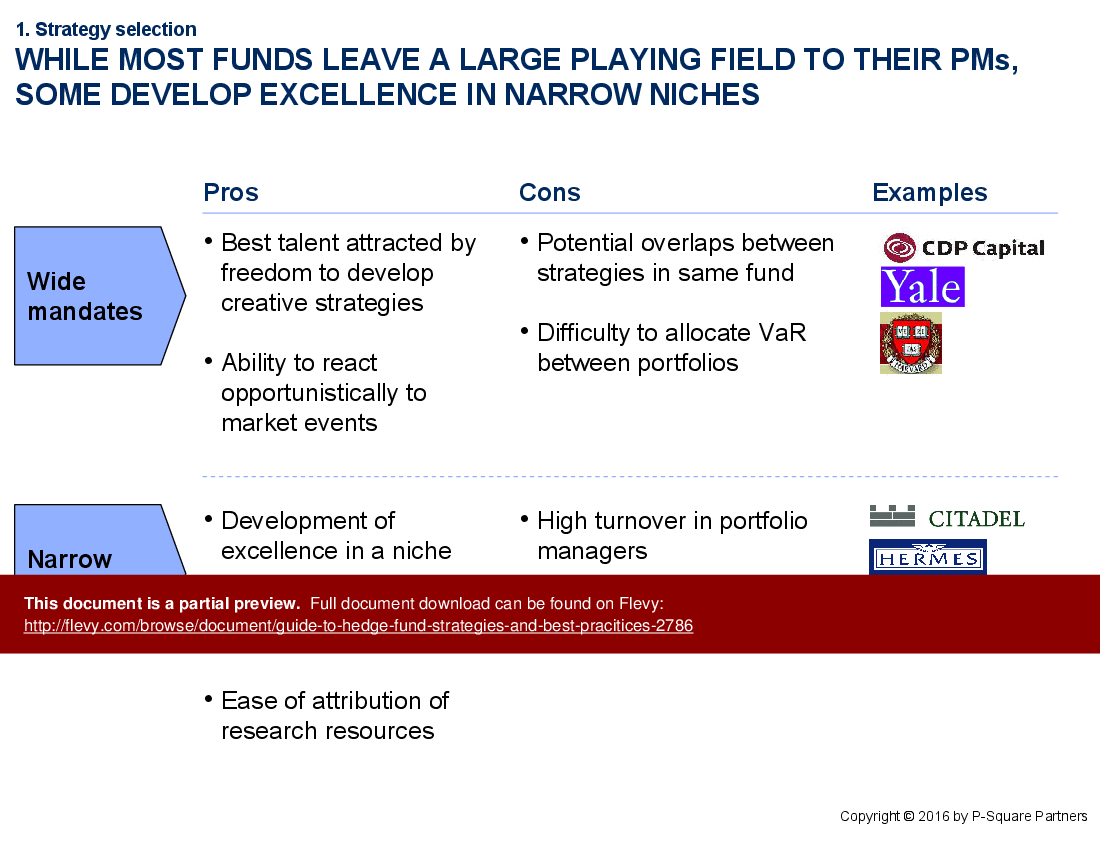
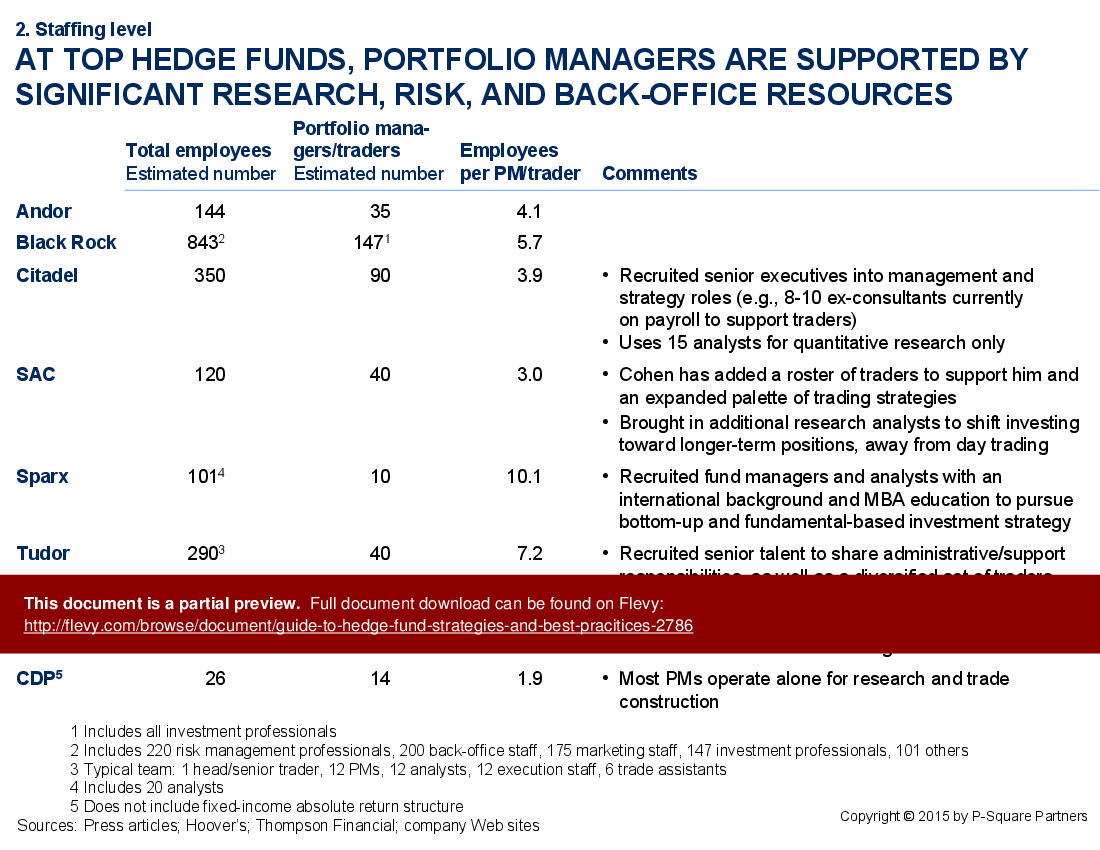
- Learn about best practices in hedge fund management
HEDGE FUND PPT TEMPLATE DESCRIPTION
Editor Summary
Guide to Hedge Fund Strategies and Best Practices is a 27-slide PowerPoint developed by P-Square Partners that explains hedge fund definitions, a taxonomy of strategies, and management best practices while reflecting McKinsey-, Bain-, and BCG-quality standards (consulting-grade; not affiliated).
Read more
Explore Slides inside the Deck:
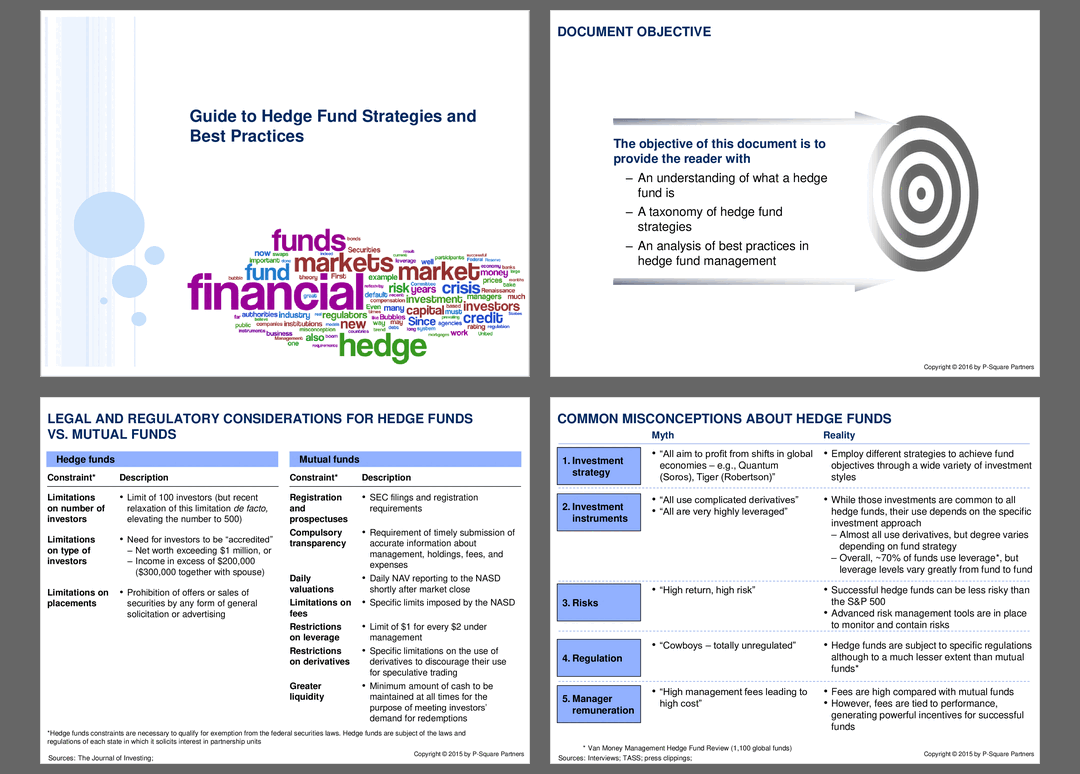
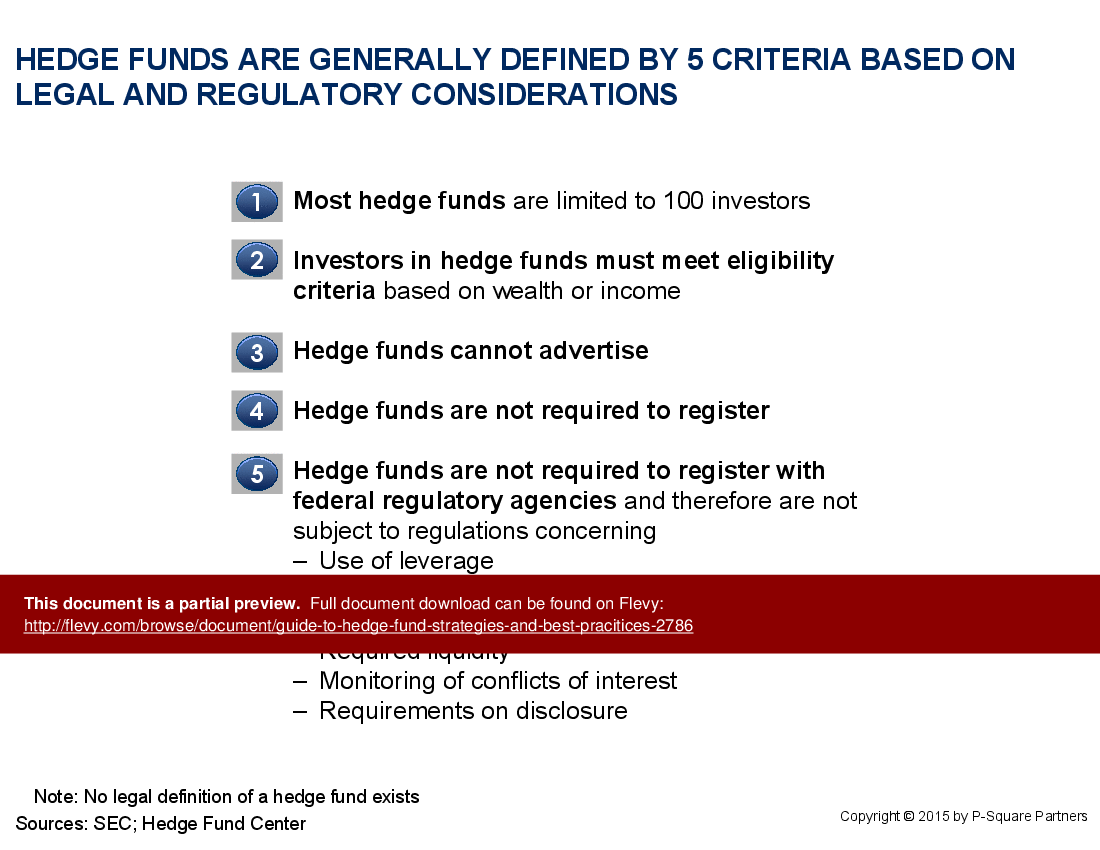
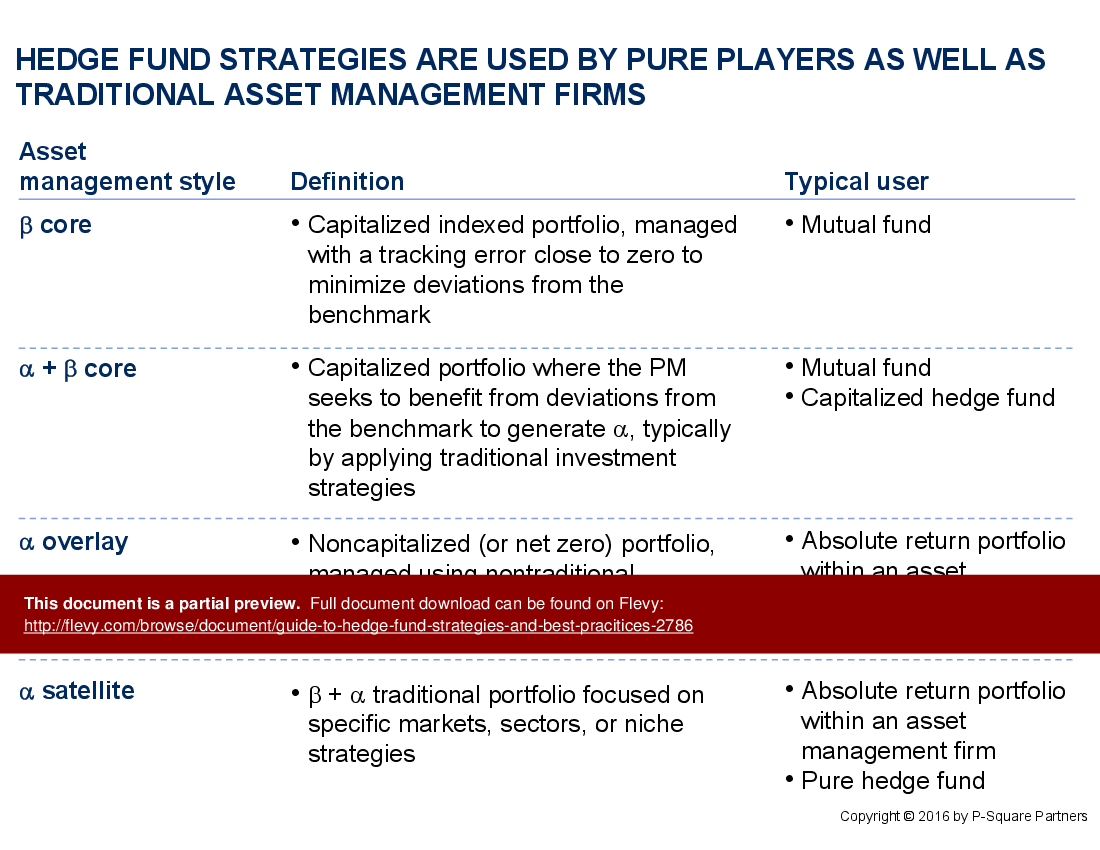
Framework for Hedge Fund Strategy Classification Core Considerations for Effective Hedge Fund Management Regulatory Framework: Hedge Funds vs. Mutual Funds
The objective of this document is to provide the reader with:
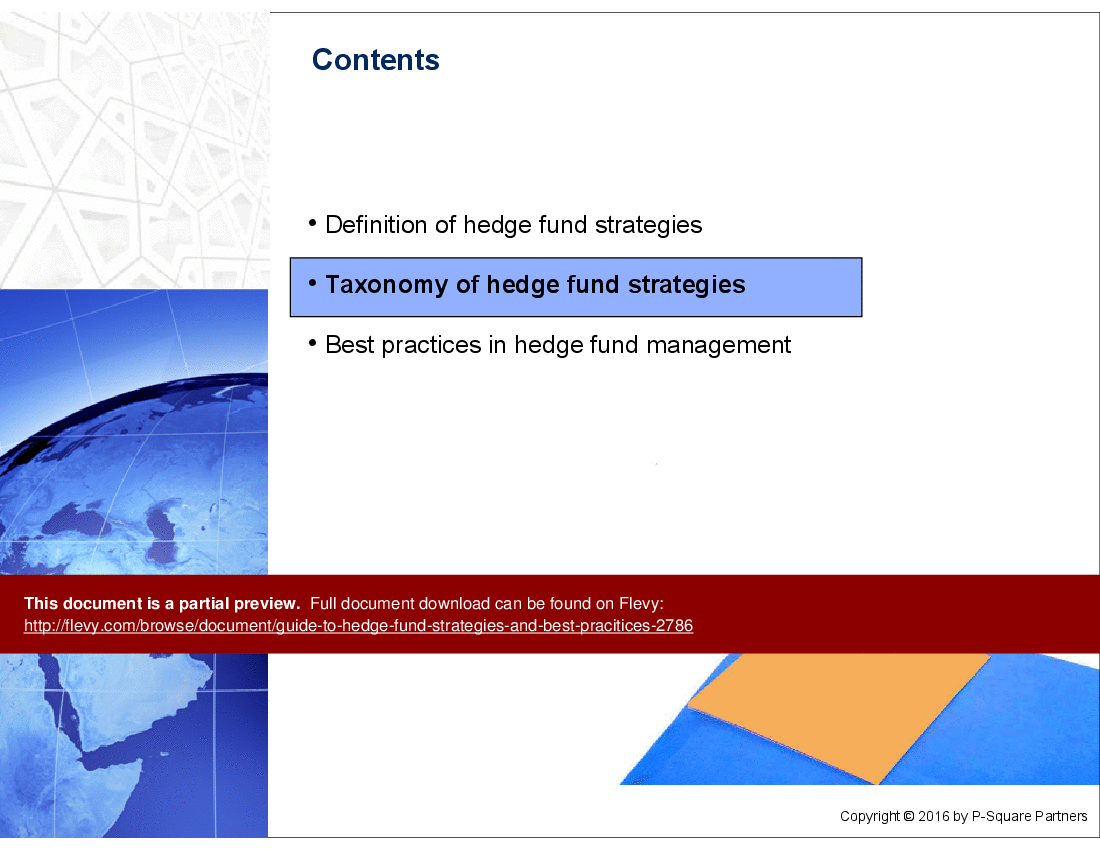
• an understanding of what a hedge fund is
• a taxonomy of hedge fund strategies
• an analysis of best practices in hedge fund management
Got a question about the product? Email us at support@flevy.com or ask the author directly by using the "Ask the Author a Question" form. If you cannot view the preview above this document description, go here to view the large preview instead.
PRESENTATION DEEP DIVE ANALYSIS
This deep-dive analysis was generated from the full 27-slide PowerPoint presentation.
HEDGE FUND PPT TEMPLATES
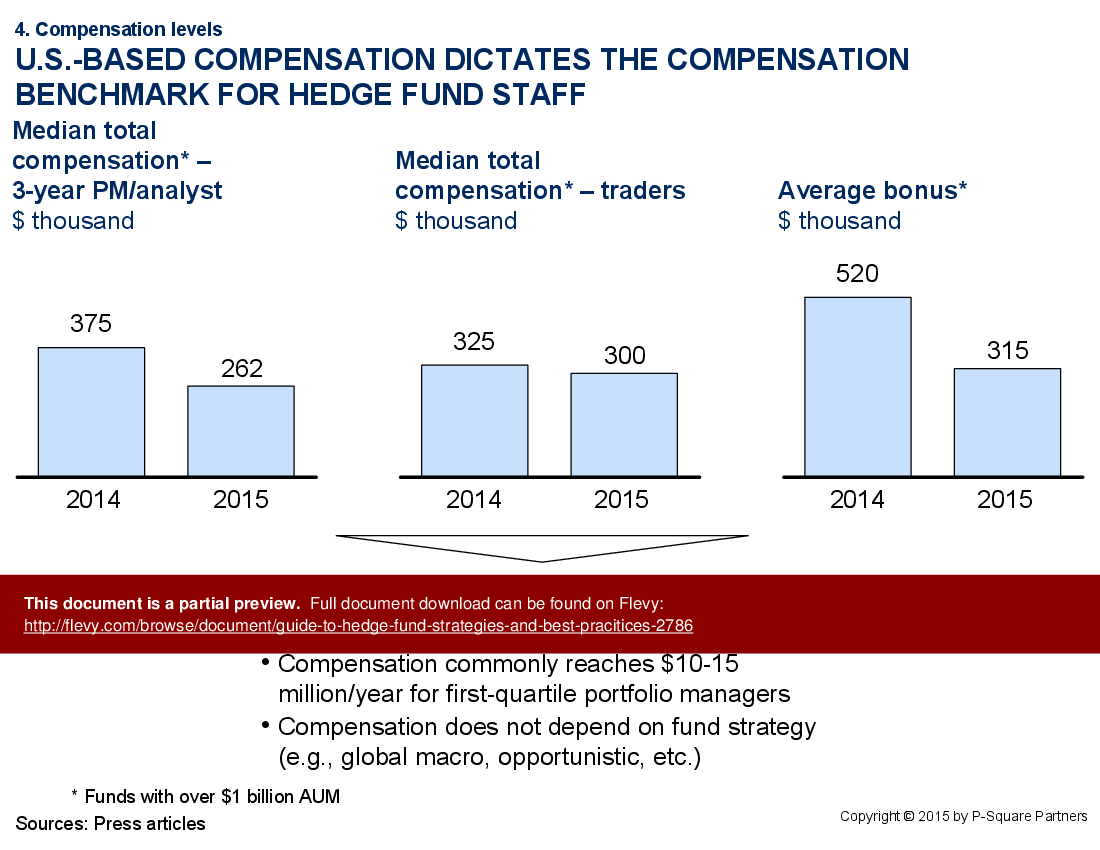
Source: Best Practices in Hedge Fund PowerPoint Slides: Guide to Hedge Fund Strategies and Best Practices PowerPoint (PPT) Presentation Slide Deck, P-Square Partners
Did you know?
The average daily rate of a McKinsey consultant is $6,625 (not including expenses). The average price of a Flevy document is $65.
Trusted by over 10,000+ Client Organizations
Since 2012, we have provided business templates to over 10,000 businesses and organizations of all sizes, from startups and small businesses to the Fortune 100, in over 130 countries.




























