
Today, companies face shrinking margins in many of their products due to fierce competition in the marketplace. Service offering becomes not only a major growth and profit contributor, but also a key competitive advantage.
This toolkit provides an approach and tools that can help your organization to assess the situation and develop an effective service strategy.
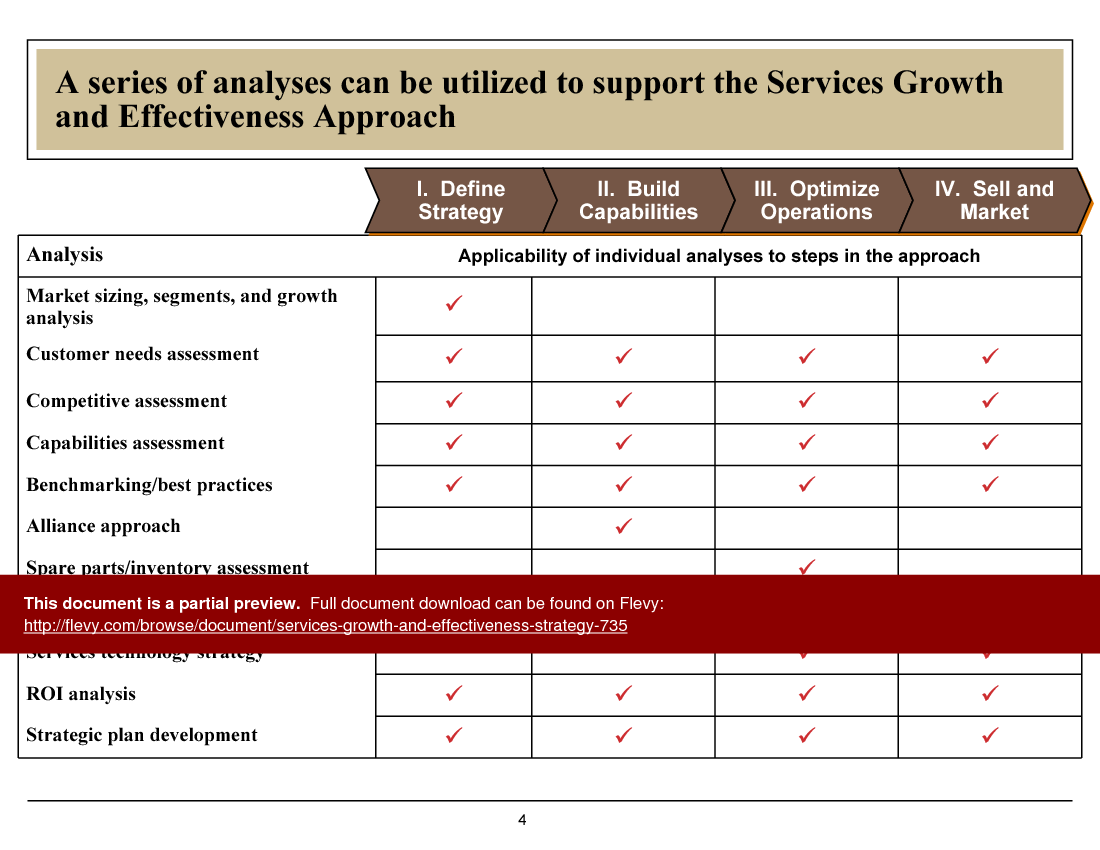
Contents include:
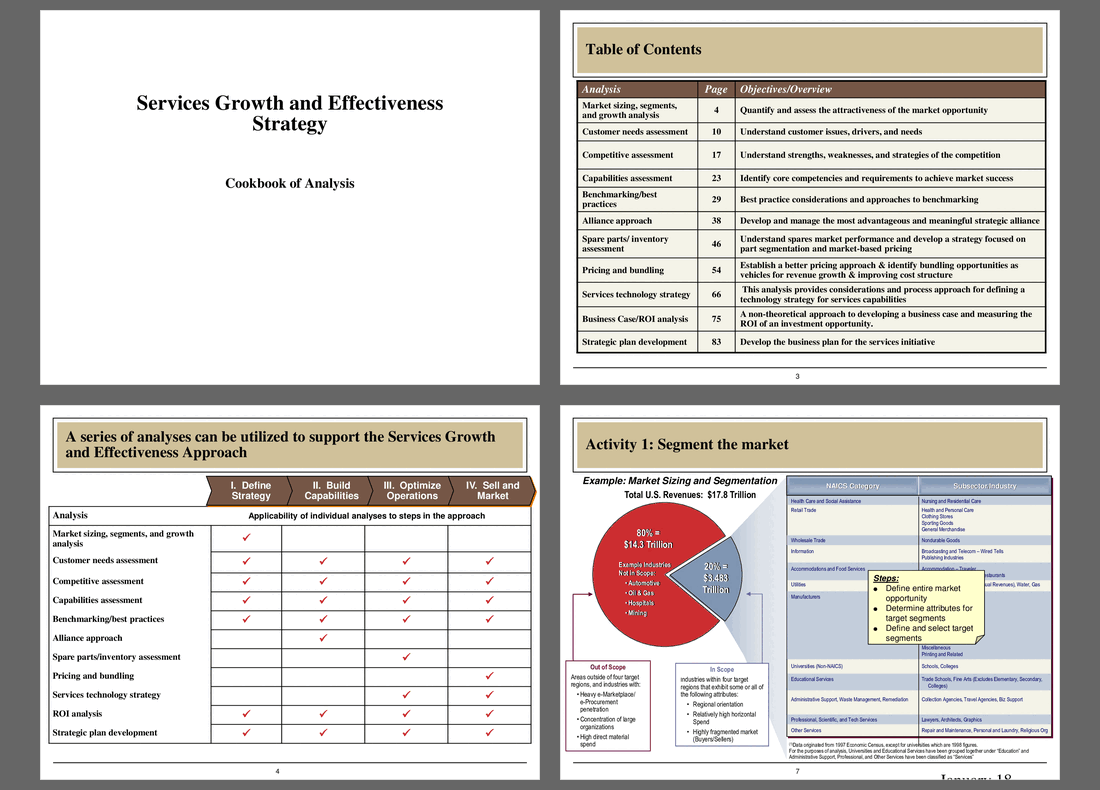
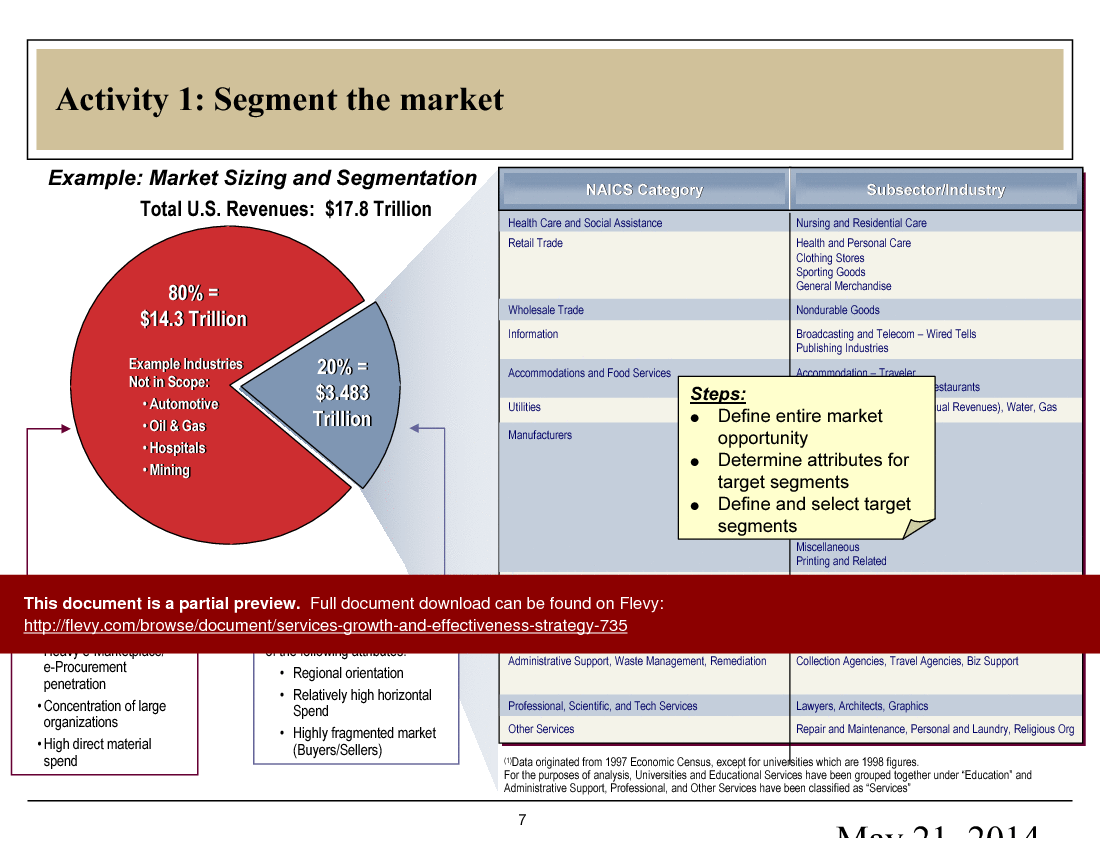
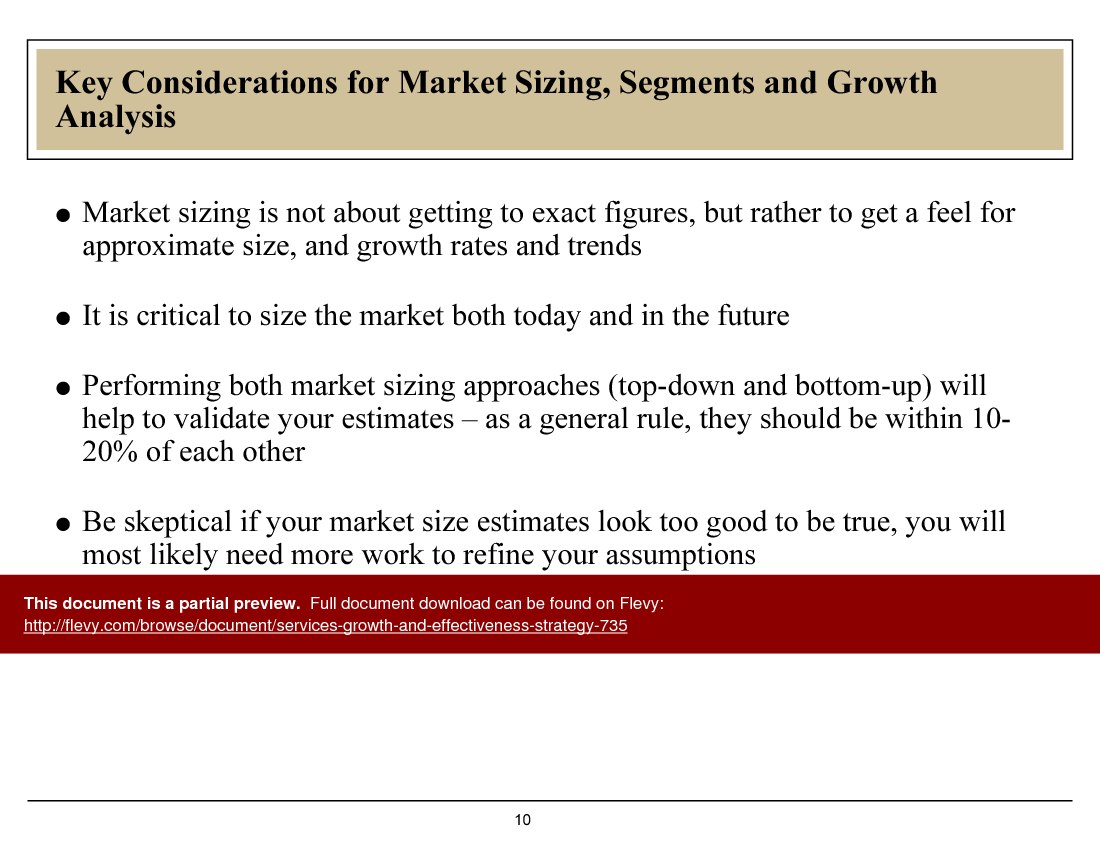
• Market sizing, segments, and growth analysis
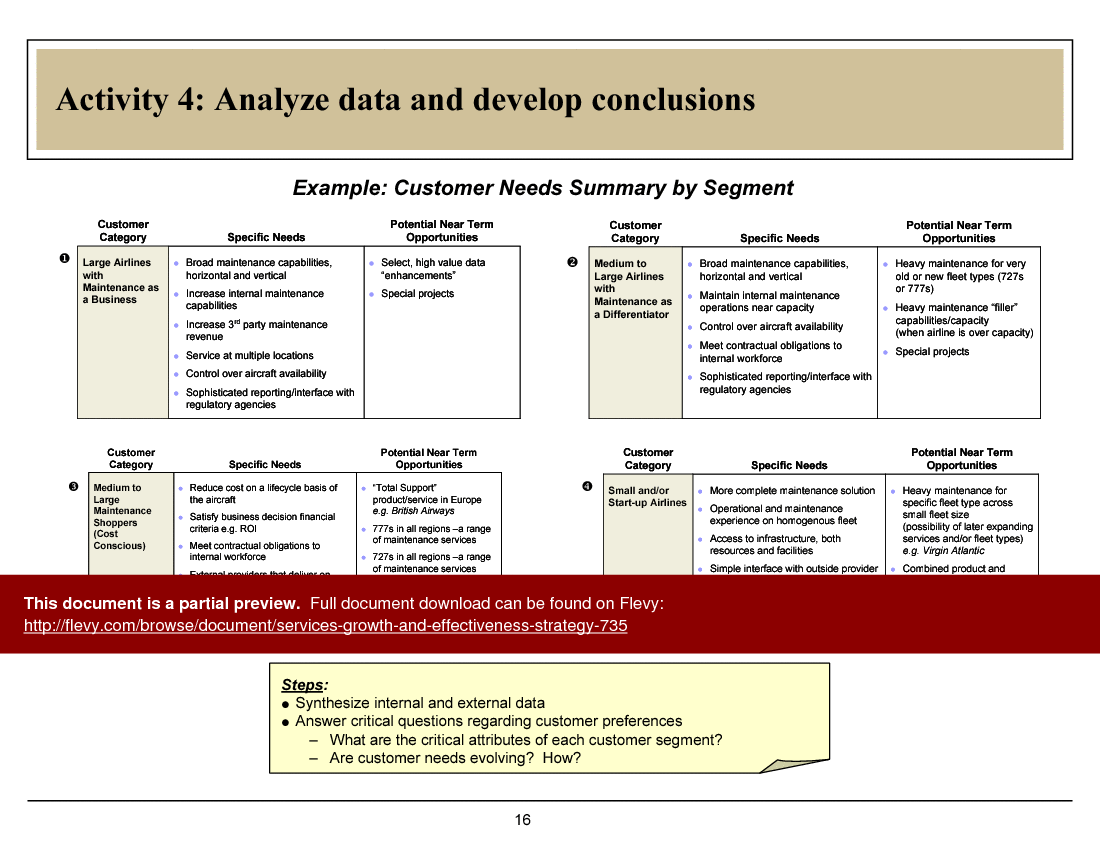
• Customer needs assessment
• Competitive assessment
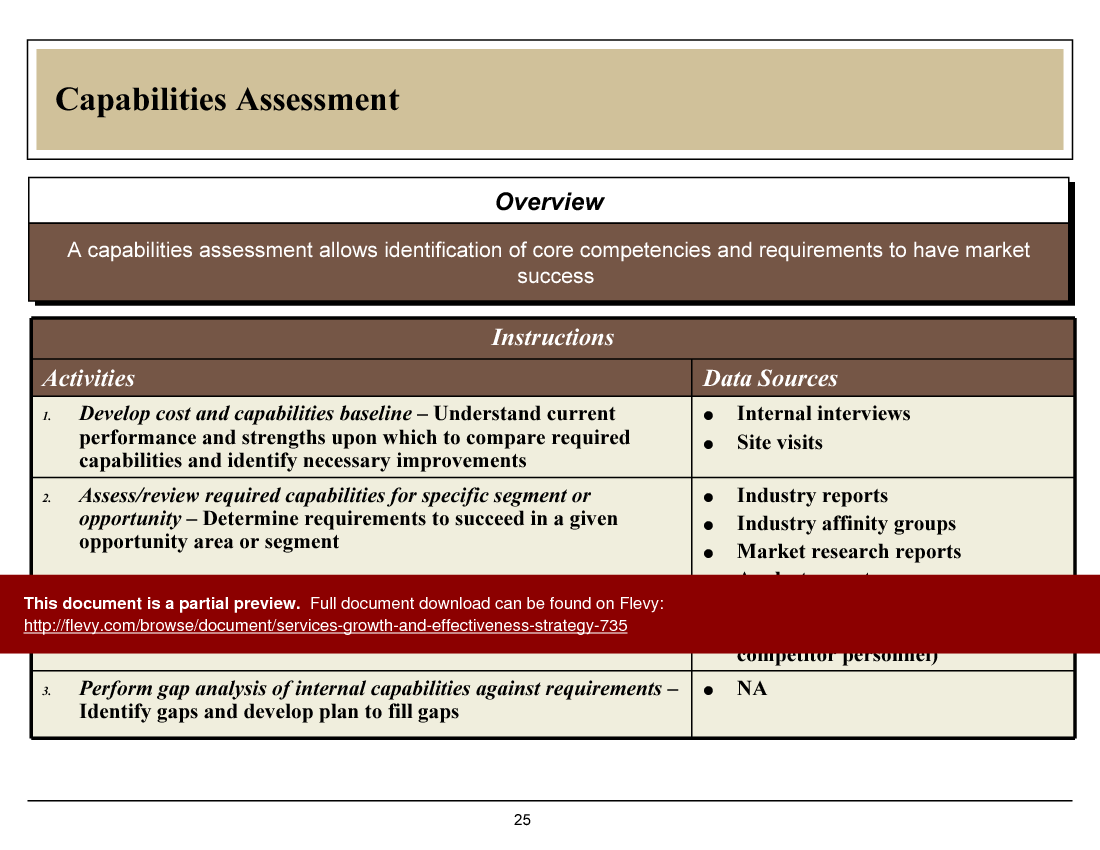
• Capabilities assessment
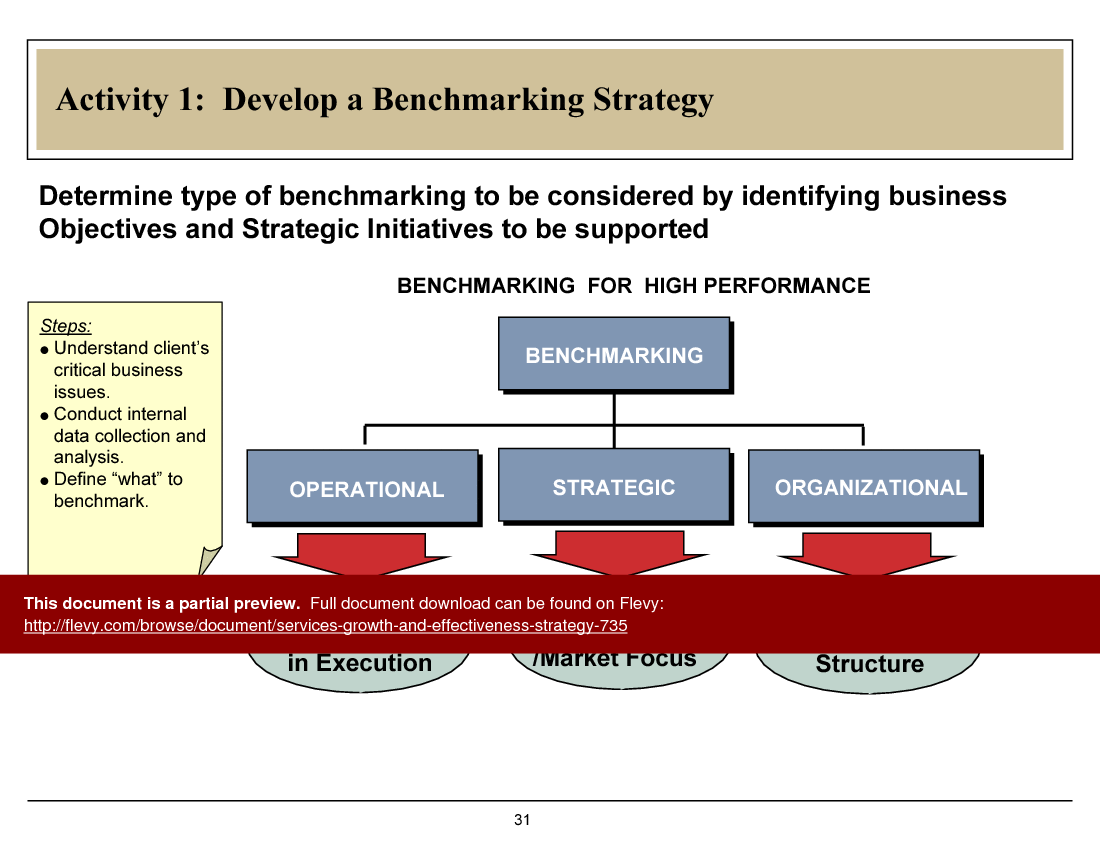
• Benchmarking/best practices
• Alliance approach
• Spare parts/inventory assessment
• Pricing and bundling
• Business case/ROI analysis
• Strategic plan development
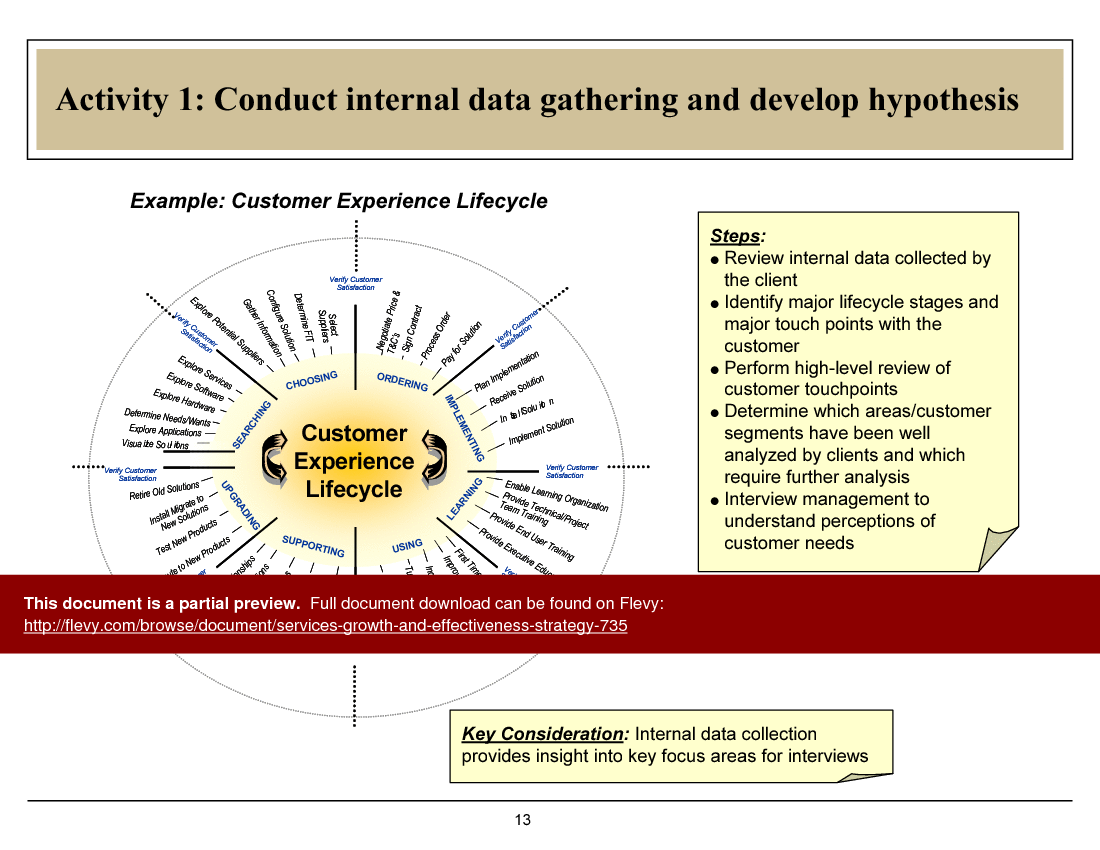
This comprehensive toolkit also delves into the critical aspects of market segmentation and customer experience lifecycle. It provides detailed steps for defining market opportunities, determining attributes for target segments, and selecting those segments. The toolkit emphasizes the importance of internal data collection and hypothesis development, ensuring that customer needs are thoroughly understood and addressed.
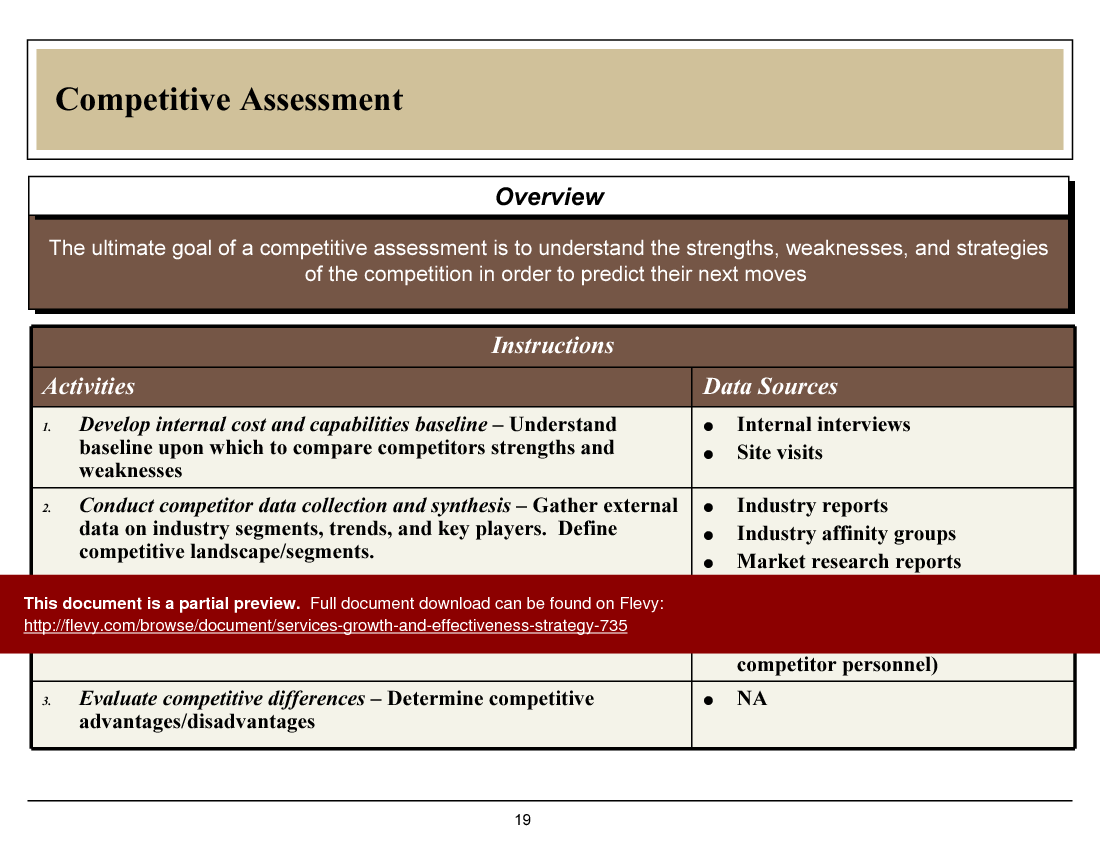
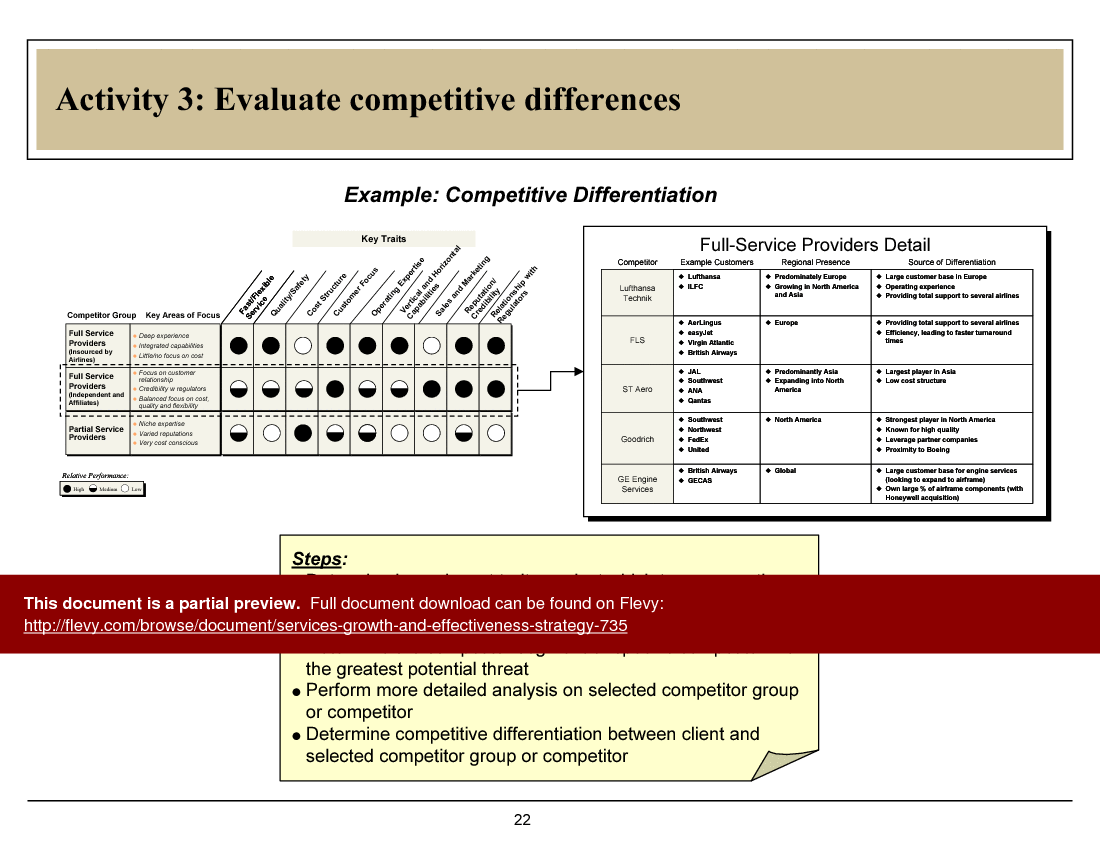
The document includes a robust framework for competitive assessment, helping organizations understand their strengths and weaknesses relative to competitors. It guides you through developing a cost and capabilities baseline, gathering competitor data, and evaluating competitive differences. This approach ensures that your service strategy is not only effective, but also sustainable in a competitive landscape.
Additionally, the toolkit covers essential elements of pricing and bundling strategies. It provides a structured approach to understanding customer value, synthesizing data for pricing analysis, and segmenting products to identify market opportunities. The document also highlights the importance of developing a business case and establishing ROI, ensuring that all strategic initiatives are financially viable and aligned with organizational goals.
Got a question about the product? Email us at support@flevy.com or ask the author directly by using the "Ask the Author a Question" form. If you cannot view the preview above this document description, go here to view the large preview instead.
Executive Summary
The Services Growth & Effectiveness Strategy presentation is a consulting-grade toolkit designed to empower organizations in developing a robust strategy for service growth and operational effectiveness. This deck, crafted with the rigor expected from McKinsey, Bain, or BCG-quality frameworks (not affiliated), provides actionable insights into market analysis, customer needs, competitive assessments, and pricing strategies. Buyers will be equipped to quantify market opportunities, assess customer needs, benchmark against competitors, and develop a strategic plan that drives sustainable growth.
Who This Is For and When to Use
• Corporate executives seeking to enhance service offerings and drive growth.
• Business development teams focused on identifying market opportunities and customer needs.
• Strategy consultants working on service effectiveness projects.
• Operations leaders tasked with optimizing service delivery and performance metrics.
Best-fit moments to use this deck:
• During strategic planning sessions to define growth objectives and service capabilities.
• When conducting market assessments to identify new service opportunities.
• In workshops aimed at aligning teams on customer needs and competitive positioning.
Learning Objectives
• Define key market segments and assess their growth potential.
• Build a comprehensive understanding of customer needs and preferences.
• Establish competitive benchmarks to evaluate service effectiveness.
• Identify core competencies required for market success.
• Develop pricing strategies that enhance revenue and market positioning.
• Create a strategic plan that outlines actionable steps for service growth.
Table of Contents
• Market Sizing, Segments, and Growth Analysis (page 4)
• Customer Needs Assessment (page 10)
• Competitive Assessment (page 17)
• Capabilities Assessment (page 23)
• Benchmarking/Best Practices (page 29)
• Alliance Approach (page 38)
• Spare Parts/Inventory Assessment (page 46)
• Pricing and Bundling (page 54)
• Services Technology Strategy (page 66)
• Business Case/ROI Analysis (page 75)
• Strategic Plan Development (page 83)
Primary Topics Covered
• Market Sizing and Segmentation - Analyze market opportunities by segmenting industries and quantifying potential growth areas.
• Customer Needs Assessment - Identify customer segments based on needs, values, and behaviors to tailor service offerings effectively.
• Competitive Assessment - Evaluate competitors' strengths and weaknesses to inform strategic positioning.
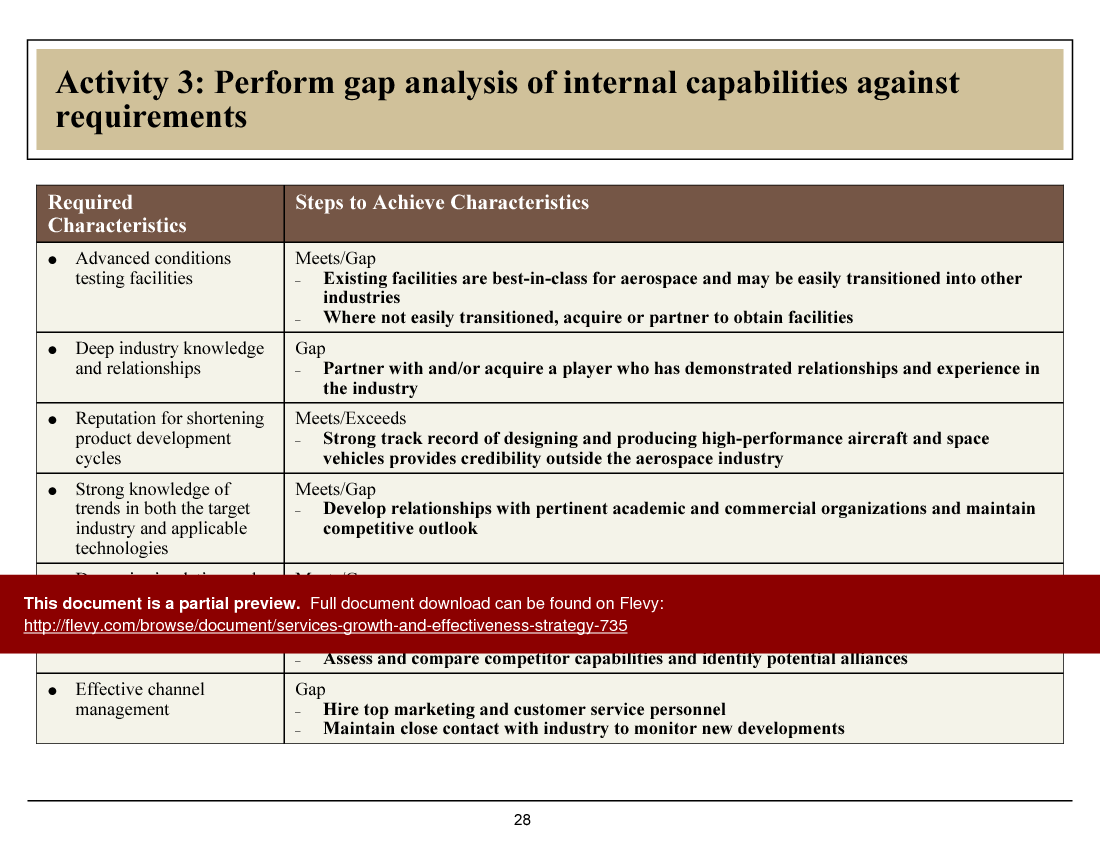
• Capabilities Assessment - Assess internal capabilities against market requirements to identify gaps and improvement areas.
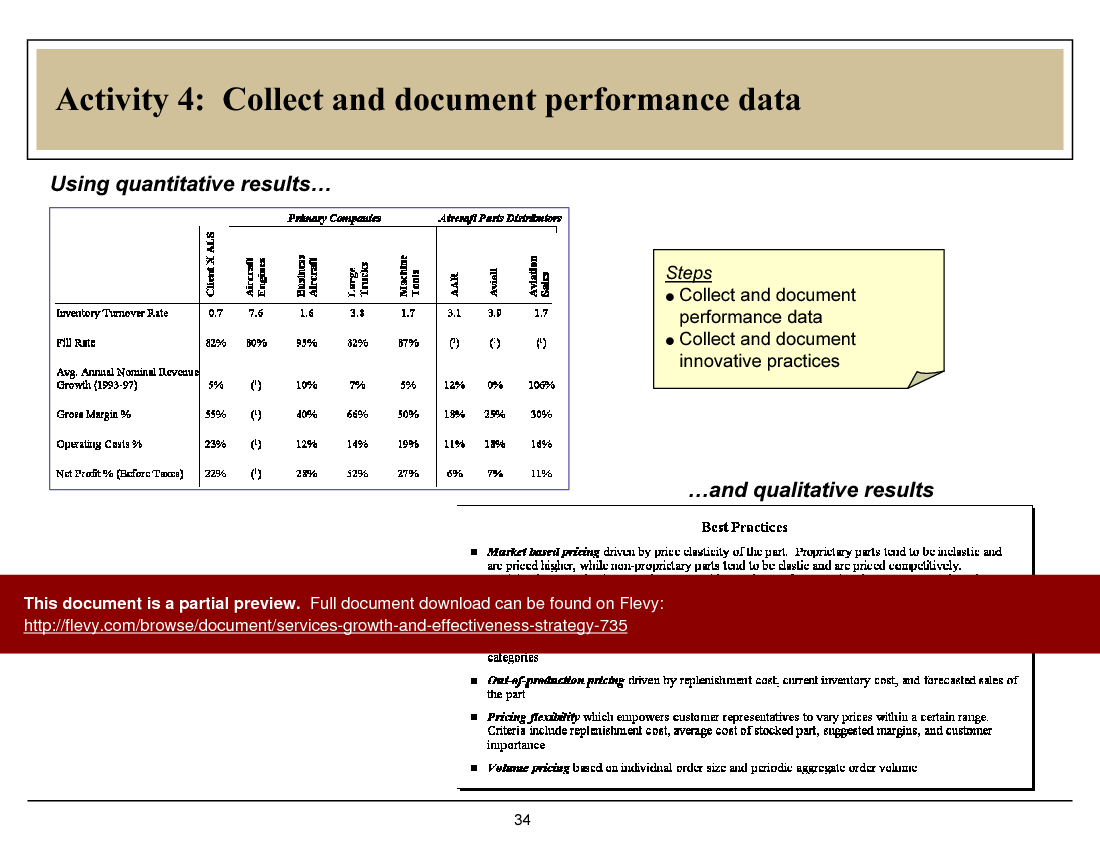
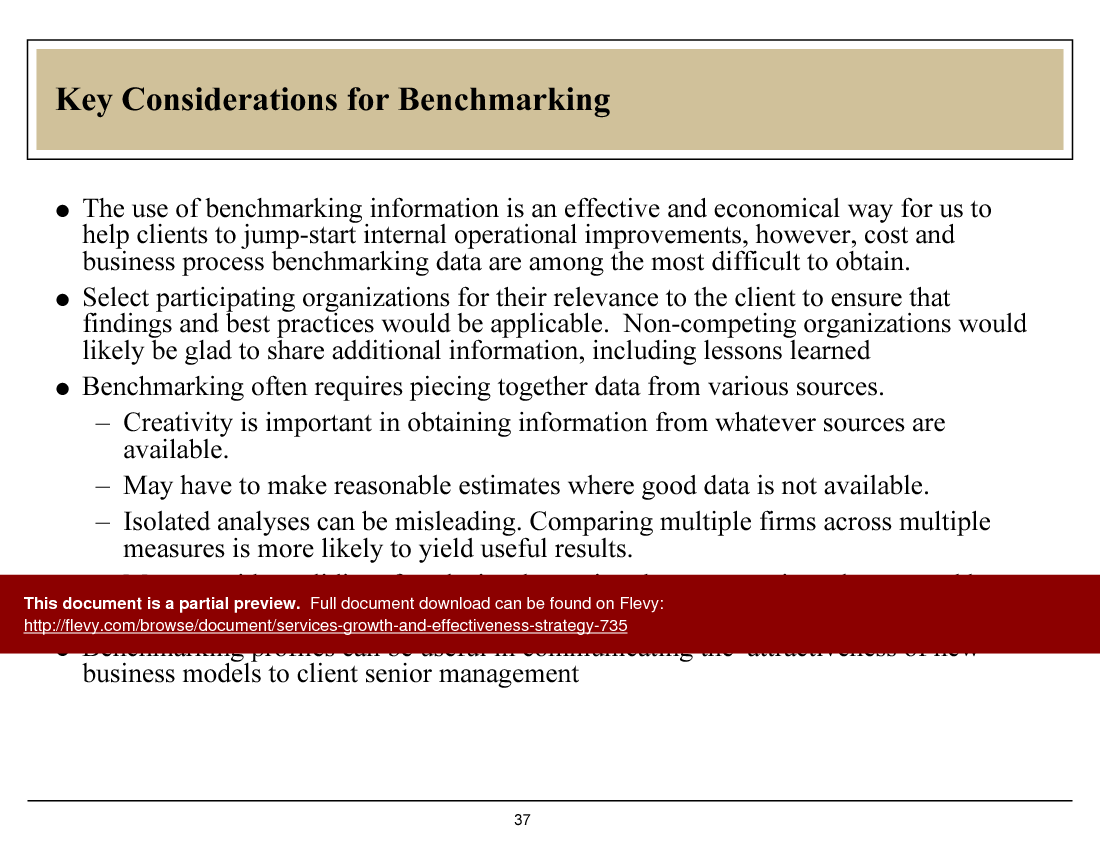
• Benchmarking Best Practices - Utilize industry benchmarks to identify performance gaps and best practices.
• Pricing and Bundling Strategies - Develop pricing models and bundling opportunities to enhance revenue streams.
Deliverables, Templates, and Tools
• Market segmentation templates to categorize and prioritize target segments.
• Customer needs assessment frameworks to identify and analyze customer preferences.
• Competitive analysis matrices to evaluate market positioning against key competitors.
• Capabilities assessment tools to benchmark internal competencies against market needs.
• Pricing strategy templates to guide pricing decisions and bundling opportunities.
• Strategic plan development frameworks to outline actionable steps for implementation.
Slide Highlights
• Overview of market sizing methodologies and segmentation strategies.
• Visual representation of customer experience lifecycle and touchpoints.
• Competitive landscape analysis highlighting key players and market dynamics.
• Capabilities assessment framework detailing core competencies and performance metrics.
• Pricing analysis showcasing potential revenue impacts and market positioning.
Potential Workshop Agenda
Market Opportunity Identification Session (90 minutes)
• Review market sizing and segmentation findings.
• Discuss customer needs and preferences based on assessments.
• Identify key competitive advantages and gaps.
Strategic Planning Workshop (120 minutes)
• Develop actionable strategies based on market and customer insights.
• Prioritize initiatives for service growth and operational effectiveness.
• Create a roadmap for implementation and performance tracking.
Customization Guidance
• Tailor market segmentation criteria based on specific industry dynamics and customer profiles.
• Adjust competitive assessment frameworks to reflect unique market conditions and competitors.
• Modify pricing strategies to align with organizational goals and customer value perceptions.
• Incorporate specific metrics and KPIs relevant to the organization’s service offerings.
Secondary Topics Covered
• Best practices in service delivery and operational efficiency.
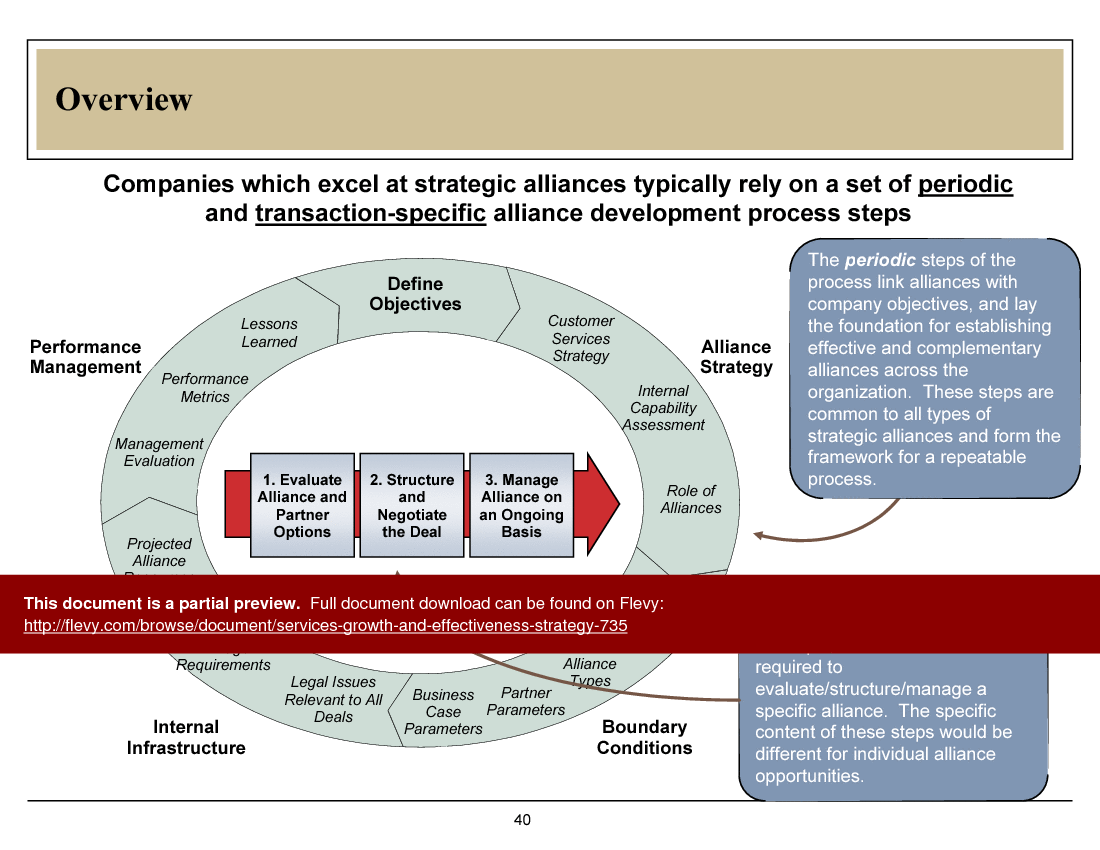
• Strategic alliance frameworks for leveraging partnerships.
• Inventory management strategies for spare parts and service components.
• Technology considerations for enhancing service capabilities.
• ROI analysis methodologies for evaluating service investments.
FAQ
What is the primary focus of the Services Growth & Effectiveness Strategy presentation?
The presentation focuses on developing a comprehensive strategy for enhancing service growth and operational effectiveness through market analysis, customer insights, and competitive assessments.
How can this toolkit be applied in a corporate setting?
This toolkit can be utilized during strategic planning sessions, market assessments, and workshops aimed at aligning teams on service growth objectives and customer needs.
What methodologies are included in the toolkit?
The toolkit includes methodologies for market sizing, customer needs assessment, competitive analysis, capabilities assessment, benchmarking, and pricing strategies.
Can the templates be customized for specific industries?
Yes, the templates and frameworks can be tailored to reflect the unique characteristics and dynamics of specific industries.
What outcomes can be expected from using this presentation?
Users can expect to gain actionable insights into market opportunities, customer needs, and competitive positioning, leading to a well-defined strategic plan for service growth.
Is this presentation suitable for all organizational levels?
While primarily designed for corporate executives and strategy teams, the insights and frameworks can be beneficial for various organizational levels involved in service delivery and growth initiatives.
How does the toolkit address competitive analysis?
The toolkit provides frameworks for evaluating competitors' strengths and weaknesses, enabling organizations to position themselves effectively in the market.
What is the significance of the pricing and bundling strategies included?
Pricing and bundling strategies are crucial for enhancing revenue streams and improving market positioning by aligning offerings with customer value perceptions.
Glossary
• Market Segmentation - The process of dividing a market into distinct groups of buyers with different needs or behaviors.
• Customer Needs Assessment - A systematic approach to understanding customer preferences and requirements.
• Competitive Assessment - An evaluation of competitors’ strengths, weaknesses, and strategies.
• Capabilities Assessment - An analysis of an organization's core competencies and performance metrics.
• Benchmarking - The practice of comparing business processes and performance metrics to industry bests.
• Pricing Strategy - A method for determining the best price for a product or service based on market conditions.
• Bundling - The practice of offering multiple products or services together as a single combined offering.
• ROI (Return on Investment) - A financial metric used to evaluate the profitability of an investment.
• Strategic Plan - A document that outlines an organization's direction and the actions needed to achieve its goals.
• Service Effectiveness - A measure of how well a service meets customer needs and expectations.
• Operational Efficiency - The ability to deliver services effectively while minimizing costs and maximizing value.
• Technology Strategy - A plan for leveraging technology to enhance service capabilities and operational performance.
• Alliance Strategy - A framework for developing and managing strategic partnerships to achieve business objectives.
• Inventory Management - The process of overseeing and controlling inventory levels to meet customer demand efficiently.
• Market Analysis - The study of market conditions to identify opportunities and threats.
• SWOT Analysis - A strategic planning tool used to identify strengths, weaknesses, opportunities, and threats.
• Customer Experience Lifecycle - The stages a customer goes through when interacting with a service or product.
• Performance Metrics - Measures used to evaluate the effectiveness and efficiency of a service or process.
• Best Practices - Proven methods or techniques that have consistently shown superior results.
• Strategic Objectives - Specific goals that an organization aims to achieve as part of its strategic plan.
Source: Best Practices in Growth Strategy, Competitive Advantage PowerPoint Slides: Services Growth & Effectiveness Strategy PowerPoint (PPT) Presentation Slide Deck, Documents & Files
This document is available as part of the following discounted bundle(s):
Save %!
Business Growth Strategy
This bundle contains 5 total documents. See all the documents to the right.
|
Download our FREE Strategy & Transformation Framework Templates
Download our free compilation of 50+ Strategy & Transformation slides and templates. Frameworks include McKinsey 7-S, Balanced Scorecard, Disruptive Innovation, BCG Curve, and many more. |