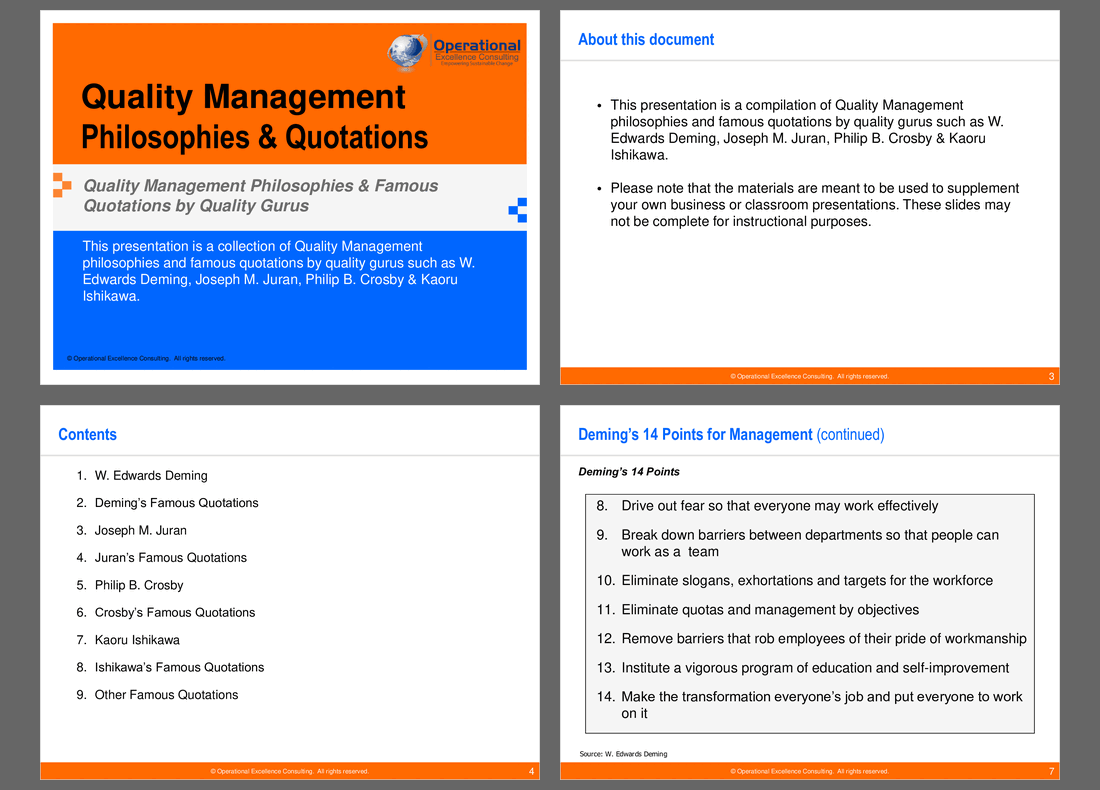
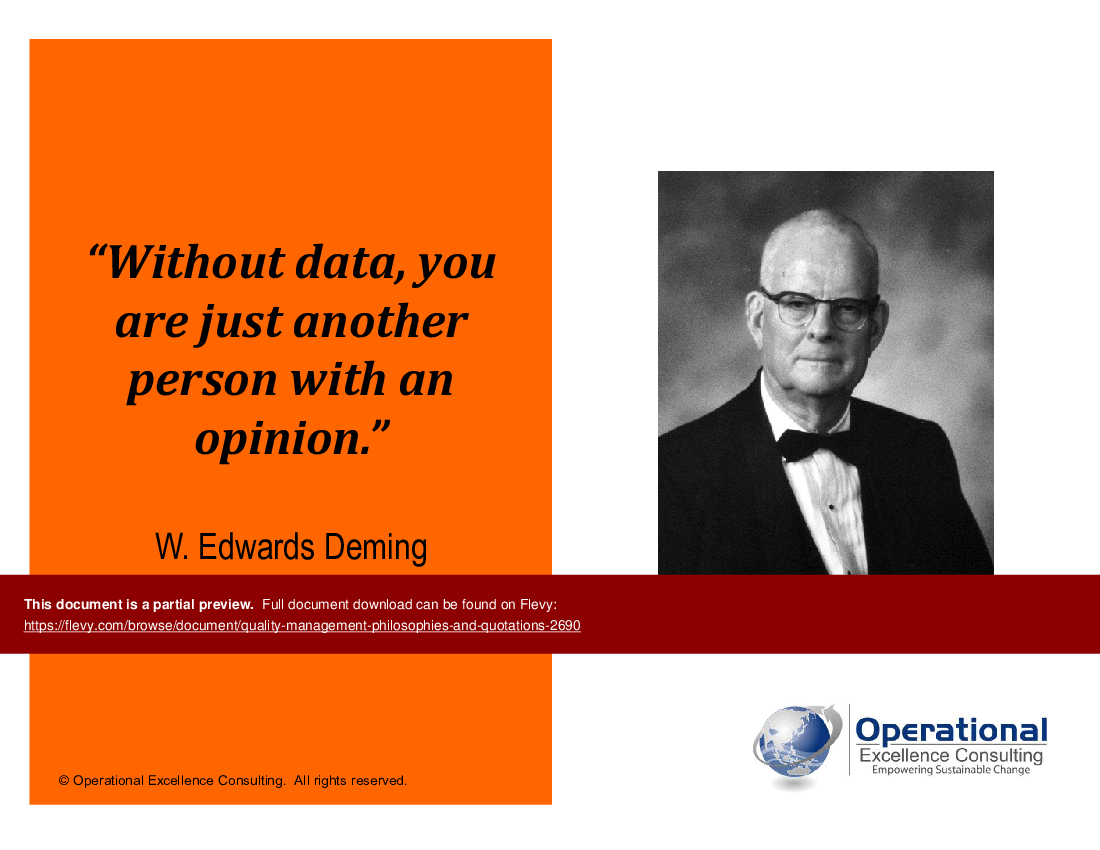
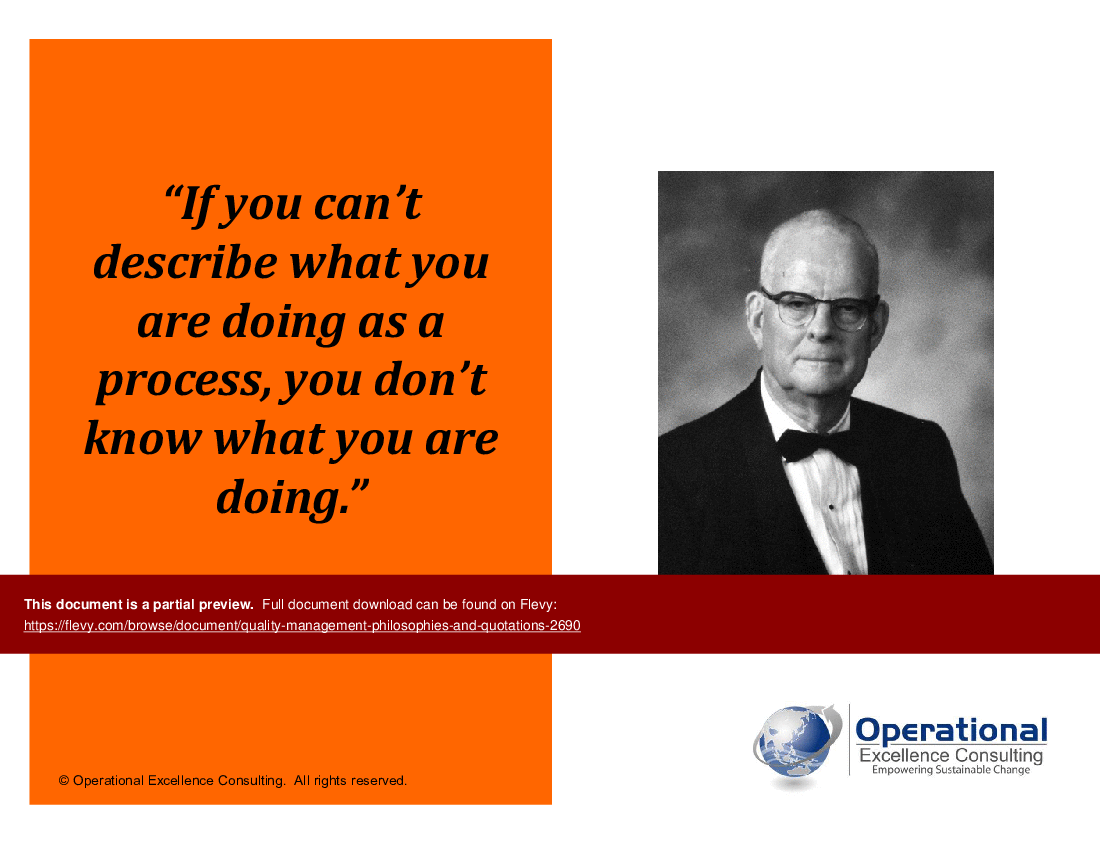
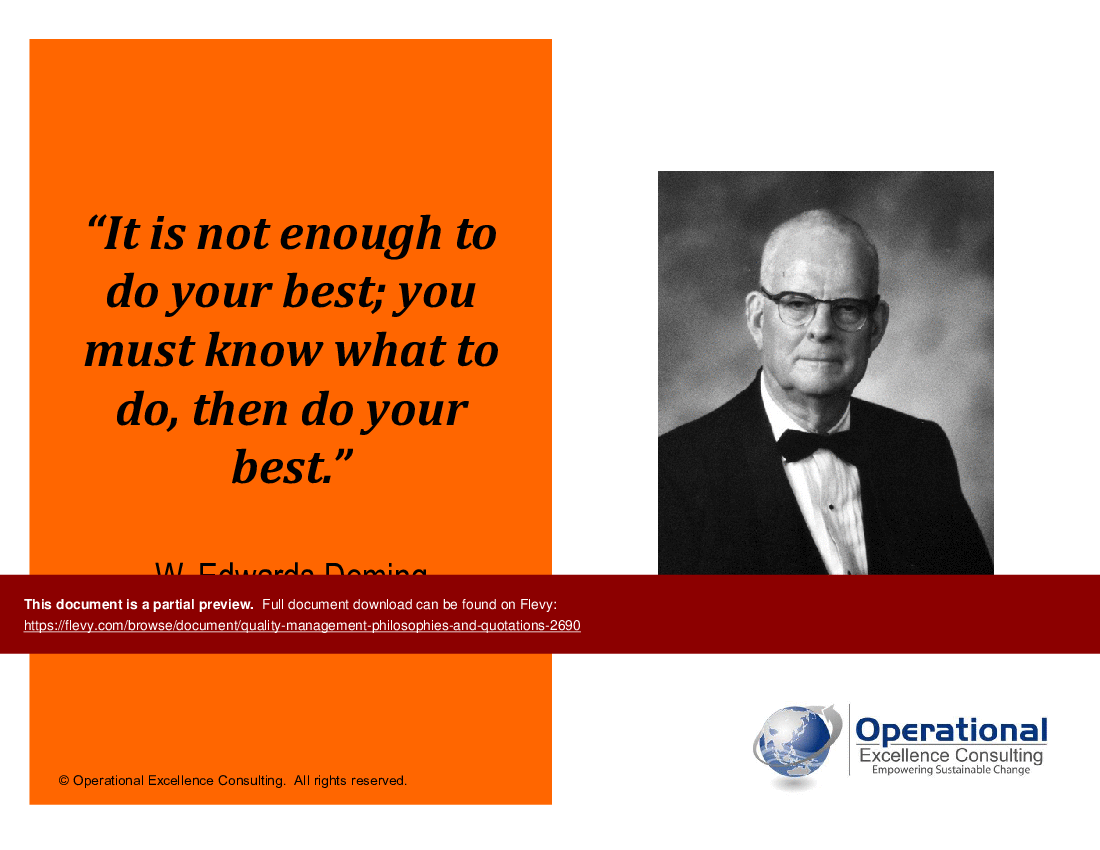

This presentation is a collection of Quality Management philosophies and famous quotations by quality gurus such as W. Edwards Deming, Joseph M. Juran, Philip B. Crosby, Kaoru Ishikawa, etc.

These philosophies and quotations can easily be incorporated into your own classroom and training materials to enhance the overall presentation.
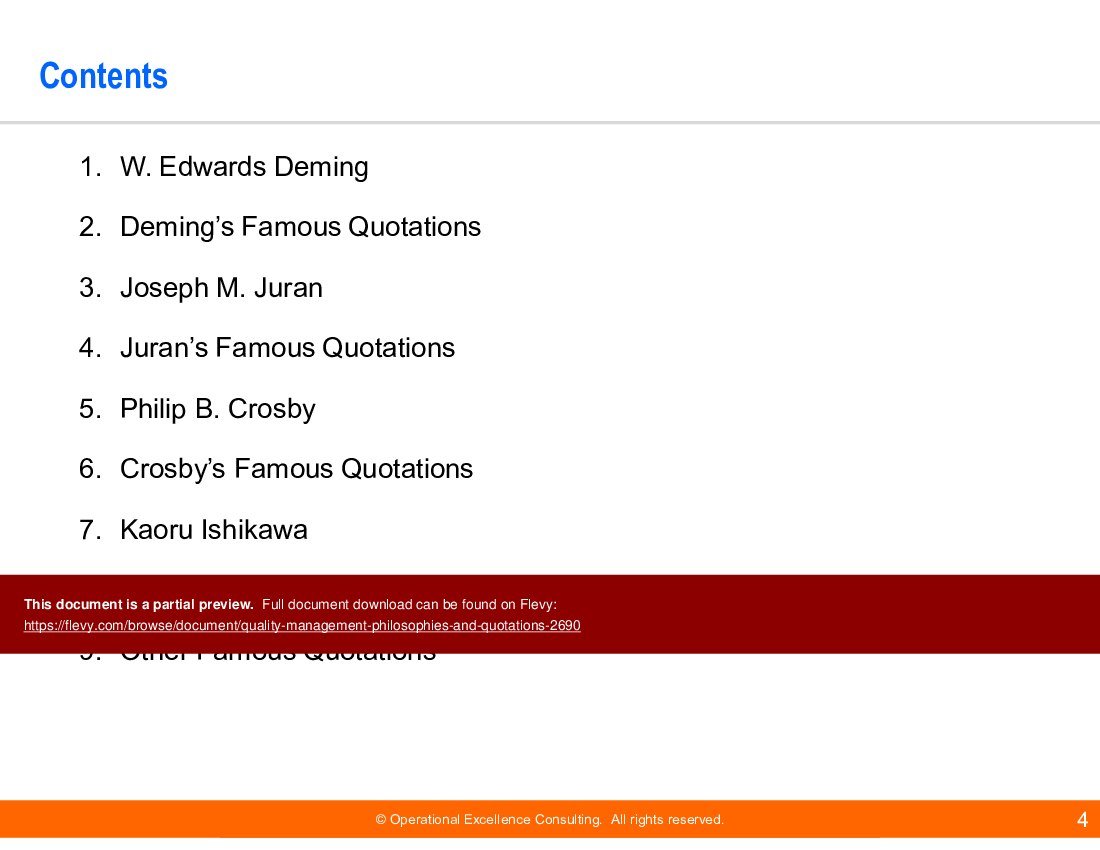
CONTENTS
1. W. Edwards Deming
2. Deming's Famous Quotations
3. Joseph M. Juran
4. Juran's Famous Quotations
5. Philip B. Crosby
6. Crosby's Famous Quotations
7. Kaoru Ishikawa
8. Ishikawa's Famous Quotations
9. Other Famous Quality-related Quotations
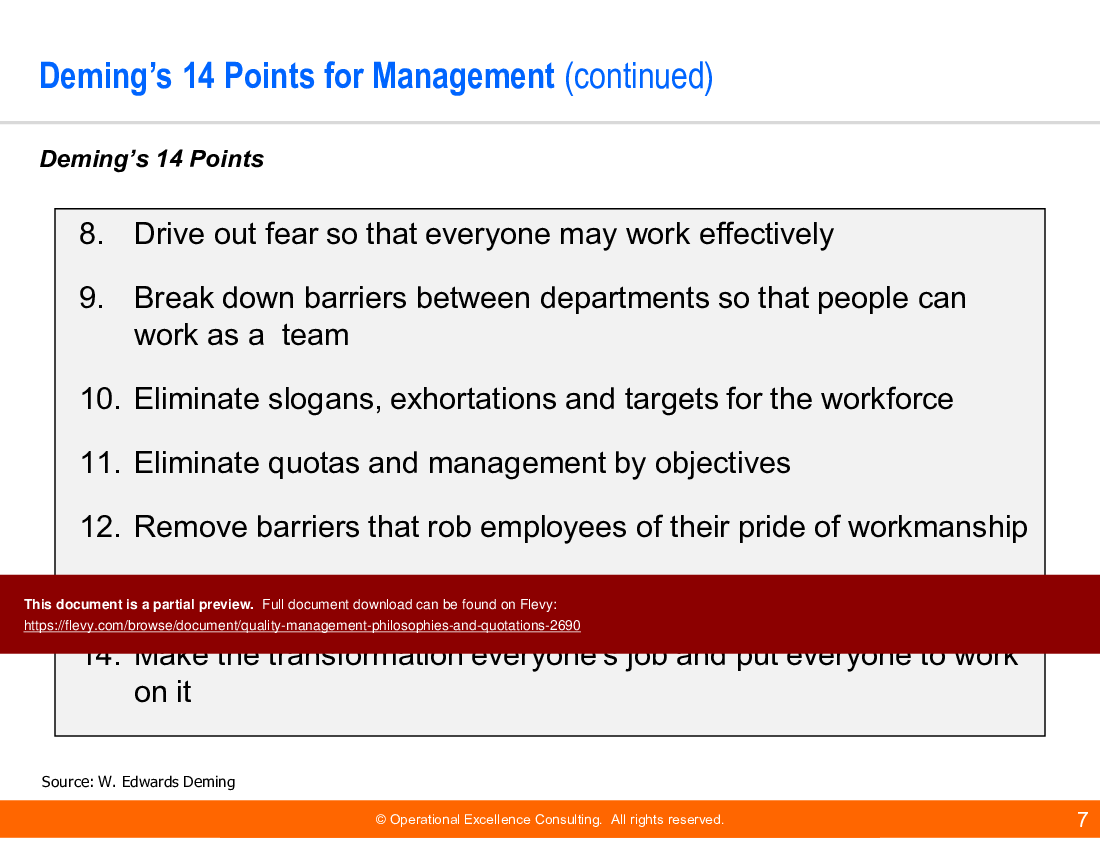
This PPT dives deep into the core principles of quality management, presenting key insights from the most influential figures in the field. Deming's 14 Points for Management are meticulously outlined, emphasizing the importance of driving out fear, breaking down departmental barriers, and eliminating quotas. These points are essential for fostering a culture of continuous improvement and teamwork within your organization.
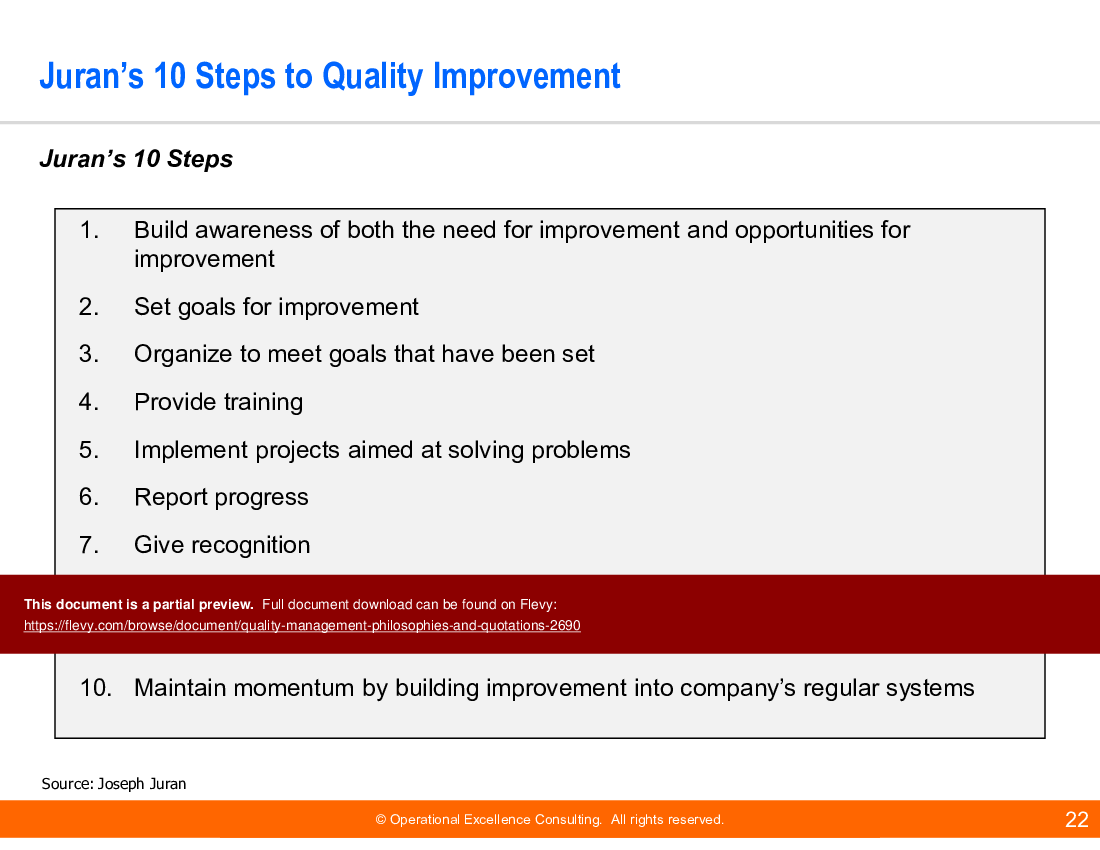
The presentation also highlights Juran's 10 Steps to Quality Improvement, which provide a structured approach to identifying and addressing areas for enhancement. From setting goals to providing training and recognizing achievements, these steps are designed to integrate quality improvement into the very fabric of your company's operations. Juran's emphasis on the necessity of standards for logical decision-making and action underscores the critical role of clear benchmarks in achieving excellence.
Crosby's 14 Steps to Quality Improvement are also featured, offering practical strategies for long-term commitment to quality. His famous assertion that "quality is free" challenges conventional thinking and underscores the cost-effectiveness of doing things right the first time. This document is a valuable resource for executives seeking to embed quality into their organizational DNA, ensuring sustainable success and operational excellence.
Got a question about the product? Email us at support@flevy.com or ask the author directly by using the "Ask the Author a Question" form. If you cannot view the preview above this document description, go here to view the large preview instead.
Executive Summary
This presentation, titled "Quality Management Philosophies & Quotations," serves as a comprehensive resource for understanding the foundational principles of quality management articulated by renowned experts such as W. Edwards Deming, Joseph M. Juran, Philip B. Crosby, and Kaoru Ishikawa. It compiles essential philosophies and impactful quotations that emphasize the importance of quality in business processes. This deck is ideal for training sessions, workshops, and presentations aimed at fostering a culture of quality within organizations.
Who This Is For and When to Use
• Quality Assurance Managers seeking to enhance their team's understanding of quality principles
• Training and Development Teams designing programs focused on quality improvement
• Senior Executives aiming to instill a quality-centric culture across the organization
• Consultants and Coaches facilitating workshops on operational excellence
Best-fit moments to use this deck:
• During quality management training sessions to introduce key philosophies
• In team meetings to discuss quality improvement initiatives
• As a reference for developing quality-focused strategic plans
Learning Objectives
• Define key quality management philosophies and their relevance in today's business environment
• Identify the contributions of quality gurus to modern quality management practices
• Apply the principles of quality management to improve organizational processes
• Foster a culture of continuous improvement through the adoption of quality philosophies
• Utilize famous quotations to inspire and motivate teams toward quality excellence
Table of Contents
• W. Edwards Deming (page 5)
• Deming’s Famous Quotations (page 10)
• Joseph M. Juran (page 15)
• Juran’s Famous Quotations (page 20)
• Philip B. Crosby (page 25)
• Crosby’s Famous Quotations (page 30)
• Kaoru Ishikawa (page 35)
• Ishikawa’s Famous Quotations (page 40)
• Other Famous Quotations (page 45)
Primary Topics Covered
• W. Edwards Deming - Key contributions to quality management, including the Plan-Do-Check-Act cycle and his 14 Points for Management.
• Joseph M. Juran - Focus on quality planning, control, and improvement through his Trilogy and 10 Steps to Quality Improvement.
• Philip B. Crosby - Emphasis on the concept of "zero defects" and his Four Absolutes of Quality Management.
• Kaoru Ishikawa - Introduction of quality circles and the importance of consumer orientation in quality management.
• Famous Quotations - Inspirational quotes from various quality experts that encapsulate their philosophies and insights on quality.
Deliverables, Templates, and Tools
• Framework for implementing Deming’s 14 Points in organizational settings
• Template for Juran’s 10 Steps to Quality Improvement
• Guide for establishing Crosby’s Zero Defects program
• Overview of Ishikawa’s principles for quality transformation
• Collection of famous quotations for motivational use in presentations
Slide Highlights
• Overview of Deming’s 14 Points for Management, emphasizing continuous improvement and leadership
• Juran’s Trilogy diagram illustrating the cycle of quality planning, control, and improvement
• Crosby’s Four Absolutes of Quality Management, focusing on prevention and conformance
• Ishikawa’s Six Principles for Quality Transformation, highlighting consumer orientation and participatory management
• Inspirational quotes from quality gurus that can be used to motivate teams
Potential Workshop Agenda
Introduction to Quality Management (30 minutes)
• Overview of quality management philosophies
• Discussion on the importance of quality in business
Exploring Deming, Juran, Crosby, and Ishikawa (60 minutes)
• Presentation of each guru’s contributions
• Group discussions on practical applications
Interactive Session on Implementing Quality Principles (90 minutes)
• Breakout groups to develop action plans based on the philosophies
• Sharing of insights and strategies for quality improvement
Customization Guidance
• Adapt the presentation to include specific organizational examples and case studies
• Modify the content to align with the audience’s familiarity with quality management concepts
• Incorporate additional quotes or philosophies relevant to the organization’s industry
Secondary Topics Covered
• The role of leadership in fostering a quality culture
• The impact of employee engagement on quality outcomes
• Statistical methods for quality control and improvement
• The importance of continuous training and education in quality management
Topic FAQ
Document FAQ
These are questions addressed within this presentation.
What is the significance of quality management in business?
Quality management ensures that an organization’s products and services meet customer expectations, leading to increased satisfaction and loyalty.
How can I implement these philosophies in my organization?
Start by introducing the key principles during training sessions and encourage teams to adopt them in their daily operations.
Are the quotations applicable to all industries?
Yes, the philosophies and quotations can be adapted to fit various industries and organizational contexts.
How can I measure the effectiveness of quality management initiatives?
Utilize metrics such as customer satisfaction scores, defect rates, and process efficiency to assess the impact of quality initiatives.
Can this presentation be customized for my organization?
Yes, the presentation can be tailored to include specific examples and terminology relevant to your organization.
What are the key takeaways from each quality guru?
Each guru offers unique insights: Deming emphasizes continuous improvement, Juran focuses on planning and control, Crosby advocates for prevention, and Ishikawa highlights consumer orientation.
How often should quality management training be conducted?
Regular training sessions should be held to reinforce quality principles and keep teams updated on best practices.
What resources are available for further learning on quality management?
Numerous books, online courses, and workshops are available that delve deeper into quality management concepts and practices.
Glossary
• Quality Management - The process of overseeing all activities and tasks needed to maintain a desired level of excellence.
• Continuous Improvement - Ongoing effort to enhance products, services, or processes.
• Zero Defects - A philosophy that aims for no defects in products or services.
• Quality Circle - A group of workers who meet regularly to discuss workplace improvement.
• Plan-Do-Check-Act (PDCA) - A four-step model for continuous improvement.
• Consumer Orientation - Focusing on the needs and satisfaction of customers.
• Statistical Process Control - A method of quality control that uses statistical methods to monitor and control a process.
• Leadership Commitment - The active involvement and support of management in quality initiatives.
• Employee Engagement - The emotional commitment of employees to their organization and its goals.
• Quality Assurance - The systematic process of ensuring that products and services meet specified requirements.
• Quality Control - The operational techniques and activities used to fulfill requirements for quality.
• Quality Improvement - The act of increasing the effectiveness and efficiency of an organization’s processes.
• Training and Development - Programs designed to enhance the skills and knowledge of employees.
• Operational Excellence - An organizational philosophy that embraces problem-solving and leadership as the key to continuous improvement.
• Benchmarking - The process of comparing business processes and performance metrics to industry bests and best practices from other companies.
• Root Cause Analysis - A method of problem-solving used to identify the underlying causes of faults or problems.
• Total Quality Management (TQM) - An organization-wide approach to continuous improvement that focuses on customer satisfaction.
• Cost of Quality - The total cost of ensuring that a product or service is of good quality.
• Process Improvement - The proactive task of identifying, analyzing, and improving existing business processes.
• Quality Standards - Established criteria or specifications for quality against which products or services can be measured.
• Operational Metrics - Measurements used to assess the efficiency and effectiveness of an organization’s operations.
Source: Best Practices in Quality Management PowerPoint Slides: Quality Management Philosophies & Quotations PowerPoint (PPTX) Presentation Slide Deck, Operational Excellence Consulting
|
Receive our FREE presentation on Operational Excellence
This 50-slide presentation provides a high-level introduction to the 4 Building Blocks of Operational Excellence. Achieving OpEx requires the implementation of a Business Execution System that integrates these 4 building blocks. |