 Click main image to view in full screen.


BENEFITS OF THIS DOWNLOADABLE EXCEL DOCUMENT
- ITSM Self Assessment
- Benchmarking
- Supports Digital Transformation
ITSM EXCEL DESCRIPTION
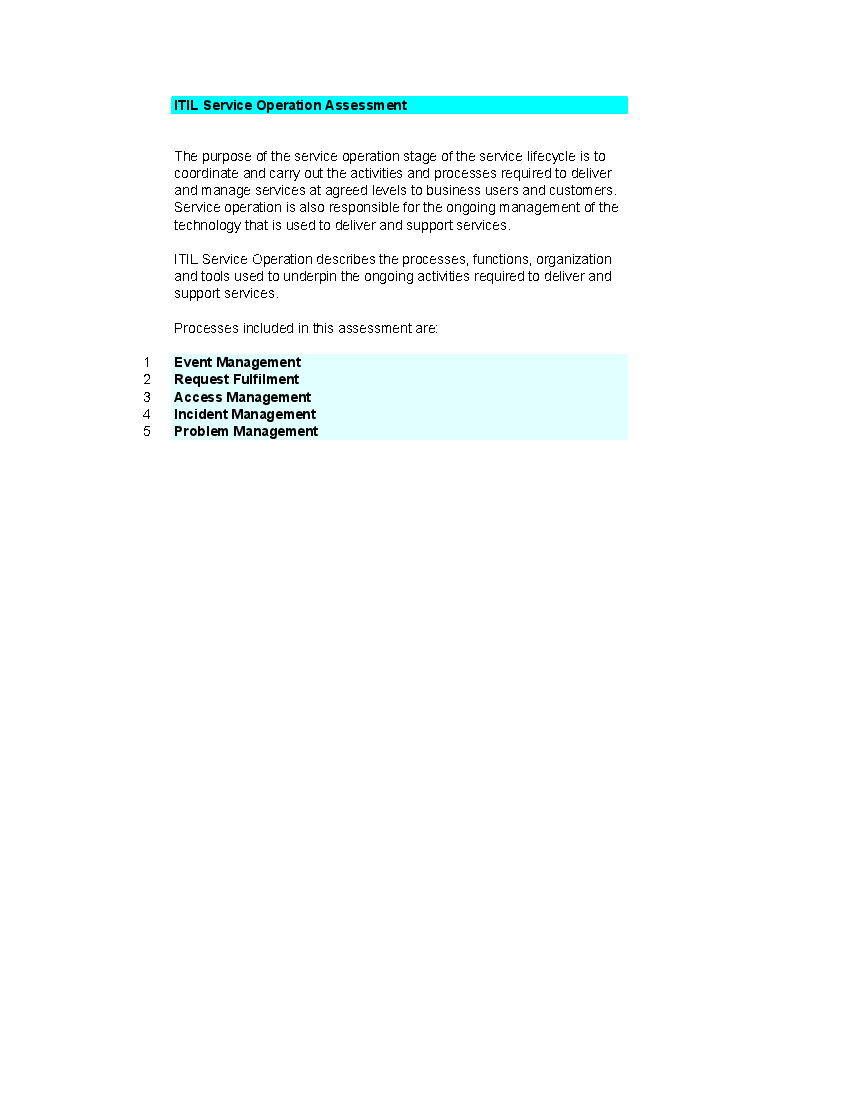
This Excel spreadsheet system with approx. 300 Questions allows you to conduct a Assessment of ITSM Service Operation processes:
1. Event Management
2. Request Fulfilment
3. Access Management
4. Incident Management
5. Problem Management
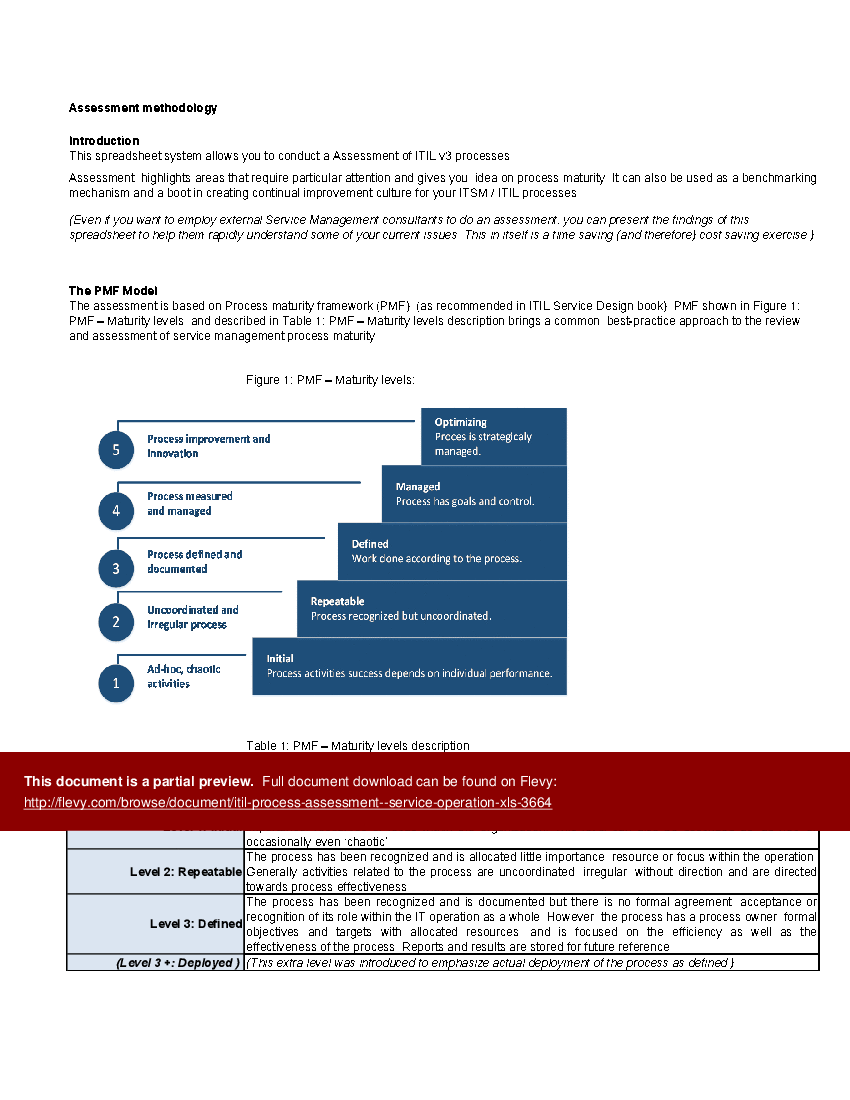
Assessment highlights areas that require particular attention and gives you idea on process maturity. It can also be used as a benchmarking mechanism and a boost in creating continual improvement culture for your ITSM processes.
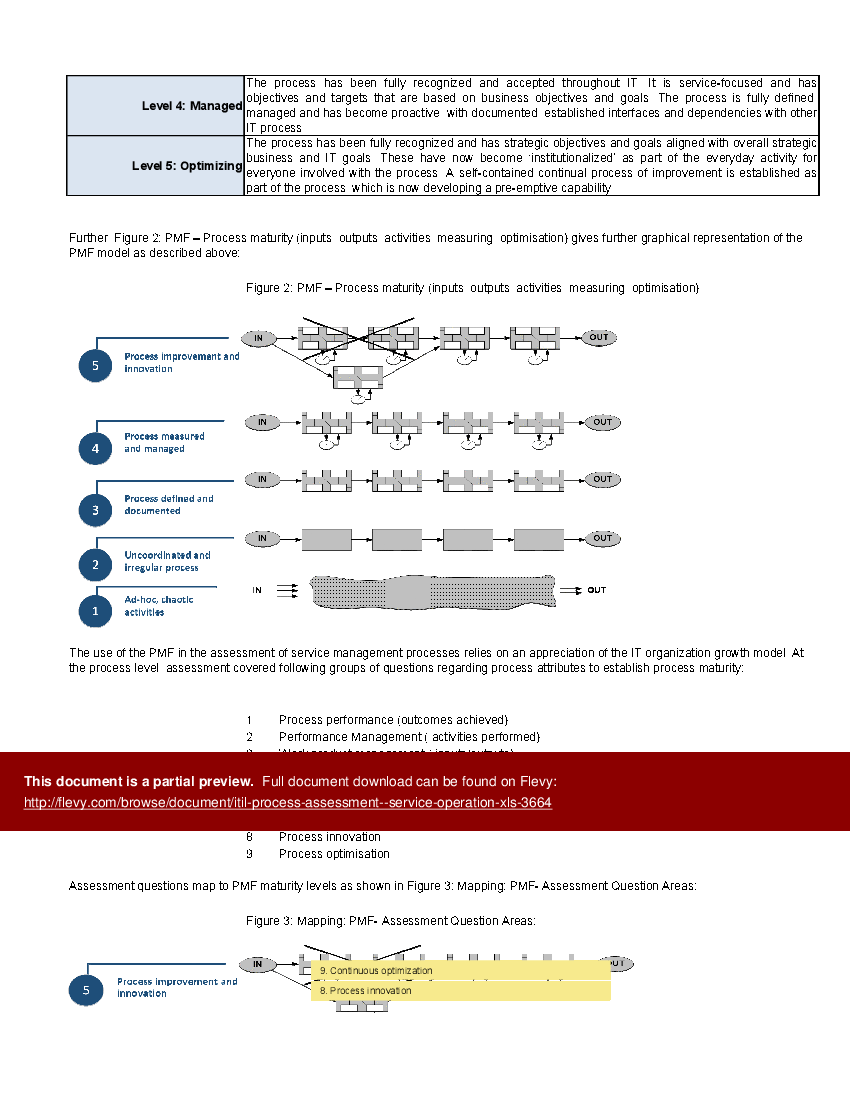
The assessment is based on Process maturity framework (PMF), (as recommended in ITIL Service Design book). Maturity rating levels are:
Level 1: Initial
Level 2: Repeatable
Level 3: Defined
(Level 3 +: Deployed )
Level 4: Managed
Level 5: Optimizing
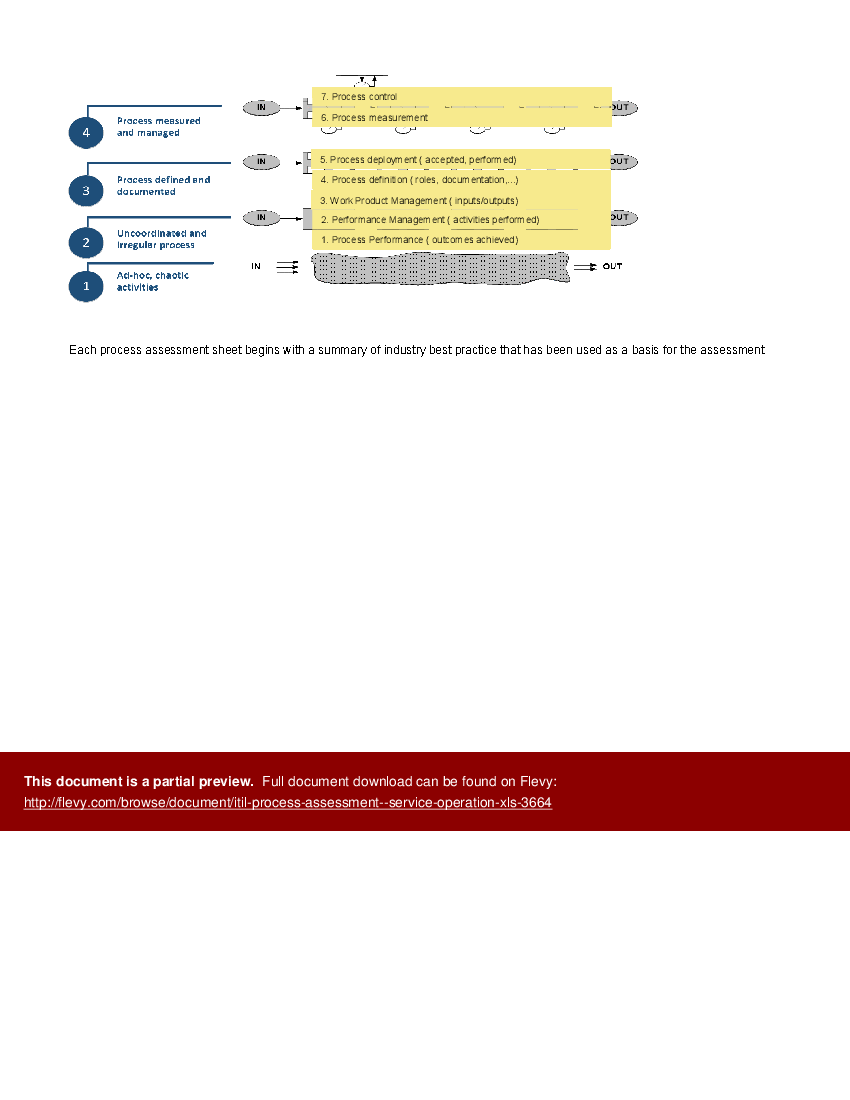
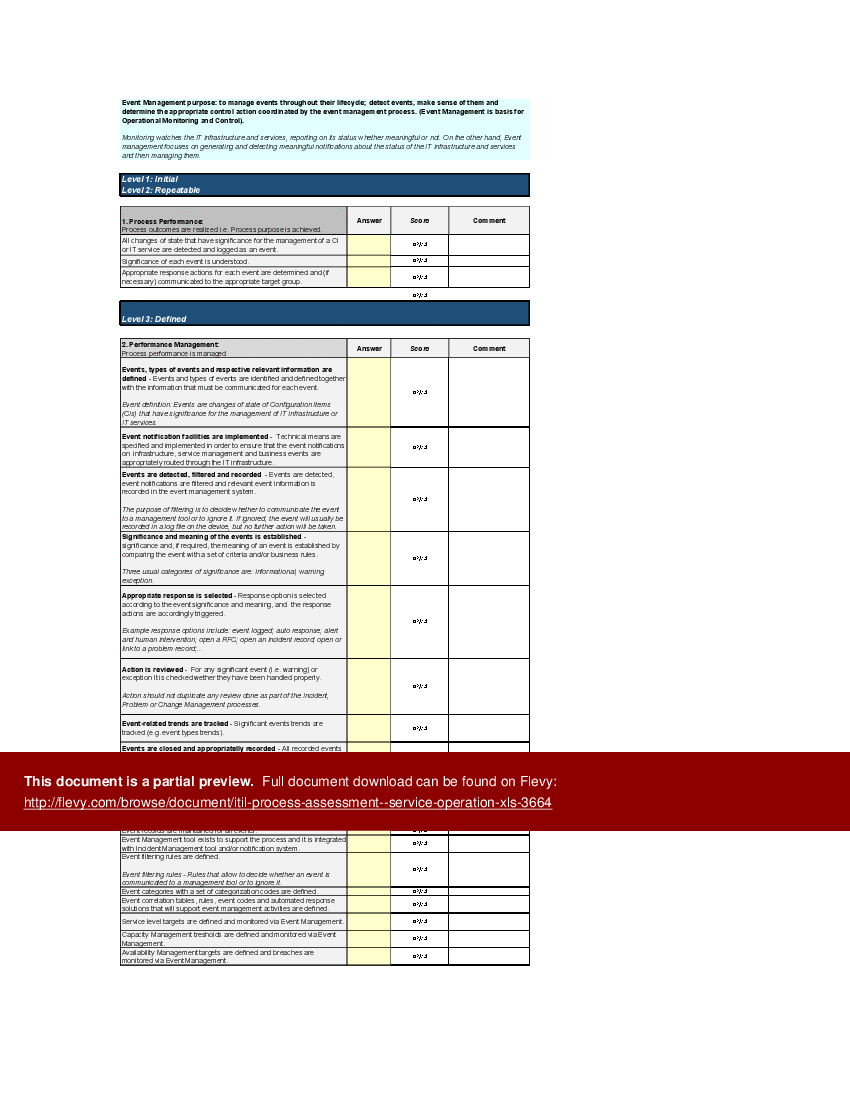
The use of the PMF in the assessment of service management processes relies on an appreciation of the IT organization growth model. At the process level, assessment covered following groups of questions regarding process attributes to establish process maturity:
1. Process performance (outcomes achieved)
2. Performance Management ( activities performed)
3. Work product management ( inputs/outputs)
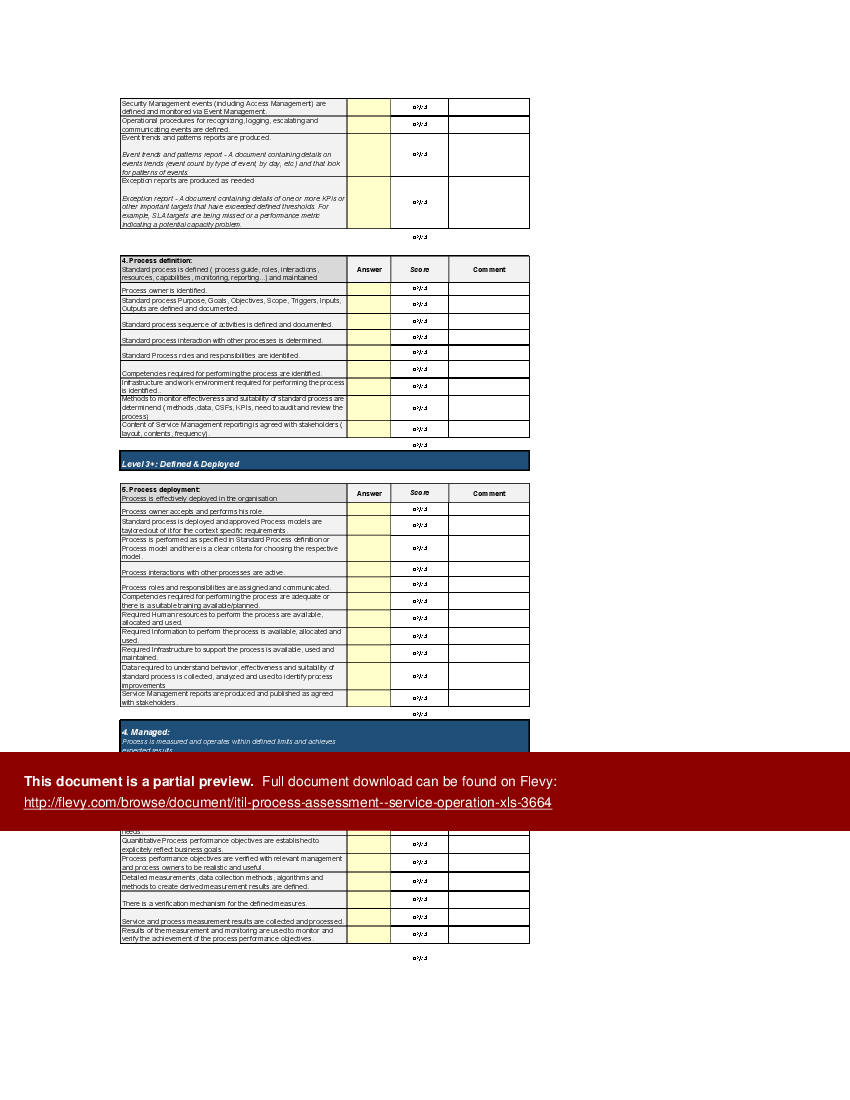
4. Process Definition ( roles documentation)
5. Process deployment( accepted, performed)
6. Process Measurement
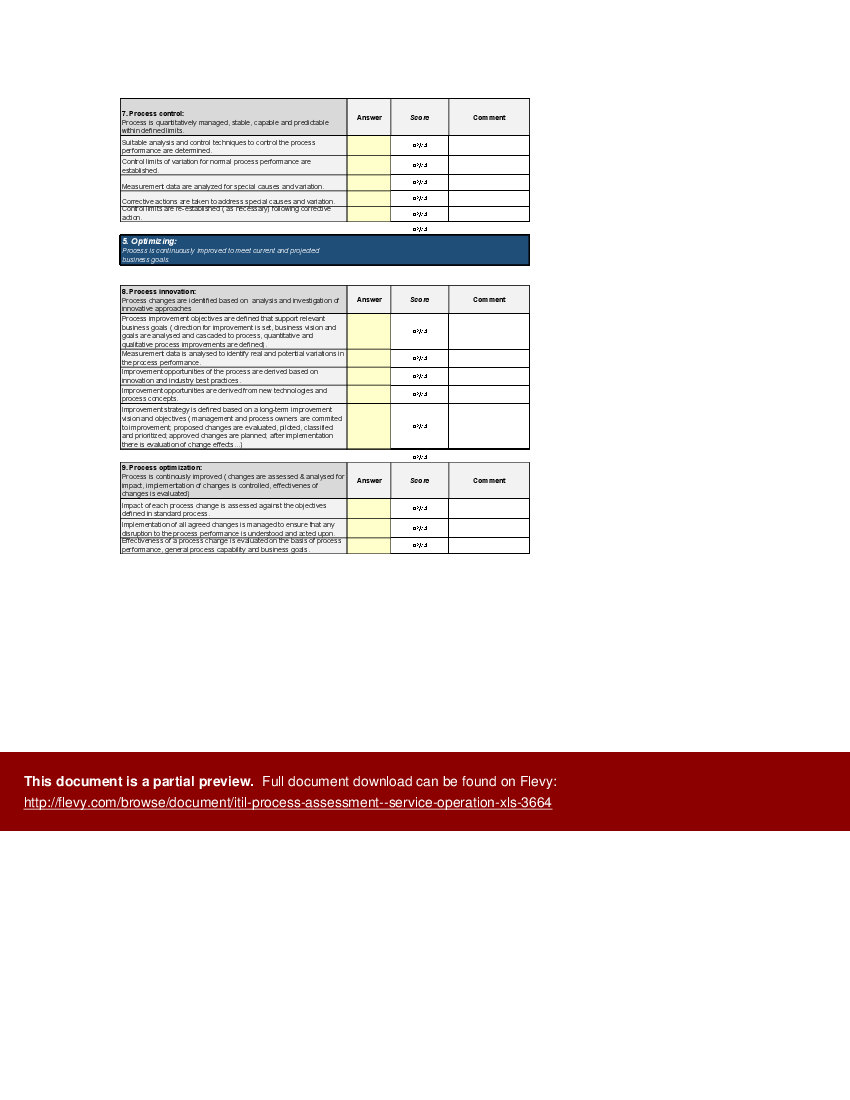
7. Process control
8. Process innovation
9. Process optimisation
Assessment highlights areas that require particular attention and gives you idea on process maturity. It can also be used as a benchmarking mechanism and a boost in creating continual improvement culture for your ITSM processes.
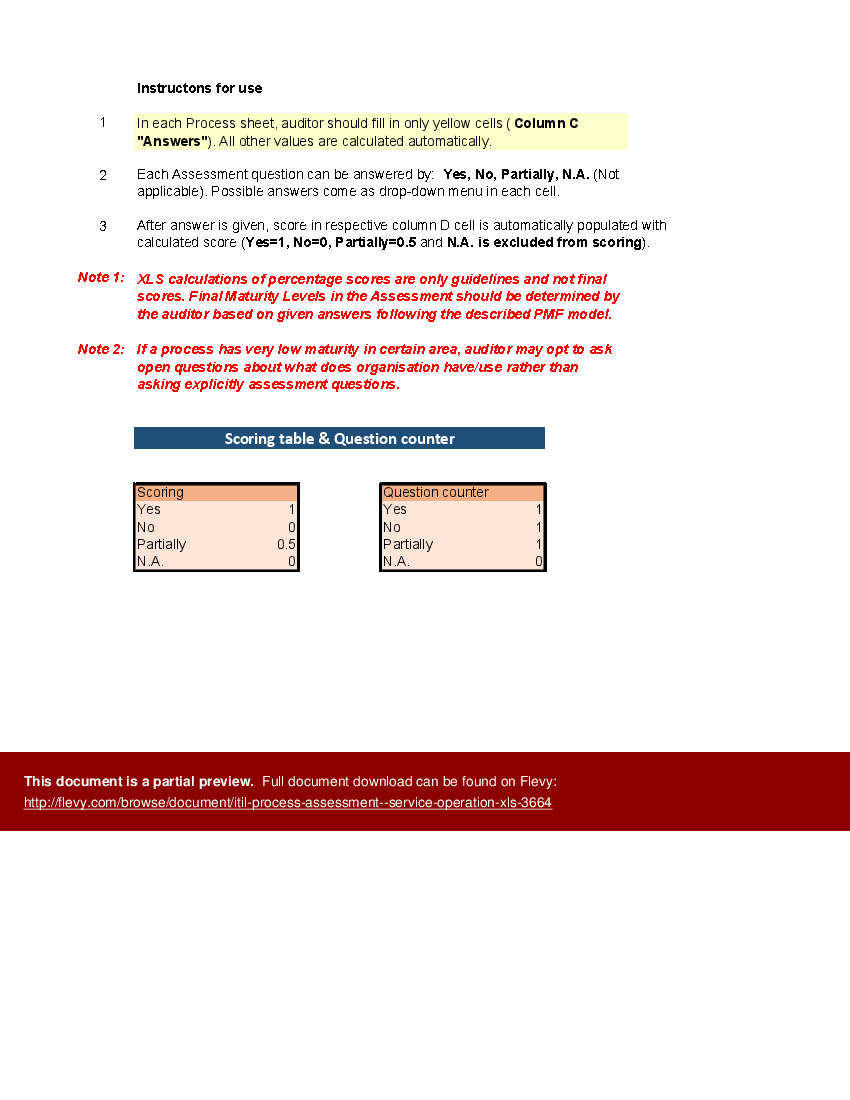
This template is meticulously designed to streamline the assessment process, featuring a scoring table and question counter to facilitate precise evaluations. Each process sheet is structured to ensure auditors only input data in designated cells, with all other values auto-calculated for efficiency. The comprehensive framework covers key ITSM areas, ensuring a thorough analysis of process performance, management, and innovation. This tool empowers your organization to identify gaps, implement best practices, and drive continuous improvement in service operations.
Got a question about the product? Email us at support@flevy.com or ask the author directly by using the "Ask the Author a Question" form. If you cannot view the preview above this document description, go here to view the large preview instead.
TOPIC FAQ
What process attributes are typically evaluated in an ITSM service operation maturity assessment?
Assessments commonly evaluate grouped process attributes such as process performance (outcomes), performance management activities, work product management (inputs/outputs), process definition (roles documentation), deployment, measurement, control, innovation, and optimisation. These are captured across nine process attribute groups.Which maturity levels does the Process Maturity Framework use for ITSM assessments?
The PMF used in ITSM assessments defines 5 maturity levels: Level 1 Initial, Level 2 Repeatable, Level 3 Defined (with Level 3+ Deployed), Level 4 Managed, and Level 5 Optimizing, providing a staged view of process growth across 5 maturity levels.How can an assessment spreadsheet help identify improvement priorities in service operations?
A structured spreadsheet highlights areas requiring attention by scoring responses against PMF attributes, auto-calculating maturity scores, and using a question counter to ensure coverage, enabling identification of gaps for targeted improvement using the scoring table and question counter.Which service operation processes should I include when doing a comprehensive ITSM assessment?
A comprehensive Service Operation assessment typically includes Event Management, Request Fulfilment, Access Management, Incident Management, and Problem Management, ensuring the 5 core service operation processes are evaluated.What features should I look for when selecting an ITSM service operation assessment tool?
Look for a tool that aligns with the PMF/ITIL guidance, provides structured question sets, per-process sheets with designated input cells, automated scoring and aggregation, and a clear scoring table and question counter; an XLSX spreadsheet format supports these features.How much effort is implied by a comprehensive ITSM Service Operation assessment?
Effort depends on scope and respondents,, but the template’s scale is indicated by approximately 300 questions and per-process sheets where auditors input data while other values are auto-calculated, so planning should account for roughly 300 question responses.I need to benchmark Incident Management across departments — what assessment approach should I use?
Use a PMF-based maturity assessment that maps questions to process attributes (performance, measurement, control, deployment) and capture scores on dedicated Incident Management sheets to compare units; templates like Flevy's ITSM Process Assessment provide a per-process sheet for Incident Management.How should I prioritise continual improvement initiatives after an assessment?
Prioritise initiatives by focusing on attributes with the lowest maturity scores—such as process performance, process measurement, process control, and process optimisation—and use scored outputs to sequence actions; assessments that highlight areas requiring attention help allocate effort to process measurement.Source: Best Practices in ITSM Excel: ITSM Process Assessment - Service Operation Excel (XLSX) Spreadsheet, ITSM Consulting




























